
When planning a Kilimanjaro climb for 2026 or 2027, choosing between a local Tanzanian operator and an overseas travel agent involves distinct advantages and disadvantages regarding cost, logistical control, safety oversight, and the authenticity of your experience; local operators generally offer more direct control over your climb, potentially lower costs due to fewer intermediaries, and immediate on-the-ground support, while overseas agents might provide greater convenience through bundled travel, established payment systems, and perceived assurance, though often at a higher price and with less direct operational insight.
Kilimanjaro Local Operator vs. Overseas Travel Agent: The Core Decision for Your 2026-2027 Climb
The dream of standing on the Roof of Africa, Mount Kilimanjaro, is a powerful one. As you begin to plan your ascent for the upcoming seasons of 2026 and 2027, one of the most significant decisions you’ll face is who to book your climb with. Will you go directly to a local Kilimanjaro operator based in Tanzania, or will you book through an overseas travel agent that may be based in your home country or elsewhere?
This choice isn’t just about convenience; it impacts your budget, the quality of your experience, your safety on the mountain, and the overall support you receive from the moment you book until you descend. Both options have their merits, and understanding these differences is key to making an informed decision that aligns with your priorities for a successful and memorable Kilimanjaro climb in 2026-2027.
Top Guide Adventures, as a leading local operator based in Moshi, Tanzania, has firsthand insight into the intricacies of Kilimanjaro climbs. We believe in transparency and empowering trekkers with the knowledge to choose the best path forward. This detailed comparison aims to provide you with a comprehensive overview, helping you navigate the complexities and select the partner that best suits your aspirations for reaching Uhuru Peak.
Understanding the Players: Local Operators vs. Overseas Agents
Before diving into the pros and cons, it’s essential to define what each type of provider typically offers:
Local Kilimanjaro Operators:
- These are companies based in Tanzania, often in towns like Moshi or Arusha, which are the gateways to Kilimanjaro.
- They own and manage their own equipment (tents, sleeping bags, cooking gear), employ their own guides, porters, and cooks directly, and handle all logistical aspects of the climb within Tanzania.
- Examples include Top Guide Adventures, which operates its own fleet of equipment and employs a dedicated team of local mountain staff.
Overseas Travel Agents:
- These are companies based outside of Tanzania, often in North America, Europe, or Australia.
- They typically act as intermediaries. They market and sell Kilimanjaro climbs, often partnering with local Tanzanian operators to actually run the expeditions on the ground.
- They might offer package deals that include flights, pre- and post-climb accommodation, and other safari components, providing a one-stop-shop convenience.
- They handle your booking, payments, and initial communication, but the actual mountain operations are outsourced.
The Cost Factor: Where Your Money Goes
Price is often a primary consideration for trekkers planning their Kilimanjaro expedition for 2026-2027. The difference in cost between booking with a local operator and an overseas agent can be substantial, and understanding why is crucial.
Local Operator Pricing: Direct and Transparent
When you book directly with a local Kilimanjaro operator like Top Guide Adventures, your payment goes directly to the company managing your climb. This usually translates to:
- Fewer Markups: You’re cutting out the middleman. Overseas agents need to make a profit, and this cost is passed on to you. Local operators eliminate this layer of commission.
- Direct Operational Costs: Pricing reflects the actual costs of running the climb in Tanzania – guide and porter wages, park fees, food, equipment maintenance, and local transport. These costs are often lower within Tanzania than what an overseas agent might factor in for their overheads and profit margins.
- Value for Money: While not always the absolute cheapest option (budget operators exist for both types, but often with compromised safety), local operators frequently offer superior value. You’re paying for quality equipment, experienced staff, and better support, directly contributing to the local economy.
For example, a 7-day Machame Route climb booked with a reputable local operator in 2026-2027 might range from $1,800 to $3,000 per person, depending on the company’s reputation, inclusions, and the season. This price typically covers park fees, mountain crew wages, all meals on the mountain, tents, and basic safety equipment.
Overseas Travel Agent Pricing: The Convenience Premium
Booking through an overseas travel agent often comes with a higher price tag. This premium covers:
- Intermediary Profit: The agent’s commission and profit margin are built into the tour price.
- Global Operations: Their pricing includes their own business overheads, marketing costs, customer service staff in their home country, and potentially international banking fees.
- Bundled Services: If the agent includes flights, international transfers, or extensive pre/post-climb arrangements, the overall package cost will naturally be higher.
- Perceived Assurance: Some travelers are willing to pay more for the perceived security of booking with a familiar company in their own country, with their own currency and consumer protection laws.
The same 7-day Machame Route climb booked through an overseas agent might cost anywhere from $2,500 to $4,500+ per person. While some agents may claim to partner with “local operators,” the final price often reflects the markups applied by both the agent and potentially the local partner they contract with.
Key Takeaway for 2026-2027 Planning: For budget-conscious travelers or those seeking maximum value, booking directly with a local Kilimanjaro operator is generally more cost-effective. However, if convenience and bundled services are paramount, an overseas agent might be worth the extra investment.
Safety and Support: Critical Considerations on Kilimanjaro
Safety is paramount on any high-altitude trek, and Kilimanjaro presents unique challenges. The choice between a local operator and an overseas agent can significantly impact the level of safety and support you receive.
Local Operator Advantage: Ground-Level Expertise and Rapid Response
Reputable local Kilimanjaro operators excel in:
- Direct Control Over Operations: They manage their guides and porters directly. This means they can ensure proper training, adherence to safety protocols, and fair treatment of their mountain crew – factors that directly influence climber safety.
- Immediate Emergency Response: In case of altitude sickness or other emergencies, a local operator has immediate access to their own evacuation resources, vehicles, and established relationships with local hospitals and emergency services in Moshi or Arusha. Response times can be critical.
- Experienced, Dedicated Staff: Top local companies invest heavily in their guides, sending them for advanced first-aid and mountain rescue training. They know the mountain intimately – its trails, weather patterns, and the subtle signs of altitude sickness.
- Quality Equipment: Reliable gear is crucial for safety and comfort. Local operators who own their equipment can ensure it’s well-maintained and suitable for Kilimanjaro’s conditions.
- Direct Communication: Any issues or concerns on the mountain are communicated directly to the operational base in Tanzania, allowing for quicker decision-making and problem-solving.
Overseas Travel Agent Challenges: Distance and Dependence
While many overseas agents claim to prioritize safety, their model presents potential challenges:
- Indirect Oversight: The agent is reliant on their contracted local partner for the actual execution of the climb. Their ability to monitor safety standards in real-time is limited.
- Potential for Slower Emergency Response: If an emergency occurs, the overseas agent is notified, and then they must contact their local partner. This adds layers of communication that can delay critical decisions or the dispatch of rescue resources.
- Variable Quality of Local Partners: Agents may contract with various local operators, and the quality and safety standards can vary significantly. It can be difficult for a client to ascertain the reliability of the actual ground operator through the agent’s marketing.
- Limited Direct Equipment Knowledge: While they sell the package, they may not have direct knowledge of the specific equipment used on the mountain or its maintenance schedule.
Crucial Point for 2026-2027 Trekkers: When evaluating safety, investigate the specific safety protocols and certifications of the actual ground operator, whether you book directly or through an agent. Look for companies that carry oxygen, pulse oximeters, and have well-defined emergency evacuation plans. Reputable local Kilimanjaro operators are typically more transparent about these details.
Authenticity and Experience: Connecting with the Mountain and Culture
Your Kilimanjaro climb is more than just a physical challenge; it’s an opportunity to connect with Tanzania’s natural beauty and vibrant culture.
Local Operator Connection: Deep Cultural Immersion
Booking with a local Kilimanjaro operator often leads to a more authentic experience:
- Direct Support for Local Economy: Your money directly benefits Tanzanian guides, porters, cooks, and their families, as well as local businesses that supply food and equipment. This fosters a sense of goodwill and connection.
- In-depth Local Knowledge: Your guides and crew are from the region. They can share invaluable insights into local customs, traditions, flora, fauna, and the history of the mountain that an overseas guide might not possess.
- Genuine Hospitality: The crew’s pride in their mountain and country often translates into exceptional hospitality and a more personal connection with your trekking team.
- Flexibility and Customization: Local operators can be more flexible with last-minute requests or minor itinerary adjustments, often with better understanding of local conditions.
Overseas Travel Agent Experience: Packaged Convenience
Overseas agents can offer:
- Convenience and Familiarity: They provide a familiar booking process, often in your native language, and may offer comprehensive packages including flights, visas, and travel insurance, simplifying logistics for international travelers.
- Standardized Itineraries: Their itineraries are often well-tested and standardized, which can be reassuring for those who prefer a predictable experience.
- Broader Travel Integration: If you’re planning a multi-country East African safari, an overseas agent might be adept at seamlessly integrating your Kilimanjaro climb with other destinations.
Consider for Your 2026-2027 Trip: If a deep cultural connection and direct support for the local community are important to you, a local Kilimanjaro operator is likely the better choice. If streamlined international logistics and a pre-packaged experience are your priority, an overseas agent might suit you.
Operational Control and Flexibility
The degree of control you have over your expedition and the flexibility offered can differ significantly.
Local Operator Control: Hands-On Management
Local Kilimanjaro operators typically offer:
- Direct Communication Channels: You can often communicate directly with the owners or operations managers in Tanzania, allowing for clear, detailed discussions about your climb requirements.
- Flexibility in Route and Pace: While routes are fixed, local operators might offer more flexibility in setting a comfortable pace, allowing for acclimatization breaks, and responding to group needs on the fly.
- Customization Options: They are often more willing to tailor itineraries, add extra days for acclimatization, or arrange specific dietary needs with direct input from their kitchen teams.
- Real-time Problem Solving: If there’s an issue with equipment, food, or staffing, the local team can address it immediately without needing to relay messages through multiple international parties.
Overseas Travel Agent Limitations: Process and Protocols
Overseas agents often operate within:
- Established Booking Processes: Their systems are designed for efficiency and standardization, which can sometimes make last-minute changes or unique requests more difficult to accommodate.
- Communication Layers: Any request or issue typically goes through the agent’s customer service, then to their local partner, and finally to the mountain crew. This can slow down decision-making.
- Pre-determined Itineraries: While many agents offer standard routes, significant customization might be limited or incur substantial extra costs, as it requires re-negotiation with their ground partners.
Planning for 2026-2027: If you value direct interaction with your expedition organizers and appreciate flexibility, a local Kilimanjaro operator offers greater operational control. If you prefer a well-defined, standardized process and are comfortable with less direct operational input, an overseas agent might be suitable.
Reputation and Trust: Vetting Your Choice
Building trust is essential, regardless of whether you choose a local or overseas provider. However, the methods for vetting them differ.
Vetting Local Operators: Due Diligence Required
When considering a local Kilimanjaro operator, thorough research is key:
- Online Reviews: Look for consistent positive feedback on platforms like TripAdvisor, Google Reviews, and specialized trekking forums. Pay attention to comments on safety, guide quality, and crew treatment.
- Professional Associations: Check if they are members of reputable Tanzanian tourism bodies.
- Direct Communication: Engage in detailed conversations. Ask about their safety protocols, guide certifications, porter welfare policies, and equipment. A good local operator will be transparent and knowledgeable.
- Company Website and Presence: A professional website, active social media, and clear contact information are good indicators.
- Recommendations: Seek recommendations from travel blogs, forums, or other trekkers who have recently climbed.
Top Guide Adventures, for instance, is proud of its transparent operations and welcomes direct inquiries about our safety measures and crew welfare. Our TripAdvisor reviews and our Instagram presence offer insights into our expeditions.
Vetting Overseas Travel Agents: Understanding the Ground Partner
For overseas agents, the vetting process involves:
- Reputation of the Agent: Check their general travel company reviews and longevity.
- Transparency About Local Partners: Crucially, ask them to name the local Kilimanjaro operator they partner with in Tanzania. Then, apply the same vetting process to that local operator as described above.
- Contractual Clarity: Understand what services are included and excluded, and what happens in case of cancellations or emergencies.
- Payment Protection: Ensure your payments are protected, especially if booking far in advance.
The 2026-2027 Planning Insight: Do not assume an overseas agent guarantees better quality or safety. The reputation and practices of the local Tanzanian operator actually running your climb are paramount. Always investigate the ground operator.
Potential Pitfalls and How to Avoid Them
Both booking direct and using an agent carry potential risks. Awareness is the first step to avoidance.
Risks with Local Operators (and how Top Guide Adventures addresses them):
- Risk: Extremely low-cost operators may compromise on safety (poor equipment, undertrained staff, insufficient food) to win business.
- Avoidance: Avoid the cheapest options. Focus on reputable companies with transparent pricing and good reviews. Top Guide Adventures prioritizes safety and fair wages, reflected in our competitive but not rock-bottom pricing.
- Risk: Communication barriers if the operator has limited English proficiency.
- Avoidance: Ensure clear communication during the booking process. Many reputable local operators have English-speaking sales and operations staff.
Risks with Overseas Travel Agents:
- Risk: High markups that don’t necessarily translate to better service or safety.
- Avoidance: Compare prices for similar itineraries. Understand what the price includes and research the actual ground operator.
- Risk: Lack of transparency about the actual local operator used.
- Avoidance: Insist on knowing the name of the Tanzanian company running your climb and research them thoroughly.
- Risk: Delays in emergency response due to communication layers.
- Avoidance: Confirm their emergency protocols and how quickly they can mobilize resources on the ground.
Comparing Routes and Inclusions: Local vs. Overseas Perspectives
The routes available and what’s included in your climb package can also be influenced by your choice of operator.
Local Operator Flexibility on Routes and Inclusions
Local Kilimanjaro operators often provide:
- Full Range of Routes: They offer all standard routes (Marangu, Machame, Lemosho, Shira, Rongai, Northern Circuit, Umbwe) and may have expertise in less common ones.
- Detailed Inclusions: Typically, a direct booking includes park fees, crew wages, all meals on the mountain, camping equipment, rescue fees, and often a celebratory drink upon descent.
- Optional Add-ons: Easily arrange additional services like pre-climb hotel stays, airport transfers, and post-climb safaris or Zanzibar trips.
- Clear Exclusions: Usually, personal gear, tips for the crew, travel insurance, and visa fees are excluded, which is standard practice.
Overseas Travel Agent Packages: Bundling and Standardization
Overseas agents might offer:
- Curated Route Selection: They may focus on the most popular routes like Machame or Lemosho, sometimes offering exclusive departures for these.
- All-Inclusive Packages: Some aim for a truly all-inclusive experience, potentially including flights to Kilimanjaro International Airport (JRO), pre/post-climb accommodation, and even group transfers from the airport.
- Potentially Less Detail on Exclusions: While they list exclusions, the complexity of international travel can sometimes obscure what’s truly not covered until later stages.
For Your 2026-2027 Kilimanjaro Climb: When comparing, create a detailed checklist. Ensure both types of providers list park fees, crew wages, meals, accommodation on the mountain, and emergency support. Pay close attention to the number of days allocated for each route, as this directly impacts acclimatization and success rates.
The Role of Porter Welfare and Ethical Trekking
Ethical treatment of porters and guides is a critical aspect of responsible tourism on Kilimanjaro. This is an area where local operators often have a more direct impact.
Local Operator Commitment to Porter Welfare
Reputable local Kilimanjaro operators are increasingly committed to ethical trekking:
- Direct Employment and Fair Wages: They employ porters directly, ensuring they are paid fair wages according to Kilimanjaro Porters Assistance Project (KPAP) guidelines or similar standards.
- Adequate Food and Gear: They provide sufficient food for the crew, appropriate sleeping gear, and waterproof clothing.
- Weight Limits: Adherence to porters’ personal maximum load limits (usually 15kg per porter, plus their own food and gear).
- KPAP Partnership: Many leading local operators partner with organizations like KPAP to ensure their practices meet the highest ethical standards.
Overseas Agent Oversight on Porter Welfare
Overseas agents can influence porter welfare by:
- Partnering with Ethical Local Operators: Choosing ground partners who demonstrate strong porter welfare policies is essential.
- Requiring Transparency: Agents should be able to provide details about their local partner’s porter treatment practices.
- Supporting KPAP: Some agents may actively promote or work with KPAP-certified operators.
Why it Matters for 2026-2027: Choosing an operator that prioritizes porter welfare ensures a more ethical and sustainable climb. It also contributes to a positive experience for the entire mountain crew, which can indirectly enhance your own journey. Always ask about porter treatment policies.
Making the Final Decision: Who is Right for You?
The choice between a Kilimanjaro local operator and an overseas travel agent hinges on your personal priorities for your 2026-2027 climb.
Choose a Local Operator if:
- Budget is a Key Concern: You want the best value for your money and to minimize intermediary costs.
- Direct Communication and Control are Important: You prefer to deal directly with the people running your expedition.
- Authentic Cultural Experience is a Priority: You want to connect more deeply with local guides and support the Tanzanian economy directly.
- Flexibility is Valued: You appreciate the possibility of minor adjustments and direct problem-solving.
- You are comfortable with thorough independent research: You are willing to do your due diligence to find a reputable local company.
Top Guide Adventures fits this profile, offering direct, personalized service from our base in Moshi, Tanzania. We manage every aspect of your climb with dedicated local expertise.
Choose an Overseas Travel Agent if:
- Convenience is Paramount: You prefer a one-stop shop for booking flights, accommodation, and the climb itself, often in your home currency.
- Familiarity and Perceived Security are Key: You feel more comfortable dealing with a company in your own country with established consumer protection laws.
- Bundled International Travel is Desired: You are planning a complex trip involving multiple countries or require extensive pre/post-climb arrangements handled internationally.
- You are less concerned about the direct economic impact within Tanzania: You are comfortable with the pricing structure that includes international markups.
Important Consideration: Even when booking with an overseas agent, always verify the credentials and reputation of their local Kilimanjaro operator partner.
Planning Your 2026-2027 Kilimanjaro Climb with Confidence
Whether you choose to book directly with a local Kilimanjaro operator or through an overseas travel agent, meticulous planning is essential for a successful climb in 2026 or 2027.
Key Planning Steps for 2026-2027:
- Choose Your Route Wisely: Consider duration, scenery, and acclimatization profiles (e.g., Lemosho and Northern Circuit are known for higher success rates due to length).
- Select the Right Season: Dry seasons (January-March and June-October) are generally best, but shoulder seasons can offer fewer crowds.
- Book in Advance: Especially for 2026-2027, popular dates and routes fill up quickly. Booking 6-12 months ahead is advisable.
- Physical Preparation: Start training months in advance, focusing on cardiovascular fitness and hiking with a weighted pack.
- Acclimatization Strategy: Opt for longer routes (7+ days) to significantly increase your chances of reaching the summit.
- Understand Inclusions/Exclusions: Clarify exactly what your package covers to avoid unexpected costs.
- Pack Appropriately: Invest in quality gear suitable for extreme cold, wind, and varying conditions.
Your choice of operator is a foundational element of your Kilimanjaro adventure. By understanding the differences between local Kilimanjaro operators and overseas travel agents, you can make an informed decision that leads to a safe, enjoyable, and successful summit experience for your 2026-2027 expedition.
At Top Guide Adventures, we are passionate about providing an unparalleled Kilimanjaro climbing experience, grounded in safety, ethical practices, and genuine local expertise. We are here to answer all your questions and help you prepare for the adventure of a lifetime. Feel free to reach out to us directly for personalized advice and quotes for your 2026-2027 climb.
Connect with us:
- WhatsApp: +255616946642
- Email: topguideadventures@gmail.com
- Backup Email: info@topguideadventures.com
- Website: www.topguideadventures.com
- Instagram: @top_guide_adventures
Check Availability for Kilimanjaro Local Operator Vs. Overseas Travel Agent: Your Ultimate Climbing
Ready to compare dates, prices, and the best option for your group? Send the package name and travel month so the team can reply with a clear quote, availability, and what is included.
Questions Your Kilimanjaro Operator Should Answer For A Successful Climb
Choosing the right Kilimanjaro operator is crucial for a safe and memorable climb. This comprehensive guide details the essential questions you must ask your potential tour operator...
View package details
Kilimanjaro Climb With Materuni Recovery Day 2026-2027
Kilimanjaro Climb with Materuni Recovery Day is explained with current 2026-2027 planning, price, itinerary and booking information.
View package details
Kilimanjaro Climb With Lake Chala Relaxation Day: Your Ultimate Post-Trek
Experience the ultimate Kilimanjaro adventure followed by serene relaxation at Lake Chala. This guide details how to combine these incredible Tanzanian experiences, covering itineraries...
View package details
Kilimanjaro Climb & West Safari: The Ultimate Tanzania Adventure 2026-2027
Experience the pinnacle of Tanzania with a combined Kilimanjaro climb and West Kilimanjaro safari. This guide details itineraries, preparation, and what to expect for your 2026-2027...
View package details
Kilimanjaro Climb With Mkomazi Rhino Safari 2026-2027
Kilimanjaro Climb with Mkomazi Rhino Safari is explained with current 2026-2027 planning, price, itinerary and booking information.
View package details
Kilimanjaro Climb With Amboseli Safari Extension: Your Ultimate Tanzania
Experience the pinnacle of African adventure by combining a challenging Kilimanjaro climb with a impressive safari in Amboseli National Park. This guide details itineraries, costs, best...
View package details
21-Day Kilimanjaro And Complete Tanzania Holiday: Your Ultimate Adventure
This comprehensive 21-day itinerary offers the ultimate Tanzanian adventure, merging the challenge of climbing Mount Kilimanjaro with the wildlife wonders of its famed national parks and...
View package details
18-Day Kilimanjaro And Northern Tanzania Grand Adventure: Trek, Safari &
An 18-day itinerary blending Kilimanjaro's summit with Northern Tanzania's wildlife and culture offers a comprehensive African experience. This adventure typically includes a multi-day trek...
View package details
17-Day Kilimanjaro, Serengeti, Ngorongoro & Zanzibar Tour: Your Ultimate
This 17-day tour combines the iconic Mount Kilimanjaro climb with unparalleled wildlife safaris in the Serengeti and Ngorongoro Crater, culminating in a relaxing beach escape in Zanzibar...
View package details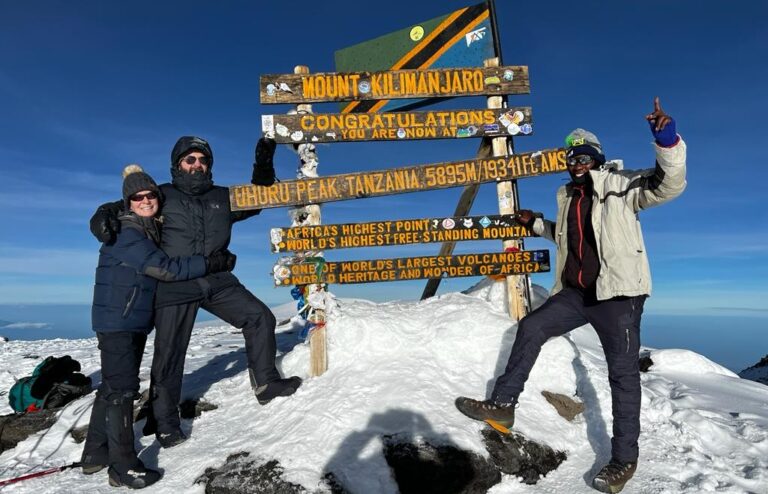
15-Day Kilimanjaro, Great Migration & Zanzibar Beach Package | Top Guide
Combine the thrill of summiting Mount Kilimanjaro, witnessing the iconic Great Migration in the Serengeti, and unwinding on the pristine beaches of Zanzibar in one unforgettable 15-day...
View package details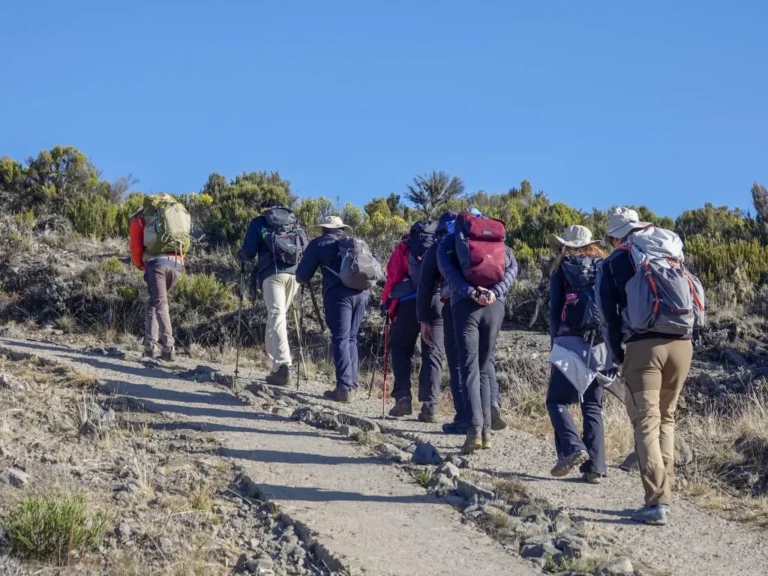
13-Day Kilimanjaro Climb, Cultural Tour & Zanzibar Holiday: Your Ultimate
This 13-day itinerary offers an unparalleled Tanzanian experience, blending the thrill of conquering Mount Kilimanjaro with deep cultural exploration and the serene beauty of Zanzibar...
View package details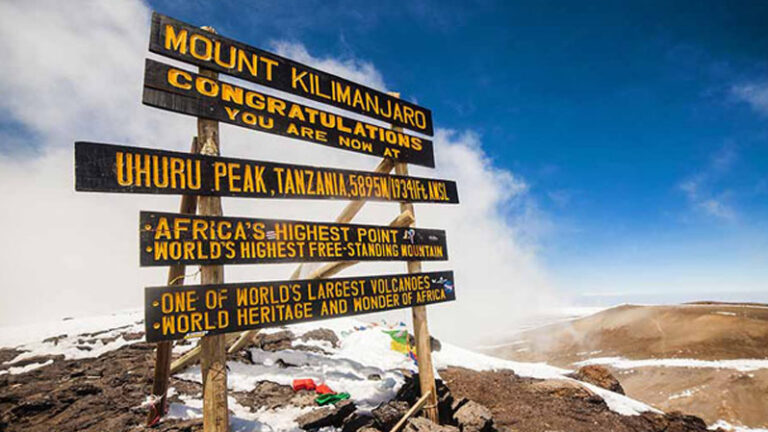
11-Day Kilimanjaro Acclimatization, Summit And Safari Package 2026-2027
11-Day Kilimanjaro Acclimatization, Summit and Safari Package is explained with current 2026-2027 planning, price, itinerary and booking information.
View package detailsNo related package matches those filters. Clear one or more filters to see the other topic-matched options.



