
Choosing between a Kilimanjaro group of 6 versus a group of 12 primarily impacts your trekking pace, the level of personal attention from guides, and the overall camaraderie. A group of 6 offers a more intimate experience, potentially faster progress, and closer guide interaction, ideal for those prioritizing a focused climb. A group of 12 provides a livelier atmosphere, more shared experiences, and can sometimes offer a slightly lower per-person cost, suitable for friends or families who enjoy group dynamics and a more social journey. The optimal choice depends on your personal preferences for pace, social interaction, and the support you desire during your 2026-2027 climb.
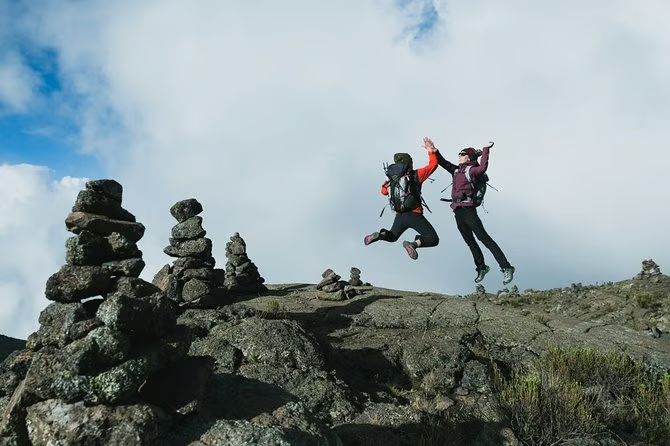
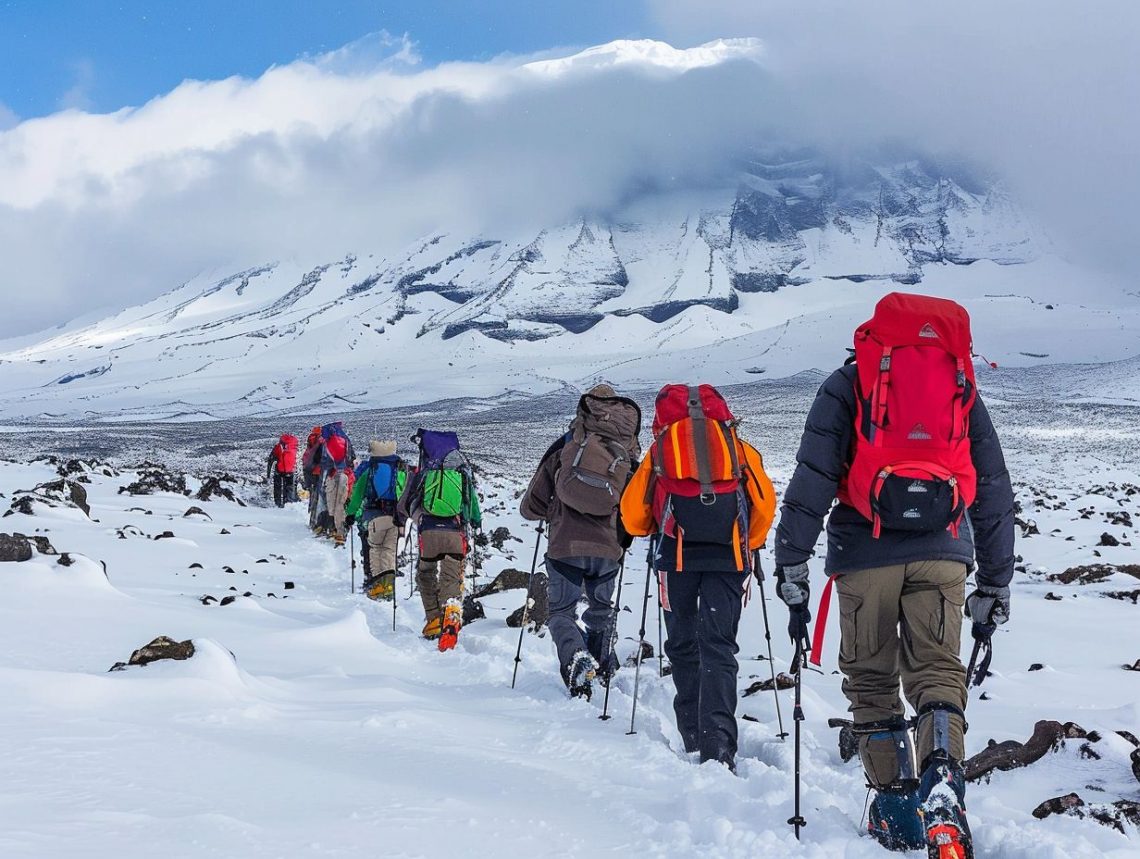
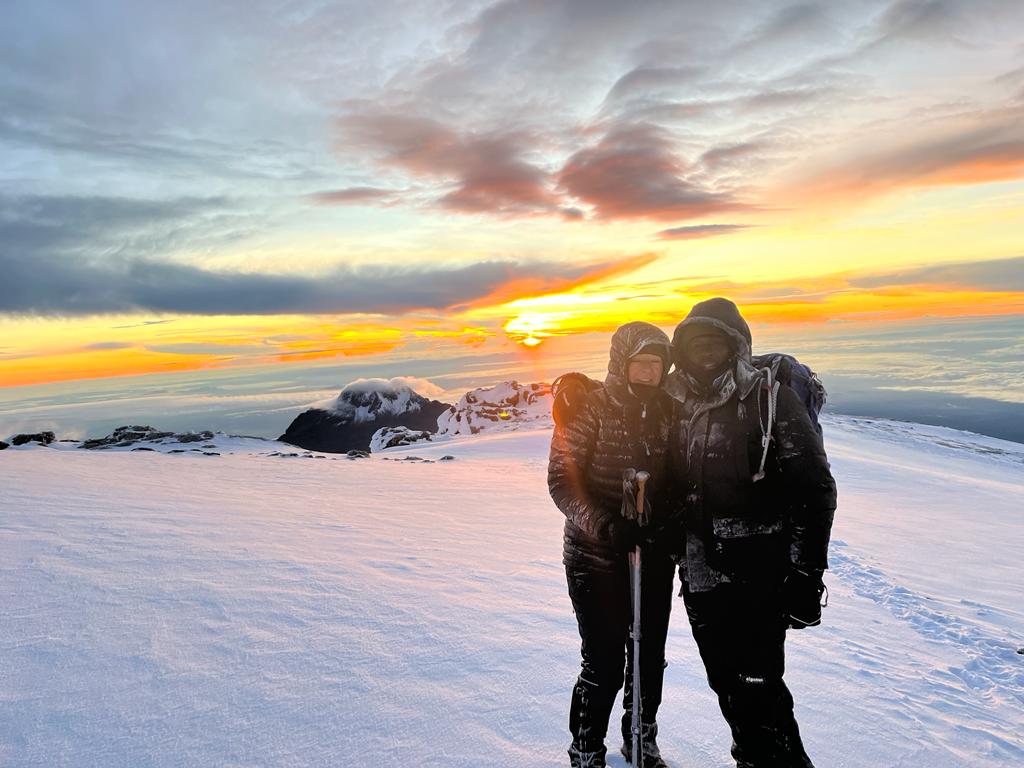
Understanding Kilimanjaro Group Trek Sizes: The Core Differences
When planning your ascent of Mount Kilimanjaro, one of the most significant decisions you’ll make, beyond the route and timing, is the size of your trekking group. The distinction between a Kilimanjaro group of 6 and a group of 12 is more than just a number; it fundamentally shapes the entire experience. At Top Guide Adventures, we understand that each trekker has unique priorities. Some seek a more intimate, focused expedition where every step is keenly felt and supported, while others thrive on the energy and shared adventure of a larger, more convivial group. This guide will meticulously break down the implications of these two common group sizes, helping you make an informed choice for your 2026 or 2027 climb.
The core difference lies in the dynamic created. A smaller group, such as a group of 6, allows for a more personalized pace and greater flexibility. Guides can offer more individual attention, monitoring each climber’s progress closely and responding swiftly to any needs. This can be particularly beneficial for those with concerns about altitude or physical exertion. Conversely, a group of 12, while still manageable on Kilimanjaro, introduces a broader range of paces and personalities. The shared energy can be motivating, and the larger group can foster a strong sense of camaraderie, turning the trek into a shared social event. However, it might mean slightly less individual guide focus compared to a smaller contingent.
The Intimate Expedition: Kilimanjaro Group of 6
Opting for a Kilimanjaro group of 6 signifies a desire for a more personal and potentially more efficient climbing experience. This size strikes a balance, offering the benefits of shared experience without the complexities of managing a larger contingent. For many, this is the sweet spot for a challenging yet intimate mountain adventure.
Pace and Flexibility in a Smaller Group
One of the most significant advantages of a group of 6 is the ability to maintain a more consistent and often faster pace. With fewer individuals to coordinate, your lead guide can set a rhythm that suits the majority, or even adapt to the pace of the strongest members while ensuring the slower ones are well-supported. This can lead to reaching campsites earlier, allowing for more rest, acclimatization, and enjoyment of the surroundings. The flexibility is also enhanced; if the group collectively decides to linger at a viewpoint or take an extended break, it’s easier to accommodate without significantly impacting the day’s schedule for a large number of people.
For the 2026-2027 climbing season, choosing a group of 6 means you’re likely to experience a more streamlined operation. The logistical elements, from meal preparation to tent setup, can be managed with greater precision. This focus on efficiency allows both the guides and the climbers to concentrate on the primary objective: reaching Uhuru Peak safely and successfully.
Personalized Guide Attention and Support
With a Kilimanjaro group of 6, the ratio of guides to climbers is typically higher. This means more eyes on each individual. Your lead guide, assistant guides, and porters can offer more tailored advice, monitor your hydration and food intake more closely, and provide immediate assistance if you begin to feel the effects of altitude sickness or fatigue. This heightened level of personal attention is invaluable, particularly for first-time high-altitude trekkers or those who might have underlying health concerns. The guides can dedicate more time to answering questions, explaining the flora and fauna, and ensuring everyone is comfortable and safe at all times.
This close support system fosters confidence. Climbers in a smaller group often feel more secure, knowing that any issue, no matter how minor, will be addressed promptly. This personalized care is a cornerstone of a successful Kilimanjaro climb and is a major draw for those selecting a group of 6.
Camaraderie and Connection in a Smaller Circle
While a larger group might seem to offer more social opportunities, a group of 6 cultivates a unique and deep sense of camaraderie. You’ll get to know each member of your small team intimately over the course of the trek. Shared challenges, quiet moments of reflection on the trail, and the collective elation of reaching the summit forge strong bonds. This intimate setting allows for more meaningful conversations and shared experiences, creating a supportive micro-community focused on achieving a common goal. The shared journey in a group of 6 often leads to lasting friendships.
Considerations for a Group of 6
While the benefits are clear, it’s important to consider potential drawbacks. A group of 6 might mean slightly higher per-person costs compared to a larger group, as fixed costs are spread over fewer individuals. Also, if one member experiences significant difficulties, it can have a more noticeable impact on the group’s overall pace and dynamic, though the close-knit nature also means the group is more likely to rally together to support that individual. For those who prefer a very quiet, solitary experience, even a group of 6 might feel too social, but for most, it represents an ideal blend.
The Lively Expedition: Kilimanjaro Group of 12
Choosing a Kilimanjaro group of 12 means embracing a more vibrant, social, and dynamic trekking experience. This size is popular for friends, families, or colleagues who want to share the adventure and enjoy the collective energy that a larger group brings. It’s a fantastic way to tackle the mountain with a built-in support network and a lively atmosphere.
Energy and Motivation from a Larger Group
The sheer number of people in a group of 12 can be incredibly motivating. There’s a constant buzz of conversation, shared jokes, and mutual encouragement. When spirits start to dip, especially during challenging sections or on summit night, the collective energy of a larger group can provide a significant boost. Seeing many others pushing forward can inspire you to do the same. This shared spirit is a powerful tool against fatigue and doubt.
For those planning their 2026 or 2027 climb, a group of 12 offers a built-in social dynamic. You’ll have more people to share stories with around the campfire, more companions to celebrate milestones with, and a generally more upbeat atmosphere on the trail. This can transform the demanding physical challenge into a more enjoyable and memorable social event.
Cost-Effectiveness and Resource Allocation
Generally, larger groups can sometimes lead to a slightly lower per-person cost. This is because fixed operational costs, such as park fees and the base number of porters and guides required by regulations, are divided among more participants. While Top Guide Adventures strives to offer competitive pricing for all group sizes, this economy of scale can sometimes make a group of 12 a more budget-friendly option for those prioritizing cost savings for their 2026-2027 expeditions. It allows more people to experience Kilimanjaro for a potentially reduced individual outlay.
Furthermore, resource allocation for a group of 12 is a well-honed process for experienced operators like Top Guide Adventures. While requiring more logistics, the structure is in place to handle it efficiently, ensuring all members receive adequate food, water, and camping support.
Shared Experiences and Broader Camaraderie
A group of 12 naturally fosters a wider circle of camaraderie. You’ll interact with a more diverse range of people, potentially from different backgrounds, all united by the common goal of summiting Kilimanjaro. This can lead to richer conversations and a broader network of new acquaintances. The shared memories created within a larger group are often amplified, providing a wealth of stories and experiences to recount long after the trek is over. The sense of accomplishment is shared amongst more people, making the celebration at the summit even more joyous.
Considerations for a Group of 12
The main consideration for a group of 12 is the potential for a less individualized pace. While guides are always attentive, the sheer number of people means that the pace might be dictated by the average, rather than the fastest, members. This could mean slightly longer days or a slower overall ascent profile. Coordinating a larger group requires more attention to detail from the expedition leader, ensuring everyone stays together and receives necessary support. For individuals who prefer quiet solitude or very rapid progress, a group of 12 might feel slightly less tailored to their specific needs compared to a smaller group.
Kilimanjaro Group of 6 vs Group of 12: Direct Comparison
To make the decision clearer, let’s directly compare the key aspects of a Kilimanjaro group of 6 versus a group of 12. This side-by-side look highlights where each size excels and where potential trade-offs lie.
| Feature | Kilimanjaro Group of 6 | Kilimanjaro Group of 12 |
|---|---|---|
| Pace Control | More individual control, often faster overall pace. Easier to set a consistent rhythm. | Pace is more averaged. Can feel slower if you are a fast walker, but generally well-managed. |
| Guide Attention | Highly personalized. Guides can monitor each climber very closely. | Excellent attention, but more spread across the group. Still very safe and supportive. |
| Camaraderie | Intimate, deep bonds form quickly among fewer people. | Lively, broad camaraderie. More social interaction with a diverse group. |
| Group Dynamics | More focused, potentially quieter. Easier to manage. | More energetic, social, and potentially louder. Requires strong group leadership. |
| Cost Per Person | Potentially slightly higher due to fixed costs spread over fewer people. | Potentially slightly lower due to economies of scale. |
| Logistics & Management | Simpler, more streamlined operations. | More complex, requires robust systems and experienced crew. |
| Flexibility | Easier to make small group decisions or adapt plans. | Major changes are harder to implement without impacting many. |
| Ideal For | Those seeking a focused, efficient, and personalized climb. Individuals or small, close-knit groups. | Friends, families, or colleagues wanting a social, energetic adventure. Those who enjoy group dynamics. |
Which Group Size is Best for Your 2026-2027 Kilimanjaro Climb?
The decision between a Kilimanjaro group of 6 and a group of 12 hinges on your personal travel style and priorities. There isn’t a universally “better” size; only the better size for *you*.
Are You a Solo Traveler or Part of a Small Group?
If you’re a solo traveler looking to join a pre-scheduled departure, both group sizes offer opportunities. However, if you’re traveling with a few friends or family members (e.g., 2-5 people), forming or joining a group of 6 might feel more natural. This size allows your existing dynamic to flourish while still integrating with other like-minded individuals. If your existing group is larger (e.g., 7-11 people), then a group of 12 might be the perfect fit, keeping your core group together.
What’s Your Preferred Trekking Pace?
If you are a strong, fast walker and want to maintain that pace, a group of 6 might be more suitable. You’ll likely find yourself with others who have a similar pace, or the guides will have more capacity to manage differing paces within a smaller unit. If you are more concerned about enjoying the journey, taking photos, and don’t mind a steadier, more deliberate pace, a group of 12 will likely be perfectly fine. The key on Kilimanjaro is consistency, and both group sizes can achieve this, but the *feel* of that consistency differs.
How Important is Social Interaction vs. Personal Space?
For those who thrive on constant social interaction and enjoy the energy of a larger crowd, a group of 12 is ideal. You’ll have more people to chat with, share meals with, and celebrate with. If you prefer more quiet moments, deeper conversations with fewer people, and a sense of personal space even within a group context, the group of 6 offers a more intimate setting. This doesn’t mean a group of 12 is noisy or intrusive; it simply means the social element is more prominent.
Budget Considerations for 2026-2027 Treks
As mentioned, a group of 12 can sometimes offer a slightly more economical price per person. When planning for 2026 or 2027, if budget is a primary driver, exploring the pricing for both group sizes is essential. However, always compare the inclusions carefully. A slightly higher price for a group of 6 might reflect enhanced services or a more exclusive experience that aligns better with your expectations.
The Role of Guides and Support Crew
Regardless of group size, Top Guide Adventures ensures a robust support crew. For a group of 6, you might have a ratio of 1 guide per 3 climbers, plus porters. For a group of 12, the ratio might be 1 guide per 6 climbers, with a larger porter team. Both setups are designed for safety and efficiency. The critical factor is the experience and training of the guides, which remains consistently high across all our expeditions. A group of 6 allows for more direct, individual coaching and monitoring from guides throughout the day and night.
Logistics and Operational Differences
The practicalities of running a Kilimanjaro climb differ significantly between a group of 6 and a group of 12. Understanding these logistical nuances can further inform your decision.
Campsite Management
Setting up camp involves pitching tents, establishing a mess tent for dining, and managing toilet facilities. For a group of 6, this process is quicker and requires fewer resources. For a group of 12, the crew needs to manage a larger footprint, potentially requiring more tent platforms and a more extensive setup. This means the crew’s work is more demanding for larger groups, but our experienced porters are adept at handling these operations smoothly for both sizes.
Meal Preparation
The culinary experience on Kilimanjaro is a highlight for many, and Top Guide Adventures prides itself on providing delicious, nutritious meals. For a group of 6, the kitchen team can prepare meals with greater speed and potentially more customization. For a group of 12, the kitchen staff must be highly organized to feed everyone efficiently, ensuring hot meals are ready for the entire group around the same time. This requires precise timing and coordination from the chefs and cooks.
Porter Allocation and Load Distribution
Tanzanian park regulations dictate the number of porters required per climber to ensure fair wages and efficient load carrying. For a group of 6, the total load is less, and the porter team, while still substantial, is smaller. For a group of 12, the total weight carried is doubled, requiring a larger contingent of porters. This impacts the overall size of the trekking convoy on the mountain. Both setups are managed to respect park rules and ensure the well-being of the crew.
Communication and Coordination
On the trail, especially during the challenging summit night, communication is paramount. In a group of 6, the lead guide can more easily keep track of everyone. In a group of 12, maintaining visual contact and communication across the line requires more diligent effort from the guides. They often position themselves strategically within the group, with assistant guides at the front, middle, and rear, to ensure constant oversight and immediate response capability. For 2026-2027 climbs, our guides are trained to manage these dynamics effectively for any group size.
Route Selection and Group Size Compatibility
While group size doesn’t dictate route choice, certain routes might feel slightly different depending on whether you’re in a group of 6 or 12. All routes are suitable for both sizes, but the experience can vary.
The Machame Route
The Machame Route is popular for its scenic beauty and high success rates. For a group of 6, it offers a chance to experience its diverse ecosystems intimately. For a group of 12, the camaraderie on this well-trodden path can be particularly high, with more opportunities to interact with fellow trekkers on the trail. Check out our Machame Route group departures for 2026-2027.
The Lemosho Route
The Lemosho Route is known for its remoteness and stunning views. In a group of 6, its wilder character can be more pronounced. A group of 12 might still enjoy the solitude, but the social aspect will be more evident, making the journey feel like a shared expedition through a pristine wilderness.
The Marangu Route
Often called the “Coca-Cola” route due to its easier path and hut accommodation, Marangu can feel quite busy. A group of 6 might find it easier to maintain a personal bubble, while a group of 12 will likely blend into the general buzz of the route, enjoying the social atmosphere of the huts.
Impact on Summit Night
Summit night is the most challenging part of any Kilimanjaro climb. Whether in a group of 6 or 12, safety is paramount. The guides will manage the pace to ensure everyone reaches the summit safely. A group of 6 might have a slightly more fluid pace, while a group of 12 will have a more structured convoy. The key is that both are managed with the utmost care by our expert guides for your 2026-2027 climb.
Making Your Final Decision for 2026-2027
Your choice between a Kilimanjaro group of 6 and a group of 12 should align with your personality, travel goals, and comfort level. Consider these final points:
Key Questions to Ask Yourself:
- Do I prefer a quiet, focused climb or a more social, energetic one?
- How important is individual guide attention versus group interaction?
- Am I traveling solo, with a small group of friends/family, or a larger contingent?
- Is budget a primary concern, or am I prioritizing the experience?
- How do I handle varying paces within a group?
At Top Guide Adventures, we cater to both preferences. Our scheduled departures often feature groups of varying sizes, and we can help you find the perfect fit for your 2026 or 2027 Kilimanjaro adventure. If you have a specific group size in mind or wish to form a private group, please reach out. We can organize tailored climbs for groups of 6, 12, or any size in between, ensuring your experience is exactly as you envision.
Ultimately, whether you choose the intimate setting of a Kilimanjaro group of 6 or the lively atmosphere of a group of 12, the core elements of a successful climb remain the same: experienced guides, quality equipment, proper acclimatization, and a spirit of adventure. Both group sizes, when managed by Top Guide Adventures, offer a high probability of reaching Uhuru Peak safely and with incredible memories.
We are committed to providing exceptional service for your 2026-2027 Kilimanjaro climb. Whether you join a group of 6 or 12, or plan a private trek, our team is dedicated to your safety and success. For personalized advice or to discuss your options for a Kilimanjaro group of 6 vs group of 12 trek, please contact us via WhatsApp +255616946642 or email us at topguideadventures@gmail.com. You can also reach our support team at info@topguideadventures.com. Let us help you plan the climb of a lifetime!
“,
“faq_schema”: [
{
“question”: “What is the main difference between a Kilimanjaro group of 6 and a group of 12?”,
“answer”: “The main difference lies in the overall experience: a group of 6 offers a more intimate and personalized trek with potentially faster pacing and closer guide attention, while a group of 12 provides a more social and energetic atmosphere with broader camaraderie, and may offer slightly better value per person for 2026-2027 climbs.”
},
{
“question”: “Is a group of 6 or 12 better for first-time Kilimanjaro climbers?”,
“answer”: “Both group sizes can be excellent for first-time climbers. A group of 6 might offer more reassurance due to increased personal attention from guides, which can be comforting. A group of 12 offers a strong motivational energy and a built-in social support system, which can also be very beneficial.”
},
{
“question”: “Can I join a group of 6 or 12 as a solo traveler for my 2026-2027 climb?”,
“answer”: “Yes, absolutely. Top Guide Adventures frequently organizes scheduled departures that welcome solo travelers. You can join either a group of 6 or a group of 12, depending on availability and your preference for group dynamics. This is a great way to experience Kilimanjaro affordably while enjoying company on the mountain.”
},
{
“question”: “Does group size affect the success rate on Kilimanjaro?”,
“answer”: “Group size itself does not directly affect success rates as much as other factors like route choice, acclimatization profile, guide expertise, and individual preparation. However, a group of 6 might allow for quicker identification and management of any issues affecting an individual climber, potentially aiding their progress.”
},
{
“question”: “Are there cost differences between a Kilimanjaro group of 6 and a group of 12?”,
“answer”: “Generally, a group of 12 can sometimes be slightly more cost-effective per person due to economies of scale, as fixed costs are spread across more participants. However, this can vary based on the specific inclusions and services offered by the tour operator for 2026-2027 expeditions.”
},
{
“question”: “Which group size is better for friends or family traveling together?”,
“answer”: “If your group is 6 people or fewer, a group of 6 is ideal to keep your party together and enjoy a more cohesive experience. If your group is larger, from 7 to 12 people, then joining or forming a group of 12 makes sense to keep everyone together and leverage the group’s energy.”
},
{
“question”: “How does summit night differ in a group of 6 versus a group of 12?”,
“answer”: “Summit night is intensely managed for safety regardless of group size. In a group of 6, guides can offer more individual monitoring and pace adjustment. In a group of 12, the guides maintain a structured convoy, ensuring everyone stays together and is accounted for, with multiple guides positioned throughout the line.”
}
]
}
“`
Check Availability for Kilimanjaro Group Of 6 Vs Of 12 2026-2027
Ready to compare dates, prices, and the best option for your group? Send the package name and travel month so the team can reply with a clear quote, availability, and what is included.
Kilimanjaro Group-Climb Mistakes: Avoid Common Pitfalls For A Successful
This guide details common Kilimanjaro group-climb mistakes, offering practical advice for trekkers aiming for a successful summit. Learn about preparation, acclimatization, gear, and...
View package details
Kilimanjaro Senior Small-Group Departure 2026-2027
Kilimanjaro Senior Small-Group Departure is explained with current 2026-2027 planning, price, itinerary and booking information.
View package details
Eco-Friendly Kilimanjaro Group Expedition: Your Sustainable Climb In 2026-2027
Discover how to undertake an eco-friendly Kilimanjaro group expedition, focusing on sustainability, responsible tourism, and preparing for your climb in 2026-2027 with Top Guide Adventures.
View package details
Kilimanjaro Shared Tent Vs Single Making The Right Choice For Your Climb
Choosing between a shared tent and a single tent for your Kilimanjaro climb is a significant decision impacting comfort, cost, and your overall experience. This guide breaks down the pros...
View package details
How Long Does It Take To Climb The Barranco Wall On Kilimanjaro? 2026-2027
The Barranco Wall, a highlight of Kilimanjaro climbs, typically takes between 3 to 5 hours to ascend. This challenging yet rewarding section requires scrambling and careful navigation, with...
View package details
Kilimanjaro Climb With Materuni Recovery Day 2026-2027
Kilimanjaro Climb with Materuni Recovery Day is explained with current 2026-2027 planning, price, itinerary and booking information.
View package details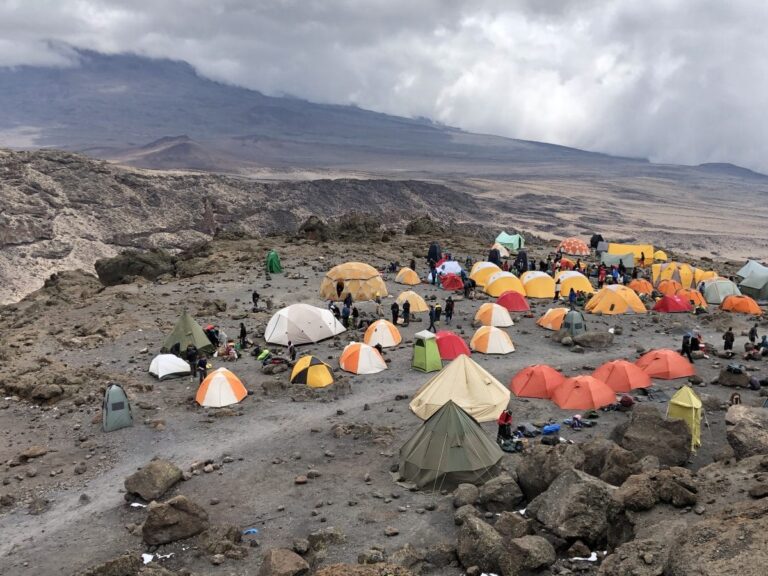
Kilimanjaro Climb With Lake Chala Relaxation Day: Your Ultimate Post-Trek
Experience the ultimate Kilimanjaro adventure followed by serene relaxation at Lake Chala. This guide details how to combine these incredible Tanzanian experiences, covering itineraries...
View package details
Kilimanjaro Climb & West Safari: The Ultimate Tanzania Adventure 2026-2027
Experience the pinnacle of Tanzania with a combined Kilimanjaro climb and West Kilimanjaro safari. This guide details itineraries, preparation, and what to expect for your 2026-2027...
View package details
Kilimanjaro Climb With Mkomazi Rhino Safari 2026-2027
Kilimanjaro Climb with Mkomazi Rhino Safari is explained with current 2026-2027 planning, price, itinerary and booking information.
View package detailsKilimanjaro Climb With Amboseli Safari Extension: Your Ultimate Tanzania
Experience the pinnacle of African adventure by combining a challenging Kilimanjaro climb with a impressive safari in Amboseli National Park. This guide details itineraries, costs, best...
View package details21-Day Kilimanjaro And Complete Tanzania Holiday: Your Ultimate Adventure
This comprehensive 21-day itinerary offers the ultimate Tanzanian adventure, merging the challenge of climbing Mount Kilimanjaro with the wildlife wonders of its famed national parks and...
View package details
18-Day Kilimanjaro And Northern Tanzania Grand Adventure: Trek, Safari &
An 18-day itinerary blending Kilimanjaro's summit with Northern Tanzania's wildlife and culture offers a comprehensive African experience. This adventure typically includes a multi-day trek...
View package detailsNo related package matches those filters. Clear one or more filters to see the other topic-matched options.



