
Climbing the Barranco Wall on Mount Kilimanjaro typically takes between 3 to 5 hours. This duration can vary significantly based on individual climber’s pace, the size of the group, weather conditions on the day, and the specific route being used. It’s a moderately challenging scramble that requires careful footing and often involves using your hands, making it a memorable part of the Kilimanjaro experience for trekkers aiming for their summit in 2026 or 2027.
Understanding the Barranco Wall: A Kilimanjaro Trekker’s Perspective
The Barranco Wall, often referred to as the “Breakfast Wall” by trekkers because it’s usually tackled after breakfast, is a formidable and iconic feature on Kilimanjaro’s southern circuit routes. It’s not a technical rock climb in the traditional sense, but rather a steep, 300-meter (984 ft) section of volcanic rock that requires significant scrambling. This means using hands for balance and propulsion, navigating narrow ledges, and ascending uneven terrain. Its unique challenge and the spectacular views it offers make it a highly anticipated, and sometimes daunting, part of the Kilimanjaro ascent for many.
For trekkers planning their adventure for 2026 or 2027, understanding the time it takes to conquer this wall is crucial for managing expectations and preparing adequately. The Barranco Wall is encountered on routes like the Machame, Lemosho, Shira, and Barafu (often a variation of the Mweka or Umbwe routes, though less common for reaching the summit). The time spent here is a significant portion of a trekking day, often occurring around the middle of the trek, when fatigue may already be setting in.
Key Factors Influencing Barranco Wall Ascent Time
The 3-to-5-hour estimate is a general guideline. Several critical factors can push this time higher or lower:
- Individual Pace: Each climber moves at their own speed. Those who are fitter and more accustomed to scrambling might ascend more quickly, while others may need more time to rest and navigate the terrain.
- Group Size and Dynamics: On popular routes, you might encounter many other trekking groups. This can lead to bottlenecks at certain points on the wall, slowing down the overall progress for everyone. Guides will manage the group, ensuring safety, but the pace is often dictated by the slowest member.
- Weather Conditions: Rain can make the Barranco Wall significantly more challenging and slower. Wet rocks are slippery, increasing the risk of falls and necessitating more cautious movement. Heavy mist can also reduce visibility, requiring slower, more deliberate steps. Clear, dry conditions are ideal and generally lead to quicker ascents.
- Route Variation: While the main ascent path is fairly standard, there can be minor variations or decision points where guides might choose a slightly different path based on conditions or group ability.
- Time of Day: Starting the ascent early in the morning, typically after breakfast, is standard. However, if a group starts later due to logistical reasons, they might face warmer temperatures or increased traffic on the wall.
The Barranco Wall Experience: More Than Just Time
While knowing the approximate time is useful for planning your daily schedule on Kilimanjaro, the Barranco Wall is an experience that transcends mere duration. It’s a physical and mental test, a unique geological formation, and a significant milestone in the trek. Many describe it as one of the most exciting parts of the climb.
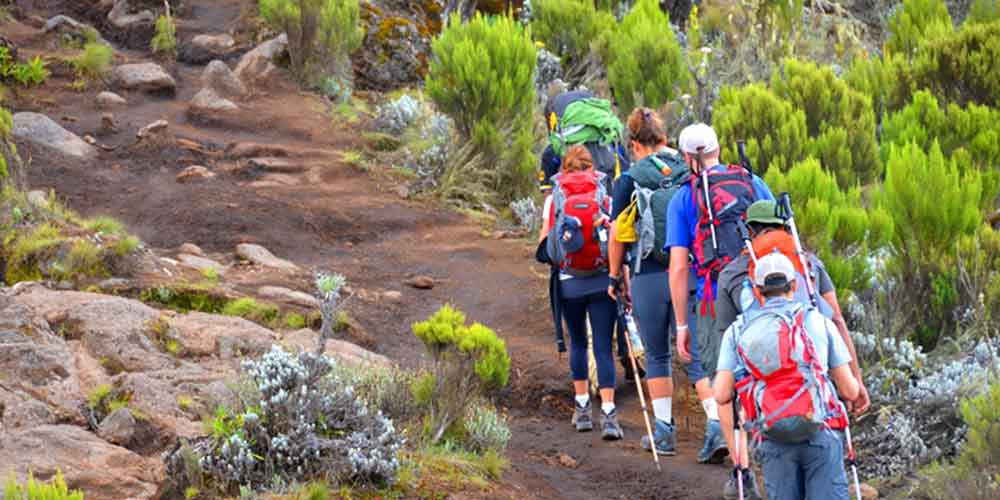
The ascent usually begins in the morning. After a hearty breakfast at Barranco Camp, your guides will lead you to the base of the wall. The initial part involves navigating a series of rocky steps and scree slopes. As you gain elevation, the path becomes steeper, and the scrambling intensifies. You’ll encounter sections where you’ll need to use your hands to pull yourself up, balance on narrow ridges, and step over large boulders. The guides are invaluable here, offering support, guidance, and sometimes a helping hand.
The views from the wall are continuously unfolding. As you climb higher, you gain a new perspective on the surrounding landscape, including the vast plains below and the imposing Kibo massif looming ahead. The descent into the Great Barranco (a large ravine) and the subsequent climb up the wall on the other side is often what people refer to when asking about the Barranco Wall climb time. The wall itself is divided into several sections, with opportunities to pause, catch your breath, and take in the scenery. Reaching the top of the Barranco Wall is a significant achievement, marked by a sense of accomplishment and often a chance to rest before continuing towards Karanga Camp.
Why is the Barranco Wall Important in Kilimanjaro Itineraries?
The Barranco Wall is a defining feature of several popular Kilimanjaro routes, including Machame, Lemosho, and Shira. Its inclusion means that trekkers are exposed to varied terrain and physical challenges, which is often seen as beneficial for acclimatization and building confidence. The unique scrambling required prepares climbers for the physical demands of the summit night, which is even more strenuous. For many, successfully navigating the Barranco Wall is a strong indicator that they are well-prepared for the final push to Uhuru Peak. Planning your 2026 or 2027 Kilimanjaro trip around routes that feature the Barranco Wall ensures a more dynamic and rewarding trekking experience.
Comparing Routes: How Barranco Wall Time Fits In
The Barranco Wall is encountered on specific Kilimanjaro routes. The time it takes to climb it remains relatively consistent in terms of the physical effort required, but the overall route length and daily stages can influence when you reach and tackle the wall, and how it fits into your daily trekking schedule.
- Machame Route: This is one of the most popular routes. The Barranco Wall is typically encountered on Day 3, after ascending from Machame Camp to Barranco Camp and then climbing the wall to reach Karanga Camp. The time spent on the wall is a significant part of this day’s trek.
- Lemosho Route: A longer, more scenic route that also includes the Barranco Wall. It’s often tackled around Day 4 or 5, depending on the specific itinerary. The longer Lemosho route generally offers better acclimatization, which might indirectly help with the physical exertion on the wall.
- Shira Route: Similar to Lemosho, but starts at a higher altitude. The Barranco Wall is usually encountered a couple of days into the trek.
- Northern Circuit: This longer route circles the mountain and also includes the Barranco Wall, usually on Day 5 or 6. The slower pace and better acclimatization of this route can make the Barranco Wall ascent feel less demanding.
Routes like Marangu and Rongai do not typically include the Barranco Wall. If your primary concern is to avoid this specific challenge, these routes might be considered, but they miss out on a memorable part of the Kilimanjaro journey. When planning your 2026 or 2027 climb, consider which routes offer the best balance of scenery, acclimatization, and the type of challenge you seek. The time it takes to climb the Barranco Wall is a constant, but how you arrive at it and what follows can differ greatly by route.
Preparing for the Barranco Wall: Tips for a Smoother Ascent
Successfully navigating the Barranco Wall, and doing so within a reasonable timeframe, is significantly aided by proper preparation. This includes physical conditioning, mental readiness, and practical gear.
Physical Training
While you don’t need to be a seasoned climber, good physical fitness is essential for Kilimanjaro, including the Barranco Wall. Focus on:
- Cardiovascular Endurance: Hiking, running, cycling, or swimming regularly will build the stamina needed for long trekking days.
- Leg Strength: Squats, lunges, and stair climbing exercises will prepare your legs for the steep ascents and descents.
- Core Strength: A strong core helps with balance and stability, crucial for scrambling.
- Hiking with a Pack: Practice hiking on varied terrain with a backpack similar to what you’ll carry on Kilimanjaro.
Mental Preparation
The Barranco Wall can appear intimidating. Visualizing yourself successfully climbing it, understanding the process, and trusting your guides can build confidence. Break the climb down into smaller sections in your mind. Celebrate each small victory as you ascend.
Gear and Equipment
Proper gear makes a significant difference in comfort and safety on the wall:
- Sturdy Hiking Boots: Well-worn-in, waterproof boots with good ankle support and excellent grip are non-negotiable.
- Gloves: Lightweight but durable gloves are essential for protecting your hands during scrambling.
- Layered Clothing: Be prepared for changing temperatures. Layers allow you to adjust your clothing as you warm up or cool down.
- Water and Snacks: Stay hydrated and energized. Easy-to-reach snacks are vital.
- Sun Protection: Hat, sunglasses, and sunscreen are important, even if it’s cloudy.
For your 2026 or 2027 climb, ensure your gear is in top condition. Testing your boots and gloves beforehand is highly recommended.
What to Expect on the Day of the Barranco Wall Climb
The day you tackle the Barranco Wall often starts early, typically around 7:00 AM or 8:00 AM, after breakfast at Barranco Camp. The air is usually crisp and cool in the morning, which is ideal for climbing.
Your guides will brief you on the day’s challenges and the route ahead. They will lead the way, with assistant guides positioned throughout the group to offer support. The initial approach might involve a short descent into a ravine, followed by the main ascent. You’ll encounter various sections:
- The Initial Ascent: This involves navigating rocky steps and scree.
- The “Kissing Rock”: A famous, almost vertical section where you might need to get close to the rock face. Guides often help here.
- Narrow Ledges and Gaps: You’ll move along ledges and sometimes step across small gaps.
- The Final Push: The last section leading to the top of the wall.
Throughout the climb, your guides will manage the pace, ensuring everyone stays together and takes necessary breaks. They’ll point out the best handholds and footholds, and ensure safety is paramount. The total time from starting at Barranco Camp to reaching the top of the wall and continuing towards Karanga Camp can easily fill the better part of the morning and early afternoon. Many trekkers arrive at Karanga Camp for lunch or an early afternoon meal.
Safety on the Barranco Wall
Safety is the top priority. Guides are trained to manage groups on this terrain. They will advise on the safest way to move, assist climbers who need help, and ensure no one takes unnecessary risks. Always follow their instructions. The relatively short duration of the scramble (3-5 hours) means that the risk of heat exhaustion is lower than on longer, flatter sections, but staying hydrated and protected from the sun is still crucial, especially if you are climbing in the hotter months of 2026 or 2027.
Post-Barranco Wall: The Journey to Karanga Camp
Once you’ve successfully scaled the Barranco Wall, the journey isn’t over. The top of the wall offers a fantastic vantage point, but you still have a significant trek ahead to reach Karanga Camp. This section often involves traversing across the alpine desert, with ups and downs as you navigate gullies and ridges.
The terrain after the wall is still challenging, but it’s less technical. You’ll be walking on scree and rocky paths. The distance from the top of the Barranco Wall to Karanga Camp is typically around 3-4 kilometers (about 2 miles), and it can take another 1-2 hours to complete, depending on the terrain and your pace.
Karanga Camp is situated at an altitude of approximately 3,995 meters (13,107 ft). Reaching it usually happens in the early afternoon, allowing time for rest, hydration, and preparation for the next day’s trek, which often leads to Barafu Camp, the staging point for the summit push.
Barranco Wall vs. Summit Night: A Comparison
It’s important to differentiate the Barranco Wall climb from summit night. While the Barranco Wall is a challenging scramble requiring focus and physical effort for about 3-5 hours, summit night is a different beast entirely. Summit night involves a much longer, steeper, and colder ascent in the dark, often for 6-8 hours or more, at extreme altitudes. The Barranco Wall, though memorable, is generally considered less physically demanding than the summit push itself. Successfully completing the wall in 2026 or 2027 builds confidence for the ultimate goal.
Altitude and Acclimatization: Impact on Barranco Wall Time
Altitude sickness, or Acute Mountain Sickness (AMS), can significantly affect your performance and the time it takes to climb the Barranco Wall. While the wall itself is not at extreme altitude (it’s typically around 3,950 meters / 12,960 ft at its highest point), the preceding days of trekking will have exposed you to increasing elevations.
Symptoms of AMS, such as headaches, nausea, dizziness, and fatigue, can slow down even the fittest climbers. If you are experiencing mild symptoms, your guides will encourage you to drink plenty of water, move slowly, and rest. This can extend the time needed to navigate the wall. Choosing a route with a slower ascent profile, like the Lemosho or Northern Circuit, can improve acclimatization, making the Barranco Wall ascent feel more manageable and potentially quicker.
For those planning their 2026 or 2027 Kilimanjaro climb, prioritizing a route known for good acclimatization is wise. This not only reduces the risk of AMS but also enhances your enjoyment and ability to tackle challenging sections like the Barranco Wall.
When to Climb the Barranco Wall: Seasonal Considerations
The time of year can influence the Barranco Wall climb. The dry seasons (January-March and June-October) generally offer the best conditions, with clear skies and dry trails. This typically means a faster and safer ascent. The wet seasons (April-May and November-December) can bring rain, making the rocks slippery and increasing the time required. If you’re planning a climb in 2026 or 2027, consider these dry periods for the most favorable experience on the wall.
Guides and Porters: Your Support System on the Wall
The role of guides and porters on Kilimanjaro cannot be overstated, and their importance is amplified on the Barranco Wall. Your lead guide and assistant guides are experts in navigating the terrain safely. They know the best routes, the most secure handholds, and how to manage the group’s pace.
Guides are trained in first aid and can recognize and manage symptoms of altitude sickness. They will assess the conditions on the wall each day and make decisions to ensure your safety. Porters, while not typically climbing the wall with you, play a vital role in carrying supplies and setting up camp, allowing you to focus on the climb. Their support ensures that you have the energy and resources needed for challenging days like the one involving the Barranco Wall.
When selecting a tour operator for your 2026 or 2027 Kilimanjaro adventure, ensure they employ well-trained, experienced guides and porters. Companies like Top Guide Adventures prioritize the safety and well-being of their clients, providing professional support throughout the trek.
Booking Your 2026-2027 Kilimanjaro Climb
Booking your Kilimanjaro climb well in advance is highly recommended, especially for popular seasons in 2026 and 2027. This ensures availability on your preferred route and dates. Top Guide Adventures offers comprehensive packages that include professional guiding services, porter support, meals, and park fees. Understanding the time it takes to climb sections like the Barranco Wall is part of our detailed pre-climb information provided to all clients. For inquiries or to book your adventure, you can reach us via WhatsApp at +255616946642 or email us at topguideadventures@gmail.com. You can also contact our backup email at info@topguideadventures.com.
Frequently Asked Questions About the Barranco Wall Climb Time
Is the Barranco Wall climb dangerous?
The Barranco Wall is not considered technically dangerous when climbed with experienced guides and proper precautions. It’s a challenging scramble, and falls are possible if one is not careful, but guides are trained to minimize risks. The main dangers on Kilimanjaro are altitude sickness and weather-related issues, which are managed by experienced operators.
Can I climb the Barranco Wall without using my hands?
While some sections might allow you to ascend without using your hands, many parts of the Barranco Wall require scrambling, meaning you’ll need to use your hands for balance and propulsion. It’s designed to be a scramble, not a walk.
What is the best route if I want to avoid the Barranco Wall?
The Marangu Route and the Rongai Route are the two primary routes that do not include the Barranco Wall. However, these routes are generally considered less scenic and may offer less optimal acclimatization compared to routes like Machame or Lemosho.
How physically demanding is the Barranco Wall compared to summit night?
The Barranco Wall is physically demanding in terms of scrambling and endurance for its 3-5 hour duration. Summit night is significantly more demanding due to the extreme altitude, colder temperatures, steeper gradient, and the prolonged duration (often 6-8+ hours) of continuous ascent in the dark.
What happens if I am too slow on the Barranco Wall?
Your guides will manage the group’s pace. If you are significantly slower than the rest of the group, your guide may arrange for an assistant guide to stay with you, or they might suggest a brief rest. They will always ensure your safety. For very slow climbers, sometimes a slightly different, less strenuous path might be used where available, but the standard route is usually followed with support.
Will I need special climbing gear for the Barranco Wall?
No, you do not need specialized climbing gear like ropes or harnesses. You will need sturdy hiking boots, durable gloves, and comfortable, layered clothing. Trekking poles can be helpful for the approaches and descents, but may need to be stowed during the actual scrambling sections of the wall.
How does the time of year affect the Barranco Wall climb for 2026/2027?
The dry seasons (June to October and January to March) generally offer better conditions, meaning less mud and slippery rock, potentially leading to a quicker 3-5 hour ascent. The rainy seasons (April to May and November to December) can make the wall more challenging and slower due to wet and slippery conditions.
Planning Your 2026-2027 Kilimanjaro Expedition with Top Guide Adventures
Choosing the right tour operator is paramount for a safe and successful Kilimanjaro climb. At Top Guide Adventures, we pride ourselves on providing personalized service, expert guides, and robust logistical support. We understand that every trekker is unique, and we tailor our services to meet individual needs. Whether you’re planning for 2026 or 2027, our team is ready to help you prepare for every aspect of your climb, including detailed information on challenging sections like the Barranco Wall.
Our itineraries are designed with acclimatization and safety as top priorities, ensuring you have the best possible chance of reaching Uhuru Peak. We provide comprehensive pre-climb briefings, packing lists, and ongoing support. When you book with us, you’re not just booking a trek; you’re gaining a partner dedicated to making your Kilimanjaro dream a reality.
To discuss your 2026 or 2027 Kilimanjaro climb, learn more about specific routes, or get a personalized quote, please don’t hesitate to contact us:
- WhatsApp: +255616946642
- Email: topguideadventures@gmail.com
- Backup Email: info@topguideadventures.com
We look forward to helping you conquer Kilimanjaro and experience the thrill of climbing the Barranco Wall. Your adventure awaits!
Check Availability for How Long Does It Take To Climb The Barranco Wall On Kilimanjaro? 2026-2027
Ready to compare dates, prices, and the best option for your group? Send the package name and travel month so the team can reply with a clear quote, availability, and what is included.
Do You Need Ropes On The Barranco Wall? Kilimanjaro Climb Essentials 2026-2027
The Barranco Wall is a famous Kilimanjaro landmark. While not technically requiring ropes for all climbers, its steep and challenging sections often lead to discussions about safety and...
View package details
What Is It Like To Climb The Barranco Wall? Your Expert Guide 2026-2027
The Barranco Wall is a famous and formidable section of the Kilimanjaro climb, often described as a scramble rather than a climb. This guide details what to expect, including its...
View package details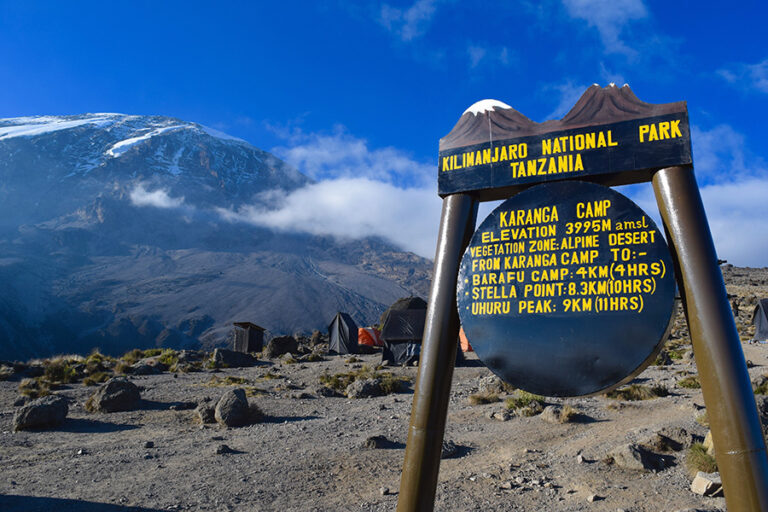
Can A 14-Year-Old Climb Kilimanjaro? Essential Guide For Young Trekkers
Climbing Mount Kilimanjaro is an incredible adventure, and many young people aspire to reach its summit. This guide explores whether a 14-year-old can successfully and safely summit...
View package details
Can A 12-Year-Old Climb Kilimanjaro? A Comprehensive Guide For 2026-2027
Climbing Kilimanjaro with a 12-year-old is possible but requires careful consideration of fitness, preparation, and route choice. This guide details everything parents and young adventurers...
View package details
Can A 10-Year-Old Climb Kilimanjaro? Expert Guide For 2026-2027
Climbing Mount Kilimanjaro is a dream for many, but can a 10-year-old achieve this feat? This comprehensive guide explores the physical and mental requirements, safety protocols, and best...
View package details
Eco-Friendly Kilimanjaro Group Expedition: Your Sustainable Climb In 2026-2027
Discover how to undertake an eco-friendly Kilimanjaro group expedition, focusing on sustainability, responsible tourism, and preparing for your climb in 2026-2027 with Top Guide Adventures.
View package details
Kilimanjaro Climb With A Conservation Project: A Meaningful Adventure
Discover how to undertake a Kilimanjaro climb that actively contributes to conservation efforts. This guide details the benefits, project types, planning considerations, and what to expect...
View package details
What Happens At Mweka Gate After Your Kilimanjaro Climb? 2026-2027
Your Kilimanjaro adventure culminates at Mweka Gate. Learn about the descent, certificate ceremony, post-climb celebrations, and what to expect logistically upon reaching the base.
View package details
Can You Add An Extra Day During A Kilimanjaro Climb? 2026-2027
Can You Add an Extra Day during a Kilimanjaro Climb? is explained with current 2026-2027 planning, price, itinerary and booking information.
View package details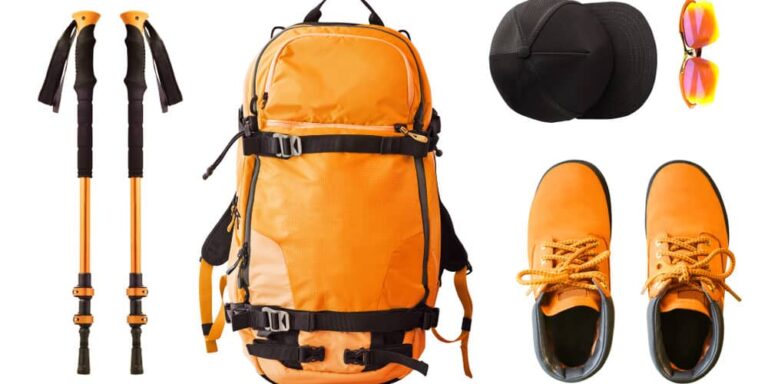
Can Kilimanjaro Climbs Be Delayed By Weather? A Guide 2026-2027
Understand how weather can impact your Kilimanjaro climb. This guide details the risks of delays, cancellations, and how to prepare for challenging conditions on the mountain, especially...
View package details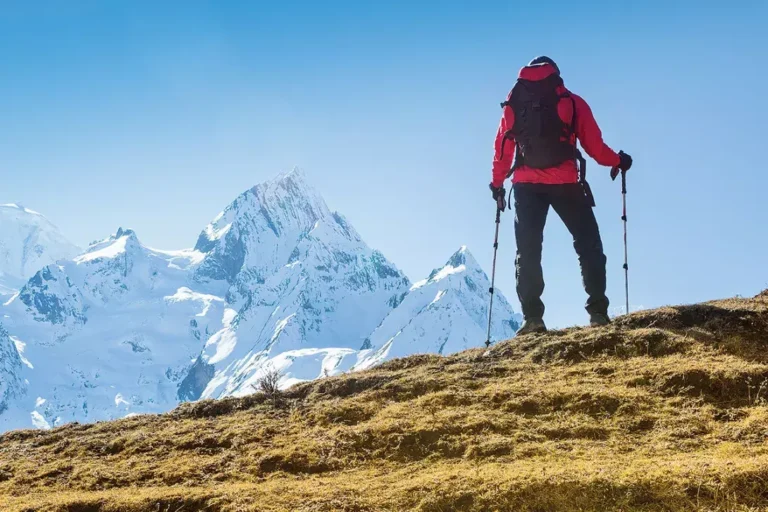
Kilimanjaro Charity Group Payment Plan Options For Climbs 2026-2027
Discover how to fund your Kilimanjaro charity climb with flexible payment plans for 2026-2027 departures. Top Guide Adventures offers tailored financial solutions to make your expedition...
View package details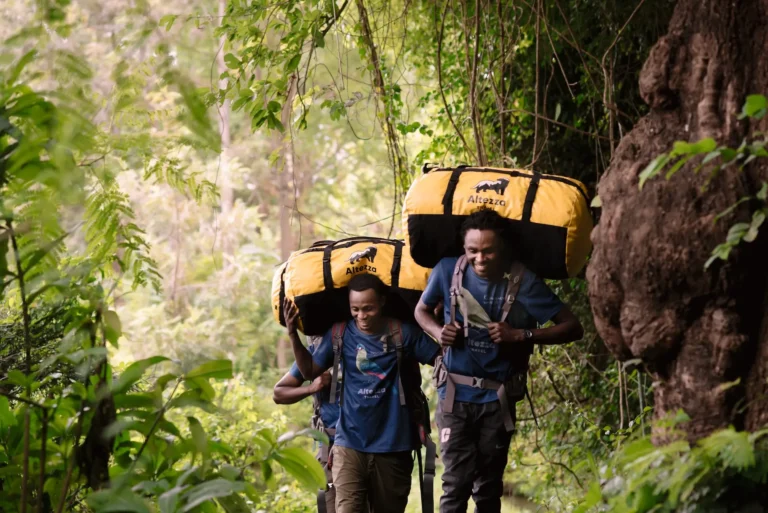
Kilimanjaro Climb Refund And Credit Policy For Climbs | Top Guide Adventures
Navigating the Kilimanjaro climb refund and credit policy is crucial for trekkers planning their 2026-2027 adventure. Top Guide Adventures provides clear guidelines on cancellations...
View package detailsNo related package matches those filters. Clear one or more filters to see the other topic-matched options.



