
Yes, a 14-year-old can absolutely climb Kilimanjaro, provided they are in good physical condition, have prepared adequately, and are accompanied by experienced guides. While there are no strict age minimums set by the park authorities, the primary considerations for any climber, especially a minor, are physical fitness, mental fortitude, and proper acclimatization to the altitude. Many operators welcome younger trekkers, and with careful planning, it can be a safe and rewarding experience for a 14-year-old in 2026 or 2027.
Kilimanjaro for Young Climbers: Is a 14-Year-Old Ready?
The question of whether a 14-year-old can climb Kilimanjaro is one that surfaces frequently among families planning an extraordinary adventure. Mount Kilimanjaro, Africa’s highest peak at 5,895 meters (19,341 feet), is a challenging trek that demands respect for its altitude and terrain. While the physical demands are significant, age itself is not the sole determinant of success. A 14-year-old’s ability to climb Kilimanjaro hinges on several key factors that extend beyond mere chronological age. These include their general health, fitness level, mental resilience, and the overall support system provided by their guardians and tour operator.
At 14, many individuals possess a good level of physical stamina and a capacity for recovery that can be advantageous on a strenuous trek. However, the unique physiological responses to high altitude can affect anyone, regardless of age. Therefore, a thorough medical evaluation is crucial. The decision should not be taken lightly; it requires a comprehensive understanding of the risks and rewards involved. Top Guide Adventures has successfully guided numerous younger trekkers, and we understand the specific needs and precautions required for this age group. Our priority is always the safety and well-being of every climber, ensuring a memorable and successful ascent.
Assessing Physical Readiness for a 14-Year-Old Climber
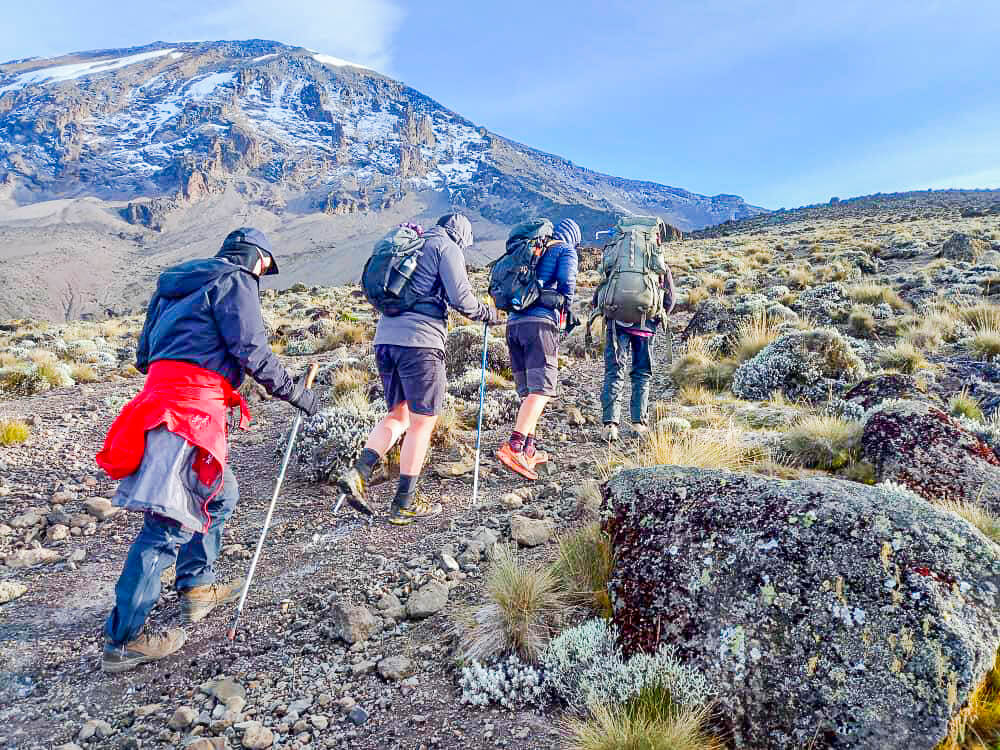
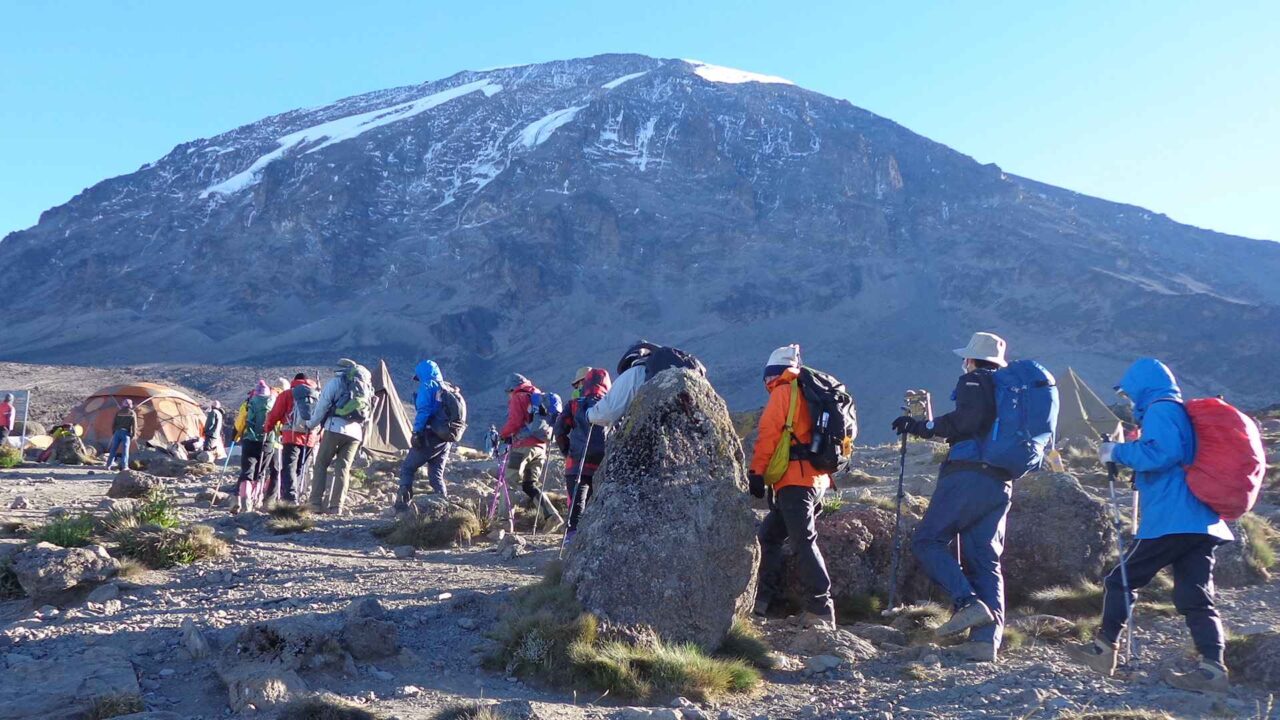
Before a 14-year-old even considers packing their hiking boots for Kilimanjaro, a realistic assessment of their physical readiness is paramount. This isn’t about whether they can sprint a mile or lift heavy weights; it’s about endurance, stamina, and the ability to sustain effort over multiple days in challenging conditions. A 14-year-old who regularly participates in sports, hikes, or other physically demanding activities will likely have a significant advantage. Look for a history of sustained activity, not just sporadic bursts of energy.
Key indicators of physical readiness include:
- Cardiovascular Endurance: Can they engage in moderate to vigorous aerobic activity for an extended period (e.g., hiking for several hours)?
- Muscular Strength and Endurance: While Kilimanjaro isn’t a rock-climbing expedition, it involves long days of walking uphill and downhill, often on uneven terrain. Leg strength and core stability are important.
- Flexibility and Joint Health: Good flexibility can help prevent injuries, especially during long descents.
- Recovery Ability: How quickly do they recover after strenuous activity? This is vital for multiple consecutive days of trekking.
A doctor’s consultation is non-negotiable. They can assess cardiovascular health, lung function, and identify any underlying conditions that might be exacerbated by high altitude. It’s also an opportunity to discuss altitude sickness prevention and management strategies. For a 14-year-old, this medical clearance provides peace of mind for both the parents and the climbing team.
Mental Fortitude: The Unseen Crucial Factor
Beyond physical fitness, the mental aspect of climbing Kilimanjaro is often underestimated, especially for younger trekkers. The trek can be grueling, with long days, cold temperatures, limited sleep, and the constant challenge of altitude. A 14-year-old must possess a certain level of maturity and determination to push through discomfort and fatigue. They need to understand that there will be moments of doubt and difficulty, and they must be mentally prepared to persevere.
Consider these aspects of mental readiness:
- Resilience: How do they handle setbacks or challenging situations in everyday life? Can they bounce back from disappointment or fatigue?
- Patience: The climb is a marathon, not a sprint. They must be able to endure long hours of walking without becoming overly discouraged.
- Focus: The ability to focus on the task at hand, listen to guides, and follow instructions is critical for safety.
- Positive Attitude: A positive outlook can significantly impact their experience and their ability to overcome challenges.
Open communication with the teenager is vital. Discuss the realities of the climb, the potential discomforts, and the importance of listening to their body and their guides. Involving them in the planning process can also foster a sense of ownership and commitment.
Understanding Altitude and Its Effects on Teenagers
Altitude sickness, or Acute Mountain Sickness (AMS), is a significant concern for all Kilimanjaro climbers, and it’s essential to understand how it can affect a 14-year-old. The human body needs time to adapt to decreasing oxygen levels as altitude increases. Symptoms can range from mild headaches and nausea to severe, life-threatening conditions like High Altitude Cerebral Edema (HACE) and High Altitude Pulmonary Edema (HAPE).
While there’s no definitive evidence that teenagers are inherently more or less susceptible to altitude sickness than adults, their bodies are still developing. This means that careful monitoring and adherence to acclimatization principles are even more critical. They might not always articulate their symptoms clearly, or they may try to push through perceived weakness. This is where experienced guides play an invaluable role.
Acclimatization Strategies for Young Climbers
The golden rule for preventing altitude sickness is “climb high, sleep low.” This means ascending to a higher altitude during the day and then descending to a lower elevation to sleep. This allows the body to gradually adjust to the lower oxygen levels. For a 14-year-old, this principle is paramount. The slower the ascent, the better the acclimatization. This is why choosing longer routes is highly recommended.
Key acclimatization strategies include:
- Choosing a Longer Route: Routes like the Lemosho or Machame (7-day or 8-day options) offer significantly better acclimatization profiles than shorter, more aggressive routes like Marangu (5-day option). The longer routes allow for more gradual ascents and a higher success rate.
- Pacing: “Pole pole” (Swahili for “slowly, slowly”) is the mantra on Kilimanjaro. Climbers should maintain a slow, steady pace, avoiding overexertion.
- Hydration: Drinking plenty of fluids (water, herbal teas) is crucial for acclimatization. Aim for at least 3-4 liters per day.
- Avoiding Alcohol and Sedatives: These can interfere with breathing and acclimatization.
- Monitoring Symptoms: Regular check-ins with the climber by guides and parents are essential. Any signs of headache, nausea, dizziness, or fatigue should be taken seriously.
Top Guide Adventures prioritizes safety by ensuring our guides are trained in recognizing and managing altitude sickness. They will constantly monitor all climbers, especially younger ones, and make informed decisions regarding ascent or descent based on the climber’s condition.
Recognizing Symptoms of Altitude Sickness in Teenagers
It’s vital for parents and guides to be vigilant in recognizing the signs of altitude sickness in a 14-year-old. Teenagers may sometimes downplay their symptoms, either due to a desire to not disappoint or a lack of experience in recognizing them. The most common symptoms include:
- Headache: Often the first symptom, which can range from mild to severe.
- Nausea and Vomiting: Feeling sick to the stomach or actually throwing up.
- Dizziness and Lightheadedness: A feeling of unsteadiness or disorientation.
- Fatigue: Unusual tiredness or lethargy.
- Loss of Appetite: Not feeling hungry.
- Sleep Disturbances: Difficulty sleeping or waking up frequently.
More severe symptoms, which require immediate descent, can include:
- Ataxia: Difficulty walking in a straight line, loss of coordination.
- Confusion or Behavioral Changes: Acting unlike themselves.
- Shortness of Breath: Even at rest.
- Cough: Especially if it’s persistent and dry.
If any of these symptoms appear, especially the more severe ones, the standard protocol is to stop ascending and, if they worsen or do not improve, to descend immediately. The safety of the climber always comes first. For a 14-year-old, this decision might need to be made by the accompanying adult or guide if the teenager is unable to articulate their condition clearly.
Choosing the Right Kilimanjaro Route for a 14-Year-Old
The choice of route is arguably one of the most critical decisions when planning a Kilimanjaro climb, especially for a younger trekker. Longer routes offer better acclimatization profiles, higher success rates, and a more enjoyable experience overall. For a 14-year-old, prioritizing a route that maximizes chances of success and minimizes altitude-related risks is essential. We strongly recommend routes that are at least 7 days long.
Recommended Routes for Young Climbers (2026-2027)
Based on acclimatization, scenery, and overall success rates, these routes are ideal for younger trekkers:
- Lemosho Route (7 or 8 days): This is one of the most scenic routes, offering excellent acclimatization. It starts in the west and crosses the Shira Plateau. The 8-day option provides an extra day for acclimatization, significantly increasing success rates and making it ideal for younger climbers.
- Machame Route (7 days): Often called the “Whiskey Route,” Machame is very popular due to its excellent acclimatization profile and stunning scenery. It also follows the “climb high, sleep low” principle effectively. The 7-day version is highly recommended for better acclimatization. You can find specific group departure dates for the Machame route in 2026 and 2027 on our website.
- Northern Circuit (9 days): This is the longest and arguably the best route for acclimatization, circling the mountain for a more relaxed pace and higher success rates. It offers incredible views and a less crowded experience. It’s an excellent, though more expensive, option for those who want the ultimate in safety and acclimatization.
Routes to Approach with Caution (or Avoid)
Shorter routes, while cheaper, put immense pressure on the body’s ability to acclimatize and are associated with lower success rates and higher risks of altitude sickness. These are generally not recommended for anyone, especially a 14-year-old:
- Marangu Route (5 days): Known as the “Coca-Cola” route, it’s the shortest and often the cheapest. However, it has a poor acclimatization profile and a significantly lower success rate. Its hut accommodation is a plus for comfort, but the rapid ascent is a major drawback.
- Machame Route (6 days): While 7 days is recommended, the 6-day Machame route is still quite fast and can be challenging for acclimatization.
For a 14-year-old, investing in a longer trek is investing in their safety, enjoyment, and chance of reaching the summit. The difference in cost between a 5-day and a 7-day trek is often less significant than the increased likelihood of a positive and successful experience.
Health and Safety Considerations for Minors on Kilimanjaro
When a 14-year-old embarks on a Kilimanjaro climb, health and safety protocols must be exceptionally rigorous. This involves pre-trip preparation, on-mountain monitoring, and a clear emergency plan. Top Guide Adventures adheres to strict safety standards, and we work closely with parents to ensure all bases are covered.
Pre-Trip Medical Check-up and Vaccinations
A comprehensive medical check-up with a pediatrician or family doctor is the first step. The doctor should be informed about the altitude of Kilimanjaro (5,895m) and the planned duration of the trek. They can advise on:
- Fitness Assessment: Confirming the child is physically fit for the demanding trek.
- Underlying Conditions: Screening for any pre-existing conditions (asthma, heart conditions, anemia) that could be aggravated by altitude.
- Medications: Discussing any necessary personal medications and potential altitude-sickness medications like Diamox (Acetazolamide). Doctors often prescribe Diamox for climbers, and it can be beneficial for younger individuals as well, though dosage needs careful consideration.
- Vaccinations: Ensuring all routine vaccinations are up to date. Yellow Fever vaccination is often required for entry into Tanzania, so it’s essential to check current regulations. Other recommended vaccinations might include Hepatitis A, Typhoid, and Tetanus.
It’s also wise to ensure the 14-year-old has travel insurance that covers high-altitude trekking and medical evacuation. This is a critical safety net.
On-Mountain Support and Monitoring
Our guides are trained professionals who prioritize the well-being of every climber. For a 14-year-old, this means:
- Constant Vigilance: Guides will closely monitor the teenager for any signs of altitude sickness, fatigue, or discomfort. They will perform daily health checks, including checking oxygen saturation levels and pulse rates, especially during summit night.
- Encouragement and Support: Providing positive reinforcement and encouragement to keep spirits high.
- Pacing and Breaks: Ensuring the pace is slow and steady, and that regular breaks are taken for hydration and rest.
- Communication: Maintaining open communication with the teenager and their accompanying guardian (if applicable) about their condition.
We recommend that a parent or legal guardian accompany the 14-year-old on the climb. This provides an additional layer of support and ensures that decisions can be made collaboratively with the guide.
Emergency Procedures and Evacuation
In the unlikely event of a serious medical emergency, prompt and efficient evacuation is crucial. Top Guide Adventures works with reliable emergency evacuation services. Our guides are trained in basic first aid and know when and how to initiate an evacuation. Key elements include:
- Communication Systems: Our guides carry satellite phones or other communication devices to contact rescue services.
- Evacuation Plans: Detailed plans are in place for each route, outlining the fastest and safest evacuation routes.
- Oxygen Cylinders: Portable oxygen is carried by guides for emergency use in cases of severe altitude sickness.
- Paramedic Support: For higher-end packages or upon request, we can arrange for a medic to accompany the group.
The decision to descend is never taken lightly but is always made in the best interest of the climber’s health and safety. For a minor, this decision is made in consultation with the accompanying adult and the guide.
Preparing a 14-Year-Old for Kilimanjaro: Training and Gear
Successful preparation for a 14-year-old climbing Kilimanjaro involves two main components: physical training and appropriate gear. Both are essential for comfort, safety, and maximizing the chances of reaching the summit.
Physical Training Regimen
The training should focus on endurance and simulating the conditions of the trek. It’s not about intense, short bursts of activity, but sustained effort. The training should begin at least 2-3 months before the climb.
- Hiking: Regular hikes, ideally on hilly terrain, are the most important part of training. Start with shorter hikes (2-3 hours) and gradually increase the duration and elevation gain. Aim for at least one long hike (4-6 hours) per week in the final month.
- Cardiovascular Exercise: Activities like running, cycling, swimming, or using an elliptical machine 3-4 times a week will build aerobic capacity.
- Strength Training: Focus on leg muscles (squats, lunges) and core strength. This helps with stability and endurance on the trail.
- Stamina Building: Encourage activities that require sustained effort, like long bike rides or continuous swimming sessions.
- Practice with Gear: During training hikes, the 14-year-old should wear their hiking boots and carry a daypack similar to what they’ll use on the mountain. This helps break in boots and get used to carrying weight.
It’s crucial that the training is enjoyable and not overly burdensome. Involving the teenager in planning the training schedule can increase their motivation.
Essential Gear for Young Climbers
Proper gear is vital for comfort and protection against the elements, which can change rapidly on Kilimanjaro. Layering is key, as temperatures can range from hot and humid at the base to freezing at the summit. Investing in good quality gear is recommended, and many items can be rented in Tanzania.
Key items include:
- Layering System:
- Base Layers: Moisture-wicking thermal tops and bottoms (synthetic or merino wool).
- Mid Layers: Fleece jacket or insulated jacket for warmth.
- Outer Layer: Waterproof and windproof jacket and trousers (Gore-Tex or similar).
- Footwear:
- Hiking Boots: Well broken-in, waterproof, sturdy hiking boots with good ankle support.
- Socks: Several pairs of warm, moisture-wicking hiking socks (wool or synthetic).
- Camp Shoes/Sandals: For wearing in the evenings.
- Headwear and Handwear:
- Warm Hat: Wool or fleece hat that covers the ears.
- Sun Hat: Wide-brimmed hat for sun protection.
- Gloves: Waterproof outer gloves and thinner liner gloves.
- Sleep System:
- Sleeping Bag: A warm (-10°C to -20°C comfort rating) sleeping bag.
- Sleeping Bag Liner: For added warmth and hygiene.
- Trekking Gear:
- Backpack: A comfortable daypack (30-40 liters) for carrying essentials during the day.
- Trekking Poles: Highly recommended to reduce strain on knees, especially during descents.
- Water Bottles/Hydration Reservoir: At least 3 liters capacity. Insulated covers are recommended for cold weather.
- Headlamp: With extra batteries.
- Sunglasses: With UV protection.
- Sunscreen: High SPF.
- Lip Balm: With SPF.
- Personal First-Aid Kit: Including any personal medications, blister treatment, pain relievers.
- Toiletries: Biodegradable soap, toothbrush, toothpaste, wet wipes.
Top Guide Adventures provides a detailed packing list upon booking, and we can also assist with gear rental recommendations in Moshi or Arusha for items like sleeping bags and warm jackets, which can be convenient for international travelers planning their trip for 2026 or 2027.
The Role of Guides and Support Crew
The success and safety of any Kilimanjaro climb, particularly for a 14-year-old, are heavily reliant on the expertise and dedication of the guides and support crew. These individuals are not just porters; they are trained professionals who ensure the well-being of every trekker.
Experienced and Certified Guides
Our guides are certified by the Kilimanjaro National Park Authority and undergo regular training in:
- Wilderness First Aid and CPR: Essential for handling medical emergencies.
- Altitude Sickness Management: Recognizing symptoms and implementing appropriate protocols.
- Navigation and Route Knowledge: Ensuring safe passage on all routes.
- Group Management: Leading groups effectively and maintaining morale.
- Environmental Awareness: Promoting responsible tourism practices.
For a 14-year-old, the guide acts as a mentor, a motivator, and a guardian. They are trained to engage with younger climbers, understand their needs, and ensure they feel supported throughout the trek. Our guide-to-climber ratio is kept low to ensure personalized attention.
The Porter and Cook Team
The porters are the backbone of the expedition, carrying the bulk of the equipment, including tents, food, and personal gear. The cooks prepare nutritious and varied meals, which are crucial for maintaining energy levels. The entire team works together to ensure a comfortable and safe experience.
We adhere to fair labor practices for our crew, ensuring they are well-equipped, fed, and respected. A happy and healthy support team contributes significantly to the overall success of the climb. We believe in treating our crew with the utmost respect, which translates into a superior service for our clients.
Climbing Kilimanjaro in 2026-2027: What to Expect
Planning a climb for 2026 or 2027 means considering the best times to go, potential costs, and the overall experience. For a 14-year-old, choosing the right time of year can also contribute to a more comfortable trek.
Best Times to Climb Kilimanjaro
Kilimanjaro can be climbed year-round, but certain periods offer more favorable weather conditions:
- Dry Seasons: These are the most popular times to climb.
- January to March: Generally clear skies, but can be cold, especially at higher altitudes. This is also a good time for spotting wildlife on any pre- or post-climb safaris.
- June to October: Pleasant temperatures, dry conditions, and clear skies. This is a peak season, so booking in advance is recommended for 2026 and 2027.
- Wet Seasons: These periods have higher rainfall, which can make trails muddy and visibility poor. However, they are less crowded and can offer lower prices.
- April to May: Long rains, heavy rainfall.
- November to December: Short rains, scattered showers, but often still climbable.
For a 14-year-old, climbing during the dry seasons (January-March or June-October) is generally advisable to minimize exposure to harsh weather and ensure more comfortable trekking conditions.
Understanding the Costs for 2026-2027
The cost of climbing Kilimanjaro can vary significantly depending on the route, duration, operator, and level of service. For a 14-year-old, opting for a longer route with a reputable operator like Top Guide Adventures is a worthwhile investment. While specific prices fluctuate, here’s a general breakdown of cost factors:
- Park Fees: These are fixed by the government and are a significant portion of the total cost.
- Operator Fees: This covers guides, porters, cooks, food, tents, and ground transportation. Reputable operators with good safety records and fair treatment of staff will generally cost more.
- Route and Duration: Longer routes cost more due to more days of service.
- Group Size: Private climbs are more expensive than joining a group.
- Accommodation: Camping (most routes) vs. huts (Marangu).
- Inclusions: What is included (e.g., airport transfers, hotel before/after climb, gear rental)?
Top Guide Adventures offers competitive pricing for 2026-2027 climbs, focusing on value that prioritizes safety, quality, and an exceptional client experience. We encourage you to contact us for a personalized quote based on your chosen route and dates. Generally, expect costs for a reputable 7-day climb to range from $2,000 to $3,500 USD per person, excluding flights and personal gear.
Booking Your Climb with Top Guide Adventures
Booking your Kilimanjaro adventure for 2026 or 2027 with Top Guide Adventures means choosing a partner dedicated to your success and safety. We offer:
- Personalized Attention: We tailor your experience to your needs.
- Experienced Guides: Our team is among the best.
- Safety First Approach: Comprehensive safety protocols.
- Fair Treatment of Staff: Ethical and responsible tourism.
- Competitive Pricing: Excellent value for a premium experience.
To discuss whether a 14-year-old can climb Kilimanjaro for your family and to get a tailored quote for 2026 or 2027, please reach out to us. You can contact us via WhatsApp at +255616946642, email us at topguideadventures@gmail.com, or our backup email info@topguideadventures.com. We are here to help you plan an unforgettable journey to the Roof of Africa.
Is a 14-Year-Old Mentally Prepared for the Summit Night?
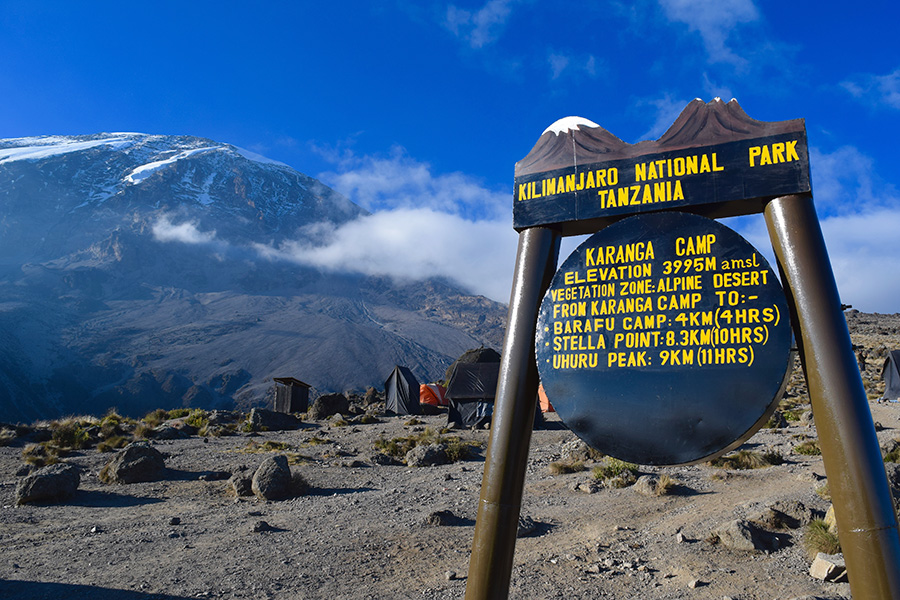
Summit night on Kilimanjaro is notoriously the most challenging part of the trek. It typically begins around midnight, involves climbing in the dark, in extreme cold, and often on loose scree. The ascent to Uhuru Peak (5,895m) from Barafu Camp (4,673m) is a significant physical and mental hurdle for anyone, and for a 14-year-old, it requires specific preparation and support.
The Realities of Summit Night
Summit night is a test of endurance. Climbers ascend for 6-8 hours, often with minimal rest. The altitude is extreme, and the cold can be biting, with temperatures often dropping below -15°C (5°F), compounded by wind chill. The terrain is steep and often covered in loose volcanic scree, making each step difficult. The darkness, the cold, and the physical exertion can be disorienting and demoralizing.
For a 14-year-old, the psychological impact of these conditions can be profound. They might experience fear, doubt, or overwhelming fatigue. It’s crucial that they understand what to expect and have the mental resilience to push through. This is where their training, their belief in themselves, and the unwavering support of their guides become critical.
Strategies to Support a Teenager on Summit Night
Success on summit night for a 14-year-old involves a combination of preparation, motivation, and practical guidance:
- Thorough Pre-Climb Preparation: As discussed, physical and mental readiness are key. If they’ve trained well and understand the challenge, they’ll be better equipped.
- Encourage Rest at High Camps: Ensuring the 14-year-old gets as much rest as possible in the preceding days and at Barafu Camp is vital.
- Positive Reinforcement from Guides: Guides are skilled at providing encouragement, breaking down the climb into manageable segments (e.g., “Just to that next rock,” “Only one hour to Stella Point”), and celebrating small victories.
- Focus on the Present: Encouraging them to focus on the step they are taking right now, rather than the immense distance remaining.
- Hydration and Snacks: Small sips of water and high-energy snacks (like chocolate or energy bars) can help maintain energy levels.
- Buddy System: If a parent is climbing with the 14-year-old, they can provide direct support and encouragement.
- Listen to the Body: Emphasizing that it’s okay to feel tired or struggle, but also to communicate these feelings to the guide immediately. The guide will assess if continuing is safe.
The decision to turn back is always an option and should never be seen as a failure. Reaching Stella Point (5,756m), the rim of the crater, is a significant achievement in itself. The final push to Uhuru Peak is optional and depends on conditions and the climber’s well-being. For a 14-year-old, reaching Stella Point is a triumph, and the decision to continue to Uhuru Peak must be made with careful consideration of their condition.
Post-Climb Considerations: Recovery and Celebration
After the immense effort of reaching the summit and descending, recovery is essential. The descent itself can be as taxing as the ascent, especially on the knees and quadriceps. A 14-year-old will likely experience significant fatigue and muscle soreness.
Immediate Post-Climb Recovery
Upon returning to Moshi or Arusha, the immediate priorities are:
- Rest: Adequate sleep is crucial for muscle repair and overall recovery.
- Nutrition and Hydration: Replenishing fluids and electrolytes, and eating nutritious meals will aid recovery.
- Gentle Movement: Light stretching or short, easy walks can help prevent stiffness.
- Hygiene: A hot shower and clean clothes will feel incredibly rewarding.
Top Guide Adventures typically includes a night or two of accommodation in Moshi or Arusha after the climb, allowing for this crucial recovery period before onward travel.
Celebrating the Achievement
Reaching the summit of Kilimanjaro is a monumental accomplishment, especially for a young person. It’s important to acknowledge and celebrate this achievement appropriately.
- Acknowledge the Effort: Recognize the physical and mental challenges they overcame.
- Share the Experience: Encourage them to share their stories and photos with family and friends.
- Meaningful Souvenirs: Consider a small, meaningful souvenir to commemorate the climb.
- Future Adventures: Discussing future travel plans or adventures can build on the confidence gained from this experience.
The Kilimanjaro climb is more than just a trek; it’s a life-changing experience that builds character, resilience, and a deep appreciation for the natural world. For a 14-year-old, it can be a formative experience that instills a lifelong love of adventure and exploration.
Can a 14-Year-Old Climb Kilimanjaro Safely? The Final Word
In conclusion, the answer to “Can a 14-year-old climb Kilimanjaro?” is a resounding yes, with proper planning and precautions. At Top Guide Adventures, we believe that with adequate preparation, a suitable route, experienced guides, and a strong focus on health and safety, a 14-year-old can indeed achieve this incredible feat. The key lies in respecting the mountain, understanding the risks associated with altitude, and ensuring the young climber is both physically and mentally ready.
We advocate for longer routes (7 days or more) to ensure optimal acclimatization, which is the most critical factor for success and safety. We also emphasize the importance of a thorough medical check-up and open communication throughout the planning and climbing process. Our team is dedicated to providing the highest level of support, ensuring that every young climber has the best possible chance of reaching the summit safely and creating lasting memories.
If you are considering Kilimanjaro for a 14-year-old in 2026 or 2027, or for any other age group, we are here to guide you every step of the way. Let us help you plan an unforgettable adventure to the Roof of Africa. Contact us today:
- WhatsApp: +255616946642
- Email: topguideadventures@gmail.com
- Backup Email: info@topguideadventures.com
We look forward to helping you and your family achieve your Kilimanjaro dreams!
Check Availability for Can A 14-Year-Old Climb Kilimanjaro? Essential Guide For Young Trekkers
Ready to compare dates, prices, and the best option for your group? Send the package name and travel month so the team can reply with a clear quote, availability, and what is included.
Kilimanjaro Climb For Gap-Year Students 2026-2027
Kilimanjaro Climb for Gap-Year Students is explained with current 2026-2027 planning, price, itinerary and booking information.
View package details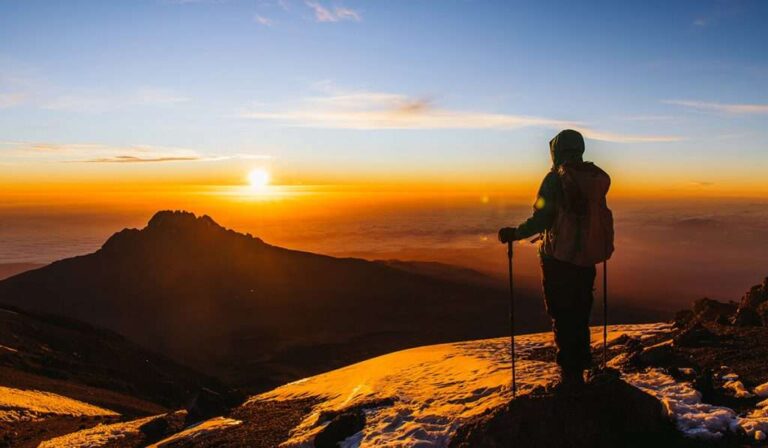
Can A 12-Year-Old Climb Kilimanjaro? A Comprehensive Guide For 2026-2027
Climbing Kilimanjaro with a 12-year-old is possible but requires careful consideration of fitness, preparation, and route choice. This guide details everything parents and young adventurers...
View package details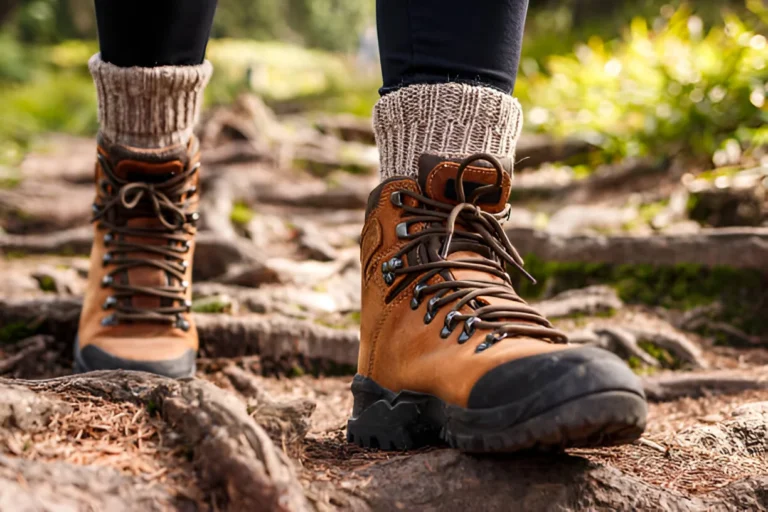
Can A 10-Year-Old Climb Kilimanjaro? Expert Guide For 2026-2027
Climbing Mount Kilimanjaro is a dream for many, but can a 10-year-old achieve this feat? This comprehensive guide explores the physical and mental requirements, safety protocols, and best...
View package detailsKilimanjaro Packing Mistakes To Avoid For A Successful Climb In 2026-2027
Packing for Kilimanjaro is crucial for a successful trek. This guide details common packing mistakes to avoid, ensuring you have the right gear for the varying altitudes and conditions...
View package details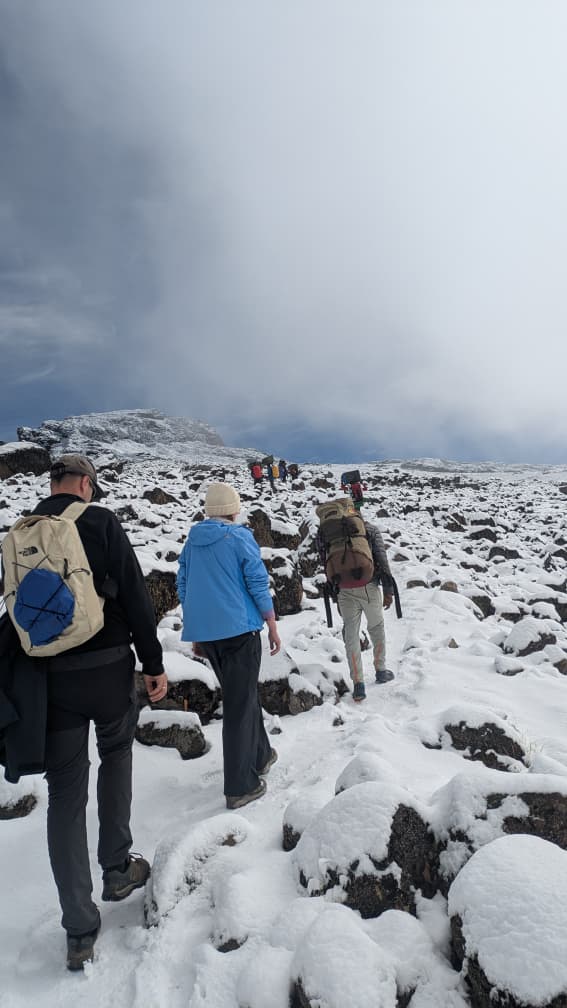
Kilimanjaro Morning Flight Vs Evening Arrival: Which Is Better For Your Climb?
Choosing between a morning and evening flight arrival at Kilimanjaro International Airport (JRO) significantly impacts your pre-climb preparations and initial acclimatization. This guide...
View package details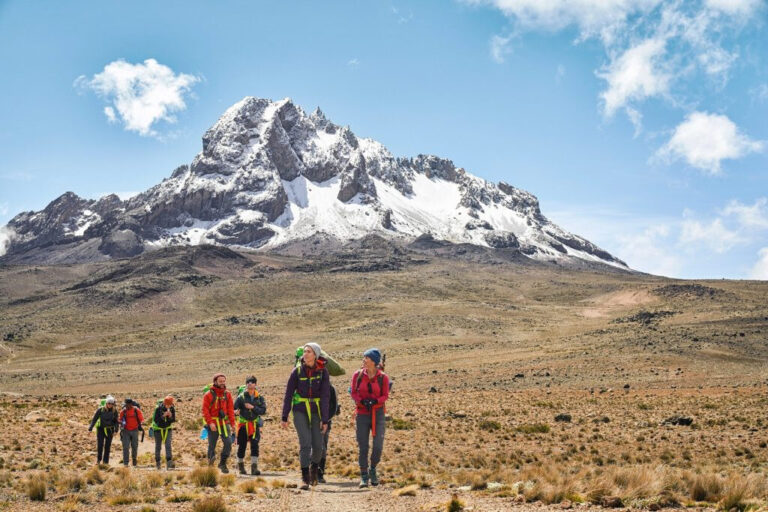
Kilimanjaro Full-Moon Vs Dark-Sky Climb: Which Is Best For You In ? 2026-2027
Choosing between a Kilimanjaro full-moon or dark-sky climb in 2026-2027 involves weighing unique advantages. A full-moon climb offers visibility and a magical atmosphere, while a dark-sky...
View package details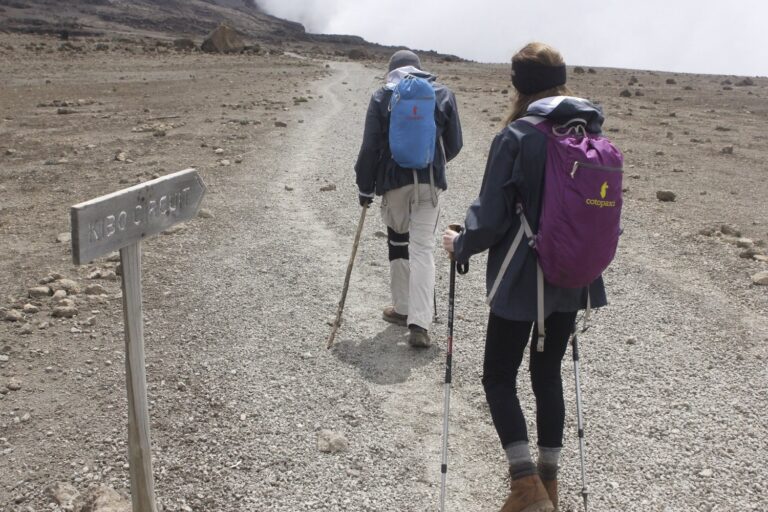
Kilimanjaro Standard Camp Vs Luxury Your Ultimate Comparison For Climbs
Choosing between standard and luxury camping on Kilimanjaro significantly impacts your trek experience. This guide breaks down the key differences in accommodation, meals, equipment, and...
View package details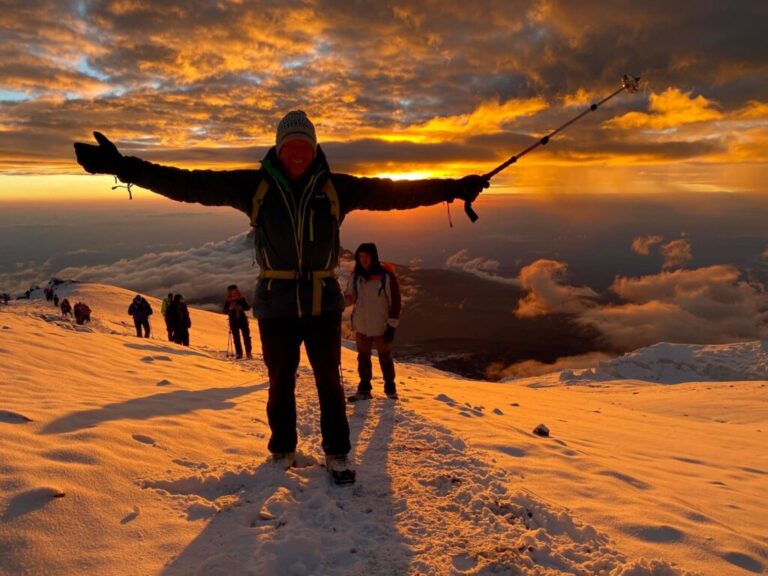
Kilimanjaro Shared Tent Vs Single Making The Right Choice For Your Climb
Choosing between a shared tent and a single tent for your Kilimanjaro climb is a significant decision impacting comfort, cost, and your overall experience. This guide breaks down the pros...
View package detailsKilimanjaro Local Operator Vs. Overseas Travel Agent: Your Ultimate Climbing
Deciding who to book your Kilimanjaro climb with is crucial. This guide compares local Tanzanian operators against overseas travel agents, detailing the pros and cons of each for your...
View package details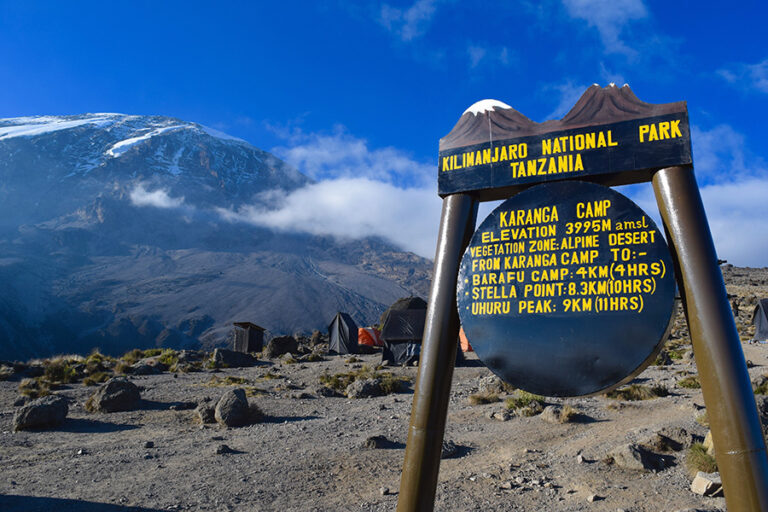
Kilimanjaro Safari And Climb Package For Seniors: Your Adventure 2026-2027
Top Guide Adventures offers tailored Kilimanjaro safari and climb packages for seniors in 2026-2027, focusing on safety, comfort, and an unforgettable Mount Kilimanjaro experience. Explore...
View package details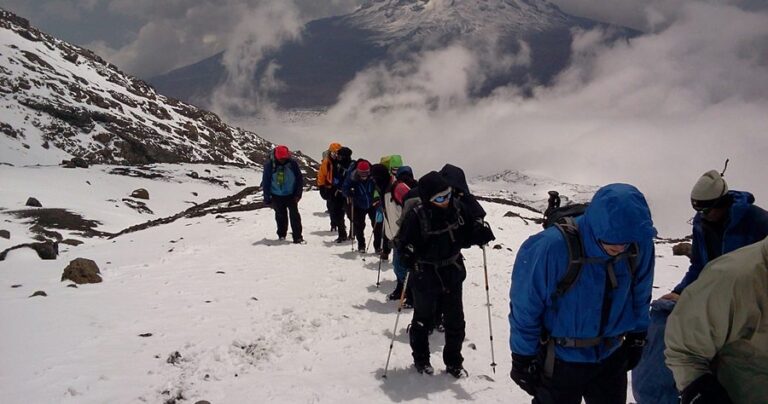
Kilimanjaro Climb With Private Medical Support Guide
Climbing Mount Kilimanjaro is a dream for many adventurers. Ensuring your safety and well-being is paramount, especially at high altitudes. A Kilimanjaro climb with private medical support...
View package detailsKilimanjaro Climb With Additional Personal Porter 2026-2027
Kilimanjaro Climb with Additional Personal Porter is explained with current 2026-2027 planning, price, itinerary and booking information.
View package detailsNo related package matches those filters. Clear one or more filters to see the other topic-matched options.



