
Yes, a 10-year-old can potentially climb Kilimanjaro, but it is a significant undertaking that requires careful consideration of their physical and mental readiness, thorough preparation, and choosing the right route and operator. While there’s no strict age minimum imposed by national park authorities, the ability to handle the altitude, extreme temperatures, and prolonged physical exertion is paramount. Success for a younger climber hinges on their individual fitness, maturity, and the support they receive before and during the trek.
Assessing a 10-Year-Old’s Suitability for Kilimanjaro
The question of whether a 10-year-old can climb Kilimanjaro is one that many adventurous families ponder. While Mount Kilimanjaro is not technically difficult in terms of climbing skills, it is a high-altitude trek that demands significant physical endurance and mental fortitude. The primary challenge is the altitude, which affects everyone, regardless of age. However, younger bodies may react differently, and their ability to communicate discomfort or fatigue can be less developed than an adult’s.
At Top Guide Adventures, we believe that with the right preparation and an understanding of the risks, a 10-year-old can indeed summit Kilimanjaro. However, this is not a decision to be taken lightly. We strongly advise a comprehensive assessment of the child’s capabilities:
- Physical Fitness: Can the child comfortably participate in strenuous physical activities for several hours a day? This includes hiking, running, or sports that require sustained effort. Regular hiking, even in local hills, is an excellent indicator.
- Mental Maturity: Is the child resilient and able to cope with discomfort, boredom, and challenging conditions? The trek can be mentally taxing, with long days, cold nights, and basic living conditions. A mature 10-year-old who can follow instructions and remain positive under pressure is more likely to succeed.
- Previous Experience: Has the child had any previous experience with multi-day hikes or camping trips? While not essential, it can provide valuable insight into their adaptability.
- Health Conditions: Are there any pre-existing health conditions? Any concerns should be discussed with a pediatrician well in advance.
It is crucial to have a frank conversation with your child about the demands of the climb. Their enthusiasm should be genuine, not solely driven by parental desire. For 2026-2027 expeditions, early discussions and planning are key to ensuring a positive outcome for younger climbers.
Understanding the Challenges of Kilimanjaro for Children
Kilimanjaro’s altitude is its most significant challenge. The summit stands at 5,895 meters (19,341 feet), and the air at this height contains only about half the oxygen available at sea level. This can lead to Acute Mountain Sickness (AMS), with symptoms including headache, nausea, dizziness, and fatigue. While adults are susceptible, children may have a harder time articulating their symptoms, making it vital for parents and guides to be exceptionally vigilant.
Beyond altitude, other factors need consideration:
- Cold Temperatures: Temperatures on Kilimanjaro can drop significantly, especially at night and near the summit. While children can often regulate their body temperature well, they can also lose heat faster than adults. Proper layering and warm gear are essential.
- Physical Exertion: The trek involves walking for 5-10 hours daily for 6-9 days, depending on the route. This requires stamina and endurance that a 10-year-old must possess.
- Hygiene and Sanitation: While guides maintain high standards, camping environments require a degree of adaptability. Ensuring good hygiene practices are followed by the child is important to prevent illness.
- Psychological Strain: The remoteness, the long days, and the physical effort can be overwhelming. A child’s ability to cope with these pressures is as important as their physical strength.
Top Guide Adventures prioritizes safety above all else. Our guides are trained to recognize the signs of altitude sickness in all age groups and are experienced in making difficult decisions regarding descent if a climber’s health is compromised. For families planning a 2026-2027 climb, understanding these challenges allows for better preparation.
Preparing a 10-Year-Old for Kilimanjaro: A Step-by-Step Approach
Successful preparation for a 10-year-old’s Kilimanjaro climb involves a multi-faceted approach, focusing on physical conditioning, mental readiness, and gear selection. Starting this process at least 6-12 months before the planned trek in 2026 or 2027 is highly recommended.
Physical Training Regimen
The goal of training is to build cardiovascular endurance and leg strength. It should be enjoyable and progressive, not overly strenuous to the point of injury or burnout.
- Regular Hiking: Aim for weekly hikes, gradually increasing the duration and elevation gain. Start with 1-2 hour hikes on moderate terrain and build up to 4-6 hour hikes with significant inclines. Involve the child in choosing trails to keep them engaged.
- Cardiovascular Activities: Incorporate activities like running, swimming, cycling, or team sports at least 2-3 times per week. These activities improve stamina and overall fitness.
- Strength Training: Focus on leg and core strength. Squats, lunges, calf raises, and planks are beneficial. Use bodyweight exercises or light resistance bands.
- Practice with Gear: Encourage the child to hike with a daypack simulating the weight they’ll carry on Kilimanjaro (around 5-8 kg). This helps them get accustomed to the feel and balance.
- Stair Climbing: If available, regular stair climbing is an excellent way to prepare for the sustained uphill effort.
Consistency is key. Make training a family activity whenever possible to foster support and shared goals for the 2026-2027 expedition.
Mental Preparation and Education
A child’s mindset is as critical as their physical condition. Educate them about Kilimanjaro in an age-appropriate manner.
- Understanding Altitude: Explain what altitude sickness is in simple terms and why it’s important to listen to their body and report any symptoms to the guide or parent immediately.
- The Trek Itself: Discuss the daily routine: waking up, hiking, eating, sleeping. Talk about the different landscapes they will see and the importance of teamwork with the climbing crew.
- Dealing with Discomfort: Prepare them for the possibility of feeling tired, cold, or even a bit sick. Emphasize that these feelings are normal and usually pass. Teach them coping strategies like focusing on one step at a time or enjoying the views.
- Motivation: Keep the excitement alive by talking about the achievement and the beautiful scenery. Frame it as an adventure and a challenge they can overcome together.
For families targeting 2026-2027, starting these conversations early can build anticipation and understanding, reducing anxiety closer to the climb.
Essential Gear for Young Climbers
Appropriate gear is vital for comfort and safety, especially for a child who may be more sensitive to cold. Layering is the most effective strategy.
- Base Layers: Moisture-wicking synthetic or merino wool tops and bottoms. Avoid cotton.
- Mid Layers: Fleece jackets or insulated vests for warmth.
- Outer Layer: Waterproof and windproof jacket and trousers (e.g., Gore-Tex).
- Insulation Layer: A warm down or synthetic-fill jacket for evenings and summit night.
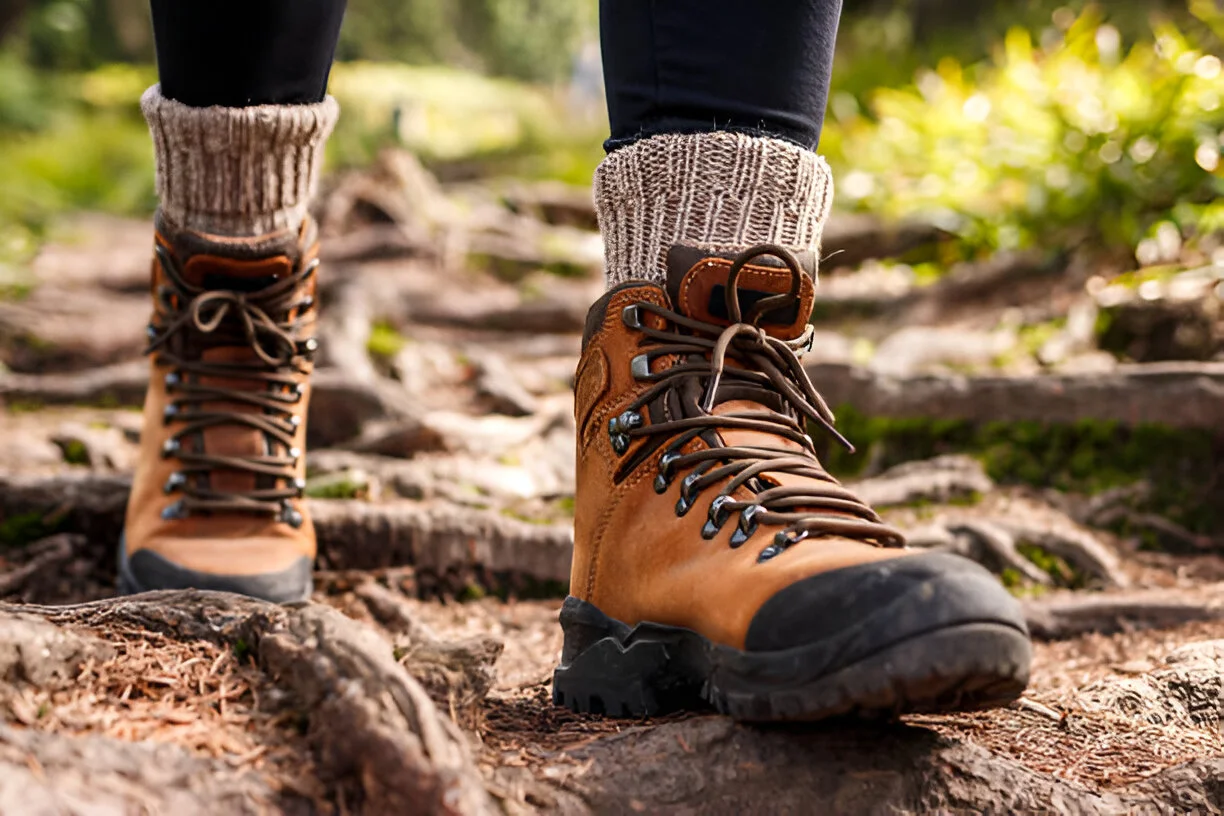
- Footwear: Well-broken-in, waterproof hiking boots with good ankle support. Ensure they fit perfectly – ill-fitting boots are a common cause of blisters.
- Socks: Several pairs of wool or synthetic hiking socks.
- Headwear: A warm fleece hat that covers the ears and a sun hat or cap. A balaclava or neck gaiter is also essential for summit night.
- Gloves: Lightweight liner gloves and a pair of warm, waterproof outer gloves or mittens.
- Eye Protection: High-quality sunglasses with UV protection.
- Backpack: A comfortable daypack (20-30 liters) with a rain cover.
- Sleeping Bag: A 0-degree Fahrenheit (or -18°C) rated sleeping bag. Consider renting one if purchasing is not feasible.
- Headlamp: Essential for navigating in the dark, especially on summit night.
Top Guide Adventures can provide detailed gear lists tailored to the season and route. We also offer rental services for some items, which can be convenient for families planning their 2026-2027 adventure.
Choosing the Right Kilimanjaro Route for a 10-Year-Old
Route selection is paramount when climbing Kilimanjaro with a child. The best routes prioritize acclimatization, comfort, and success rates. Longer routes generally offer better acclimatization profiles, giving the body more time to adjust to the increasing altitude.
For a 10-year-old, we strongly recommend the following routes:
1. Lemosho Route (8 Days)
The Lemosho Route is one of the most scenic and increasingly popular options. Its 8-day itinerary provides excellent acclimatization, significantly increasing the chances of a successful summit, especially for younger climbers.
- Pros: Excellent acclimatization profile, stunning scenery, less crowded than Marangu or Machame initially, higher success rate due to length and acclimatization.
- Cons: Can be more expensive than shorter routes, limited camping spots on the western side.
- Suitability for 10-Year-Olds: High. The gradual ascent and longer duration allow the body to adapt more effectively.
2. Machame Route (7 Days)
Often called the “Whiskey Route,” Machame is a challenging but rewarding trek. While 6 days are possible, the 7-day option significantly improves acclimatization and success rates, making it a better choice for younger climbers.
- Pros: Scenic, good acclimatization (especially the 7-day version), popular with many trekkers.
- Cons: Can be busy, steep climbs in sections.
- Suitability for 10-Year-Olds: Good, especially the 7-day itinerary. Requires a good level of fitness.
3. Marangu Route (5 or 6 Days)
Known as the “Coca-Cola Route,” Marangu is the oldest and most established route. It’s the only route that offers dormitory-style accommodation in huts. While the 5-day option is fast, the 6-day version provides a crucial extra day for acclimatization.
- Pros: Huts offer comfort, no camping required, considered the easiest in terms of terrain.
- Cons: Lower success rate due to rapid ascent, less scenic than other routes, can be crowded.
- Suitability for 10-Year-Olds: Moderate. The 6-day version is essential for better acclimatization. The comfort of huts might appeal to some children.
Routes to Avoid for a 10-Year-Old: Shorter routes like Machame 6-day, Rongai 5-day, or Umbwe are generally too fast for adequate acclimatization and are not recommended for children. The focus should always be on maximizing acclimatization for safety and success.
When booking with Top Guide Adventures for your 2026-2027 Kilimanjaro climb, we will discuss these route options in detail to find the best fit for your family’s needs and your child’s capabilities.
Safety Protocols and Guide Responsibilities
Safety is the absolute priority when climbing Kilimanjaro, particularly with a child. Top Guide Adventures employs highly trained guides who are not only experts in mountaineering but also in first aid and recognizing the signs of altitude sickness.
Guide Training and Experience
Our guides undergo rigorous training, including:
- Wilderness First Responder (WFR) or equivalent certifications.
- Extensive knowledge of Kilimanjaro’s routes, weather patterns, and potential hazards.
- Specialized training in identifying and managing Acute Mountain Sickness (AMS), High Altitude Cerebral Edema (HACE), and High Altitude Pulmonary Edema (HAPE).
- Experience with diverse age groups, including children and senior climbers.
Daily Health Monitoring
Each day, our guides will:
- Monitor Symptoms: They will regularly check in with every climber, including the 10-year-old, asking about their well-being and observing for any signs of AMS.
- Measure Oxygen Saturation: Using a pulse oximeter, they will measure blood oxygen levels and heart rate, especially at higher altitudes. This provides objective data on acclimatization.
- Assess Hydration and Appetite: Adequate fluid intake and appetite are good indicators of how well the body is handling the altitude.
Decision-Making for Descent
The guide’s primary responsibility is the safety of the group. If a climber, especially a child, shows signs of moderate to severe AMS, HACE, or HAPE, the guide will recommend immediate descent. This decision is non-negotiable and is always made in the best interest of the climber’s health. Parents must trust and support the guide’s judgment in these situations.
For families planning a 2026-2027 climb, understanding our safety protocols ensures peace of mind. We believe that proper guidance and adherence to safety procedures are what make a Kilimanjaro climb achievable and safe for younger adventurers.
Age and Health Considerations: What Doctors Advise
Before committing to a Kilimanjaro climb for a 10-year-old, a consultation with a pediatrician or a travel medicine specialist is highly recommended. They can provide personalized advice based on the child’s specific health history.
Pediatrician’s Perspective
A doctor might consider the following:
- General Health: Is the child generally healthy with no underlying conditions like asthma, heart problems, or sickle cell trait that could be exacerbated by altitude?
- Past Experiences with Altitude: Has the child experienced altitude sickness on previous trips to higher elevations?
- Maturity and Compliance: Can the child understand and follow instructions regarding hydration, pace, and reporting symptoms?
- Vaccinations and Medications: Ensure all necessary vaccinations are up-to-date and discuss the potential use of altitude-sickness medication like Diamox (acetazolamide). While often prescribed for adults, its use in children requires careful medical supervision.
Altitude Sickness Medication (Diamox)
Diamox can help speed up acclimatization but is not a substitute for proper ascent and acclimatization practices. If a doctor prescribes Diamox for a child, strict adherence to dosage instructions is crucial. It works by increasing breathing rate, which helps the body get rid of excess bicarbonate and speeds up acclimatization. Side effects can include increased urination, tingling in the fingers and toes, and altered taste. Your doctor will weigh the benefits against potential risks for your child.
For families planning a 2026-2027 climb, scheduling this medical consultation at least 3-6 months in advance is ideal, allowing ample time for any necessary preparations or treatments.
The Role of Parents and Guardians
When a 10-year-old climbs Kilimanjaro, the parents or guardians play an indispensable role. Their support, vigilance, and attitude significantly influence the child’s experience and success.
- Constant Support: Be a source of encouragement, especially during challenging moments. Celebrate small victories along the way.
- Vigilance: Pay close attention to your child’s behavior and any subtle signs of discomfort or fatigue. Communicate any concerns immediately to the guide.
- Pacing: Ensure your child is not pushing too hard. Encourage a slow and steady pace (“pole pole” – slowly, slowly) as advised by the guides.
- Hydration and Nutrition: Regularly remind and encourage your child to drink water and eat their meals, even if they don’t feel hungry.
- Trust the Guides: Remember that the guides are experienced professionals. Trust their judgment regarding safety and acclimatization decisions.
- Positive Attitude: Your own positive outlook will be contagious and help your child stay motivated.
The Kilimanjaro climb is a family adventure, and shared effort and mutual support are key. For those looking at 2026-2027, building this team dynamic during training will translate well to the mountain.
Comparing Kilimanjaro Climbs for Families in 2026-2027
When planning a family trek to Kilimanjaro, especially with younger participants, comparing different operators and packages is essential. Top Guide Adventures focuses on providing a safe, supportive, and memorable experience tailored to families.
Key Comparison Points for Families:
- Guide-to-Client Ratio: A lower ratio means more personalized attention. For a child, having a dedicated guide or assistant guide can be invaluable.
- Acclimatization Strategy: Prioritize operators offering longer routes (7-8 days) with proven acclimatization schedules.
- Safety Equipment: Ensure the operator carries comprehensive first-aid kits, oxygen cylinders, and pulse oximeters.
- Food Quality and Variety: Good nutrition is vital. Look for operators who provide fresh, varied, and nutritious meals.
- Environmental Practices: Choose operators committed to Leave No Trace principles and responsible tourism.
- Emergency Procedures: Understand the operator’s plan in case of a medical emergency, including evacuation capabilities.
Top Guide Adventures distinguishes itself through its commitment to personalized service and safety. We understand the unique needs of families and younger climbers. Our 2026-2027 packages are designed with these considerations in mind, ensuring that every aspect of the journey, from preparation to the summit and back, is handled with care.
For instance, when comparing our 8-day Lemosho package with others, you’ll find that our itinerary is optimized for acclimatization, our guides are among the most experienced in Tanzania, and our support crew is dedicated to ensuring the comfort and safety of every climber, no matter their age.
We encourage you to look at reviews and compare operators, but remember that the cheapest option is rarely the safest or most enjoyable, especially when climbing with children.
The Summit Night Experience: What to Expect for a 10-Year-Old
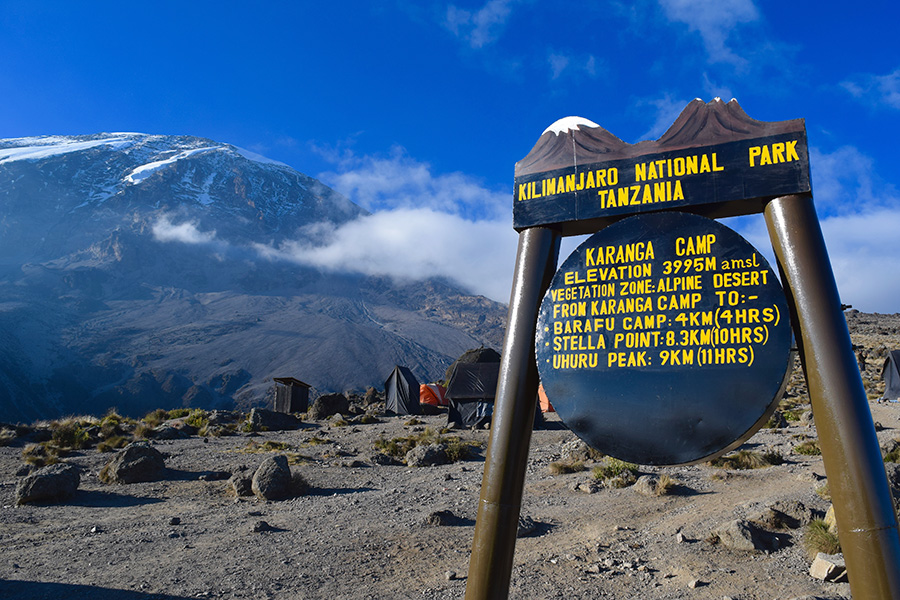
Summit night is the most challenging part of the Kilimanjaro climb. It begins around midnight, usually from the last camp (e.g., Barafu Camp for most routes), and involves ascending in the dark, in extreme cold, and at high altitude.
- Starting Time: Typically between 11 PM and 1 AM.
- Duration: The ascent to the summit can take 6-10 hours, depending on the climber’s pace and the route.
- Conditions: Extreme cold (often -10°C to -20°C with wind chill), steep scree slopes, and very low oxygen levels.
- Pacing: It’s crucial to maintain a very slow, steady pace. “Pole pole” is the mantra. The guide will set a rhythm.
- Breaks: Short, frequent breaks are taken for water and snacks.
- Motivation: This is where mental resilience is tested. Parents must provide constant encouragement, and guides are skilled at motivating climbers.
For a 10-year-old, summit night requires exceptional preparation and support. They need to be warm, well-hydrated, and mentally prepared for the arduous journey. The feeling of accomplishment upon reaching Uhuru Peak is immense, and witnessing the sunrise from the roof of Africa is an unforgettable moment. However, the descent is also challenging and requires focus, as fatigue is high.
Top Guide Adventures ensures that guides are equipped to support younger climbers through this critical phase, providing extra encouragement and monitoring their condition closely. Planning for 2026-2027 means discussing this intense part of the trek thoroughly.
Post-Climb Considerations and Celebrations
Reaching the summit is a monumental achievement, but the journey isn’t over until you’re safely back at the base. The descent can be as tiring as the ascent, especially due to fatigue and the physical impact of walking downhill for hours.
- Descent: The descent is typically faster than the ascent. Guides ensure safety on the steep, often loose, terrain.
- Rest and Recovery: Upon reaching the lower altitudes, the body begins to recover. Adequate rest is crucial.
- Celebration: Top Guide Adventures believes in celebrating success! We organize a celebratory dinner for our clients upon completion of the climb. This is a chance to reflect on the journey and share experiences.
- Tipping: Tipping the guide, assistant guides, cook, and porters is customary and greatly appreciated. We provide guidelines on appropriate tipping amounts.
- Souvenirs: Many climbers purchase souvenirs in Moshi or Arusha to commemorate their achievement.
For a 10-year-old, the physical and emotional impact of the climb can be profound. Allowing ample time for rest and celebrating their incredible accomplishment is vital. Many children view their Kilimanjaro climb as a defining moment, fostering a lifelong love for adventure and pushing their perceived limits.
As you plan for 2026-2027, remember that the post-climb experience is part of the adventure. We are here to ensure it’s as smooth and enjoyable as the trek itself.
Frequently Asked Questions (FAQs) for Families Climbing Kilimanjaro
Here are some common questions families have when considering Kilimanjaro for younger climbers:
What is the youngest age someone has climbed Kilimanjaro?
While there’s no official minimum age, reports suggest children as young as 7 or 8 have summited, often with extensive preparation and parental support. However, success and safety depend heavily on the individual child, not just the age.
Can a 10-year-old get altitude sickness?
Yes, absolutely. Altitude sickness affects individuals of all ages, and children may be less able to articulate their symptoms, making vigilance crucial. Choosing a longer route with good acclimatization is key.
How much does it cost for a child to climb Kilimanjaro?
The cost for a child is generally the same as for an adult, as park fees, guide salaries, and logistics are based on the group size and duration, not individual age. Prices for 2026-2027 expeditions with Top Guide Adventures typically range from $2,000 to $3,500 per person, depending on the route, duration, and inclusions. We offer competitive pricing for family groups.
What if my 10-year-old gets sick or wants to turn back?
Safety is paramount. If a child becomes unwell or is struggling significantly, the guide will assess the situation. They may recommend resting, taking medication (if prescribed), or descending. The decision to turn back is always based on the child’s well-being. Parents must be prepared for this possibility and support the guide’s decision.
Do children need special permits or fees?
No, national park fees are per person and do not vary by age for children who are accompanying adults on the climb. The cost structure is the same for all climbers.
How can I ensure my child stays motivated throughout the climb?
Keep the experience positive and engaging. Break down the climb into smaller, achievable daily goals. Focus on the scenery, the teamwork with the guides, and the incredible achievement. Celebrate milestones, and remind them why they wanted to climb Kilimanjaro in the first place. Training together as a family also builds a strong sense of shared purpose.
Final Thoughts for Families Planning a 2026-2027 Kilimanjaro Adventure
Climbing Mount Kilimanjaro is an extraordinary adventure that can be incredibly rewarding for a 10-year-old, offering lessons in resilience, perseverance, and the beauty of the natural world. It requires diligent preparation, a realistic assessment of the child’s capabilities, and choosing the right partner to guide you.
At Top Guide Adventures, we are passionate about helping families create unforgettable memories on Kilimanjaro. We understand the unique considerations when children are involved and are committed to providing the highest standards of safety, support, and personalized service. Our experienced guides and well-structured itineraries are designed to maximize the chances of a successful and enjoyable climb for everyone.
If you are considering Kilimanjaro for your 10-year-old in 2026 or 2027, we encourage you to reach out. Let’s discuss your family’s aspirations, answer all your questions, and build a climbing plan that ensures a safe, memorable, and triumphant journey to the Roof of Africa. We are here to help you every step of the way.
Contact us today:
- WhatsApp: +255616946642
- Email: topguideadventures@gmail.com
- Backup Email: info@topguideadventures.com
Visit our website for more information on our Kilimanjaro climbs and other Tanzanian adventures.
Check Availability for Can A 10-Year-Old Climb Kilimanjaro? Expert Guide For 2026-2027
Ready to compare dates, prices, and the best option for your group? Send the package name and travel month so the team can reply with a clear quote, availability, and what is included.
Kilimanjaro Climb For Gap-Year Students 2026-2027
Kilimanjaro Climb for Gap-Year Students is explained with current 2026-2027 planning, price, itinerary and booking information.
View package details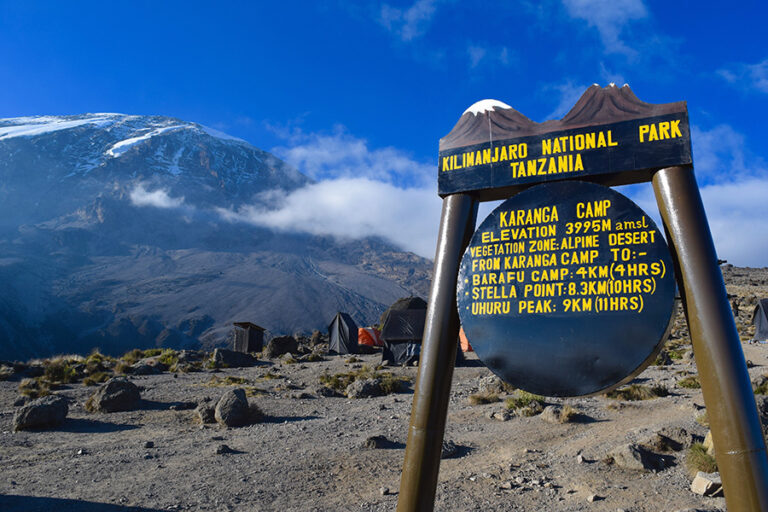
Can A 14-Year-Old Climb Kilimanjaro? Essential Guide For Young Trekkers
Climbing Mount Kilimanjaro is an incredible adventure, and many young people aspire to reach its summit. This guide explores whether a 14-year-old can successfully and safely summit...
View package details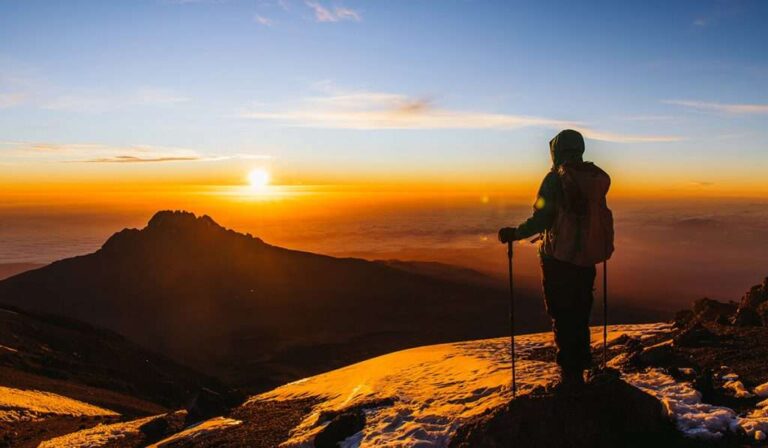
Can A 12-Year-Old Climb Kilimanjaro? A Comprehensive Guide For 2026-2027
Climbing Kilimanjaro with a 12-year-old is possible but requires careful consideration of fitness, preparation, and route choice. This guide details everything parents and young adventurers...
View package details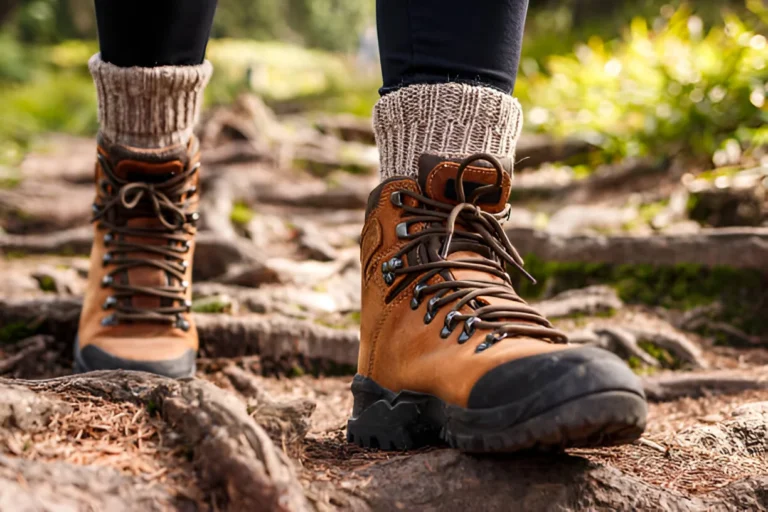
Kilimanjaro Packing Mistakes To Avoid For A Successful Climb In 2026-2027
Packing for Kilimanjaro is crucial for a successful trek. This guide details common packing mistakes to avoid, ensuring you have the right gear for the varying altitudes and conditions...
View package details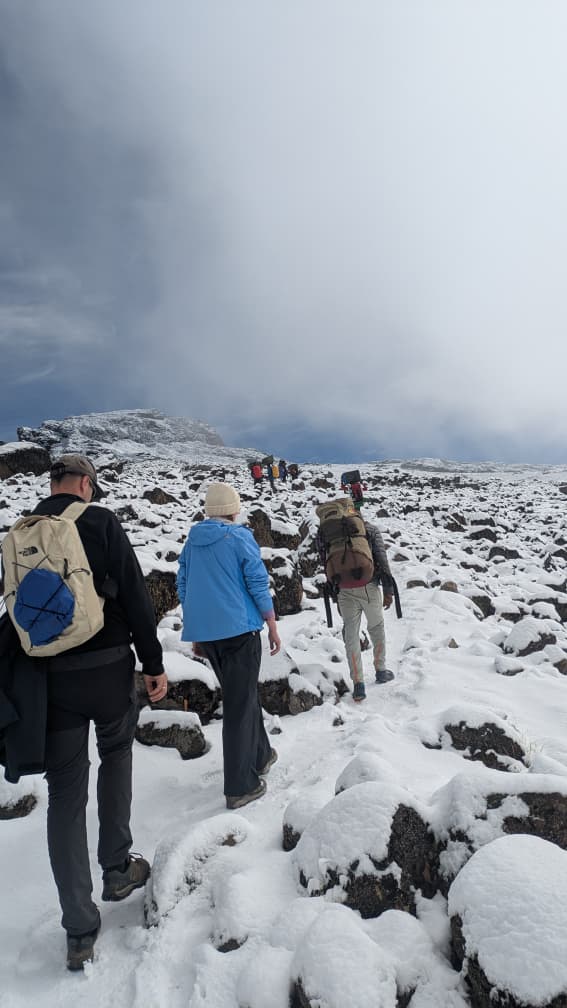
Kilimanjaro Morning Flight Vs Evening Arrival: Which Is Better For Your Climb?
Choosing between a morning and evening flight arrival at Kilimanjaro International Airport (JRO) significantly impacts your pre-climb preparations and initial acclimatization. This guide...
View package details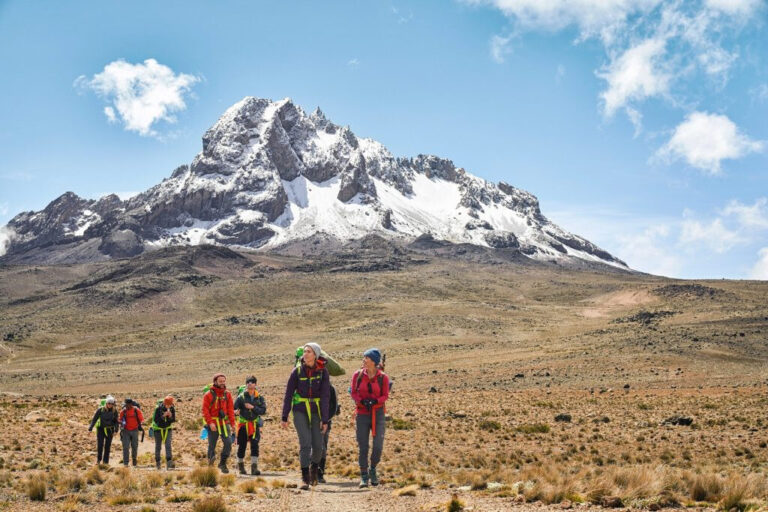
Kilimanjaro Full-Moon Vs Dark-Sky Climb: Which Is Best For You In ? 2026-2027
Choosing between a Kilimanjaro full-moon or dark-sky climb in 2026-2027 involves weighing unique advantages. A full-moon climb offers visibility and a magical atmosphere, while a dark-sky...
View package details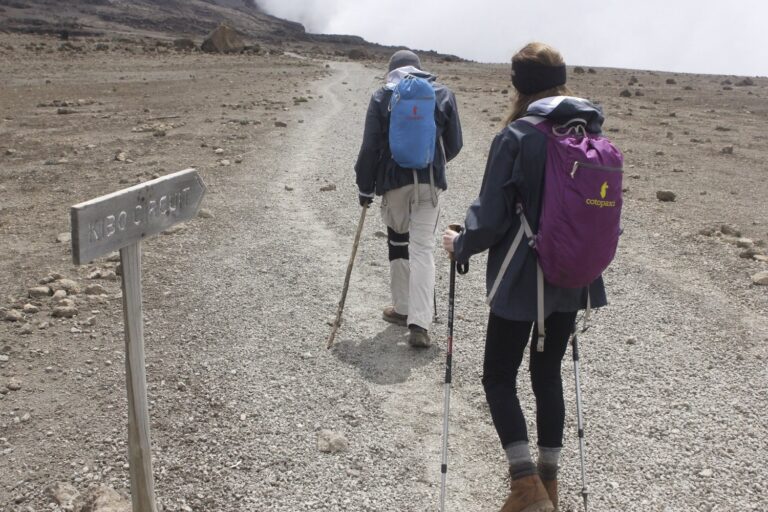
Kilimanjaro Standard Camp Vs Luxury Your Ultimate Comparison For Climbs
Choosing between standard and luxury camping on Kilimanjaro significantly impacts your trek experience. This guide breaks down the key differences in accommodation, meals, equipment, and...
View package details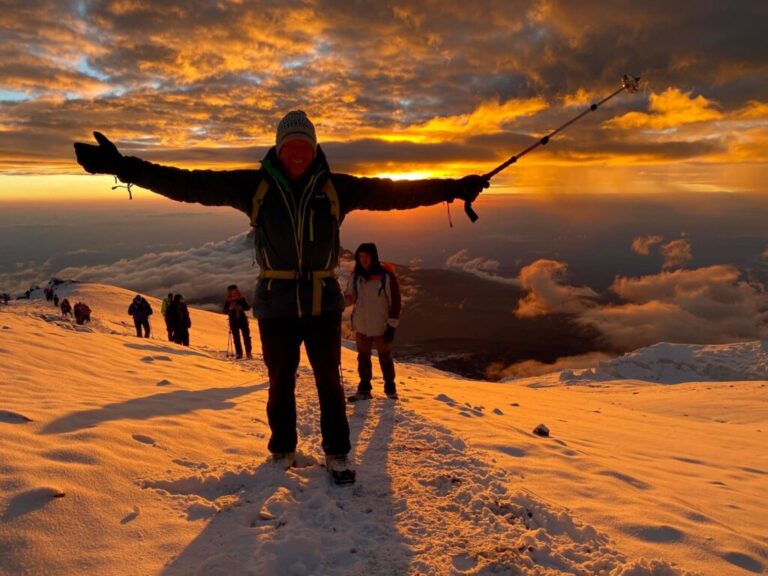
Kilimanjaro Shared Tent Vs Single Making The Right Choice For Your Climb
Choosing between a shared tent and a single tent for your Kilimanjaro climb is a significant decision impacting comfort, cost, and your overall experience. This guide breaks down the pros...
View package detailsKilimanjaro Local Operator Vs. Overseas Travel Agent: Your Ultimate Climbing
Deciding who to book your Kilimanjaro climb with is crucial. This guide compares local Tanzanian operators against overseas travel agents, detailing the pros and cons of each for your...
View package detailsKilimanjaro Safari And Climb Package For Seniors: Your Adventure 2026-2027
Top Guide Adventures offers tailored Kilimanjaro safari and climb packages for seniors in 2026-2027, focusing on safety, comfort, and an unforgettable Mount Kilimanjaro experience. Explore...
View package details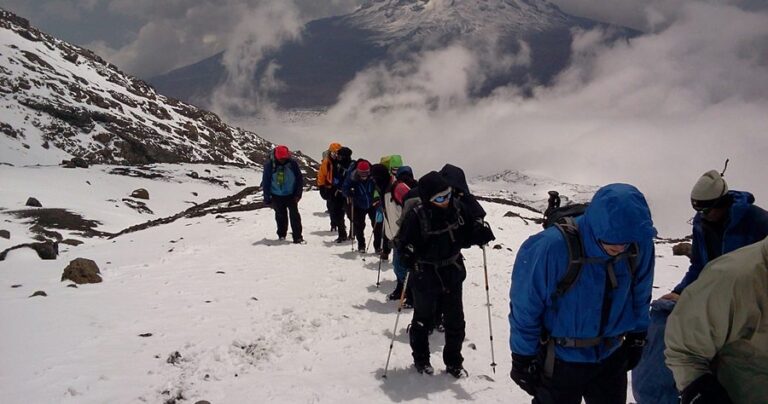
Kilimanjaro Climb With Private Medical Support Guide
Climbing Mount Kilimanjaro is a dream for many adventurers. Ensuring your safety and well-being is paramount, especially at high altitudes. A Kilimanjaro climb with private medical support...
View package detailsKilimanjaro Climb With Additional Personal Porter 2026-2027
Kilimanjaro Climb with Additional Personal Porter is explained with current 2026-2027 planning, price, itinerary and booking information.
View package detailsNo related package matches those filters. Clear one or more filters to see the other topic-matched options.



