
A Kilimanjaro climb for gap-year students in 2026-2027 is an achievable and life-changing adventure, with popular routes like Machame or Lemosho typically taking 7-8 days and costing between $2,000 – $4,000 USD per person, depending on inclusions, guiding services, and accommodation choices. Top Guide Adventures specializes in supporting young adventurers with tailored packages, experienced guides, and comprehensive pre-trip planning to ensure a safe and successful summit experience.
Why a Kilimanjaro Climb is the Perfect Gap-Year Adventure
For gap-year students in 2026-2027 seeking an experience that pushes boundaries, builds character, and offers unparalleled bragging rights, climbing Mount Kilimanjaro stands out as a premier choice. It’s more than just a trek; it’s a journey of self-discovery, resilience, and a profound connection with nature. This iconic peak in Tanzania offers a unique challenge that perfectly suits the adventurous spirit of young travelers looking to make their gap year truly memorable. Unlike many other adventure travel options, a Kilimanjaro climb provides a tangible goal, requiring physical and mental preparation, teamwork, and perseverance – qualities that are invaluable for life beyond education.
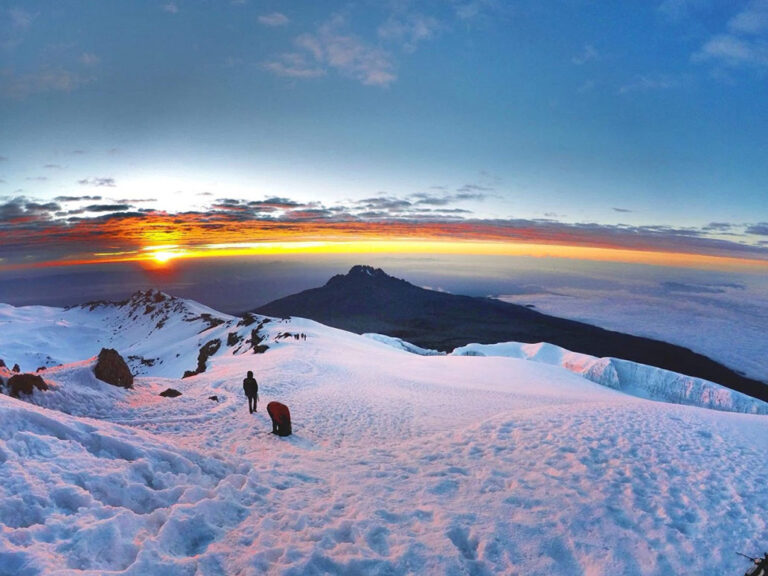
The sheer scale of Kilimanjaro, Africa’s highest mountain at 5,895 meters (19,341 feet), presents a formidable yet attainable objective. Successfully reaching Uhuru Peak is an accomplishment that fosters immense personal growth, boosts confidence, and provides incredible stories to share. For gap-year students, this experience can shape perspectives, introduce them to diverse cultures, and offer a stark contrast to the academic routines they’ve left behind. The planning and execution of such a trip also develop critical organizational skills.
Choosing a Kilimanjaro climb for your gap year in 2026-2027 means selecting an expedition that is accessible to those with a reasonable level of fitness, without requiring extensive mountaineering experience. This makes it an ideal adventure for a wide range of students. The diverse routes offer varying levels of difficulty and scenic beauty, allowing you to tailor the experience to your preferences and physical preparedness. Top Guide Adventures understands the unique needs and aspirations of gap-year travelers, providing the support and expertise necessary to make this dream a reality.
Understanding the Kilimanjaro Challenge: What Gap-Year Students Need to Know
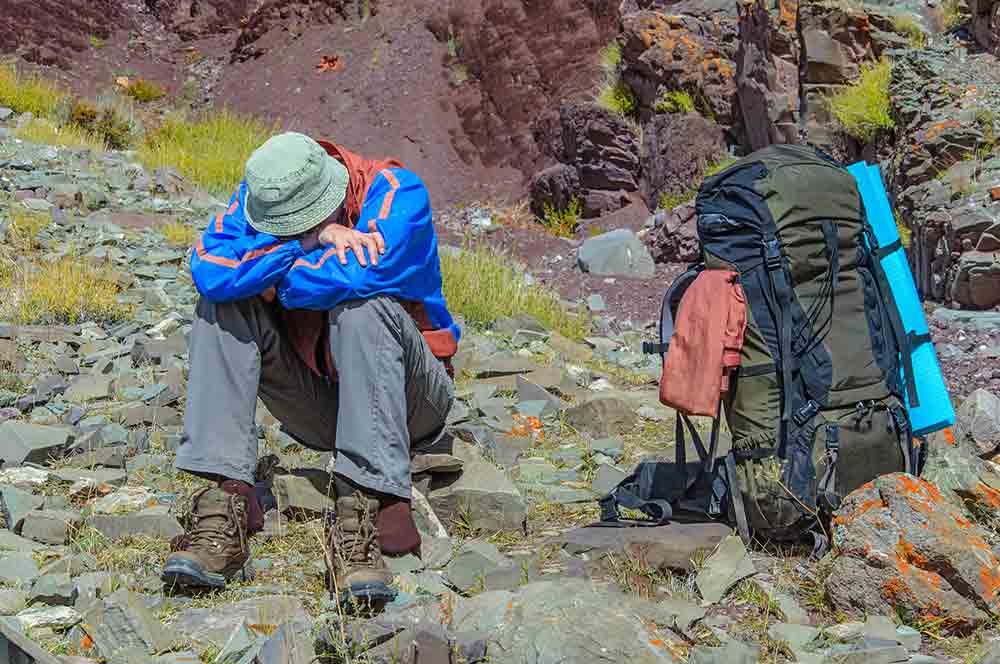
Mount Kilimanjaro is not a technical climb, but its altitude presents a significant physiological challenge. The primary hurdle for any climber, including gap-year students, is acclimatization. Ascending too quickly can lead to Acute Mountain Sickness (AMS), which can range from mild headaches and nausea to severe, life-threatening conditions. Therefore, choosing a longer route with a slower ascent profile is crucial for successful acclimatization and summiting. This is where experienced guides, like those at Top Guide Adventures, play an indispensable role.
The success rate on Kilimanjaro varies greatly depending on the route chosen, the duration of the trek, and the climber’s preparation. Generally, longer treks (7-8 days) have higher success rates because they allow for better acclimatization. For students planning their 2026-2027 expedition, understanding these success factors is key to making informed decisions. It’s not just about reaching the summit; it’s about doing so safely and enjoying the journey.
Gap-year students often have more flexibility with time, making longer routes a viable and recommended option. This extended time on the mountain allows for a more gradual ascent, significantly increasing the chances of reaching the summit and fully appreciating the stunning landscapes. The physical demands are considerable, requiring a good level of cardiovascular fitness and strength. Regular hiking, cardio exercises, and strength training in the months leading up to the climb are essential components of preparation.
Choosing the Right Kilimanjaro Route for Your Gap Year in 2026-2027
Selecting the appropriate route is arguably the most critical decision for a Kilimanjaro climb, especially for gap-year students who may be undertaking such a significant challenge for the first time. Each route offers a distinct experience, varying in difficulty, scenic beauty, acclimatization profile, and success rates. Top Guide Adventures recommends routes that are best suited for students, prioritizing safety, acclimatization, and the overall experience.
Machame Route: The Popular Choice for Gap Year Trekkers
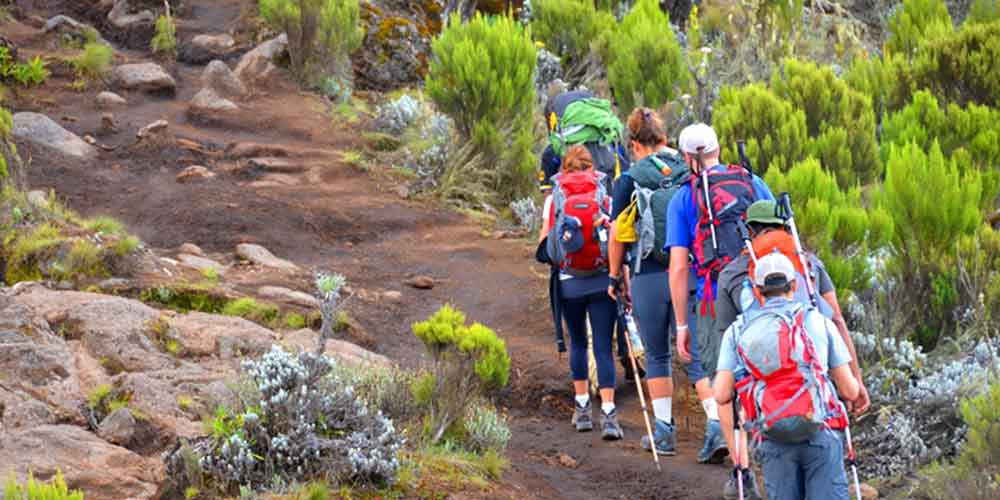
Often called the “Whiskey Route” due to its popularity, the Machame Route is a favorite among trekkers, including many gap-year students. It spans 6-7 days and is known for its scenic beauty and excellent acclimatization profile, especially when trekked over 7 days. The route approaches Kilimanjaro from the south and offers a circular path, ascending via the Shira Plateau and descending via the Mweka trail.
- Duration: Typically 6 or 7 days. A 7-day itinerary is highly recommended for better acclimatization and a higher success rate.
- Scenery: Offers diverse and stunning views, traversing rainforest, moorland, and alpine desert.
- Acclimatization: Good, especially on the 7-day version, which includes a “climb high, sleep low” strategy.
- Difficulty: Moderate to challenging. Requires good physical fitness.
- Crowds: Can be moderately crowded due to its popularity.
- Best for Gap Year Students: Excellent balance of scenery, acclimatization, and a good chance of success, making it a top pick for 2026-2027 expeditions.
Top Guide Adventures frequently organizes group departures on the Machame route for gap-year students in 2026 and 2027, offering a chance to bond with like-minded adventurers. You can find more details on our Machame Route group departures.
Lemosho Route: The Scenic and High Success Rate Option
The Lemosho Route is another excellent choice for gap-year students, celebrated for its stunning scenery and high summit success rates, largely due to its longer duration and superior acclimatization profile. It approaches Kilimanjaro from the west, offering a more remote and wild trekking experience initially.
- Duration: Typically 7 or 8 days. The 8-day itinerary is strongly advised for optimal acclimatization.
- Scenery: Considered one of the most beautiful routes, starting in lush rainforest and progressing through diverse ecological zones.
- Acclimatization: Excellent, with a gradual ascent and opportunities for “climb high, sleep low.”
- Difficulty: Moderate to challenging.
- Crowds: Less crowded than Machame, especially in the initial days.
- Best for Gap Year Students: Ideal for those prioritizing scenery and the highest possible chance of summit success in 2026-2027, provided they have the time for an 8-day trek.
The Lemosho route offers a more in-depth experience in Kilimanjaro’s diverse ecosystems, making it a rewarding choice for students seeking a profound connection with the mountain.
Marangu Route: The “Coca-Cola” Route
The Marangu Route is the oldest and perhaps most famous route, often referred to as the “Coca-Cola” route because it’s the only one where climbers sleep in dormitory-style huts rather than camping. It’s also the only route that ascends and descends via the same path.
- Duration: 5 or 6 days. The 5-day option is generally not recommended due to poor acclimatization and low success rates.
- Scenery: Less varied than other routes, particularly on the ascent.
- Acclimatization: Poor, especially on the 5-day itinerary, leading to lower success rates.
- Difficulty: Moderate.
- Crowds: Can be very crowded.
- Best for Gap Year Students: Generally not recommended for gap-year students in 2026-2027 due to its lower success rate and poorer acclimatization profile, unless specific comfort preferences (huts vs. camping) are paramount and a 6-day trek is chosen.
Other Routes: Rongai, Shira, and Northern Circuit
While Machame and Lemosho are top recommendations, other routes offer unique advantages:
- Rongai Route: Approaches from the north, making it a good option during the rainy season (though Kilimanjaro can be climbed year-round). It’s generally flatter and less scenic than Machame or Lemosho but offers good acclimatization over 7 days.
- Shira Route: Similar to Lemosho but starts at a higher altitude, which can be challenging for acclimatization. It’s often combined with other routes.
- Northern Circuit: The longest route (9 days), offering the best acclimatization and highest success rates. It circles the mountain, providing unique views and a more relaxed pace, making it ideal for those who want to maximize their chances and experience. This is a premium option for 2026-2027 students prioritizing success and immersion.
For most gap-year students in 2026-2027, the 7-day Machame Route or the 8-day Lemosho Route represent the optimal balance of cost, scenery, acclimatization, and success rates. The 9-day Northern Circuit is a fantastic, albeit more expensive, option for those seeking the ultimate experience and highest probability of summiting.
Cost of a Kilimanjaro Climb for Gap-Year Students in 2026-2027
The cost of climbing Kilimanjaro can vary significantly based on the tour operator, the route chosen, the duration of the trek, and the level of service provided. For gap-year students planning their 2026-2027 expedition, understanding these cost factors is crucial for budgeting. Top Guide Adventures aims to provide transparent pricing and excellent value.
Generally, a mid-range Kilimanjaro climb package for gap-year students in 2026-2027 can range from $2,000 to $4,000 USD per person. This price typically includes:
- Park entrance fees (national park, camping, rescue fees)
- Accommodation before and after the climb (often in Moshi or Arusha)
- All meals during the trek
- Experienced, licensed guides and assistant guides
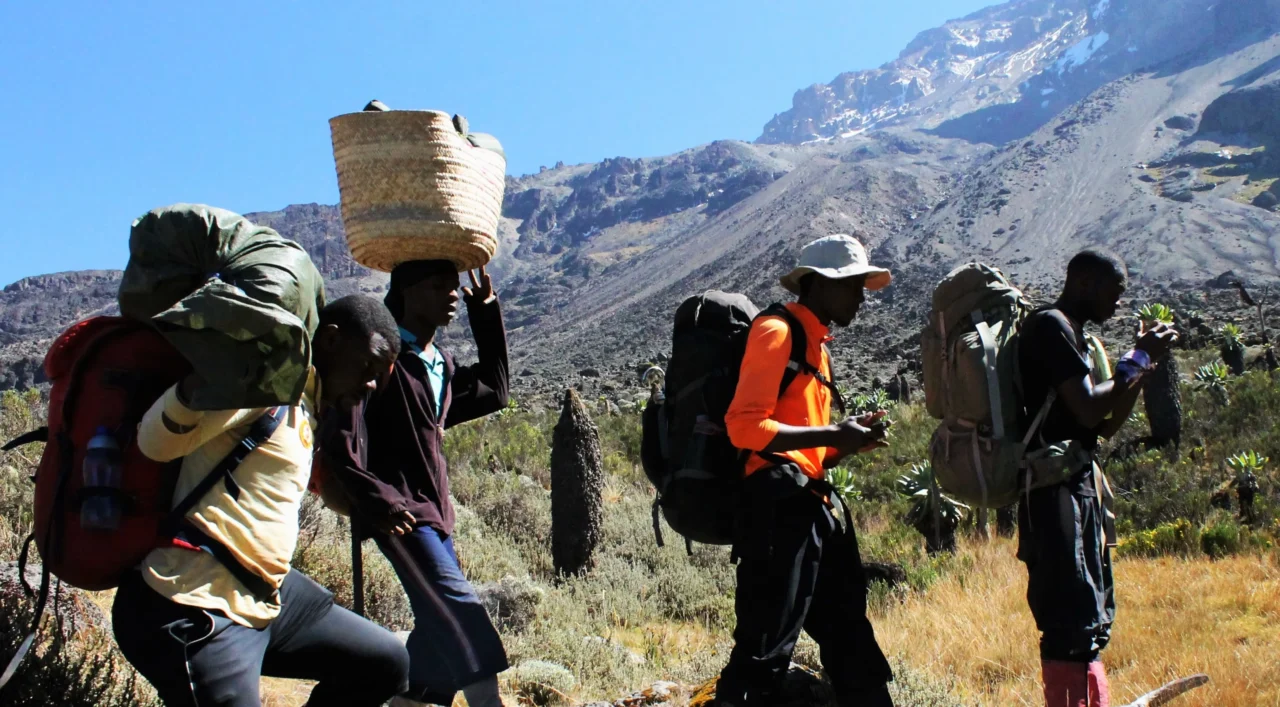
- Porters to carry group equipment and personal luggage (within weight limits)
- Camping equipment (tents, sleeping mats)
- Boiled water on the mountain
- Government taxes and levies
Exclusions typically include:
- International flights to Kilimanjaro International Airport (JRO)
- Visa fees
- Travel insurance (mandatory)
- Personal climbing gear (boots, warm clothing, sleeping bag)
- Tips for guides, porters, and cooks (a significant part of the crew’s income)
- Personal expenses (souvenirs, extra snacks, alcoholic beverages)
- Optional pre- or post-climb activities like safaris or Zanzibar trips
- Vaccinations and medications
Factors influencing cost:
- Operator Type: Local Tanzanian operators like Top Guide Adventures often offer more competitive pricing than international companies, while still maintaining high standards of safety and service.
- Route Length: Longer routes (8-9 days) are more expensive due to additional days of park fees, guide/crew salaries, and supplies.
- Group Size: While group departures can sometimes offer savings, private climbs for a small group of gap-year friends might offer a better overall experience and flexibility.
- Inclusions: Some operators may include items like sleeping bags or walking poles, while others rent them out. Ensure you understand exactly what is included.
- Accommodation: The quality of pre- and post-climb accommodation can also affect the price.
For specific pricing tailored to your 2026-2027 gap-year expedition, we encourage you to contact Top Guide Adventures directly. We provide detailed itineraries and transparent cost breakdowns.
Budgeting for Tips
Tipping is a customary and significant part of the income for the mountain crew. While not always included in the initial package price, it’s essential for gap-year students to budget for this. A general guideline for 2026-2027 is approximately $250-$350 USD per climber for the entire trek, distributed among guides, assistant guides, cooks, and porters. Top Guide Adventures can provide specific tipping guidelines closer to your departure date.
Physical and Mental Preparation for Gap-Year Trekkers
Climbing Kilimanjaro is a significant physical undertaking, and mental preparedness is equally important. Gap-year students should begin their training several months in advance, focusing on building endurance, strength, and mental fortitude.
Physical Training Regimen
The goal of training is to prepare your body for long days of hiking, often uphill, at altitude, and carrying a daypack. Focus on:
- Cardiovascular Fitness: Engage in activities like running, cycling, swimming, or brisk walking for at least 3-4 times a week. Aim for sessions of 45-60 minutes.
- Hiking with a Pack: This is crucial. Find hills or stairs and hike with a backpack that simulates the weight you’ll carry (5-10 kg). This helps your body adapt to the specific demands of the trek.
- Strength Training: Focus on leg strength (squats, lunges, calf raises) and core strength (planks, crunches). Strong legs and a stable core reduce fatigue and the risk of injury.
- Stamina Building: Include at least one long hike (4-6 hours) each week, preferably on consecutive days on some weekends to simulate multi-day trekking.
- Altitude Simulation (Optional): If possible, spend time at higher altitudes. If not, focus on general fitness and acclimatization strategies on the mountain.
For students in 2026-2027, starting training 3-6 months before your climb is ideal. Listen to your body and gradually increase the intensity and duration of your workouts.
Mental Preparation and Resilience
Kilimanjaro is as much a mental challenge as a physical one. Altitude sickness, fatigue, cold, and discomfort are inevitable. Developing mental resilience is key:
- Set Realistic Expectations: Understand that not everyone reaches the summit, and that’s okay. The journey itself is rewarding.
- Positive Self-Talk: Practice positive affirmations and visualize yourself succeeding.
- Mindfulness and Focus: Learn to focus on one step at a time, rather than the entire daunting climb ahead.
- Embrace Discomfort: Accept that there will be challenging moments and learn to push through them calmly.
- Teamwork: Remember you are part of a team. Support your fellow trekkers and rely on the support of your guides.
The shared experience of a gap-year Kilimanjaro climb can foster strong bonds, and mutual encouragement is a powerful tool for overcoming mental hurdles. Top Guide Adventures’ guides are trained to provide psychological support and encouragement throughout the trek.
Essential Gear and Packing List for Gap-Year Climbers
Proper gear is vital for comfort, safety, and success on Kilimanjaro. Gap-year students should invest in or rent quality equipment, especially for items that protect against the elements. Remember, you’ll be experiencing multiple climate zones, from tropical rainforest to arctic conditions at the summit.
Layering System: The Key to Comfort
The best approach to dressing on Kilimanjaro is layering:
- Base Layer: Moisture-wicking synthetic or merino wool tops and bottoms (long johns). Avoid cotton.
- Mid Layer: Fleece jacket or vest for insulation.
- Outer Layer (Insulation): A warm, down or synthetic insulated jacket for cold evenings and summit night.
- Outer Layer (Shell): Waterproof and windproof jacket and trousers (Gore-Tex or similar) to protect against rain and wind.
Key Gear Items:
- Boots: Broken-in, waterproof, sturdy hiking boots with good ankle support.
- Socks: Several pairs of wool or synthetic hiking socks.
- Headwear: Warm beanie hat (for cold), sun hat with a brim (for sun), and a balaclava or neck gaiter for extreme cold.
- Gloves: Warm, waterproof outer gloves and thinner liner gloves.
- Backpack: A comfortable daypack (30-40 liters) for essentials you need during the day (water, snacks, camera, rain gear).
- Duffel Bag: A large, waterproof duffel bag (80-100 liters) for porters to carry your main gear (approx. 15kg limit).
- Sleeping Bag: A 4-season (-15°C to -20°C comfort rating) sleeping bag is essential for cold nights.
- Headlamp: With extra batteries for summit night and navigating camp.
- Water Bottles/Hydration Reservoir: At least 2-3 liters capacity. Insulated sleeves are recommended for cold weather.
- Sun Protection: High SPF sunscreen, lip balm with SPF, sunglasses.
- Personal Items: Toiletries, personal first-aid kit, blister treatment, pain relievers, hand sanitizer, wet wipes.
- Trekking Poles: Highly recommended to reduce strain on knees and improve balance.
Top Guide Adventures can provide a comprehensive packing list tailored to your specific climb in 2026-2027. Many items can be rented in Moshi, which can be a cost-effective option for gap-year students.
Health and Safety on Kilimanjaro for Young Climbers
The health and safety of our climbers, especially gap-year students, are Top Guide Adventures’ top priority. Understanding the risks associated with high-altitude trekking and taking appropriate precautions is paramount.
Altitude Sickness (AMS) Management
AMS is the most significant risk. Prevention and early recognition are key:
- Ascend Slowly: Choose longer routes (7-9 days) that allow for gradual acclimatization.
- Hydrate: Drink plenty of water (3-4 liters per day).
- Avoid Alcohol and Smoking: These can exacerbate AMS symptoms.
- Eat Well: Maintain a good diet to keep your energy levels up.
- Monitor Symptoms: Be honest about any symptoms you experience (headache, nausea, dizziness, fatigue). Inform your guide immediately.
- Medication: Diamox (acetazolamide) can be prescribed by your doctor to aid acclimatization. Discuss this with your physician.
Guides are trained to recognize AMS and will make decisions regarding a climber’s health, including descent if necessary. Your safety is never compromised.
Other Health Considerations
- Vaccinations: Consult your doctor or a travel clinic well in advance of your 2026-2027 trip regarding recommended vaccinations (e.g., Yellow Fever, Hepatitis A/B, Typhoid) and malaria prophylaxis.
- First Aid: Carry a personal first-aid kit with essentials like blister treatment, pain relievers, antiseptic wipes, and any personal medications.
- Hygiene: Practice good hand hygiene, especially before eating, to prevent gastrointestinal issues. Hand sanitizer is essential.
Safety Protocols
Top Guide Adventures adheres to strict safety protocols:
- Experienced Guides: Our guides are certified in wilderness first aid and have extensive experience with high-altitude environments.
- Communication: Guides carry radios or satellite phones for emergencies.
- Emergency Procedures: We have established procedures for medical emergencies, including evacuation plans.
- Porters’ Welfare: We ensure our porters are treated ethically, with adequate food, shelter, and fair wages.
The Role of Top Guide Adventures for Gap-Year Students
As a leading Tanzanian tour operator, Top Guide Adventures is dedicated to providing exceptional experiences for all travelers, with a special understanding of the needs of gap-year students. We recognize that this may be your first major independent travel undertaking, and we are here to support you every step of the way for your 2026-2027 adventure.
Personalized Support and Planning
From your initial inquiry to your return home, Top Guide Adventures offers:
- Expert Advice: Helping you choose the best route, duration, and dates for your climb.
- Detailed Itineraries: Clear, comprehensive plans that outline each day of your trek.
- Pre-Trip Assistance: Guidance on training, gear, visas, and vaccinations.
- Group Coordination: Facilitating group bookings for friends planning to climb together.
High-Quality Guiding and Crew
Our mountain crews are the backbone of our operations:
- Experienced Guides: Knowledgeable, certified, and safety-conscious guides who prioritize your well-being and success.
- Well-Equipped Porters and Cooks: We ensure our support staff are well-trained, well-equipped, and treated with respect.
- Safety Standards: Strict adherence to safety protocols and emergency procedures.
Value and Transparency
We believe in offering competitive pricing without compromising on quality or safety. Our packages are designed to provide excellent value for gap-year students, with transparent cost breakdowns so you know exactly what you’re paying for.
Why choose Top Guide Adventures for your 2026-2027 Kilimanjaro climb?
- Local expertise and deep understanding of Kilimanjaro.
- Commitment to safety and climber well-being.
- High success rates achieved through well-planned itineraries and experienced crews.
- Personalized attention and support for every client.
- Positive reviews from past clients, including many young adventurers. (See TripAdvisor reviews).
Making the Most of Your Gap Year: Combining Kilimanjaro with Other Adventures
A Kilimanjaro climb is a significant highlight, but your gap year in Tanzania in 2026-2027 can be even richer by combining it with other incredible experiences. Top Guide Adventures offers a range of packages that can be seamlessly integrated with your climb.
Tanzania Safari Adventures
No trip to Tanzania is complete without experiencing its world-renowned wildlife parks. Combine your Kilimanjaro climb with a safari to:
- Serengeti National Park: Witness the Great Migration (seasonal) and abundant wildlife.
- Ngorongoro Crater: Explore this unique caldera teeming with predators and diverse species.
- Tarangire National Park: Famous for its large elephant herds and baobab trees.
- Lake Manyara National Park: Known for its tree-climbing lions and vibrant birdlife.
We offer various safari packages, from budget-friendly camping safaris to more comfortable lodge-based tours. See our Tanzania safari group departures.
Zanzibar Holidays
After the physical exertion of climbing Kilimanjaro, unwind on the pristine beaches of Zanzibar. This exotic island offers:
- Stunning white-sand beaches and turquoise waters.
- Rich history and culture in Stone Town (a UNESCO World Heritage Site).
- Spice tours, snorkeling, diving, and water sports.
- Delicious Swahili cuisine.
A few days or a week in Zanzibar is the perfect way to relax and reflect on your Kilimanjaro achievement.
Cultural Experiences
Engage with local communities and gain a deeper understanding of Tanzanian life:
- Visits to Maasai villages.
- Cultural tours in Arusha and Moshi.
- Interactions with local communities near Kilimanjaro National Park.
Top Guide Adventures can help you craft a complete gap-year itinerary for 2026-2027 that includes your Kilimanjaro climb, safari, beach relaxation, and cultural immersion, creating a truly comprehensive Tanzanian adventure.
Planning Your 2026-2027 Kilimanjaro Climb: Key Dates and Considerations
Choosing the right time to climb Kilimanjaro can significantly impact your experience. While it’s possible to climb year-round, certain months offer better weather conditions.
Best Times to Climb
The best windows for climbing Kilimanjaro are during the two dry seasons:
- January to March: Generally clear skies, but can be cold, especially at higher altitudes. This is a popular time for climbers.
- June to October: Another dry season, often considered the best time for climbing. Temperatures are milder, and skies are usually clear, though it can be windy.
Shoulder Seasons and Rainy Seasons
- April and May: These are the wettest months, with heavy rainfall common, especially in the lower rainforest zone. Climbing is possible but can be challenging due to muddy trails and limited visibility.
- November and December: Short rains occur during this period. Conditions are variable, with periods of sunshine mixed with rain showers.
For gap-year students planning for 2026-2027, aiming for the dry seasons (January-March or June-October) will provide the most favorable weather conditions and the highest likelihood of clear summit views. However, the Rongai route is often recommended for the shoulder/rainy seasons due to its drier northern approach.
Booking Window for 2026-2027
To secure your preferred dates and routes, especially for popular periods like June-October 2027 or January-March 2027, it’s advisable for gap-year students to book their Kilimanjaro climb 6-12 months in advance. This is particularly important if you are coordinating with a group of friends or aiming for specific departure dates. Early booking ensures availability and allows ample time for training and preparation.
Preparing for Your Gap Year in Tanzania: Practical Tips
Beyond the climb itself, preparing for a gap year in Tanzania involves practical considerations to ensure a smooth and enjoyable experience.
Visa Requirements
Most nationalities require a visa to enter Tanzania. You can typically apply for a visa online in advance or obtain one upon arrival at Kilimanjaro International Airport (JRO). Check the latest requirements with the Tanzanian embassy or consulate in your country well before your 2026-2027 trip.
Travel Insurance
Comprehensive travel insurance is mandatory for all Kilimanjaro climbs. Ensure your policy covers:
- High-altitude trekking (up to 6,000 meters).
- Emergency medical evacuation and repatriation.
- Trip cancellation and interruption.
- Lost or stolen baggage.
Provide a copy of your insurance details to Top Guide Adventures before your climb.
Currency and Budgeting
The local currency is the Tanzanian Shilling (TZS). However, USD is widely accepted, especially for tourist services and park fees. It’s advisable to carry a mix of both. ATMs are available in major towns like Arusha and Moshi, but carrying sufficient USD for your climb package and tips is recommended.
Cultural Etiquette
Tanzania is a culturally rich country. Learning a few basic Swahili phrases like “Jambo” (Hello) and “Asante” (Thank you) is appreciated. Dress modestly when not on the mountain or in tourist resorts, especially when visiting local villages or towns.
Ready to Conquer Kilimanjaro in Your Gap Year?
A Kilimanjaro climb offers gap-year students an unparalleled opportunity for adventure, personal growth, and an unforgettable experience. Whether you’re planning for 2026 or 2027, Top Guide Adventures is your trusted partner in Tanzania. We combine local expertise with a commitment to safety, quality, and client satisfaction.
We invite you to explore the possibility of making your gap year extraordinary. Contact us to discuss your dream Kilimanjaro climb, tailor-made safari, or combined Tanzanian adventure. Let us help you plan the expedition of a lifetime.
Get in touch with Top Guide Adventures today:
- WhatsApp: +255616946642
- Email: topguideadventures@gmail.com
- Backup Email: info@topguideadventures.com
- Website: www.topguideadventures.com
- Instagram: @top_guide_adventures
Your Kilimanjaro adventure awaits!
“,
“faq_schema”: [
{
“question”: “What is the best route on Kilimanjaro for gap-year students in 2026-2027?”,
“answer”: “For gap-year students planning a Kilimanjaro climb in 2026-2027, the 7-day Machame Route or the 8-day Lemosho Route are highly recommended. These routes offer excellent acclimatization profiles, stunning scenery, and higher success rates compared to shorter options. The 9-day Northern Circuit is also a top choice for those prioritizing the highest chance of summiting and a more leisurely pace.”
},
{
“question”: “How much does a Kilimanjaro climb cost for a gap-year student?”,
“answer”: “The cost for a Kilimanjaro climb for gap-year students in 2026-2027 typically ranges from $2,000 to $4,000 USD per person for a mid-range package. This usually includes park fees, guides, porters, food, and pre/post-climb accommodation. International flights, visas, insurance, gear rental, and tips are usually additional costs.”
},
{
“question”: “What is the minimum age to climb Kilimanjaro?”,
“answer”: “The minimum age for climbing Kilimanjaro is generally 10 years old for the summit and 8 years old for shorter treks within the park. However, Top Guide Adventures recommends a minimum age of 16 for students undertaking a full summit climb, ensuring they have the physical and mental maturity for the challenge. This is especially relevant for gap-year planning in 2026-2027.”
},
{
“question”: “Do I need special mountaineering experience to climb Kilimanjaro?”,
“answer”: “No, Kilimanjaro is not a technical mountaineering climb and does not require ropes or specialized gear. It is a challenging trek that requires good physical fitness, endurance, and proper acclimatization. Gap-year students with a reasonable level of fitness and a commitment to training can successfully complete the climb.”
},
{
“question”: “When is the best time for gap-year students to climb Kilimanjaro in 2026-2027?”,
“answer”: “The best times for gap-year students to climb Kilimanjaro in 2026-2027 are during the dry seasons: January to March and June to October. These periods offer clearer skies and more stable weather conditions, increasing the chances of a successful summit and better views. The shoulder months can be viable but come with a higher risk of rain.”
},
{
“question”: “How should I train for a Kilimanjaro climb during my gap year?”,
“answer”: “Physical training should begin 3-6 months before your climb. Focus on cardiovascular fitness (running, cycling), strength training (legs, core), and most importantly, hiking with a weighted backpack on varied terrain, including hills or stairs. Aim for long hikes on weekends to build stamina. Mental preparation, including setting realistic expectations and practicing positive self-talk, is also crucial.”
},
{
“question”: “What essential gear do I need for the Kilimanjaro climb?”,
“answer”: “Key gear includes waterproof and windproof outer layers, warm mid-layers (fleece, down jacket), moisture-wicking base layers, broken-in waterproof hiking boots, warm socks, a 4-season sleeping bag, a good daypack, a large duffel bag for porters, a headlamp, sun protection, and trekking poles. Top Guide Adventures provides a detailed packing list.”
},
{
“question”: “Can I combine a Kilimanjaro climb with a safari or Zanzibar trip during my gap year?”,
“answer”: “Absolutely! Combining your Kilimanjaro climb with a Tanzanian safari (e.g., Serengeti, Ngorongoro) or a relaxing holiday in Zanzibar is a popular and highly recommended way to experience the best of Tanzania during your gap year. Top Guide Adventures specializes in creating these comprehensive itineraries for 2026-2027.”
}
]
}
“`
Check Availability for Kilimanjaro Climb For Gap-Year Students 2026-2027
Ready to compare dates, prices, and the best option for your group? Send the package name and travel month so the team can reply with a clear quote, availability, and what is included.
Kilimanjaro Climb For University Students: Your Ultimate Guide 2026-2027
Top Guide Adventures provides a comprehensive guide for university students planning a Kilimanjaro climb in 2026-2027. This extensive resource covers route selection, essential training...
View package details
Can A 14-Year-Old Climb Kilimanjaro? Essential Guide For Young Trekkers
Climbing Mount Kilimanjaro is an incredible adventure, and many young people aspire to reach its summit. This guide explores whether a 14-year-old can successfully and safely summit...
View package details
Can A 12-Year-Old Climb Kilimanjaro? A Comprehensive Guide For 2026-2027
Climbing Kilimanjaro with a 12-year-old is possible but requires careful consideration of fitness, preparation, and route choice. This guide details everything parents and young adventurers...
View package details
Can A 10-Year-Old Climb Kilimanjaro? Expert Guide For 2026-2027
Climbing Mount Kilimanjaro is a dream for many, but can a 10-year-old achieve this feat? This comprehensive guide explores the physical and mental requirements, safety protocols, and best...
View package details
Kilimanjaro Morning Flight Vs Evening Arrival: Which Is Better For Your Climb?
Choosing between a morning and evening flight arrival at Kilimanjaro International Airport (JRO) significantly impacts your pre-climb preparations and initial acclimatization. This guide...
View package details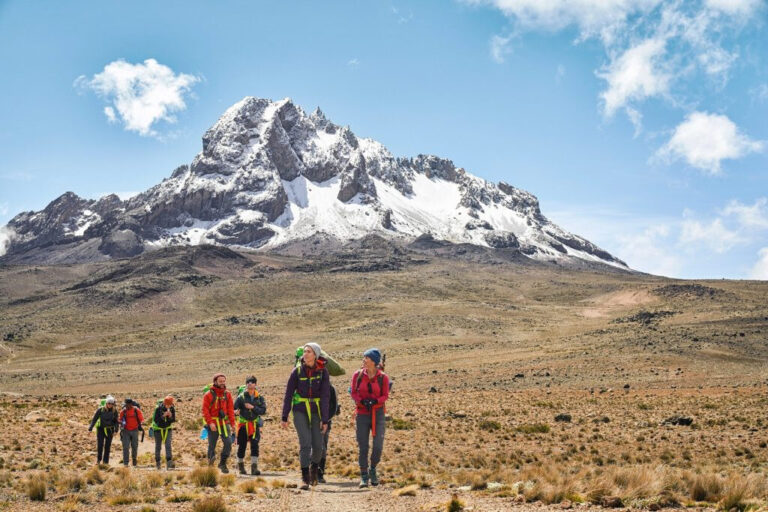
Kilimanjaro Full-Moon Vs Dark-Sky Climb: Which Is Best For You In ? 2026-2027
Choosing between a Kilimanjaro full-moon or dark-sky climb in 2026-2027 involves weighing unique advantages. A full-moon climb offers visibility and a magical atmosphere, while a dark-sky...
View package details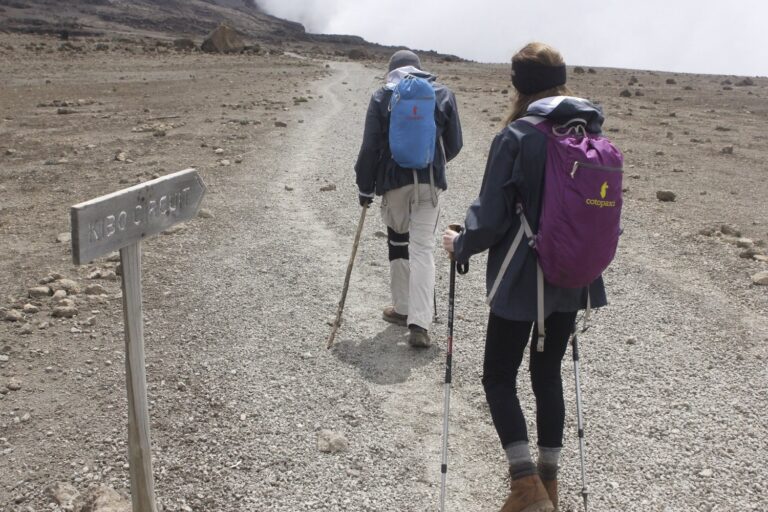
Kilimanjaro Standard Camp Vs Luxury Your Ultimate Comparison For Climbs
Choosing between standard and luxury camping on Kilimanjaro significantly impacts your trek experience. This guide breaks down the key differences in accommodation, meals, equipment, and...
View package details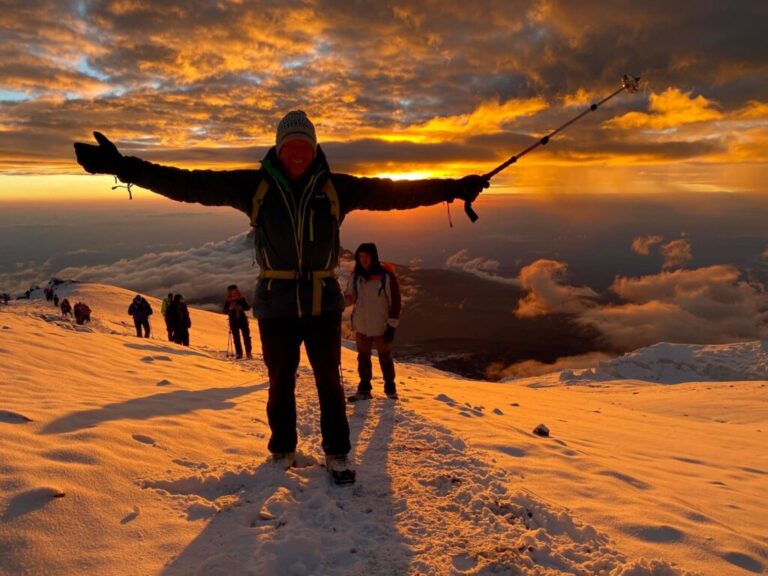
Kilimanjaro Shared Tent Vs Single Making The Right Choice For Your Climb
Choosing between a shared tent and a single tent for your Kilimanjaro climb is a significant decision impacting comfort, cost, and your overall experience. This guide breaks down the pros...
View package detailsKilimanjaro Local Operator Vs. Overseas Travel Agent: Your Ultimate Climbing
Deciding who to book your Kilimanjaro climb with is crucial. This guide compares local Tanzanian operators against overseas travel agents, detailing the pros and cons of each for your...
View package detailsKilimanjaro Safari And Climb Package For Seniors: Your Adventure 2026-2027
Top Guide Adventures offers tailored Kilimanjaro safari and climb packages for seniors in 2026-2027, focusing on safety, comfort, and an unforgettable Mount Kilimanjaro experience. Explore...
View package details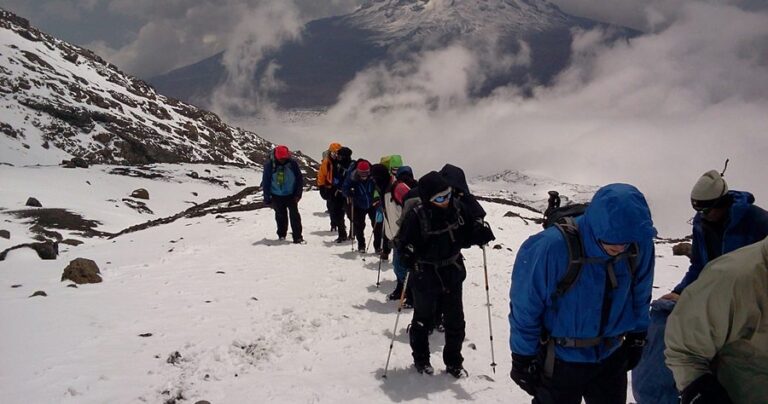
Kilimanjaro Climb With Private Medical Support Guide
Climbing Mount Kilimanjaro is a dream for many adventurers. Ensuring your safety and well-being is paramount, especially at high altitudes. A Kilimanjaro climb with private medical support...
View package detailsKilimanjaro Climb With Additional Personal Porter 2026-2027
Kilimanjaro Climb with Additional Personal Porter is explained with current 2026-2027 planning, price, itinerary and booking information.
View package detailsNo related package matches those filters. Clear one or more filters to see the other topic-matched options.



