
Generally, you do not need to bring your own ropes for the Barranco Wall on Kilimanjaro, as ropes are typically provided and used by guides for specific sections where extra security is beneficial, particularly for less experienced climbers or in challenging weather conditions. The Barranco Wall is more of a scramble than a technical climb, and while steep, it’s designed to be navigated with careful hand and foot placement, with guides offering assistance and using ropes for safety lines where needed, not for ascents or descents in the traditional climbing sense.
Understanding the Barranco Wall: A Kilimanjaro Icon
The Barranco Wall is one of Kilimanjaro’s most recognizable and talked-about features. Situated on the Machame Route, Barafu Route, and Lemosho Route, it presents a dramatic ascent that many climbers anticipate with a mix of excitement and apprehension. Its sheer rock face, often described as a giant, uneven staircase, is a significant landmark on the journey to Uhuru Peak. But the question of ropes often arises: do you need them? The short answer is that as a climber, you typically don’t carry or use your own ropes on the Barranco Wall. Instead, your experienced guides will manage the use of ropes as a safety measure where they deem it necessary.
This section of the climb is not a technical rock-climbing challenge in the way one might imagine ropes being essential. It’s a steep, rocky scramble where you’ll use your hands for balance and to pull yourself up in certain spots. The wall itself is approximately 300 meters (about 1,000 feet) high, and the ascent usually takes between 2 to 4 hours, depending on the group’s pace and the conditions. The primary reason for its reputation is its steepness and the rough, uneven terrain, which can be daunting. However, the routes are well-trodden, and the focus is on careful, deliberate movement.
For those planning their Kilimanjaro adventure for 2026 or 2027, understanding the Barranco Wall’s nature is key to preparation. It’s a test of balance, endurance, and nerve, but not one that requires specialized mountaineering rope skills from the average trekker. The guides from reputable companies like Top Guide Adventures are highly trained in managing this section safely.
The Role of Ropes on Kilimanjaro’s Barranco Wall
When ropes are mentioned in the context of the Barranco Wall, their purpose is primarily for safety and assistance, not for technical climbing. Guides may use ropes in a few key scenarios:
- Safety Lines: In sections that are particularly steep or exposed, guides might anchor a rope to provide a handhold or a security line for climbers who feel less stable. This is especially common for less experienced hikers or those who are nervous about heights.
- Assisting Climbers: For younger climbers, older trekkers, or anyone struggling with a particular step, guides can use a rope to offer a steady pull or support, helping them over difficult sections.
- Weather Conditions: If it rains or snows, the rock can become very slippery. In such conditions, guides are more likely to employ ropes to ensure everyone can ascend safely. Wet rock significantly increases the risk of slips, making the assistance of ropes invaluable.
- Descent of Porters/Crew: While not directly for climbers, guides and porters might use ropes when descending with equipment or navigating particularly tricky spots themselves, showcasing their expertise in managing the terrain.
It’s crucial to understand that these ropes are not typically used for a full ascent or descent in a rappelling or fixed-line climbing manner. The Barranco Wall is a scramble, and the ropes are an added layer of support. The guides will assess the group’s needs and the prevailing conditions to decide if and where ropes are deployed. For your 2026-2027 climb, trust your guides’ judgment; they are experts in navigating Kilimanjaro’s challenges.
What to Expect During Your Barranco Wall Ascent
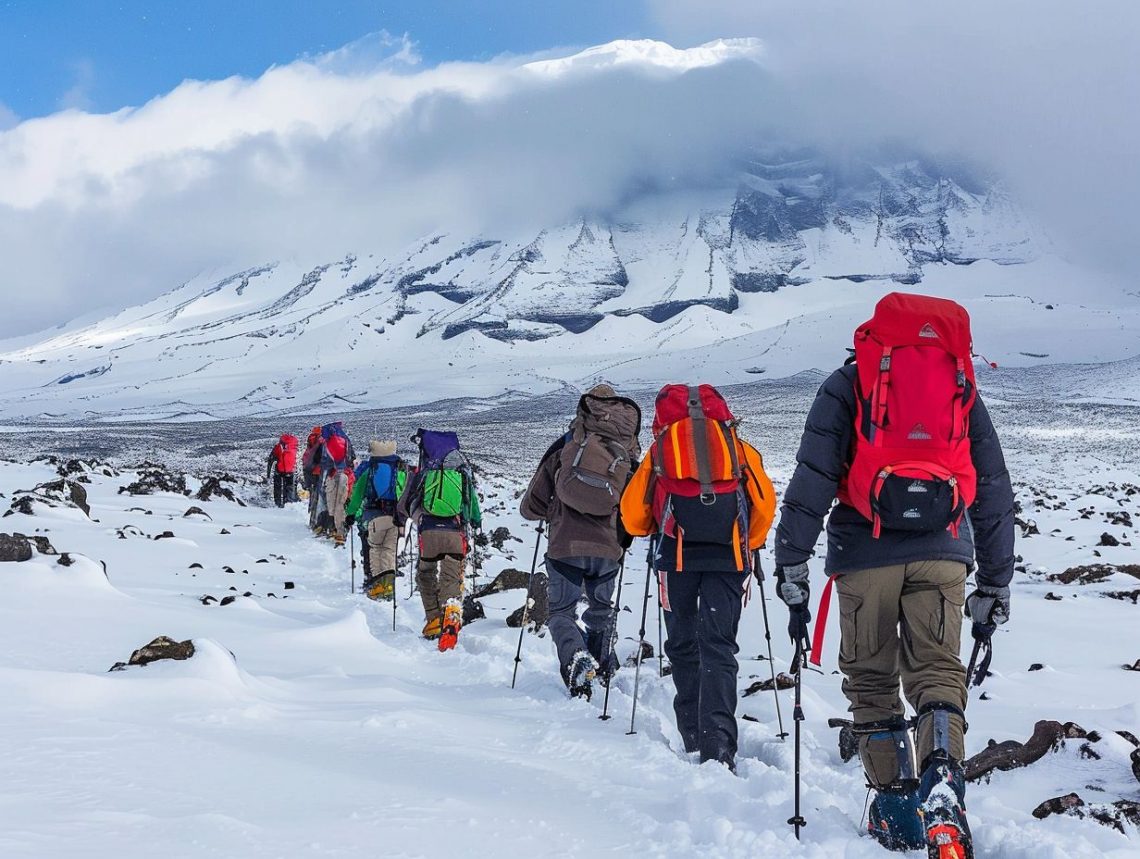
Climbing the Barranco Wall is an experience that engages all your senses. As you begin, you’ll notice the path winding upwards, often appearing less daunting from a distance than it is up close. The terrain is a mix of solid rock, scree (loose gravel), and larger boulders. Your approach will involve careful foot placement, using natural handholds on the rocks, and steady breathing.
The ascent is not a continuous climb but rather a series of ascents, traverses, and short descents as you navigate the contours of the wall. You’ll be moving in single file for much of the way, especially on the steeper parts. The guides will often position themselves strategically, with experienced climbers potentially going ahead and guides stationed at trickier points to assist those who need it. The pace is slow and deliberate, focusing on one step at a time.
One of the most rewarding aspects of the Barranco Wall is the stunning scenery. As you gain altitude, the views of the surrounding landscape, including the Kibo crater rim and the vast plains below, become increasingly spectacular. It’s a section where you’ll want to pause for photos, but always with your guide’s instruction on when and where it’s safe to do so.
The typical duration for the Barranco Wall is between 2 to 4 hours. This timeframe accounts for the actual climbing, as well as brief stops for water, snacks, and photos. The summit camp, Karanga Camp, is usually reached after descending the other side of the wall, marking the end of this significant challenge.
Preparing for the Barranco Wall: Physical and Mental Aspects
While you don’t need to be a seasoned rock climber, preparing physically and mentally for the Barranco Wall is essential for a successful and enjoyable Kilimanjaro climb in 2026-2027. Here’s how you can get ready:
Physical Preparation
- Cardiovascular Fitness: Regular aerobic exercise such as hiking, running, cycling, or swimming will build the endurance needed for sustained effort. Focus on activities that simulate uphill trekking.
- Strength Training: Concentrate on exercises that strengthen your legs (squats, lunges), core (planks, crunches), and upper body (push-ups, rows). Strong legs will help you with the ascents, and a strong core will improve your balance.
- Hiking Practice: The best preparation is hiking on varied terrain, including steep ascents and descents, carrying a daypack with essentials. This helps your body adapt to the demands of trekking and improves your balance and agility. Practice using your hands for balance on uneven ground.
- Acclimatization: Proper acclimatization is crucial. Kilimanjaro climbs are designed with acclimatization days in mind, and the Barranco Wall is often climbed on day 3 or 4 of a standard itinerary, by which point you’ll have gained some altitude.
Mental Preparation
- Visualize Success: Imagine yourself confidently navigating the wall, using your strength and balance. Positive visualization can significantly boost your confidence.
- Understand the Challenge: Knowing what to expect can reduce anxiety. Read about the Barranco Wall, watch videos, and understand that it’s a manageable scramble for most.
- Trust Your Guides: Your guides are experienced professionals. Remind yourself that they are there to ensure your safety and will provide support when needed. Trust their judgment and instructions.
- Embrace the Experience: View the Barranco Wall as an exciting part of your adventure, not just an obstacle. Enjoy the challenge, the views, and the sense of accomplishment.
For climbers booking their Kilimanjaro expedition with Top Guide Adventures for 2026 or 2027, we provide detailed pre-trip information that includes specific advice on preparing for sections like the Barranco Wall, ensuring you feel confident and ready.
Choosing the Right Route and Company for Your Kilimanjaro Climb
The route you choose for your Kilimanjaro climb significantly impacts your experience, including how you’ll encounter the Barranco Wall. Several popular routes include this iconic feature:
- Machame Route: Often called the “Whiskey Route,” it’s one of the most popular routes. It ascends gradually, offers excellent acclimatization, and features the Barranco Wall on day 3. It’s known for its scenic beauty.
- Lemosho Route: This route is considered one of the most scenic, offering a true wilderness experience. It also includes the Barranco Wall, typically on day 4 of the climb. It provides excellent acclimatization.
- Barafu Route (often combined with Machame or Lemosho): While Barafu is the summit push route, the approach to it often involves traversing the Kilimanjaro plateau and may include sections that are challenging, though the Barranco Wall is typically ascended before reaching the Barafu high camp area.
Routes like the Marangu Route and Rongai Route do NOT traverse the Barranco Wall. If avoiding this specific section is a priority, these might be considered, though they have their own unique challenges and characteristics.
Why Company Matters: Safety and Support
When you’re facing a section like the Barranco Wall, the quality of your tour operator is paramount. A reputable company like Top Guide Adventures ensures:
- Experienced Guides: Our guides are certified, highly experienced, and possess in-depth knowledge of Kilimanjaro’s routes, safety protocols, and emergency procedures. They are trained to manage challenging sections like the Barranco Wall effectively.
- Quality Equipment: We provide high-quality camping gear, and crucially, we ensure our guides have access to and know how to use safety ropes when necessary for the Barranco Wall.
- Proper Acclimatization: Our itineraries are carefully designed to maximize acclimatization, reducing the risk of altitude sickness and making challenging sections more manageable.
- Emergency Preparedness: We have robust emergency plans, including communication systems and evacuation procedures, ensuring your safety is our top priority throughout the climb.
Choosing Top Guide Adventures for your 2026-2027 Kilimanjaro climb means you are partnering with a team dedicated to your safety, comfort, and success. We handle the logistics and safety, so you can focus on the incredible journey.
Barranco Wall vs. Other Kilimanjaro Challenges
The Barranco Wall is a unique challenge on Kilimanjaro, but it’s just one of many obstacles climbers face. Understanding how it compares to other sections can provide a clearer picture of the overall trek.
- The Barranco Wall: Primarily a steep, rocky scramble requiring balance, agility, and handholds. It’s challenging due to its steepness and uneven terrain, but not technically demanding in terms of climbing skill. Ropes are used for safety assistance by guides.
- Crater Rim Traverse: After descending the Barranco Wall, you’ll traverse the Kilimanjaro plateau towards Kibo base camp. This section involves walking at high altitude (around 4,600 meters / 15,000 feet) on rocky, uneven ground. The challenge here is the altitude and the sustained effort.
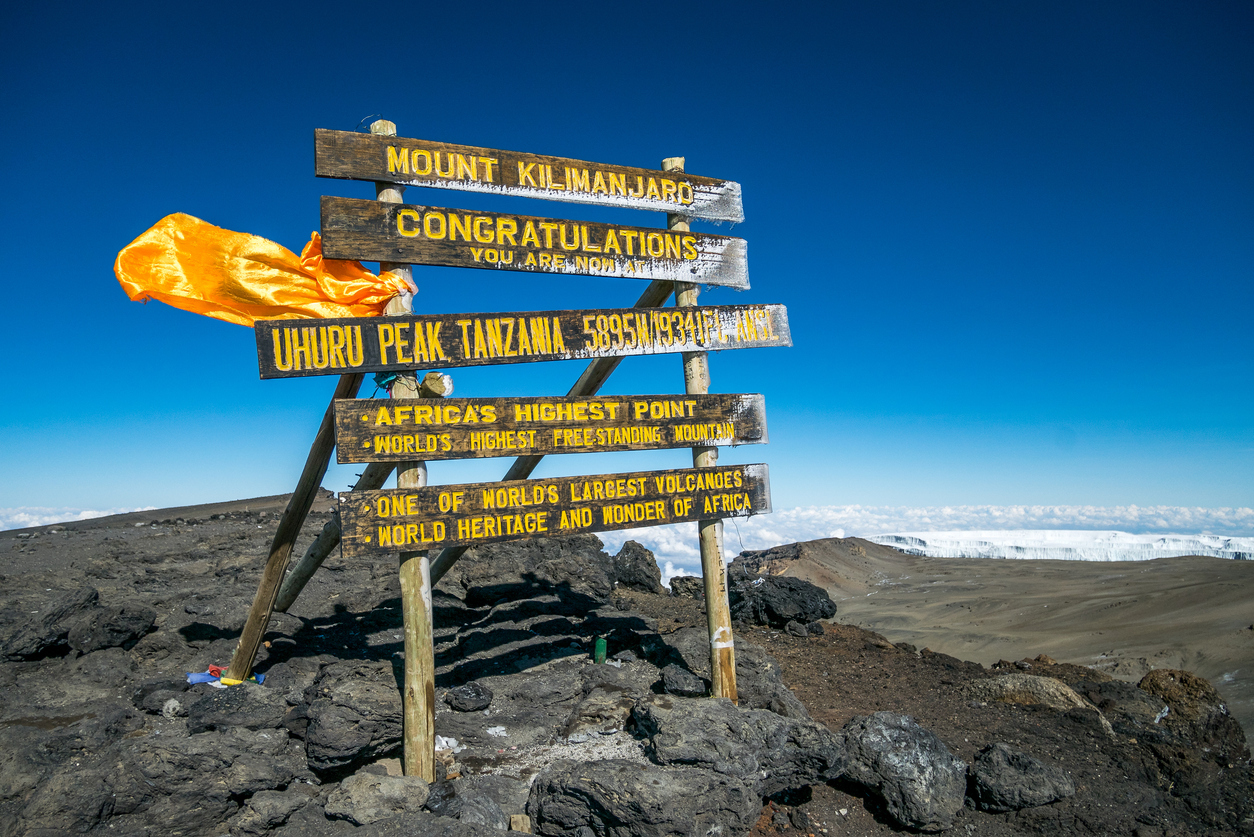
- The Summit Push (Uhuru Peak): This is the most demanding part of the climb. Starting in the early morning hours from Kibo base camp, it involves ascending a steep scree slope under the cover of darkness, often in freezing temperatures and strong winds. The altitude is extreme (up to 5,895 meters / 19,341 feet), and the physical and mental exertion is immense. This is where altitude sickness is most likely to affect climbers.
- Glacier Travel: While not technical glacier climbing, the upper reaches of Kilimanjaro feature glaciers and ice fields. Navigating these requires sturdy footwear and careful steps, especially near the summit.
The Barranco Wall is often described as a mental hurdle and a physical test of agility and balance. While demanding, it is generally considered less grueling than the summit push, which tests endurance and resilience against extreme altitude and cold. The key difference is the type of challenge: the Wall is about navigating terrain, while the summit push is about overcoming altitude and fatigue.
What to Pack for the Barranco Wall and Kilimanjaro
While you won’t need climbing ropes, packing the right gear is crucial for tackling the Barranco Wall and the entire Kilimanjaro climb. Here’s a guide to essential items:
Clothing
- Layering System: Base layers (thermal underwear), mid-layers (fleece jacket), and an outer layer (waterproof and windproof jacket and pants).
- Trekking Pants: Comfortable, quick-drying hiking pants (avoid jeans).
- Insulated Jacket: A warm down or synthetic jacket for cold evenings and summit night.
- Gloves: Warm, waterproof gloves and lighter liner gloves.
- Headwear: Warm hat (beanie) and a sun hat with a brim.
- Socks: Several pairs of wool or synthetic hiking socks.
Footwear
- Hiking Boots: Well broken-in, waterproof, sturdy hiking boots with good ankle support.
- Camp Shoes: Comfortable shoes or sandals for wearing at camp.
Gear
- Backpack: A comfortable daypack (30-40 liters) for carrying essentials during the day (water, snacks, camera, rain gear, extra layer).
- Headlamp: Essential for early morning starts and navigating in the dark, especially for the summit push.
- Water Bottles/Hydration Reservoir: Capacity for at least 2-3 liters.
- Sun Protection: High SPF sunscreen, lip balm with SPF, sunglasses.
- First-Aid Kit: Personal medications and basic first-aid supplies.
- Trekking Poles: Highly recommended for stability and reducing strain on knees, especially on descents.
- Camera and Power Bank: To capture memories and keep devices charged.
- Snacks: High-energy snacks like energy bars, nuts, and dried fruit.
For specific recommendations tailored to your 2026-2027 climb, Top Guide Adventures provides a detailed packing list to all clients. We emphasize the importance of quality gear for comfort and safety, especially for challenging sections like the Barranco Wall.
Safety Considerations for the Barranco Wall
Safety is the top priority on any Kilimanjaro climb. While the Barranco Wall is generally safe when undertaken with experienced guides, certain considerations enhance your security:
- Listen to Your Guide: Your guide’s instructions are paramount. They will advise on the best foot and handholds, when to use ropes, and how to navigate each section.
- Pace Yourself: Do not rush. The Barranco Wall is not a race. Move at a steady, controlled pace, focusing on each step.
- Stay Hydrated and Fueled: Drink water regularly and eat snacks to maintain energy levels. Dehydration and fatigue can impair judgment and coordination.
- Be Aware of Others: On busy days, you might be climbing alongside many other groups. Be mindful of other climbers and ensure you don’t dislodge rocks onto those below.
- Report Any Issues: If you feel unwell, dizzy, or experience any discomfort, inform your guide immediately.
The use of ropes by guides is a proactive safety measure. They are trained to assess risk and provide support. For instance, a guide might secure a rope for a climber who is feeling unsteady on a slippery rock, or provide a steadying hand. This isn’t about needing to tie yourself into a harness, but rather about having an extra point of contact or support where it’s most needed. This practice is standard for reputable operators like Top Guide Adventures, ensuring that even unexpected conditions on the Barranco Wall in 2026 or 2027 can be managed safely.
Common Misconceptions About the Barranco Wall
Several myths and misconceptions surround the Barranco Wall, which can lead to unnecessary anxiety for climbers. Let’s clarify a few:
- Misconception: The Barranco Wall is technical rock climbing.
Reality: It is a scramble. While steep and requiring handholds, it doesn’t involve specialized climbing techniques like belaying or using harnesses unless a guide deems it exceptionally necessary for an individual’s safety on a specific, unusually difficult step. - Misconception: You absolutely need to bring your own ropes.
Reality: Guides carry and deploy ropes as needed for safety. Climbers do not need to bring their own rope. - Misconception: Everyone struggles on the Barranco Wall.
Reality: While challenging, many climbers find it exhilarating and manageable with proper preparation and guidance. It’s a highlight for many, not a dreaded obstacle. - Misconception: The Barranco Wall is the hardest part of Kilimanjaro.
Reality: The summit push is widely considered the most physically and mentally demanding part of the climb due to extreme altitude, cold, and exhaustion.
Understanding these realities helps demystify the Barranco Wall, allowing you to approach it with confidence. For your 2026-2027 adventure, focus on the preparation and trust the process.
The Barranco Wall in Different Seasons: 2026-2027 Considerations
The conditions on the Barranco Wall can vary significantly depending on the season. Planning your climb for 2026 or 2027 with an understanding of seasonal impacts is wise.
- Dry Seasons (June-October, December-February): These are generally the best times to climb Kilimanjaro. The weather is typically stable, with less rain and more sunshine. The rocks on the Barranco Wall are dry, offering better grip and making the ascent more straightforward. This is when you’ll find the most stable conditions and potentially less need for guide-deployed ropes, though they remain a safety option.
- Wet Seasons (March-May, November): These months bring more frequent rainfall. The Barranco Wall can become wet and slippery, significantly increasing the difficulty and the likelihood that guides will use ropes for added security. Visibility might also be reduced during downpours. While still possible to climb, it requires more careful planning and a higher degree of caution.
For 2026-2027, booking during the dry seasons is advisable for a more predictable experience. However, even in wet seasons, with experienced guides from Top Guide Adventures, the climb is still achievable and can be a rewarding challenge. Our team monitors weather patterns closely and adjusts our approach to ensure climber safety, especially on sections like the Barranco Wall during adverse weather.
Comparing Barranco Wall Routes: Machame vs. Lemosho
Both the Machame and Lemosho routes offer the Barranco Wall experience, but they differ in their approach and overall journey. Understanding these differences can help you choose the best route for your 2026-2027 climb.
Machame Route
- Pros: Excellent acclimatization profile, very scenic, popular (meaning more social interaction if desired), good success rates.
- Cons: Can be crowded, especially during peak season.
- Barranco Wall Encounter: Typically on Day 3 of a 6 or 7-day itinerary.
Lemosho Route
- Pros: Highly scenic, offers a more remote and wilderness feel, excellent acclimatization, high success rates.
- Cons: Can be more expensive than Machame, fewer climbing partners if you prefer a busier trek.
- Barranco Wall Encounter: Typically on Day 4 of a 7 or 8-day itinerary, allowing for more gradual acclimatization before reaching the wall.
Regardless of whether you choose Machame or Lemosho for your 2026-2027 Kilimanjaro adventure, both routes provide a fantastic opportunity to conquer the Barranco Wall. The longer duration of Lemosho generally offers better acclimatization, which can make all sections, including the wall, feel more manageable. Top Guide Adventures can help you select the route that best suits your preferences, fitness level, and desired experience.
The Barranco Wall: A Test of Resilience and a Symbol of Achievement
Beyond the physical exertion, the Barranco Wall serves as a significant psychological milestone. Successfully navigating its steep, uneven terrain builds confidence and resilience that is invaluable for the remainder of the climb, particularly the demanding summit night.
Many climbers describe the Barranco Wall as a moment where they truly feel they are on an expedition. It’s a section that requires focus, determination, and a willingness to push through perceived limits. The sense of accomplishment upon reaching the top, looking back at the path traversed, is immense. This feeling is amplified by the knowledge that you’ve overcome a notable challenge with the support of your team.
For those planning their Kilimanjaro expedition for 2026 or 2027, the Barranco Wall is not just a part of the itinerary; it’s a memorable experience. It’s a reminder of your strength and capability, a stepping stone towards the ultimate goal of reaching Uhuru Peak. The camaraderie developed with fellow climbers and guides during this section is also a powerful aspect of the journey.
When to Book Your Kilimanjaro Climb for 2026-2027
Booking your Kilimanjaro climb well in advance is highly recommended, especially if you have specific dates or routes in mind for 2026 or 2027. Popular times to climb, such as the dry seasons, fill up quickly.
- Peak Seasons: For the best weather, aim for January-March and June-October. These periods are highly sought after.
- Shoulder Seasons: Consider the transition months for potentially fewer crowds and slightly lower prices, while still offering reasonable weather.
- Booking Window: We generally advise booking at least 6-12 months in advance for peak seasons, and 3-6 months for other times. This allows us to secure permits, arrange guides, and prepare logistics thoroughly.
Top Guide Adventures specializes in creating unforgettable Kilimanjaro experiences. Whether you are looking for a private climb or joining a group departure in 2026 or 2027, contacting us early ensures we can accommodate your needs and help you plan the perfect expedition. Don’t hesitate to reach out to us to discuss your dream climb.
Final Thoughts on Ropes and the Barranco Wall
To reiterate, you do not need to bring your own ropes for the Barranco Wall on Kilimanjaro. Your safety and preparedness are managed by your expert guides, who carry and deploy ropes as a crucial safety tool when conditions or individual needs dictate. The focus for climbers is on physical preparation, mental readiness, and trusting the experienced team accompanying you.
The Barranco Wall is a thrilling and rewarding part of the Kilimanjaro climb, offering spectacular views and a sense of accomplishment. By understanding its nature and preparing adequately, you can approach it with confidence. For your 2026-2027 Kilimanjaro adventure, let Top Guide Adventures guide you every step of the way, ensuring a safe, memorable, and successful journey to the Roof of Africa.
If you’re ready to plan your 2026 or 2027 Kilimanjaro climb and want expert advice on routes, preparation, and what to expect on the Barranco Wall, please contact us. We’re here to make your dream adventure a reality.
Connect with Top Guide Adventures today:
- WhatsApp: +255616946642
- Email: topguideadventures@gmail.com
- Backup Email: info@topguideadventures.com
We look forward to helping you conquer Kilimanjaro!
Check Availability for Do You Need Ropes On The Barranco Wall? Kilimanjaro Climb Essentials…
Ready to compare dates, prices, and the best option for your group? Send the package name and travel month so the team can reply with a clear quote, availability, and what is included.



