
The Barranco Wall is not inherently dangerous for most trekkers attempting Kilimanjaro, provided they are well-prepared, physically fit, and follow their guide’s instructions. It’s a challenging, steep scramble rather than a technical climb, requiring balance, strength, and mental fortitude. While there are risks associated with any high-altitude trek, such as slips or fatigue, experienced guides and proper acclimatization significantly mitigate these dangers, making the Barranco Wall a conquerable and memorable part of the Kilimanjaro journey for trekkers in 2026 and 2027.


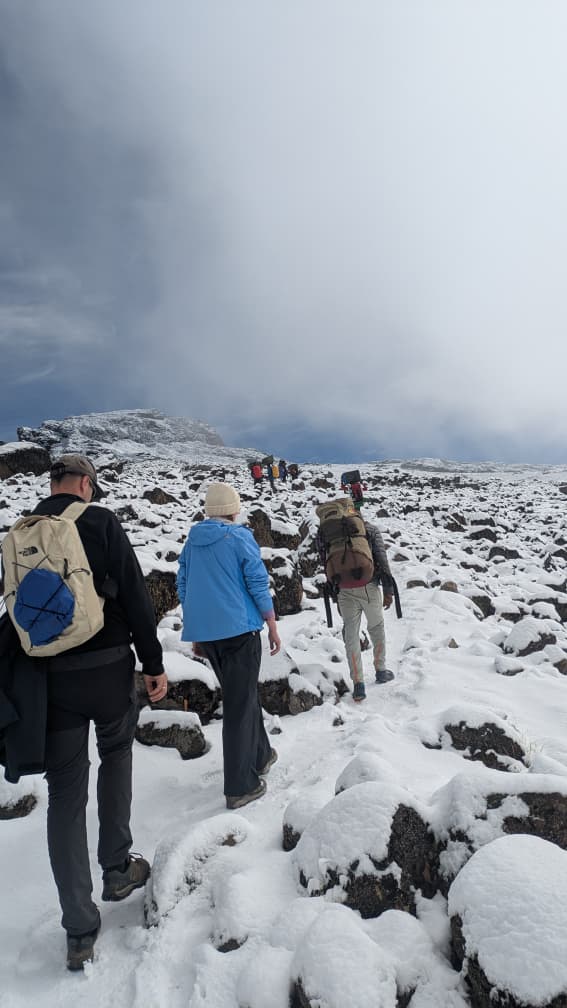
Understanding the Barranco Wall: A Kilimanjaro Icon
The Barranco Wall, often referred to as the “Breakfast Wall,” is a defining feature of several popular Kilimanjaro routes, most notably the Machame, Lemosho, and Umbwe routes. It’s not a vertical cliff face requiring ropes and harnesses in the way a seasoned mountaineer might imagine. Instead, it’s a massive, imposing rock formation that trekkers ascend by scrambling over boulders, ledges, and steep, uneven terrain. Its sheer scale and the effort required to surmount it often lead to questions about its safety and the potential dangers involved.
For many, the Barranco Wall represents a significant psychological and physical hurdle. Its appearance on the itinerary often sparks trepidation, fueling the question: Is the Barranco Wall dangerous? The answer, from the perspective of Top Guide Adventures, is nuanced but ultimately reassuring for well-prepared trekkers aiming for a 2026 or 2027 climb.
What Makes the Barranco Wall Seem Intimidating?
Several factors contribute to the wall’s formidable reputation:
- Sheer Scale: The wall stretches for approximately 3 kilometers (about 2 miles) and ascends around 250 meters (over 800 feet) in elevation. Its visual presence is immense, especially when viewed from below.
- Steepness: While not vertical, large sections of the wall are very steep, demanding significant physical exertion and careful foot placement.
- Uneven Terrain: Trekkers navigate a path made of large rocks, boulders, and scree, requiring a combination of climbing, scrambling, and balancing skills.
- Altitude: The climb occurs at altitudes typically above 3,900 meters (13,000 feet), meaning trekkers are already dealing with the effects of thinner air, which can exacerbate fatigue and affect concentration.
- The “Scramble”: This isn’t a simple walk. It involves using hands for support and balance, much like rock scrambling, but without the technical equipment of rock climbing.
These characteristics naturally lead trekkers to wonder about the potential risks. However, understanding the nature of the ascent and the safety measures in place is key to appreciating that the Barranco Wall is a manageable challenge, not an extreme danger.
Assessing the Risks: What Trekkers Need to Know
When considering whether the Barranco Wall is dangerous, it’s crucial to break down the potential risks and how they are managed. The primary concerns for trekkers revolve around falls, exhaustion, and altitude-related issues.
Risk of Falls and Injuries
Falls are the most obvious potential hazard. However, the type of terrain and the presence of guides significantly reduce this risk:
- Terrain Type: The Barranco Wall is not a sheer drop. It’s a rugged ascent composed of large, stable rocks and boulders. The path is well-trodden, and while uneven, it doesn’t typically involve loose scree that can slide easily.
- Guide Support: Your guides are experts in navigating the wall. They will choose the safest path, advise on foot and hand placements, and often provide a helping hand or steady presence when needed. They are trained to spot potential hazards and ensure trekkers move at a safe pace.
- Pacing: The ascent is slow and deliberate. Trekkers are encouraged to move “pole pole” (slowly, slowly), focusing on each step rather than rushing. This careful approach minimizes the chance of missteps.
- Footwear: Sturdy, broken-in hiking boots with excellent grip are essential. They provide the necessary traction on rock surfaces, significantly reducing the risk of slipping.
- Handholds: While not a technical climb, there are ample opportunities to use hands for balance and support on the rocks.
Injuries like sprained ankles or twisted knees are possible, as they are on any hike with uneven terrain. However, serious injuries are rare due to the controlled environment and expert guidance. The terrain is more akin to a challenging hike over large rocks than a perilous climb.
Altitude and Fatigue Factors
Climbing the Barranco Wall occurs at a significant altitude, typically between 3,900 and 4,200 meters (13,000 to 13,800 feet). This altitude presents its own set of challenges:
- Altitude Sickness (AMS): While the Barranco Wall itself doesn’t cause altitude sickness, the altitude at which it’s climbed can exacerbate symptoms. Fatigue from previous days of trekking, combined with thinner air, can make trekkers feel more tired and less coordinated.
- Reduced Concentration: Altitude can impair cognitive function, making it harder to focus on footing and balance. This is why moving slowly and deliberately is paramount.
- Physical Exertion: Scrambling up the wall requires significant physical effort. Combined with altitude, this can lead to exhaustion, which in turn increases the risk of mistakes.
Top Guide Adventures prioritizes acclimatization on all its itineraries, including those that feature the Barranco Wall. Routes like the Machame and Lemosho are designed with “climb high, sleep low” principles and adequate acclimatization days to help the body adjust to the altitude, thereby reducing the risk of severe AMS and improving overall performance on challenging sections like the wall. For trekkers planning a 2026 or 2027 climb, choosing a route with sufficient acclimatization is a key safety consideration.
The “Dangerous” Perception vs. Reality
The perception of danger often stems from the wall’s appearance and the physical demands it places on trekkers. It looks formidable, and it is demanding. However, the actual incidents of serious harm are very low. The key lies in differentiating between a physically demanding challenge and a genuinely dangerous situation. The Barranco Wall is the former.
Navigating the Barranco Wall Safely: Expert Tips
Successfully and safely ascending the Barranco Wall is a highlight for many Kilimanjaro climbers. It requires preparation, the right mindset, and adherence to guidance. Here’s how to approach it:
1. Choose the Right Route and Itinerary
Some routes, like Machame and Lemosho, include the Barranco Wall. These routes are generally longer and designed with better acclimatization profiles than shorter routes like Marangu (which bypasses the wall). For 2026-2027 trekkers, selecting an itinerary of at least 7 days significantly improves your chances of a safe and enjoyable climb, including successfully navigating the wall.
Acclimatization is Key
Longer itineraries (7-8 days) allow your body more time to adapt to the increasing altitude. This is crucial for energy levels and cognitive function needed for the Barranco Wall. Shorter trips increase the risk of altitude sickness and fatigue, making any challenging section feel more dangerous.
2. Physical and Mental Preparation
While you don’t need to be an elite athlete, a good level of cardiovascular fitness is essential. Focus on training that includes:
- Cardiovascular Endurance: Hiking, running, cycling, or swimming regularly for several months before your climb.
- Strength Training: Focus on leg strength (squats, lunges) and core strength, which aids balance.
- Hiking Practice: Undertake long hikes with a backpack, ideally on varied terrain, to simulate trek conditions. Practice going uphill and downhill, as both are demanding.
Mentally, prepare for a challenge. Understand that it will be tough, but achievable. Visualizing success and trusting your guides are vital components of mental readiness.
3. Essential Gear for the Wall
Your gear plays a crucial role in safety and comfort:
- Hiking Boots: Well-fitting, waterproof, and sturdy boots with excellent ankle support and aggressive tread are non-negotiable. Ensure they are broken in to prevent blisters.
- Trekking Poles: Highly recommended. They reduce strain on your knees during descents and provide stability on uneven ground. They can be particularly helpful on the approach and descent of the Barranco Wall.
- Gloves: Lightweight gloves can be useful for grip on the rocks and for warmth.
- Layered Clothing: Be prepared for changing weather. Layers allow you to adjust your temperature as you exert yourself or as the conditions change.
4. Trust Your Guides and Porters
Your guiding team is your most valuable asset on Kilimanjaro. They have extensive experience with the Barranco Wall and Kilimanjaro’s conditions.
- Listen Carefully: Pay close attention to their instructions regarding where to step, where to place your hands, and how to move.
- Communicate: If you feel unwell, overly fatigued, or unsure about a step, tell your guide immediately. Don’t hesitate to ask for assistance.
- Let Them Lead: They will scout the best path and ensure everyone in the group moves safely.
The porters are also integral to your team, carrying supplies and setting up camp. Their experience with the mountain environment is invaluable.
5. Pace Yourself “Pole Pole”
This Swahili phrase is the mantra of Kilimanjaro. The Barranco Wall is not a race. Take your time, focus on each step, and conserve your energy. Rushing will only lead to fatigue and increase the risk of mistakes.
6. Hydration and Nutrition
Dehydration and low energy levels significantly impair performance and judgment at altitude. Ensure you are drinking plenty of water (3-4 liters per day) and eating the nutritious meals provided by your tour operator. Carry snacks for energy boosts during the climb.
The Barranco Wall Experience: More Than Just a Climb
The ascent of the Barranco Wall is often cited as one of the most memorable parts of a Kilimanjaro trek. It’s a unique physical challenge that offers stunning views and a profound sense of accomplishment.
Scenery and Views
As you ascend, the landscape unfolds dramatically. You’ll gain panoramic views of the surrounding African plains and the unique alpine vegetation of Kilimanjaro’s upper slopes. The sheer rock faces and the vastness of the caldera rim above create a dramatic backdrop.
Sense of Accomplishment
Successfully navigating the Barranco Wall provides a significant psychological boost. It’s a tangible achievement that builds confidence for the remainder of the climb, especially the demanding summit night. Many trekkers feel a surge of pride and determination after conquering this iconic obstacle.
A Test of Resilience
The wall tests your physical and mental resilience. It requires focus, determination, and the ability to push through fatigue. Overcoming this challenge is a testament to your preparation and willpower.
Comparing Routes and the Barranco Wall
Understanding how different Kilimanjaro routes incorporate the Barranco Wall can help in planning your 2026-2027 trek.
Routes Featuring the Barranco Wall
- Machame Route: Often called the “Whiskey Route,” it’s popular for its scenic beauty and good acclimatization profile. It includes the Barranco Wall on Day 4, followed by the Barranco Camp descent, Karanga Camp, then Barafu Camp for the summit push. A 7-day Machame trek is highly recommended.
- Lemosho Route: Considered one of the most scenic routes, Lemosho offers excellent acclimatization. It merges with Machame and also features the Barranco Wall, typically on Day 5 of a 7-day itinerary or Day 6 of an 8-day itinerary.
- Umbwe Route: This is the shortest and steepest route, offering the least acclimatization. While it also ascends the Barranco Wall, it’s generally recommended only for experienced high-altitude trekkers due to its rapid ascent. The risk of altitude sickness is significantly higher on this route.
Routes That Bypass the Barranco Wall
- Marangu Route: Known as the “Coca-Cola Route,” it’s the only route with hut accommodation. It ascends and descends the same path and does not encounter the Barranco Wall. It’s also known for having a lower success rate due to poorer acclimatization.
- Northern Circuit: The longest route, offering the best acclimatization and highest success rates. It circles the mountain, offering diverse scenery, but it bypasses the Barranco Wall.
- Rongai Route: Approaches from the north and is a good option in the rainy season. It does not include the Barranco Wall.
For those specifically seeking the challenge and experience of the Barranco Wall, Machame and Lemosho are excellent choices, especially for a 2026-2027 expedition where safety and success are paramount.
The Barranco Wall in 2026-2027: What to Expect
As you plan your Kilimanjaro adventure for 2026 or 2027, understanding the current conditions and best practices for tackling the Barranco Wall is essential. While the mountain’s fundamental nature remains unchanged, best practices and tour operator standards continue to evolve.
Tour Operator Standards
Reputable operators like Top Guide Adventures maintain high standards for guide training, equipment, and safety protocols. For 2026-2027 climbs:
- Experienced Guides: Ensure your operator employs guides certified in wilderness first aid and with extensive Kilimanjaro experience. They are trained to manage altitude sickness and navigate challenging terrain safely.
- Emergency Protocols: A good operator will have clear emergency action plans, including communication devices (satellite phones or radios) and evacuation procedures.
- Group Management: Guides are skilled at managing group dynamics, ensuring no one is left behind and that the pace is suitable for all members.
Environmental Considerations
Kilimanjaro is a national park, and conservation efforts are ongoing. Trekkers are expected to follow Leave No Trace principles. While the Barranco Wall itself is a natural formation, the infrastructure around the park and the trails are maintained to ensure safety and minimize environmental impact. Expect well-maintained paths where possible, and clear guidance on waste disposal.
Booking Your 2026-2027 Climb
When booking your 2026-2027 Kilimanjaro climb, especially if you want to experience the Barranco Wall, consider:
- Itinerary Length: Opt for 7 or 8-day treks for optimal acclimatization.
- Operator Reputation: Choose a company with a proven track record for safety and client satisfaction.
- Inclusions: Understand what your package covers (meals, accommodation, park fees, guides, porters).
Top Guide Adventures offers meticulously planned itineraries for 2026 and 2027 that prioritize safety and success, ensuring you are well-prepared for challenges like the Barranco Wall. We focus on small group sizes and personalized attention.
Debunking Myths About the Barranco Wall
Common misconceptions can unnecessarily heighten anxiety about the Barranco Wall. Let’s address some of them:
Myth 1: “It’s a technical rock climb requiring ropes.”
Reality: It’s a scramble. While you use your hands for balance and leverage, it doesn’t require ropes, harnesses, or specialized climbing skills. It’s more akin to navigating a very steep, rocky hillside or a large boulder field.
Myth 2: “You need to be a professional athlete to climb it.”
Reality: You need to be fit and prepared, but not a professional athlete. Good cardiovascular health and training for hiking are sufficient. The “pole pole” approach means it’s more about endurance and steady progress than speed or peak athleticism.
Myth 3: “It’s extremely dangerous and people get seriously hurt all the time.”
Reality: Serious injuries are rare. The primary risks are minor slips or falls, which are greatly mitigated by guides, proper footwear, and careful movement. The wall is a challenging obstacle, but not a high-risk environment when approached correctly.
Myth 4: “It’s just a long, boring slog.”
Reality: While physically demanding, the Barranco Wall is often described as exhilarating and rewarding. The unique terrain, the views, and the sense of achievement make it a memorable part of the trek.
Preparing for Summit Night After the Barranco Wall
Successfully navigating the Barranco Wall means you’re well on your way to the summit. However, the challenges aren’t over. The wall is typically climbed on Day 4 or 5 of a longer trek, with summit night usually occurring 1-2 days later. Your energy reserves and acclimatization from conquering the wall will be crucial for the final push.
The Wall as a Confidence Builder
Conquering the Barranco Wall often provides a significant psychological boost. This newfound confidence and proven resilience are invaluable assets as trekkers prepare for the even more demanding summit night, which is the ultimate test of endurance and willpower on Kilimanjaro.
The lessons learned on the wall – pacing, focus, trusting your guides, and pushing through fatigue – are directly applicable to summit night. A well-executed Barranco Wall ascent indicates you are likely well-acclimatized and physically prepared for the final summit attempt in 2026 or 2027.
When to Climb Kilimanjaro and Its Impact on the Barranco Wall
The time of year you choose to climb Kilimanjaro can influence your experience on the Barranco Wall and the mountain overall. While the wall is accessible year-round, certain seasons offer more favorable conditions.
Dry Seasons (June to October, January to February)
These are generally considered the best times to climb Kilimanjaro. During the dry seasons:
- Clearer Skies: Offer better visibility and stunning views, making the Barranco Wall ascent more scenic.
- Firmer Terrain: The rocks and path are typically drier, providing better traction and reducing the risk of slips.
- Less Mud: You’ll encounter less mud and slippery conditions, especially on the approach and descent sections of the wall.
- Higher Foot Traffic: These are peak seasons, meaning more trekkers on the mountain. However, the trails are generally wide enough that this doesn’t usually impede progress significantly, especially with expert guides managing the pace.
Wet Seasons (March to May, November to December)
Climbing during the rainy seasons presents different challenges:
- Rain and Mist: Expect frequent rain, especially in the lower and middle altitudes. This can make the Barranco Wall muddy and slippery, increasing the risk of falls. Mist can obscure views.
- Colder Temperatures: Rain often brings colder temperatures, making the climb more uncomfortable.
- Fewer Crowds: You’ll encounter fewer trekkers, offering a more solitary experience.
- Potential for Landslides: While rare on the main routes, heavy rains can increase the risk of minor rockfalls or landslides in certain areas.
For trekkers planning a 2026 or 2
Check Availability for Is The Barranco Wall Dangerous? 2026-2027
Ready to compare dates, prices, and the best option for your group? Send the package name and travel month so the team can reply with a clear quote, availability, and what is included.



