
After successfully summiting Mount Kilimanjaro and descending to Mweka Gate, the primary events involve the final descent check-in, the collection of your congratulatory climbing certificate, a chance for group celebration, and making arrangements for your onward journey from the mountain’s base. This marks the official end of your trek, transitioning you from the wilderness back to civilization and your next adventure.
The Final Descent and Arrival at Mweka Gate
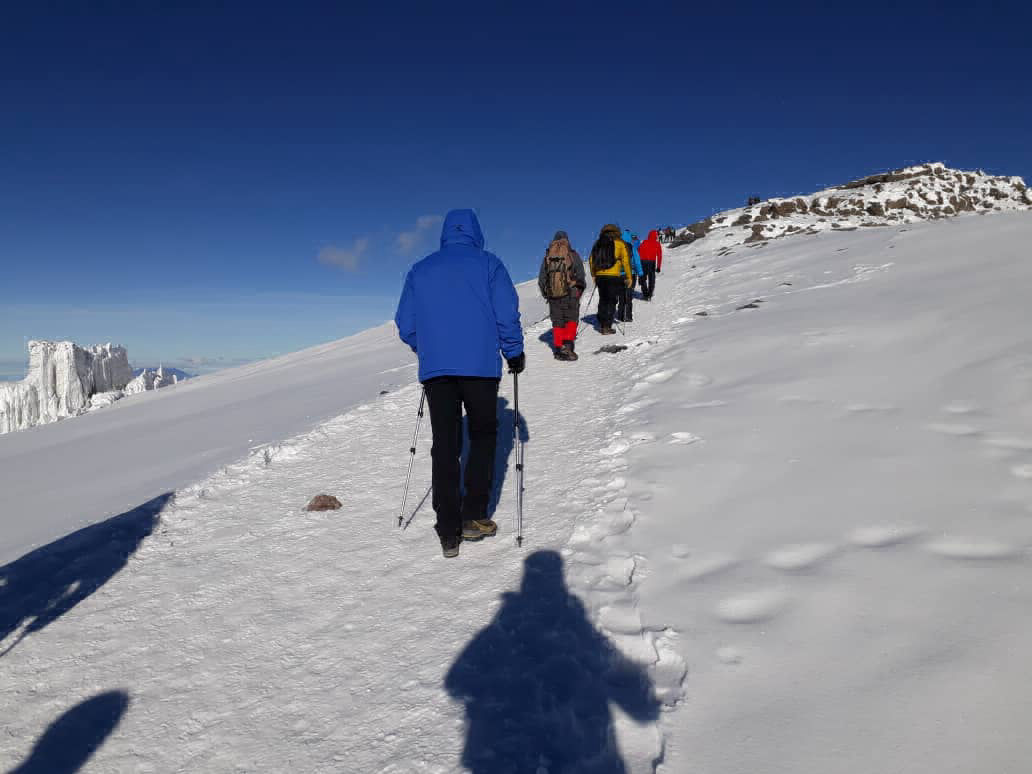
The journey from Barafu Camp or the Kosovo Camp staging area to Mweka Gate is a significant undertaking. While the summit push is often characterized by its darkness and challenge, the descent is equally demanding, requiring focus and endurance. Mweka Gate is the designated exit point for climbers using the Marangu Route and is often the final point of contact with the mountain’s park administration for climbers from other routes who have descended via Mweka. The trek down can take anywhere from 5 to 8 hours, depending on the route taken and the pace of the group. Climbers will pass through various ecological zones again, often experiencing different weather conditions than on the ascent. The relief of reaching Mweka Gate is immense, a tangible sign that the physical challenge of Kilimanjaro has been met.
Understanding Mweka Gate’s Role
Mweka Gate, located at an altitude of approximately 1,500 meters (4,921 feet), serves as the official exit point for Kilimanjaro National Park. It is where park rangers conduct a final check of all climbers and guides, ensuring everyone has safely returned from the mountain. This is also where your trekking company’s support team, including drivers, will be waiting to greet you. For many, Mweka Gate is the first place they see their non-climbing support staff and feel the familiar comforts of civilization, such as vehicles and a chance to clean up.
The Descent Experience: A Different Kind of Challenge
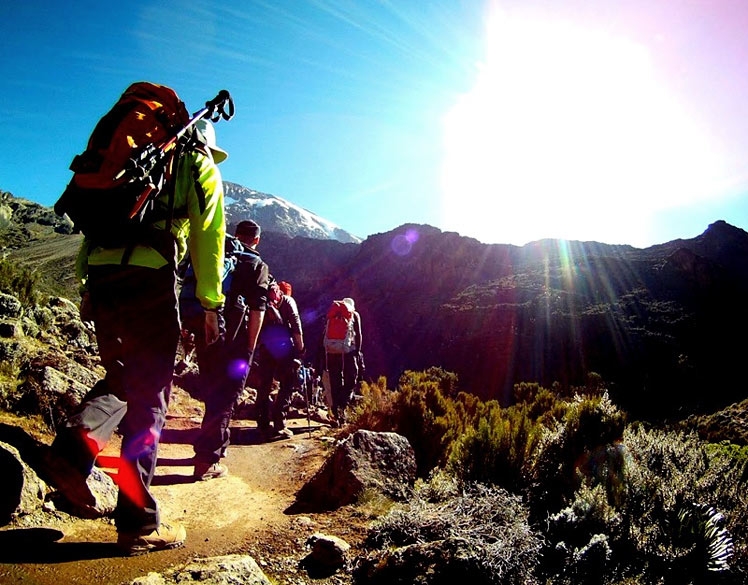
Descending Kilimanjaro is not merely a walk down. The steep, scree-laden paths can be hard on the knees and quads. Unlike the upward journey where every step is a victory towards the summit, the descent can feel monotonous, and the physical toll of the summit night can become more apparent. Hydration and careful footing are crucial to prevent slips and falls. Your guides will manage the pace, ensuring everyone stays together and safe. They will also be assessing how you are feeling, looking for signs of fatigue or any issues that may require attention before you reach the gate. The environmental changes are also striking; you’ll move from the alpine desert back through the moorland and montane forest, often noticing the vibrant plant life and sounds of the forest that were less apparent on your way up.
Collecting Your Kilimanjaro Climbing Certificate
One of the most anticipated moments at Mweka Gate is receiving your Kilimanjaro climbing certificate. This document is a testament to your achievement, a physical memento of the incredible journey you’ve undertaken. The certificates are typically issued by your tour operator, who receives them from the park authorities. There are usually two types of certificates:
- Green Certificate: Awarded to climbers who successfully reach Stella Point (5,756m) or Gilman’s Point (5,685m) on the crater rim.
- Blue/Gold Certificate: Awarded to climbers who reach Uhuru Peak (5,895m), the true summit of Kilimanjaro.
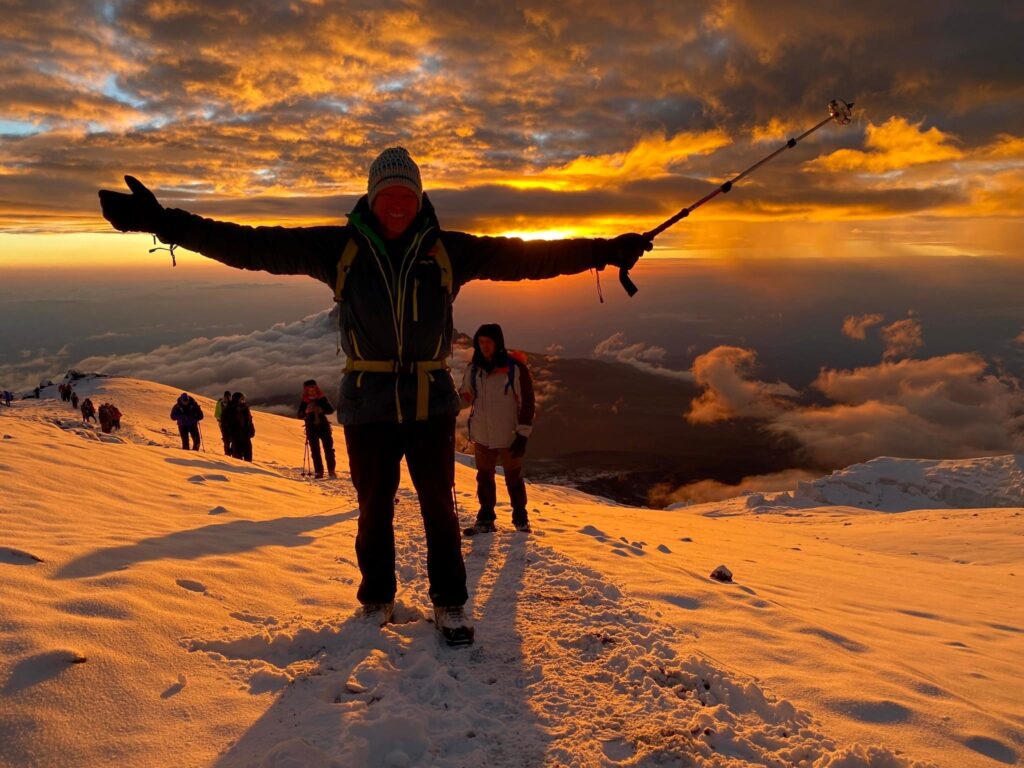
The certificate presentation is often a joyous occasion, a moment for the team to celebrate together. Your guide will usually present it to you with pride. It’s a moment to reflect on the months of training, the challenging trek, and the immense satisfaction of reaching your goal. Many climbers choose to have their photo taken with their certificate at Mweka Gate, often with their team and guides.
What Your Certificate Signifies
Beyond just a piece of paper, your Kilimanjaro certificate represents perseverance, strength, and a profound connection with nature. It signifies overcoming personal limits and achieving a significant physical and mental feat. For many, it’s a symbol of a life-changing experience. The details on the certificate typically include your name, the date of your climb, the route taken, and the altitude achieved. It’s a valuable keepsake that you’ll treasure for years to come.
Timing of Certificate Collection
The collection of certificates typically happens shortly after arriving at Mweka Gate. Your lead guide will coordinate with the tour operator’s ground team to ensure the certificates are ready. While most climbers receive them on the same day they descend, there can be rare instances of delay, especially if the park office has a high volume of climbers or if there are administrative issues. Reputable operators like Top Guide Adventures prioritize ensuring you receive your certificate promptly as part of the post-climb service.
Post-Climb Celebrations and Refreshments
Reaching Mweka Gate is a cause for celebration. After the arduous trek, the feeling of accomplishment is often accompanied by a desire to relax and celebrate with your fellow climbers and guides. Your tour operator will usually have arrangements in place to make this transition comfortable and enjoyable.
Welcome Back Refreshments
Upon arrival at Mweka Gate, you’ll often be greeted with cold drinks and snacks. This simple gesture is incredibly welcome after days of basic rations and warm drinks on the mountain. It’s a small but significant comfort that signals your return to more comfortable amenities. Some operators may offer a more substantial meal or a celebratory drink, like a bottle of sparkling wine or local beer, to toast your success.
Team Celebrations and Gratitude
This is also a time for the team to celebrate together. Your guides, porters, and cook have been instrumental in your journey, and this is a moment to acknowledge their hard work and dedication. It’s customary to offer tips to your crew at this point, and your tour operator will usually provide guidance on appropriate tipping amounts based on industry standards for 2026 and 2027 climbs. This is also a chance for climbers to express their personal gratitude to the crew. Many groups share stories of the trek, laugh about the challenges, and reflect on the shared experience.
Transitioning Back to Civilization
The immediate aftermath of the climb can be a mix of exhaustion and exhilaration. Mweka Gate marks the point where you transition from the rugged mountain environment to the more familiar comforts of civilization. You’ll likely be tired, dirty, and sore, but also incredibly proud. Your ground team will be there to assist with your luggage and guide you to your waiting transport, which will typically take you to your hotel in Moshi or Arusha.
Logistics and Onward Travel from Mweka Gate
Once you’ve collected your certificate and had a moment to celebrate, the practicalities of onward travel begin. The logistics at Mweka Gate are managed by your tour operator to ensure a smooth transition from the mountain to your accommodation or next destination.
Transportation to Your Hotel
Your pre-arranged transport will be waiting at Mweka Gate. This is usually a private vehicle or van, depending on the size of your group. The drive from Mweka Gate to Moshi takes approximately 30-60 minutes, while Arusha is about 1.5 to 2 hours away. The journey will be a welcome opportunity to rest, reflect on your climb, and perhaps enjoy the changing scenery as you descend in altitude.
Accommodation Options Post-Climb
Most climbers opt to spend a night or two in a hotel in Moshi or Arusha after their Kilimanjaro climb. This provides a much-needed opportunity to rest, shower, enjoy hot meals, and recuperate. Hotels in these towns offer a range of amenities, from comfortable rooms and swimming pools to good restaurants and bars. Top Guide Adventures can assist with booking suitable accommodation that caters to your needs, whether you’re looking for budget-friendly options or more luxurious stays for 2026 and 2027 treks.
Connecting to Other Adventures
For many, climbing Kilimanjaro is part of a larger Tanzanian adventure. Mweka Gate is the gateway to continuing your journey, whether it’s a safari in the Serengeti, a visit to the Ngorongoro Crater, or relaxing on the beaches of Zanzibar. Your tour operator will coordinate your onward travel, ensuring smooth connections to your next destination. This might include:
- Airport Transfers: If you have a flight scheduled soon after your climb, arrangements will be made for your transfer to Kilimanjaro International Airport (JRO) or another regional airport.
- Safari Departures: If you’re heading on a safari, your vehicle and guide might meet you directly at Mweka Gate or pick you up from your hotel.
- Further Travel Arrangements: For those continuing to Zanzibar or other parts of Tanzania, your operator will arrange domestic flights or ground transportation.
What to Pack for the Descent
While your main luggage is likely waiting for you at the hotel, it’s wise to have a small daypack with essentials for the descent and your immediate arrival at Mweka Gate. This should include:
- Water and snacks
- Sunscreen and a hat
- A light rain jacket (weather can change)
- Camera or phone for photos
- Your passport (for identification purposes and potential park checks)
- A small amount of cash for any unexpected purchases or tips
- Wet wipes or hand sanitizer for a quick freshen-up
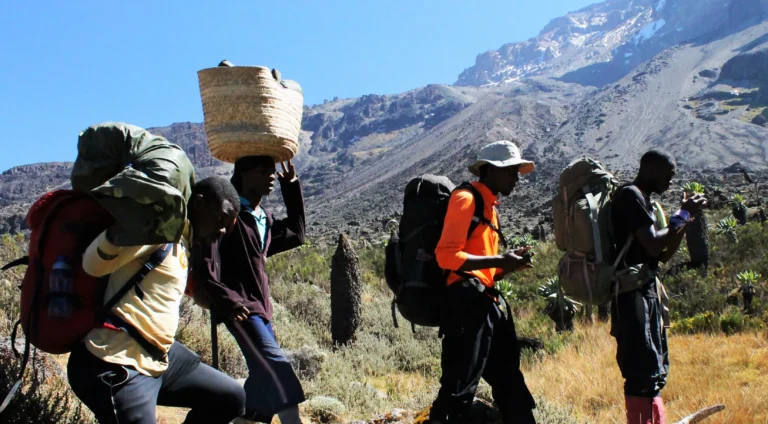
Your porters will carry the bulk of your gear from the mountain’s upper camps down to Mweka Gate, where it will be handed over to your ground team. Ensure you have clearly labeled your bags so they are easily identifiable.
Physical and Emotional State After the Climb
The physical and emotional state of a climber upon reaching Mweka Gate is a unique experience. You’ve pushed your body to its limits and experienced a range of emotions throughout the trek.
Physical Recovery
Physically, you will likely feel exhausted. Muscle soreness, particularly in your legs, is common. Dehydration can also be an issue, so continuing to drink fluids is important. Your appetite might return with a vengeance, and you’ll crave nutritious food. Rest is paramount in the days following your climb to allow your body to recover fully. It is advisable to avoid strenuous activities for at least 24-48 hours after descending.
Emotional Well-being
Emotionally, climbers often report a profound sense of accomplishment and pride. There can also be a feeling of melancholy as the intense focus and camaraderie of the trek come to an end. Many describe a sense of awe and gratitude for the experience and the support they received. The transition back to everyday life can sometimes feel abrupt after the sustained challenge and simplicity of the mountain environment. Taking time to process the experience is beneficial.
Common Post-Climb Sensations
- Fatigue: Deep physical tiredness is almost universal.
- Muscle Aches: Especially in the legs, calves, and back.
- Headaches: Can persist for a day or two due to dehydration or altitude effects.
- Reduced Appetite: Initially, some may feel a lack of appetite, which soon gives way to hunger.
- Lightheadedness: A temporary sensation due to changes in blood pressure or hydration levels.
- Sense of Achievement: Overwhelming pride and satisfaction.
- Bonding: A strong connection with fellow climbers and guides.
What to Expect in Moshi or Arusha
Your journey doesn’t end at Mweka Gate; the post-climb experience in town is an integral part of your adventure.
Hotel Amenities and Comfort
Once you reach your hotel in Moshi or Arusha, you’ll be able to enjoy a hot shower, clean clothes, and a comfortable bed. This is often the first proper wash you’ve had in days, and it feels incredibly luxurious. Most hotels offer good dining options, allowing you to refuel with delicious meals. Many also have swimming pools, which can be a great way to relax sore muscles.
Rest and Recuperation
The days following your climb are dedicated to rest and recuperation. You can choose to take it easy at your hotel, explore the local town, or indulge in a massage. It’s important to listen to your body and not overexert yourself. For those planning further travel in 2026 or 2027, ensuring adequate rest now will prepare you for your next adventures.
Optional Post-Climb Activities
While rest is key, you might also consider some gentle activities:
- Local Market Visits: Explore the vibrant markets in Moshi or Arusha for souvenirs.
- Cultural Tours: Visit local villages or coffee plantations.
- Relaxing Spa Treatments: Many hotels offer massage services.
- Enjoying Local Cuisine: Sample Tanzanian dishes at local restaurants.
Choosing the Right Tour Operator for Your Climb
The experience at Mweka Gate and throughout your entire Kilimanjaro climb is significantly influenced by your tour operator. Choosing a reputable company ensures safety, support, and a well-organized end to your trek.
The Importance of Support at Mweka Gate
A good tour operator like Top Guide Adventures ensures that your arrival at Mweka Gate is smooth. This includes having your transport ready, coordinating with guides for certificate distribution, and having someone available to answer any immediate questions you might have. They manage the handover from the mountain crew to the ground crew efficiently. This attention to detail is crucial after a demanding climb.
Services Provided by Top Guide Adventures
Top Guide Adventures is committed to providing a complete and supportive Kilimanjaro climbing experience. This commitment extends to the moments after you descend:
- Experienced Guides: Our guides are trained to manage the descent safely and ensure you reach Mweka Gate in good condition.
- Logistical Support: We arrange all transportation from Mweka Gate to your hotel and for your onward journeys.
- Certificate Assistance: We ensure you receive your climbing certificate promptly.
- Post-Climb Accommodation: We can help you book comfortable hotels in Moshi or Arusha for your recovery.
- 24/7 Support: Our team is available to assist you at any stage of your trip, including after your descent.
When planning your climb for 2026 or 2027, selecting a company that excels in all aspects of the climb, including the crucial post-climb phase at Mweka Gate, is vital. We pride ourselves on providing personal attention, care, and dedicated support for every client.
Booking Your Kilimanjaro Climb
Ready to take on the challenge of Kilimanjaro and experience the triumph of reaching Mweka Gate? Top Guide Adventures offers a range of itineraries and departure dates. We specialize in organizing safe and memorable Kilimanjaro climbs, ensuring you have the best possible experience from start to finish. Whether you’re looking for a group climb or a private ascent, we tailor our services to meet your needs.
For inquiries about climbing packages, pricing for 2026-2027 seasons, or to discuss your specific requirements, please do not hesitate to contact us. We are here to help you plan the adventure of a lifetime.
You can reach us via WhatsApp at +255616946642, email us at topguideadventures@gmail.com, or use our backup email info@topguideadventures.com. Visit our website at Top Guide Adventures to learn more about our services and view sample itineraries.
Consider joining one of our Kilimanjaro climbs, like those on the popular Machame Route, or explore our group departure dates for other adventures. You can also see reviews from past clients on TripAdvisor.
Key Takeaways for Mweka Gate Post-Climb
Your arrival at Mweka Gate signifies the successful completion of your Kilimanjaro climb. Expect a warm welcome from your support team, the crucial collection of your climbing certificate (green for rim, blue/gold for summit), and immediate arrangements for your transfer to accommodation in Moshi or Arusha. This is also a time for celebrating your achievement with your guides and crew, and expressing gratitude. Proper rest and hydration are key in the days that follow to aid physical and emotional recovery.
Frequently Asked Questions About Mweka Gate
Here are answers to common questions about what happens at Mweka Gate after your Kilimanjaro climb:
What is the typical time of arrival at Mweka Gate?
Arrival times at Mweka Gate can vary significantly depending on the route taken and the group’s pace. For climbers descending from Barafu Camp via the Mweka Route, arrival is typically in the afternoon, between 1:00 PM and 4:00 PM. Climbers using other routes who exit via Mweka might arrive at different times, but generally, it’s an afternoon event.
Can I collect my certificate at a different gate?
Certificates are usually issued at the designated exit gate for your specific route. If you use the Marangu Route, you will exit via Marangu Gate and receive your certificate there. For most other routes (Machame, Lemosho, Shira, Umbwe, Northern Circuit), Mweka Gate is the common exit point, and thus where certificates are distributed by the tour operator’s ground team.
What if I don’t receive my certificate at Mweka Gate?
While uncommon with reputable operators, if for any reason your certificate isn’t ready at Mweka Gate, your tour operator will arrange to have it delivered to your hotel or your next point of contact. It’s essential to confirm this with your guide or tour operator representative before leaving the gate area. Top Guide Adventures ensures all clients receive their certificates as part of our service.
How much should I tip my Kilimanjaro crew?
Tipping is customary and highly appreciated. For 2026-2027 climbs, general guidelines suggest tipping your lead guide around $20-25 USD per day, assistant guides $15-20 USD per day, cooks $10-15 USD per day, and porters $8-12 USD per day. These amounts are per climber and can be pooled for the crew. Your tour operator will provide specific recommendations.
What are the immediate next steps after Mweka Gate?
The immediate next step is usually boarding your pre-arranged transport to your hotel in Moshi or Arusha. You’ll then check in, have a chance to shower and rest, and enjoy a proper meal. Your tour operator will confirm your hotel booking and transportation details before you even reach Mweka Gate.
Is there anything to buy at Mweka Gate?
Mweka Gate itself is primarily an administrative point. There are usually no shops or vendors directly at the gate for purchasing items. Any souvenir shopping would typically happen in Moshi or Arusha after you’ve settled into your hotel.
Check Availability for What Happens At Mweka Gate After Your Kilimanjaro Climb? 2026-2027
Ready to compare dates, prices, and the best option for your group? Send the package name and travel month so the team can reply with a clear quote, availability, and what is included.
Meet Your Climber At Mweka Gate Package: Kilimanjaro Descent Guide 2026-2027
This package is designed for trekkers descending Kilimanjaro via the Mweka Gate, ensuring a smooth and supported transition after their summit. It covers essential post-climb services and...
View package details
What Is It Like To Climb The Barranco Wall? Your Expert Guide 2026-2027
The Barranco Wall is a famous and formidable section of the Kilimanjaro climb, often described as a scramble rather than a climb. This guide details what to expect, including its...
View package details
What Happens If You Turn Back On Kilimanjaro? Your Options And Consequences
If you decide to turn back on Kilimanjaro, your climb ends, and you'll be escorted down the mountain. This guide details the process, health implications, financial impact, and alternative...
View package details
What Happens If Your Kilimanjaro Group Does Not Form? | Top Guide Adventures
If your planned Kilimanjaro group doesn't materialize, Top Guide Adventures offers flexible options including joining an existing group, a private climb, or exploring alternative dates for...
View package details
Kilimanjaro Relaxation And Spa Package: Rejuvenate After Your Climb 2026-2027
After conquering Mount Kilimanjaro, a dedicated relaxation and spa package is the perfect way to recover and rejuvenate. Top Guide Adventures provides comprehensive post-climb wellness...
View package details
Kilimanjaro Climb After Knee Surgery: Your Expert Guide For 2026-2027
Considering a Kilimanjaro climb after knee surgery? This comprehensive guide details the feasibility, preparation, risks, and essential considerations for undertaking this ambitious trek in...
View package details
Kilimanjaro Family Climb With Shorter Walking Days Guide
Discover how to successfully undertake a Kilimanjaro family climb with shorter walking days, focusing on suitable routes, essential preparation, and making the most of your adventure in...
View package details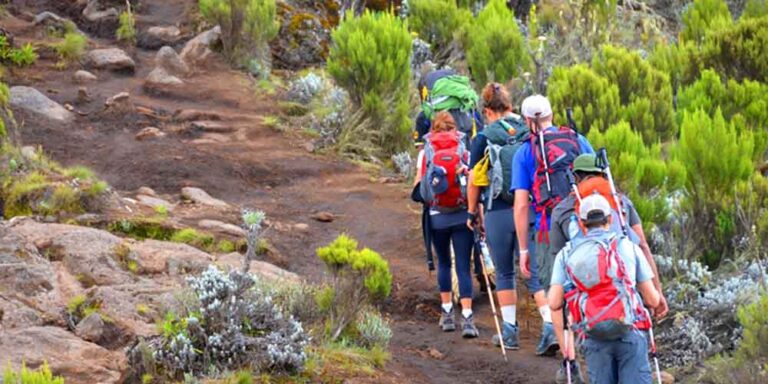
Kilimanjaro Safety Guide For Parents: Essential Tips A Successful Climb
This guide provides essential safety information for parents considering a Kilimanjaro climb with their children or for themselves. It covers preparation, acclimatization, risks, and...
View package details
Kilimanjaro Training Plan For Teen Climbers: Summit Success In 2026-2027
Prepare your teen for the ultimate adventure with a detailed Kilimanjaro training plan. This guide covers physical conditioning, mental readiness, essential gear, and acclimatization...
View package details
Kilimanjaro Climb For University Students: Your Ultimate Guide 2026-2027
Top Guide Adventures provides a comprehensive guide for university students planning a Kilimanjaro climb in 2026-2027. This extensive resource covers route selection, essential training...
View package detailsKilimanjaro Climb For Gap-Year Students 2026-2027
Kilimanjaro Climb for Gap-Year Students is explained with current 2026-2027 planning, price, itinerary and booking information.
View package details
Kilimanjaro Family Climb With Private Guides: Your Adventure 2026-2027
start an unforgettable Kilimanjaro family climb with private guides in 2026-2027. Top Guide Adventures specializes in tailoring these incredible journeys for families, ensuring safety...
View package detailsNo related package matches those filters. Clear one or more filters to see the other topic-matched options.



