
A Kilimanjaro family climb with shorter walking days is best achieved by selecting routes like Marangu or shorter variations of Machame and Lemosho, focusing on longer acclimatization periods rather than daily mileage, and ensuring all family members are adequately prepared physically and mentally for the ascent. This approach prioritizes comfort and success for a wider range of ages and fitness levels, making the 2026-2027 climbing season a realistic goal for many families.


Planning Your Kilimanjaro Family Climb with Shorter Walking Days
Mount Kilimanjaro, the Roof of Africa, is an aspirational destination for many, and increasingly, families are looking to share this incredible experience. However, the sheer scale and altitude of Kilimanjaro can seem daunting, especially when considering younger or less experienced hikers within the family. The key to a successful Kilimanjaro family climb with shorter walking days lies in careful planning, choosing the right route, and prioritizing acclimatization and comfort over speed. This guide is designed to help families in 2026 and 2027 plan an unforgettable adventure that balances challenge with enjoyment.
Many families assume that climbing Kilimanjaro requires days of relentless trekking. While some routes and itineraries are indeed demanding, it’s entirely possible to structure a climb to incorporate shorter walking days. This means focusing on routes that offer more gradual ascents, longer durations for acclimatization, and potentially shorter daily distances, allowing for more rest and enjoyment of the stunning scenery. Top Guide Adventures specializes in tailoring Kilimanjaro climbs to meet the specific needs of families, ensuring safety, enjoyment, and a high chance of reaching Uhuru Peak.
Why Choose Shorter Walking Days for a Family Climb?
The decision to opt for shorter walking days on Kilimanjaro for a family climb is driven by several practical and important considerations:
- Altitude Acclimatization: The primary challenge on Kilimanjaro is altitude sickness. Slower progress with shorter daily distances allows the body more time to adapt to decreasing oxygen levels. This is crucial for all climbers, but especially for children and older family members who may be more susceptible.
- Family Comfort and Enjoyment: A family climb should be a positive, bonding experience. Pushing too hard with long, arduous days can lead to exhaustion, frustration, and a diminished appreciation for the journey. Shorter days mean more energy to enjoy the views, interact with guides and porters, and support each other.
- Reduced Risk of Injury: Fatigue increases the risk of slips, falls, and other injuries. By reducing the physical strain, shorter walking days contribute to a safer trek for everyone in the family.
- Accommodating Different Fitness Levels: Families often have members with varying fitness levels. Shorter walking days make the climb more accessible and achievable for those who may not be seasoned trekkers.
- Mental Preparedness: The mental aspect of climbing Kilimanjaro is significant. Knowing that the days are not excessively long can boost confidence and reduce anxiety for all family members, particularly younger ones.
For families planning their Kilimanjaro adventure in the 2026-2027 climbing seasons, prioritizing these factors will significantly enhance the overall experience and increase the likelihood of a successful summit. Top Guide Adventures understands these nuances and designs itineraries that reflect this approach.
Best Kilimanjaro Routes for Families with Shorter Walking Days
Not all Kilimanjaro routes are created equal when it comes to suitability for families seeking shorter walking days and better acclimatization. The choice of route is paramount. Here are the most recommended options, along with why they fit the bill:
1. Marangu Route (Coca-Cola Route)
The Marangu route is often the first choice for those seeking a less strenuous Kilimanjaro experience. It’s the oldest and most established route, and its primary appeal for families lies in its unique features:
- Huts Accommodation: Unlike all other routes which use camping, Marangu offers accommodation in dormitory-style huts. This provides a more comfortable and protected environment, which can be a significant advantage for families, especially during inclement weather. No need to set up tents in the dark or rain.
- Shorter Daily Stages: The Marangu route generally has shorter walking distances between campsites compared to some other routes.
- Two Summit Ascent Options: It offers two paths to the summit: the direct ascent (5 days) and the longer, more acclimatized ascent (6 days). For families, the 6-day Marangu itinerary is strongly recommended to improve acclimatization and reduce the intensity of walking days.
- Descent on the Same Path: The descent follows the same path as the ascent, which can be less disorienting but also means less varied scenery on the way down.
Why it’s good for families: The hut accommodation is a major draw. The shorter daily stages and the option for a 6-day climb make it more manageable. However, it’s important to note that the 5-day option has a very high failure rate due to poor acclimatization, so families should always opt for the 6-day version or consider other routes.
2. Machame Route (Whiskey Route) – Extended Itinerary
The Machame route is one of the most popular routes due to its scenic beauty and excellent acclimatization profile. While often done in 6 or 7 days, it can be adapted for families by focusing on a 7-day itinerary or by carefully managing daily distances within a 6-day plan.
- Scenic Beauty: It traverses diverse landscapes, from rainforest to alpine desert, offering stunning views.
- Excellent Acclimatization Profile: The route uses the “climb high, sleep low” strategy effectively, which is vital for altitude adaptation.
- Camping Accommodation: This route uses camping, providing a true wilderness experience.
- Adaptable Itinerary: While commonly 6 days, Top Guide Adventures strongly recommends a 7-day Machame itinerary for families. This extra day allows for shorter daily walks and a more relaxed pace, significantly improving acclimatization and enjoyment.
Why it’s good for families: The 7-day Machame route offers excellent acclimatization, which is critical for families. The shorter daily walking segments inherent in a 7-day schedule make it less grueling. The scenery is also a big plus, keeping spirits high.
3. Lemosho Route – Extended Itinerary
The Lemosho route is renowned for its beauty and high success rates. It starts in the west and offers a more remote trekking experience before joining the Machame route. For families, an extended version is ideal.
- Remote and Scenic Start: The initial days offer a wilder feel, less crowded than other routes.
- Excellent Acclimatization: Like Machame, it follows the “climb high, sleep low” principle very well.
- Camping Accommodation: Offers a classic mountain camping experience.
- Recommended for Families: A minimum of 8 days for a Lemosho climb is highly recommended for families. This longer duration ensures very short daily walking distances and ample time for acclimatization, making it one of the most comfortable and successful options for a Kilimanjaro family climb with shorter walking days.
Why it’s good for families: The 8-day Lemosho itinerary provides the best balance of stunning scenery, excellent acclimatization, and very manageable daily walking efforts. It’s often considered the most comfortable route for families aiming for a high success rate and a positive experience.
Routes to Consider Carefully (or Avoid for Shorter Days)
- Northern Circuit: While offering the highest success rates due to its 9-day duration and excellent acclimatization, it is also one of the longest and therefore might involve more cumulative walking hours, though daily stages can be managed. It’s a great option for families prioritizing success and comfort over duration.
- Rongai Route: This route approaches from the north and is drier, making it a good option in the rainy season. It’s typically done in 6 or 7 days. A 7-day Rongai itinerary can offer shorter walking days and good acclimatization, making it a viable family option.
- Umbwe Route: This is the shortest and steepest route, known for its challenging ascent. It is generally not recommended for families, especially those seeking shorter walking days, due to its steepness and rapid altitude gain.
For families planning their Kilimanjaro climb in 2026 or 2027, consulting with experienced operators like Top Guide Adventures is crucial to select the route and itinerary length that best suits everyone’s needs.
Preparing Your Family for a Kilimanjaro Climb
Successful preparation is the cornerstone of any Kilimanjaro climb, and for a family, it requires a slightly different, more holistic approach. It’s not just about physical fitness; it’s about mental readiness, proper gear, and understanding the unique challenges of high-altitude trekking.
Physical Training: Tailoring to Family Needs
The goal is to build endurance and strength, but importantly, to do it in a way that is enjoyable and sustainable for all family members. For a Kilimanjaro family climb with shorter walking days, the intensity can be less, but consistency is key.
- Cardiovascular Fitness: Focus on activities that elevate the heart rate. Hiking, jogging, cycling, and swimming are excellent. Aim for at least 3-4 sessions per week, gradually increasing duration and intensity.
- Strength Training: Focus on leg strength (squats, lunges) and core strength. Carrying a backpack is part of the trek, so some training with a weighted pack is beneficial.
- Hiking Practice: This is the most crucial. Undertake regular hikes, ideally on varied terrain (hills, inclines). Gradually increase the length of your hikes and the weight of your backpack. Try to do at least one or two longer hikes (4-6 hours) in the months leading up to the climb.
- Simulate Kilimanjaro Conditions: If possible, find local hills or mountains to practice on. Even training in a local park with inclines can help.
- Involve Children in Training: Make training fun for kids. Turn hikes into adventures, explore new trails, and celebrate small achievements. Ensure they are not over-trained, which can lead to burnout or injury.
Mental Preparation: Building Resilience
Kilimanjaro is as much a mental challenge as a physical one. For families, fostering a positive and resilient mindset is vital.
- Talk About the Climb: Discuss the journey, the challenges, and the rewards openly. Explain what to expect, including the altitude, the cold, and the potential for feeling unwell. Use age-appropriate language for younger children.
- Set Realistic Expectations: Ensure everyone understands that reaching the summit is not guaranteed. The goal is the experience and the journey itself. Emphasize the importance of listening to their bodies and the guides.
- Foster Teamwork: Encourage family members to support each other. Celebrate small victories together and remind them they are a team facing this challenge.
- Visualize Success: Encourage positive visualization of reaching the summit and enjoying the experience.
Gear and Equipment: The Right Fit for Everyone
Proper gear is non-negotiable for comfort and safety on Kilimanjaro. For a family Kilimanjaro climb, ensuring everyone has the right fit and quality is essential.
- Layering System: This is key for managing temperature changes. The system includes:
- Base Layer: Moisture-wicking thermal tops and bottoms (merino wool or synthetic).
- Mid Layer: Fleece jackets or vests for insulation.
- Outer Layer: Waterproof and windproof jacket and trousers (Gore-Tex or similar).
- Footwear: Well-broken-in waterproof hiking boots are essential. Ensure they fit perfectly to prevent blisters. Bring comfortable hiking socks (wool or synthetic).
- Headwear: A warm, insulated hat that covers the ears, and a sun hat or cap for lower altitudes. A balaclava or neck gaiter is also useful.
- Gloves: Warm, waterproof gloves or mittens, and liner gloves.
- Sleeping Bag: A 4-season sleeping bag rated to at least -15°C (0°F).
- Backpack: A comfortable daypack (25-35 liters) for essentials, and a larger duffel bag (80-100 liters) for porters to carry.
- Sun Protection: High SPF sunscreen, sunglasses, and lip balm.
- Hydration: Water bottles or a hydration reservoir. Insulated covers are recommended for reservoirs to prevent freezing.
- Headlamp: With extra batteries.
- Personal Items: Trekking poles, toiletries, personal first-aid kit, camera, power bank.
Tip for families: Ensure children’s gear is properly fitted and comfortable. Ill-fitting boots or heavy packs can quickly turn a fun adventure into a miserable ordeal. Renting some gear in Moshi is an option, but personal items like boots should be purchased and well-tested beforehand.
Health and Vaccinations
Consult your doctor or a travel clinic well in advance of your trip, ideally 4-6 weeks before your 2026-2027 Kilimanjaro family climb.
- Routine Vaccinations: Ensure all routine vaccinations are up-to-date.
- Recommended Vaccinations: Hepatitis A, Typhoid, and potentially others depending on your travel history and the doctor’s advice.
- Malaria Prevention: Kilimanjaro’s lower slopes are in a malaria zone. Discuss appropriate prophylaxis with your doctor. Higher altitudes are generally safe from malaria.
- Altitude Sickness Medication: Your doctor may prescribe Diamox (acetazolamide) to aid acclimatization. Discuss its use and potential side effects for each family member.
- Personal First-Aid Kit: Include basics like pain relievers, blister treatment, antiseptic wipes, bandages, and any personal medications.
On the Mountain: Strategies for Shorter Walking Days
Once on Kilimanjaro, adhering to strategies that facilitate shorter walking days and better acclimatization is crucial for a successful Kilimanjaro family climb.
Pacing Yourself: The “Pole Pole” Philosophy
The Swahili phrase “pole pole” (slowly, slowly) is the mantra of Kilimanjaro. For families, this is not just a suggestion; it’s a fundamental principle.
- Slow and Steady Wins the Race: Encourage everyone, especially children, to walk at a slow, consistent pace. Avoid rushing, even on easier sections.
- Frequent Short Breaks: Instead of one long break, take multiple short breaks (5-10 minutes) every hour. This allows for hydration, snacks, and checking in with everyone.
- Listen to Your Body: Pay close attention to how everyone is feeling. Headaches, nausea, or fatigue are signs that you need to slow down or rest.
- Guide’s Guidance: Trust your guides. They are highly experienced in reading the signs of altitude sickness and will advise on pacing.
Hydration and Nutrition: Fueling the Family
Proper hydration and nutrition are critical for energy levels and acclimatization.
- Drink Plenty of Water: Aim for 3-4 liters of fluid per person per day. Water, herbal teas, and electrolyte drinks are good options. Avoid caffeine and alcohol.
- Eat Well: High-carbohydrate meals provide energy. Porters and cooks prepare nutritious meals, but encourage everyone to eat as much as they can, even if appetite is reduced at altitude.
- Snacks: Carry energy-rich snacks like nuts, dried fruit, energy bars, and chocolate for in-between meals and for quick boosts during walks.
Acclimatization Strategies
Beyond shorter walking days, these strategies are vital:
- Longer Itinerary: As discussed, choosing a 7-day or 8-day route is the single best strategy for acclimatization.
- “Climb High, Sleep Low”: Routes like Machame and Lemosho naturally incorporate this. On summit night, this principle is also applied by descending immediately after reaching the summit.
- Rest and Sleep: Ensure adequate rest and sleep each night.
- Avoid Overexertion: On acclimatization days, keep the pace slow and steady.
Summit Night: The Ultimate Test
Summit night is the most challenging part of the climb. For families, careful management is key.
- Start Early: Typically, you start around midnight. This allows you to reach the summit at sunrise and descend in daylight.
- Maintain “Pole Pole”: The pace on summit night must be extremely slow.
- Stay Warm and Hydrated: Keep moving gently to stay warm, but don’t overexert. Sip water frequently.
- Monitor Everyone Closely: Guides will be extra vigilant for signs of altitude sickness or exhaustion.
- Decision to Turn Back: It’s crucial for families to understand that turning back is a sign of strength and good judgment, not failure. The summit will still be there for another attempt if conditions aren’t right.
Choosing the Right Tour Operator for Your Family Climb
Selecting the right tour operator is paramount for a safe and enjoyable Kilimanjaro family climb with shorter walking days. Top Guide Adventures has a proven track record of organizing successful and memorable climbs for families, prioritizing safety, ethical practices, and client satisfaction.
What to Look for in a Family-Friendly Operator:
- Experience with Families: Look for operators who specifically mention family treks or have experience catering to younger climbers.
- Safety Record and Protocols: A reputable operator will have clear safety protocols, including emergency procedures, oxygen supplies, and trained guides.
- Guide Qualifications: Ensure guides are certified, experienced, and trained in wilderness first aid and altitude sickness management.
- Itinerary Flexibility: The ability to customize itineraries, particularly to include longer durations for better acclimatization, is a major plus.
- Group Size and Support: Smaller group sizes can be more manageable for families. Adequate porter support is essential to carry gear and assist climbers if needed.
- Ethical Treatment of Staff: Ensure the operator treats their guides and porters ethically, providing fair wages, proper food, and adequate gear. This not only ensures good morale but also contributes to a safer trek.
- Reviews and Reputation: Check independent reviews on platforms like TripAdvisor and Google.
Top Guide Adventures’ Commitment to Families
At Top Guide Adventures, we understand that a Kilimanjaro family climb requires a special approach. We pride ourselves on:
- Tailored Itineraries: We specialize in creating longer, slower-paced itineraries for families, focusing on routes like the 7-day Machame or 8-day Lemosho, which offer superior acclimatization and shorter daily walking distances.
- Experienced and Caring Guides: Our guides are not only highly skilled mountaineers but are also chosen for their patience and ability to work with children and families, fostering a supportive and encouraging environment.
- Safety First: Safety is our top priority. We carry medical oxygen on all climbs and have robust emergency evacuation plans in place.
- Quality Equipment and Food: We provide high-quality tents, sleeping bags (if needed), and nutritious meals prepared by experienced cooks to keep your family energized.
- Personalized Support: From your initial inquiry through to your return from the mountain, you’ll receive dedicated support. We are available to answer all your questions and help you plan every detail for your 2026-2027 Kilimanjaro adventure.
We believe that Kilimanjaro is a mountain that can be conquered by families, and our mission is to make that journey as safe, enjoyable, and rewarding as possible. Whether you are looking at the 2026 Kilimanjaro season or planning for 2027, we are here to guide you every step of the way.
Budgeting for Your Kilimanjaro Family Climb
Understanding the costs involved is a key part of planning any family trip. A Kilimanjaro family climb with shorter walking days will typically involve longer itineraries, which can sometimes influence the overall price, but the benefits in terms of success rates and enjoyment are significant.
Key Cost Components:
- Park Fees: These are fixed by the Kilimanjaro National Park Authority and are a substantial portion of the cost. They are the same regardless of the route or duration.
- Guide and Porter Wages: Ethical operators pay fair wages, which is a critical factor.
- Food and Accommodation: Meals on the mountain and accommodation before and after the climb.
- Transport: Transfers from the airport to your hotel and to the mountain gate.
- Equipment: Tents, cooking gear, tables, etc.
- Rescue Fees: Included in park fees but ensure your operator covers this.
- Tips: A significant and customary part of the cost, budgeted separately by climbers.
Factors Affecting Price:
- Route and Duration: Longer routes (like 7 or 8-day options for better acclimatization) will generally cost more due to more days of service (guides, porters, food).
- Operator Type: Local operators like Top Guide Adventures often offer better value and ensure a larger portion of your money directly supports the local economy and staff. International operators may have higher overheads.
- Group Size: Private climbs for families are more expensive per person than joining a group. However, for families, a private climb offers the ultimate flexibility and personalized attention.
- Level of Service: Higher-end operators might include extras like private toilets or more comfortable camping gear.
For 2026-2027: Prices for Kilimanjaro climbs can fluctuate slightly year to year due to inflation and park fee changes. It’s always best to get a detailed quote from your chosen operator.
Top Guide Adventures Pricing Approach: We offer competitive pricing for private family climbs, focusing on longer, safer itineraries. Our quotes are comprehensive, clearly detailing what is included. We aim to provide the best value while maintaining the highest standards of safety and ethical treatment for our crew. Expect pricing for a 7-day climb to be in the range of $2,000 – $3,000 per person for a private family group, depending on the route and specific inclusions. Shorter walking days often mean longer itineraries, so budget accordingly for the extended duration.
Important Note on Tips: Tips for guides, porters, and cooks are an essential part of their income. Budget approximately $250-$350 per climber for tips on a 7-day climb. We provide clear guidelines on tipping procedures.
Making the Most of Your Kilimanjaro Family Adventure
A Kilimanjaro family climb with shorter walking days is more than just a physical challenge; it’s an opportunity for connection, learning, and creating lasting memories. Here’s how to maximize the experience:
- Celebrate Milestones: Acknowledge and celebrate reaching each camp, crossing the equator (if applicable on your route), and especially the summit.
- Engage with the Culture: Encourage interaction with your guides and porters. Learn a few Swahili phrases. Understand the local culture and environment.
- Document Your Journey: Take photos and videos, keep a journal. This will be invaluable for reminiscing and sharing the experience later.
- Focus on the Journey, Not Just the Summit: While reaching the summit is a significant achievement, remind everyone that the entire trek is an adventure. The diverse landscapes, the camaraderie, and the personal challenge are all part of the reward.
- Post-Climb Relaxation: Consider combining your Kilimanjaro climb with a safari in the Serengeti or a relaxing holiday on Zanzibar. This provides a wonderful way to decompress and explore more of Tanzania. Top Guide Adventures can arrange complete packages for your family in 2026-2027.
Is a Kilimanjaro Family Climb Right for Your Family?
A Kilimanjaro family climb, especially one structured with shorter walking days, is an incredible undertaking. It is suitable for families where:
- Children are generally aged 10 years or older, depending on their maturity and fitness.
- Family members are in reasonably good health and have undertaken some form of physical preparation.
- There is a shared desire for adventure and a willingness to embrace challenges as a team.
- The family understands and respects the need for patience, flexibility, and listening to their bodies and guides.
If your family is seeking an unforgettable adventure that fosters teamwork, resilience, and a deep appreciation for nature and personal achievement, then a Kilimanjaro family climb with shorter walking days is an excellent choice for your 2026 or 2027 travel plans.
Top Guide Adventures is dedicated to helping families achieve their Kilimanjaro dreams. We handle all the logistics, ensuring a safe, comfortable, and memorable journey. Contact us to start planning your family’s ascent of Africa’s highest peak.
Ready to plan your 2026-2027 Kilimanjaro family climb? Let Top Guide Adventures create a personalized itinerary for your family. Reach out to us via WhatsApp at +255616946642 or email us at topguideadventures@gmail.com. You can also reach our backup email at info@topguideadventures.com. We look forward to helping you achieve this incredible goal!
Check Availability for Kilimanjaro Family Climb With Shorter Walking Days Guide
Ready to compare dates, prices, and the best option for your group? Send the package name and travel month so the team can reply with a clear quote, availability, and what is included.
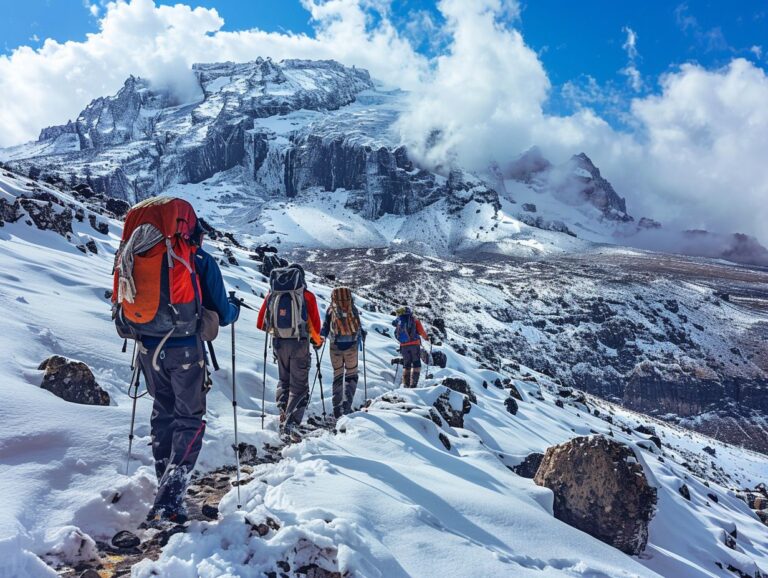
Kilimanjaro Family Climb With Private Guides: Your Adventure 2026-2027
start an unforgettable Kilimanjaro family climb with private guides in 2026-2027. Top Guide Adventures specializes in tailoring these incredible journeys for families, ensuring safety...
View package details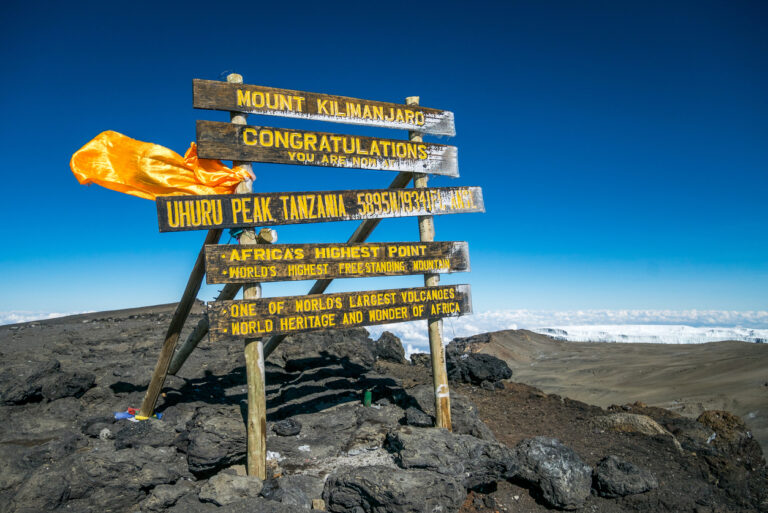
Kilimanjaro Emergency Contact And Family Communication Plan For Trekkers
Planning a Kilimanjaro climb is an incredible adventure. A crucial, yet often overlooked, aspect of preparation is establishing a robust emergency contact and family communication plan...
View package details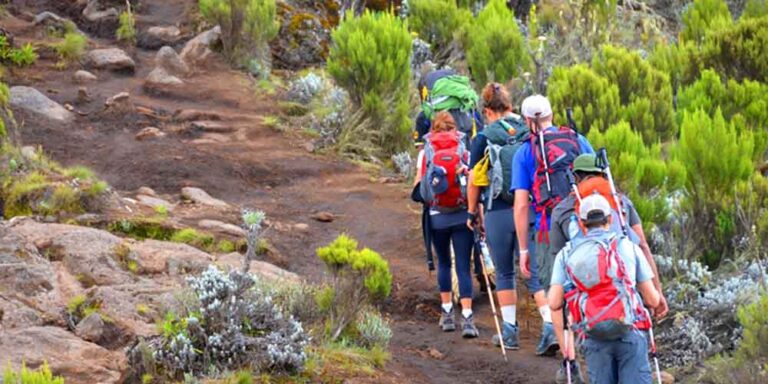
Kilimanjaro Safety Guide For Parents: Essential Tips A Successful Climb
This guide provides essential safety information for parents considering a Kilimanjaro climb with their children or for themselves. It covers preparation, acclimatization, risks, and...
View package details
Can A 14-Year-Old Climb Kilimanjaro? Essential Guide For Young Trekkers
Climbing Mount Kilimanjaro is an incredible adventure, and many young people aspire to reach its summit. This guide explores whether a 14-year-old can successfully and safely summit...
View package details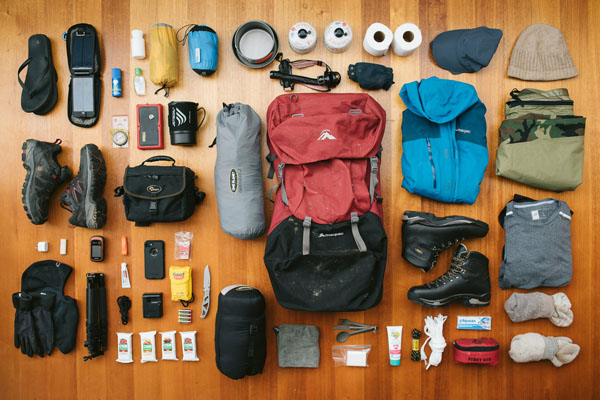
Kilimanjaro Gear-Rental Mistakes To Avoid For Your Climb 2026-2027
Planning a Kilimanjaro climb for 2026 or 2027? Renting gear can save money and hassle, but mistakes are common. This guide details the most frequent errors climbers make when renting...
View package details
Kilimanjaro Hotel Booking Mistakes: Avoid These Pitfalls For A Smooth Climb
Booking accommodation near Kilimanjaro is crucial for a successful climb. This guide details common Kilimanjaro hotel booking mistakes to help you avoid them, ensuring comfort and readiness...
View package details
Kilimanjaro Flight-Booking Mistakes: Avoid These Pitfalls For Your Climb
Planning your Kilimanjaro climb for 2026 or 2027? Don't let flight booking errors derail your adventure. This guide covers critical mistakes to avoid, from choosing the right airport and...
View package details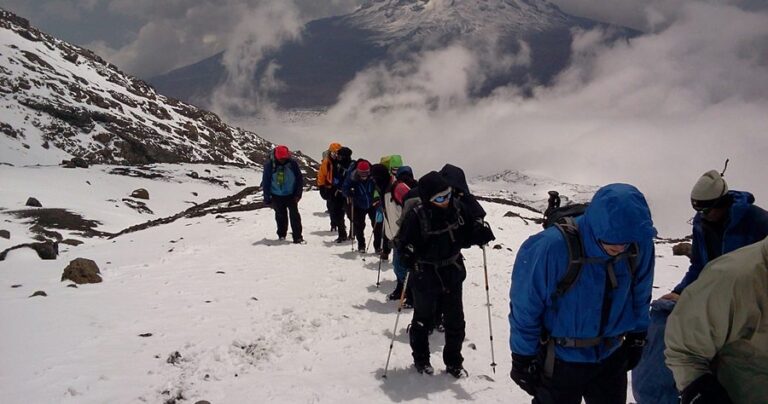
Kilimanjaro Tipping Mistakes And Etiquette: A Comprehensive Guide For Climbers
Navigating Kilimanjaro tipping can be confusing. This guide details common mistakes and proper etiquette for tipping your support crew, ensuring fair compensation and a positive experience...
View package details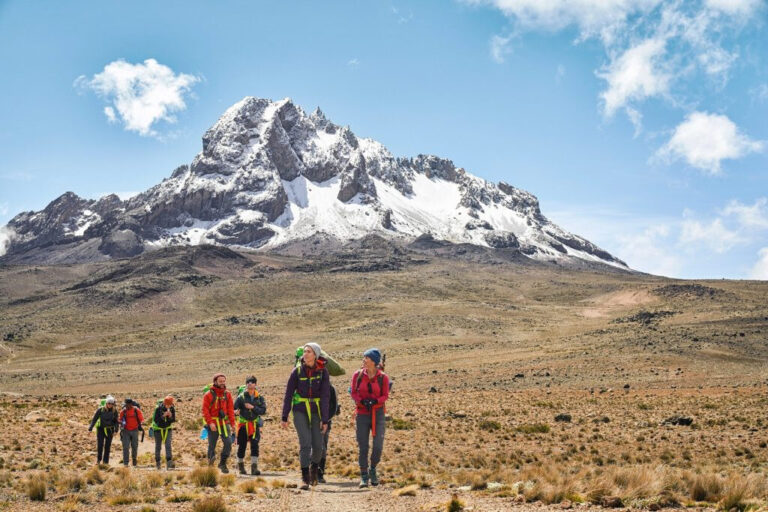
Kilimanjaro Insurance Mistakes To Avoid For A Safe Climb In 2026-2027
Climbing Mount Kilimanjaro is a dream for many, but overlooking proper insurance can turn an incredible adventure into a costly disaster. This guide details the most common Kilimanjaro...
View package details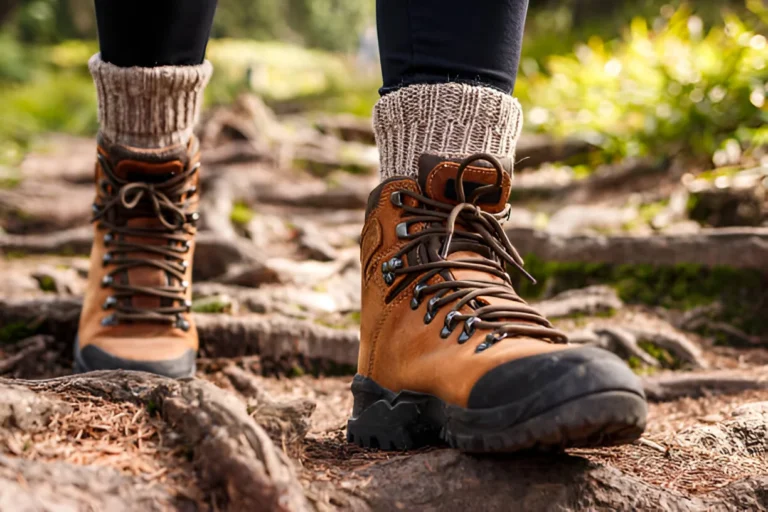
Kilimanjaro Packing Mistakes To Avoid For A Successful Climb In 2026-2027
Packing for Kilimanjaro is crucial for a successful trek. This guide details common packing mistakes to avoid, ensuring you have the right gear for the varying altitudes and conditions...
View package details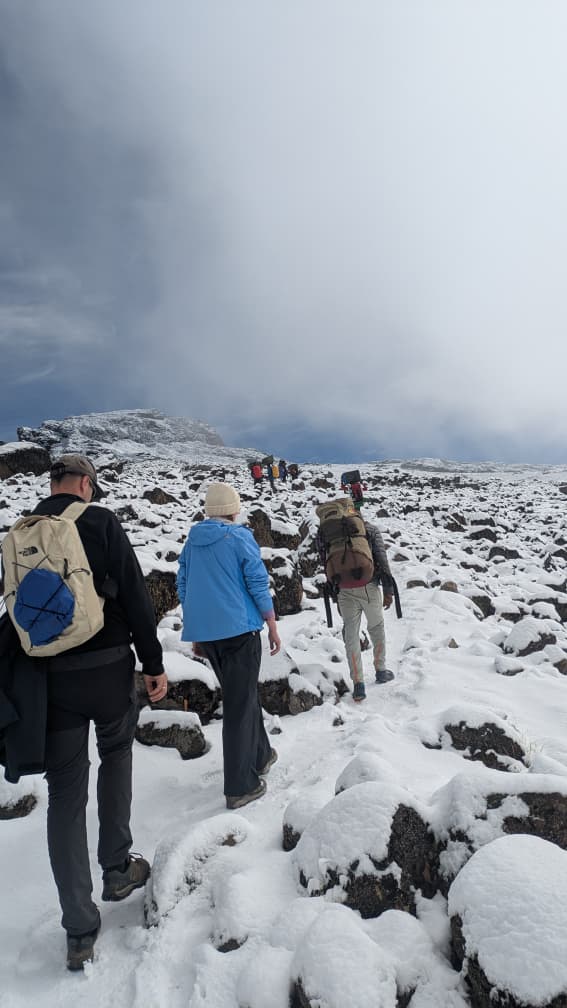
Kilimanjaro Morning Flight Vs Evening Arrival: Which Is Better For Your Climb?
Choosing between a morning and evening flight arrival at Kilimanjaro International Airport (JRO) significantly impacts your pre-climb preparations and initial acclimatization. This guide...
View package detailsKilimanjaro Full-Moon Vs Dark-Sky Climb: Which Is Best For You In ? 2026-2027
Choosing between a Kilimanjaro full-moon or dark-sky climb in 2026-2027 involves weighing unique advantages. A full-moon climb offers visibility and a magical atmosphere, while a dark-sky...
View package detailsNo related package matches those filters. Clear one or more filters to see the other topic-matched options.



