
Avoiding Kilimanjaro flight-booking mistakes is crucial for a successful and stress-free climb, especially when planning for 2026 or 2027. Key errors include booking flights that don’t align with your trek dates, choosing inconvenient layovers, underestimating travel time to the trailhead, overlooking visa and entry requirements, and failing to account for baggage restrictions and costs. Ensuring your flights land at Kilimanjaro International Airport (JRO) and coordinating arrival with your tour operator, like Top Guide Adventures, are vital steps to prevent costly errors and ensure a smooth start to your Tanzanian adventure.
Understanding the Journey: Why Flight Booking Matters for Kilimanjaro
The ascent of Mount Kilimanjaro is a dream for many adventurers, a bucket-list item that promises incredible views and a profound sense of accomplishment. As you prepare for your expedition, perhaps targeting a climb in 2026 or 2027, the journey begins long before you set foot on the mountain. One of the most critical early steps is booking your flights. While it might seem straightforward, numerous pitfalls can turn a dream trip into a logistical nightmare. At Top Guide Adventures, we’ve guided thousands of trekkers and seen firsthand how flight booking mistakes can impact the entire experience. This comprehensive guide is designed to help you navigate the complexities, avoid common errors, and ensure your travel arrangements are as solid as the mountain itself.
Booking the right flights isn’t just about finding the cheapest ticket; it’s about securing a travel plan that complements your trek itinerary, minimizes travel stress, and aligns with your budget and schedule. Overlooking details can lead to missed connections, unexpected expenses, extended travel times, and even jeopardizing your climb dates. We’ll break down exactly what to watch out for, from selecting the correct airport to understanding airline policies and preparing for your arrival in Tanzania.
Mistake 1: Not Aligning Flight Dates with Your Trek Itinerary
This is perhaps the most fundamental and common Kilimanjaro flight-booking mistake. Trekkers often book flights based solely on perceived flight availability or cost, without thoroughly considering their chosen trekking itinerary’s start and end dates. A Kilimanjaro climb isn’t a spontaneous weekend trip; it requires specific days for arrival, acclimatization, the trek itself, and departure.
The Importance of Buffer Days
A typical Kilimanjaro climb, depending on the route, can last anywhere from 5 to 9 days. However, your travel plans must include more than just the trek duration. You need to account for:
- Travel to Tanzania: International flights can be long, often involving multiple layovers. Factor in the time difference and potential jet lag.
- Arrival Day: You absolutely need to arrive in Tanzania at least 1-2 days before your trek begins. This buffer is essential for rest, acclimatization to the local climate, and to allow for any potential flight delays. Arriving on the same day your trek starts is a recipe for disaster.
- Trek Start Date: This is the day you meet your guide and begin your ascent from the gate.
- Trek End Date: The day you descend from the mountain.
- Post-Trek Rest: Allow at least 1-2 days after your descent before planning your departure flight. You will be tired, and might want to shower, relax, and celebrate.
- Departure Day: The day you fly out of Tanzania.
For instance, if your chosen trek, like the popular Machame route, is 7 days long, and you aim to start climbing on a specific date in 2026, you must factor in the days before and after. If your trek starts on July 10th, 2026, you should aim to arrive in Tanzania by July 8th or 9th, 2026. Similarly, don’t book your departure flight for the same day you descend the mountain. A 7-day trek plus 2 days arrival buffer and 2 days post-trek buffer means you need approximately 11 days in Tanzania, excluding international travel time.
Consequences of Mismatched Dates
Booking flights that clash with your actual trekking schedule leads to:
- Missed Trek Start: Arriving late means you miss the crucial briefing and the start of your expedition. This often results in forfeiting your trek and any payments made.
- Rushed Acclimatization: Arriving too close to the start date compromises your body’s ability to adjust to the altitude and climate, significantly increasing the risk of altitude sickness.
- Forced Trek Adjustments: If you have a tight departure flight, you might be pressured to descend faster than recommended, which is dangerous and diminishes the experience.
- Additional Costs: You might have to rebook flights at short notice, incurring hefty change fees or buying new tickets, which can be very expensive.
Recommendation: Always confirm the exact start and end dates of your chosen Kilimanjaro climb package with your tour operator. Then, work backward and forward from these dates to book your international flights, ensuring you have ample buffer time. For example, if you’re planning for late 2027, and your trek is confirmed to start on November 15th, 2027, aim to book your arrival in Tanzania for November 13th, 2027, and your departure for November 20th, 2027, or later.
Mistake 2: Choosing the Wrong Arrival Airport
While Mount Kilimanjaro has its own international airport, it’s surprisingly easy to make a mistake here. Many travelers, especially those less familiar with East African geography, might consider other major hubs.
Kilimanjaro International Airport (JRO) is Your Gateway
The primary and most convenient airport for reaching Mount Kilimanjaro is Kilimanjaro International Airport (JRO). It is located between the towns of Arusha and Moshi, both of which serve as popular staging points for Kilimanjaro climbs.
- Proximity: JRO is the closest international airport to the mountain’s base points and the starting gates for most routes.
- Logistics: Most tour operators, including Top Guide Adventures, arrange airport transfers from JRO directly to your hotel in Arusha or Moshi. This simplifies your arrival immensely.
- Direct Flights (Limited): While direct flights from major international hubs are rare, JRO receives flights from key African hubs like Nairobi (Kenya), Addis Ababa (Ethiopia), and Doha (Qatar), which then connect to global networks.
Why Other Airports Are Less Ideal
You might see flights to airports like:
- Julius Nyerere International Airport (DAR) in Dar es Salaam: This is Tanzania’s largest airport and a major international gateway. However, it’s a significant distance (approximately 6-8 hours drive) from Moshi or Arusha. Flying from DAR to JRO domestically is an option, but it adds complexity, cost, and another potential point of failure (flight delays or cancellations).
- Nairobi Jomo Kenyatta International Airport (NBO) in Kenya: Nairobi is a major regional hub, and many international flights land here. While it’s relatively close to Tanzania, you’ll still need to arrange either a flight from NBO to JRO or a cross-border bus journey, which can be long and tiring (often 5-7 hours plus border crossing time). This adds significant travel time and potential border delays.
Recommendation: Always book your international flights to Kilimanjaro International Airport (JRO). If your international airline route requires a stop in another city (like Nairobi or Addis Ababa), ensure your booking includes a separate, confirmed flight segment from that city to JRO. Do not assume you can easily switch airlines or airports on your own once you land.
Mistake 3: Ignoring Layover Durations and Locations
Flights to Tanzania often involve at least one, if not two, layovers. The duration and location of these layovers can significantly impact your journey and even your ability to start your trek on time.
Too Short Layover: The Risk of Missing Your Connection
A common mistake is booking flights with excessively short layovers. While saving time might seem appealing, an insufficient layover duration (often less than 1.5 to 2 hours, depending on the airport) poses several risks:
- Airport Size and Complexity: Major international airports are vast. Navigating terminals, finding your next gate, and clearing security or immigration (if changing terminals or countries) can take longer than expected.
- Flight Delays: International flights are susceptible to delays. If your first flight is even slightly late, a short layover will likely result in a missed connection.
- Baggage Transfer: Airlines need time to transfer your checked luggage to the next flight. Short layovers increase the risk of your bags not making it, leaving you without essential trekking gear.
Too Long Layover: Exhaustion and Delays
Conversely, extremely long layovers (e.g., 12+ hours, or overnight layovers) can also be problematic:
- Fatigue: Spending excessive time in airports, especially overnight, can lead to significant fatigue. This can impact your initial days in Tanzania and your ability to acclimatize effectively before the climb.
- Logistical Hassles: If you have an overnight layover, you’ll need to consider accommodation, meals, and transportation to and from the airport hotel, adding to the cost and complexity.
- Missed Connections (Rare but Possible): In some cases, very long layovers might be due to re-routing, and you’ll need to reconfirm your onward flight details well in advance.
Strategic Layover Choices
When selecting flights for your 2026 or 2027 Kilimanjaro adventure, aim for layovers that are:
- Sufficiently Long: Generally, 2-3 hours is a good minimum for international connections, especially if you need to change airlines or terminals.
- Reasonably Timed: Avoid overnight layovers if possible, or choose layover cities that are convenient and offer good transit facilities. Major hubs like Amsterdam (AMS), Doha (DOH), Istanbul (IST), or Addis Ababa (ADD) are common for flights to JRO.
- Single Booking: Whenever possible, book your entire journey on a single ticket with one airline or through a reputable airline alliance. This ensures that if one flight is delayed, the airline is responsible for rebooking you on the next available flight, often covering accommodation and meals if an overnight delay occurs.
Recommendation: Carefully review the total travel time and layover durations. Use flight comparison tools but always double-check the details on the airline’s website. If booking through an agent, ask them to confirm layover times are adequate and to ensure your entire journey is on one ticket.
Mistake 4: Underestimating Travel Time from Arrival to Trailhead
You’ve landed at JRO, cleared immigration, and collected your bags. Great! But the journey isn’t over. Many trekkers underestimate the time and effort required to get from the airport to the actual start of their Kilimanjaro climb.
The Arusha/Moshi Connection
As mentioned, JRO is conveniently located between Arusha and Moshi. Most tour operators will pick you up and take you to your hotel in one of these towns.
- Arusha: Often considered the gateway to Northern Tanzania’s safari circuit, it’s a larger city with more accommodation options but can be busier. The drive from JRO to Arusha is typically 45-60 minutes.
- Moshi: This town is closer to the mountain and has a more relaxed atmosphere, often preferred by Kilimanjaro climbers. The drive from JRO to Moshi is usually 30-45 minutes.
The Drive to the Trek Start Gate
Once you’ve stayed overnight (which you absolutely should!), your actual trek begins the next day. The drive from your hotel in Arusha or Moshi to the various Kilimanjaro National Park gates varies depending on the route:
- Marangu Gate: Approximately 1 hour from Moshi.
- Machame Gate: Approximately 1.5 – 2 hours from Moshi/Arusha.
- Lemosho Gate: Approximately 2.5 – 3 hours from Moshi/Arusha (often requires a 4×4 vehicle).
- Shira Gate: Similar to Lemosho, around 2.5 – 3 hours.
- Rongai Gate: Located on the northern side, the drive is longer, typically 2.5 – 3 hours from Moshi/Arusha.
- Mweka Gate: Used for descent on certain routes, a shorter drive from Moshi.
Key Takeaway: Factor in these driving times when planning your arrival and departure. Do not assume you can land, transfer to the mountain gate, and start climbing on the same day. This is a critical Kilimanjaro flight-booking mistake that compromises safety and enjoyment.
Logistics with Top Guide Adventures
When you book with Top Guide Adventures, we coordinate these transfers for you. Your package typically includes:
- Airport pickup from JRO upon arrival.
- Transfer to your pre-trek hotel in Arusha or Moshi.
- Transfer from your hotel to the designated Kilimanjaro National Park gate on your trek start date.
- Post-trek transfer from the gate back to your hotel or to JRO for your departure.
Recommendation: When booking flights for 2026 or 2027, ensure your arrival date allows for at least one full day (preferably two) in Arusha or Moshi before your trek begins. This ensures you are well-rested, have time for a final gear check, and can attend the pre-climb briefing with your guide.
Mistake 5: Overlooking Visa and Entry Requirements
Securing the correct visa for Tanzania is a non-negotiable step. Failing to do so can result in being denied boarding your flight or being turned away upon arrival in Tanzania, effectively ending your Kilimanjaro dream before it begins.
Visa Requirements for Tanzania
Most nationalities require a visa to enter Tanzania for tourism. The process can usually be completed:
- Online (E-Visa): Many nationalities can apply for a Tanzanian tourist e-visa online through the official Tanzanian Immigration Services website. This is generally the most convenient method.
- On Arrival: Some nationalities may be able to obtain a visa upon arrival at JRO. However, relying on this can be risky due to potential queues, varying requirements, and the possibility of policy changes.
- Through Tanzanian Embassies/Consulates: You can also apply through a Tanzanian embassy or consulate in your home country or country of residence before your travel.
Common Visa Pitfalls
- Applying Too Late: E-visa processing times can vary. Applying weeks or even months in advance is recommended, especially for peak climbing seasons in 2026 and 2027.
- Incorrect Application Details: Ensure all information on your visa application matches your passport exactly (name, date of birth, passport number, etc.). Errors can lead to rejection.
- Not Checking Validity: Understand the validity period of your visa. A tourist visa is typically valid for a certain period (e.g., 90 days) from the date of issue or entry. Ensure it covers your entire stay.
- Forgetting Passport Validity: Your passport must be valid for at least six months beyond your intended stay in Tanzania and have at least 1-2 blank pages for stamps.
COVID-19 and Health Requirements (Always Check Current Regulations)
While many COVID-19 travel restrictions have eased, it is absolutely crucial to check the latest health and entry requirements before you fly. This includes:
- Vaccination Certificates: Check if proof of certain vaccinations (like Yellow Fever, depending on your transit countries) is required.
- Health Declarations: Some countries may still require health declaration forms to be completed before arrival.
- Testing Requirements: While less common now, always verify if any pre-departure or on-arrival testing is mandated.
Recommendation: Start researching Tanzanian visa requirements for your nationality at least 3-4 months before your planned departure. Visit the official Tanzanian Immigration website for the most accurate and up-to-date information. If you are unsure, consult your local Tanzanian embassy or consulate. Do not leave this to the last minute.
Mistake 6: Neglecting Baggage Allowances and Restrictions
The gear you need for Kilimanjaro is specific and often bulky. Understanding airline baggage policies is vital to avoid unexpected fees and ensure you have everything you need.
International Flight Baggage
Most international airlines have different allowances for:
- Checked Baggage: Typically, economy class tickets allow one or two checked bags, each with a weight limit (often 23kg/50lbs).
- Carry-on Baggage: A smaller bag (e.g., backpack) and a personal item (like a handbag or laptop case) are usually permitted in the cabin. Weight and size restrictions apply.
Kilimanjaro-Specific Considerations:
- Porters’ Load Limit: While your international airline might allow you two 23kg bags, the porters carrying your gear on Kilimanjaro have strict weight limits (usually around 15kg/33lbs per trekker, plus a daypack). This means you’ll need to pack efficiently and potentially leave some items behind or store them at your hotel.
- Essential Gear in Carry-on: Always pack essential items in your carry-on luggage. This includes medications, valuable electronics, important documents, a change of clothes, and perhaps a warm layer in case your checked bags are delayed.
- Oversized Items: Trekking poles, large sleeping bags, or oddly shaped items might incur extra fees or require special handling. Check with the airline beforehand.
Domestic Flights (if applicable)
If your itinerary includes domestic flights within Tanzania (e.g., from Dar es Salaam to JRO), these often have stricter baggage limits, sometimes as low as 15kg or 20kg per person, including carry-on. This is a common Kilimanjaro flight-booking mistake if you’re not aware.
Excess Baggage Fees
Paying excess baggage fees at the airport can be extremely expensive. It’s far more cost-effective to:
- Check Your Allowance: Know the exact weight and number of bags permitted for your specific ticket.
- Weigh Your Bags: Use a luggage scale at home to ensure you are within the limits.
- Pack Smart: Distribute weight if necessary, or consider shipping items if feasible (though often impractical for short trips).
- Leave Non-Essentials: Store items you won’t need on the mountain (like casual wear, excess toiletries) at your hotel in Arusha/Moshi.
Recommendation: Review the baggage policy for all flights included in your journey, both international and any domestic connections. Pay close attention to the weight and size limits for both checked and carry-on bags. Consult with your tour operator, like Top Guide Adventures, about porter weight limits and recommendations for packing.
Mistake 7: Not Researching Airlines and Flight Routes
Not all airlines and flight routes are created equal, especially when traveling to a destination like Tanzania.
Airline Reputation and Reliability
While budget is a factor, choosing the cheapest available option without considering the airline’s reputation can be a false economy. Look into:
- On-Time Performance: Some airlines have better track records for punctuality than others.
- Customer Service: How does the airline handle delays, cancellations, or lost baggage?
- Aircraft Type and Comfort: For long-haul flights, the comfort of the aircraft can make a significant difference.
Route Efficiency
Some routes might appear cheaper but involve multiple, lengthy layovers or less convenient connections. Consider:
- Number of Stops: Fewer stops generally mean less travel time and fewer opportunities for missed connections.
- Total Travel Time: A flight with one stop and a 2-hour layover might be preferable to a flight with two stops and a 6-hour layover, even if the total flight time is similar.
Booking Windows for 2026-2027
Booking too early or too late can result in higher prices. For international travel to Tanzania, especially for peak seasons in 2026 and 2027 (typically January-March and June-October), it’s advisable to start looking and book:
- 6-10 months in advance for the best combination of price and availability. Booking earlier than this might not yield significantly lower prices, while booking later (e.g., within 3 months) often means higher fares and fewer options.
Using Flight Comparison Sites Wisely
Websites like Google Flights, Skyscanner, Kayak, etc., are excellent tools for comparing prices and routes. However, always:
- Verify on Airline Websites: Once you find a suitable flight, check the price and details directly on the airline’s official website.
- Be Aware of Third-Party Sellers: Some comparison sites show prices from online travel agencies (OTAs). While sometimes cheaper, booking through less reputable OTAs can make changes or cancellations difficult. Stick to well-known OTAs or book directly with the airline.
Recommendation: Don’t just click the cheapest option. Research the airlines and routes. Consider the total travel experience, not just the ticket price. For 2026-2027 climbs, start your research early and be prepared to book within the recommended window.
Mistake 8: Forgetting Travel Insurance
While not strictly a flight-booking mistake, forgetting comprehensive travel insurance is a critical oversight that can have severe financial and logistical consequences, especially when combined with flight issues.
Why Travel Insurance is Essential for Kilimanjaro Climbs
Travel insurance for a Kilimanjaro climb should cover:
- Trip Cancellation/Interruption: Covers non-refundable costs if you have to cancel or cut short your trip due to unforeseen circumstances (illness, injury, family emergency).
- Medical Emergencies: Covers medical expenses incurred during your trip, including emergency evacuation (crucial for a remote mountain environment). Ensure your policy specifically covers high-altitude trekking.
- Lost or Delayed Baggage: Reimburses you for essential items if your luggage is lost or significantly delayed, allowing you to purchase replacements.
- Flight Issues: Some policies offer coverage for travel delays or missed connections, which can be a lifesaver if your flight booking goes awry.
Specific Considerations for Kilimanjaro
- High Altitude Coverage: Many standard travel insurance policies exclude activities at high altitudes (above 3,000 or 4,000 meters). You need a policy that explicitly covers trekking up to Kilimanjaro’s summit altitude (5,895 meters).
- Medical Evacuation: Ensure the policy includes comprehensive emergency medical evacuation and repatriation. If you develop severe altitude sickness, you might need to be evacuated by helicopter or other means, which is extremely expensive without insurance.
When to Buy Insurance
Purchase your travel insurance as soon as you book your flights and trek. This ensures you are covered from the moment you make payments, including any cancellation or interruption scenarios that might arise before your trip even begins.
Recommendation: Research and purchase a comprehensive travel insurance policy specifically designed for high-altitude trekking and adventure travel. Read the fine print carefully, paying close attention to altitude limits, medical evacuation coverage, and what constitutes a covered reason for cancellation or interruption. Don’t assume your standard credit card travel insurance is sufficient.
Mistake 9: Not Coordinating with Your Tour Operator
Your tour operator is your primary partner on the ground in Tanzania. Failing to communicate your flight details and coordinate with them can lead to significant logistical problems upon arrival.
The Importance of Sharing Flight Information
Once you have booked your flights to JRO for your 2026 or 2027 climb, you must provide this information to your tour operator promptly. Top Guide Adventures requires your flight details for several reasons:
- Airport Transfers: We need your arrival time, flight number, and airline to arrange your pickup at JRO and ensure our representative is there to meet you.
- Itinerary Planning: Knowing your arrival date helps us confirm your trek start date and ensure smooth transitions between airport pickup, hotel check-in, and the trek briefing.
- Contingency Planning: If your flight is delayed or cancelled, knowing your details allows us to adjust pickup times and support you in managing the situation.
Communication Channels
At Top Guide Adventures, we make communication easy:
- Email: Send your confirmed flight details to info@topguideadventures.com or topguideadventures@gmail.com.
- WhatsApp: For urgent updates or queries, you can reach us via WhatsApp at +255616946642.
What to Do if Flights Change
If your flight schedule changes after you’ve provided the information, it is absolutely critical that you inform your tour operator immediately. Last-minute changes can be managed, but only if we are aware of them.
Recommendation: Make it a priority to share your confirmed flight itinerary (arrival and departure) with Top Guide Adventures as soon as you book it. Keep your operator informed of any subsequent changes. This ensures a smooth arrival experience and allows us to provide the dedicated support you expect.
Mistake 10: Not Budgeting for Flight-Related Expenses
The cost of flights is often one of the largest pre-trip expenses, but many trekkers forget to budget for associated costs.
Hidden Flight Costs
- Baggage Fees: As discussed, excess baggage fees can be substantial.
- Seat Selection Fees: Some airlines charge extra for selecting specific seats, especially on long-haul flights.
- In-flight Meals/Services: While some fares include meals, others might not, particularly on budget carriers or during long layovers.
- Airport Transfers: If your tour operator doesn’t cover all transfers (e.g., from the airport to your hotel if you arrive significantly earlier than planned), you’ll need to budget for taxis.
- Visa Fees: Factor in the cost of your Tanzanian visa.
- Travel Insurance Premiums: The cost of comprehensive insurance.
- Travel to/from Your Home Airport: Don’t forget costs associated with getting to your departure airport.
Flexibility Costs
If you book a non-refundable flight or need to make changes, the costs can escalate quickly. Booking flexible tickets is usually more expensive upfront but can save money if your plans change.
Recommendation: Create a detailed budget that includes not just the flight ticket price but also all potential ancillary costs. When planning for 2026 or 2027, research typical costs for visas, insurance, and baggage fees for the airlines you are considering. This avoids budget blowouts and financial stress.
Planning Your 2026-2027 Kilimanjaro Climb: A Checklist
To ensure you avoid these common Kilimanjaro flight-booking mistakes, here’s a checklist to guide your planning:
- Confirm Trek Dates: Lock in your exact Kilimanjaro trek start and end dates with Top Guide Adventures.
- Determine Total Tanzania Stay: Calculate required arrival buffer days (1-2), trek days, and departure buffer days (1-2).
- Identify Arrival Airport: Target Kilimanjaro International Airport (JRO) exclusively.
- Research Flight Options: Use comparison sites but verify directly with airlines. Prioritize reliable carriers and efficient routes.
- Check Layover Durations: Aim for 2-3 hours minimum for international connections. Avoid excessively short or long layovers.
- Book Flights: Aim to book 6-10 months in advance for 2026-2027 climbs, especially for peak seasons.
- Confirm Baggage Allowance: Understand both airline limits and porter weight limits for Kilimanjaro. Pack accordingly.
- Check Visa Requirements: Research and apply for your Tanzanian visa well in advance (3-4 months). Ensure your passport is valid.
- Secure Travel Insurance: Purchase a policy that covers high-altitude trekking and medical evacuation.
- Share Flight Details: Immediately provide your confirmed flight itinerary to Top Guide Adventures.
- Budget for Extras: Account for visa fees, insurance, baggage costs, and potential transfers.
- Stay Updated: Monitor travel advisories and health requirements leading up to your trip.
Final Thoughts: Booking with Confidence
Booking flights for your Kilimanjaro adventure in 2026 or 2027 is a significant step. By understanding and actively avoiding these common Kilimanjaro flight-booking mistakes, you set yourself up for a much smoother and more enjoyable experience. Remember that meticulous planning, clear communication with your tour operator, and a realistic approach to travel logistics are key.
At Top Guide Adventures, we are committed to making your Kilimanjaro dream a reality. We handle the complexities of the mountain logistics, allowing you to focus on your preparation. Don’t hesitate to reach out to us with any questions regarding flight bookings, itinerary planning, or anything else related to your climb. We’re here to ensure your journey to the Roof of Africa is as incredible as the summit itself.
Ready to plan your 2026-2027 Kilimanjaro climb? Contact us today:
- WhatsApp: +255616946642
- Email: topguideadventures@gmail.com
- Backup Email: info@topguideadventures.com
- Website: Top Guide Adventures
Check Availability for Kilimanjaro Flight-Booking Mistakes: Avoid These Pitfalls For Your Climb
Ready to compare dates, prices, and the best option for your group? Send the package name and travel month so the team can reply with a clear quote, availability, and what is included.
Kilimanjaro Hotel Booking Mistakes: Avoid These Pitfalls For A Smooth Climb
Booking accommodation near Kilimanjaro is crucial for a successful climb. This guide details common Kilimanjaro hotel booking mistakes to help you avoid them, ensuring comfort and readiness...
View package details
Kilimanjaro Booking Mistakes That Can Cost You Money 2026-2027
Kilimanjaro Booking Mistakes That Can Cost You Money is explained with current 2026-2027 planning, price, itinerary and booking information.
View package details
Kilimanjaro Morning Flight Vs Evening Arrival: Which Is Better For Your Climb?
Choosing between a morning and evening flight arrival at Kilimanjaro International Airport (JRO) significantly impacts your pre-climb preparations and initial acclimatization. This guide...
View package details
Kilimanjaro Booking Checklist For First-Time Climbers: Your Essential Guide
Planning your first Kilimanjaro climb in 2026 or 2027? This detailed checklist covers everything from choosing a route and operator to packing and acclimatization, ensuring a well-prepared...
View package details
30 Things To Know Before Booking Kilimanjaro: Your Expert Guide For Climbs
Your ultimate checklist for booking a Kilimanjaro climb in 2026-2027. This guide covers everything from choosing the right route and understanding costs to essential gear and preparation...
View package details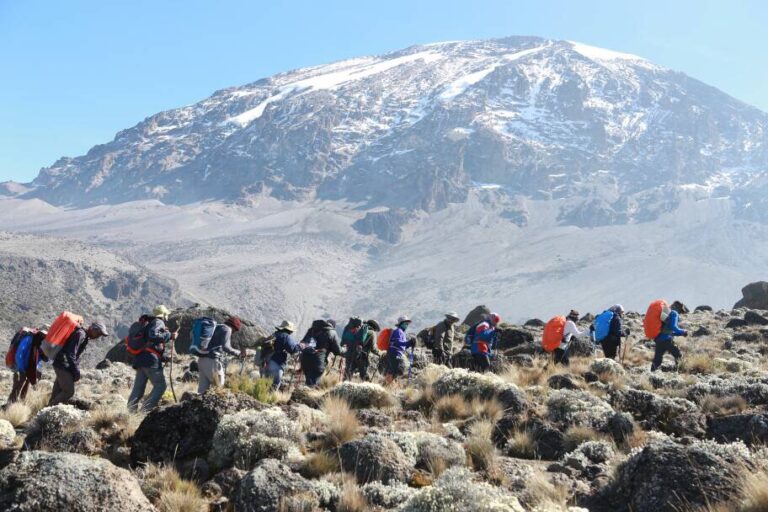
Kilimanjaro Low-Budget Booking Red Flags: Avoid Scams In 2026-2027
Climbing Kilimanjaro on a budget is possible, but requires vigilance. This guide highlights critical red flags to watch out for when booking a low-cost trek, ensuring your 2026-2027...
View package detailsKilimanjaro Group-Climb Mistakes: Avoid Common Pitfalls For A Successful
This guide details common Kilimanjaro group-climb mistakes, offering practical advice for trekkers aiming for a successful summit. Learn about preparation, acclimatization, gear, and...
View package details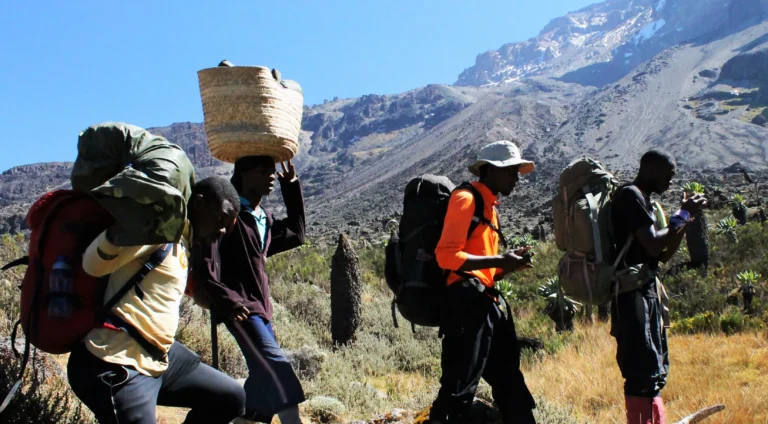
Kilimanjaro Photography Mistakes At High Altitude 2026-2027
Kilimanjaro Photography Mistakes at High Altitude is explained with current 2026-2027 planning, price, itinerary and booking information.
View package details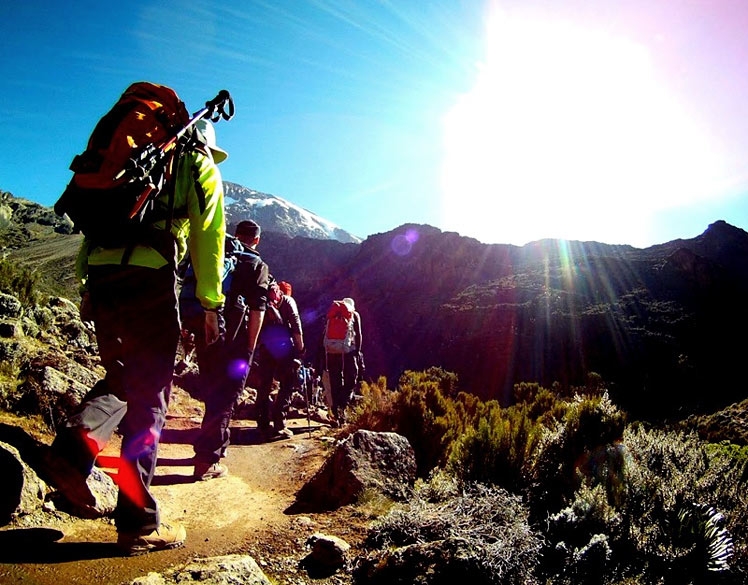
Kilimanjaro Food And Nutrition Mistakes: Avoid These To Summit Successfully
Proper nutrition is crucial for a successful Kilimanjaro climb. This guide details common food and nutrition mistakes climbers make, offering expert advice on what to eat, when to eat it...
View package details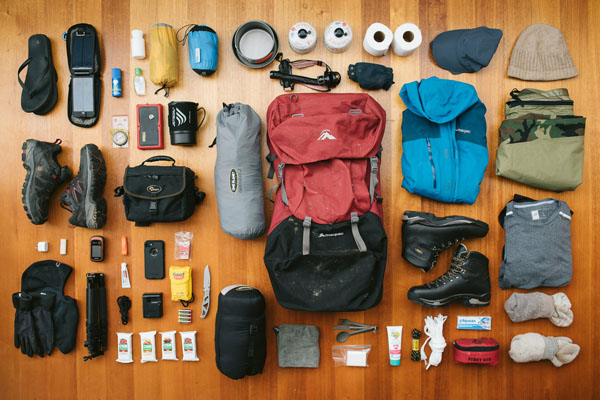
Kilimanjaro Gear-Rental Mistakes To Avoid For Your Climb 2026-2027
Planning a Kilimanjaro climb for 2026 or 2027? Renting gear can save money and hassle, but mistakes are common. This guide details the most frequent errors climbers make when renting...
View package detailsKilimanjaro Tipping Mistakes And Etiquette: A Comprehensive Guide For Climbers
Navigating Kilimanjaro tipping can be confusing. This guide details common mistakes and proper etiquette for tipping your support crew, ensuring fair compensation and a positive experience...
View package details
Kilimanjaro Insurance Mistakes To Avoid For A Safe Climb In 2026-2027
Climbing Mount Kilimanjaro is a dream for many, but overlooking proper insurance can turn an incredible adventure into a costly disaster. This guide details the most common Kilimanjaro...
View package detailsNo related package matches those filters. Clear one or more filters to see the other topic-matched options.



