
Climbing Kilimanjaro after knee surgery is achievable for many individuals, provided they undergo thorough medical clearance, engage in dedicated pre-climb physical conditioning tailored to their recovery, choose an appropriate route, and select a reputable tour operator like Top Guide Adventures that prioritizes safety and support. Success hinges on a well-managed recovery, a gradual return to strenuous activity, and a realistic assessment of personal capabilities, with many climbers successfully reaching Uhuru Peak in 2026 and planning for 2027.

Assessing Your Readiness: Kilimanjaro Climb Post Knee Surgery
The allure of standing atop Africa’s highest peak, Mount Kilimanjaro, is powerful. For those who have undergone knee surgery, this dream might seem distant, but it’s often within reach with careful planning and execution. The crucial first step in considering a Kilimanjaro climb after knee surgery is a frank and detailed discussion with your orthopedic surgeon and physical therapist. They are your primary resource for understanding the specifics of your surgery, the expected recovery timeline, and any potential limitations or risks associated with high-altitude trekking and strenuous ascents.
Your medical team will evaluate factors such as the type of surgery performed (e.g., ACL reconstruction, meniscus repair, total knee replacement), the success of the surgery, the degree of your rehabilitation, and your current physical condition. They can provide guidance on whether undertaking such a demanding trek is medically advisable and what specific precautions you should take. For many, especially with modern surgical techniques and dedicated rehabilitation, a Kilimanjaro climb is a realistic goal within a reasonable recovery period, often aiming for treks in late 2026 or early 2027.
Key Medical Considerations for Post-Surgery Trekkers
- Surgeon’s Clearance: This is non-negotiable. Without explicit medical approval, attempting the climb is ill-advised.
- Rehabilitation Progress: Your knee should have regained a significant amount of strength, flexibility, and stability. You should be able to walk for extended periods, climb stairs without pain, and perform exercises mimicking trekking movements.
- Pain Management: Chronic pain or instability in the knee is a major red flag. You should be largely pain-free during daily activities.
- Swelling and Inflammation: Persistent swelling or inflammation indicates that the knee is not yet ready for the stresses of a multi-day trek.
- Altitude Effects: While not directly related to the surgery, the effects of altitude can exacerbate existing physical issues. Your doctor can advise on potential risks.
A common recommendation is to wait at least 6-12 months post-surgery before attempting a Kilimanjaro climb, but this is highly individualized. Some may be cleared sooner, while others may require longer. The goal is to ensure your knee is robust enough to handle the prolonged downhill trekking, uneven terrain, and significant ascents and descents involved in a Kilimanjaro climb. For those planning for 2026-2027, beginning this assessment process well in advance is paramount.
The Importance of Tailored Physical Preparation
Once you have medical clearance, the next critical phase is preparing your body, with a special focus on your knee. Standard Kilimanjaro training programs need to be adapted to accommodate your surgical recovery. This means working closely with your physical therapist to develop a progressive exercise regimen that strengthens the muscles supporting your knee (quadriceps, hamstrings, glutes, calves) and improves balance and proprioception.
Specific Training Regimen Components
- Strengthening Exercises: Focus on exercises like squats (modified as needed), lunges, step-ups, hamstring curls, and calf raises. Gradually increase weight and repetitions as your knee allows.
- Cardiovascular Fitness: Engage in low-impact aerobic activities such as swimming, cycling (stationary bike is often best initially), and elliptical training. These build endurance without excessive stress on the knee.
- Balance and Proprioception: Exercises like single-leg stands, wobble board training, and yoga can significantly improve your knee’s stability and your ability to react to uneven surfaces.
- Hiking Simulation: As your knee heals and strengthens, begin incorporating hiking into your routine. Start with short, relatively flat trails and gradually increase the duration, elevation gain, and difficulty. Use trekking poles early on to learn how to use them effectively and reduce load on your knees, especially on descents.
- Downhill Training: Descending Kilimanjaro puts more stress on the knees than ascending. Practice descending steep hills, focusing on controlled movements and using trekking poles.
It’s vital to listen to your body throughout this preparation phase. Pushing too hard too soon can lead to setbacks. If you experience pain or swelling, reduce the intensity or duration of your activity and consult your physical therapist. The aim is to build resilience and confidence in your knee’s ability to handle the demands of the climb. This rigorous preparation is key for anyone contemplating a Kilimanjaro climb after knee surgery, especially when looking at travel dates in 2026 or 2027.
Choosing the Right Kilimanjaro Route for Knee Recovery
Not all Kilimanjaro routes are created equal, and for someone recovering from knee surgery, the choice of route can significantly impact comfort, safety, and success. The ideal route will be one that offers a gradual ascent, well-maintained trails, and sufficient acclimatization time, minimizing the risk of falls and excessive strain on your knee.
Recommended Routes and Why
- Machame Route: Often called the “Whiskey Route,” Machame is popular for its scenic beauty and excellent acclimatization profile. It’s a longer route (7 days or more), allowing for a more gradual ascent. While it has some steeper sections, its overall design is conducive to better acclimatization, which can indirectly help manage physical exertion. The trails are generally well-trodden.
- Lemosho Route: Similar to Machame, Lemosho is known for its stunning scenery and excellent acclimatization. It’s typically trekked over 7-8 days, providing ample time to adjust to the altitude. It offers a more remote and less crowded experience initially.
- Marangu Route: Known as the “Coca-Cola Route,” Marangu is the oldest and most direct route. It’s the only route that uses dormitory-style huts instead of camping. While shorter (5-6 days), its steeper ascent profile means less time for acclimatization, which might be a concern for some post-surgery trekkers. However, the huts offer a more comfortable resting environment.
Routes to Approach with Caution
- Northern Circuit: While offering the best acclimatization and highest success rates due to its 9+ day duration, parts of the terrain can be challenging and require good stamina.
- Rongai Route: This route approaches from the north, offering a different landscape. It’s generally less crowded and can be good for acclimatization, but some sections can be rocky.
For a Kilimanjaro climb after knee surgery, prioritizing longer routes (7 days or more) is highly recommended. These routes provide more time for your body to adapt to the altitude and reduce the daily physical demands, giving your knee more time to recover and adjust. Top Guide Adventures can provide expert advice on selecting the route that best suits your specific recovery status and fitness level for your 2026 or 2027 trek.
Essential Gear and Equipment for Knee Support
Proper gear is crucial for any Kilimanjaro trek, but for those with a history of knee surgery, certain items become even more important. Investing in the right equipment can provide necessary support, enhance comfort, and reduce the strain on your knee.
Key Gear Recommendations
- Supportive Hiking Boots: Choose well-broken-in, waterproof hiking boots with excellent ankle support and good cushioning. Ensure they fit perfectly to avoid blisters and pressure points. Some individuals might benefit from boots with a slightly stiffer sole.
- Trekking Poles: These are indispensable. High-quality, adjustable trekking poles (preferably two) distribute your weight, reduce the load on your knees by up to 25% on descents, improve balance, and help you navigate uneven terrain.
- Knee Brace or Support: Discuss with your doctor or physical therapist whether a specific knee brace or compression sleeve is appropriate for you during the climb. Some find them helpful for added stability and proprioception, while others may find them restrictive.
- Moisture-Wicking Socks: Wear multiple pairs of high-quality wool or synthetic socks to prevent blisters and manage moisture, which is critical for foot and knee comfort.
- Comfortable Clothing: Layering is key. Ensure your base layers, mid-layers, and outer shell are comfortable and allow for a full range of motion. Avoid tight clothing that could restrict circulation or irritate surgical sites.
- Waterproof Outerwear: Essential for protection against rain and wind, which can make the trek more challenging and potentially aggravate joint pain.
Top Guide Adventures can provide a detailed packing list tailored to your chosen route and the time of year. Ensuring you have the right gear is a fundamental part of planning a successful Kilimanjaro climb after knee surgery, particularly for expeditions planned for 2026-2027.
The Role of Acclimatization and Pace
Altitude sickness (Acute Mountain Sickness – AMS) is a significant concern on Kilimanjaro, and its symptoms can be exacerbated by pre-existing physical conditions. Proper acclimatization and maintaining a slow, steady pace are paramount for all climbers, but especially for those recovering from knee surgery.
Pace: “Pole Pole” (Slowly, Slowly)
The Swahili phrase “pole pole” is the mantra of Kilimanjaro climbers for a reason. It means to go slowly and steadily. This approach allows your body to adapt to the decreasing oxygen levels at higher altitudes. For someone with a recovering knee, a slow pace is even more critical:
- Reduces Fatigue: A slower pace conserves energy, which is vital for managing any discomfort or weakness in your knee.
- Improves Balance: Moving slowly allows for more deliberate foot placement, reducing the risk of slips and falls on uneven terrain, a major concern for knee stability.
- Minimizes Strain: It prevents sudden bursts of exertion that could put undue stress on your knee joint.
Acclimatization Strategy
The principle of “climb high, sleep low” is central to effective acclimatization. Longer routes naturally facilitate this. The slower ascent pace inherent in routes like Machame or Lemosho allows your body more time to adjust:
- Gradual Ascent: Increasing altitude incrementally over several days is the safest way to acclimatize.
- Hydration: Drinking plenty of water (3-4 liters per day) helps your body adjust to the altitude and prevents dehydration, which can worsen AMS symptoms.
- Monitoring Symptoms: Be vigilant for any signs of AMS, such as headaches, nausea, dizziness, or fatigue. Communicate any symptoms immediately to your guide. While AMS doesn’t directly impact your knee, severe AMS can compromise your overall physical state, making any pre-existing condition more problematic.
For a successful Kilimanjaro climb after knee surgery, adherence to “pole pole” and prioritizing a route with a strong acclimatization profile is non-negotiable. This strategy is essential for trekkers aiming for expeditions in 2026 and 2027.
The Summit Night: A Special Challenge
Summit night is the most demanding part of any Kilimanjaro climb. It involves starting in the early hours of the morning (around midnight), trekking through the night in cold, dark conditions, and ascending steeply to Uhuru Peak for sunrise. For someone who has undergone knee surgery, this stage requires extra caution and preparation.
Preparing for Summit Night
- Rest and Nutrition: Ensure you get as much rest as possible in the days leading up to summit night. Eat well at dinner and consider taking a light, easily digestible meal before you start.
- Warmth: Layer up extensively. Cold can make joints stiff and increase discomfort. Ensure your extremities are well-protected.
- Headlamp: A reliable, bright headlamp is essential for navigating the terrain safely in the dark.
- Pacing: Maintain your “pole pole” pace. The incline is steep, and the altitude is highest. Use your trekking poles effectively.
- Mental Fortitude: Summit night is as much a mental challenge as a physical one. Draw on your preparation and determination.
- Listen to Your Knee: Pay close attention to any signals from your knee. If you experience sharp pain or instability, communicate this to your guide immediately.
Decision Making on Summit Night
The decision to continue to the summit or turn back rests on a combination of factors: your overall physical condition, your knee’s performance, and the symptoms of altitude sickness. Your guide’s assessment is crucial here. They are trained to monitor climbers and make safety decisions. For a Kilimanjaro climb after knee surgery, it is vital to have a realistic mindset. Reaching Stella Point (the crater rim) is a significant achievement. If your knee is causing severe pain or instability, or if you are experiencing significant altitude sickness, turning back from Stella Point or even further down is a wise and often necessary decision. The goal is a safe and memorable experience, not necessarily reaching the absolute summit at any cost.
For those planning their 2026 or 2027 summit bid, understanding the unique challenges of summit night and communicating openly with your guide about your knee’s condition is key to a positive outcome.
The Descent: A Critical Phase for Your Knee
Often underestimated, the descent from Kilimanjaro can be more taxing on the knees than the ascent. The constant impact of downhill walking, especially on rocky and uneven trails, puts significant stress on the knee joint. For someone recovering from knee surgery, this phase requires careful management.
Strategies for a Safer Descent
- Trekking Poles are Essential: Utilize your trekking poles extensively. Plant them firmly to absorb impact and maintain balance. Adjust them to the correct length for downhill walking.
- Controlled Steps: Avoid long strides. Take shorter, more controlled steps. Look ahead to identify stable footing.
- Mindful Braking: Use your poles and careful foot placement to control your speed. Leaning back slightly can help, but avoid overdoing it, which can strain your back.
- Listen to Your Knee: If you start to feel pain or fatigue in your knee, slow down further. Take short breaks if needed.
- Hydration and Nutrition: Continue to stay hydrated and fuel your body properly, as fatigue can lead to less careful movement.
- Consider the Route: Routes with more gradual descents (like the lower sections of Machame or Lemosho) can be more forgiving than those with very steep, scree-filled slopes.
The descent is where many knee issues arise, even for experienced trekkers. For a Kilimanjaro climb after knee surgery, this phase is particularly critical. Proper preparation, the right gear (especially trekking poles and supportive boots), and a conscious effort to manage your descent pace are vital for protecting your knee and ensuring a safe finish to your climb. This advice is crucial for anyone planning their 2026 or 2027 trek.
Post-Climb Recovery and Rehabilitation
Completing a Kilimanjaro climb is a monumental achievement, especially after knee surgery. However, your journey doesn’t end at the summit or the base camp. Post-climb recovery is essential to ensure your knee continues to heal and to prevent long-term issues.
Immediate Post-Climb Care
- Rest: Allow your body ample rest immediately following the climb. Avoid strenuous activities for at least a week, or as advised by your doctor.
- Gentle Movement: Engage in light, low-impact activities like gentle walking or swimming to maintain circulation and prevent stiffness.
- Monitor for Pain/Swelling: Keep an eye on your knee for any increased pain, swelling, or discomfort.
- Hydration and Nutrition: Continue to focus on good hydration and a balanced diet to support your body’s recovery processes.
Long-Term Rehabilitation
You may need to return to your physical therapist for a post-climb assessment. They can help you:
- Assess Recovery: Determine how your knee has responded to the demands of the climb.
- Adjust Exercises: Modify your rehabilitation exercises based on your climbing experience.
- Prevent Future Issues: Develop strategies to prevent potential long-term problems related to the increased stress on your knee.
A successful Kilimanjaro climb after knee surgery should be followed by a thoughtful recovery period. This ensures that the significant effort invested in both your surgery recovery and the climb itself leads to lasting positive outcomes for your knee health. This is a crucial consideration for anyone looking to climb in 2026 or 2027.
Working with a Reputable Tour Operator: Top Guide Adventures
Choosing the right tour operator is paramount when planning a Kilimanjaro climb, and it becomes even more critical when you have specific health considerations like recovering from knee surgery. Top Guide Adventures is dedicated to providing safe, supportive, and memorable trekking experiences, with a keen understanding of the unique needs of our clients.
Why Choose Top Guide Adventures for Your Post-Surgery Climb?
- Experienced Guides: Our guides are highly experienced, trained in first aid, and knowledgeable about the mountain and its conditions. They are adept at assessing climber well-being and can provide guidance on pacing and safety, especially for trekkers with specific needs.
- Personalized Support: We pride ourselves on offering personal attention and dedicated support. We encourage open communication about any health concerns, allowing us to tailor our support accordingly.
- Safety First Approach: Your safety is our top priority. We ensure our climbing teams are well-equipped, and our guides are trained to manage potential risks, including those related to physical conditions.
- Route Expertise: We can offer informed advice on the best routes for individuals based on their fitness, acclimatization needs, and any physical limitations, ensuring your Kilimanjaro climb after knee surgery is on the most suitable path.
- Comprehensive Packages: Our packages are designed to be comprehensive, covering essential logistics and support, allowing you to focus on your climb and recovery.
When planning your Kilimanjaro adventure for 2026 or 2027, partnering with a trusted operator like Top Guide Adventures means you have a dedicated team focused on making your dream a reality, safely and effectively. We understand the commitment involved in climbing Kilimanjaro after knee surgery and are here to support you every step of the way.
Making Your 2026-2027 Kilimanjaro Dream a Reality
The decision to attempt a Kilimanjaro climb after knee surgery is a significant one, requiring careful consideration, thorough preparation, and unwavering determination. It’s a journey that tests your physical and mental resilience, but the rewards – the incredible views, the sense of accomplishment, and the personal triumph – are immense.
By following these guidelines – prioritizing medical clearance, engaging in tailored physical training, selecting the right route, using appropriate gear, respecting the pace and acclimatization, and understanding the challenges of summit night and descent – you significantly increase your chances of a successful and safe climb. For those looking ahead to 2026 and 2027, now is the time to start planning.
Top Guide Adventures is committed to helping you achieve your Kilimanjaro dream. We offer expert guidance, reliable support, and a passion for creating unforgettable adventures. We invite you to connect with us to discuss your specific situation and how we can help you prepare for an incredible Kilimanjaro climb after knee surgery.
Ready to take the first step? Contact us today:
- WhatsApp: +255616946642
- Email: topguideadventures@gmail.com
- Backup Email: info@topguideadventures.com
Let’s make your 2026-2027 Kilimanjaro adventure a reality. Explore our services and begin planning your ascent with confidence.
Check Availability for Kilimanjaro Climb After Knee Surgery: Your Expert Guide For 2026-2027
Ready to compare dates, prices, and the best option for your group? Send the package name and travel month so the team can reply with a clear quote, availability, and what is included.
Kilimanjaro Climb After Mount Meru: A Comprehensive Guide For 2026-2027
Discover the strategic advantages and practical considerations of climbing Mount Kilimanjaro immediately following a trek up Mount Meru. This comprehensive guide is designed for adventurers...
View package details
Kilimanjaro Cultural Tour While Friends Climb: Experience Tanzanias Heart
Discover the perfect way to experience Tanzania's vibrant culture and landscapes while your friends conquer Mount Kilimanjaro. This guide explores in-depth cultural tours designed to...
View package details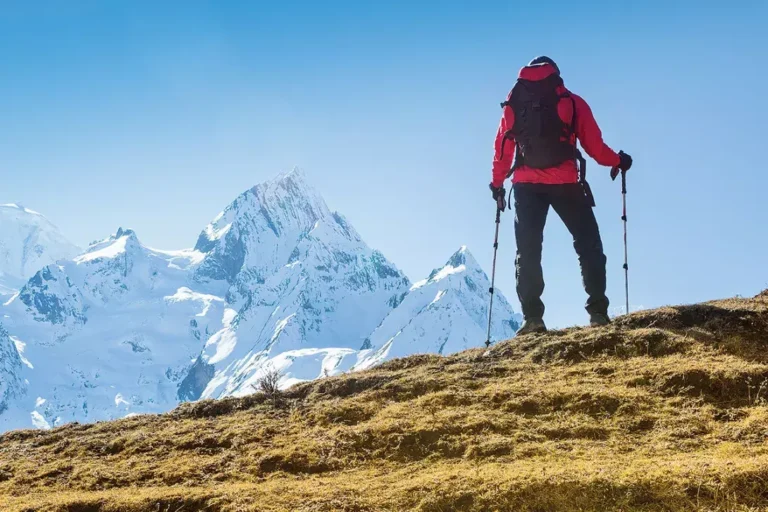
Kilimanjaro Support Package For Mixed-Ability Groups: Expert Guidance Climbs
Top Guide Adventures offers specialized Kilimanjaro support packages designed for mixed-ability groups, ensuring a safe and successful climb for everyone in 2026 and 2027. This...
View package details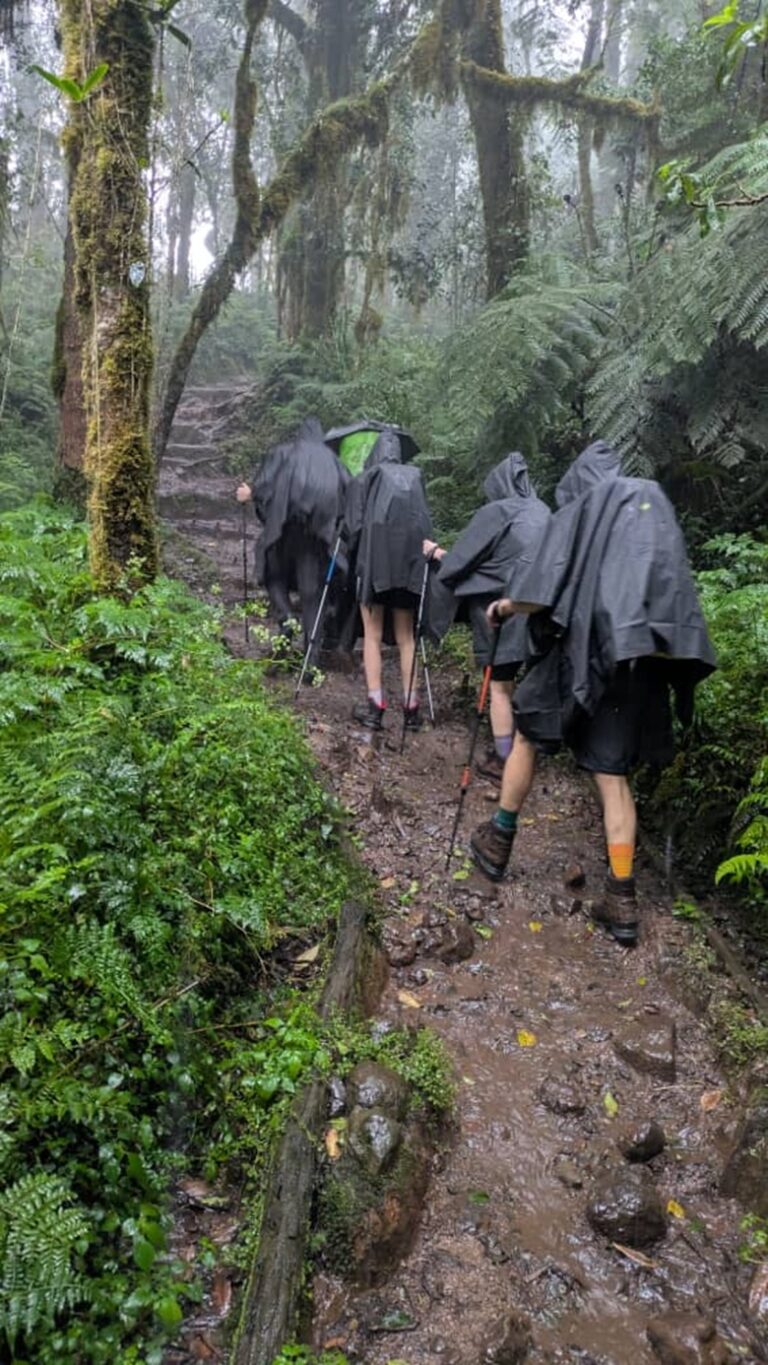
Kilimanjaro Foothills Tour For Non-Climbers: Experience The Majesty Without
Explore the impressive Kilimanjaro foothills on a specialized tour designed for those who prefer to experience the mountain's grandeur without undertaking a strenuous climb. Discover local...
View package details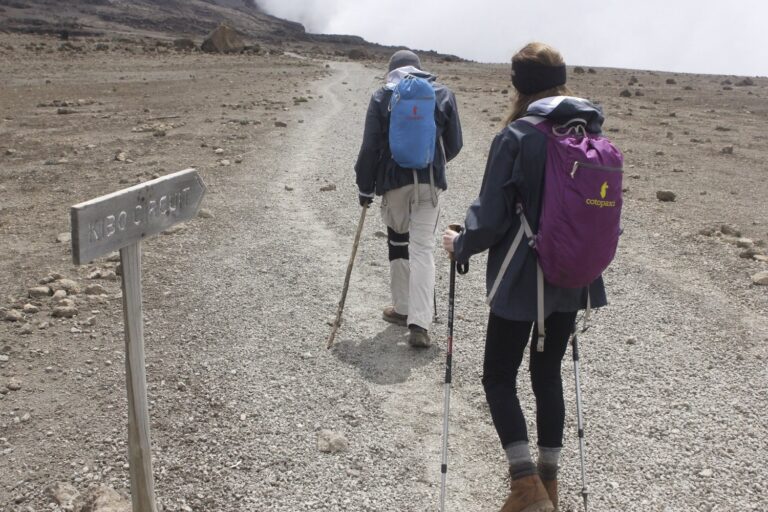
Kilimanjaro Climb For Travellers With Chronic Conditions: Your Expert Guide
Climbing Mount Kilimanjaro with a chronic condition is achievable with meticulous planning and the right guidance. This comprehensive guide addresses the unique considerations for travelers...
View package details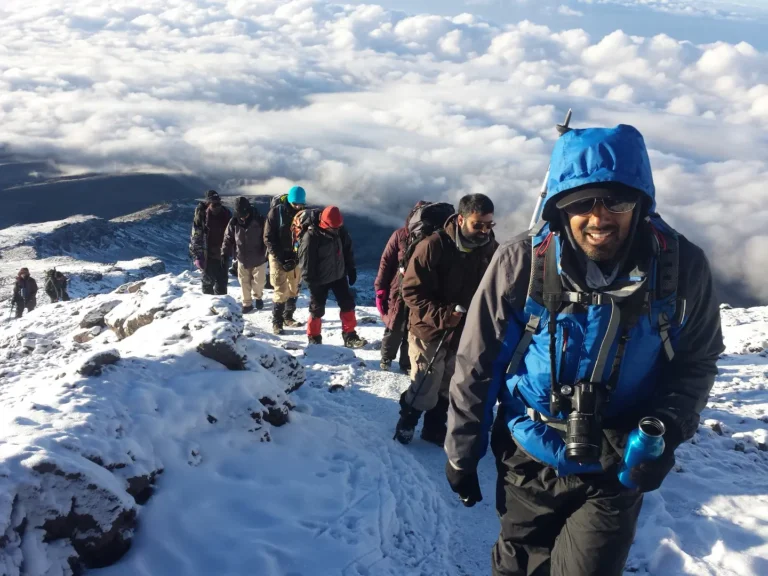
Kilimanjaro Climb For Cancer Survivors: A Journey Of Resilience In 2026-2027
A Kilimanjaro climb offers a profound challenge and a symbol of triumph for cancer survivors. This guide details how to prepare, choose routes, and find the right support for an...
View package details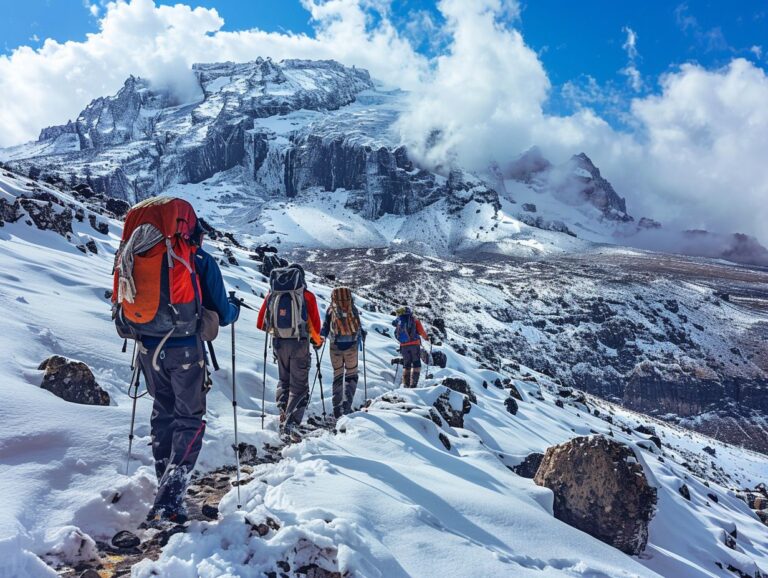
Kilimanjaro Climb With A Prosthetic Limb 2026-2027
Kilimanjaro Climb with a Prosthetic Limb is explained with current 2026-2027 planning, price, itinerary and booking information.
View package detailsKilimanjaro Climb With A Sign-Language Interpreter 2026-2027
Kilimanjaro Climb with a Sign-Language Interpreter is explained with current 2026-2027 planning, price, itinerary and booking information.
View package details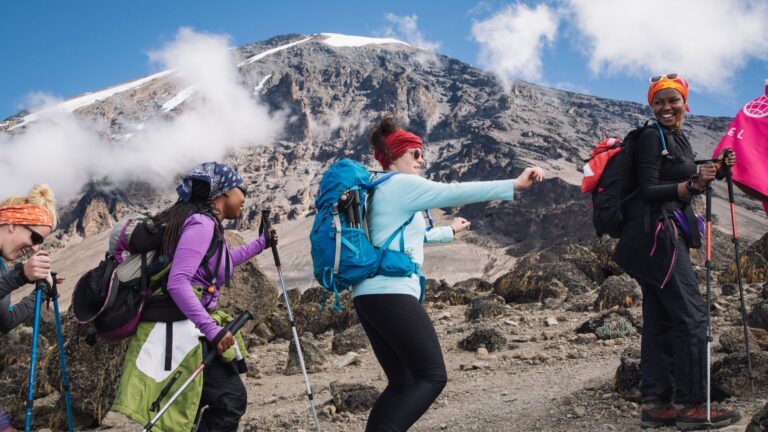
Kilimanjaro Climb With A Swahili-Speaking Guide: Your Essential Top Adventures
Ascend Mount Kilimanjaro with Top Guide Adventures, led by experienced Swahili-speaking guides. This comprehensive guide covers everything you need to know for a successful climb in...
View package details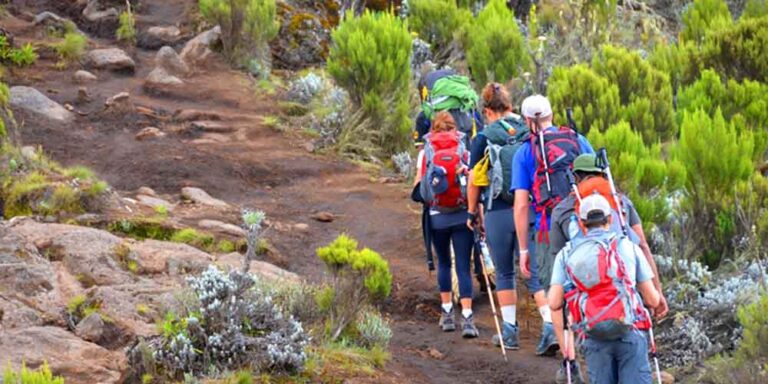
Kilimanjaro Climb With A Hindi-Speaking Guide 2026-2027
Kilimanjaro Climb with a Hindi-Speaking Guide is explained with current 2026-2027 planning, price, itinerary and booking information.
View package details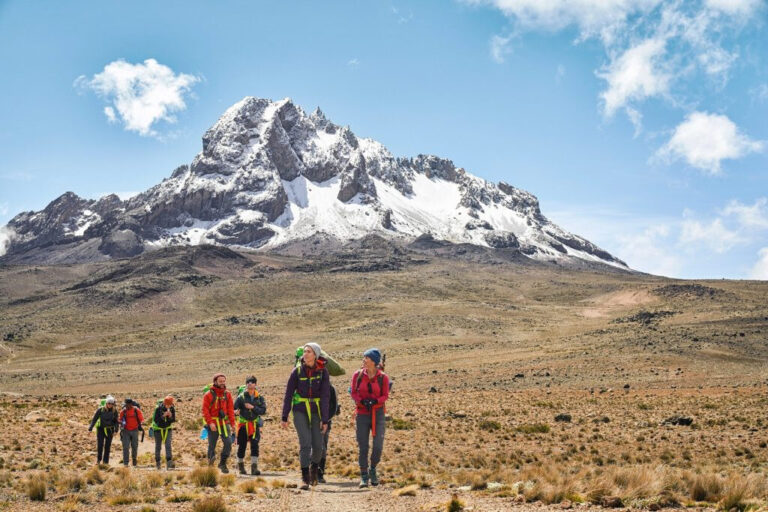
Kilimanjaro Climb With A Hebrew-Speaking Guide: Your Adventure 2026-2027
Discover how to arrange a Kilimanjaro climb with a Hebrew-speaking guide, ensuring a comfortable and culturally connected experience for Israeli hikers planning their 2026-2027 adventure...
View package details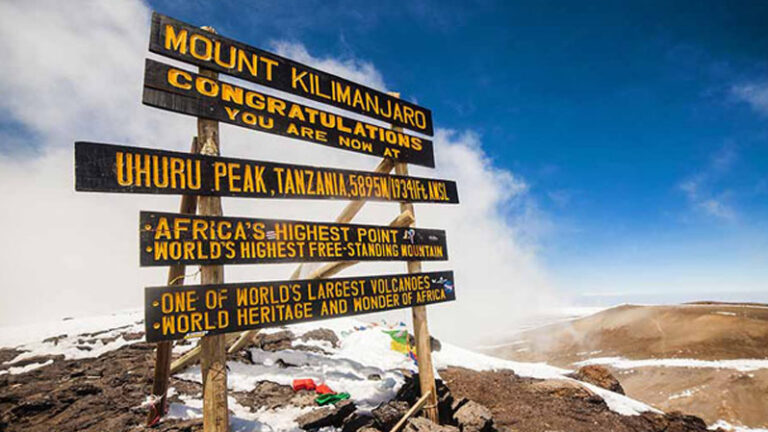
Kilimanjaro Climb With A Korean-Speaking Guide 2026-2027
Kilimanjaro Climb with a Korean-Speaking Guide is explained with current 2026-2027 planning, price, itinerary and booking information.
View package detailsNo related package matches those filters. Clear one or more filters to see the other topic-matched options.



