
Embarking on a Kilimanjaro climb with a dedicated sign-language interpreter is fully possible and increasingly popular for Deaf and hard-of-hearing adventurers looking to conquer Africa’s highest peak. Top Guide Adventures provides specialized services to ensure smooth communication, safety, and an unforgettable experience on Kilimanjaro, with options available for planning and booking throughout 2026 and 2027. This service involves carefully selecting experienced guides proficient in sign language or arranging for a qualified interpreter to accompany your expedition, ensuring all instructions, briefings, and personal needs are clearly understood throughout the trek.
Making Kilimanjaro Accessible: The Rise of Sign-Language Interpreted Treks
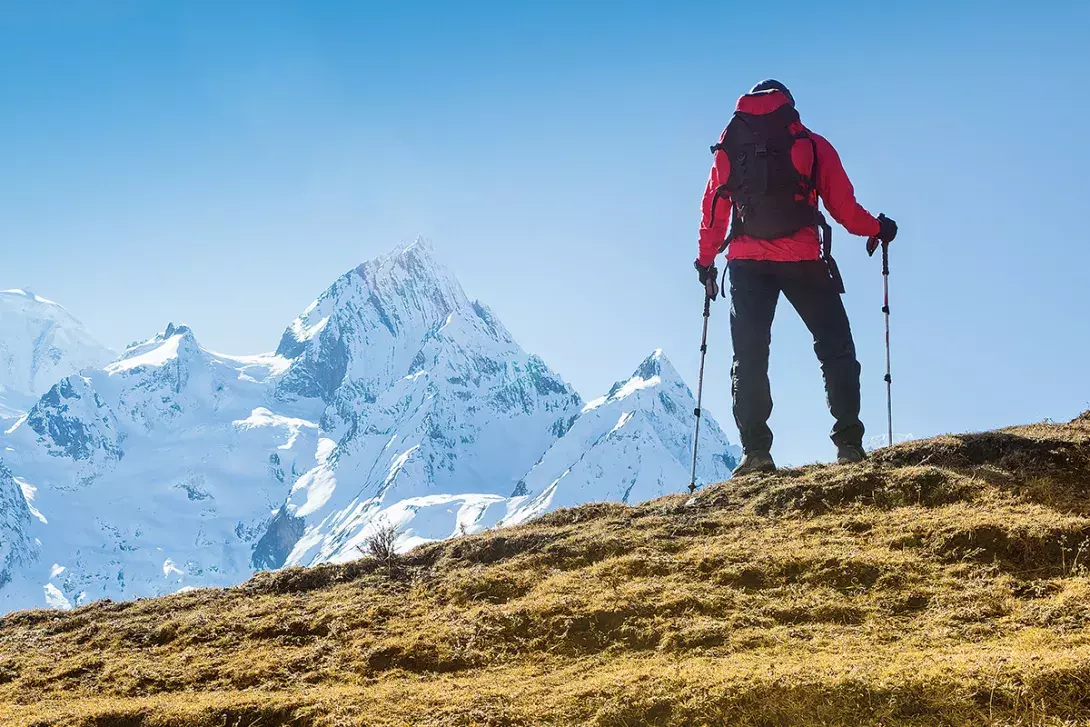
Mount Kilimanjaro, a dormant volcano in Tanzania, stands as a majestic challenge and a bucket-list aspiration for trekkers worldwide. Its summit, Uhuru Peak, reaches an impressive 5,895 meters (19,341 feet) above sea level, offering impressive views and a profound sense of accomplishment. Historically, the communication barrier presented a significant hurdle for Deaf and hard-of-hearing individuals wishing to undertake such an expedition. However, with advancements in accessibility services and a growing commitment from specialized tour operators like Top Guide Adventures, climbing Kilimanjaro with a sign-language interpreter is no longer a distant possibility but a tangible reality for 2026 and 2027 expeditions.
A Kilimanjaro climb with a sign-language interpreter is meticulously planned to bridge the communication gap. This isn’t just about having someone present; it’s about ensuring that every aspect of the climb – from pre-trek briefings and daily safety checks to understanding the nuances of acclimatization and enjoying the cultural interactions along the way – is fully accessible. Top Guide Adventures understands the unique needs of these trekkers and is dedicated to providing a supportive and inclusive environment. By arranging for skilled interpreters, we ensure that every climber can fully engage with their guides, porters, and the incredible journey itself, making their Kilimanjaro adventure safe, meaningful, and truly empowering.
Why Choose a Sign-Language Interpreter for Your Kilimanjaro Climb?
The decision to climb Kilimanjaro is significant, and for Deaf or hard-of-hearing individuals, ensuring effective communication is paramount to safety, enjoyment, and overall success. A professional sign-language interpreter on your Kilimanjaro expedition offers several critical advantages:
- Enhanced Safety: Clear and immediate understanding of instructions from guides regarding trail conditions, weather changes, altitude sickness symptoms, and emergency procedures is vital. An interpreter ensures no critical safety information is missed.
- Improved Communication: Beyond safety, interpreters facilitate deeper engagement with the guides and support crew. This allows for better understanding of the mountain’s environment, local culture, and the personal experience of the trek.
- Reduced Stress and Anxiety: Knowing that communication is handled effectively alleviates potential stress and anxiety associated with navigating a challenging environment with a hearing impairment. This allows the climber to focus on the physical and mental aspects of the trek.
- Personalized Support: An interpreter can relay personal needs, comfort levels, and any concerns directly to the expedition leader, ensuring a tailored experience that addresses the individual climber’s specific requirements.
- Inclusive Experience: It ensures that the Deaf or hard-of-hearing climber is not just a passive participant but an actively engaged member of the expedition team, sharing in all aspects of the journey equally.
Top Guide Adventures recognizes that a successful Kilimanjaro climb with a sign-language interpreter hinges on the quality of both the guiding team and the interpreter. We work with experienced guides who understand the mountain and trekkers’ needs, and we partner with professional interpreters who are not only fluent in the required sign language (typically Tanzanian Sign Language, or TSL, and American Sign Language, ASL, if the client prefers) but also have experience in remote or challenging environments.
Understanding the Role of the Interpreter on Kilimanjaro
The role of a sign-language interpreter on a Kilimanjaro trek is multifaceted and crucial. They are not merely translators but facilitators of communication, safety, and experience. Here’s a breakdown of their responsibilities:
Key Responsibilities of a Sign-Language Interpreter on Kilimanjaro:
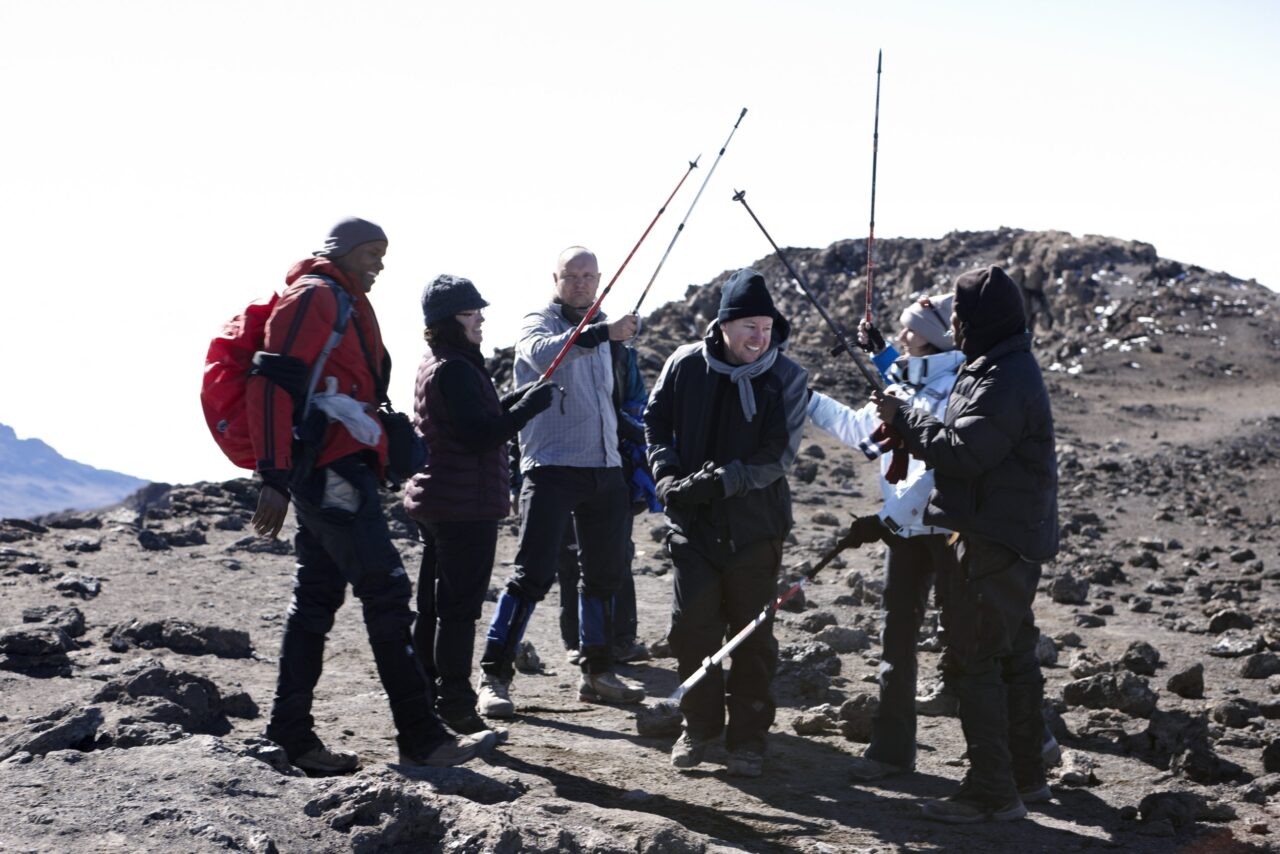
- Facilitating Guide-Climber Communication: Relaying all instructions, advice, and information from the lead guide and assistant guides to the Deaf or hard-of-hearing climber in their preferred sign language. This includes daily briefings on the route, weather, and estimated time of arrival.
- Relaying Climber’s Input: Translating the climber’s questions, concerns, or statements about their well-being (e.g., symptoms of altitude sickness, fatigue, hunger, thirst) to the guides and medical personnel.
- Emergency Situations: Ensuring rapid and accurate communication during any emergency, medical event, or unexpected change in conditions. This is arguably the most critical function.
- Camp Life and Logistics: Assisting with communication during meal times, setting up camp, and any other logistical aspects that require interaction with the support crew.
- Cultural Exchange: Helping the climber understand and participate in any informal interactions with guides, porters, or local people they might encounter.
- Advocacy: Acting as a liaison to ensure the climber’s needs are met and that they are fully integrated into the group’s experience.
For a Kilimanjaro climb with a sign-language interpreter to be successful, the interpreter must be physically fit enough to handle the demands of the trek, including high altitudes and long trekking days. They must also possess excellent interpersonal skills and a deep understanding of the ethical guidelines for interpreters, maintaining confidentiality and impartiality.
Choosing the Right Kilimanjaro Route for Your Accessible Trek
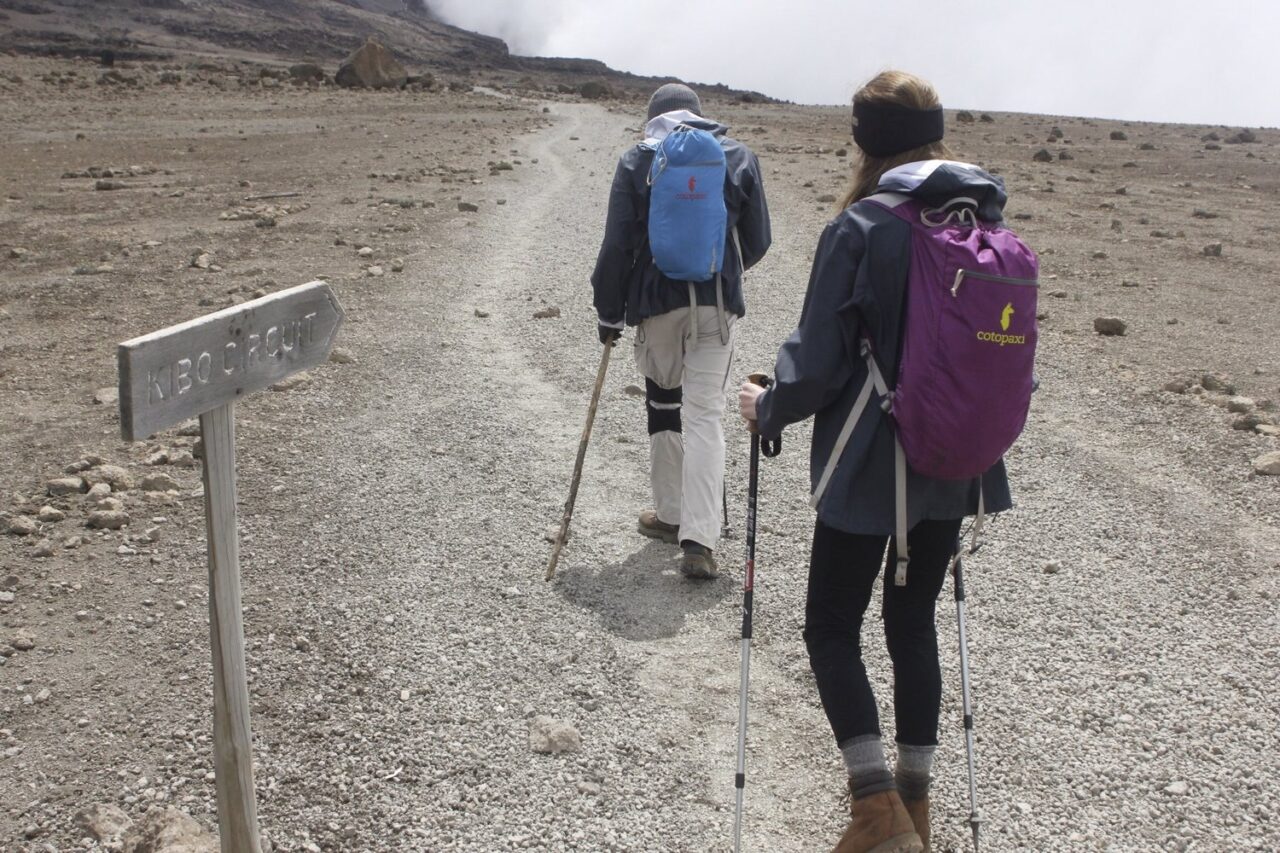
Kilimanjaro offers several routes, each with its own characteristics in terms of difficulty, scenery, and acclimatization profile. When planning an accessible climb with a sign-language interpreter, the choice of route is important. While any route can technically be adapted, some are better suited due to their gradual ascent and established infrastructure. Top Guide Adventures can help you select the ideal route based on your fitness, experience, and specific needs for communication accessibility.
Popular Kilimanjaro Routes and their Suitability for Accessible Treks:
The following routes are commonly recommended, with considerations for accessibility:
Marangu Route (Coca-Cola Route)
- Duration: 5-7 days
- Description: The oldest and arguably the most straightforward route, often referred to as the “Coca-Cola” route. It’s known for its unique hut accommodations instead of camping and offers a more gentle, albeit less scenic, ascent.
- Accessibility Considerations: The huts provide a comfortable base, and the path is well-maintained. However, its shorter duration can compromise acclimatization, and the less gradual ascent means altitude sickness can still be a significant concern. Communication during daily briefings and within the huts is key.
- Best for: Climbers seeking comfort in accommodation and a potentially shorter trek, provided acclimatization is carefully managed.
Machame Route (Whiskey Route)
- Duration: 6-7 days
- Description: The most popular route, known for its scenic beauty and excellent acclimatization profile due to its “climb high, sleep low” strategy. It involves camping throughout the trek.
- Accessibility Considerations: This route offers better acclimatization, which is crucial for all climbers, including those with interpreters. The daily treks are well-paced, allowing for ample communication opportunities during rests and at campsites. The availability of campsites means the interpreter can help coordinate with the support crew for the climber’s specific needs.
- Best for: Most climbers, especially those prioritizing acclimatization and a scenic experience. It’s an excellent choice for a Kilimanjaro climb with a sign-language interpreter due to its well-defined daily structure.
Lemosho Route
- Duration: 7-8 days
- Description: A longer, more remote, and highly scenic route starting in the west of the mountain. It offers excellent acclimatization and a wilderness experience.
- Accessibility Considerations: The longer duration and more gradual ascent of the Lemosho route are highly beneficial for acclimatization, reducing the risk of altitude sickness. This provides more stability and allows the interpreter to focus on facilitating communication rather than managing potential medical issues. It’s ideal for climbers who want a more relaxed pace and a deeper connection with the mountain environment.
- Best for: Climbers seeking a more remote and scenic experience with superior acclimatization, making it very suitable for an accessible trek.
Shira Route
- Duration: 7-8 days
- Description: Similar to Lemosho, starting at a higher altitude in the west. It offers stunning views and good acclimatization.
- Accessibility Considerations: Starting at a higher elevation means immediate acclimatization is crucial. The longer duration aids this. The interpreter’s role in monitoring the climber’s response to the initial high altitude is vital.
- Best for: Experienced trekkers who are comfortable with higher starting altitudes and seek a scenic, well-rounded climb.
Rongai Route
- Duration: 6-7 days
- Description: The only route that approaches Kilimanjaro from the north. It’s generally drier and less crowded, offering a different perspective.
- Accessibility Considerations: Its gentler slope on the approach is good for acclimatization. It’s a less trafficked route, which might mean fewer spontaneous interactions, making the interpreter’s role in facilitating group cohesion and communication even more important.
- Best for: Climbers seeking a less crowded experience and a good acclimatization profile, particularly during the wetter seasons.
When planning your Kilimanjaro climb with a sign-language interpreter for 2026 or 2027, discussing these route options with Top Guide Adventures is essential. We can tailor the itinerary to ensure the best possible experience, considering factors like daily trekking distances, acclimatization pace, and the specific communication needs of the climber.
Preparing for Your Accessible Kilimanjaro Expedition
A successful Kilimanjaro climb requires thorough preparation, and this is even more critical when specialized services like sign-language interpretation are involved. Top Guide Adventures provides comprehensive support to help you prepare for your accessible trek.
Key Preparation Steps for a Kilimanjaro Climb with a Sign-Language Interpreter:
- Medical Consultation: Undergo a thorough medical check-up and discuss your plans with your doctor. Ensure you are fit for high-altitude trekking.
- Fitness Training: Engage in a consistent fitness program focusing on cardiovascular endurance and strength training. Include hiking with a weighted backpack on varied terrain. Aim for at least 3-4 months of preparation.
- Altitude Acclimatization Strategies: Understand the principles of acclimatization. The chosen route’s duration is key, but also consider proper hydration and avoiding overexertion in the initial days.
- Gear Selection: Invest in high-quality, layered clothing suitable for extreme temperature variations. This includes waterproof outer layers, warm mid-layers, thermal base layers, sturdy hiking boots, a warm hat, gloves, and sunglasses. Top Guide Adventures can provide a detailed gear list.
- Mental Preparation: Kilimanjaro is a mental as well as a physical challenge. Prepare for potential discomfort, fatigue, and the psychological demands of high altitude.
- Communication Protocol: Before the trek, have a detailed discussion with Top Guide Adventures and your assigned interpreter about communication preferences, potential challenges, and emergency protocols. Understand the interpreter’s role and how to best work with them.
- Interpreter Specifics: If you have a preferred sign language, ensure the interpreter is proficient. Discuss any specific cultural nuances or communication styles that are important to you.
For those planning a Kilimanjaro climb with a sign-language interpreter in 2026 or 2027, starting your preparation early is highly recommended. This allows ample time for fitness training, gear acquisition, and coordination of the specialized services.
The Importance of Qualified Interpreters and Guides
The success and safety of any Kilimanjaro climb depend heavily on the expertise of the guiding team. For an accessible trek, the quality of the sign-language interpreter is equally vital. Top Guide Adventures prioritizes:
- Certified Guides: Our guides are certified by the Kilimanjaro National Park Authority and possess extensive experience in high-altitude trekking, wilderness first aid, and altitude sickness management.
- Interpreter Qualifications: We partner with professional sign-language interpreters who are certified and experienced. We strive to match interpreters whose skills align with the climber’s specific sign language needs (e.g., ASL, TSL, BSL) and who have a demonstrated ability to work effectively in challenging environments.
- Team Training: Our entire support crew, including porters and cooks, is briefed on the importance of clear communication and respectful interaction with all team members, ensuring a cohesive and supportive atmosphere.
- Interpreter’s Physical Fitness: A crucial aspect is ensuring the interpreter is physically capable of keeping pace with the group and handling the altitude. This is vetted during the booking process.
When you book a Kilimanjaro climb with a sign-language interpreter through Top Guide Adventures, you are investing in a team that understands the nuances of accessible adventure travel. We ensure that the interpreter is not an add-on but an integral part of the expedition team, contributing to a safe and enriching experience for everyone involved.
Costs and Inclusions for Accessible Kilimanjaro Climbs
The cost of a Kilimanjaro climb with a sign-language interpreter will naturally be higher than a standard trek due to the additional specialized personnel required. Top Guide Adventures is transparent about pricing and what is included in our packages.
Typical Inclusions for an Accessible Kilimanjaro Climb:
- Park Fees: All required national park and conservation fees.
- Permits: Climbing and rescue permits.
- Guides and Crew: Professional, experienced mountain guides, assistant guides, porters, and cooks.
- Sign-Language Interpreter: A qualified and experienced sign-language interpreter throughout the trek. This is a primary cost driver.
- Accommodation: Camping equipment (tents, sleeping mats) or hut accommodation (Marangu route).
- Meals: All meals prepared by our chefs on the mountain, including snacks and drinking water.
- Transportation: Round-trip transportation from Moshi to the mountain’s gate and back.
- Safety Equipment: Oxygen cylinders, comprehensive first-aid kit, and emergency evacuation arrangements.
- Base Camp Support: Mess tent, table, chairs, and toilet tent.
Key Cost Factors:
- Interpreter Fees: The cost of employing a professional sign-language interpreter for the duration of the climb is the main additional expense.
- Route Duration: Longer routes generally incur higher costs due to more days of service for the entire crew.
- Group Size: While we can arrange private climbs, joining a small group can sometimes offer cost efficiencies, though interpreter costs are usually per-climber.
- Season: Peak seasons (January-March, June-October) may have slightly higher operational costs.
For detailed pricing and a personalized quote for your 2026 or 2027 Kilimanjaro climb with a sign-language interpreter, please contact us directly. We are committed to providing value and ensuring that the cost reflects the quality of service and the specialized support you receive.
Top Guide Adventures aims to provide competitive pricing without compromising on safety or the quality of the interpreter and guiding team. We understand that planning an accessible adventure involves careful budgeting, and we are here to assist you every step of the way.
Booking Your 2026-2027 Kilimanjaro Climb with a Sign-Language Interpreter
Booking your dream Kilimanjaro climb with Top Guide Adventures is a straightforward process. We encourage early booking, especially for specialized services like a Kilimanjaro climb with a sign-language interpreter, to ensure availability of qualified interpreters and preferred dates for 2026 and 2027.
Steps to Book Your Accessible Kilimanjaro Climb:
- Initial Inquiry: Contact us via WhatsApp (+255616946642) or email (topguideadventures@gmail.com / info@topguideadventures.com) to express your interest. Please specify your need for a sign-language interpreter and your preferred travel dates for 2026 or 2027.
- Consultation: We will schedule a consultation to discuss your requirements, preferred route, duration, and any specific needs regarding sign language.
- Itinerary and Quote: Based on your preferences, we will propose a tailored itinerary and provide a detailed quote, clearly outlining inclusions and the cost of the interpreter.
- Confirmation and Deposit: Once you are satisfied with the proposal, a deposit is required to confirm your booking and secure the interpreter and guiding team.
- Pre-Trip Preparation: We will provide you with comprehensive pre-trip information, including a detailed gear list, training recommendations, and visa/vaccination advice. We will also facilitate communication with your assigned interpreter to ensure smooth coordination.
- Final Payment: The remaining balance is typically due a few weeks before your departure.
Choosing Top Guide Adventures for your Kilimanjaro climb with a sign-language interpreter means partnering with a company that is committed to making your adventure accessible, safe, and unforgettable. We are excited to help you achieve your goal of reaching Uhuru Peak in 2026 or 2027.
Frequently Asked Questions about Accessible Kilimanjaro Treks
Here are some common questions regarding climbing Kilimanjaro with sign-language support:
Q1: How much does it cost to add a sign-language interpreter to a Kilimanjaro climb?
A1: The cost of a sign-language interpreter varies based on their experience, qualifications, and the duration of the trek. It typically adds a significant amount to the overall cost of the climb, often ranging from $150 to $300+ per day, depending on the interpreter’s rates and availability. Top Guide Adventures will provide a precise quote based on your chosen itinerary and dates for 2026-2027.
Q2: What sign language is used on Kilimanjaro?
A2: The primary sign language used in Tanzania is Tanzanian Sign Language (TSL). However, many international Deaf travelers use American Sign Language (ASL) or British Sign Language (BSL). Top Guide Adventures works to source interpreters proficient in the specific sign language required by the client. Please specify your preferred sign language when inquiring for your 2026-2027 climb.
Q3: Is the interpreter a guide?
A3: No, the interpreter is not a mountain guide. They are a communication specialist. The expedition will still have experienced, certified mountain guides responsible for navigation, safety, and the overall management of the trek. The interpreter works alongside the guides to ensure clear communication between the guides and the Deaf or hard-of-hearing climber.
Q4: What happens if the interpreter gets sick or injured?
A4: This is a critical consideration. Top Guide Adventures maintains backup protocols. We ensure interpreters are medically fit before the climb. In the unlikely event of an interpreter becoming incapacitated, we have contingency plans, which may involve adjusting the trek pace, utilizing other team members for basic communication assistance if possible, or initiating emergency evacuation procedures if necessary. This risk is mitigated by careful selection and preparation.
Q5: Can I use my own interpreter?
A5: Yes, in many cases, you can bring your own qualified sign-language interpreter. However, they will still need to meet the physical demands of the climb and be approved by Top Guide Adventures to ensure they can safely participate. Their park fees and support costs would need to be covered, and they would need to adhere to all park regulations and guide instructions.
Q6: What is the best time of year for an accessible Kilimanjaro climb?
A6: The best times for climbing Kilimanjaro are during the dry seasons: January to March and June to October. These periods offer clearer skies and more stable weather, which are beneficial for all trekkers, including those relying on interpreters. Planning your Kilimanjaro climb with a sign-language interpreter for these seasons in 2026 or 2027 is highly recommended.
Beyond the Summit: The Lasting Impact of an Accessible Kilimanjaro Experience
Conquering Kilimanjaro is more than just reaching a summit; it’s a journey of personal growth, resilience, and achievement. For Deaf and hard-of-hearing individuals, completing a Kilimanjaro climb with a sign-language interpreter amplifies this impact. It demonstrates that with the right support and planning, significant physical and adventurous challenges are within reach.
Top Guide Adventures is proud to be at the forefront of making Kilimanjaro accessible. We believe that the experience of standing on the roof of Africa should be available to everyone, regardless of hearing ability. Our commitment is to provide not just a climb, but a truly inclusive and empowering adventure. Whether you are planning for 2026 or 2027, let us help you make your Kilimanjaro dream a reality.
If you are ready to plan your unique Kilimanjaro climb with a sign-language interpreter, or if you have further questions, please do not hesitate to reach out to our dedicated team. We are here to ensure your journey is as smooth and rewarding as possible.
Contact us today:
WhatsApp: +255616946642
Email: topguideadventures@gmail.com
Backup Email: info@topguideadventures.com
Website: Top Guide Adventures
“,
“faq_schema”: [
{
“question”: “How much does it cost to add a sign-language interpreter to a Kilimanjaro climb?”,
“answer”: “The cost of a sign-language interpreter varies based on their experience, qualifications, and the duration of the trek. It typically adds a significant amount to the overall cost of the climb, often ranging from $150 to $300+ per day, depending on the interpreter’s rates and availability. Top Guide Adventures will provide a precise quote based on your chosen itinerary and dates for 2026-2027.”
},
{
“question”: “What sign language is used on Kilimanjaro?”,
“answer”: “The primary sign language used in Tanzania is Tanzanian Sign Language (TSL). However, many international Deaf travelers use American Sign Language (ASL) or British Sign Language (BSL). Top Guide Adventures works to source interpreters proficient in the specific sign language required by the client. Please specify your preferred sign language when inquiring for your 2026-2027 climb.”
},
{
“question”: “Is the interpreter a guide?”,
“answer”: “No, the interpreter is not a mountain guide. They are a communication specialist. The expedition will still have experienced, certified mountain guides responsible for navigation, safety, and the overall management of the trek. The interpreter works alongside the guides to ensure clear communication between the guides and the Deaf or hard-of-hearing climber.”
},
{
“question”: “What happens if the interpreter gets sick or injured?”,
“answer”: “This is a critical consideration. Top Guide Adventures maintains backup protocols. We ensure interpreters are medically fit before the climb. In the unlikely event of an interpreter becoming incapacitated, we have contingency plans, which may involve adjusting the trek pace, utilizing other team members for basic communication assistance if possible, or initiating emergency evacuation procedures if necessary. This risk is mitigated by careful selection and preparation.”
},
{
“question”: “Can I use my own interpreter?”,
“answer”: “Yes, in many cases, you can bring your own qualified sign-language interpreter. However, they will still need to meet the physical demands of the climb and be approved by Top Guide Adventures to ensure they can safely participate. Their park fees and support costs would need to be covered, and they would need to adhere to all park regulations and guide instructions.”
},
{
“question”: “What is the best time of year for an accessible Kilimanjaro climb?”,
“answer”: “The best times for climbing Kilimanjaro are during the dry seasons: January to March and June to October. These periods offer clearer skies and more stable weather, which are beneficial for all trekkers, including those relying on interpreters. Planning your Kilimanjaro climb with a sign-language interpreter for these seasons in 2026 or 2027 is highly recommended.”
}
]
}
“`
Check Availability for Kilimanjaro Climb With A Sign-Language Interpreter 2026-2027
Ready to compare dates, prices, and the best option for your group? Send the package name and travel month so the team can reply with a clear quote, availability, and what is included.
Kilimanjaro Cultural Tour While Friends Climb: Experience Tanzanias Heart
Discover the perfect way to experience Tanzania's vibrant culture and landscapes while your friends conquer Mount Kilimanjaro. This guide explores in-depth cultural tours designed to...
View package details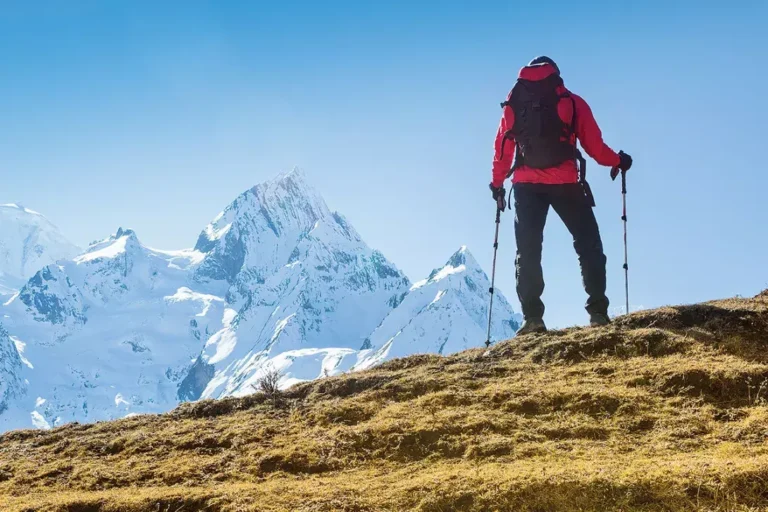
Kilimanjaro Support Package For Mixed-Ability Groups: Expert Guidance Climbs
Top Guide Adventures offers specialized Kilimanjaro support packages designed for mixed-ability groups, ensuring a safe and successful climb for everyone in 2026 and 2027. This...
View package details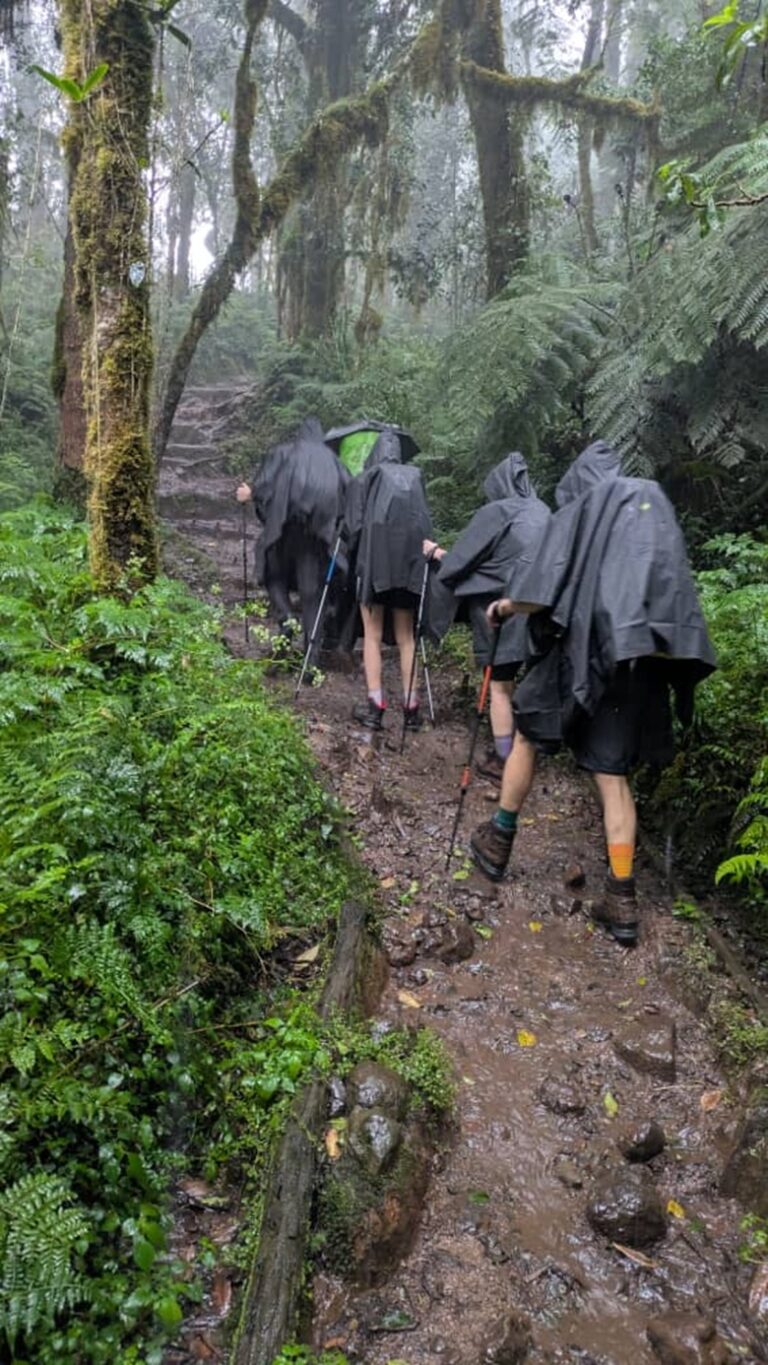
Kilimanjaro Foothills Tour For Non-Climbers: Experience The Majesty Without
Explore the impressive Kilimanjaro foothills on a specialized tour designed for those who prefer to experience the mountain's grandeur without undertaking a strenuous climb. Discover local...
View package details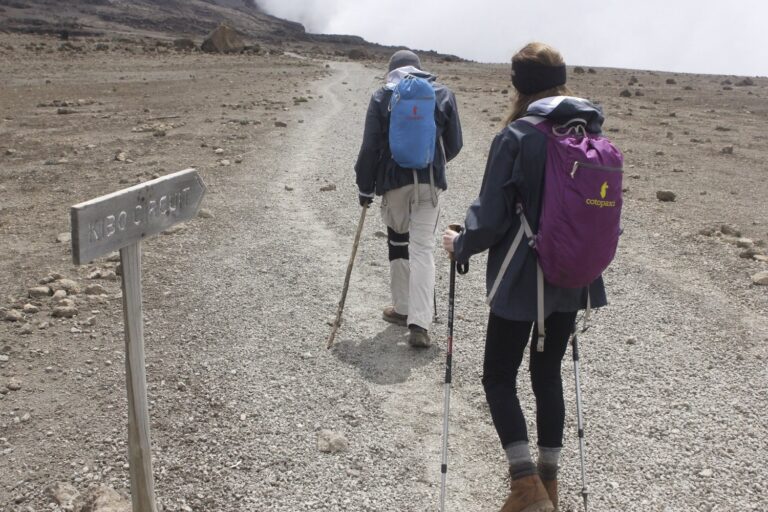
Kilimanjaro Climb For Travellers With Chronic Conditions: Your Expert Guide
Climbing Mount Kilimanjaro with a chronic condition is achievable with meticulous planning and the right guidance. This comprehensive guide addresses the unique considerations for travelers...
View package details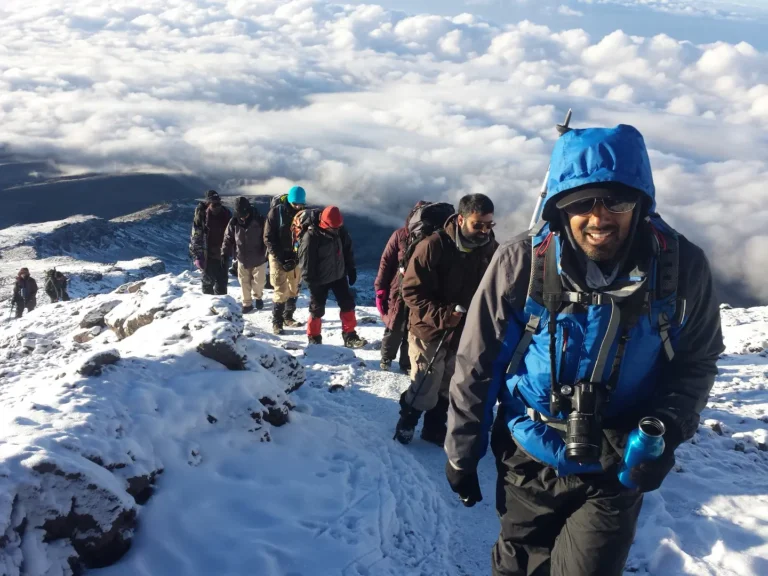
Kilimanjaro Climb For Cancer Survivors: A Journey Of Resilience In 2026-2027
A Kilimanjaro climb offers a profound challenge and a symbol of triumph for cancer survivors. This guide details how to prepare, choose routes, and find the right support for an...
View package details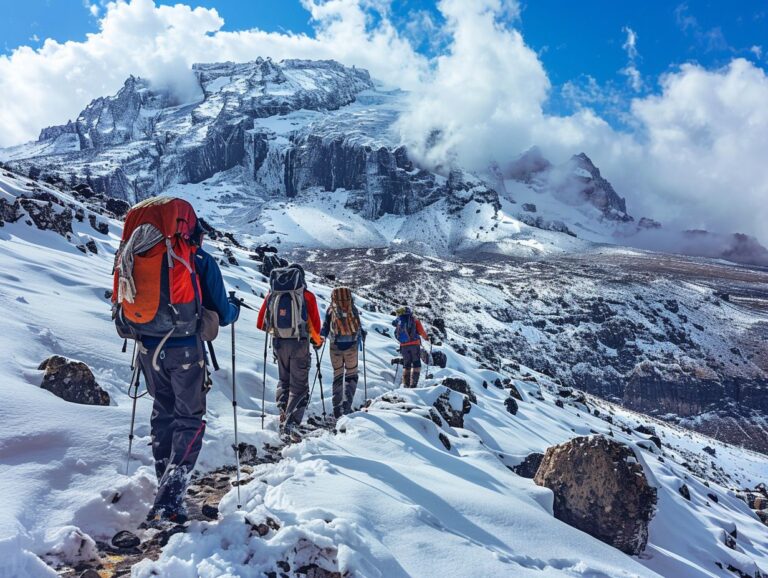
Kilimanjaro Climb With A Prosthetic Limb 2026-2027
Kilimanjaro Climb with a Prosthetic Limb is explained with current 2026-2027 planning, price, itinerary and booking information.
View package details
Kilimanjaro Climb After Knee Surgery: Your Expert Guide For 2026-2027
Considering a Kilimanjaro climb after knee surgery? This comprehensive guide details the feasibility, preparation, risks, and essential considerations for undertaking this ambitious trek in...
View package details
Private Kilimanjaro Interpreter And Guide Package: Your Ultimate Summit
Discover the benefits of a Private Kilimanjaro Interpreter and Guide Package for your trek. Ensure safety, cultural understanding, and a smoother journey to the Roof of Africa with expert...
View package details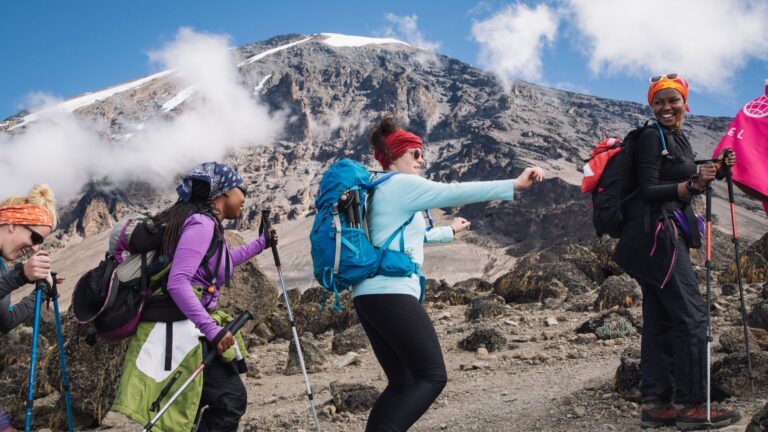
Kilimanjaro Climb With A Swahili-Speaking Guide: Your Essential Top Adventures
Ascend Mount Kilimanjaro with Top Guide Adventures, led by experienced Swahili-speaking guides. This comprehensive guide covers everything you need to know for a successful climb in...
View package details
Kilimanjaro Climb With A Hindi-Speaking Guide 2026-2027
Kilimanjaro Climb with a Hindi-Speaking Guide is explained with current 2026-2027 planning, price, itinerary and booking information.
View package details
Kilimanjaro Climb With A Hebrew-Speaking Guide: Your Adventure 2026-2027
Discover how to arrange a Kilimanjaro climb with a Hebrew-speaking guide, ensuring a comfortable and culturally connected experience for Israeli hikers planning their 2026-2027 adventure...
View package details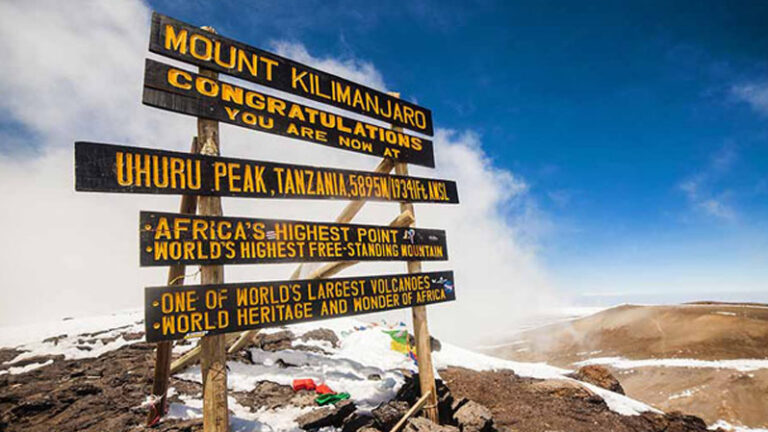
Kilimanjaro Climb With A Korean-Speaking Guide 2026-2027
Kilimanjaro Climb with a Korean-Speaking Guide is explained with current 2026-2027 planning, price, itinerary and booking information.
View package detailsNo related package matches those filters. Clear one or more filters to see the other topic-matched options.



