
Yes, absolutely, you can climb Kilimanjaro at 60! Age is less of a barrier than physical fitness, mental preparedness, and choosing the right approach. Many trekkers in their 60s and even 70s successfully reach Uhuru Peak each year. The key is rigorous training, proper acclimatization, selecting a longer route, and going with a reputable guide company like Top Guide Adventures that prioritizes safety and support for all age groups, especially for your planned adventures in 2026 or 2027.
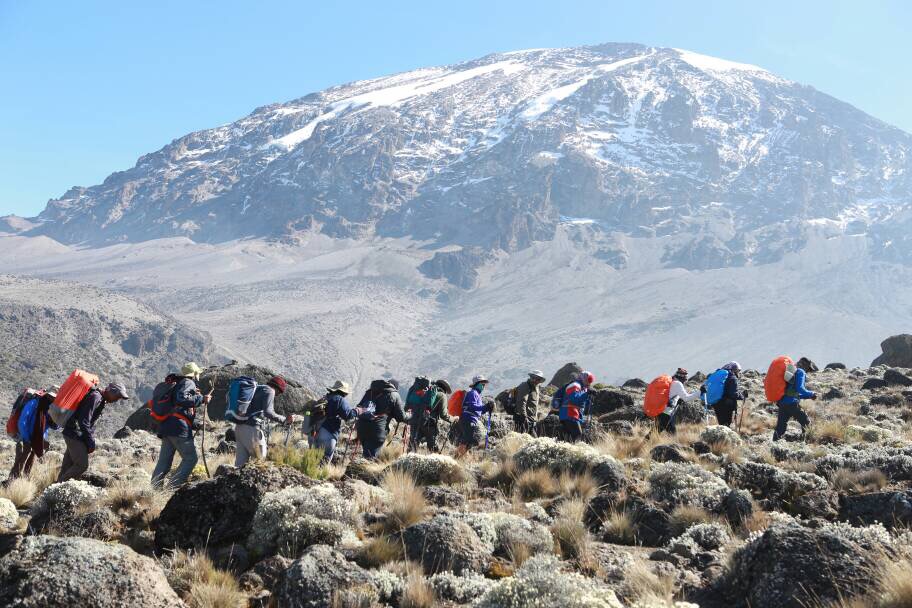
Climbing Kilimanjaro at 60: A Realistic Possibility
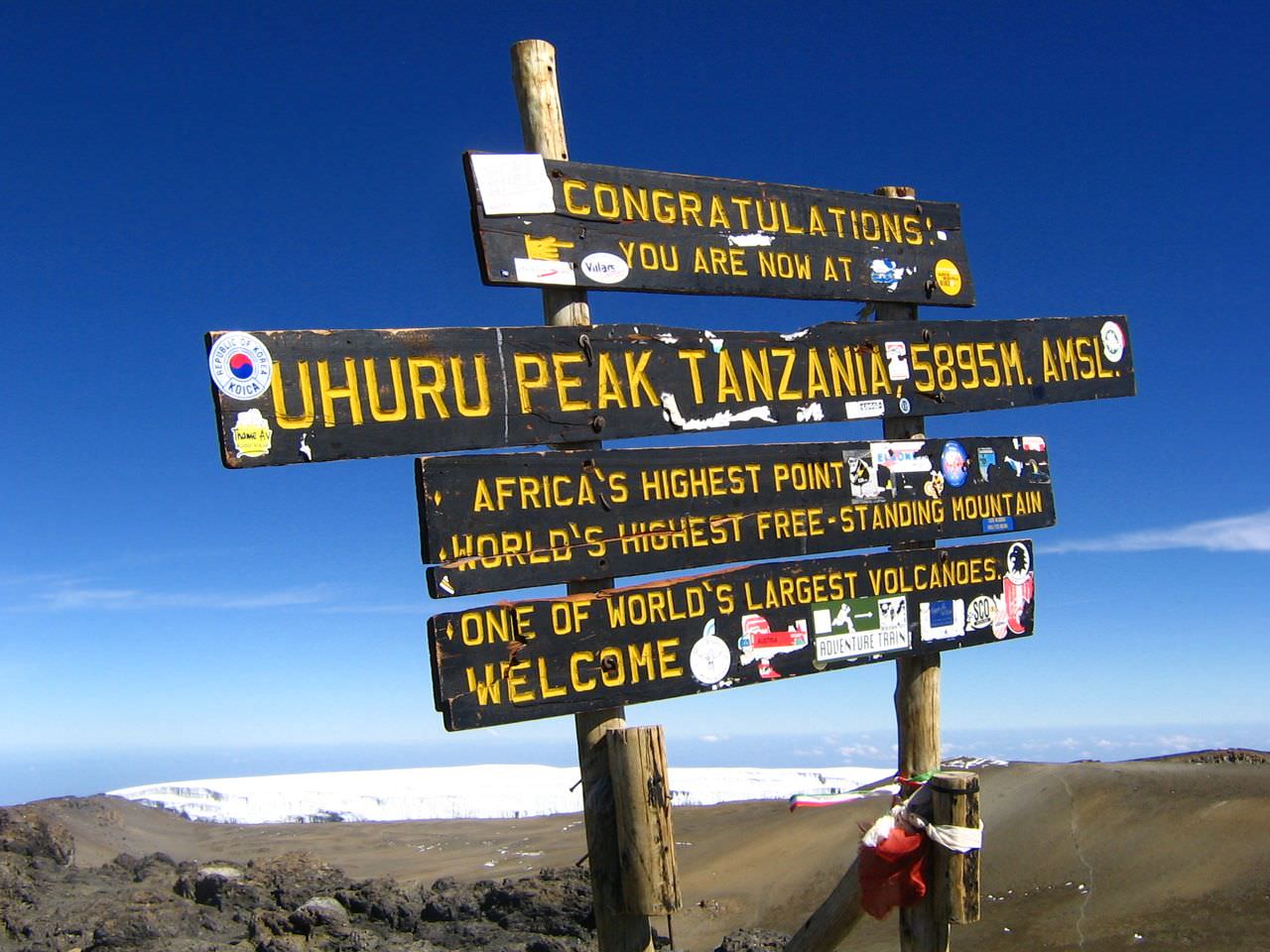
The dream of standing on the Roof of Africa, Uhuru Peak at 5,895 meters (19,341 feet) on Mount Kilimanjaro, isn’t exclusive to the young. If you’re considering a Kilimanjaro climb at 60, you’re joining a growing number of mature adventurers who are proving that age is merely a number when it comes to achieving significant personal goals. This guide is crafted to provide you with the most comprehensive and practical information, ensuring you can make an informed decision and plan your trek with confidence, whether you’re looking at climbing in 2026 or 2027.
At Top Guide Adventures, we’ve guided numerous clients in their 60s, 70s, and even beyond, to the summit. Their success stories are a testament to the fact that with the right preparation, mindset, and support, reaching Kilimanjaro’s summit is well within reach. We understand the unique considerations that may arise for trekkers in this age group and are dedicated to providing the personal attention, care, and dedicated support that every client deserves.
This extensive guide will cover:
- The primary factors influencing success for older trekkers.
- Essential physical and mental preparation strategies.
- Choosing the best Kilimanjaro routes for those aged 60+.
- Health considerations and medical advice.
- The importance of acclimatization and altitude sickness.
- Essential gear and packing lists.
- How Top Guide Adventures supports trekkers of all ages.
- Planning your climb for 2026 or 2027.
Understanding the Challenges and Advantages of Climbing Kilimanjaro at 60
Climbing Kilimanjaro is a significant undertaking for anyone, regardless of age. However, certain aspects might present unique challenges or even unexpected advantages for trekkers in their 60s. Recognizing these is the first step towards effective preparation.
Potential Challenges for Trekkers Aged 60+
- Physical Stamina and Recovery: While many individuals in their 60s are remarkably fit, general physical stamina might be slightly lower than in younger decades. Recovery from strenuous activity can also take longer. This means training needs to be consistent and focused on building endurance.
- Pre-existing Health Conditions: As we age, the likelihood of managing pre-existing health conditions (e.g., heart issues, high blood pressure, joint pain) increases. It’s crucial to consult with a doctor and ensure these conditions are stable and manageable for high-altitude trekking.
- Altitude Acclimatization: Some studies suggest that older individuals might acclimatize slightly slower to high altitudes. This doesn’t mean it’s impossible, but it underscores the importance of choosing longer routes with better acclimatization profiles and listening very carefully to your body.
- Mental Resilience: While not exclusive to age, pushing through discomfort and fatigue at high altitude requires significant mental fortitude. The ‘pole pole’ (slowly, slowly) philosophy is key, and a positive, determined mindset is vital.
Unexpected Advantages for Older Trekkers
- Patience and Discipline: Often, older trekkers possess a greater degree of patience and discipline, honed over years of experience. This can translate into a more measured approach to the climb, adhering strictly to the ‘pole pole’ pace and following guide instructions without question.
- Mental Fortitude: Life experience often brings a profound sense of resilience and perspective. Challenges faced on the mountain may be viewed differently, with a stronger capacity to persevere through difficult moments.
- Clearer Goals and Motivation: Many individuals in their 60s and beyond are undertaking Kilimanjaro as a bucket-list item, a personal challenge, or a celebration of a milestone. This often comes with a very strong, intrinsic motivation that fuels determination.
- Financial Stability: Compared to younger travelers, older trekkers might have more financial stability, allowing them to invest in higher-quality gear, choose longer, more comfortable routes, and opt for private climbs with greater support.
At Top Guide Adventures, we celebrate the ambition of every climber. We ensure our guides are trained to recognize the needs of all our clients, providing patient, encouraging, and expert support, making your Kilimanjaro climb at 60 a safe and rewarding experience. We are particularly focused on providing this tailored support for clients planning their 2026 and 2027 expeditions.
The Crucial Role of Physical Preparation
The single most important factor for a successful Kilimanjaro climb, especially when you’re 60 or older, is your physical preparation. This isn’t about being a marathon runner; it’s about building endurance, strength, and cardiovascular health suitable for sustained, multi-day trekking at altitude.
Cardiovascular Fitness
Kilimanjaro is a test of endurance. Your heart and lungs need to be efficient at delivering oxygen to your muscles, especially as the oxygen levels decrease with altitude. Activities that elevate your heart rate for extended periods are essential:
- Hiking with a Backpack: This is the most relevant training. Aim for at least 3-4 days a week of hiking, gradually increasing the duration and elevation gain. Carry a backpack with weight (e.g., 5-10 kg or 10-20 lbs) to simulate mountain conditions.
- Running/Jogging: Good for cardiovascular health, but less specific to trekking. Aim for longer, slower runs rather than short sprints.
- Cycling: Excellent for building leg strength and cardiovascular endurance, especially uphill cycling.
- Swimming: A low-impact option that builds excellent aerobic capacity.
Strength Training
While endurance is key, strong legs and a stable core are vital for navigating uneven terrain and carrying your daypack.
- Leg Exercises: Squats, lunges, step-ups (especially on a high step or bench), and calf raises. Focus on controlled movements.
- Core Exercises: Planks, bridges, and exercises that strengthen your back and abdominal muscles. A strong core improves balance and stability.
- Upper Body: While less critical, some strength in your arms and shoulders helps with using trekking poles and managing your pack.
Flexibility and Balance
Good flexibility can help prevent injuries, and improved balance is crucial on rocky and uneven trails.
- Stretching: Regular stretching, particularly for your hamstrings, quadriceps, calves, and hips.
- Yoga or Pilates: Excellent for improving flexibility, core strength, and balance.
Training Timeline and Intensity
Start your training at least 3-4 months before your climb. Gradually increase the intensity and duration of your workouts. Don’t push yourself too hard too soon, as injuries can derail your plans. Listen to your body and allow for rest days.
Example Training Week (leading up to the climb):
- Monday: Strength training (legs & core)
- Tuesday: Moderate hike (2-3 hours) or cycling
- Wednesday: Rest or light stretching
- Thursday: Longer hike with pack (3-4 hours, some elevation)
- Friday: Yoga or Pilates
- Saturday: Longest hike of the week (4-6 hours, significant elevation gain, mimicking a climb day)
- Sunday: Active recovery (light walk, swimming) or rest
As you get closer to your 2026 or 2027 climb date, try to do at least one long hike per week that lasts 6-8 hours, ideally with significant elevation gain, to simulate the longer days on Kilimanjaro.
Medical Consultation: A Non-Negotiable Step
Before embarking on any serious training or booking your trip, a thorough medical check-up is essential, especially for individuals over 60. Discuss your plans to climb Kilimanjaro with your doctor. They can:
- Assess your overall health and fitness.
- Advise on any pre-existing conditions that might pose a risk.
- Recommend specific tests (e.g., ECG, blood pressure monitoring).
- Discuss necessary vaccinations and medications (e.g., Diamox for altitude sickness).
- Provide a letter of fitness if required by your tour operator or for travel insurance.
Be completely honest with your doctor about the physical demands of climbing Kilimanjaro. This proactive step ensures you’re medically cleared and prepared for the challenges ahead.
Choosing the Right Kilimanjaro Route for Trekkers Aged 60+
The route you choose significantly impacts your acclimatization, comfort, and overall success rate. For trekkers aged 60 and over, prioritizing longer routes with better acclimatization profiles is highly recommended. These routes offer more gradual ascents, allowing your body more time to adjust to the increasing altitude.
Recommended Routes for Climbers Aged 60+
- Lemosho Route (7-8 days): Often considered the most scenic and one of the best routes for acclimatization. It starts in the west, offering stunning views and a gradual ascent through diverse landscapes. The longer duration (7 or 8 days) provides excellent acclimatization time. It’s a popular choice for those prioritizing success and experience.
- Machame Route (6-7 days): Known as the ‘Whiskey Route,’ Machame is also very popular and scenic, with a good acclimatization profile, especially when taken over 7 days. It offers challenging ascents and descents, which helps with acclimatization. The 7-day Machame is a strong contender for older trekkers.
- Northern Circuit (9-10 days): This is the longest route, circling the mountain’s northern face. Its length provides the best acclimatization, making it the route with the highest success rate. It’s ideal for those who want to maximize their chances and enjoy a more relaxed pace, with ample time to appreciate the mountain’s beauty. This is an excellent, though more expensive, option for 2026 or 2027.
- Rongai Route (6-7 days): This route approaches from the north, making it drier and less crowded. It’s generally considered a more moderate option, though its acclimatization profile is not as strong as Lemosho or Northern Circuit, especially on the shorter 6-day version. A 7-day Rongai offers better acclimatization.
Routes to Consider with Caution (or Avoid)
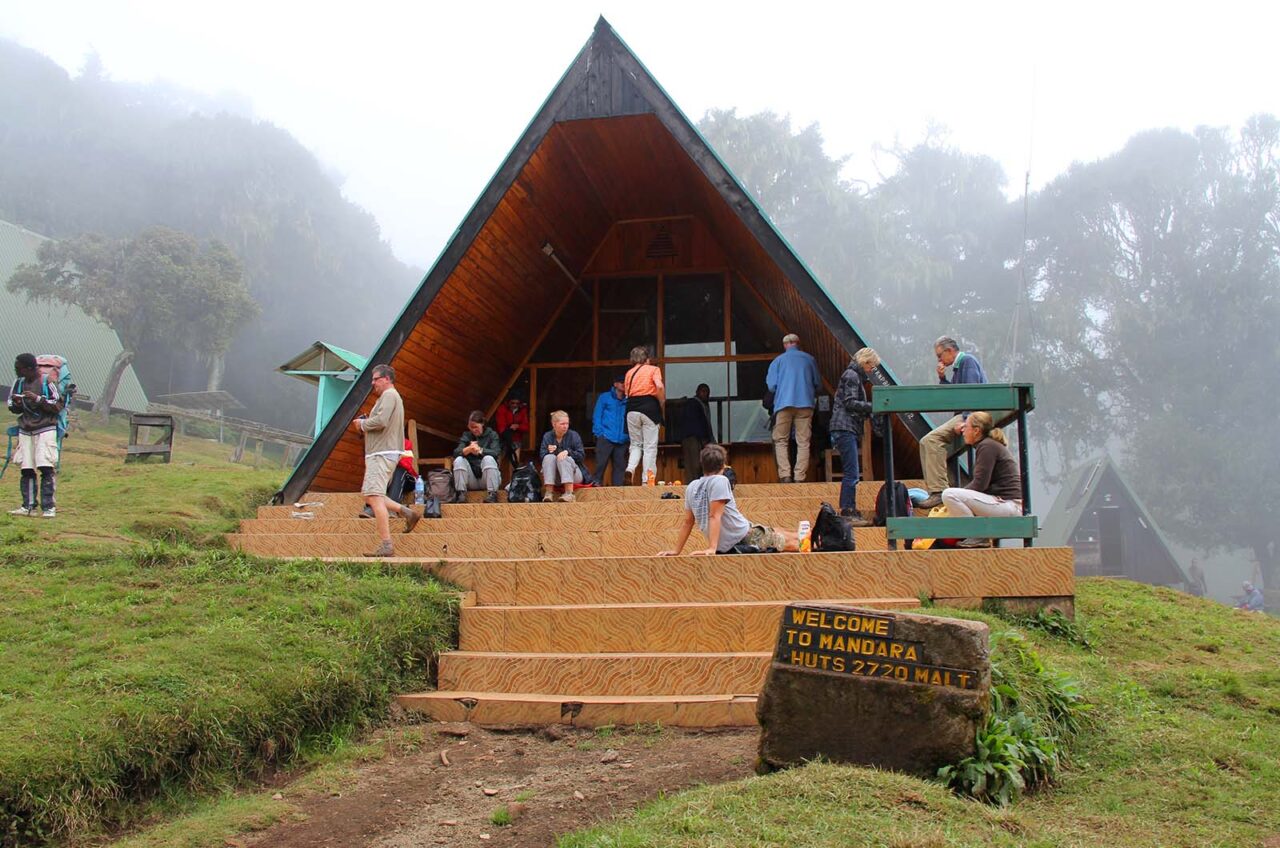
- Marangu Route (5-6 days): Known as the ‘Coca-Cola’ or ‘huts’ route, it’s the shortest and most direct. While it offers accommodation in huts, its rapid ascent profile provides poor acclimatization, leading to a lower success rate, especially for older climbers. The 6-day ‘Coca-Cola’ option is slightly better but still not ideal.
- Umbwe Route (5-6 days): This is the shortest, steepest, and most challenging route. It has a very aggressive ascent profile and poor acclimatization, making it unsuitable for most trekkers, and particularly ill-advised for those over 60 unless they are extremely experienced high-altitude mountaineers.
Our Recommendation for 2026-2027 Climbs: For trekkers aged 60+, we strongly advocate for the 7 or 8-day Lemosho route, the 7-day Machame route, or the 9-10 day Northern Circuit. These routes offer the best balance of scenic beauty, challenging trekking, and crucially, adequate time for your body to adapt to the altitude. Top Guide Adventures can help you select the perfect route based on your fitness, time availability, and preferences for your 2026 or 2027 climb.
When comparing operators for your 2026 or 2027 climb, look for those who explicitly recommend longer itineraries for older climbers and have a proven track record of success with this demographic.
Key Route Considerations for Older Climbers
Prioritize Acclimatization: Longer routes (7+ days) are essential. They allow your body to adapt gradually, significantly reducing the risk of altitude sickness and increasing your chances of reaching the summit.
Scenic Beauty: Routes like Lemosho and Northern Circuit offer unparalleled views, making the journey as rewarding as the destination.
Comfort: While all Kilimanjaro climbs involve camping (except Marangu), longer routes can mean more relaxed days and better rest, crucial for recovery.
Guides’ Experience: Ensure your chosen operator, like Top Guide Adventures, assigns experienced guides who understand the needs of mature trekkers and can manage acclimatization effectively.
Health and Medical Considerations for Climbing Kilimanjaro at 60
While age isn’t a direct barrier, managing health is paramount. Beyond the initial doctor’s consultation, ongoing awareness and preparedness are key.
Altitude Sickness (Acute Mountain Sickness – AMS)
AMS is the most common ailment at high altitudes. Symptoms include headache, nausea, dizziness, fatigue, and loss of appetite. It affects individuals of all ages, but proper acclimatization is the best prevention.
- Ascend Slowly: This is why longer routes are crucial.
- Stay Hydrated: Drink plenty of water (3-4 liters per day).
- Avoid Alcohol and Smoking: These hinder acclimatization.
- Eat Well: Maintain energy levels with nutritious food.
- Listen to Your Body: Report any symptoms to your guide immediately. They are trained to assess and manage AMS.
- Medication: Your doctor might prescribe Acetazolamide (Diamox). This medication can help speed up acclimatization. Discuss its use, dosage, and potential side effects with your physician. It is not a substitute for slow ascent but can be a valuable aid.
Pre-existing Conditions Management
If you have conditions like:
- Heart Conditions: Ensure they are well-managed and stable. Discuss the strenuous nature of the climb with your cardiologist.
- High Blood Pressure: Monitor your blood pressure regularly.
- Diabetes: Maintain strict blood sugar control. Inform your guide about your condition and carry necessary supplies.
- Arthritis or Joint Issues: Trekking poles are essential for reducing strain on knees and hips. Consider using knee braces if needed. Ensure your training includes exercises to strengthen supporting muscles.
Crucially, inform your tour operator (Top Guide Adventures) and your guides about any pre-existing conditions during the booking process. This allows us to provide tailored support and ensures our team is prepared to assist you effectively throughout your 2026 or 2027 Kilimanjaro adventure.
Travel Insurance
Ensure your travel insurance covers high-altitude trekking and medical evacuation. Many standard policies exclude activities above certain altitudes. Verify the coverage limits and ensure it’s adequate for a potential emergency evacuation from Kilimanjaro.
Vaccinations and General Health
Consult your doctor or a travel clinic about recommended vaccinations for Tanzania (e.g., Yellow Fever, Hepatitis A, Typhoid). Ensure your routine vaccinations are up-to-date. Maintaining good general health, including dental health, is also wise before undertaking a demanding trek.
Doctor’s Advice Before Your 60+ Kilimanjaro Climb
Consult Early: Schedule your doctor’s appointment at least 2-3 months before your planned climb for 2026 or 2027.
Be Specific: Clearly state you plan to climb Mount Kilimanjaro, a dormant volcano reaching 5,895m (19,341ft), involving multi-day trekking.
Discuss Medications: Ask about Diamox, pain relief, and any personal prescriptions needed.
Get a Fitness Certificate: If your doctor recommends it, obtain a letter confirming your fitness for the climb.
The Importance of Acclimatization: ‘Pole Pole’ is Your Mantra
Acclimatization is the process by which your body adapts to the lower oxygen levels at higher altitudes. Rushing this process is the primary cause of altitude sickness.
Understanding Altitude Sickness
There are three main forms of altitude sickness:
- Acute Mountain Sickness (AMS): The most common. Symptoms usually appear within 6-24 hours of ascending too quickly. Mild AMS is common and often manageable. Moderate to severe AMS requires descent.
- High Altitude Cerebral Edema (HACE): A severe and life-threatening form of AMS where the brain swells. Symptoms include confusion, disorientation, loss of coordination, and drowsiness. Requires immediate descent.
- High Altitude Pulmonary Edema (HAPE): Fluid accumulation in the lungs, also life-threatening. Symptoms include severe breathlessness, cough (sometimes with pink frothy sputum), and chest tightness. Requires immediate descent.
Strategies for Optimal Acclimatization
- Choose Longer Routes: As repeatedly emphasized, 7-day, 8-day, or even 9-10 day routes (like Lemosho, Machame 7-day, or Northern Circuit) are superior for acclimatization.
- ‘Climb High, Sleep Low’: Many routes incorporate this principle, where you ascend to a higher point during the day and then descend to a lower camp to sleep. This aids acclimatization significantly.
- Pace Yourself (‘Pole Pole’): This Swahili phrase means ‘slowly, slowly.’ It’s the golden rule of Kilimanjaro. Walk at a pace that allows you to hold a conversation without becoming breathless. Your guides will enforce this.
- Hydration: Drinking 3-4 liters of fluid daily (water, herbal tea) helps your body function optimally at altitude.
- Avoid Overexertion: On summit night, and indeed throughout the climb, avoid pushing yourself beyond your limits.
- Monitor Symptoms: Be honest with yourself and your guides about how you feel. Early reporting of symptoms is critical for management.
Top Guide Adventures ensures all our guides are certified in wilderness first aid and are highly experienced in managing altitude sickness. They constantly monitor climbers, especially those who may be more susceptible, ensuring a safe ascent for everyone, including our esteemed 60+ clients planning for 2026 and 2027.
Acclimatization Checklist for Kilimanjaro
Route Selection: Opt for 7+ days.
Pacing: Always ‘pole pole’.
Hydration: Drink 3-4 liters daily.
Awareness: Know AMS symptoms.
Communication: Report any discomfort to guides immediately.
Rest: Ensure adequate sleep and rest during the day.
Essential Gear and Packing for Your Kilimanjaro Climb
Proper gear is crucial for comfort, safety, and success on Kilimanjaro. While the climate varies dramatically from the rainforest base to the arctic summit, layers are key. For trekkers aged 60+, investing in good quality, comfortable gear is highly recommended.
Clothing Layers
- Base Layers: Moisture-wicking thermal underwear (merino wool or synthetic). Bring at least two sets.
- Mid Layers: Fleece jacket or a warm, insulated jacket for insulation.
- Outer Layer (Shell): Waterproof and windproof jacket and trousers (Gore-Tex or similar). This is your protection against rain, wind, and snow.
- Insulation Layer: A down or synthetic insulated jacket (puffy jacket) is essential for summit night and cold evenings.
- Trekking Trousers: Comfortable, quick-drying hiking trousers (avoid jeans). Consider convertible trousers.
Footwear
- Hiking Boots: Well broken-in, waterproof, sturdy hiking boots with good ankle support. This is arguably the most important piece of gear.
- Camp Shoes/Sandals: Comfortable footwear for relaxing at camp.
- Socks: Several pairs of warm, moisture-wicking hiking socks (wool or synthetic). Avoid cotton.
- Gaiters: To keep mud, stones, and snow out of your boots.
Headwear and Handwear
- Warm Hat: A woolly hat that covers your ears.
- Sun Hat: Wide-brimmed hat for sun protection during the day.
- Balaclava/Neck Gaiter: For protection against wind and cold on summit night.
- Gloves: Warm, waterproof outer gloves and thinner liner gloves.
Other Essential Gear
- Backpack: A comfortable daypack (30-40 liters) for carrying essentials during the day (water, snacks, extra layers, camera).
- Duffel Bag: A large, waterproof duffel bag (80-100 liters) for your main gear, carried by porters.
- Sleeping Bag: A 4-season sleeping bag rated to at least -10°C (14°F). Top Guide Adventures can often arrange rentals.
- Trekking Poles: Highly recommended for reducing strain on joints, improving balance, and aiding ascent/descent.
- Headlamp: With extra batteries. Essential for summit night and navigating in the dark.
- Water Bottles/Hydration Reservoir: At least 3 liters capacity. Ensure they are insulated or can be protected from freezing.
- Sunglasses: High UV protection.
- Sunscreen and Lip Balm: High SPF.
- Personal First-Aid Kit: Including blister treatment, pain relievers, personal medications, antiseptic wipes, etc.
- Toiletries: Biodegradable soap, toothbrush, toothpaste, wet wipes.
- Snacks: High-energy snacks like energy bars, nuts, dried fruit.
- Camera and Power Bank: For capturing memories.
- Passport, Visa, Tickets: Keep these secure and accessible.
Renting Gear: Many items, such as sleeping bags, trekking poles, and down jackets, can be rented in Moshi or Arusha. Top Guide Adventures can assist with rental arrangements for your 2026 or 2027 climb, ensuring you have quality equipment without the upfront cost.
Kilimanjaro Packing Essentials for 60+ Climbers
Footwear: Broken-in, waterproof boots.
Layers: Base, mid, and waterproof outer layers.
Warmth: Down jacket, warm hat, gloves.
Support: Trekking poles are a must.
Hydration: 3L+ capacity, protected from freezing.
Safety: Headlamp, personal first-aid kit.
Comfort: Camp shoes, toiletries.
The Role of Top Guide Adventures in Supporting Older Trekkers
Choosing the right tour operator is critical for a successful and enjoyable Kilimanjaro climb, especially for trekkers aged 60 and above. Top Guide Adventures is committed to providing exceptional service, safety, and support tailored to the needs of every client.
Personalized Attention and Care
We understand that every climber is unique. Our team prides itself on offering:
- Pre-trip Consultation: We engage in detailed discussions to understand your fitness level, concerns, and expectations, helping you choose the right route and itinerary for your 2026 or 2027 climb.
- Experienced Guides: Our guides are not only skilled mountaineers but also trained in first aid and experienced in managing climbers of all ages and fitness levels. They are patient, encouraging, and attentive to individual needs.
- Support Crew Ratio: We maintain a high guide-to-client and porter-to-client ratio, ensuring you receive ample support throughout the trek.
- Focus on Safety: Your safety is our utmost priority. Our guides are trained to monitor for altitude sickness and other potential issues, making decisions based on your well-being, including recommending descent if necessary.
Logistical Excellence
We handle all the logistical complexities, allowing you to focus on the climb:
- Permits and Park Fees: All necessary permits and fees are managed by us.
- Quality Equipment: We provide high-quality tents, mess tents, cooking equipment, and ensure our porters are well-equipped and treated ethically.
- Nutritious Meals: Our cooks prepare delicious, high-energy, and nutritious meals designed to keep you fueled throughout the trek. We cater to dietary restrictions.
- Accommodation: Comfortable camping arrangements with spacious tents.
Why Choose Top Guide Adventures for Your 2026-2027 Climb?
- Proven Track Record: We have years of experience guiding successful climbs for clients of all ages, including many in their 60s and 70s.
- Ethical Trekking: We are committed to fair treatment of our staff and minimizing our environmental impact.
Check Availability for Can You Climb Kilimanjaro At 60? 2026-2027
Ready to compare dates, prices, and the best option for your group? Send the package name and travel month so the team can reply with a clear quote, availability, and what is included.
Kilimanjaro Group-Climb Mistakes: Avoid Common Pitfalls For A Successful
This guide details common Kilimanjaro group-climb mistakes, offering practical advice for trekkers aiming for a successful summit. Learn about preparation, acclimatization, gear, and...
View package details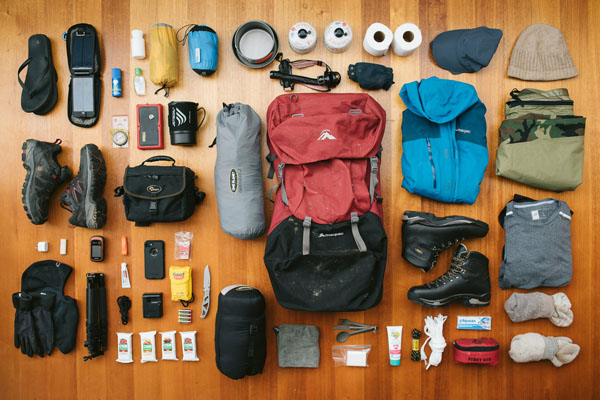
Kilimanjaro Gear-Rental Mistakes To Avoid For Your Climb 2026-2027
Planning a Kilimanjaro climb for 2026 or 2027? Renting gear can save money and hassle, but mistakes are common. This guide details the most frequent errors climbers make when renting...
View package details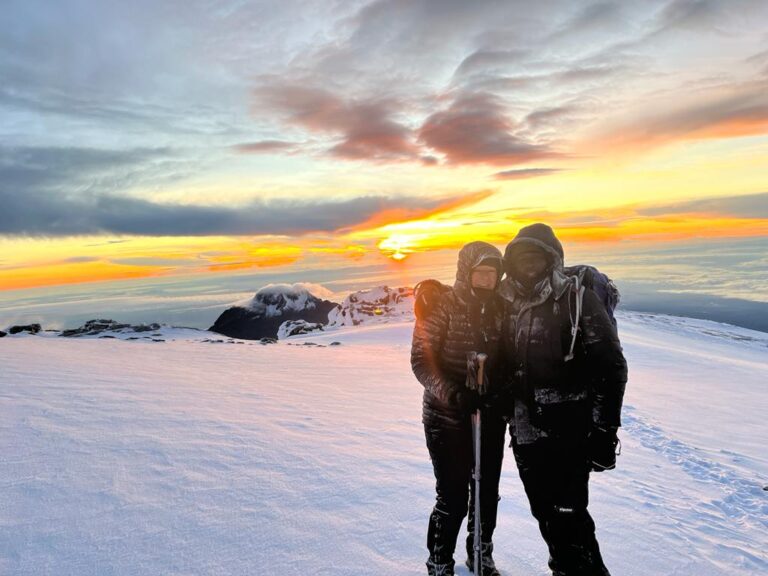
Kilimanjaro Hotel Booking Mistakes: Avoid These Pitfalls For A Smooth Climb
Booking accommodation near Kilimanjaro is crucial for a successful climb. This guide details common Kilimanjaro hotel booking mistakes to help you avoid them, ensuring comfort and readiness...
View package details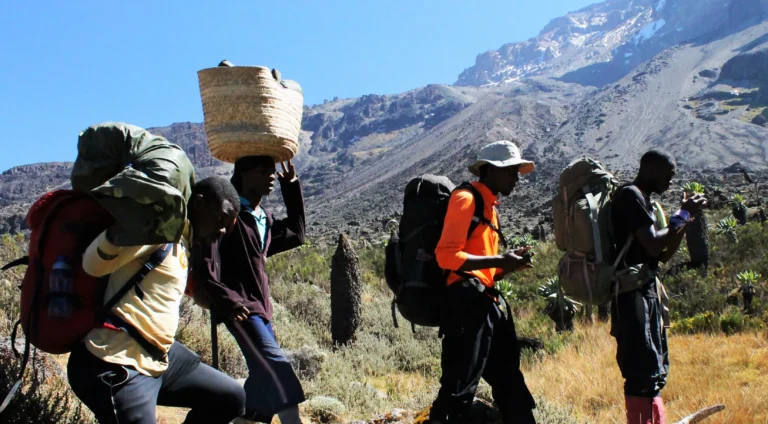
Kilimanjaro Flight-Booking Mistakes: Avoid These Pitfalls For Your Climb
Planning your Kilimanjaro climb for 2026 or 2027? Don't let flight booking errors derail your adventure. This guide covers critical mistakes to avoid, from choosing the right airport and...
View package details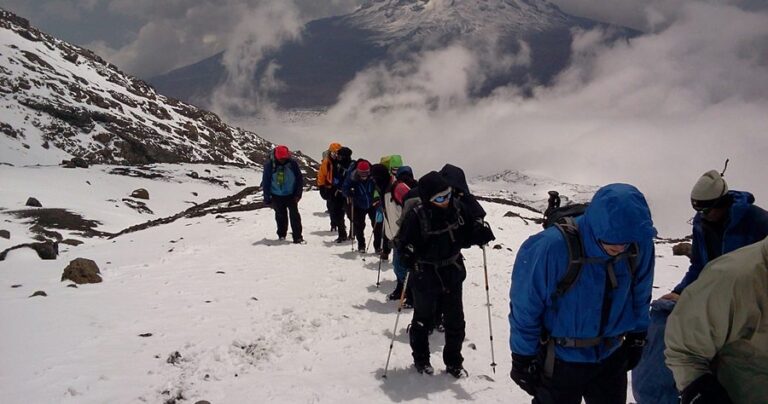
Kilimanjaro Tipping Mistakes And Etiquette: A Comprehensive Guide For Climbers
Navigating Kilimanjaro tipping can be confusing. This guide details common mistakes and proper etiquette for tipping your support crew, ensuring fair compensation and a positive experience...
View package details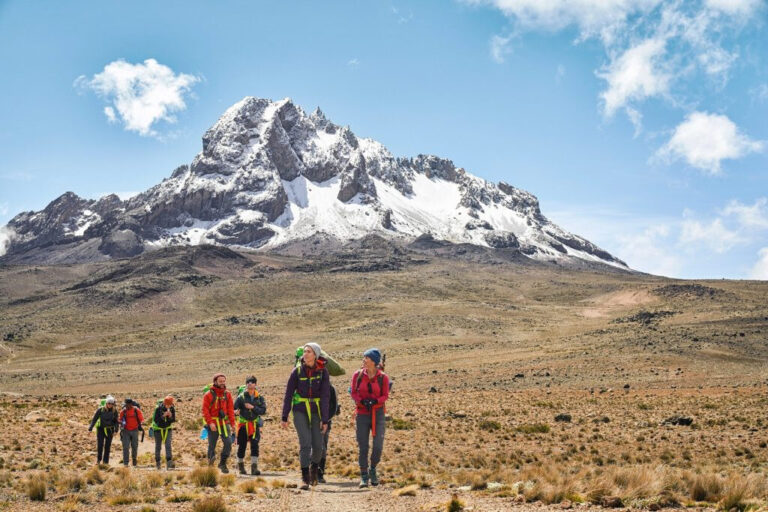
Kilimanjaro Insurance Mistakes To Avoid For A Safe Climb In 2026-2027
Climbing Mount Kilimanjaro is a dream for many, but overlooking proper insurance can turn an incredible adventure into a costly disaster. This guide details the most common Kilimanjaro...
View package details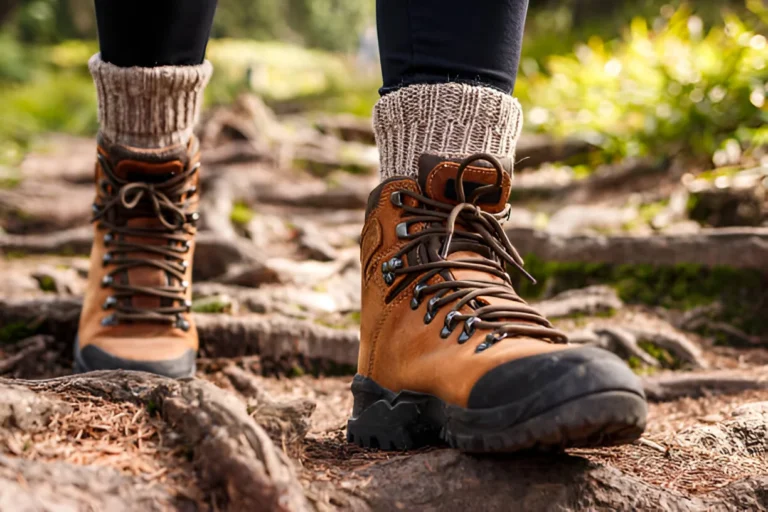
Kilimanjaro Packing Mistakes To Avoid For A Successful Climb In 2026-2027
Packing for Kilimanjaro is crucial for a successful trek. This guide details common packing mistakes to avoid, ensuring you have the right gear for the varying altitudes and conditions...
View package details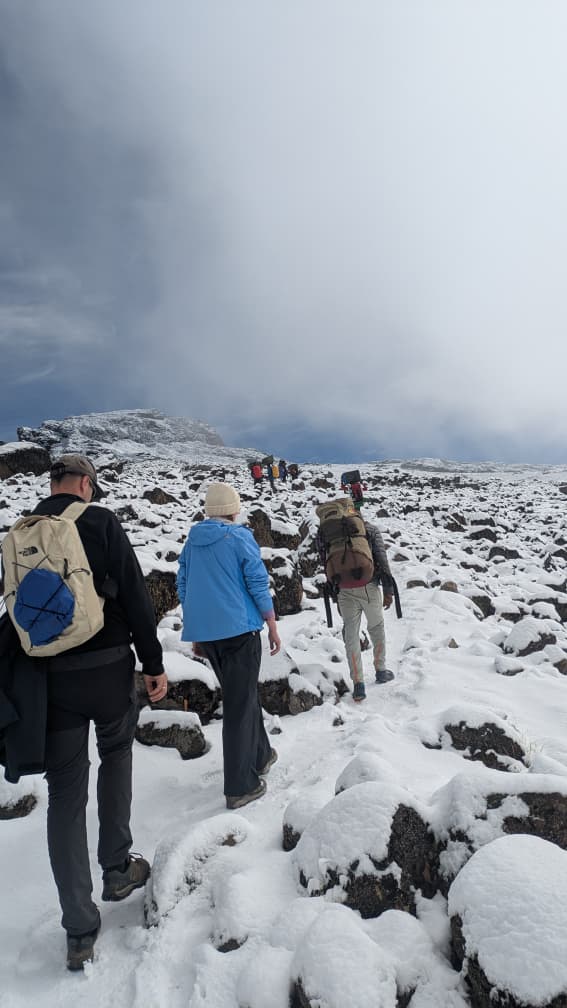
Kilimanjaro Morning Flight Vs Evening Arrival: Which Is Better For Your Climb?
Choosing between a morning and evening flight arrival at Kilimanjaro International Airport (JRO) significantly impacts your pre-climb preparations and initial acclimatization. This guide...
View package detailsKilimanjaro Full-Moon Vs Dark-Sky Climb: Which Is Best For You In ? 2026-2027
Choosing between a Kilimanjaro full-moon or dark-sky climb in 2026-2027 involves weighing unique advantages. A full-moon climb offers visibility and a magical atmosphere, while a dark-sky...
View package details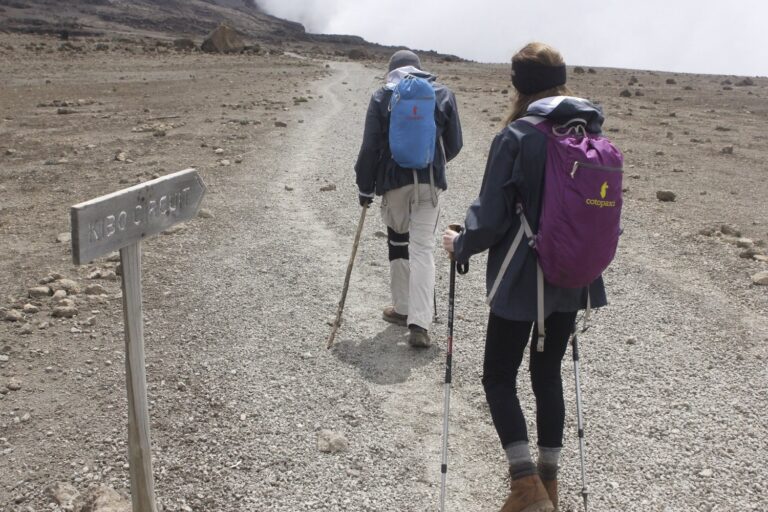
Kilimanjaro Standard Camp Vs Luxury Your Ultimate Comparison For Climbs
Choosing between standard and luxury camping on Kilimanjaro significantly impacts your trek experience. This guide breaks down the key differences in accommodation, meals, equipment, and...
View package details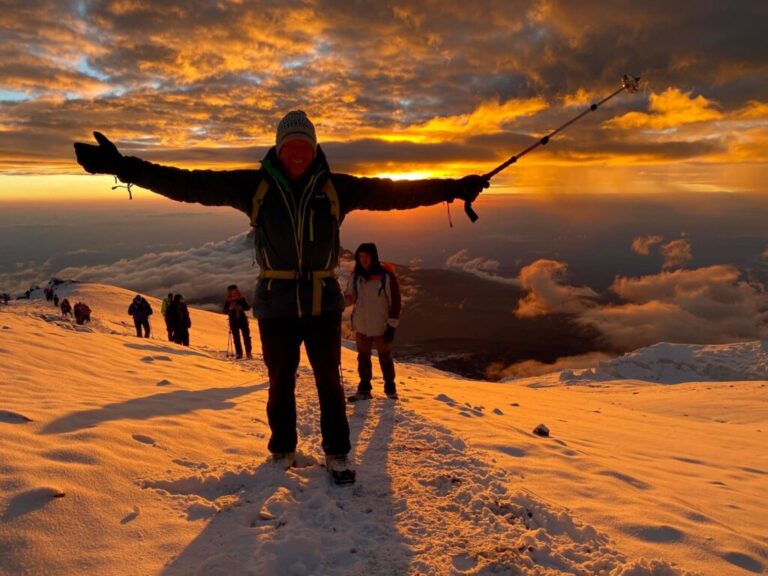
Kilimanjaro Shared Tent Vs Single Making The Right Choice For Your Climb
Choosing between a shared tent and a single tent for your Kilimanjaro climb is a significant decision impacting comfort, cost, and your overall experience. This guide breaks down the pros...
View package detailsKilimanjaro Local Operator Vs. Overseas Travel Agent: Your Ultimate Climbing
Deciding who to book your Kilimanjaro climb with is crucial. This guide compares local Tanzanian operators against overseas travel agents, detailing the pros and cons of each for your...
View package detailsNo related package matches those filters. Clear one or more filters to see the other topic-matched options.



