
Sustainable Kilimanjaro climbing packages for 2026-2027 prioritize environmental responsibility, community engagement, and ethical treatment of guides and porters, ensuring your trek minimizes impact and maximizes benefit. Top Guide Adventures offers meticulously planned eco-friendly expeditions across various routes, focusing on Leave No Trace principles, supporting local economies, and providing a safe, rewarding climb to Africa’s highest peak.
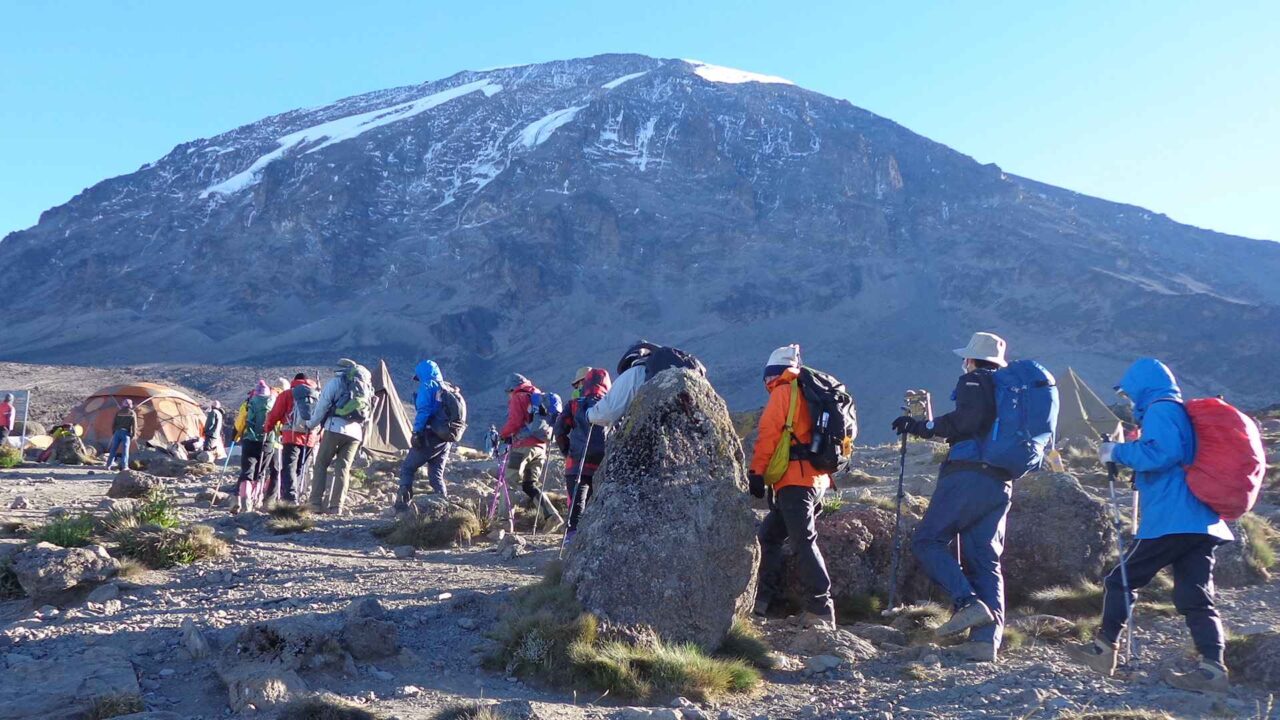
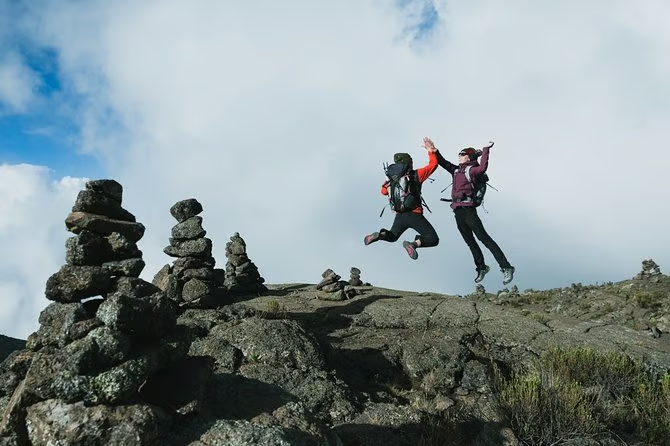
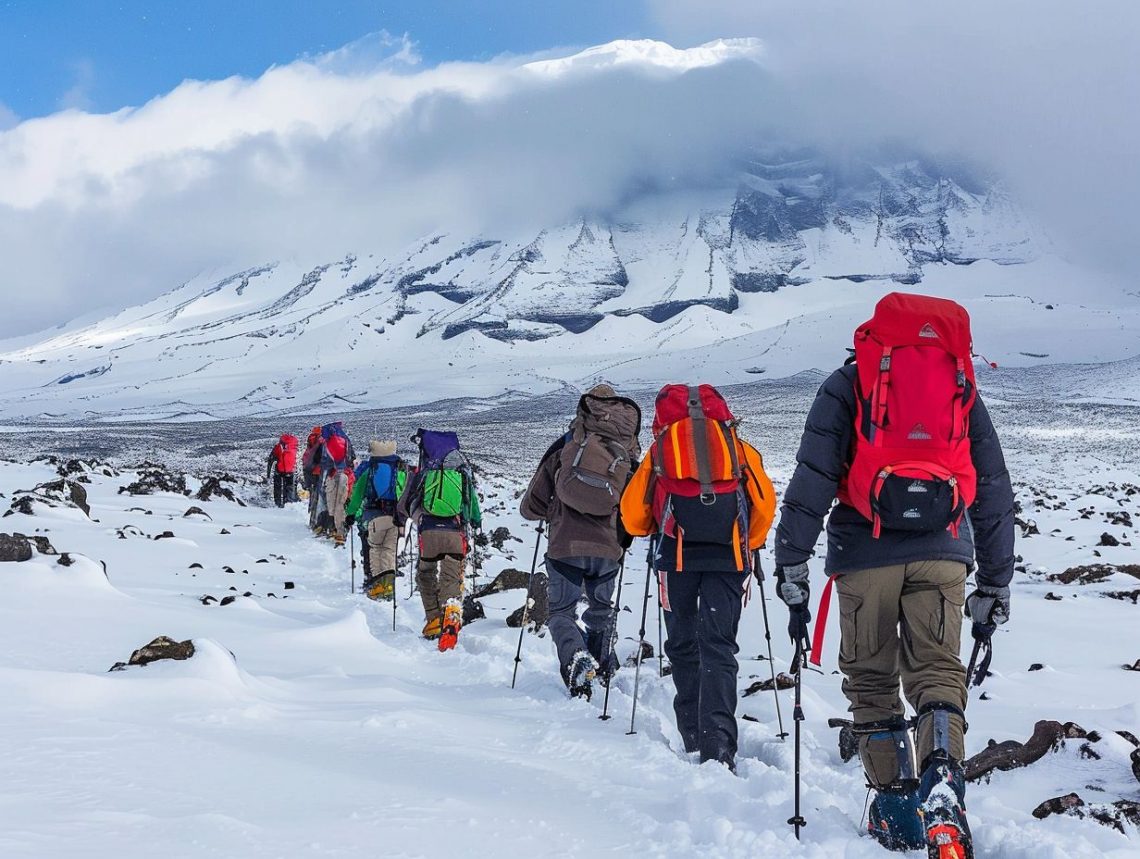
Understanding Sustainable Kilimanjaro Climbing in 2026-2027
Climbing Mount Kilimanjaro is a dream for many, but the growing popularity of this iconic peak brings an increased responsibility to ensure its preservation for future generations. Sustainable Kilimanjaro climbing packages are not just a trend; they are a necessity. For adventurers planning their ascent in 2026 or 2027, choosing a tour operator committed to sustainability means your journey contributes positively to the mountain’s ecosystem and the lives of the people who call it home.
At Top Guide Adventures, we believe that responsible tourism is the only way forward. Our sustainable Kilimanjaro climbing packages are built on a foundation of respect for the natural environment and the local communities. This means adhering to strict waste management protocols, promoting energy efficiency, utilizing local resources, and ensuring fair wages and conditions for our entire trekking crew. When you book with us for your 2026-2027 Kilimanjaro adventure, you are choosing a climb that aligns with your values.
Why Sustainable Practices Matter on Kilimanjaro
Mount Kilimanjaro is a UNESCO World Heritage Site, a vital ecosystem, and a significant economic driver for the surrounding region. The delicate balance of its environment is threatened by increased human traffic, improper waste disposal, and resource depletion. Sustainable practices aim to mitigate these threats by:
- Minimizing Environmental Impact: This includes strict waste management (pack it in, pack it out), preventing erosion, conserving water, and avoiding damage to flora and fauna.
- Supporting Local Communities: Employing local guides and porters, sourcing food and supplies from local markets, and contributing to community development projects ensures that the benefits of tourism reach those who need it most.
- Ensuring Ethical Treatment of Staff: Fair wages, adequate food and shelter, appropriate gear, and respectful treatment of guides and porters are paramount. This is not just ethical; it leads to a safer and more enjoyable climb for everyone.
- Promoting Education and Awareness: Educating climbers about the mountain’s ecology and the importance of sustainable practices fosters a deeper appreciation and commitment to conservation.
Choosing a sustainable package means your Kilimanjaro climb in 2026-2027 will be more than just a physical challenge; it will be a journey that leaves a positive legacy.
Top Guide Adventures’ Commitment to Sustainable Kilimanjaro Climbs
As a leading tour operator based in Tanzania, Top Guide Adventures is deeply invested in the well-being of Kilimanjaro and its surrounding communities. Our commitment to sustainability is integrated into every aspect of our operations, from initial planning to post-climb follow-up. We work closely with park authorities and local stakeholders to ensure our practices meet and exceed environmental and ethical standards.
For your Kilimanjaro trek in 2026 or 2027, you can expect:
- Leave No Trace (LNT) Principles: Our guides are trained extensively in LNT ethics. This includes packing out all trash, including organic waste, staying on designated trails, respecting wildlife, and minimizing campfire impact (though fires are generally prohibited on Kilimanjaro).
- Fair Wages and Porter Welfare: We are proud partners of responsible trekking initiatives that ensure our porters receive fair wages, are not overloaded, are provided with adequate food and clothing, and have proper sleeping arrangements. We ensure our porters are treated with the respect they deserve.
- Local Sourcing: We prioritize purchasing food, equipment, and services from local businesses in Moshi and surrounding areas, directly contributing to the Tanzanian economy.
- Waste Management: We implement rigorous waste management plans, ensuring all waste is properly collected and transported down the mountain for disposal or recycling. We encourage climbers to minimize single-use plastics.
- Environmental Education: Our guides provide pre-climb briefings and on-mountain discussions about Kilimanjaro’s unique ecosystems, the challenges it faces, and how climbers can help protect it.
- Partnerships with Local Conservation Efforts: Where possible, we support local organizations working on reforestation, wildlife protection, and community development around Kilimanjaro National Park.
Our goal is to offer sustainable Kilimanjaro climbing packages that not only get you to the summit but also leave you with a profound sense of accomplishment and connection to this incredible place and its people. We are constantly reviewing and improving our sustainable practices to be at the forefront of responsible adventure travel for 2026-2027 and beyond.
Choosing Your Sustainable Kilimanjaro Route: Options for 2026-2027
While the principles of sustainability apply to all routes, the choice of route can influence the overall experience and impact. Different routes offer varying levels of acclimatization, scenery, and camping infrastructure. For 2026-2027, Top Guide Adventures recommends routes that allow for better acclimatization and offer a more in-depth, less crowded experience, which often correlates with better environmental stewardship.
Popular Sustainable Kilimanjaro Routes
We focus on routes that are known for their scenic beauty and higher success rates due to better acclimatization profiles. These are:
- Machame Route: Often called the “Whiskey Route,” Machame is popular for its stunning scenery and excellent acclimatization profile. It’s a challenging trek but offers a high success rate. We ensure our Machame climbs adhere strictly to LNT principles, with careful waste management and porter welfare. This is a great option for a sustainable Kilimanjaro climb.
- Lemosho Route: Known for its remote beauty and excellent acclimatization, Lemosho is a longer route that traverses the western side of the mountain. Its longer duration allows for gradual ascent and deeper immersion in the mountain’s environment. We manage our Lemosho groups to minimize impact, ensuring a truly eco-friendly Kilimanjaro trek.
- Shira Route: Similar to Lemosho, Shira offers spectacular views and good acclimatization. It starts at a higher altitude, so careful pacing is essential. Our Shira expeditions are managed with the same dedication to sustainability as other routes.
- Northern Circuit: The longest route, offering the highest success rate due to its slow and steady ascent and full circuit of the mountain. This extended time on the mountain allows for a deeper connection with nature and provides ample opportunity for our guides to reinforce sustainable practices. It is arguably the most sustainable Kilimanjaro climbing package available due to its duration and lower group density.
Routes We Advise Caution On (from a sustainability perspective)
While we offer climbs on all routes, some are inherently more challenging to manage sustainably due to higher traffic and shorter durations:
- Marangu Route: Known as the “Coca-Cola” or “Happy Day” route, Marangu is the oldest and most direct route. It uses dormitory-style huts rather than camping. While we manage our Marangu climbs responsibly, the higher volume of climbers and the fixed infrastructure can present unique environmental challenges that require extra diligence.
- Rongai Route: This route approaches from the north and is a good option during the rainy season. It’s generally less crowded than Marangu or Machame, offering a more serene experience. We ensure our Rongai expeditions also follow strict sustainable protocols.
When planning your Kilimanjaro climb for 2026-2027, consider the duration and acclimatization profile. Longer routes generally offer better acclimatization and a more profound connection with the mountain, which can enhance the appreciation for sustainable practices.
What Makes a Kilimanjaro Package Sustainable? Key Inclusions and Practices
A truly sustainable Kilimanjaro climbing package goes beyond just stating a commitment. It involves tangible practices and inclusions that demonstrate a dedication to responsible tourism. When evaluating options for your 2026-2027 trek, look for the following:
Essential Elements of Sustainable Kilimanjaro Packages
- Comprehensive Waste Management Plan: This includes providing biodegradable bags, designated collection points, and ensuring all waste is carried down to be disposed of responsibly. Look for operators who actively discourage single-use plastics.
- Fair Porter Treatment Policies: Clear policies on porter wages, weight limits for loads, provision of warm clothing and adequate food, and ensuring porters have appropriate sleeping gear. Partnering with organizations like the Kilimanjaro Porters Assistance Project (KPAP) is a strong indicator.
- Experienced and Certified Guides: Guides trained in wilderness first aid, mountain rescue, environmental conservation, and LNT principles. Their expertise is crucial for both safety and sustainability.
- Local Employment and Sourcing: A commitment to hiring guides, porters, and cooks from the local communities and sourcing food and supplies from Tanzanian suppliers.
- Leave No Trace (LNT) Education: Pre-climb briefings and ongoing education during the trek about minimizing impact on the environment.
- Emergency Preparedness and Medical Support: Robust emergency plans, access to oxygen, and guides trained to handle altitude-related illnesses. While not directly environmental, safety is a cornerstone of responsible trekking.
- Environmental Impact Minimization: Practices like using established campsites, minimizing noise, and respecting wildlife.
- Community Contribution: Some operators contribute a portion of their profits to local development projects, schools, or conservation initiatives.
Top Guide Adventures integrates all these elements into our sustainable Kilimanjaro climbing packages. We believe that transparency about our practices is key. We are happy to discuss our porter welfare policies and environmental protocols in detail with any potential client planning a 2026 or 2027 Kilimanjaro climb.
Planning Your Sustainable Kilimanjaro Climb for 2026-2027: A Step-by-Step Guide
Embarking on a Kilimanjaro climb is a significant undertaking. Planning it effectively, especially with a focus on sustainability, ensures a smoother and more rewarding experience. Here’s a guide to help you prepare for your sustainable Kilimanjaro trek in 2026-2027.
Pre-Climb Preparation Checklist
- Choose Your Operator Wisely: Research companies like Top Guide Adventures that clearly outline their sustainability practices. Look for certifications or affiliations with responsible tourism organizations.
- Select Your Route and Dates: Consider the duration, acclimatization profile, and scenery. The best times to climb are generally January-March and June-October, but our sustainable practices are maintained year-round for 2026 and 2027 climbs.
- Physical Training: Kilimanjaro is a strenuous trek. Begin a consistent training program at least 3-6 months in advance, focusing on cardiovascular fitness, strength training (especially legs and core), and hiking with a weighted backpack.
- Gear Acquisition: Invest in high-quality, durable gear. Consider renting some items to reduce waste. Ensure your gear is suitable for extreme cold, high winds, and varying weather conditions. We provide a detailed gear list.
- Health and Vaccinations: Consult your doctor about necessary vaccinations and malaria precautions. Get a comprehensive medical check-up to ensure you are fit for high-altitude trekking.
- Travel Insurance: Ensure your insurance covers high-altitude trekking and emergency medical evacuation.
- Visa and Passport: Check your passport’s validity (at least six months beyond your stay) and apply for any necessary visas well in advance.
- Understand Sustainable Practices: Familiarize yourself with Leave No Trace principles and our specific waste management guidelines.
Booking Your Sustainable Kilimanjaro Package
When you’re ready to book your sustainable Kilimanjaro climbing package with Top Guide Adventures for 2026 or 2027, the process is straightforward:
- Inquiry: Contact us via email or WhatsApp to discuss your preferred dates, route, and group size.
- Personalized Quote: We will provide a detailed itinerary and a quote based on your choices, clearly outlining what is included and our sustainability commitments.
- Deposit: A deposit is required to confirm your booking.
- Pre-Climb Information: You’ll receive comprehensive information packets, including gear lists, training advice, and details about our sustainable operations.
- Final Payment: Due in full a few weeks before your climb.
We aim to make the booking process as transparent and supportive as possible, ensuring you feel confident and prepared for your 2026-2027 Kilimanjaro adventure.
Cost of Sustainable Kilimanjaro Climbing Packages (2026-2027 Estimates)
The cost of a sustainable Kilimanjaro climbing package can vary significantly based on the route chosen, the duration of the trek, the number of climbers in the group (private vs. group), and the level of service provided. It’s crucial to understand that sustainable practices often mean higher operational costs, which are reflected in the price. Cheaper packages may cut corners on safety, porter welfare, or environmental standards.
At Top Guide Adventures, we strive to offer competitive pricing for our eco-friendly Kilimanjaro climbs while ensuring uncompromising quality and ethical standards. For 2026-2027, expect the following cost considerations:
Factors Influencing Package Costs
- Route Length: Longer routes (like Northern Circuit or Lemosho) typically cost more due to more days of service (food, guides, porters).
- Group Size: Private climbs are more expensive per person than joining a scheduled group departure. Our group departures for 2026-2027 are designed to be small and intimate, enhancing the experience and reducing impact.
- Accommodation: While most Kilimanjaro climbs are camping-based, the quality of tents, mess tents, and camping gear contributes to the cost.
- Park Fees: These are fixed by the Tanzanian government and are a significant part of the overall cost. They are the same for all operators.
- Staff Wages: Fair wages for guides, cooks, and porters are a non-negotiable part of our sustainable model and influence pricing.
- Food and Supplies: Quality, nutritious meals prepared fresh on the mountain require careful planning and logistics.
- Safety Equipment: Provision of oxygen, first-aid kits, and communication devices adds to the operational cost.
General Price Range for Sustainable Kilimanjaro Packages (2026-2027):
While exact prices depend on specifics, you can generally expect:
- Budget-conscious (but still ethical) packages: Might start from around $1,800 – $2,500 USD per person for shorter routes like Machame (7 days). These will still adhere to our core sustainability principles.
- Mid-range to Premium sustainable packages: For longer routes (8-10 days) or higher service levels, expect prices from $2,500 – $4,000+ USD per person. This range typically includes more comprehensive inclusions and higher comfort levels.
Important Note: These are estimates. For precise pricing for your 2026 or 2027 Kilimanjaro climb, please contact us directly. We offer transparent pricing with no hidden fees. Remember that investing in a sustainable package means investing in a safer, more ethical, and environmentally sound expedition.
Sustainable Gear Choices for Your 2026-2027 Kilimanjaro Climb
Making conscious choices about your gear can significantly contribute to the sustainability of your Kilimanjaro climb. Beyond performance and comfort, consider the environmental impact of your equipment.
Sustainable Gear Tips
- Rent, Don’t Buy (if possible): For items like high-quality down jackets, sleeping bags, or trekking poles, renting from reputable local outfitters in Moshi can reduce the demand for new manufacturing and waste.
- Choose Durable and Repairable Gear: Invest in high-quality items that are built to last and can be repaired rather than replaced.
- Minimize Single-Use Items: Bring reusable water bottles and a purification system instead of disposable plastic bottles. Use reusable food containers.
- Eco-Friendly Materials: Look for clothing made from recycled materials or sustainable natural fibers like merino wool.
- Biodegradable Toiletries: Use biodegradable soaps and shampoos if you plan to wash on the mountain (though minimizing water usage is key).
- Rechargeable Batteries: Use rechargeable batteries for headlamps and cameras to reduce battery waste.
Top Guide Adventures provides a comprehensive gear list for all our sustainable Kilimanjaro climbing packages. We also have partnerships with local rental shops in Moshi, allowing you to rent quality gear sustainably for your 2026-2027 expedition.
The Role of Guides and Porters in Sustainable Trekking
The backbone of any Kilimanjaro climb is its support crew – the guides, cooks, and porters. In the context of sustainable trekking, their role is amplified. Ethical treatment and fair practices for these individuals are non-negotiable for Top Guide Adventures.
Ensuring Porter Welfare
We are committed to the fair treatment of our porters. This includes:
- Fair Wages: Paying wages that meet or exceed the recommended rates set by industry bodies.
- Weight Limits: Strictly adhering to weight limits for porter loads to prevent injury and strain.
- Adequate Gear: Providing waterproof ponchos, warm clothing, sturdy boots, and appropriate sleeping gear for all crew members.
- Nutritious Food: Ensuring porters receive meals of similar quality and quantity to those of the clients.
- Respectful Treatment: Treating all crew members with dignity and respect, ensuring they have opportunities for rest and adequate communication.
- Tip Guidelines: Providing clear and fair tipping guidelines to clients, ensuring tips are distributed equitably.
The Guide’s Responsibility
Our guides are more than just navigation experts; they are custodians of the mountain and ambassadors for sustainable tourism. They are responsible for:
- Safety: Monitoring climber health, managing acclimatization, and implementing emergency procedures.
- Environmental Stewardship: Enforcing LNT principles, managing waste, and educating clients about the environment.
- Cultural Sensitivity: Representing Tanzanian culture respectfully and fostering positive interactions between climbers and local communities.
- Team Management: Ensuring the entire crew works cohesively and efficiently.
By prioritizing the well-being and professional development of our guides and porters, we ensure that our sustainable Kilimanjaro climbing packages offer a superior experience for both our clients and our invaluable team members for 2026-2027.
Environmental Challenges and Solutions on Kilimanjaro
Kilimanjaro faces significant environmental pressures. Understanding these challenges helps appreciate the importance of sustainable climbing practices.
Key Environmental Issues:
- Waste Management: Litter left behind by climbers and improper disposal of human waste.
- Erosion: Trail degradation due to high foot traffic, especially off-trail.
- Water Scarcity: Increased demand for water, particularly at higher camps.
- Deforestation: Habitat loss in the lower montane forest zone.
- Climate Change: The visible retreat of glaciers and changes in weather patterns.
Top Guide Adventures’ Solutions:
- Strict Pack-it-Out Policy: All trash, including organic waste, is carried down.
- Designated Campsites: Utilizing only established campsites to minimize ground impact.
- Water Conservation: Educating clients on efficient water use and employing water-saving cooking techniques.
- Trail Adherence: Guides ensure clients stay on marked paths.
- Education: Informing clients about the impact of climate change and the importance of conservation.
- Supporting Local: Using local resources reduces transportation emissions and supports the local economy, which in turn has an interest in conservation.
Our commitment to sustainable Kilimanjaro climbing means actively working to mitigate these issues on every trek booked for 2026 and 2027.
Comparing Sustainable Kilimanjaro Operators for 2026-2027
Choosing the right operator is crucial for a sustainable and successful climb. When comparing companies for your 2026-2027 Kilimanjaro adventure, consider these points:
| Factor | Top Guide Adventures (Sustainable Focus) | Other Operators (Potential Differences) |
|---|---|---|
| Porter Welfare | Certified fair wages, weight limits, adequate gear, hot meals. Strong partnerships with porter assistance groups. | Varies greatly. Some may offer basic wages, overloading porters, or inadequate gear. |
| Environmental Practices | Strict LNT, comprehensive waste management, reusable water systems, guide training in conservation. | May be less rigorous; focus might be on basic trash removal, but not comprehensive waste management. |
| Guide Training | Wilderness first aid, high-altitude medicine, LNT, environmental education. | Focus may be solely on mountain navigation and basic safety. |
| Group Size | Small, intimate groups for better experience and lower impact. | Can range from small to very large groups, increasing logistical complexity and impact. |
| Transparency | Open communication about pricing, inclusions, and sustainability policies. | May have hidden costs or vague descriptions of services and practices. |
| Local Impact | Prioritizes local employment, sourcing, and community support. | May rely more on imported goods or international staff. |
We encourage you to ask potential operators specific questions about their sustainability policies and porter welfare. Top Guide Adventures is committed to providing clear, honest answers and delivering exceptional sustainable Kilimanjaro climbing packages for 2026-2027.
Why Choose Top Guide Adventures for Your Sustainable Kilimanjaro Climb?
Choosing Top Guide Adventures for your sustainable Kilimanjaro climbing package in 2026-2027 means partnering with a company that deeply understands and respects Mount Kilimanjaro and its people. We are not just tour operators; we are passionate advocates for responsible tourism in Tanzania.
Our Guarantees for Sustainable Climbs:
- Ethical Porter Treatment: We are committed to the fair treatment and welfare of our porters, ensuring they are well-paid, well-equipped, and respected.
- Environmental Responsibility: Adherence to Leave No Trace principles is paramount. We manage waste meticulously and strive to minimize our footprint on the mountain.
- Experienced & Certified Team: Our guides are highly trained, experienced, and certified in safety, first aid, and mountain rescue, with a strong emphasis on environmental stewardship.
- Transparent Pricing: No hidden costs. Our quotes clearly outline what’s included, ensuring you understand the value of a sustainable expedition.
- Personalized Support: From your initial inquiry to your return from the summit, you receive dedicated support from our team.
- Community Focus: We believe in giving back to the local communities that make Kilimanjaro accessible and are proud to employ local talent and source locally.
We invite you to join us for an unforgettable and responsible journey to the Roof of Africa. Let us help you plan your dream Kilimanjaro climb for 2026 or 2027, knowing that your adventure supports the preservation of this natural wonder and empowers the local community.
Frequently Asked Questions About Sustainable Kilimanjaro Climbs
Here are some common questions potential climbers have about our sustainable Kilimanjaro climbing packages.
What makes a Kilimanjaro climb “sustainable”?
A sustainable Kilimanjaro climb prioritizes minimizing environmental impact (waste management, trail protection), ensuring fair treatment and wages for guides and porters, and supporting local communities and economies. It’s about responsible tourism that benefits both the environment and the people involved.
Are your 2026-2027 packages more expensive because they are sustainable?
Sustainable practices can sometimes lead to slightly higher costs, primarily due to fair wages for porters, higher quality equipment, and more rigorous waste management procedures. However, Top Guide Adventures strives to offer competitive pricing for our sustainable Kilimanjaro climbing packages, ensuring you receive excellent value for a responsible and ethical trek.
What is the Leave No Trace (LNT) policy on Kilimanjaro?
The LNT policy on Kilimanjaro means adhering to principles like packing out all trash (including organic waste), staying on designated trails, respecting wildlife, minimizing campfire impact (fires are generally prohibited), and being considerate of other visitors. Our guides are trained to enforce these principles strictly.
How does Top Guide Adventures ensure porter welfare?
We ensure porter welfare through fair wages, adherence to load limits, provision of adequate clothing and gear, sufficient food, and respectful treatment. We are committed to ethical practices and often work with organizations that monitor porter conditions.
Can I reduce my environmental impact during my climb?
Yes! You can help by minimizing single-use plastics (bring reusable bottles), packing out everything you pack in, staying on trails, conserving water, and respecting the mountain’s flora and fauna. Your guide will provide specific instructions.
What is the best route for a sustainable climb in 2026-2027?
Longer routes like the Northern Circuit or Lemosho generally offer better acclimatization and a more in-depth experience, allowing for deeper appreciation of the environment. These routes also tend to have slightly lower group densities, aiding in sustainable management.
Ready for Your Sustainable Kilimanjaro Adventure in 2026-2027?
Planning a sustainable Kilimanjaro climbing package with Top Guide Adventures means choosing a journey that respects the mountain, its people, and the planet. We are dedicated to providing safe, ethical, and unforgettable experiences for every climber. Whether you’re aiming for the summit in 2026 or 2027, our team is here to guide you every step of the way.
Contact us today to discuss your dream Kilimanjaro climb and discover how we can tailor a sustainable adventure that meets your aspirations and values. Let’s make your ascent to the Roof of Africa a responsible and rewarding one.
WhatsApp: +255616946642
Email: topguideadventures@gmail.com
Backup Email: info@topguideadventures.com
Visit our website for more information on our Tanzania safaris and other adventure tours: www.topguideadventures.com. Follow us on Instagram for inspiration: @top_guide_adventures.
Check Availability for Sustainable Kilimanjaro Climbing Packages For | Top Guide Adventures…
Ready to compare dates, prices, and the best option for your group? Send the package name and travel month so the team can reply with a clear quote, availability, and what is included.
Kilimanjaro School-Holiday Climbing Dates 2026-2027
Kilimanjaro School-Holiday Climbing Dates is explained with current 2026-2027 planning, price, itinerary and booking information.
View package details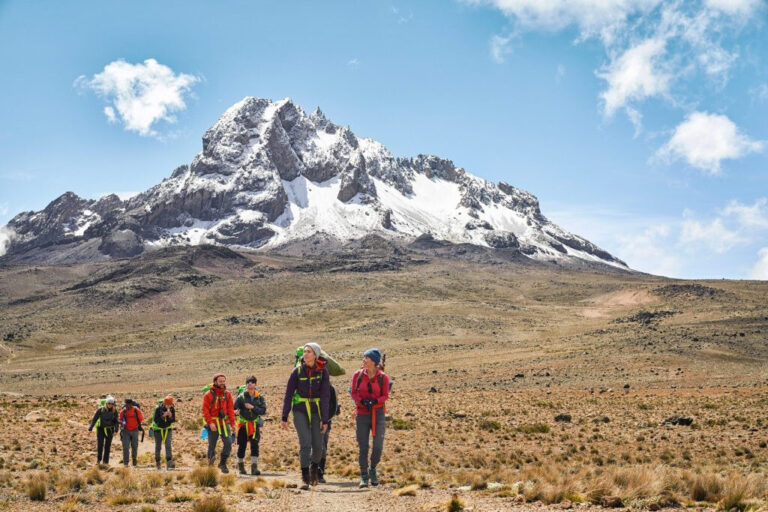
Kilimanjaro Climbing Package For Parents And Teenagers 2026-2027
Kilimanjaro Climbing Package for Parents and Teenagers is explained with current 2026-2027 planning, price, itinerary and booking information.
View package details
Eco-Friendly Kilimanjaro Group Expedition: Your Sustainable Climb In 2026-2027
Discover how to undertake an eco-friendly Kilimanjaro group expedition, focusing on sustainability, responsible tourism, and preparing for your climb in 2026-2027 with Top Guide Adventures.
View package details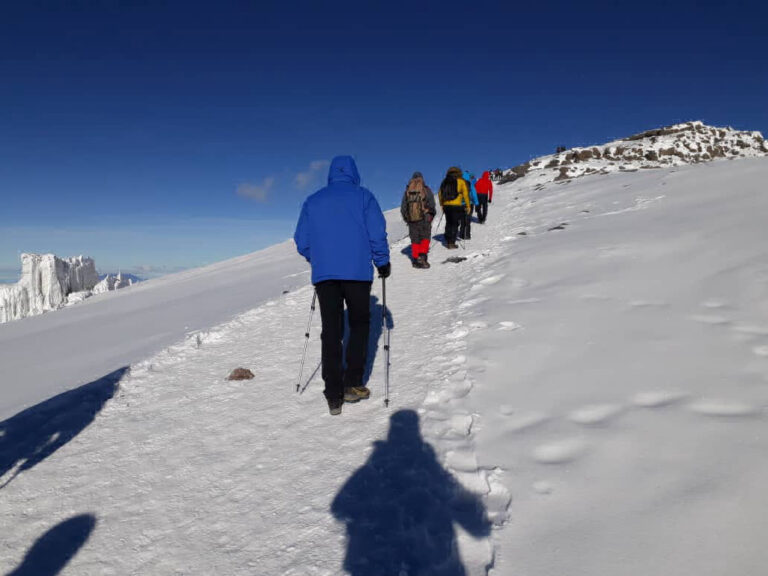
Kilimanjaro Climbing Price For Four People 2026-2027
Kilimanjaro Climbing Price for Four People is explained with current 2026-2027 planning, price, itinerary and booking information.
View package details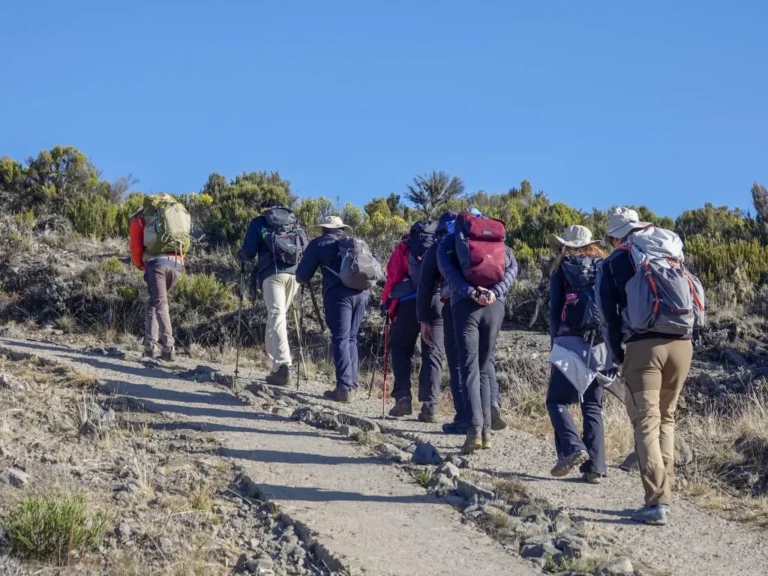
Kilimanjaro Climbing Payment Plan: Flexible Options For Your Adventure
Planning your Kilimanjaro climb is an exciting journey. Top Guide Adventures understands that financial flexibility is key. Discover how our Kilimanjaro climbing payment plan options can...
View package details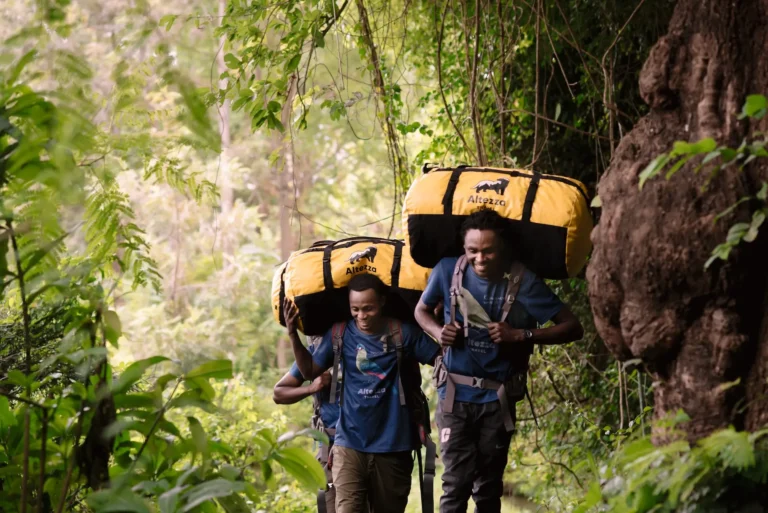
Kilimanjaro Region Seven-Day Non-Climbing Itinerary: Explore Beyond The Summit
Explore the vibrant Kilimanjaro Region for seven days without climbing the mountain. This itinerary focuses on cultural immersion, wildlife encounters, local markets, and scenic beauty...
View package details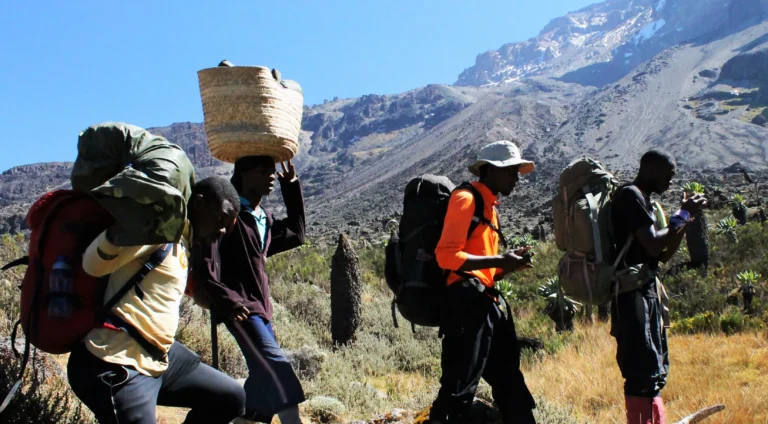
Kilimanjaro Safari Before Rejoining Your Climbing Group | Top Guide Adventures
Combining a safari with your Kilimanjaro climb is a classic Tanzanian adventure. Discover how to seamlessly integrate a wildlife safari experience before meeting your climbing group for the...
View package details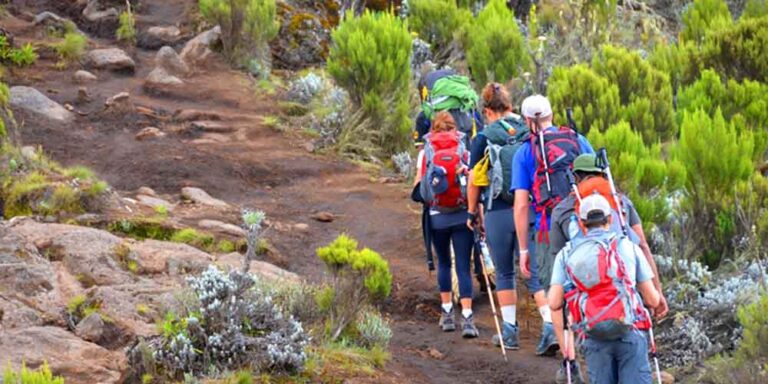
Kilimanjaro Airport And Hotel Support For Climbing Groups | Top Guide
Top Guide Adventures provides comprehensive support for Kilimanjaro climbing groups, from arrival at Kilimanjaro International Airport (JRO) to comfortable hotel stays before and after your...
View package details
Kilimanjaro Family Trip: Climbing And Non-Climbing Options For 2026-2027
Organizing a Kilimanjaro family trip requires careful planning to accommodate varying interests and abilities, ensuring everyone has a memorable experience. This guide covers options for...
View package detailsBarafu Camp Vs Kosovo On Kilimanjaro: A Definitive Comparison For Climbers
A detailed comparison of Barafu Camp and Kosovo Camp on Kilimanjaro, helping climbers decide which high-altitude staging post is best for their 2026-2027 ascent.
View package details
Kilimanjaro Senior Small-Group Departure 2026-2027
Kilimanjaro Senior Small-Group Departure is explained with current 2026-2027 planning, price, itinerary and booking information.
View package details
Kilimanjaro Safari And Climb Package For Seniors: Your Adventure 2026-2027
Top Guide Adventures offers tailored Kilimanjaro safari and climb packages for seniors in 2026-2027, focusing on safety, comfort, and an unforgettable Mount Kilimanjaro experience. Explore...
View package detailsNo related package matches those filters. Clear one or more filters to see the other topic-matched options.



