
To leave no trace on Kilimanjaro, climbers must strictly adhere to Leave No Trace (LNT) principles: plan ahead and prepare, travel and camp on durable surfaces, dispose of waste properly, leave what you find, minimize campfire impacts, respect wildlife, and be considerate of other visitors. This involves carrying out all trash, including organic waste, using designated trails and campsites, properly disposing of human waste in designated toilets or by burying it correctly, avoiding disturbing flora and fauna, and maintaining a low impact on the environment and community.
Understanding the Importance of Leaving No Trace on Kilimanjaro
Kilimanjaro, a UNESCO World Heritage Site and the Roof of Africa, is more than just a mountain; it’s a unique ecosystem that supports diverse flora and fauna, and a vital resource for local communities. As more trekkers aspire to reach its summit each year, the collective impact on this fragile environment becomes a critical concern. The principle of ‘Leave No Trace’ (LNT) is not merely a set of guidelines; it’s a philosophy for responsible outdoor ethics designed to minimize human impact on natural areas. For Kilimanjaro, adhering to LNT is paramount to preserving its beauty, ecological integrity, and the experience for future generations of trekkers in 2026, 2027, and beyond.
Top Guide Adventures is deeply committed to promoting and implementing Leave No Trace principles on every trek we organize. We believe that every climber has a role to play in protecting this iconic mountain. Our guides are trained to uphold these standards rigorously, ensuring that your journey is not only memorable but also environmentally sound. Understanding and actively practicing LNT ensures that Kilimanjaro remains a pristine natural wonder, a testament to sustainable adventure tourism.
The Seven Principles of Leave No Trace Applied to Kilimanjaro
The Leave No Trace Center for Outdoor Ethics outlines seven core principles. Let’s explore how each applies specifically to climbing Kilimanjaro, ensuring your trek in 2026 or 2027 is as low-impact as possible.
1. Plan Ahead and Prepare
Responsible trekking begins long before you set foot on the mountain. Proper planning is the foundation for minimizing your impact. This involves:
- Choosing a Reputable Operator: Select a tour company like Top Guide Adventures that prioritizes LNT ethics, employs experienced and trained guides, and has clear waste management policies. We ensure our porters and guides are educated on LNT and equipped to manage waste effectively.
- Understanding the Route and Conditions: Familiarize yourself with your chosen route (e.g., Machame, Lemosho, Marangu) and the expected weather conditions for your trek dates in 2026 or 2027. This preparation helps you pack appropriately, reducing the need for single-use items or excessive gear.
- Acclimatization: Plan for a longer trek duration to allow for proper acclimatization. Slower ascents reduce the risk of altitude sickness and allow for a more enjoyable and safer experience, indirectly supporting LNT by reducing stress on the body and the environment.
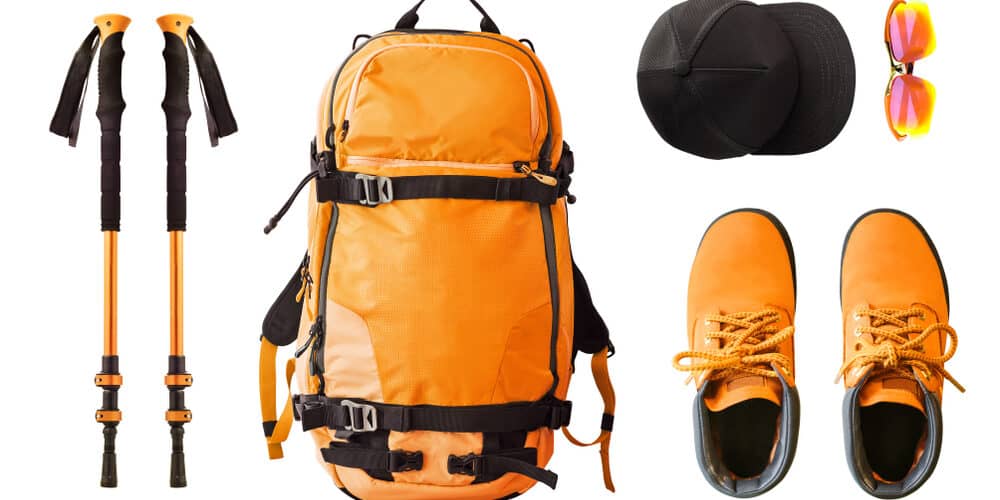
- Packing Essentials: Pack durable, reusable items. Bring your own water bottles or hydration reservoirs instead of relying on single-use plastic bottles, which are prohibited on the mountain. Pack lightweight, quick-drying clothing.
- Learning About Local Regulations: Be aware of park rules and regulations, such as restrictions on campfires and waste disposal.
- Dietary Planning: Plan your meals to minimize food waste. Pack food in reusable containers.
2. Travel and Camp on Durable Surfaces
Kilimanjaro’s trails and campsites are specifically designated to concentrate impact and protect fragile ecosystems. Staying on these surfaces is crucial.
- Stay on Marked Trails: Always walk on the established paths. Venturing off-trail can lead to erosion, damage vegetation, and disturb wildlife. Even a single person walking off-path can start a new erosion channel over time.
- Use Designated Campsites: Camp only in designated camping areas. These sites are chosen to withstand use and are located away from sensitive environmental features like water sources or fragile alpine meadows.
- Minimize Impact at Campsites: Set up tents on bare ground or existing tent platforms. Avoid trampling vegetation around your campsite. Keep your living area compact.
- Avoid Creating New Paths: Do not cut across switchbacks or create shortcuts. These actions accelerate erosion.
3. Dispose of Waste Properly
This is arguably one of the most visible and critical LNT principles on Kilimanjaro. Everything you bring up the mountain must come back down.
- Pack It In, Pack It Out: This applies to all trash, including food scraps, wrappers, toilet paper, and any other non-natural items. Our porters are trained to collect all waste from trekkers and ensure it is brought back to the base for proper disposal.
- Human Waste Management:
- Toilet Tents: On most routes, designated toilet tents are provided at campsites. Use these facilities exclusively.
- Burying Human Waste: In areas without toilets (rare on standard routes but possible on longer expeditions or if facilities are overwhelmed), dig catholes 6-8 inches deep, at least 200 feet (about 70 paces) from water, camp, and trails. Cover and disguise the cathole when finished. However, on Kilimanjaro, the emphasis is strongly on using the provided toilets or packing out solid waste in specialized bags, especially in higher, more sensitive zones. Top Guide Adventures ensures our team carries appropriate waste disposal bags for situations where facilities are unavailable or inadequate.
- Pack Out Toilet Paper: Even used toilet paper should be packed out in a sealed bag. Never bury it, as it does not decompose quickly at high altitudes and can attract animals.
- Wastewater: Dispose of dishwater and greywater at least 200 feet from water sources, trails, and campsites. Scatter it broadly to aid decomposition. Do not wash directly in streams or lakes.
- Food Scraps: Even organic food scraps like fruit peels or nut shells take a long time to decompose at high altitudes and can attract rodents and other animals. Pack them out with your trash.
4. Leave What You Find
Preserve the natural and cultural heritage of Kilimanjaro by leaving everything as you found it.
- Natural Objects: Do not take rocks, plants, flowers, or other natural items. Leave them for others to enjoy and for the ecosystem to maintain itself.
- Cultural Artifacts: Similarly, do not remove any cultural artifacts or historical items.
- Avoid Altering Sites: Do not build structures, dig trenches, or alter the landscape in any way.
- Minimize Your Impact: The goal is to leave the mountain looking as if no one has been there.
5. Minimize Campfire Impacts
Campfires are strictly prohibited on Kilimanjaro. This is a critical rule to protect the fragile alpine and moorland vegetation and to reduce the risk of wildfires.
- No Campfires: Understand that fires are not permitted anywhere on the mountain.
- Use Stoves: All cooking must be done using portable stoves. Our guides and cooks are equipped with efficient stoves for preparing meals.
- Bring Lanterns: Use battery-powered lanterns or headlamps for light rather than candles or open flames.
- Warmth: Layer clothing appropriately for warmth instead of relying on fires.
6. Respect Wildlife
Kilimanjaro hosts a variety of wildlife, from the colobus monkeys in the montane forest to the birds and small mammals in the higher zones. Observing them responsibly is key.
- Observe from a Distance: Never approach, feed, or touch wild animals. Maintain a respectful distance to avoid stressing them or altering their natural behavior.
- Store Food Properly: Keep all food, including scented items, securely stored in your tent or duffel bag to prevent attracting animals.
- Do Not Feed Animals: Feeding wildlife can lead to dependency, health problems, and aggressive behavior.
- Minimize Noise: Keep noise levels down to avoid disturbing wildlife.
- Report Unusual Sightings: If you see injured or distressed wildlife, report it to your guide.
7. Be Considerate of Other Visitors
Kilimanjaro is a popular destination. Ensuring a positive experience for everyone, including fellow trekkers and local communities, is part of responsible travel.
- Yield to Others: On narrow trails, yield to those climbing uphill. Porters carrying loads should also be given priority.
- Keep Noise Levels Down: Avoid loud music or shouting. Respect the natural sounds of the mountain.
- Respect Local Culture: Be polite and respectful to guides, porters, cooks, and local communities you encounter. Learn a few basic Swahili phrases like ‘Jambo’ (Hello) and ‘Asante’ (Thank you).
- Travel in Small Groups: While large groups are common, try to minimize your group’s presence and impact on the trail and at campsites.
- Share the Experience: Remember that everyone is there to enjoy the unique environment. Be patient and courteous.
Waste Management: The Biggest Challenge on Kilimanjaro
The sheer volume of climbers on Kilimanjaro presents a significant waste management challenge. The park authorities and responsible tour operators are working hard to combat this, but the success relies heavily on individual climber participation in Leave No Trace practices.
What is considered waste on Kilimanjaro?
- All food packaging (wrappers, containers, plastic bags)
- All food scraps (even biodegradable ones like fruit peels, vegetable cuttings)
- Used toilet paper and sanitary products
- Any non-essential items brought up the mountain
- Human waste (where designated toilets are not available or functional)
Top Guide Adventures’ Waste Management Protocol:
We employ a rigorous waste management system. All waste generated by our clients and crew is collected, sorted, and carried down the mountain by our dedicated porters. We provide large, durable trash bags for trekkers to collect their daily waste. At the end of each day, this is consolidated with the crew’s waste. We work with designated waste disposal facilities at the base of the mountain. For human waste in specific situations, our guides are equipped with portable toilet systems and waste bags designed for high-altitude environments, ensuring that even in remote sections, waste is managed responsibly.
What You Can Do to Minimize Waste:
- Repackage Food: Before your trek, repackage snacks and meals into reusable containers or sturdy zip-top bags. Discard excess packaging at your hotel.
- Avoid Single-Use Items: Bring reusable water bottles, coffee mugs, and cutlery.
- Minimize Toiletries: Pack travel-sized toiletries and avoid disposable wipes.
- Be Mindful of Packaging: Choose products with minimal packaging.
- Educate Yourself: Understand the importance of packing out everything, including organic waste.
Protecting Kilimanjaro’s Ecosystems
Kilimanjaro’s slopes host distinct ecological zones, each with its own unique flora and fauna that are vulnerable to human impact. Understanding these zones helps in appreciating why specific LNT practices are vital.
- Cultivation Zone: The lower slopes are farmed by local communities. Respect private property and local customs.
- Rainforest Zone: This zone is rich in biodiversity, home to monkeys (including the rare Angolan Colobus), various bird species, and lush vegetation. Stay on trails to avoid disturbing the delicate undergrowth and wildlife habitats.
- Heath Zone: Characterized by giant heathers, groundsels, and lobelias. This zone is sensitive to trampling. Stick to marked paths.
- Moorland Zone: A more arid, open landscape with hardy grasses and drought-resistant plants. Erosion is a significant risk here, making trail adherence critical.
- Arctic Zone: Above 4,500 meters, this zone is characterized by rock, scree, and ice. Vegetation is sparse, and the environment is harsh. Minimize disturbance to the soil and any fragile plant life that manages to survive.
- Summit Zone: The summit crater itself is a stark, volcanic landscape. Tread lightly and respect the geological features.
By respecting these zones and adhering to LNT, you help preserve the natural processes and biodiversity that make Kilimanjaro so special.
The Role of Guides and Porters in Leave No Trace
Your guides and porters are your primary resource for LNT on Kilimanjaro. They are trained professionals who understand the mountain, its environment, and the importance of responsible trekking.
What Top Guide Adventures’ Crew Does:
- Lead by Example: Our crew demonstrates LNT practices throughout the trek.
- Educate Climbers: They will brief you on LNT principles and remind you of specific practices needed on the mountain.
- Waste Management: They are responsible for collecting and carrying all waste back down.
- Trail Maintenance: They are trained to identify and report trail erosion or damage to park rangers.
- Human Waste Disposal: They manage the use of toilets and carry out waste as required.
- Camp Management: They ensure campsites are left clean and tidy.
How You Can Support Them:
- Listen to Their Instructions: Your guides are experts. Follow their advice regarding LNT.
- Cooperate with Waste Collection: Keep your daily waste organized and ready for collection.
- Be Respectful: Treat your crew with respect and kindness. They are working hard to ensure your safety and a low-impact trek.
- Provide Feedback: If you notice something that could be improved regarding LNT practices, communicate it constructively to your lead guide or the company.
Ethical Considerations for Kilimanjaro Trekkers
Beyond the seven LNT principles, there are broader ethical considerations that contribute to a positive and sustainable trekking experience.
- Support Local Communities: Choose operators like Top Guide Adventures that employ local guides and porters, pay fair wages, and contribute to the local economy. Purchase souvenirs responsibly from local artisans.
- Cultural Sensitivity: Be aware of and respect local customs and traditions. Ask permission before taking photos of people.
- Water Usage: While water is available from streams at lower altitudes, always treat or purify it. Be mindful of your water consumption and avoid wasting this precious resource, especially at higher elevations.
- Carbon Footprint: Consider the environmental impact of your travel to Tanzania. Offset your carbon emissions if possible.
- Health and Safety: Prioritize your own health and safety through proper acclimatization and preparation. This reduces the likelihood of requiring emergency evacuations, which can have a significant environmental and logistical impact.
Planning Your Kilimanjaro Trek in 2026-2027 with LNT in Mind
When planning your Kilimanjaro adventure for 2026 or 2027, integrating LNT principles from the outset will make your trek more enjoyable and responsible.
Choosing the Right Route for LNT:
While all routes require LNT adherence, some routes are longer and offer better acclimatization, which can indirectly lead to a more considered approach to the environment. Routes like Lemosho and the Northern Circuit are known for their scenic beauty and lower traffic, potentially leading to a more intimate experience with nature. However, responsible behavior is paramount on any route, including the popular Machame and Marangu routes.
Booking with a Responsible Operator:
Top Guide Adventures is dedicated to sustainable tourism. We ensure our operations comply with national park regulations and international LNT best practices. When you book with us for your 2026 or 2027 climb, you are choosing a partner committed to environmental stewardship and the well-being of our guides and porters. We provide comprehensive pre-trek information on LNT, pack appropriate waste disposal gear, and train our crew to uphold these standards.
Packing for an LNT Trek:
- Reusable Water Bottles/Hydration Pack: Essential. Avoid single-use plastic bottles.
- Water Purification Method: Filter, purification tablets, or UV sterilizer.
- Durable Clothing: Layering is key. Avoid disposable items.
- Reusable Food Containers: For snacks and meals.
- Headlamp/Lantern: For light, not open flames.
- Trowel and Toilet Paper: For emergencies, though park facilities are primary. We provide specialized waste bags.
- Biodegradable Soap: For personal hygiene, use sparingly and away from water sources.
- Camera and Binoculars: To enjoy wildlife and scenery from a distance.
Common Mistakes to Avoid on Kilimanjaro (and How They Violate LNT)
Many common practices, often done without ill intent, can negatively impact Kilimanjaro. Understanding these pitfalls helps ensure you avoid them.
- Leaving Food Scraps: Even a banana peel takes a long time to decompose at altitude and can attract rodents. Violation: Dispose of Waste Properly, Leave What You Find.
- Feeding Wildlife: This habit habituates animals to humans, making them dependent and potentially aggressive. Violation: Respect Wildlife.
- Taking Souvenirs from Nature: Picking flowers, taking rocks, or removing plants damages the ecosystem. Violation: Leave What You Find.
- Walking Off-Trail: This leads to erosion and damages fragile vegetation. Violation: Travel and Camp on Durable Surfaces.
- Using Disposable Water Bottles: The sheer volume of plastic waste is immense. Violation: Dispose of Waste Properly, Plan Ahead and Prepare.
- Creating Fire: Strictly prohibited and a major fire risk. Violation: Minimize Campfire Impacts.
- Littering: Dropping any form of trash, no matter how small. Violation: Dispose of Waste Properly.
- Loud Noise/Disruption: Disturbing the peace for others and wildlife. Violation: Be Considerate of Other Visitors, Respect Wildlife.
The Future of Kilimanjaro: Sustaining the Mountain for 2026 and Beyond
The long-term health of Kilimanjaro depends on a collective commitment to sustainable practices. As visitor numbers are projected to remain high, or even increase, for 2026 and 2027, the importance of LNT cannot be overstated.
Park authorities are continuously working on improving infrastructure, waste management systems, and ranger patrols. Responsible tour operators play a crucial role in educating clients and ensuring compliance. However, the ultimate responsibility lies with each individual climber. By embracing the LNT philosophy, you contribute to a legacy of preservation, ensuring that Kilimanjaro’s majestic beauty and unique environment can be experienced by generations to come.
Top Guide Adventures is proud to be at the forefront of promoting responsible Kilimanjaro climbs. We invest in training our staff, implementing robust waste management protocols, and educating our clients. We believe that a Kilimanjaro climb should be an enriching experience that not only challenges you physically but also deepens your appreciation for nature and your commitment to protecting it.
We invite you to join us for your 2026 or 2027 Kilimanjaro adventure. Let’s climb responsibly, leave no trace, and ensure the Roof of Africa remains a pristine natural wonder for all time. If you have any questions about how we implement Leave No Trace principles or wish to discuss your trek plans, please do not hesitate to contact us.
You can reach us via WhatsApp at +255616946642, email at topguideadventures@gmail.com, or our backup email info@topguideadventures.com. Let’s plan your unforgettable and responsible Kilimanjaro journey together.
Check Availability for How To Leave No Trace On Kilimanjaro: A Guide For Responsible Trekkers
Ready to compare dates, prices, and the best option for your group? Send the package name and travel month so the team can reply with a clear quote, availability, and what is included.
Can You Leave Kilimanjaro Early? 2026-2027
Can You Leave Kilimanjaro Early? is explained with current 2026-2027 planning, price, itinerary and booking information.
View package details
Kilimanjaro Senior Small-Group Departure 2026-2027
Kilimanjaro Senior Small-Group Departure is explained with current 2026-2027 planning, price, itinerary and booking information.
View package details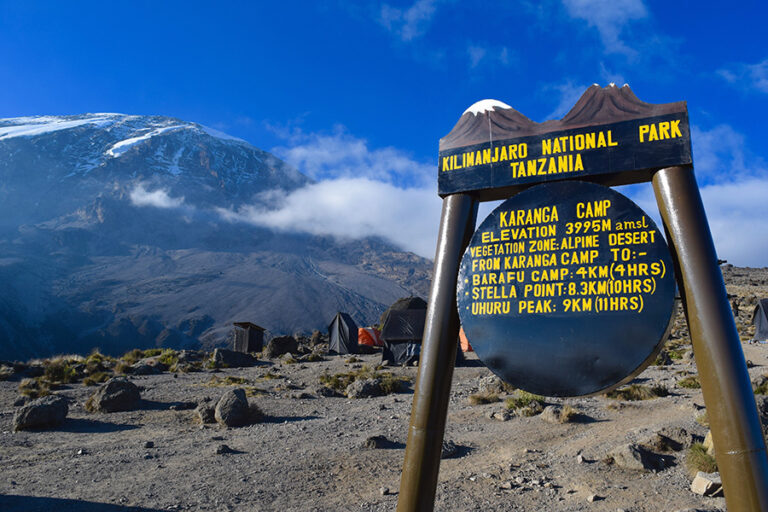
Kilimanjaro Safari And Climb Package For Seniors: Your Adventure 2026-2027
Top Guide Adventures offers tailored Kilimanjaro safari and climb packages for seniors in 2026-2027, focusing on safety, comfort, and an unforgettable Mount Kilimanjaro experience. Explore...
View package details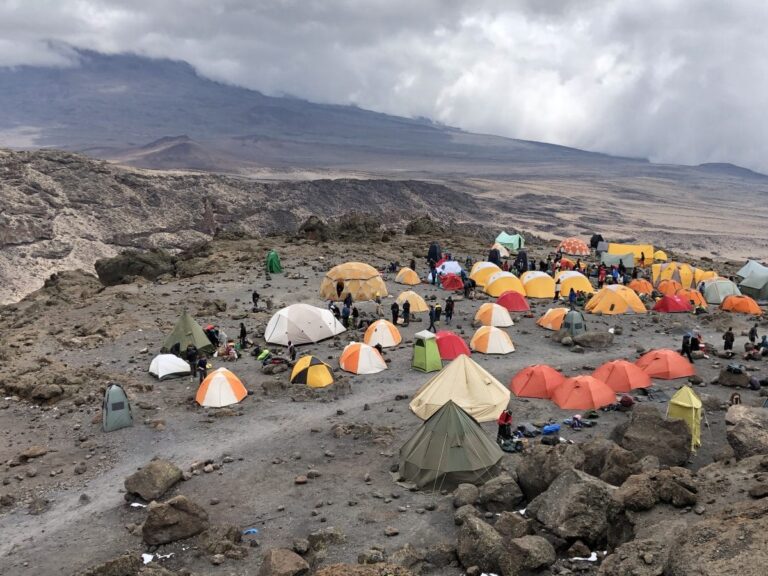
Kilimanjaro Travel Insurance For Travellers Over 65 In 2026-2027
Climbing Kilimanjaro over 65? This guide covers essential travel insurance for seniors, detailing coverage needs, policy types, and how to find the right policy for your 2026-2027 adventure.
View package detailsKilimanjaro Summit Success Tips For Older Hikers In | Top Guide Adventures
Achieving your dream of standing on the Roof of Africa is possible at any age. This guide provides essential Kilimanjaro summit success tips specifically for older hikers, covering...
View package details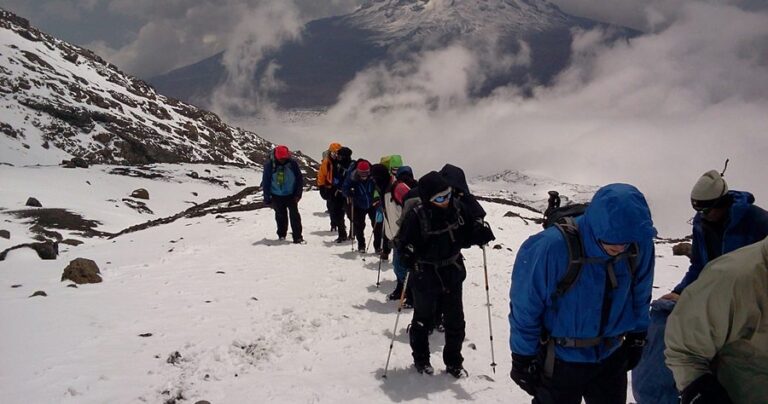
Kilimanjaro Climb With Private Medical Support Guide
Climbing Mount Kilimanjaro is a dream for many adventurers. Ensuring your safety and well-being is paramount, especially at high altitudes. A Kilimanjaro climb with private medical support...
View package details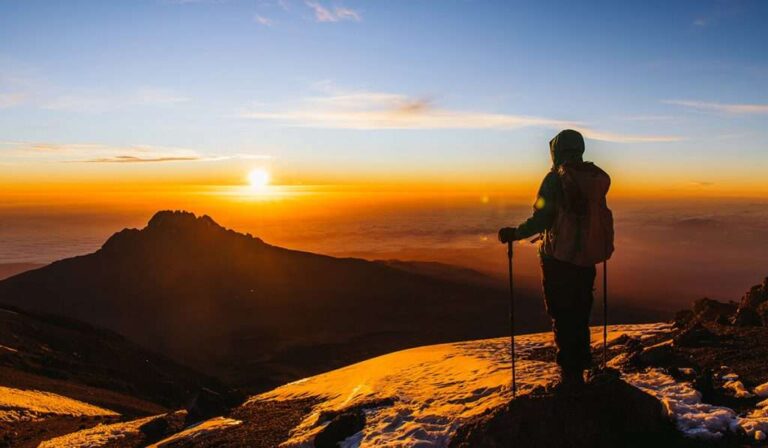
Kilimanjaro Climb With Additional Personal Porter 2026-2027
Kilimanjaro Climb with Additional Personal Porter is explained with current 2026-2027 planning, price, itinerary and booking information.
View package details
Kilimanjaro Luxury Climb For Mature Travellers In | Top Guide Adventures
Discover the ultimate Kilimanjaro luxury climb experience designed specifically for mature travellers in 2026-2027. Top Guide Adventures provides unparalleled comfort, expert guides, and...
View package details
Kilimanjaro Knee Protection For Senior Hikers 2026-2027
Kilimanjaro Knee Protection for Senior Hikers is explained with current 2026-2027 planning, price, itinerary and booking information.
View package details
Kilimanjaro Medical Preparation For Older Climbers: Essential Guide 2026-2027
Climbing Kilimanjaro is achievable for older adventurers with thorough medical preparation. This guide covers essential health checks, fitness strategies, altitude acclimatization, and...
View package details
Private Kilimanjaro Climb For Senior Travellers: A Comprehensive Guide
This guide details private Kilimanjaro climbs tailored for senior travellers, covering route selection, acclimatization, safety, gear, and the benefits of a private climb with Top Guide...
View package details
Kilimanjaro Climb With Extra Rest Days 2026-2027
Kilimanjaro Climb with Extra Rest Days is explained with current 2026-2027 planning, price, itinerary and booking information.
View package detailsNo related package matches those filters. Clear one or more filters to see the other topic-matched options.



