
Responsible waste management on Kilimanjaro involves packing out all trash, including food scraps and biodegradable items, using designated waste disposal points where available, avoiding single-use plastics, and ensuring all waste is properly contained and transported down the mountain by your guide team. This practice is crucial for preserving Kilimanjaro’s unique environment for future climbers and for the health of the mountain ecosystem.
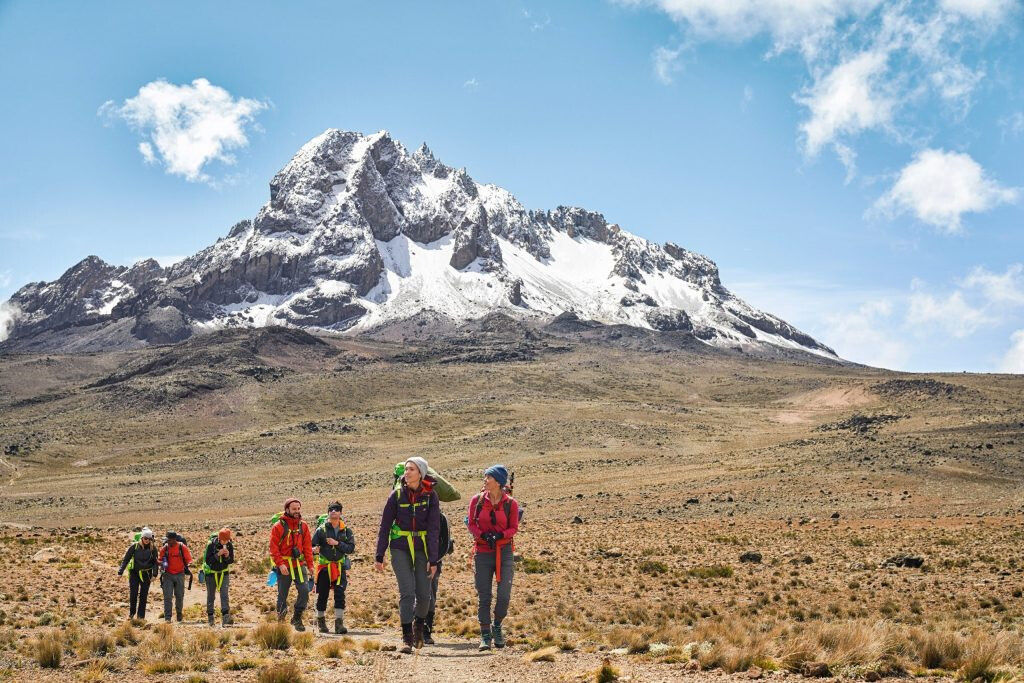
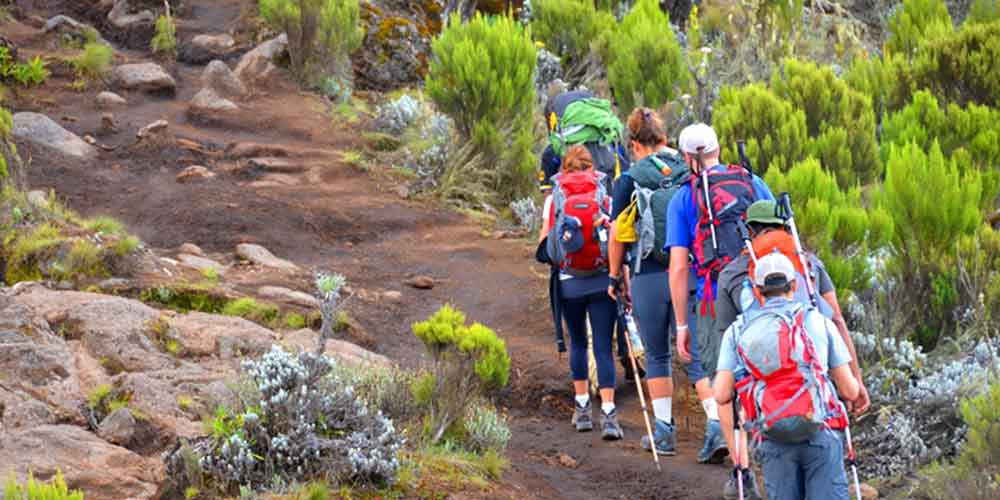
Understanding the Urgency: Why Responsible Waste Management on Kilimanjaro Matters
Kilimanjaro, the Roof of Africa, is not just a towering peak; it’s a vibrant, albeit delicate, ecosystem. As more adventurers set their sights on its summit, the impact of human presence becomes increasingly significant. One of the most critical aspects of ensuring this natural wonder remains pristine for generations to come is through rigorous and responsible waste management. At Top Guide Adventures, we believe that every climber shares this responsibility, and we are committed to educating and equipping our clients with the knowledge and tools necessary to minimize their environmental footprint on this magnificent mountain.
The sheer volume of trekkers visiting Kilimanjaro each year presents a substantial challenge. Without proper waste management protocols, the mountain risks suffering from pollution that degrades its beauty, harms its wildlife, and can even pose health risks. This isn’t just about aesthetics; it’s about the ecological integrity of a UNESCO World Heritage Site. From the lush rainforests at its base to the barren alpine desert and the arctic summit, every zone has its unique flora and fauna that are vulnerable to contamination. Understanding the ‘why’ behind responsible waste management on Kilimanjaro is the first step towards truly embodying the spirit of a conscientious adventurer.
For climbers planning their ascent in 2026 or 2027, these principles are more important than ever. As environmental awareness grows globally, so does the expectation for responsible tourism practices. Tour operators, park authorities, and climbers themselves are all part of a collective effort to ensure Kilimanjaro is protected. This guide, provided by your trusted partners at Top Guide Adventures, aims to be your comprehensive resource on how to achieve this vital goal.
The “Pack It In, Pack It Out” Philosophy: The Cornerstone of Kilimanjaro Waste Management
The fundamental principle guiding responsible waste management on Kilimanjaro is simple yet powerful: “Pack It In, Pack It Out.” This means that anything you bring onto the mountain, you must also bring back down. There are no exceptions. This philosophy extends to every item, from food wrappers and plastic bottles to biodegradable waste like fruit peels and even human waste in certain sensitive areas or camping situations.
Why is this so critical on Kilimanjaro? Unlike many other trekking destinations, Kilimanjaro National Park has limited infrastructure for waste disposal. The high altitude and harsh conditions make composting or burying waste impractical and ecologically unsound. Furthermore, the sheer number of climbers means that even “biodegradable” items can accumulate to detrimental levels, altering soil composition, attracting pests, and detracting from the natural beauty. Your trekking crew, including guides and porters, are invaluable in assisting with this process, but the ultimate responsibility for what is consumed and discarded rests with the climber.
What Constitutes “Waste” on the Mountain?
It’s easy to think of waste as just obvious trash like crisp packets or plastic bottles. However, on Kilimanjaro, a broader definition is necessary:
- Non-biodegradable items: This includes all plastics (bottles, wrappers, bags, packaging), metals (cans, foil), glass, and synthetic materials. These items do not decompose naturally within a reasonable timeframe and must be carried down.
- Biodegradable items: While these will eventually break down, they should still be packed out. This category includes:
- Food scraps (apple cores, banana peels, orange segments)
- Tea bags and coffee grounds
- Cooked food waste
- Sanitary waste: Used tissues, wet wipes, menstrual products, and any personal hygiene items must be bagged and carried down.
- Human waste: While pit latrines are provided at established camps, climbers are often advised to carry out solid waste, especially on higher, more remote sections or when using portable toilets. This is a critical aspect of responsible waste management on Kilimanjaro.
The goal is to leave no trace. Every wrapper, every peel, every tissue – it all needs to be accounted for on the journey down.
The Role of Your Expedition Team
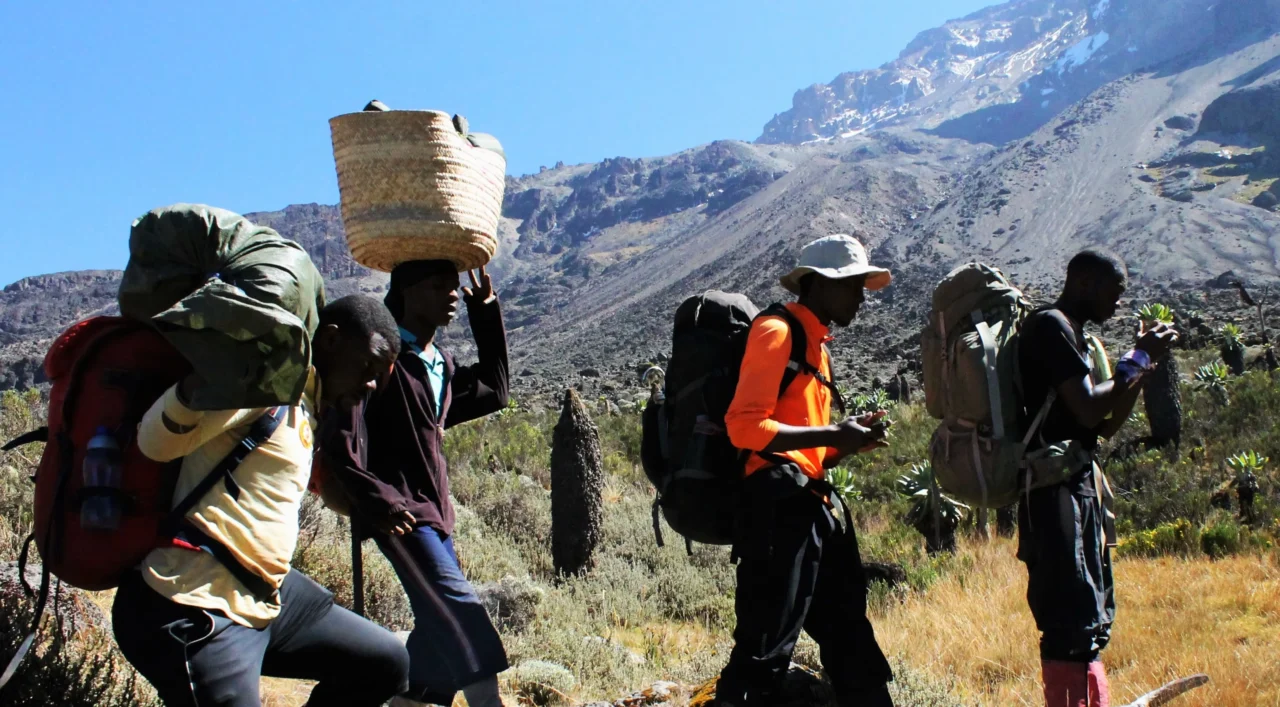
Your guides and porters are your allies in responsible waste management on Kilimanjaro. They are trained in park regulations and best practices. They will provide you with waste bags and instructions. However, they cannot be expected to collect waste that you have carelessly discarded. The process begins with you:
- Segregation: Keep your personal waste separate from communal waste.
- Containment: Use the provided bags or sturdy Ziploc bags to keep waste secure and prevent leaks.
- Handover: At the end of each day, or when instructed, hand over your collected waste to your guide or designated crew member for proper transport down the mountain.
Top Guide Adventures ensures our teams are well-versed in these protocols, but your active participation is paramount. This is a shared effort to maintain the mountain’s pristine condition.
Pre-Trek Preparation: Minimizing Waste Before You Even Start
The most effective waste management strategy begins long before you set foot on Kilimanjaro. By making conscious choices during your packing and preparation phase, you can significantly reduce the amount of waste you’ll need to manage on the mountain. This proactive approach is a hallmark of responsible trekking.
Smart Packing Strategies
Think critically about every item you pack. Can it be replaced with a reusable alternative? Can its packaging be minimized?
- Repackage food: Remove excess commercial packaging from snacks, meals, and toiletries. Repackage items into smaller, durable, reusable containers or sturdy Ziploc bags. For example, instead of bringing a box of cereal, portion out servings into individual bags.
- Choose reusable water bottles and purification systems: Avoid single-use plastic water bottles. Bring a good quality reusable water bottle (or two) and a reliable water purification method (filter, purification tablets, or UV sterilizer). This dramatically cuts down on plastic waste.
- Minimize toiletries: Pack travel-sized toiletries. Consider solid alternatives like shampoo bars and bar soap instead of liquids in plastic bottles.
- Durable gear: Invest in high-quality, durable gear that will last for multiple trips. This reduces the need for frequent replacements and the waste associated with discarded equipment.
- Avoid disposable items: Leave behind disposable cutlery, plates, and cups. Your expedition team will provide reusable mess kits.
Choosing Your Gear Wisely
The gear you select has a direct impact on waste. Opting for quality over quantity not only serves you better on the mountain but also contributes to responsible consumption.
- Reusable water bottles: Essential. Bring at least two 1-liter bottles.
- Water purification: Essential. Filters, tablets, or UV pens reduce reliance on bottled water.
- Reusable snack bags/containers: For repackaged food items.
- Durable headlamp with rechargeable batteries: Reduces waste from disposable batteries.
- High-quality trekking poles: Reusable and essential for many.
Communicating with Your Operator
Top Guide Adventures is dedicated to helping you prepare. Don’t hesitate to reach out with questions about packing. We can offer advice on specific items and how to minimize their packaging. A well-prepared trekker is an environmentally conscious trekker.
Waste Management During the Trek: Day-by-Day Practices
Once on the mountain, consistent adherence to waste management protocols is key. Every step, every meal, every break presents an opportunity to practice responsible waste management on Kilimanjaro.
At the Campsites
Campsites are designated areas, and maintaining their cleanliness is paramount. Your expedition team will set up a central waste collection point, often a designated bag or bin.
- Food Waste: All food scraps, including fruit peels, vegetable matter, and leftovers, must be collected. Do not leave them lying around for animals or to decompose.
- Packaging: All wrappers, plastic bags, and packaging from snacks and meals should be consolidated.
- Sanitary Items: Used tissues, wet wipes, and feminine hygiene products must be placed in a separate, sealed bag provided by your guides. These are never to be buried or left behind.
- General Trash: Any other non-biodegradable waste should be kept in a designated bag.
Your guides will ensure these bags are securely stored and transported down the mountain. They often have specific systems for managing waste from multiple groups.
On the Trails
While trekking between camps, maintaining a “leave no trace” principle is crucial. This is where “Pack It In, Pack It Out” truly comes into play.
- Snack wrappers: Always put wrappers from snacks into your personal waste bag immediately. Don’t wait until you get back to camp.
- Fruit peels: While often considered “biodegradable,” orange peels, banana skins, and apple cores can take a surprisingly long time to decompose at high altitudes and can attract rodents. Pack them out.
- Water bottles: Ensure your reusable bottles are securely capped.
- Tissues/Wipes: If you need to use a tissue or wipe, put it in a small plastic bag you carry for this purpose.
The trail should look as if you were never there. This requires constant vigilance and a conscious effort from every climber.
Dealing with Human Waste
Human waste is a significant environmental concern on Kilimanjaro. Park regulations and best practices are in place to manage it responsibly.
- Designated Toilets: At established campsites, pit latrines are usually available. Use them whenever possible.
- Carry-Out Policies: On certain routes or in more remote areas, climbers may be required to carry out all solid human waste using specialized “WAG” bags (Waste Alleviation and Gelling bags). Your Top Guide Adventures team will inform you if this is part of your itinerary. These bags contain a special gelling agent that solidifies waste and neutralizes odors, making transport safe and hygienic.
- Urine: While generally less problematic than solid waste, urinating should be done away from water sources and trails to minimize impact.
Adhering to these guidelines is a critical component of responsible waste management on Kilimanjaro and helps protect the mountain’s water sources and delicate vegetation.
Specific Waste Streams and How to Manage Them
Different types of waste require slightly different approaches to ensure they are handled correctly. Understanding these nuances is part of comprehensive responsible waste management on Kilimanjaro.
Plastic Waste: The Persistent Problem
Plastics are a major concern due to their longevity and potential to pollute ecosystems. Minimizing plastic use is key, and packing out what you bring is non-negotiable.
- Single-Use Plastics: Actively avoid them during preparation. This includes plastic water bottles, straws, plastic cutlery, and excessively packaged snacks.
- Repackaging: As mentioned, repackaging food into reusable containers or Ziploc bags significantly reduces the amount of plastic waste generated.
- Collection: All plastic wrappers, bottles, bags, and packaging must be collected and stored securely in your designated waste bag.
- Transport: Your expedition team will ensure these plastics are transported all the way down to a proper disposal facility in Moshi or Arusha.
Biodegradable Waste: Still Needs Management
While biodegradable, items like fruit peels, vegetable scraps, and tea bags still pose a problem if left on the mountain.
- Why Pack Out? At high altitudes, decomposition is slow. Large quantities can alter soil pH, attract rodents and insects, and create an unsightly mess. They can also be mistaken for food by animals, which is detrimental to their natural diet.
- Collection: All food scraps should be collected in a separate, often leak-proof, bag designated for organic waste.
- Disposal: These organic waste bags are also carried down by the crew for proper disposal, often through composting facilities at lower altitudes.
Paper and Cardboard
While less common, some paper products might be brought along.
- Minimize: Avoid bringing unnecessary paper items.
- Collection: Small amounts of paper waste, like used tissues, should be bagged and packed out.
- Burning: Burning waste on the mountain is strictly prohibited and is a fire hazard.
Batteries and Electronics
If you bring electronic devices, ensure you manage their waste responsibly.
- Batteries: Use rechargeable batteries whenever possible. If you must use disposable batteries, carry used ones down with you for proper recycling. Do not leave them on the mountain.
- Electronics: If carrying devices like cameras or GPS units, be mindful of their end-of-life disposal.
The Role of Kilimanjaro National Park and Tour Operators
Responsible waste management on Kilimanjaro is a collaborative effort involving park authorities and reputable tour operators like Top Guide Adventures.
Kilimanjaro National Park Authority (Kinapa) Regulations
Kinapa has stringent regulations to protect the mountain’s environment. These include:
- Strict waste disposal rules: All waste must be carried down to designated collection points.
- Prohibition of fires: Burning waste or campfires is forbidden.
- Mandatory porter support: Porters are essential for carrying supplies and, crucially, for carrying out all waste.
- Regular patrols: Rangers monitor campsites and trails for compliance. Violations can result in fines or expulsion from the park.
Kinapa also actively works on waste management strategies, including establishing waste collection points and promoting environmental education. Climbers can expect to see signs and receive briefings about these regulations.
Top Guide Adventures’ Commitment
As a leading tour operator in Tanzania, Top Guide Adventures places environmental responsibility at the forefront of our operations. Our commitment to responsible waste management on Kilimanjaro includes:
- Comprehensive Briefings: We provide detailed pre-climb briefings to all our clients, covering waste management protocols, what to pack, and what to avoid.
- Equipped Teams: Our guides and porters are trained and equipped with sufficient waste bags and the knowledge to manage waste effectively throughout the trek.
- Policy Enforcement: We strictly enforce the “Pack It In, Pack It Out” policy among our clients and crew.
- Sustainable Practices: We continuously review and update our practices to align with the latest environmental guidelines and promote sustainability. We encourage reusable items and advise clients on how to minimize their waste footprint.
- Support for Park Initiatives: We support Kinapa’s efforts and work collaboratively to ensure the mountain remains pristine.
Our goal is to ensure that your Kilimanjaro adventure is not only memorable but also leaves a positive legacy. For any questions regarding our environmental policies or preparation for your 2026 or 2027 climb, please feel free to contact us.
The “Leave No Trace” Ethics on Kilimanjaro
The “Leave No Trace” (LNT) principles are a set of outdoor ethics focused on minimizing human impact. While often associated with wilderness areas, they are fundamental to responsible waste management on Kilimanjaro.
The seven LNT principles provide a framework:
- Plan Ahead and Prepare: This is what we’ve discussed regarding smart packing and understanding regulations.
- Travel and Camp on Durable Surfaces: Stick to established trails and campsites to avoid damaging vegetation.
- Dispose of Waste Properly: This is the core of our discussion – pack it in, pack it out.
- Leave What You Find: Do not take rocks, plants, or other natural objects from the mountain.
- Minimize Campfire Impacts: Campfires are prohibited on Kilimanjaro, so this principle is inherently met by park rules.
- Respect Wildlife: Do not feed or disturb animals. Proper waste management prevents attracting them to campsites.
- Be Considerate of Other Visitors: While not directly waste-related, this encompasses a general respect for the shared environment.
Applying these principles ensures that Kilimanjaro remains a wild and beautiful place for everyone. Responsible waste management on Kilimanjaro is not just a rule; it’s an ethical commitment.
Common Mistakes to Avoid in Waste Management on Kilimanjaro
Even with the best intentions, climbers can sometimes make mistakes that undermine waste management efforts. Being aware of these common pitfalls can help you avoid them.
- Assuming “Biodegradable” means “Leave it”: As discussed, fruit peels and organic matter decompose very slowly at high altitudes and should be packed out.
- Leaving items behind in tents or bags: Ensure all personal items and waste are accounted for before leaving a campsite or upon descent.
- Discarding waste outside designated bins or bags: Even a small item dropped can accumulate.
- Burning waste: This is strictly forbidden and dangerous.
- Burying waste: This is also not permitted and can contaminate soil and water.
- Not carrying out sanitary products: These must be bagged and packed out.
- Relying solely on porters: While porters carry the waste down, the responsibility for generating it and ensuring it’s collected lies with the climber.
- Bringing excessive single-use plastics: This creates unnecessary waste from the outset.
By being mindful of these common errors, you can significantly contribute to effective responsible waste management on Kilimanjaro.
The Future of Waste Management on Kilimanjaro: Innovations and Expectations for 2026-2027
As environmental consciousness evolves, so too do the strategies for managing waste on popular trekking destinations like Kilimanjaro. For climbers planning their expeditions in 2026 and 2027, understanding these trends can provide context and encourage further commitment.
Increased Focus on Plastic Reduction
There’s a growing global movement to reduce single-use plastics. Expect to see even stronger encouragement, and potentially stricter enforcement, of policies aimed at minimizing plastic brought onto the mountain. This might include:
- Stricter checks at park gates: Tour operators and park authorities may be more vigilant in checking that climbers aren’t bringing excessive non-essential plastic items.
- Promoting reusable alternatives: Continued emphasis on reusable water bottles, food containers, and even reusable sanitary products.
- Potential for levies or bans: While speculative, some destinations are exploring fees for single-use plastics or outright bans on certain items.
Technological Advancements
Innovations in waste management technology could play a role:
- Improved WAG bags: Developments in materials and gelling agents for human waste disposal could make carrying out waste more efficient and safer.
- Better waste sorting and recycling infrastructure: Lower down the mountain, in towns like Moshi, improvements in recycling facilities can ensure that the waste packed out is processed more effectively.
Enhanced Climber Education
The trend is towards more comprehensive and engaging education for trekkers. Expect:
- Digital resources: More online guides, videos, and apps providing pre-climb information on responsible practices.
- On-mountain education: Guides may increasingly incorporate waste management reminders and environmental discussions into daily briefings.
- Partnerships: Increased collaboration between tour operators, park authorities, and environmental NGOs to deliver consistent messaging.
The Role of Responsible Tour Operators
Reputable operators like Top Guide Adventures will continue to lead by example. We will stay updated on park regulations, invest in training for our crew, and proactively educate our clients. Choosing an operator committed to sustainability is crucial for responsible waste management on Kilimanjaro in 2026, 2027, and beyond.
Conclusion: Your Role in Protecting Kilimanjaro
Climbing Kilimanjaro is an extraordinary experience, offering unparalleled views and a profound sense of accomplishment. However, this privilege comes with a significant responsibility: to protect the mountain’s fragile environment. Responsible waste management on Kilimanjaro is not an optional add-on; it is an integral part of every successful and ethical trek.
By embracing the “Pack It In, Pack It Out” philosophy, minimizing waste through smart preparation, adhering to strict protocols during your trek, and understanding the regulations set forth by Kilimanjaro National Park, you become a guardian of this natural wonder. Your actions, combined with the efforts of your expedition team and responsible tour operators like Top Guide Adventures, ensure that Kilimanjaro remains a impressive destination for future generations of adventurers planning their climbs in 2026, 2027, and far into the future.
We invite you to partner with us for your Kilimanjaro adventure. Our commitment is to provide you with an exceptional climbing experience while upholding the highest standards of environmental stewardship. Let’s work together to keep Kilimanjaro wild and beautiful.
For inquiries about planning your responsible Kilimanjaro climb or for any questions regarding our environmental policies, please do not hesitate to contact us:
WhatsApp: +255616946642
Email: topguideadventures@gmail.com
Backup Email: info@topguideadventures.com
Visit our website for more information on our Tanzania tours and Kilimanjaro climbs.
Check Availability for Responsible Waste Management On Kilimanjaro: A Top Guide Adventures…
Ready to compare dates, prices, and the best option for your group? Send the package name and travel month so the team can reply with a clear quote, availability, and what is included.
How To Leave No Trace On Kilimanjaro: A Guide For Responsible Trekkers
Discover the essential principles of Leave No Trace for your Kilimanjaro climb. This comprehensive guide ensures you trek responsibly, minimizing your impact on Africa's highest peak for...
View package details
Kilimanjaro Senior Small-Group Departure 2026-2027
Kilimanjaro Senior Small-Group Departure is explained with current 2026-2027 planning, price, itinerary and booking information.
View package details
Kilimanjaro Safari And Climb Package For Seniors: Your Adventure 2026-2027
Top Guide Adventures offers tailored Kilimanjaro safari and climb packages for seniors in 2026-2027, focusing on safety, comfort, and an unforgettable Mount Kilimanjaro experience. Explore...
View package details
Kilimanjaro Travel Insurance For Travellers Over 65 In 2026-2027
Climbing Kilimanjaro over 65? This guide covers essential travel insurance for seniors, detailing coverage needs, policy types, and how to find the right policy for your 2026-2027 adventure.
View package detailsKilimanjaro Summit Success Tips For Older Hikers In | Top Guide Adventures
Achieving your dream of standing on the Roof of Africa is possible at any age. This guide provides essential Kilimanjaro summit success tips specifically for older hikers, covering...
View package details
Kilimanjaro Climb With Private Medical Support Guide
Climbing Mount Kilimanjaro is a dream for many adventurers. Ensuring your safety and well-being is paramount, especially at high altitudes. A Kilimanjaro climb with private medical support...
View package details
Kilimanjaro Climb With Additional Personal Porter 2026-2027
Kilimanjaro Climb with Additional Personal Porter is explained with current 2026-2027 planning, price, itinerary and booking information.
View package details
Kilimanjaro Luxury Climb For Mature Travellers In | Top Guide Adventures
Discover the ultimate Kilimanjaro luxury climb experience designed specifically for mature travellers in 2026-2027. Top Guide Adventures provides unparalleled comfort, expert guides, and...
View package details
Kilimanjaro Knee Protection For Senior Hikers 2026-2027
Kilimanjaro Knee Protection for Senior Hikers is explained with current 2026-2027 planning, price, itinerary and booking information.
View package details
Kilimanjaro Medical Preparation For Older Climbers: Essential Guide 2026-2027
Climbing Kilimanjaro is achievable for older adventurers with thorough medical preparation. This guide covers essential health checks, fitness strategies, altitude acclimatization, and...
View package details
Private Kilimanjaro Climb For Senior Travellers: A Comprehensive Guide
This guide details private Kilimanjaro climbs tailored for senior travellers, covering route selection, acclimatization, safety, gear, and the benefits of a private climb with Top Guide...
View package details
Kilimanjaro Climb With Extra Rest Days 2026-2027
Kilimanjaro Climb with Extra Rest Days is explained with current 2026-2027 planning, price, itinerary and booking information.
View package detailsNo related package matches those filters. Clear one or more filters to see the other topic-matched options.



