
A Kilimanjaro climbing package for parents and teenagers offers a unique opportunity for families to bond and achieve a significant milestone together, with routes like the 7-day Marangu or 8-day Machame being popular choices for their suitability for younger climbers and varying acclimatization profiles, typically ranging from $2,000 to $4,500 per person depending on the route, duration, and inclusions, with booking for 2026 and 2027 adventures requiring early planning.
Making Kilimanjaro a Family Achievement: Parents and Teenagers on Africa’s Roof
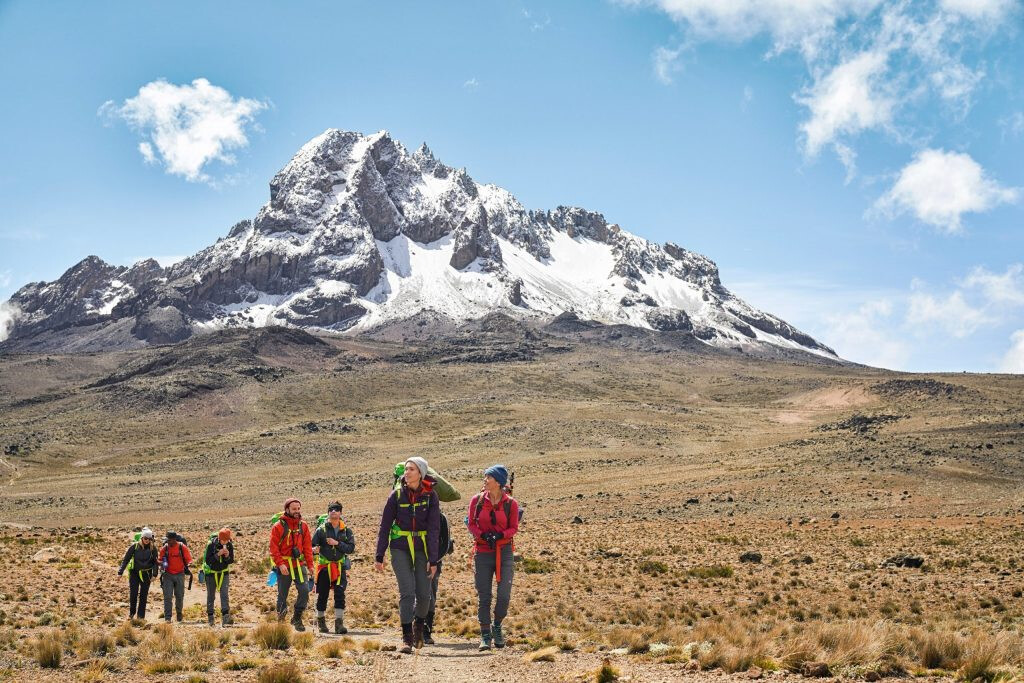
Climbing Mount Kilimanjaro is more than just a trek; it’s a profound experience that can forge lasting memories and strengthen bonds. For families, particularly those with teenagers, it presents an unparalleled opportunity to share a significant challenge and triumph. Top Guide Adventures specializes in crafting Kilimanjaro climbing packages for parents and teenagers, ensuring safety, enjoyment, and success for every member of your group. We understand the unique considerations when climbing with younger, yet capable, individuals and tailor our support to meet these needs.
This comprehensive guide will walk you through everything you need to know to plan your family’s Kilimanjaro adventure for 2026 or 2027, from selecting the best route to preparing your teenagers for the physical and mental demands of the climb. Our goal is to equip you with the knowledge to make an informed decision and to ensure your journey to the roof of Africa is as smooth and rewarding as possible.
Why Choose Kilimanjaro for a Family Adventure?
Mount Kilimanjaro offers a unique blend of adventure, natural beauty, and educational value, making it an ideal destination for families with teenagers:
- Shared Challenge and Accomplishment: Facing and overcoming the challenges of climbing Kilimanjaro together creates a powerful sense of shared accomplishment that can be incredibly bonding. Teenagers often rise to challenges, and achieving this goal with their parents can be immensely empowering.
- Educational Experience: The trek passes through diverse ecological zones, from rainforest to alpine desert and arctic summit, providing a living classroom for understanding geology, botany, and acclimatization physiology.
- Digital Detox: Kilimanjaro offers a chance to disconnect from screens and reconnect with nature and each other. The focus shifts from Wi-Fi to wilderness, fostering deeper conversations and shared experiences.
- Developing Resilience and Confidence: The physical and mental demands of the climb help teenagers develop resilience, problem-solving skills, and a significant boost in self-confidence as they push their limits and achieve their goal.
- Cultural Immersion: Interacting with local guides, porters, and the communities around Kilimanjaro offers valuable cultural insights, broadening perspectives and fostering global awareness.
Understanding Kilimanjaro Climbing Packages for Parents and Teenagers
When we talk about a Kilimanjaro climbing package for parents and teenagers, we’re referring to a comprehensive service that typically includes:
- Mountain Crew: Experienced guides (including assistant guides for safety ratios), cooks, and porters.
- Accommodation: Camping equipment (tents, sleeping mats) or huts (on Marangu Route).
- Meals: All meals prepared by your dedicated cook on the mountain.
- Park Fees: Entrance fees, camping fees, and conservation fees for Kilimanjaro National Park.
- Transfers: Transportation from Kilimanjaro International Airport (JRO) to your hotel and from the park gate back to your hotel.
- Safety Equipment: Oxygen cylinders and a comprehensive first-aid kit.
- Pre- and Post-Climb Accommodation: Often includes a night in a hotel before and after the climb.
It’s crucial to understand what is excluded as well, which typically includes:
- International flights.
- Visa fees.
- Travel insurance (mandatory).
- Personal climbing gear (boots, warm clothing, sleeping bag).
- Tips for the mountain crew.
- Lunches and dinners at the hotel before and after the climb.
- Personal expenses.
### Key Considerations for Families Climbing Kilimanjaro
Choosing the right Kilimanjaro climbing package for parents and teenagers involves careful consideration of several factors:
Age and Fitness Requirements
While there’s no strict minimum age, most operators recommend climbers be at least 10-12 years old. Teenagers should be reasonably fit and active, with some experience in hiking or other endurance sports. Parents should also assess their own fitness levels. A Kilimanjaro climb is a serious undertaking that requires good cardiovascular health and leg strength.
Route Selection is Crucial
The choice of route significantly impacts the success rate, acclimatization profile, and overall experience. For families with teenagers, longer routes generally offer better acclimatization and higher success rates. We’ll explore the best options below.
Safety First: The Top Priority
Your chosen operator’s commitment to safety is paramount. This includes having well-trained guides, adequate safety equipment (like oxygen and a first-aid kit), and a clear emergency evacuation plan. Top Guide Adventures maintains a high guide-to-client ratio, ensuring personalized attention and swift response to any issues.
Pacing and Acclimatization
Slow and steady wins the race on Kilimanjaro. This is especially important for teenagers who may be eager to push ahead. Guides will enforce a ‘pole pole’ (slowly, slowly) pace, and proper acclimatization is the most critical factor for reaching the summit safely.
Dietary Needs and Preferences
Communicate any dietary restrictions or allergies well in advance. Our cooks are skilled at preparing nutritious and varied meals suitable for all ages and needs.
Best Kilimanjaro Routes for Parents and Teenagers in 2026-2027
Selecting the right route is perhaps the most critical decision when planning a Kilimanjaro climbing package for parents and teenagers. While shorter routes like Marangu are sometimes perceived as easier, longer routes offer superior acclimatization, significantly increasing your chances of summit success and reducing the risk of altitude sickness. For families, safety and success are paramount.
Here are the most recommended routes for parents and teenagers, considering acclimatization, scenery, and overall experience:
1. Machame Route: The “Whiskey Route” (7-8 Days)
The Machame Route is one of the most popular and scenic routes on Kilimanjaro. It’s known for its ‘climb high, sleep low’ acclimatization profile, which is excellent for preventing altitude sickness. It is often considered the best all-around route for a balance of scenery, acclimatization, and success rate.
- Duration: Typically 7 or 8 days. An 8-day itinerary is highly recommended for families with teenagers to allow for better acclimatization.
- Scenery: Exceptionally beautiful, passing through diverse landscapes including rainforest, moorland, and the alpine desert.
- Acclimatization: Excellent. The 8-day option provides an extra day for acclimatization, significantly improving success rates.
- Accommodation: Camping.
- Difficulty: Moderate to challenging. The final summit push is demanding.
- Pros for Families: High success rate (especially 8-day), stunning views, good acclimatization, adventurous camping experience.
- Cons for Families: Requires camping, can be crowded during peak season.
An 8-day Machame itinerary allows for a more relaxed pace, a dedicated acclimatization day, and a greater appreciation of the mountain’s beauty. This is often our top recommendation for a Kilimanjaro climbing package for parents and teenagers aiming for success and enjoyment.
2. Lemosho Route: The Scenic Gem (8-9 Days)
The Lemosho Route is renowned for its impressive scenery and excellent acclimatization. It starts in the west and crosses the Shira Plateau, offering a more remote and pristine experience, especially in the initial days. It merges with the Machame route later on.
- Duration: Typically 8 or 9 days. A 9-day itinerary provides the best acclimatization and is ideal for families.
- Scenery: Arguably the most scenic route, with panoramic views of the plains and Mount Meru.
- Acclimatization: Excellent, especially on the longer itineraries.
- Accommodation: Camping.
- Difficulty: Moderate to challenging.
- Pros for Families: Superb scenery, excellent acclimatization, fewer crowds initially, high success rate on 8-9 day trips.
- Cons for Families: Can be more expensive due to longer duration and remote starting point. Requires camping.
The Lemosho route offers a truly spectacular journey. For families prioritizing stunning landscapes and a slower pace for acclimatization, this is a superb choice for a Kilimanjaro climbing package for parents and teenagers in 2026-2027.
3. Marangu Route: The “Coca-Cola” Route (5-6 Days)
The Marangu Route is the oldest and most established route. It’s the only route that offers accommodation in dorm-style huts, which can be appealing for families who prefer not to camp. However, its shorter duration means a faster ascent, leading to poorer acclimatization and a lower success rate compared to longer routes.
- Duration: 5 or 6 days. The 6-day option is strongly recommended over the 5-day to improve acclimatization.
- Scenery: Pleasant, but less varied and dramatic than Machame or Lemosho.
- Acclimatization: Poorer due to the faster ascent profile.
- Accommodation: Huts.
- Difficulty: Moderate. The summit night is still very challenging.
- Pros for Families: Hut accommodation (more comfortable for some), considered by some to be less physically demanding in terms of camping setup.
- Cons for Families: Lower success rate due to poor acclimatization, less scenic, can be crowded, ascent profile is rapid.
While the Marangu route is an option, we generally advise families with teenagers to opt for longer, camping-based routes like Machame or Lemosho for a higher chance of success and a safer acclimatization experience. If hut accommodation is a non-negotiable requirement, the 6-day Marangu is the minimum to consider for a Kilimanjaro climbing package for parents and teenagers.
4. Rongai Route: The Northern Approach (6-7 Days)
The Rongai Route approaches Kilimanjaro from the north, offering a different perspective and a drier environment, making it a good option during the rainy seasons. It’s a less crowded route, especially in its initial stages.
- Duration: Typically 6 or 7 days. A 7-day itinerary is recommended for better acclimatization.
- Scenery: Pleasant, less dramatic than western routes but offers unique views.
- Acclimatization: Moderate. Better than Marangu, but not as ideal as Machame or Lemosho.
- Accommodation: Camping.
- Difficulty: Moderate.
- Pros for Families: Less crowded, good option during wetter months, offers a different trekking experience.
- Cons for Families: Scenery is less spectacular than western routes, acclimatization is not as optimal as longer western routes.
The Rongai route can be a good choice for families looking for a less-trafficked path, particularly if planning a trip during shoulder seasons. Ensure you opt for the 7-day version for your Kilimanjaro climbing package for parents and teenagers.
Our Top Recommendation for Families
For parents and teenagers planning a Kilimanjaro climb in 2026 or 2027, the 8-day Machame Route or the 9-day Lemosho Route are our strongest recommendations. They offer the best balance of stunning scenery, excellent acclimatization profiles, and the highest success rates, ensuring a safer and more enjoyable experience for the entire family.
Cost of Kilimanjaro Climbing Packages for Parents and Teenagers (2026-2027 Estimates)
The cost of a Kilimanjaro climbing package can vary significantly based on the route chosen, the duration of the climb, the quality of the operator, and the level of service provided. For parents and teenagers, it’s essential to find a balance between cost and safety/quality.
Top Guide Adventures offers competitive pricing for high-quality, safe, and successful Kilimanjaro climbs. Our packages are designed to provide exceptional value, prioritizing your family’s well-being and experience.
Here are some estimated price ranges for 2026-2027, based on popular routes:
Estimated Kilimanjaro Package Costs (Per Person) for 2026-2027
| Route | Duration (Days) | Estimated Cost (USD) | Key Inclusions |
|---|---|---|---|
| Marangu | 6 | $1,700 – $2,800 | Hut accommodation, meals, park fees, guides, porters, transfers. |
| Rongai | 7 | $1,900 – $3,200 | Camping, meals, park fees, guides, porters, transfers. |
| Machame | 8 | $2,100 – $3,800 | Camping, meals, park fees, guides, porters, transfers. Excellent acclimatization. |
| Lemosho | 9 | $2,300 – $4,500 | Camping, meals, park fees, guides, porters, transfers. Highly scenic. |
Note: These are estimated ranges. Actual prices depend on specific inclusions, group size, and chosen dates. Contact us for a personalized quote for your Kilimanjaro climbing package for parents and teenagers.
Factors Influencing Cost:
- Route Length: Longer routes with more days cost more due to increased park fees, guide/porter salaries, and supplies.
- Operator Quality: Reputable operators with experienced staff, better equipment, and higher crew welfare standards will generally cost more but offer a safer and more reliable experience.
- Group Size: Private climbs are more expensive per person than joining a group. However, for families, a private climb offers flexibility and personalized attention.
- Inclusions: Some packages include extras like pre- and post-climb hotel nights, which adds to the cost.
When comparing prices for a Kilimanjaro climbing package for parents and teenagers, always ensure you are comparing like-for-like in terms of route, duration, and inclusions. Beware of extremely low prices, as they often indicate compromises on safety, equipment, or porter welfare.
What Your Package Price Typically Covers (Top Guide Adventures)
At Top Guide Adventures, our Kilimanjaro climbing packages are designed to offer comprehensive support and peace of mind. For parents and teenagers, this means focusing on safety, comfort, and an optimal climbing experience.
Standard Inclusions in Top Guide Adventures Packages:
- Professional Guiding Team: Highly experienced, certified guides trained in first aid and altitude sickness management. We ensure a good guide-to-client ratio, especially crucial for families.
- Quality Equipment: Comfortable tents, cooking equipment, and safety gear including a portable toilet for camping routes.
- Nutritious Meals: Delicious and energy-rich meals prepared by our skilled cooks on the mountain. We cater to all dietary needs.
- Park and Camping Fees: All mandated national park fees and camping/hut fees are included.
- Emergency Support: Access to emergency oxygen and a comprehensive first-aid kit. We also facilitate emergency evacuation coordination.
- Transfers: Airport transfers and transport to/from the mountain gates.
- Pre- and Post-Climb Briefings: Detailed briefings to prepare you and your family.
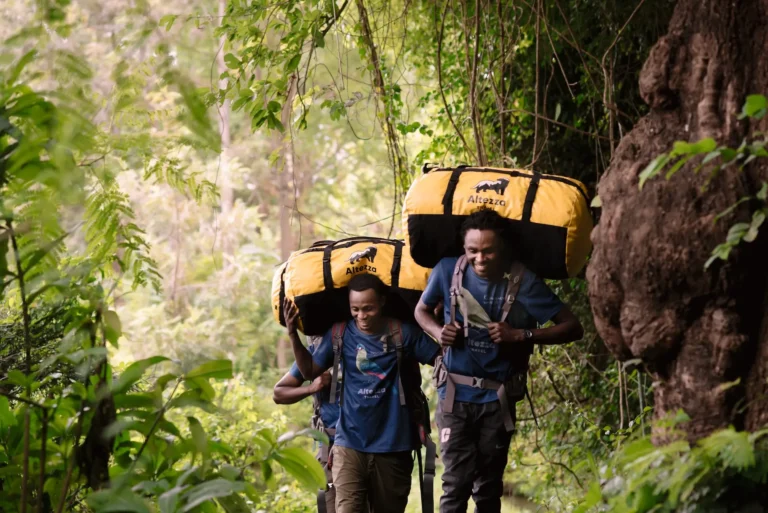
- Porterage: Porters carry all group gear, tents, food, and your duffel bag (usually up to 15kg).
Preparing Your Teenager for a Kilimanjaro Climb
Preparing a teenager for Kilimanjaro is a multi-faceted process involving physical training, mental preparation, and ensuring they understand the challenges ahead. A well-prepared teenager is more likely to enjoy the climb, cope with the altitude, and reach the summit.
1. Physical Training: Building Stamina and Strength
Start training at least 3-6 months before your climb. The focus should be on cardiovascular fitness and leg strength.
- Hiking: Regular hikes, preferably with hills or stairs, are essential. Gradually increase the duration and elevation gain. Encourage your teenager to carry a light backpack on training hikes.
- Cardiovascular Exercise: Activities like running, cycling, swimming, or brisk walking for 30-60 minutes, 3-4 times a week, will build essential stamina.
- Strength Training: Focus on leg muscles (squats, lunges) and core strength.
- Practice with Gear: Ensure your teenager breaks in their hiking boots thoroughly. Have them practice hiking with the backpack they’ll use on the mountain.
2. Mental Preparation: Setting Expectations
Teenagers might have romanticized notions of climbing Kilimanjaro. It’s vital to set realistic expectations.
- Discuss the Challenges: Talk openly about altitude sickness, cold weather, basic camp conditions (if camping), long hiking days, and the demanding summit night.
- Emphasize ‘Pole Pole’: Explain that slow, steady progress is key and that rushing can lead to problems.
- Focus on the Journey: Encourage them to appreciate the incredible scenery, the wildlife, and the unique experience, not just the summit.
- Build Resilience: Discuss how to cope with discomfort, fatigue, and potential setbacks. Frame challenges as opportunities to grow.
- Involve Them in Planning: Let them research routes, choose some personal gear, or help pack their bags. This ownership increases engagement.
3. Gear: The Right Equipment is Key
Proper gear is crucial for comfort and safety, especially in the varied Kilimanjaro climate. Ensure your teenager has:
- Well-fitting Hiking Boots: Waterproof, broken-in, and sturdy.
- Layered Clothing: Moisture-wicking base layers, insulating mid-layers (fleece), and a waterproof/windproof outer shell.
- Warm Accessories: Warm hat, gloves, scarf/neck gaiter.
- Sleeping Bag: Rated for temperatures down to -15°C (0°F).
- Headlamp: Essential for summit night and camp.
- Sun Protection: High SPF sunscreen, sunglasses, and a wide-brimmed hat.
- Water Bottles/Hydration Pack: At least 3 liters capacity.
Top Guide Adventures can provide a detailed gear list tailored to your specific climb and the time of year for your Kilimanjaro climbing package for parents and teenagers.
4. Health and Vaccinations
Consult your doctor or a travel clinic 6-8 weeks before your trip. They can advise on necessary vaccinations (e.g., Hepatitis A, Typhoid) and malaria prophylaxis, though malaria risk is low at high altitudes on Kilimanjaro itself.
Discuss altitude sickness prevention. Diamox (acetazolamide) is often prescribed and can be very effective, but it requires a prescription and careful consideration with a medical professional. Ensure your teenager is comfortable with the idea of taking medication if recommended.
The Kilimanjaro Climbing Experience: What to Expect Day-by-Day (Sample 8-Day Machame)
To give you a clearer picture of a Kilimanjaro climbing package for parents and teenagers, here’s a sample itinerary for the popular 8-day Machame Route. This longer duration allows for better acclimatization and a more enjoyable experience.
Sample 8-Day Machame Route Itinerary
Day 1: Arrival in Moshi/Arusha & Briefing
Arrive at Kilimanjaro International Airport (JRO). You’ll be met and transferred to your hotel in Moshi or Arusha. You’ll have a pre-climb briefing with your guide to discuss the trek, check your gear, and ask any last-minute questions. Relax and prepare for the adventure ahead.
Day 2: Machame Gate (1,800m/5,905ft) to Machame Camp (3,000m/9,840ft)
After breakfast, drive to the Machame Gate. Complete registration and begin your trek through the lush rainforest. The trail is steep in places but well-maintained. You’ll reach Machame Camp in the late afternoon. This is your first night camping.
Trekking Time: 5-7 hours. Distance: Approx. 11 km (7 miles).
Day 3: Machame Camp to Shira 2 Camp (3,850m/12,630ft)
Today’s trek takes you out of the rainforest and into the moorland zone. The path involves crossing a steep ridge and a valley. You’ll enjoy spectacular views of the Shira Plateau and Mount Meru. Shira 2 Camp offers a dramatic setting.
Trekking Time: 4-6 hours. Distance: Approx. 5 km (3 miles).
Day 4: Shira 2 Camp to Lava Tower (4,600m/15,090ft) to Barranco Camp (3,950m/12,960ft)
This is a crucial acclimatization day. You’ll climb steadily towards Lava Tower, a prominent landmark. After a break and lunch, you’ll descend to Barranco Camp. This ‘climb high, sleep low’ strategy is vital for acclimatization. The descent into Barranco Valley is beautiful.
Trekking Time: 7-8 hours. Distance: Approx. 10 km (6 miles).
Day 5: Barranco Camp to Karanga Camp (4,000m/13,120ft)
Today involves climbing the formidable Barranco Wall. It’s a scramble rather than a technical climb, with guides assisting where needed. It’s a memorable part of the Machame route. After the wall, the terrain becomes gentler as you head towards Karanga Camp.
Trekking Time: 4-5 hours. Distance: Approx. 5 km (3 miles).
Day 6: Karanga Camp to Barafu Camp (4,650m/15,250ft)
You’ll trek across a barren landscape with stunning views of Kilimanjaro’s glaciers. The path leads to Barafu Camp, the base camp for your summit attempt. You’ll have an early dinner and try to rest before the night’s challenge.
Trekking Time: 3-5 hours. Distance: Approx. 4 km (2.5 miles).
Day 7: Summit Night! Barafu Camp to Uhuru Peak (5,895m/19,340ft) to Mweka Camp (3,100m/10,170ft)
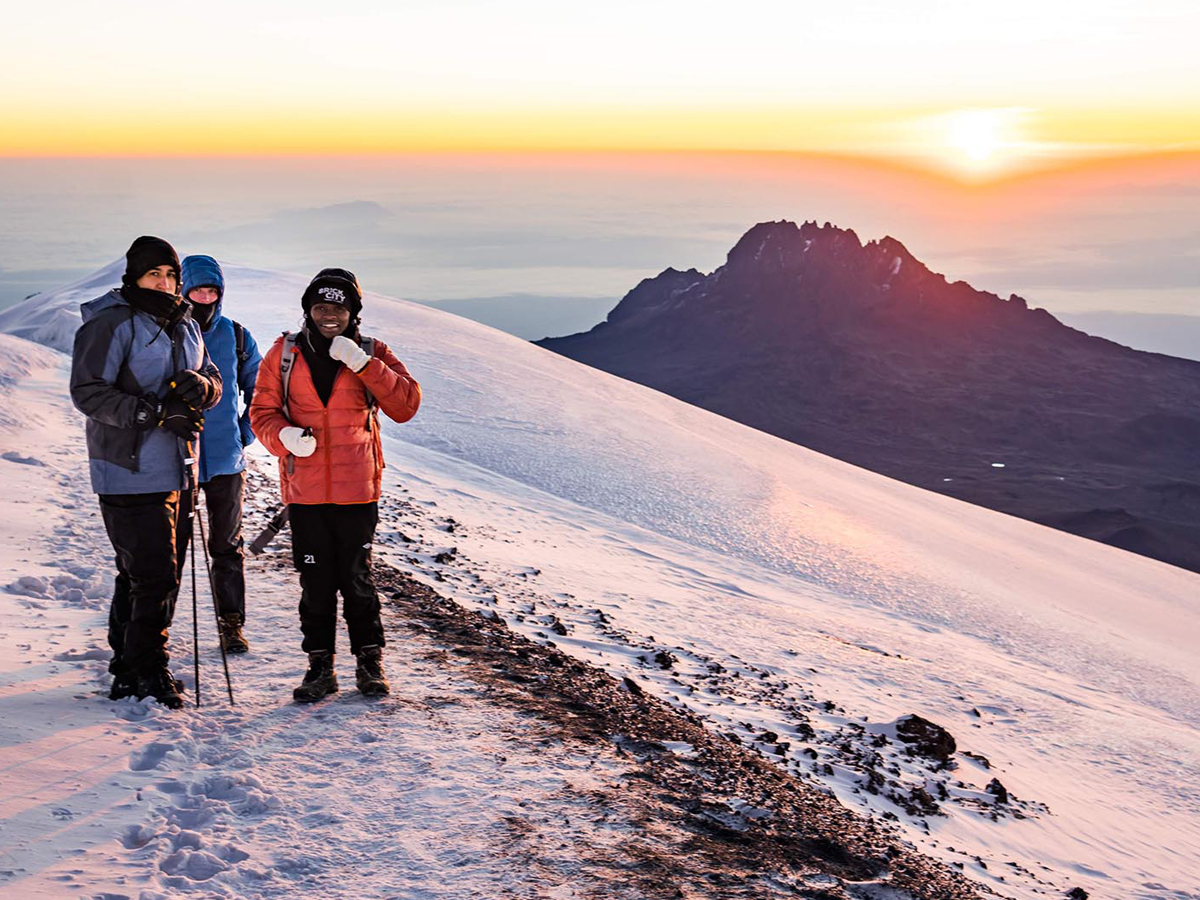
The most challenging day. You’ll start climbing around midnight towards Stella Point (5,756m/18,885ft) and then on to Uhuru Peak, the true summit of Kilimanjaro. Witness the sunrise from above the clouds. After celebrating at the summit, you’ll descend steeply to Mweka Camp.
Trekking Time: 7-8 hours to summit, 4-5 hours descent. Distance: Approx. 5 km (3 miles) ascent, 12 km (7.5 miles) descent.
Day 8: Mweka Camp to Mweka Gate (1,640m/5,380ft) & Departure
A shorter hike through the rainforest to Mweka Gate. You’ll receive your climbing certificates and say goodbye to your mountain crew. Transfer back to your hotel in Moshi/Arusha for a well-deserved rest. Depending on your flight schedule, you might transfer to the airport today or the next day.
Trekking Time: 3-5 hours. Distance: Approx. 10 km (6 miles).
This itinerary highlights the daily progression and challenges. The extended duration on Machame is particularly beneficial for ensuring teenagers have adequate time to acclimatize and enjoy the journey.
Safety Protocols for Kilimanjaro Climbing Packages
Top Guide Adventures places the highest priority on the safety of every climber, especially when arranging a Kilimanjaro climbing package for parents and teenagers. Our safety protocols are robust and align with international best practices.
- Experienced Guides: Our guides are certified, extensively trained in wilderness first aid, and possess deep knowledge of altitude sickness symptoms and management. They are trained to monitor all climbers continuously.
- High Guide-to-Client Ratio: We maintain a ratio of at least 1 guide for every 4 climbers, and often lower for family groups, ensuring personalized attention and prompt response.
- Emergency Oxygen: Every climbing group carries supplementary oxygen cylinders, ready for immediate use if a climber shows signs of severe altitude sickness.
- Comprehensive First-Aid Kits: Each guide carries a well-stocked first-aid kit, and we have a more extensive medical kit at base camps.
- Communication: Guides carry radios or satellite phones for communication with our operations office in case of emergencies.
- Emergency Evacuation Plan: We have established procedures for emergency evacuations, including coordination with local rescue services and the availability of private evacuation options (often covered by travel insurance).
- Health Monitoring: Guides are trained to assess climbers’ well-being daily, checking for symptoms of altitude sickness, dehydration, and fatigue.
- “Pole Pole” Philosophy: Encouraging a slow, steady pace is fundamental to preventing altitude sickness.
- Hydration and Nutrition: Emphasis is placed on adequate fluid intake and nutritious meals to maintain energy levels and aid acclimatization.
For families, these safety measures provide essential peace of mind, allowing everyone to focus on the adventure and the shared goal of reaching Uhuru Peak.
Choosing the Right Tour Operator: Top Guide Adventures
Selecting a trustworthy tour operator is crucial for a successful and safe Kilimanjaro climb, especially when planning a Kilimanjaro climbing package for parents and teenagers. Top Guide Adventures is a leading Tanzanian company dedicated to providing exceptional travel experiences with a strong emphasis on client care, safety, and crew welfare.
Why Choose Top Guide Adventures?
- Local Expertise: As a locally owned and operated company based in Tanzania, we have intimate knowledge of Kilimanjaro, its routes, and the unique challenges and rewards it offers.
- Safety Record: We pride ourselves on our excellent safety record, achieved through rigorous training of our guides, high-quality equipment, and adherence to strict safety protocols.
- Experienced and Professional Crew: Our guides are among the most experienced on Kilimanjaro, and our porters and cooks are well-trained, well-equipped, and treated with respect and fairness. We believe in ethical tourism.
- Personalized Service: We offer dedicated support from your initial inquiry through to your successful descent. We tailor itineraries and provide detailed advice to meet your family’s specific needs.
- Quality Equipment and Logistics: We invest in high-quality camping gear, ensuring comfort and reliability on the mountain. Our logistics are meticulously managed for a smooth operation.
- Positive Reviews: Our commitment to client satisfaction is reflected in our numerous positive reviews on platforms like TripAdvisor. See what our clients say.
- Comprehensive Packages: Our packages are designed to be comprehensive, minimizing hidden costs and providing excellent value for your investment.
We understand that climbing Kilimanjaro is a significant undertaking, and for families, it’s an investment in shared experiences and memories. Let us help you plan an unforgettable adventure for 2026 or 2027.
Booking Your 2026-2027 Kilimanjaro Climbing Package for Parents and Teenagers
Planning ahead is key, especially for popular climbing seasons. Booking your Kilimanjaro climbing package for parents and teenagers well in advance is highly recommended to secure your preferred dates and routes for 2026 and 2027.
Peak seasons for Kilimanjaro climbing are typically:
- January to March
- June to October
These periods offer the most stable weather conditions. However, shoulder seasons can also be good options with fewer crowds.
Ready to Plan Your Family’s Kilimanjaro Adventure?
Let Top Guide Adventures help you create the perfect Kilimanjaro climbing package for your family. We specialize in creating safe, memorable, and successful climbs for parents and teenagers.
Contact us today to discuss your plans for 2026 or 2027:
- WhatsApp: +255616946642
- Email: topguideadventures@gmail.com
- Backup Email: info@topguideadventures.com
We look forward to helping you achieve your dream of climbing Kilimanjaro!
Whether you’re looking for a private family climb or information on joining a group departure, Top Guide Adventures is here to guide you every step of the way. Let’s make your 2026-2027 Kilimanjaro adventure a reality!
“,
“faq_schema”: [
{
“question”: “What is the best Kilimanjaro route for parents and teenagers?”,
“answer”: “The 8-day Machame Route or the 9-day Lemosho Route are generally considered the best for families, including parents and teenagers. These routes offer superior acclimatization, stunning scenery, and higher success rates compared to shorter routes. The longer duration allows for a slower pace, crucial for adjusting to altitude.”
},
{
“question”: “What is the typical cost for a Kilimanjaro climbing package for parents and teenagers in 2026-2027?”,
“answer”: “Estimated costs for a Kilimanjaro climbing package for parents and teenagers in 2026-2027 typically range from $2,000 to $4,500 per person, depending on the route, duration, and operator. Longer routes like Machame or Lemosho will be at the higher end of this range but offer better safety and success rates.”
},
{
“question”: “What age is recommended for teenagers climbing Kilimanjaro?”,
“answer”: “While there’s no strict minimum age, most reputable operators recommend climbers be at least 10-12 years old. Teenagers should be reasonably fit, active, and mentally prepared for the challenges of high-altitude trekking. Parents should assess their teenager’s maturity and physical condition carefully.”
},
{
“question”: “What essential gear do teenagers need for Kilimanjaro?”,
“answer”: “Key gear includes well-broken-in waterproof hiking boots, layered clothing (base, mid, and outer shell), warm hat and gloves, a warm sleeping bag (rated to -15°C/0°F), a headlamp, sun protection (sunscreen, sunglasses, hat), and at least 3 liters of water capacity. Top Guide Adventures provides detailed gear lists upon booking.”
},
{
“question”: “How should I prepare my teenager physically and mentally for Kilimanjaro?”,
“answer”: “Physical preparation should focus on regular hiking, cardiovascular exercise, and strength training for at least 3-6 months prior. Mentally, set realistic expectations about altitude, cold, and the demands of the climb. Emphasize the ‘pole pole’ (slowly, slowly) pace and the importance of the journey itself. Involve them in planning to foster ownership.”
},
{
“question”: “What safety measures are in place for family climbs on Kilimanjaro?”,
“answer”: “Reputable operators like Top Guide Adventures employ experienced guides trained in altitude sickness management, carry emergency oxygen and comprehensive first-aid kits, maintain a high guide-to-client ratio, and have established emergency evacuation plans. Safety is the top priority for all climbers, especially younger ones.”
},
{
“question”: “When is the best time to climb Kilimanjaro for families in 2026-2027?”,
“answer”: “The best climbing seasons for Kilimanjaro are generally January-March and June-October, offering the most stable weather. These periods are ideal for families aiming for success. Booking for these popular times in 2026-2027 should be done well in advance.”
}
]
}
“`
Check Availability for Kilimanjaro Climbing Package For Parents And Teenagers 2026-2027
Ready to compare dates, prices, and the best option for your group? Send the package name and travel month so the team can reply with a clear quote, availability, and what is included.
How To Read A Kilimanjaro Climbing Quote 2026-2027
How to Read a Kilimanjaro Climbing Quote is explained with current 2026-2027 planning, price, itinerary and booking information.
View package details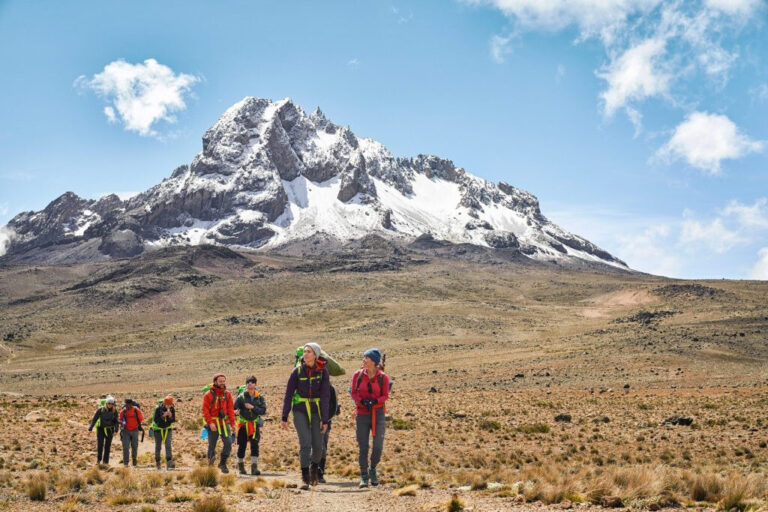
The Truth About Climbing Mount Kilimanjaro 2026-2027
The Truth about Climbing Mount Kilimanjaro is explained with current 2026-2027 planning, price, itinerary and booking information.
View package details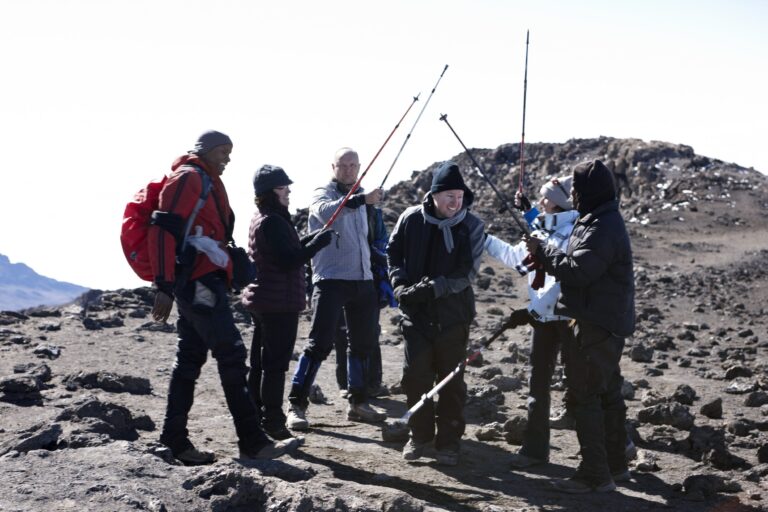
What Nobody Tells You About Climbing Kilimanjaro 2026-2027
What Nobody Tells You about Climbing Kilimanjaro is explained with current 2026-2027 planning, price, itinerary and booking information.
View package details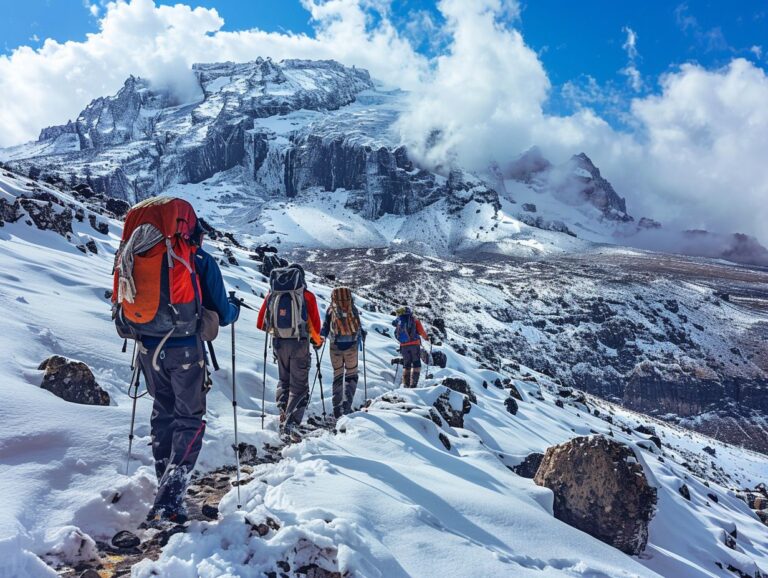
25 Kilimanjaro Climbing Mistakes First-Timers Make: Avoid Them In 2026-2027
Climbing Mount Kilimanjaro is a dream for many, but first-time trekkers can fall into common traps. This guide details 25 critical mistakes to avoid, from inadequate preparation and gear...
View package details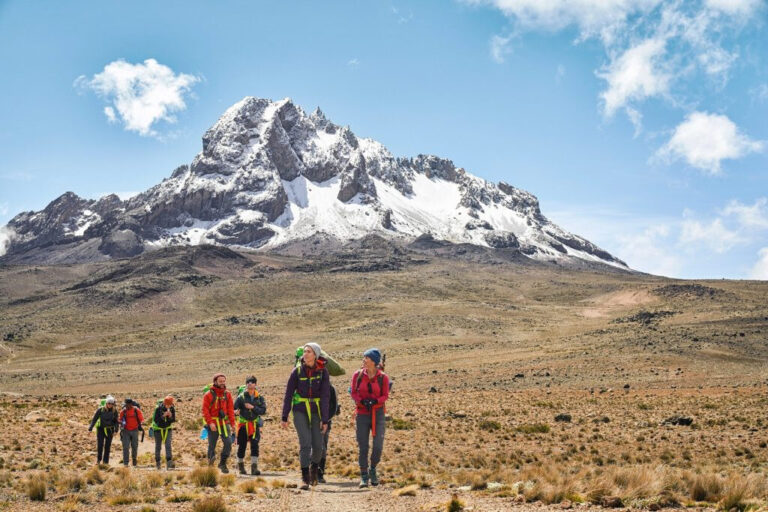
Kilimanjaro Local Operator Vs. Overseas Travel Agent: Your Ultimate Climbing
Deciding who to book your Kilimanjaro climb with is crucial. This guide compares local Tanzanian operators against overseas travel agents, detailing the pros and cons of each for your...
View package details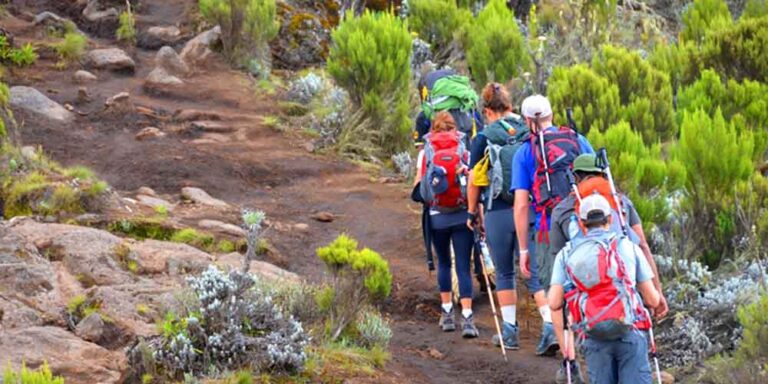
Kilimanjaro Safety Guide For Parents: Essential Tips A Successful Climb
This guide provides essential safety information for parents considering a Kilimanjaro climb with their children or for themselves. It covers preparation, acclimatization, risks, and...
View package details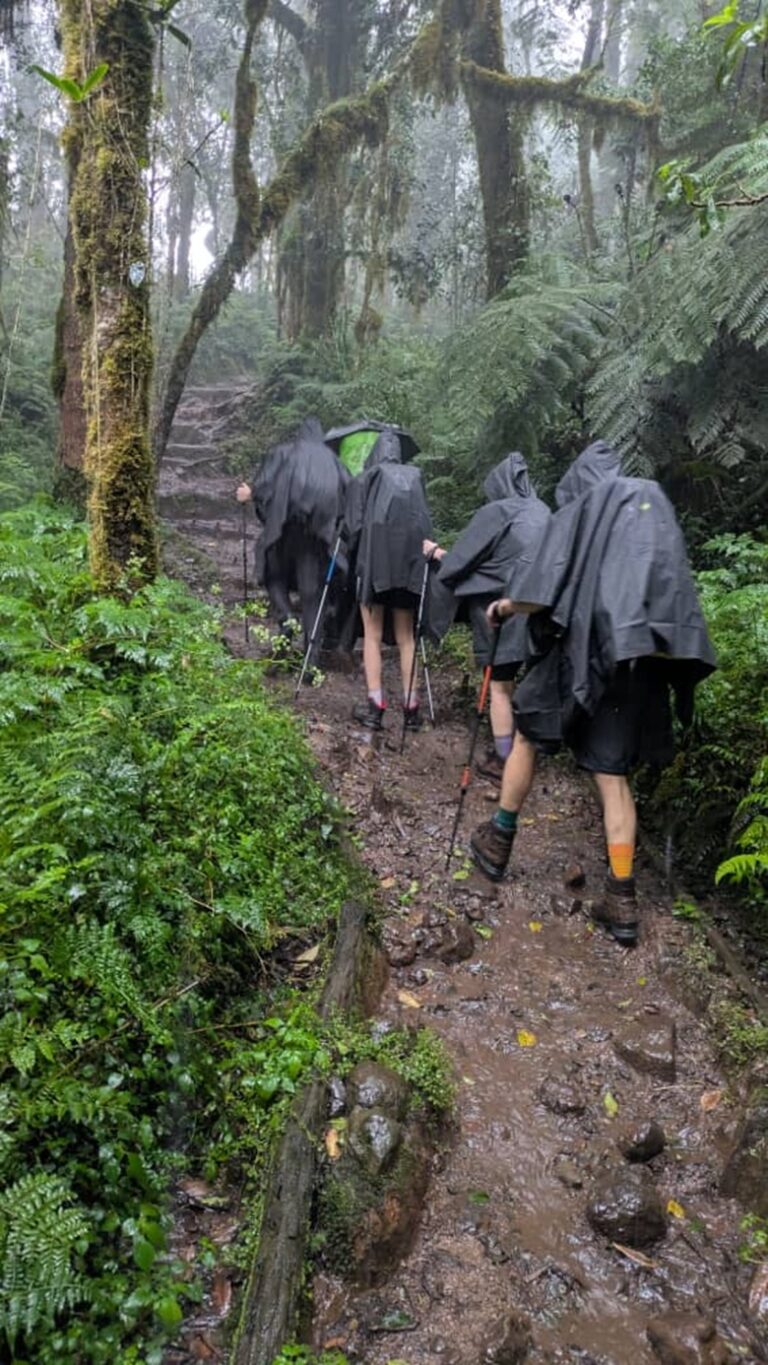
Kilimanjaro Packing List For Teenagers: Expert Guide Climbs 2026-2027
A comprehensive Kilimanjaro packing list tailored for teenage climbers, covering essential gear, clothing layers, footwear, and personal items for a successful 2026-2027 ascent. Expert tips...
View package details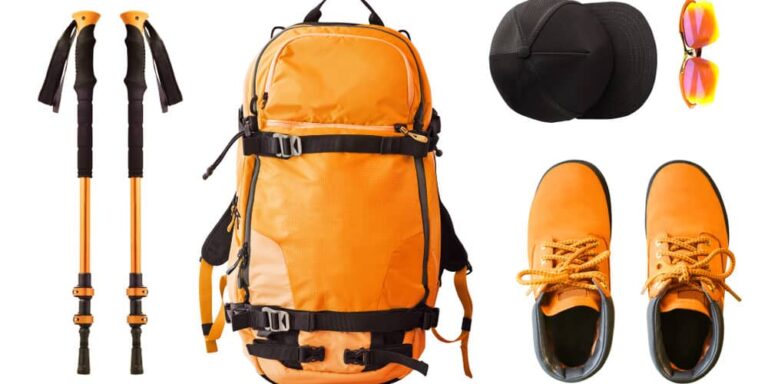
Kilimanjaro School-Holiday Climbing Dates 2026-2027
Kilimanjaro School-Holiday Climbing Dates is explained with current 2026-2027 planning, price, itinerary and booking information.
View package detailsBest Kilimanjaro Route For Teenagers 2026-2027
Best Kilimanjaro Route for Teenagers is explained with current 2026-2027 planning, price, itinerary and booking information.
View package details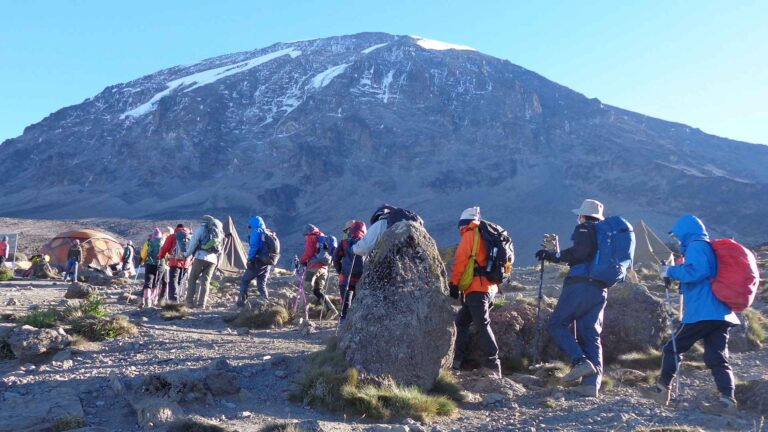
Sustainable Kilimanjaro Climbing Packages For | Top Guide Adventures 2026-2027
Discover sustainable Kilimanjaro climbing packages designed for eco-conscious adventurers. Top Guide Adventures offers responsible treks in 2026-2027, focusing on environmental preservation...
View package details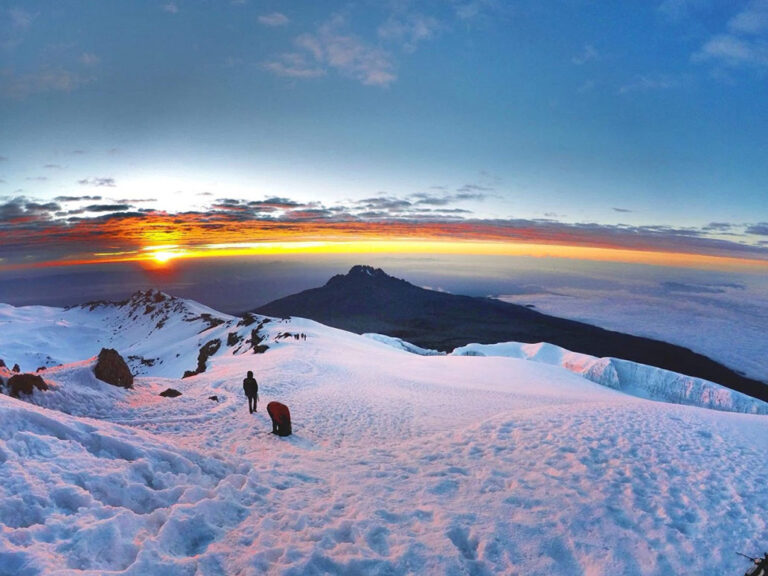
Kilimanjaro Climb With Materuni Recovery Day 2026-2027
Kilimanjaro Climb with Materuni Recovery Day is explained with current 2026-2027 planning, price, itinerary and booking information.
View package details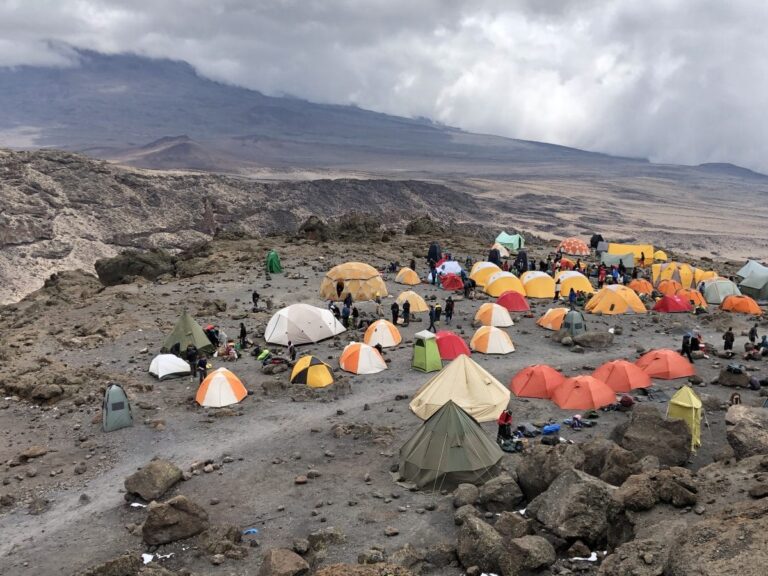
Kilimanjaro Climb With Lake Chala Relaxation Day: Your Ultimate Post-Trek
Experience the ultimate Kilimanjaro adventure followed by serene relaxation at Lake Chala. This guide details how to combine these incredible Tanzanian experiences, covering itineraries...
View package detailsNo related package matches those filters. Clear one or more filters to see the other topic-matched options.



