
Reading a Kilimanjaro climbing quote involves understanding the price breakdown, the specific inclusions and exclusions, the route and duration offered, the quality of services (guides, porters, accommodation), and the operator’s reputation, to ensure you are comparing like-for-like and getting the best value for your 2026-2027 adventure. A good quote will clearly detail costs for park fees, rescue fees, accommodation before/after the climb, meals, guides, porters, equipment, and transportation, allowing you to make an informed decision.
Understanding the Core Components of a Kilimanjaro Quote
Planning a climb up Mount Kilimanjaro is an ambitious undertaking, and securing the right tour operator is paramount to a safe and successful expedition. One of the first steps in this process is obtaining and scrutinizing climbing quotes. For trekkers aiming for 2026 or 2027, understanding how to read these quotes will save you time, potential misunderstandings, and most importantly, ensure you’re investing in a quality experience. A Kilimanjaro climbing quote is more than just a price tag; it’s a detailed offer outlining the services and logistical support you will receive for your trek.
At Top Guide Adventures, we believe in transparency. Our aim is to provide you with a clear understanding of what your Kilimanjaro journey entails. When you receive a quote from us, or any reputable operator, it should be comprehensive enough to answer most of your immediate questions about cost and services. However, the sheer volume of information can sometimes be overwhelming. This guide is designed to demystify the process, empowering you to confidently compare quotes and select the operator that best aligns with your expectations and budget for your 2026-2027 expedition.
Why Quote Comparison is Essential for Your Kilimanjaro Climb
The market for Kilimanjaro climbs features a wide spectrum of operators, from budget-friendly outfits to luxury expedition providers. This diversity means that prices can vary significantly. Simply choosing the cheapest quote might lead to compromises on safety, equipment, guide quality, or overall experience, which can be detrimental on a challenging mountain like Kilimanjaro. Conversely, the most expensive quote doesn’t always guarantee the best service; it might include services you don’t need or have a higher overhead. Therefore, a careful and informed comparison of Kilimanjaro climbing quotes is not just recommended, it’s a critical step in planning a successful and enjoyable trek.
When comparing quotes for your 2026-2027 climb, consider these key areas:
- Price Transparency: Are all costs clearly itemized?
- Inclusions: What exactly is covered (park fees, meals, guides, porters, equipment, accommodation)?
- Exclusions: What is not covered (flights, visas, tips, personal gear, travel insurance)?
- Route and Duration: Does the quote match your desired route and length of climb?
- Service Quality: What is the guide-to-client ratio, porter welfare policy, and quality of food/accommodation?
- Safety Measures: Are emergency procedures and equipment clearly stated?
- Operator Reputation: What do reviews say about their reliability and customer service?
By dissecting each quote against these criteria, you can identify the true value proposition and make an informed choice that prioritizes your safety, comfort, and the likelihood of reaching the summit during your 2026-2027 trek.
Deconstructing the Price: What Makes Up Your Kilimanjaro Quote?
The price of a Kilimanjaro climb is influenced by numerous factors, and a well-structured quote will break these down. Understanding these cost drivers helps you appreciate the value being offered and why prices differ between operators. For a 2026-2027 trek, expect these core elements to form the bulk of your quote:
1. National Park Fees and Government Levies
These are non-negotiable costs set by the Tanzanian government and Kilimanjaro National Park authority. They are typically the largest single component of the total cost. These fees include:
- Kilimanjaro National Park Entry Fees: Charged per person, per day. The longer your chosen route, the higher these fees will be.
- Camping Fees or Hut Fees: Depending on the route and your chosen accommodation type, you’ll pay daily fees for camping spots or staying in the basic huts on Marangu Route.
- Crater Fees: Applicable only for routes that visit the crater rim, such as the special crater climb on Stella Point or reaching Uhuru Peak via the inner crater route.
- Rescue Fees: A mandatory fee that covers the cost of emergency rescue operations, ensuring that if you need assistance, the resources are available.
Important Note: Reputable operators will always include these essential fees in their quotes. If a quote seems significantly lower, check if these mandatory government charges are indeed covered. For 2026-2027 climbs, these fees are subject to change by the authorities, so operators will usually provide an estimate or state that they are subject to government revision.
2. Guide and Porter Wages and Support
The team that supports your climb is crucial for your safety and success. Their wages, food, equipment, and insurance are factored into the quote:
- Lead Guides: Highly experienced, certified guides who lead the expedition.
- Assistant Guides: Additional guides to ensure a good guide-to-client ratio, enhancing safety and support.
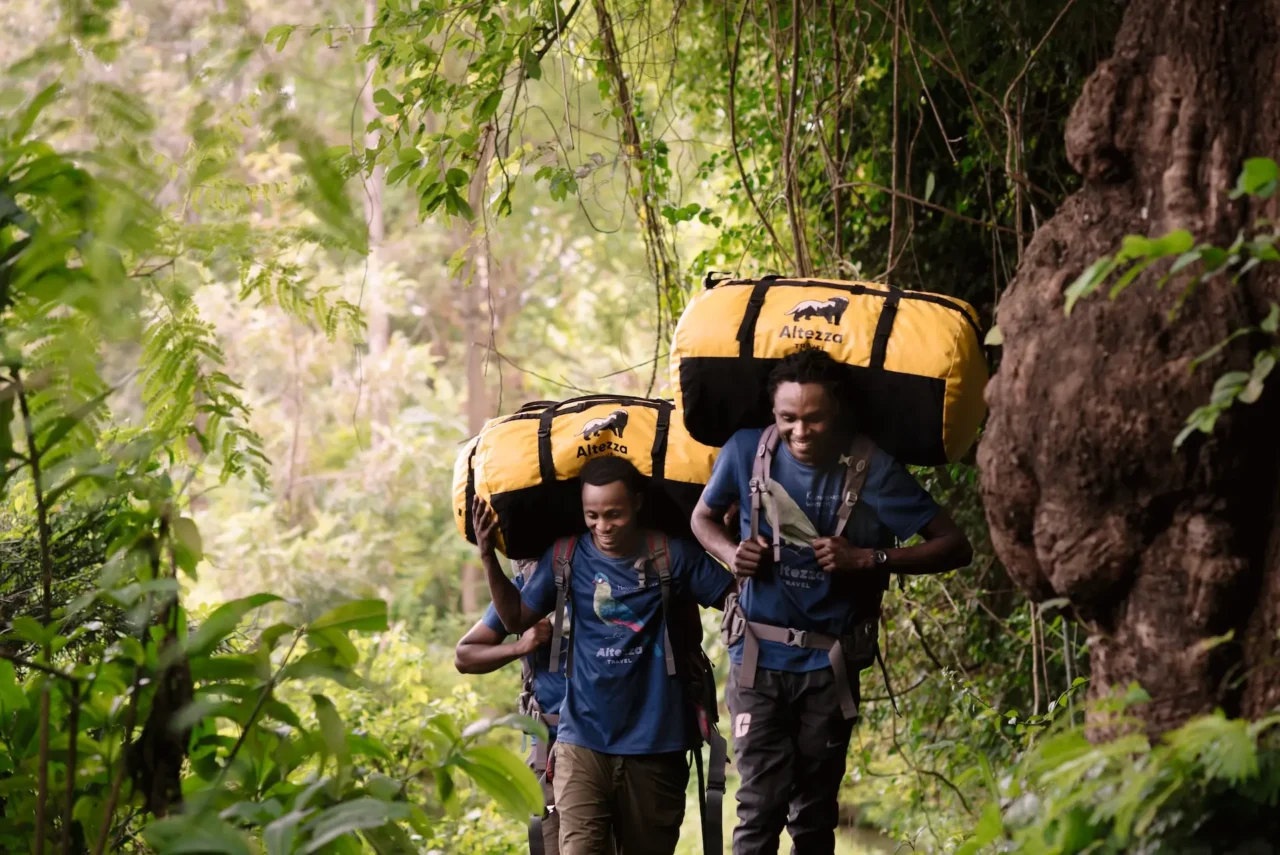
- Porters: Responsible for carrying tents, food, cooking equipment, and client luggage (within weight limits).
- Cooks: Prepare all meals on the mountain, from breakfast to dinner.
- Support Staff: Sometimes included for larger groups.
Fair wages and good working conditions for porters and guides are a hallmark of responsible tour operators. This includes ensuring they have adequate clothing, sleeping gear, food, and are not overburdened. When reading a quote, look for mentions of porter welfare policies or ethical trekking practices.
3. Food and Provisions
Meals on Kilimanjaro are typically prepared by your expedition cook. A good quote will specify the type and quality of food provided:
- Full Board: Usually includes breakfast, lunch, and dinner on the mountain.
- Variety: Reputable operators offer a diverse menu to cater to different tastes and dietary needs, using fresh ingredients where possible.
- Hydration: Provision of boiled water for drinking and hydration.
Expect hearty, nutritious meals designed to provide energy for the demanding trek. Operators like Top Guide Adventures focus on providing wholesome, delicious food to keep you fueled.
4. Accommodation and Logistics
This covers your stay before and after the climb, as well as essential equipment:
- Pre- and Post-Climb Accommodation: Many quotes include one or two nights in a hotel in Moshi or Arusha before and after the trek. This is vital for acclimatization and recovery.
- Camping Equipment: High-quality tents (for clients and staff), sleeping mats, mess tents, and toilet tents.
- Cooking Equipment: Stoves, fuel, pots, pans, and utensils.
- Oxygen Systems: Some operators carry supplementary oxygen for emergency use, a critical safety feature.
- First Aid: Comprehensive first-aid kits and often pulse oximeters for monitoring oxygen levels.
5. Transportation
Your quote should include transfers related to the climb:
- Airport Transfers: Often included from Kilimanjaro International Airport (JRO) to your hotel.
- Hotel to Gate Transfers: Transport from your hotel to the start point of your chosen climbing route.
- Gate to Hotel Transfers: Return transport from the end point of your climb back to your hotel.
Key Inclusions to Scrutinize in a Kilimanjaro Quote
When you receive a Kilimanjaro climbing quote, pay close attention to the “Inclusions” section. This is where the operator details exactly what services and items are covered by the price. A comprehensive list is a good sign of a thorough operator. For your 2026-2027 trek, ensure your quote clearly states the following are included:
- All Park Fees: Kilimanjaro National Park entry, camping/hut, Crater (if applicable), and rescue fees.
- Experienced Guides: Certified guides with extensive knowledge of Kilimanjaro and high-altitude trekking. Ensure the guide-to-client ratio is adequate (e.g., 1:6 or better).
- Support Crew: Porters and cooks, with a clear indication of how many support staff are provided per climber.
- Meals: All meals on the mountain (breakfast, lunch, dinner) and often at the hotel before/after the climb.
- Accommodation: Nights in a hotel in Moshi/Arusha before and after the climb.
- Camping Gear: High-quality tents, sleeping mats, mess tents, toilet tents.
- Safety Equipment: First-aid kits, pulse oximeters, and potentially supplementary oxygen.
- Water: Provision of boiled and purified drinking water throughout the trek.
- Transportation: All necessary transfers, including airport pick-up and transport to/from the mountain gate.
- Emergency Evacuation: Often included, though it’s wise to confirm what this covers and if it requires separate travel insurance.
Tip for 2026-2027 Planning: Some operators may offer slightly different packages. For instance, some include sleeping bags and walking poles, while others expect you to bring your own. Always check the specifics.
Understanding the Exclusions: What Your Kilimanjaro Quote Doesn’t Cover
Equally important as knowing what’s included is understanding what is not. This helps you budget accurately for additional expenses and avoid surprises. Common exclusions in a Kilimanjaro climbing quote include:
- International Flights: Costs to and from Kilimanjaro International Airport (JRO).
- Visa Fees: For Tanzania.
- Travel Insurance: Comprehensive travel insurance is mandatory for all climbers, covering high-altitude trekking and emergency evacuation.
- Personal Climbing Gear: This includes items like your waterproof jacket and trousers, warm layers, hiking boots, backpack, sleeping bag, and trekking poles. Some operators may rent these items, which should be clearly stated.
- Tips for Guides and Porters: This is a customary practice and a significant part of the support crew’s income. A guideline for tipping is usually provided by the operator.
- Personal Expenses: Souvenirs, alcoholic beverages, laundry, and any items purchased from shops or lodges.
- Gratuities for Hotel Staff: If applicable.
- Vaccinations and Medications: Costs associated with any required vaccinations or personal medical supplies.
Key Consideration for 2026-2027: Always ask for a detailed list of exclusions. If something is unclear, don’t hesitate to ask for clarification from the tour operator. For example, clarify if “emergency evacuation” is a basic service or a full insurance policy.
Comparing Kilimanjaro Routes and Durations in Quotes
The route you choose and its duration significantly impact the overall cost and your success rate. When reading a Kilimanjaro climbing quote, ensure it specifies the route and number of days clearly.
Popular Routes and Their Cost Implications
Different routes have varying costs due to factors like length, difficulty, scenery, and the number of days required for acclimatization. Generally:
- Marangu Route (Coca-Cola Route): Often the most affordable due to its shorter duration (5-6 days) and hut accommodation. However, its rapid ascent profile leads to lower success rates.
- Machame Route (Whiskey Route): A popular 6-7 day route offering excellent acclimatization and scenery. It’s a good balance of cost and success rate. Top Guide Adventures often recommends this for its well-rounded experience. Explore Machame Route departures for 2026-2027.
- Lemosho Route: A longer, more scenic, and generally more expensive route (7-8 days) known for high success rates due to superior acclimatization.
- Shira Route: Similar to Lemosho but starts at a higher altitude, making it more challenging initially.
- Rongai Route: Approaches from the north, offering a drier ascent, often good in rainy seasons. Typically 6-7 days.
- Northern Circuit: The longest route (9-10 days), offering the best acclimatization and highest success rates, making it the most expensive option.
Duration and Success Rates
A longer duration generally means higher park fees and more provisions, but critically, it significantly increases your chances of reaching the summit. Quotes for shorter treks (5-6 days) will naturally be lower than those for longer treks (7-9 days). For a 2026-2027 climb, we strongly advise considering at least a 7-day trek for better acclimatization and a more enjoyable experience.
Example: A 7-day Machame route quote will typically be higher than a 5-day Marangu route quote from the same operator, reflecting the increased park fees, guide/porter days, and food. Ensure the quote specifies the number of days for the route it’s quoting.
Evaluating Service Quality: Beyond the Price Tag
The price of a Kilimanjaro climbing quote is heavily influenced by the quality of services provided. This is where the difference between a budget operator and a reputable, safety-conscious company becomes most apparent. For your 2026-2027 expedition, prioritize quality over the lowest price.
Guide and Porter Standards
- Experience and Training: Are guides certified in wilderness first aid and high-altitude medicine? Do they have years of experience on Kilimanjaro?
- Guide-to-Client Ratio: A lower ratio (e.g., 1:6) means more personalized attention and safety.
- Porter Welfare: Reputable companies adhere to KPAP (Kilimanjaro Porters Assistance Project) standards or similar ethical guidelines. This ensures porters are treated fairly, not overloaded, and provided with proper gear and food. Check if the operator is a member or supporter of such initiatives.
Equipment Quality
The quality of tents, sleeping mats, and other gear can significantly impact your comfort and safety. Look for quotes that mention:
- Durable, Waterproof Tents: Sufficiently rated for mountain conditions.
- Comfortable Sleeping Mats: To provide insulation and cushioning.
- Well-Maintained Gear: Ensuring no leaks or damage.
Food Quality and Variety
As mentioned, good food is essential. A quote should imply or state that varied, nutritious meals are provided. Some operators will offer sample menus. For a 2026-2027 climb, inquire about options for vegetarians, vegans, or those with allergies.
Accommodation Quality
The hotels used in Moshi or Arusha before and after the climb can vary. Reputable operators partner with comfortable, clean, and well-located hotels that offer good amenities for pre-climb briefings and post-climb relaxation.
Safety Protocols: A Non-Negotiable Aspect of Your Quote
Kilimanjaro is a high-altitude environment, and safety must be the top priority. A comprehensive Kilimanjaro climbing quote should reflect robust safety measures. When reviewing a quote for your 2026-2027 trek, look for details on:
- Emergency Evacuation Plan: What is the procedure? Is there a dedicated emergency vehicle on standby? Does it involve a partnership with a professional evacuation service like Kilimanjaro Rescue?
- Medical Equipment: Availability of comprehensive first-aid kits, pulse oximeters for monitoring oxygen saturation, and potentially supplementary oxygen cylinders.
- Guide Training: Ensure guides are trained in high-altitude first aid and emergency response.
- Communication: How will the team communicate in case of an emergency? Do guides carry satellite phones or radios?
- Climb Monitoring: How will your health and acclimatization be monitored throughout the climb?
Top Guide Adventures’ Commitment: We prioritize safety above all. Our guides are extensively trained, we carry emergency oxygen, and we have clear protocols for managing altitude sickness and other medical emergencies. This commitment is reflected in our quotes, ensuring you have peace of mind for your 2026-2027 climb.
How to Interpret Different Types of Quotes
Kilimanjaro tour operators offer various trekking options, and their quotes will reflect these differences. Understanding these distinctions is key to making a fair comparison.
1. Group Climbs vs. Private Climbs
- Group Climbs: You join a pre-scheduled climb with other trekkers. These are typically more affordable because costs are shared. Operators like Top Guide Adventures offer scheduled group departures for various routes, ideal for solo travelers or those on a budget for 2026-2027.
- Private Climbs: You have a dedicated team of guides and porters exclusively for your group (even if it’s just one person). These offer more flexibility and a personalized experience but come at a higher price. If you are a group of friends or family planning a 2026-2027 trip, a private climb can be very cost-effective per person.
Quote Comparison Tip: Ensure the quote clearly states whether it’s for a group climb (and what the minimum/maximum group size is) or a private climb.
2. Budget vs. Mid-Range vs. Luxury Operators
The pricing tiers reflect the level of service, comfort, and support:
- Budget Operators: Often cut costs on guide experience, porter welfare, food quality, or equipment. While cheaper, they may compromise safety and comfort.
- Mid-Range Operators: Offer a good balance of quality, safety, and price. They typically meet or exceed industry standards for guides, porters, food, and equipment. Top Guide Adventures positions itself here, offering excellent value and quality.
- Luxury Operators: Provide premium services, often with more experienced guides, better food, more comfortable camping setups (e.g., larger tents, better sleeping bags), and higher staff-to-client ratios. These come with a significantly higher price tag.
Quote Analysis: Examine the inclusions and exclusions carefully. A budget quote might exclude items that a mid-range or luxury quote includes, such as pre-climb hotel nights or specific safety equipment.
When to Expect Price Fluctuations (2026-2027 Considerations)
While core costs remain relatively stable, certain factors can influence the price of a Kilimanjaro climb, especially when planning for future years like 2026 and 2027.
- Government Fee Increases: Park and conservation fees are set by the Tanzanian government and can be revised annually or periodically. It’s common for these fees to increase, so quotes for 2027 might be slightly higher than for 2026 if fees are adjusted. Always check the validity period of the quoted fees.
- Seasonality: While Kilimanjaro doesn’t have extreme “low” or “high” seasons like beach destinations, the peak climbing months (January-March and June-October) may sometimes see slightly higher prices from operators due to demand, although park fees remain constant. Off-peak months (April, May, November) might offer slightly more flexibility.
- Exchange Rates: Fluctuations in currency exchange rates can affect the cost of imported goods used for expeditions and the overall operational costs for local companies.
- Inflation: General inflation can lead to increased costs for fuel, food, and wages, impacting tour prices over time.
Planning for 2026-2027: Booking in advance for 2026 or 2027 allows you to lock in current prices with many operators and secure your preferred dates, especially if you’re aiming for peak season. It also gives you ample time to prepare physically and mentally.
Red Flags to Watch Out For in a Kilimanjaro Quote
Not all quotes are created equal. Be wary of operators who:
- Are Vague About Inclusions/Exclusions: If it’s not clearly itemized, it’s a potential red flag.
- Omit Mandatory Fees: Especially park and rescue fees.
- Offer Unrealistic Low Prices: If a quote seems too good to be true, it likely is. It often means compromises on safety, guide quality, or porter welfare.
- Lack of Transparency on Safety: No mention of emergency procedures, equipment, or guide training.
- Poor Communication: Slow or unhelpful responses to your queries.
- No Clear Contact Information or Physical Address: A sign of an unreliable operator.
- Pressure Tactics: Forcing you to book quickly with fake discounts.
Trustworthy Operators: Reputable companies like Top Guide Adventures provide detailed, transparent quotes and are happy to answer all your questions. We believe in building trust from the first interaction. For inquiries, feel free to reach out via WhatsApp +255616946642 or Email topguideadventures@gmail.com.
Making the Final Decision: Beyond the Numbers
While cost is a significant factor, it shouldn’t be the only one. Once you’ve compared the numbers and inclusions, consider these qualitative aspects:
- Operator Reputation and Reviews: Look for reviews on platforms like TripAdvisor (see Top Guide Adventures reviews) and other travel forums.
- Responsiveness and Professionalism: How well does the operator communicate with you? Do they answer your questions thoroughly and promptly?
- Ethical Trekking Practices: Do they support porter welfare and environmental conservation?
- Customization Options: Can they tailor the itinerary to your specific needs, especially for family or specialized group climbs in 2026-2027?
Our Approach at Top Guide Adventures: We combine competitive pricing with a strong emphasis on safety, quality service, and ethical operations. We aim to provide an unforgettable Kilimanjaro experience for every trekker. Our team is dedicated to offering personal attention and support throughout your planning and climb.
Sample Quote Breakdown (Illustrative for 2026-2027)
To further illustrate, here’s a hypothetical breakdown of what a quote for a 7-day Machame Route climb might look like from a reputable operator like Top Guide Adventures. Note: These are illustrative figures and actual prices will vary based on the specific season, group size, and current fee structures.
Illustrative 7-Day Machame Route Quote Breakdown (Per Person)
| Component | Estimated Cost Range (USD) | Notes |
|---|---|---|
| Park Entry Fees (7 days) | $500 – $650 | Subject to government revision for 2026-2027 |
| Camping Fees (7 days) | $200 – $300 | Subject to government revision |
| Rescue Fee | $30 – $50 | Mandatory |
| Guide & Porter Wages, Food, Gear | $400 – $600 | Includes fair wages and provisions |
| Cook and Cooking Equipment | $50 – $80 | For the duration of the climb |
| Food on the Mountain (7 days) | $150 – $250 | All meals and boiled water |
| Accommodation (2 nights hotel) | $100 – $200 | Pre- and post-climb in Moshi/Arusha |
| Ground Transportation | $80 – $150 | Airport, hotel to gate, gate to hotel |
| Operator’s Margin & Support | $200 – $400 | Covers overhead, safety, planning, profit |
| Estimated Total Quote Price | $1710 – $2630 | For 2026-2027 climbs |
Exclusions (Not included in above estimate): International flights, visa, travel insurance, personal gear, tips, drinks (other than water), personal expenses.
Frequently Asked Questions About Kilimanjaro Quotes
We often get asked questions about understanding these quotes. Here are some common ones:
Q1: How much does it typically cost to climb Kilimanjaro in 2026 or 2027?
The cost for a standard Kilimanjaro climb typically ranges from $1,700 to $3,500 USD per person for a reputable mid-range operator, depending on the route duration and inclusions. Budget operators might be lower, while luxury options can be significantly higher. Prices are subject to change due to government fees and inflation.
Q2: Are park fees always included in Kilimanjaro quotes?
For reputable operators, yes, park fees, camping/hut fees, rescue fees, and crater fees (if applicable) are almost always included in the quote. Always verify this in the inclusions list. If they are not included, the quote is likely incomplete and potentially misleading.
Q3: What is the difference between a 5-day and a 7-day quote for Kilimanjaro?
A 5-day quote (e.g., Marangu Route) will be significantly cheaper than a 7-day quote (e.g., Machame or Lemosho). The difference reflects increased park fees, more days of guide/porter salaries, more food, and longer overall expedition costs. However, a 7-day trek offers much better acclimatization and a higher chance of success.
Q4: Should I choose the cheapest Kilimanjaro quote I find?
It is strongly advised not to choose solely based on the cheapest quote. The lowest prices often indicate compromises on guide experience, safety equipment, porter welfare, or food quality, which can jeopardize your climb and safety. Prioritize value, safety, and reputable service for your 2026-2027 climb.
Q5: What are porter tips, and are they included in the quote?
Porter tips are a customary and important part of the support crew’s earnings. They are rarely included in the initial quote because the amount can vary based on group size and the crew’s performance. Reputable operators will provide a guideline for tipping, typically ranging from $100-$200 USD per climber for the entire crew, to be given at the end of the trek.
Q6: Can I get a custom quote for a 2027 Kilimanjaro climb?
Absolutely. Most reputable operators, including Top Guide Adventures, offer customized quotes for private groups or specific date requests for 2027. Contacting them directly with your preferred dates, route, and group size is the best way to get a personalized quote.
Your Next Steps: Getting and Understanding Your Top Guide Adventures Quote
Ready to plan your Kilimanjaro adventure for 2026 or 2027? The process starts with a detailed quote tailored to your needs. At Top Guide Adventures, we make it simple:
- Visit our website or contact us directly: Share your desired dates, preferred route (or let us help you choose), and the number of people in your group.
- Receive your personalized quote: We will send you a comprehensive quote that clearly outlines all inclusions, exclusions, and pricing. We are committed to transparency, so you’ll know exactly what your investment covers.
- Ask questions: Don’t hesitate to ask us anything about the quote, the climb, or preparations. Our team is here to provide all the information you need.
- Compare and Decide: Use the knowledge gained from this guide to compare our quote with others if you wish, confident in the value and safety we provide.
We believe that planning your Kilimanjaro climb should be an exciting and stress-free experience. Our detailed quotes are designed to give you confidence and clarity as you prepare for this incredible journey. For personalized assistance or to request your quote for a 2026 or 2027 climb, please reach out:
- WhatsApp: +255616946642
- Email: topguideadventures@gmail.com
- Backup Email: info@topguideadventures.com
Let Top Guide Adventures be your trusted partner in conquering Mount Kilimanjaro. We look forward to helping you achieve your summit dream in 2026-2027!
”
}
“`
Check Availability for How To Read A Kilimanjaro Climbing Quote 2026-2027
Ready to compare dates, prices, and the best option for your group? Send the package name and travel month so the team can reply with a clear quote, availability, and what is included.
The Truth About Climbing Mount Kilimanjaro 2026-2027
The Truth about Climbing Mount Kilimanjaro is explained with current 2026-2027 planning, price, itinerary and booking information.
View package details
What Nobody Tells You About Climbing Kilimanjaro 2026-2027
What Nobody Tells You about Climbing Kilimanjaro is explained with current 2026-2027 planning, price, itinerary and booking information.
View package details
25 Kilimanjaro Climbing Mistakes First-Timers Make: Avoid Them In 2026-2027
Climbing Mount Kilimanjaro is a dream for many, but first-time trekkers can fall into common traps. This guide details 25 critical mistakes to avoid, from inadequate preparation and gear...
View package details
Kilimanjaro Local Operator Vs. Overseas Travel Agent: Your Ultimate Climbing
Deciding who to book your Kilimanjaro climb with is crucial. This guide compares local Tanzanian operators against overseas travel agents, detailing the pros and cons of each for your...
View package details
Kilimanjaro School-Holiday Climbing Dates 2026-2027
Kilimanjaro School-Holiday Climbing Dates is explained with current 2026-2027 planning, price, itinerary and booking information.
View package detailsKilimanjaro Climbing Package For Parents And Teenagers 2026-2027
Kilimanjaro Climbing Package for Parents and Teenagers is explained with current 2026-2027 planning, price, itinerary and booking information.
View package details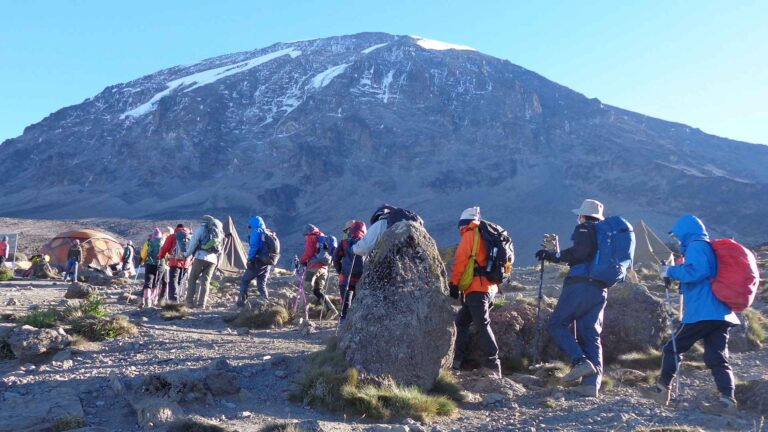
Sustainable Kilimanjaro Climbing Packages For | Top Guide Adventures 2026-2027
Discover sustainable Kilimanjaro climbing packages designed for eco-conscious adventurers. Top Guide Adventures offers responsible treks in 2026-2027, focusing on environmental preservation...
View package details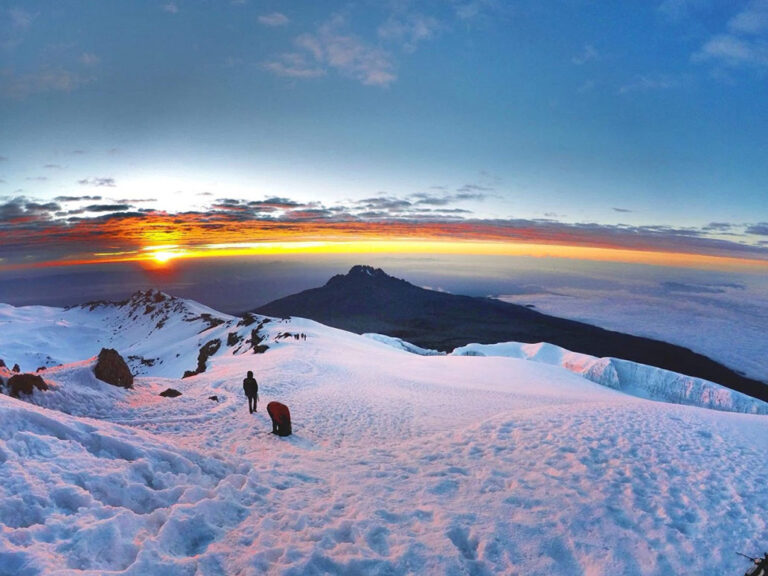
Kilimanjaro Climb With Materuni Recovery Day 2026-2027
Kilimanjaro Climb with Materuni Recovery Day is explained with current 2026-2027 planning, price, itinerary and booking information.
View package details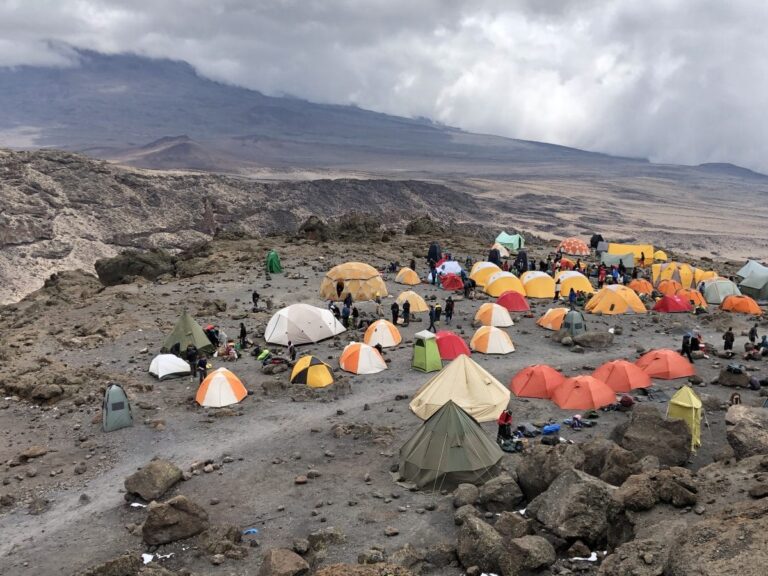
Kilimanjaro Climb With Lake Chala Relaxation Day: Your Ultimate Post-Trek
Experience the ultimate Kilimanjaro adventure followed by serene relaxation at Lake Chala. This guide details how to combine these incredible Tanzanian experiences, covering itineraries...
View package details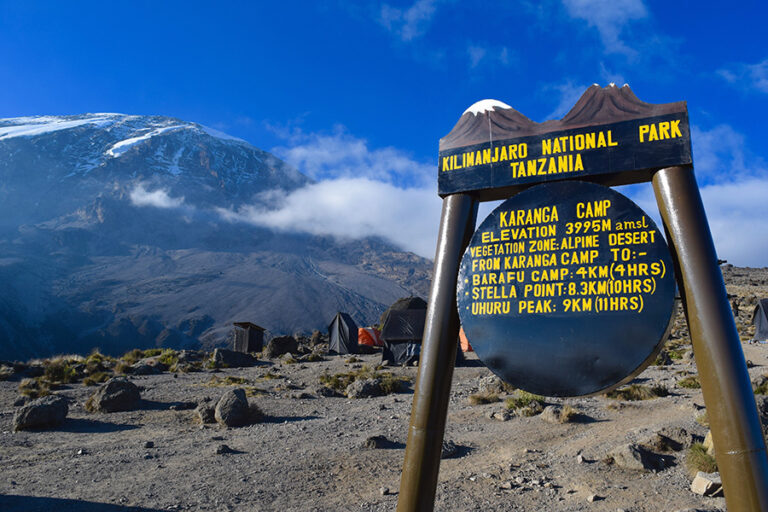
Kilimanjaro Climb & West Safari: The Ultimate Tanzania Adventure 2026-2027
Experience the pinnacle of Tanzania with a combined Kilimanjaro climb and West Kilimanjaro safari. This guide details itineraries, preparation, and what to expect for your 2026-2027...
View package details
Kilimanjaro Climb With Mkomazi Rhino Safari 2026-2027
Kilimanjaro Climb with Mkomazi Rhino Safari is explained with current 2026-2027 planning, price, itinerary and booking information.
View package details
Kilimanjaro Climb With Amboseli Safari Extension: Your Ultimate Tanzania
Experience the pinnacle of African adventure by combining a challenging Kilimanjaro climb with a impressive safari in Amboseli National Park. This guide details itineraries, costs, best...
View package detailsNo related package matches those filters. Clear one or more filters to see the other topic-matched options.



