
A Kilimanjaro family trip is entirely feasible and rewarding for both climbers and non-climbers by carefully selecting itineraries that cater to diverse interests and physical capabilities, allowing everyone to experience the magic of Mount Kilimanjaro and its surroundings in 2026-2027. Options range from summit expeditions for the adventurous to cultural immersions and wildlife viewing in the Kilimanjaro region for those preferring lower altitudes.
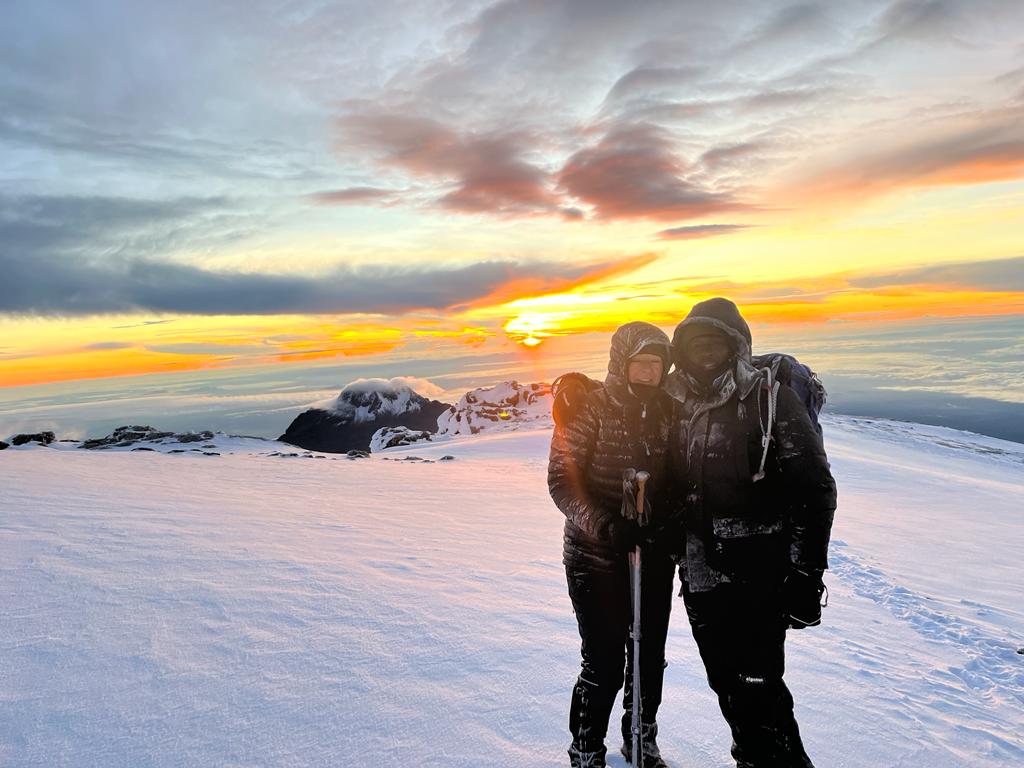
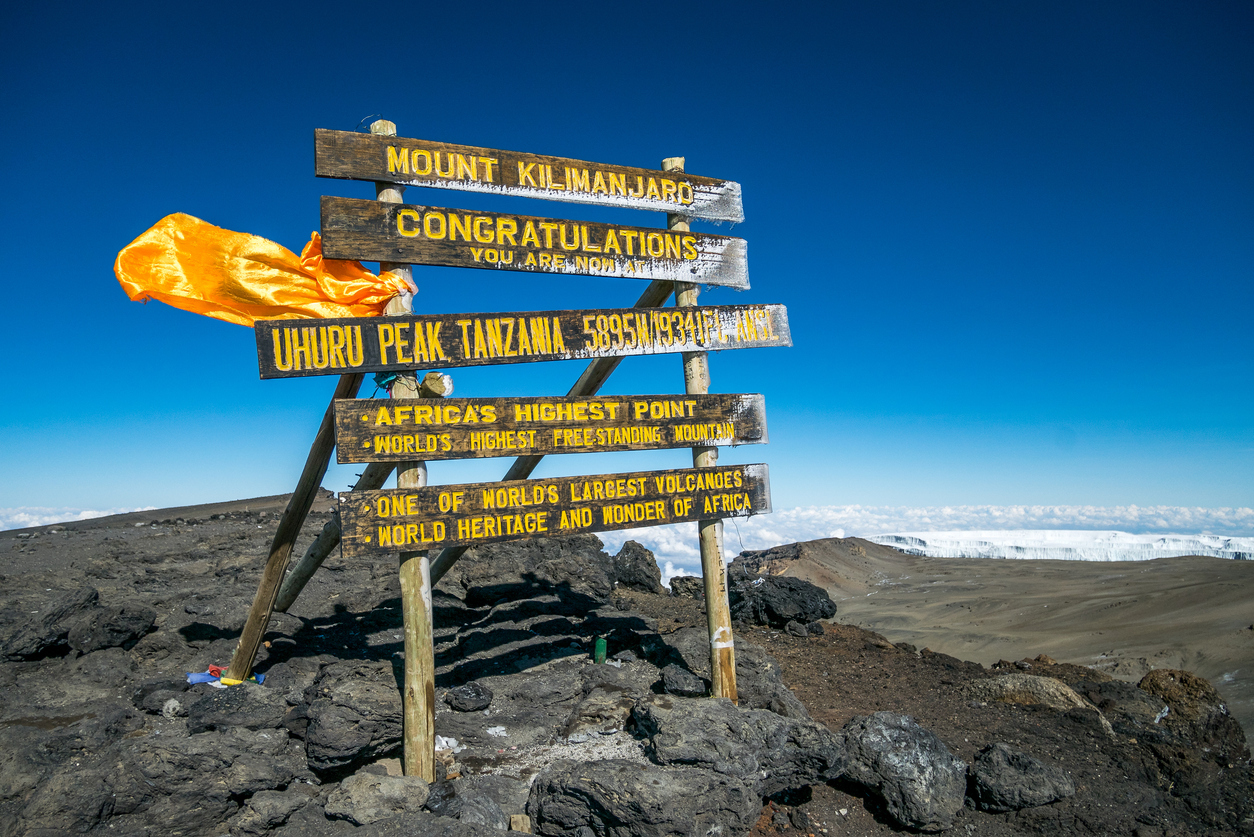
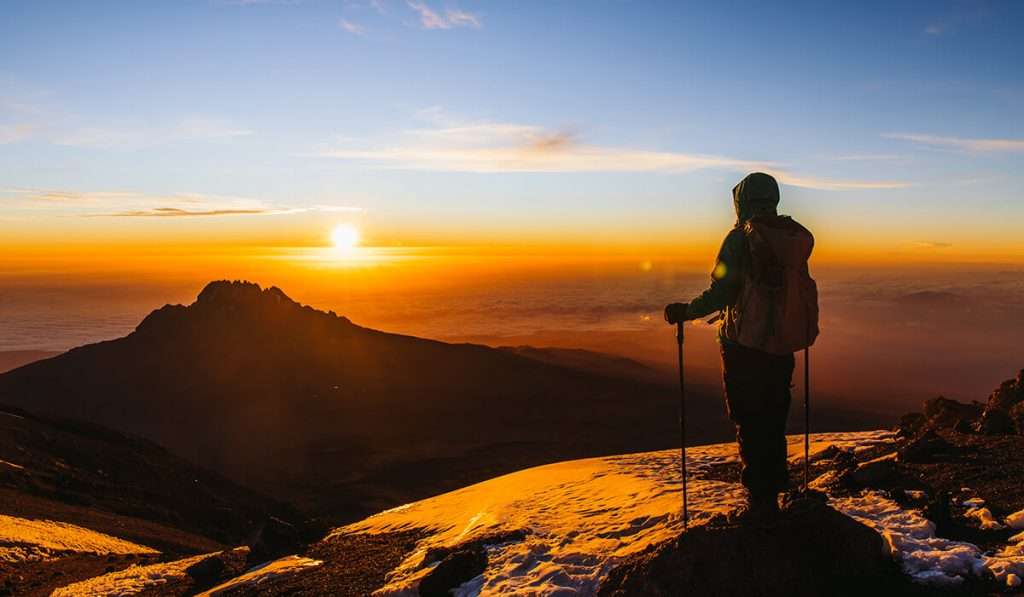
Designing Your Inclusive Kilimanjaro Family Adventure
Planning a Kilimanjaro family trip presents a unique opportunity to create lasting memories in one of Africa’s most iconic destinations. The challenge, however, lies in accommodating different fitness levels, ages, and interests within the same group. Some family members might dream of conquering the Roof of Africa, while others may prefer to explore the rich culture and stunning landscapes at the mountain’s base. Top Guide Adventures specializes in crafting bespoke itineraries that ensure every member of your family, whether they are climbers or non-climbers, enjoys a fulfilling Tanzanian experience during their 2026 or 2027 travels.
The key to a successful Kilimanjaro family trip is balancing the ambitions of the trekkers with the desires of those who will not be ascending the mountain. This involves understanding that a family adventure doesn’t necessarily mean everyone must reach the summit. It means creating a shared experience where different activities complement each other, allowing for both individual pursuits and collective enjoyment. We focus on providing exceptional support, personal attention, and tailored journeys across Tanzania, ensuring your family’s needs are met every step of the way.
Kilimanjaro Treks for the Adventurous Family Members
For family members eager to take on the challenge of climbing Kilimanjaro, selecting the right route is paramount. The mountain offers several distinct routes, each varying in difficulty, scenery, acclimatization profile, and duration. The choice significantly impacts the success rate and overall experience. Top Guide Adventures offers expert guidance on choosing the best route for your family’s climbing members, considering their prior trekking experience, fitness levels, and desired timeframe for a 2026-2027 climb.
Popular Kilimanjaro Routes for Families
When considering a Kilimanjaro family trip with climbers, certain routes stand out for their balance of scenery, acclimatization, and success rates. These are routes that, while challenging, are often recommended for those with some trekking experience and a good level of fitness.
- Machame Route: Often called the ‘Whiskey Route,’ Machame is popular for its scenic beauty and excellent acclimatization profile. It typically takes 6-7 days. Its ‘climb high, sleep low’ strategy is beneficial for acclimatization, increasing the chances of reaching the summit. This route is well-suited for families where members have moderate trekking experience.
- Lemosho Route: Known for its stunning scenery, Lemosho is a longer route, usually 7-8 days, offering superior acclimatization and thus higher success rates. It starts in the west and crosses the Shira Plateau, providing diverse landscapes. It’s a fantastic option for families seeking a more remote and visually rewarding trek.
- Marangu Route: The ‘Coca-Cola Route’ is the oldest and perhaps the most straightforward in terms of ascent, often completed in 5-6 days. It uses dormitory-style huts instead of camping, which can be appealing for some families. However, its rapid ascent means poorer acclimatization, leading to lower success rates compared to other routes. It is generally considered less scenic.
- » Rongai Route: This route approaches Kilimanjaro from the north, near the Kenyan border. It is generally drier and less crowded, making it a good option during the rainy seasons. It typically takes 6-7 days and offers a different perspective of the mountain.
For a Kilimanjaro family trip with climbers, we generally recommend the Machame or Lemosho routes for their superior acclimatization and scenic value, which contribute to a more enjoyable and successful summit attempt in 2026 or 2027. These routes offer a greater sense of accomplishment and a more profound connection with the mountain environment.
Preparation for Climbing Family Members
Successful Kilimanjaro climbs require thorough preparation. For family members planning to ascend, this includes:
- Physical Training: Regular hiking with a weighted backpack, cardiovascular exercises, and strength training are essential. Focus on endurance and leg strength.
- Gear Acquisition: Investing in high-quality, waterproof, and warm gear is non-negotiable. This includes boots, clothing layers, sleeping bags, and rain gear.
- Mental Preparation: Understanding the challenges of high-altitude trekking, including potential altitude sickness, is crucial. A positive mindset and determination are key.
- Health Checks: Consulting a doctor for a pre-trek physical examination and discussing any pre-existing conditions is highly recommended.
Top Guide Adventures provides detailed packing lists and training recommendations to ensure your climbing family members are well-prepared for their Kilimanjaro adventure in 2026-2027.
Engaging Activities for Non-Climbing Family Members
While some family members conquer Kilimanjaro, others can enjoy a rich array of experiences in the surrounding Kilimanjaro region and nearby national parks. Top Guide Adventures excels at creating engaging and comfortable itineraries for non-climbers, ensuring their Tanzanian journey is just as memorable.
Exploring the Kilimanjaro Foothills and Cultural Experiences
The lower slopes of Kilimanjaro and the surrounding towns offer a vibrant cultural and natural landscape. These activities are perfect for family members who prefer not to ascend the mountain or for those waiting for their climbing relatives to return.
- Cultural Tours: Visit local villages like Marangu, known for its waterfalls and coffee plantations. Engage with the Chagga people, learn about their history, traditions, and agricultural practices. A visit to a local coffee farm can be a delightful experience, from bean to cup.
- Chagga Caves: Explore the historical Chagga caves, used as hiding places during tribal wars. These caves offer a glimpse into the region’s past.
- Local Markets: experience yourselves in the bustling local markets in towns like Moshi. It’s a fantastic opportunity to interact with locals, sample fresh produce, and perhaps find unique souvenirs.
- Arusha National Park Day Trip: Just a short drive from Moshi, Arusha National Park offers stunning views of Kilimanjaro and Mount Meru. It’s home to diverse wildlife, including giraffes, zebras, and various antelope species, and is ideal for a day of game viewing and scenic drives.
- Waterfalls and Nature Walks: Explore the beautiful waterfalls in the Marangu area. Guided nature walks through the lush foothills provide opportunities to see local flora and fauna.
- Cooking Classes: Learn to prepare traditional Tanzanian dishes, offering a hands-on cultural experience.
Wildlife Safaris in Nearby Parks
Tanzania is world-renowned for its spectacular wildlife viewing opportunities. For non-climbing family members, combining a Kilimanjaro family trip with a safari is an excellent way to experience the country’s natural wonders.
- Tarangire National Park: Famous for its large elephant herds and iconic baobab trees. It offers excellent game viewing, especially during the dry season (June to October).
- Lake Manyara National Park: Known for its tree-climbing lions, vibrant birdlife, and large troops of baboons. The park’s compact size makes it ideal for a day trip.
- Serengeti National Park: The ultimate safari destination, famous for the Great Migration and abundant wildlife. While a longer trip is needed for the Serengeti, it’s an unforgettable experience for any wildlife enthusiast. For shorter stays, a day trip or a 2-day safari can be arranged, focusing on the areas accessible from Arusha.
- Ngorongoro Conservation Area: A UNESCO World Heritage Site featuring the Ngorongoro Crater, a natural amphitheater teeming with wildlife. It’s one of the best places to see the ‘Big Five’ in a single day.
Top Guide Adventures can arrange day trips or short safari excursions for non-climbing family members, ensuring they have their own adventure while the climbers are on the mountain. These safaris can be perfectly timed to coincide with the trekking schedule for a 2026 or 2027 family vacation.
Logistics and Planning for a Combined Kilimanjaro Family Trip
Coordinating a Kilimanjaro family trip with both climbers and non-climbers requires meticulous planning. The success of the trip hinges on smooth logistics that cater to two distinct sets of activities and locations.
Accommodation Options
Accommodation needs vary significantly. Climbers will be camping on the mountain, while non-climbers can choose from a range of comfortable options:
- Pre- and Post-Trek Stays: For climbers, comfortable hotels or lodges in Moshi or Arusha are arranged before and after the climb. This allows for rest, gear checks, and debriefings.
- Non-Climber Stays: Non-climbing family members can opt for hotels, lodges, or even private villas in towns like Moshi or Arusha. Options range from budget-friendly guesthouses to luxurious resorts, depending on preferences and budget for 2026-2027.
- Safari Lodges/Camps: During safari portions, accommodation typically includes comfortable lodges or tented camps within or near national parks, offering a blend of comfort and immersion in nature.
Transportation
Reliable transportation is crucial for a smooth Kilimanjaro family trip. Top Guide Adventures provides:
- Airport Transfers: Hassle-free pick-up and drop-off at Kilimanjaro International Airport (JRO) or other arrival points.
- Transfers to Trailheads: Private transport for climbers to their respective Kilimanjaro routes.
- Safari Vehicle: For non-climbers undertaking safaris, private 4×4 safari vehicles with experienced driver-guides are provided.
- Inter-city Travel: Comfortable transport between different locations if the itinerary includes multiple destinations.
Communication and Support
Maintaining communication between the climbing team and the non-climbing members is important. While climbers will have limited connectivity on the mountain, arrangements can be made for:
- Regular Check-ins: Guides on the mountain will communicate with the Top Guide Adventures office at designated points, allowing for updates to be relayed to the non-climbing family members.
- Dedicated Support: Our team provides 24/7 support. Non-climbers can contact us easily via WhatsApp or email for any assistance or updates.
- Meeting Points: Planning for family reunions upon the climbers’ descent is key. We facilitate smooth transitions and celebratory moments.
Safety and Health Considerations for Families
Safety is paramount for any family trip, especially one involving high-altitude trekking. Top Guide Adventures prioritizes the well-being of all its clients.
Altitude Sickness Management
Altitude sickness (Acute Mountain Sickness – AMS) is a significant concern for Kilimanjaro climbers. Our guides are trained to recognize symptoms and manage cases effectively.
- Acclimatization: Choosing longer routes like Lemosho or Machame (7-8 days) significantly improves acclimatization and reduces the risk of AMS.
- Symptoms Monitoring: Guides continuously monitor climbers for symptoms such as headaches, nausea, dizziness, and fatigue.
- Descent as Treatment: The only definitive treatment for severe AMS is immediate descent. Our guides are empowered to make this critical decision.
- Medication: Diamox (Acetazolamide) can be prescribed by a doctor to aid acclimatization, but it is not a substitute for proper acclimatization or a substitute for descent if symptoms worsen.
For a Kilimanjaro family trip, open communication about health concerns between all family members and with the guides is essential.
General Health and First Aid
- Pre-Travel Vaccinations: Consult your doctor or a travel clinic about recommended vaccinations for Tanzania, such as Hepatitis A, Typhoid, and Yellow Fever (depending on your travel route). Malaria prophylaxis is also often recommended for lower altitudes.
- Travel Insurance: Comprehensive travel insurance that covers high-altitude trekking and emergency medical evacuation is mandatory for all climbers. Ensure it also covers activities for non-climbers.
- First Aid Kits: Our guides carry comprehensive first-aid kits. Climbers should also carry a personal kit with essentials like pain relievers, blister treatment, and any personal medications.
- Hygiene: Practicing good hygiene, including regular hand washing and using hand sanitizers, helps prevent common travel illnesses.
Cost Considerations for a Kilimanjaro Family Trip (2026-2027)
The cost of a Kilimanjaro family trip can vary widely depending on the chosen Kilimanjaro route, duration, group size, accommodation standards, and the activities planned for non-climbers. Top Guide Adventures offers transparent pricing and customizable packages for 2026 and 2027.
Kilimanjaro Climb Costs
The price for a Kilimanjaro climb typically includes:
- Park fees (government fees, camping/hut fees)
- Crew salaries (guides, cooks, porters)
- All meals on the mountain
- Tents, cooking equipment, tables, chairs
- Water and boiled water
- Ground transport to/from the mountain
- Emergency rescue fees
Kilimanjaro climb costs generally range from $2,000 to $4,000+ per person for standard packages, depending on the route duration and service level. Longer routes and higher service standards (e.g., more guides per climber, better quality equipment) will increase the price. Peak seasons (e.g., January-March, June-October) might also see slightly higher pricing.
Costs for Non-Climbers
Costs for non-climbing family members will depend on their chosen activities:
- Accommodation: Varies from $50 to $300+ per night depending on the hotel/lodge standard.
- Safari Packages: A 3-day safari to Lake Manyara, Tarangire, and Ngorongoro can range from $700 to $2,000+ per person, depending on the lodge standard and vehicle type.
- Day Trips: Cultural tours, national park day entries, and guided walks are typically priced between $50 and $200 per person per activity.
- Transportation: Airport transfers and local transport costs will add to the overall budget.
Budgeting Tips for 2026-2027 Family Trips
- Group Size: Traveling with a larger family group can sometimes lead to better per-person rates for safaris and accommodations.
- Route Choice: Shorter Kilimanjaro routes are less expensive due to fewer park fees and crew days, but come with lower success rates.
- Timing: Traveling during the shoulder seasons (e.g., April-May, November) might offer slightly lower prices for accommodation and flights, though Kilimanjaro’s weather can be less predictable then.
- Inclusions: Carefully compare what is included in different tour packages. Park fees, meals, gear rental, and porter support can significantly affect the final price.
Top Guide Adventures provides detailed, personalized quotes for your Kilimanjaro family trip, ensuring full transparency. Contact us for a tailored itinerary and pricing for your 2026 or 2027 adventure.
Expert Advice for a Harmonious Family Trip
To ensure your Kilimanjaro family trip is a success for everyone, consider these expert tips:
- Open Communication: Discuss expectations, concerns, and interests with all family members well in advance.
- Flexibility: Be prepared for potential changes in plans, especially concerning weather or individual comfort levels on the mountain.
- Shared Experiences: Plan activities that bring the family together, such as shared meals, cultural exchanges, or relaxing evenings.
- Individual Time: Allow for individual exploration or rest, recognizing that not everyone will want to do the same things all the time.
- Celebrate Achievements: Acknowledge and celebrate both the climbers’ summit success (or their best effort) and the non-climbers’ experiences and discoveries.
Choosing the Right Time for Your Kilimanjaro Family Trip (2026-2027)
The best time to visit Kilimanjaro and surrounding areas for a family trip depends on the primary activities planned. Kilimanjaro has two main dry seasons, which are generally considered the best for climbing.
- January to March: This is a dry and relatively warm period. It’s excellent for climbing, with clear skies and good visibility. It’s also a good time for safaris, though the calving season for wildebeest in the Serengeti occurs during February.
- June to October: This is the main dry season, characterized by cooler temperatures and clear skies. It’s considered the peak season for Kilimanjaro climbs due to its high success rates and good weather. Safari viewing is also excellent, especially for spotting wildlife concentrated around water sources.
The rainy seasons are:
- April to May: The ‘long rains’ season. Expect heavy rainfall, making trekking conditions difficult and potentially hazardous. Visibility can be poor.
- November to December: The ‘short rains’ season. Rainfall is less intense than in April-May but can still affect trekking conditions and visibility.
For a Kilimanjaro family trip in 2026-2027:
- Climbers: Aim for the dry seasons (Jan-Mar or Jun-Oct) for the best chance of success and a more comfortable trek.
- Non-Climbers (Safaris/Culture): These seasons are also excellent for safaris and cultural tours. The Serengeti migration patterns are a major draw during specific months.
- Shoulder Seasons: If budget is a concern, consider the shoulder months like early November or late March, which might offer slightly lower prices while still having reasonable weather.
Top Guide Adventures can advise on the optimal timing for your specific family’s interests and the Kilimanjaro family trip plans for 2026 or 2027.
Why Choose Top Guide Adventures for Your Kilimanjaro Family Trip?
As one of Tanzania’s most trusted tour companies, Top Guide Adventures is dedicated to providing comprehensive travel experiences with a personal touch. We understand the unique requirements of a Kilimanjaro family trip involving both climbers and non-climbers.
- Tailor-Made Itineraries: We excel at crafting personalized journeys that meet the specific needs and desires of each family member.
- Experienced Guides: Our guides are highly trained, experienced, and certified, ensuring safety and an enriching experience on Kilimanjaro and during safaris.
- Commitment to Safety: The well-being of our clients is our top priority. We adhere to strict safety protocols on the mountain and during all excursions.
- Local Expertise: With deep knowledge of Tanzania, we offer authentic cultural experiences and optimal wildlife viewing opportunities.
- Dedicated Support: From initial planning to post-trip follow-up, our team provides dedicated support, ensuring a stress-free travel experience.
- Ethical Operations: We are committed to responsible tourism, fair treatment of our crew, and conservation efforts.
Planning a Kilimanjaro family trip for 2026 or 2027 is a significant undertaking. Let Top Guide Adventures handle the complexities, allowing your family to focus on enjoying the adventure. Whether your family members are aiming for the summit or exploring the vibrant culture and wildlife at the mountain’s base, we ensure an unforgettable journey for everyone.
We invite you to connect with us to discuss your dream Kilimanjaro family trip. Reach out via WhatsApp at +255616946642 or email us at topguideadventures@gmail.com or info@topguideadventures.com. Let us help you create a truly special family adventure in Tanzania for 2026-2027.
Check Availability for Kilimanjaro Family Trip: Climbing And Non-Climbing Options For 2026-2027
Ready to compare dates, prices, and the best option for your group? Send the package name and travel month so the team can reply with a clear quote, availability, and what is included.
Kilimanjaro Family Holiday While One Person Climbs Guide
Organizing a Kilimanjaro family holiday with a mix of climbers and non-climbers requires careful planning. This guide details how to create a memorable trip for everyone in 2026-2027...
View package details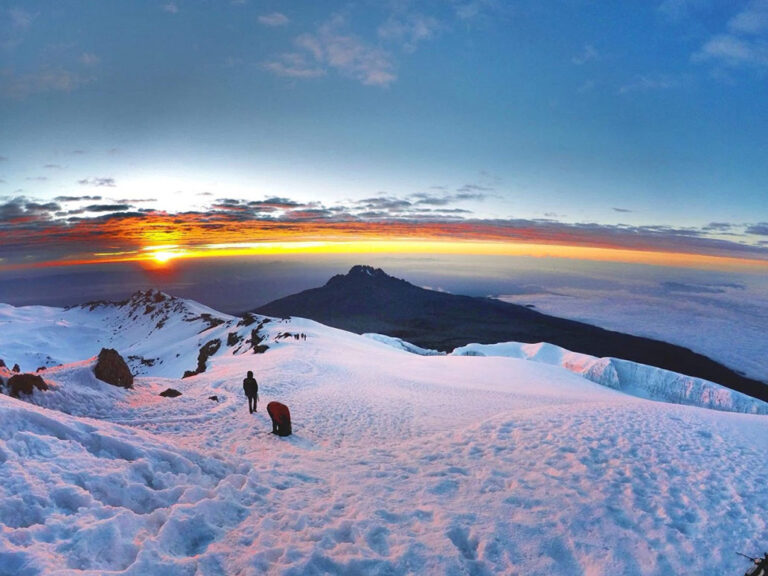
Kilimanjaro Companion Package For Non-Climbers | Top Guide Adventures
A Kilimanjaro Companion Package is designed for friends, family, or partners of climbers who wish to experience the magic of Kilimanjaro National Park and its surroundings without...
View package details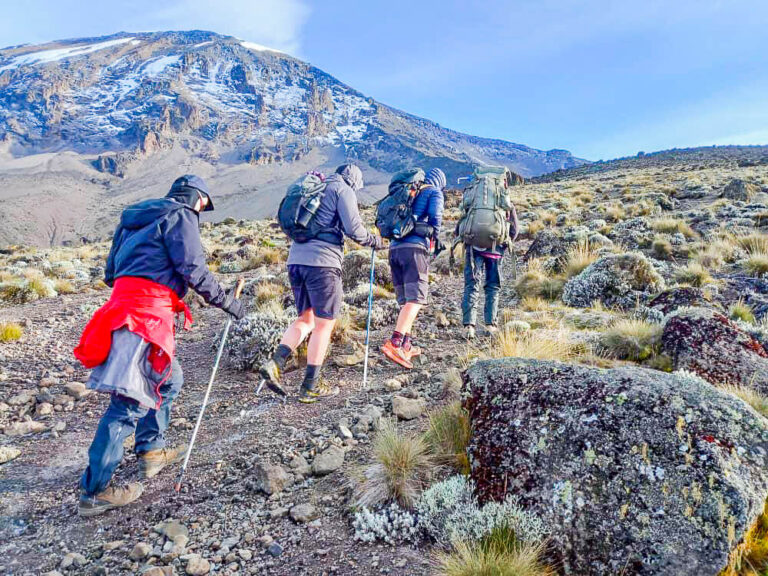
Kilimanjaro Marathon Family Travel Packages For | Top Guide Adventures
Experience the thrill of the Kilimanjaro Marathon with your family! Top Guide Adventures crafts unique travel packages for 2026-2027, blending the excitement of the race with the wonders of...
View package details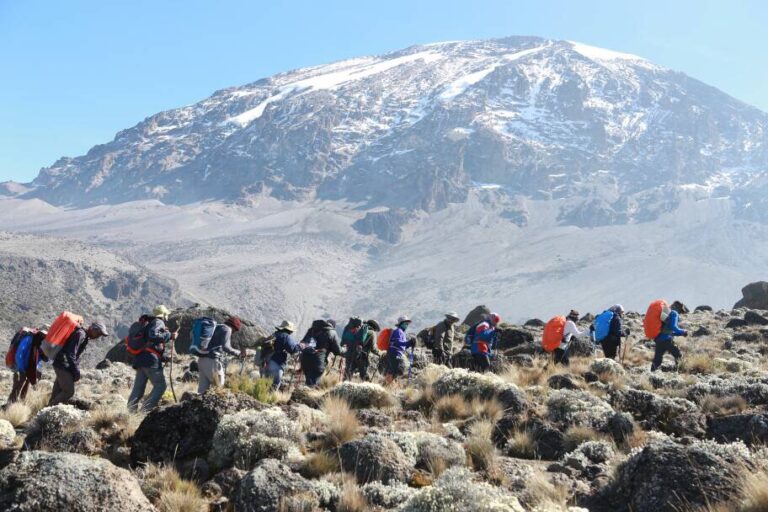
Kilimanjaro Local Culture Week For Non-Climbers: Experience Tanzanias Heart
Experience the rich cultural mix surrounding Mount Kilimanjaro without the climb. Our Local Culture Week offers non-climbers an unforgettable journey into the heart of Tanzanian traditions...
View package details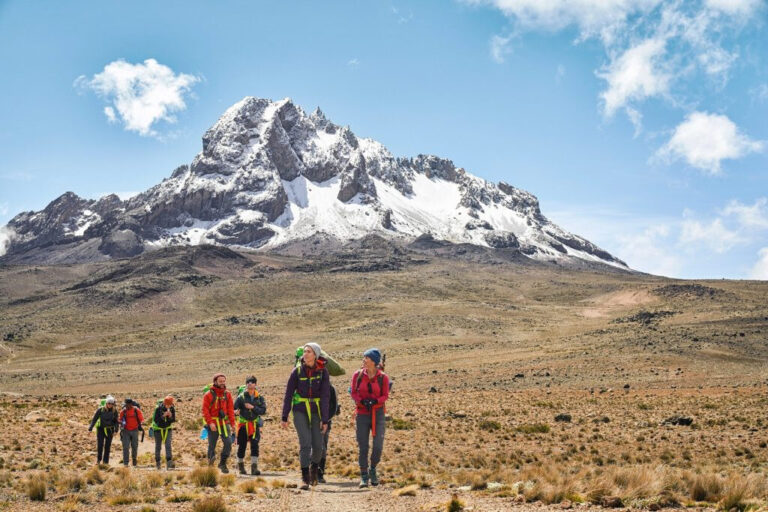
What Can Non-Climbers Do Near Kilimanjaro? Explore Tanzanias Wonders 2026-2027
While Mount Kilimanjaro draws adventurers for its summit, the surrounding region offers a wealth of experiences for those who prefer to stay at lower altitudes. From thrilling wildlife...
View package details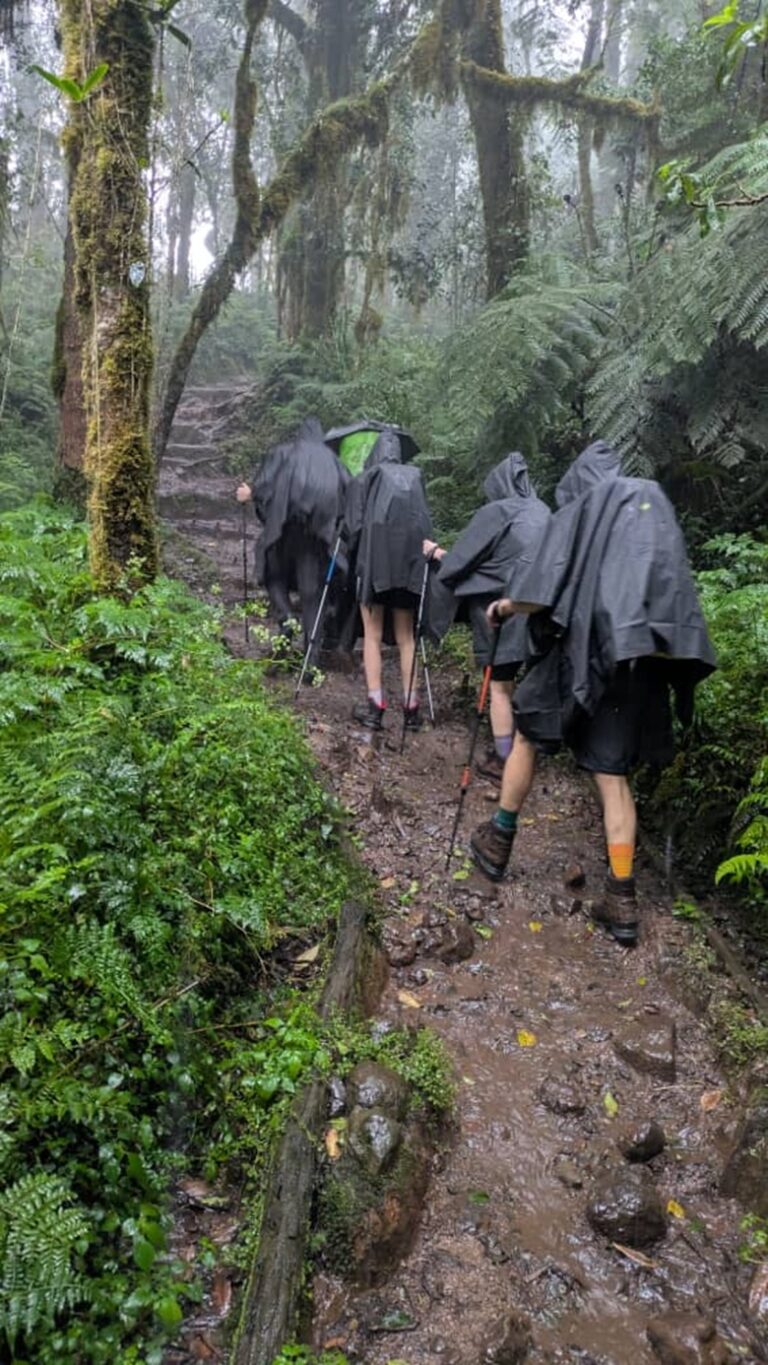
Kilimanjaro Foothills Tour For Non-Climbers: Experience The Majesty Without
Explore the impressive Kilimanjaro foothills on a specialized tour designed for those who prefer to experience the mountain's grandeur without undertaking a strenuous climb. Discover local...
View package details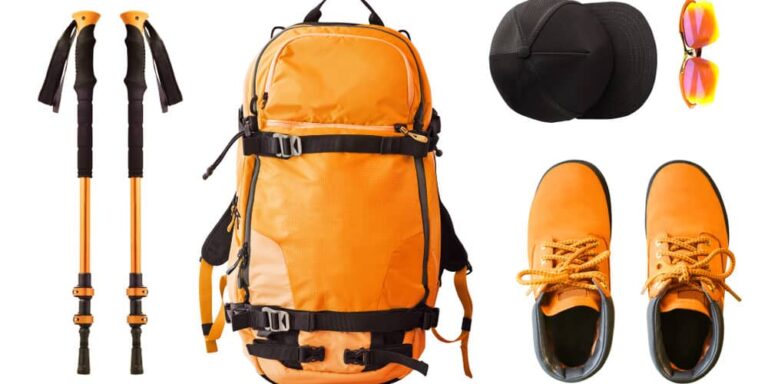
Are Kilimanjaro Camps Noisy At Night? A Climbers Guide To Sleep And Sound
Understand the noise levels at Kilimanjaro camps to better prepare for your trek. This guide covers what sounds you might hear, factors influencing noise, and how to ensure a restful...
View package detailsHow To Sleep At High Altitude On Kilimanjaro: Expert Tips For Climbers
Sleeping at high altitude on Kilimanjaro presents unique challenges, primarily due to altitude sickness. This comprehensive guide from Top Guide Adventures provides essential strategies for...
View package details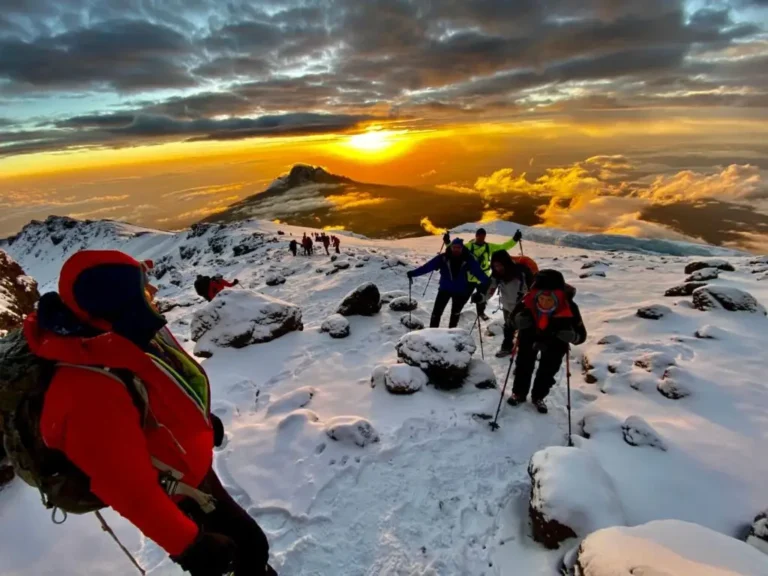
Do You Need Microspikes For Kilimanjaro? Expert Advice Climbers 2026-2027
Climbers often wonder about the necessity of Microspikes for Kilimanjaro. While not always mandatory, they can significantly enhance safety and comfort on icy sections, particularly on...
View package details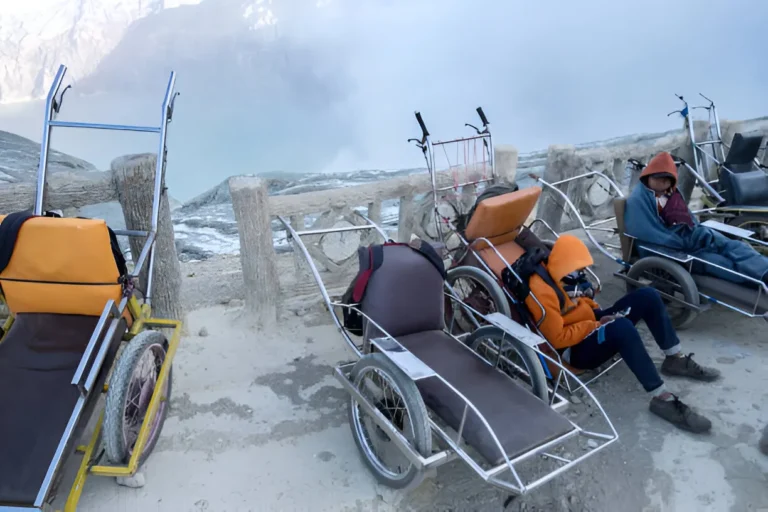
How Many Base Layers Do You Need For Kilimanjaro? A Complete Guide Climbers
Climbing Kilimanjaro requires careful gear selection. This guide breaks down the essential base layers needed to stay warm and dry on the mountain, with planning tips for 2026-2027...
View package details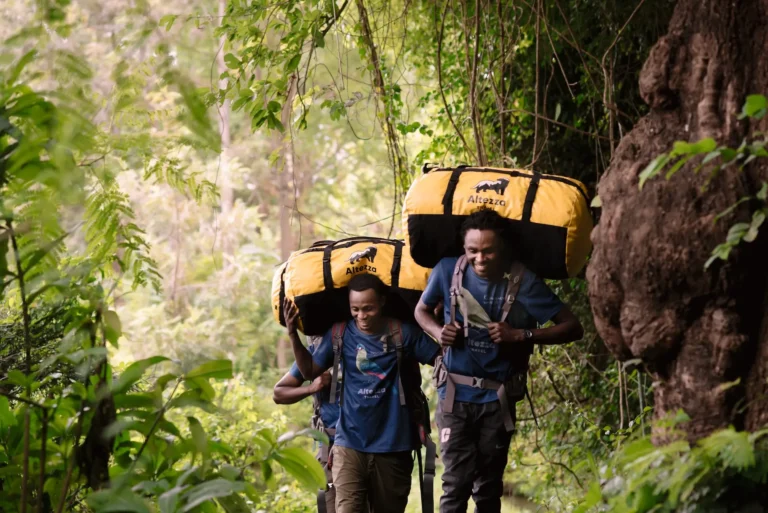
Kilimanjaro Region Seven-Day Non-Climbing Itinerary: Explore Beyond The Summit
Explore the vibrant Kilimanjaro Region for seven days without climbing the mountain. This itinerary focuses on cultural immersion, wildlife encounters, local markets, and scenic beauty...
View package details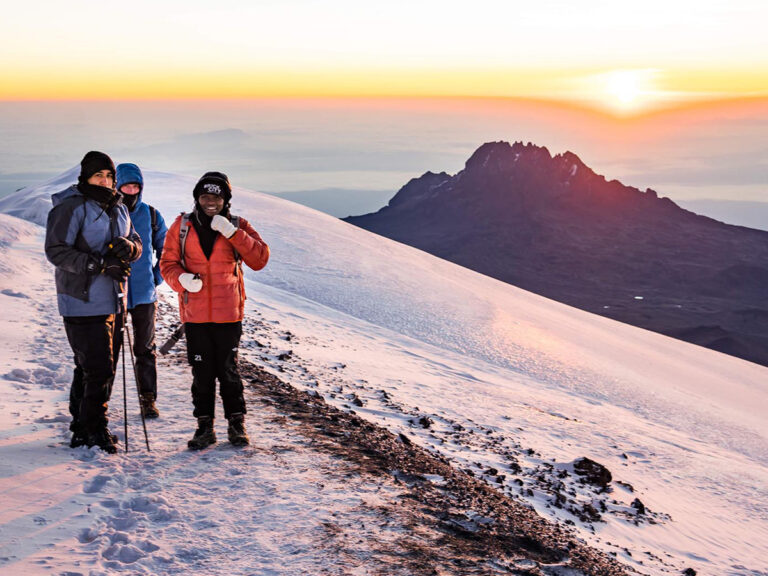
Kilimanjaro Relaxation And Spa Package: Rejuvenate After Your Climb 2026-2027
After conquering Mount Kilimanjaro, a dedicated relaxation and spa package is the perfect way to recover and rejuvenate. Top Guide Adventures provides comprehensive post-climb wellness...
View package detailsNo related package matches those filters. Clear one or more filters to see the other topic-matched options.



