
Kilimanjaro camps are generally not noisy in a way that significantly disrupts sleep for most climbers, especially when compared to urban environments. The primary sounds you’ll encounter are natural ones like wind, the calls of distant wildlife (though rare at higher altitudes), and the quiet murmur of fellow trekkers and porters preparing meals or discussing the day. While some camps can have more activity than others, particularly at popular sites like Barafu Camp on the final push to the summit, the overall atmosphere is one of relative tranquility, conducive to rest before challenging hiking days.
Understanding the “Noise” on Kilimanjaro: What to Expect at Camp
When planning a Kilimanjaro climb, many adventurers envision a serene, almost silent experience in nature. The reality of camping on Africa’s highest peak is largely true to this, but it’s important to set realistic expectations. The question, “Are Kilimanjaro camps noisy at night?” is a common one, stemming from concerns about sleep quality, which is crucial for acclimatization and energy levels. At Top Guide Adventures, we aim to provide climbers with a clear picture of what to anticipate, ensuring you’re well-prepared for every aspect of your trek.
The sounds you’ll hear at Kilimanjaro camps are predominantly natural and atmospheric. The most pervasive sound is often the wind. Kilimanjaro is famous for its wind, which can range from a gentle breeze to a strong gust, especially at higher altitudes and more exposed campsites. This wind can whistle around your tent, rustle the vegetation (where present), and create a constant, often soothing, natural soundtrack. For many, this is the defining sound of camping on the mountain.
Beyond the wind, you’ll hear the sounds of camp life. This includes the low hum of conversations among fellow trekkers and the dedicated porters and guides. In the evenings, this might involve the clinking of cooking utensils as dinner is prepared, the soft crackle of a small campfire (where permitted and safe), and the general sounds of people settling down for the night. These sounds are usually low-volume and transient. By the time most people are ready to sleep, the camp is relatively quiet.
Wildlife sounds are generally minimal at the altitudes where camps are situated. While Kilimanjaro’s lower slopes host diverse wildlife, the higher camps are largely above the habitat of most larger animals. You might occasionally hear the call of a bird or the rustle of a small creature, but these are rare occurrences and unlikely to be disruptive. The focus of sound at night is overwhelmingly on the natural elements and the quiet operations of the trekking group.
Factors Influencing Camp Noise Levels
While Kilimanjaro camps are generally peaceful, several factors can influence the perceived noise level on any given night. Understanding these can help you manage your expectations and prepare accordingly for your 2026 or 2027 climb.
- Camp Location and Size: Larger, more popular camps, especially those on heavily trafficked routes like the Marangu or Machame routes, can sometimes have more people and thus more ambient sound. Campsites are designated, and while spaced out, there’s a limit to how dispersed groups can be.
- Route Popularity: Routes like Machame and Marangu are very popular. Camps like Barafu Camp (base for the summit push) or Kosovo Camp on the Northern Circuit can be quite busy, meaning more tents and more people in close proximity. This doesn’t automatically mean it’s “noisy,” but there’s a higher potential for sound.
- Weather Conditions: Strong winds can create noise as they buffet tents and the surrounding environment. Conversely, very still nights can amplify the sounds of other campers.
- Group Dynamics: The behavior of your own trekking group plays a significant role. A considerate group will minimize noise after lights out. However, occasional laughter, conversation, or movement is natural.
- Porter and Guide Activity: Porters and guides often wake up very early to prepare breakfast and pack up camp. You might hear them moving around before dawn, but this is usually a soft, functional noise rather than disruptive loudness.
- Altitude and Acclimatization: At higher altitudes, people can sometimes be more sensitive to sounds due to physiological changes. Being well-acclimatized helps mitigate this.
The Soundscape of Specific Kilimanjaro Camps
Different camps on Kilimanjaro offer distinct sound environments. The experience can vary significantly depending on the route and the specific campsite chosen. For instance, camping on the Marangu route, often called the “Coca-Cola route” due to its accessibility and hut accommodation, might feel different from camping on the more remote Northern Circuit. Let’s look at some common campsites and what you might hear:
Mandara Hut (Marangu Route)
Located in the montane forest zone, Mandara Hut is one of the first overnight stops. The dominant sounds here are the rustling leaves, the calls of forest birds, and the occasional monkey chatter. At night, the forest can be alive with unseen creatures, but the sounds are generally natural and soothing. The huts themselves are basic but offer shelter, and while you might hear fellow trekkers moving between huts, it’s usually not disruptive.
Horombo Hut (Marangu & Rongai Routes)
Moving into the alpine zone, Horombo Hut offers wider views and a different soundscape. Wind becomes more prominent here. The landscape is more open, so sounds travel further. You’ll hear the wind whistling across the moorlands and the quiet movements of other trekkers. It’s a popular stop, so there will be other groups, but the vastness of the area helps dissipate sound.
Kibo Hut (Marangu Route) / Barafu Camp (Machame, Lemosho, Shira, Umbwe Routes)
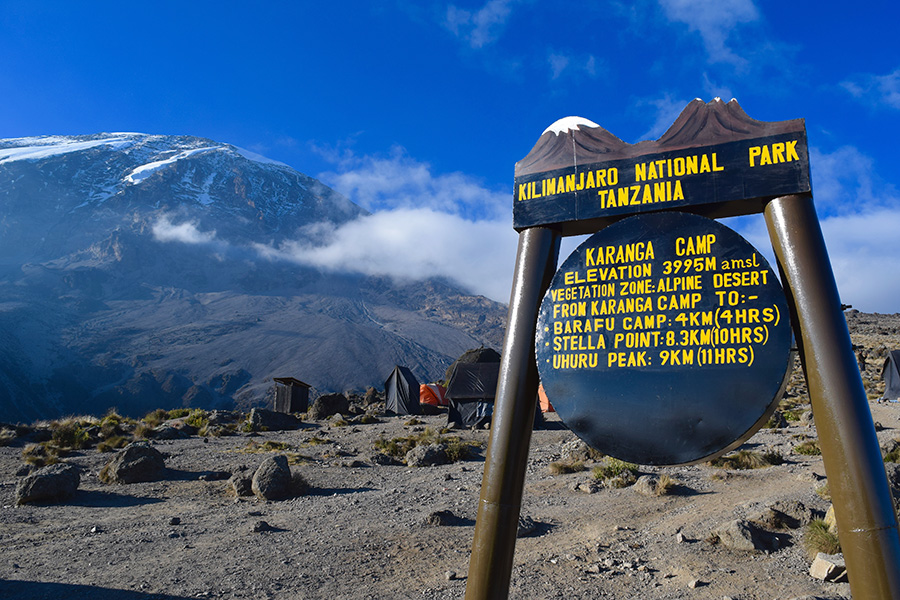
These are high-altitude camps, often serving as staging points for the summit push. Barafu Camp, in particular, is known for being a busy hub. It sits on a rocky moraine, and the wind can be a significant factor. Because many groups converge here for an early morning start, there’s a higher density of people. While not typically characterized by loud noise, the sheer number of tents and the preparation for the arduous summit climb can lead to more ambient sound – people moving, guides briefing, and the general activity of a busy staging camp. However, this activity is usually focused on preparation rather than revelry, and most climbers are focused on resting. The sounds are more about the collective effort and the anticipation of the summit push.
Camp Lava Tower (Lemosho & Shira Routes)
This camp is often used for acclimatization. It’s typically quieter than Barafu, situated at a slightly lower altitude. The wind is still a factor, but the atmosphere is generally more relaxed as it’s not the immediate staging point for the summit. You’ll hear the wind and the quiet sounds of a smaller group settling in.
Arrow Glacier Camp (Umbwe Route)
The Umbwe route is the most challenging and direct. Camps like Arrow Glacier are at high altitude and can be exposed. Wind noise is significant. Due to the route’s difficulty and fewer trekkers, these camps are often more solitary, meaning fewer human-generated sounds, but the wind can be a constant companion.
Mweka Camp (All Southern Routes)
Located in the forest zone on descent, Mweka Camp is often a place for celebration after the summit. While the descent is less physically demanding, the atmosphere can be more relaxed. You might hear more cheerful conversations or singing from groups celebrating their success. However, this is usually contained within groups, and the overall noise level is still moderate, especially considering the day’s accomplishment.
Tips for Ensuring a Peaceful Night’s Sleep on Kilimanjaro
Even in generally quiet environments, a good night’s sleep on Kilimanjaro is paramount. Here are practical tips to help you maximize rest, regardless of potential ambient sounds:
Your Sleep Preparation Checklist
- Invest in Quality Earplugs: This is perhaps the most effective tool. High-quality, comfortable earplugs can block out most ambient noise, allowing you to focus on resting. Consider foam or silicone earplugs designed for sleeping.
- Use a Comfortable Sleeping Pad: A good sleeping pad not only provides insulation and comfort but also helps dampen sounds that might travel through the tent floor.
- Bring a Comfortable Sleeping Bag: While not directly related to noise, being warm and comfortable in your sleeping bag contributes significantly to overall rest quality.
- Choose Your Tent Location Wisely (if possible): If your guide offers some flexibility, try to position your tent slightly away from the main gathering areas or kitchens, if practical. However, campsite layouts are often fixed.
- Establish a Routine: Try to wind down at a similar time each night. This helps signal to your body that it’s time to rest.
- Stay Hydrated and Acclimatized: Proper hydration and good acclimatization reduce the physical discomforts of altitude that can interfere with sleep. Headaches or nausea can make you more sensitive to any sound.
- Avoid Caffeine and Heavy Meals Late: Similar to general camping advice, avoid stimulants and heavy food close to bedtime to promote better sleep.
- Practice Deep Breathing or Meditation: Simple relaxation techniques can help calm your mind and body, making it easier to drift off to sleep, even with some background noise.
- Communicate with Your Guide: If you’re particularly concerned about noise or light from your own group, speak to your guide. They can help manage group behavior to ensure everyone gets adequate rest.
- Bring a Headlamp with a Red Light Setting: While not for noise, minimizing bright light in the tent is crucial. A red light setting is less disruptive to sleep cycles.
The Role of Guides and Porters in Camp Ambiance
The crew accompanying you on Kilimanjaro – your guides and porters – are professionals dedicated to your safety and comfort. Their role in maintaining a peaceful camp environment is significant. At Top Guide Adventures, we train our teams to be mindful of trekkers’ need for rest, especially after demanding hiking days and before crucial stages like the summit push.
Morning Routine: You will likely hear your porters and guides waking up before dawn to prepare breakfast and begin packing. This is a necessary part of the process to ensure you can start your day’s hike promptly. However, experienced teams are trained to do this as quietly as possible, moving efficiently without unnecessary noise. They understand that early morning sounds can be more noticeable in the quiet stillness.
Evening Routine: In the evening, after dinner, the guides will typically brief the group about the next day’s trek. This is a crucial time for information sharing and preparation. Once the briefing is over and lights are out, the emphasis shifts to rest. Your guides will ensure that any necessary camp activities are conducted with minimal disturbance. They are also responsible for ensuring trekkers adhere to camp rules and respect the quiet hours.
Camp Setup: The way tents are pitched, and the camp is organized also contributes to the overall atmosphere. A well-organized camp is often a quieter one. Porters are skilled at setting up tents efficiently, and guides ensure that cooking areas are managed appropriately to minimize smoke and noise.
Cultural Sensitivity: The Kilimanjaro trekking community is international. Guides and porters are accustomed to managing diverse groups and are sensitive to the need for quiet and respect among all trekkers. They play a vital role in fostering a shared understanding of the importance of rest.
Comparing Noise Levels: Kilimanjaro vs. Other Trekking Destinations
To better answer “Are Kilimanjaro camps noisy at night?”, it helps to place the experience in context. How does Kilimanjaro compare to other popular trekking destinations?
- Everest Base Camp Trek (Nepal): Teahouses along the EBC trek can sometimes be quite noisy. While individual rooms offer privacy, common dining areas can be lively, and sounds from adjoining rooms or hallways can sometimes be heard. Campsites, when used, are often in villages with local activity.
- Patagonia (e.g., Torres del Paine): Campsites in Patagonia, especially in popular areas, can be subject to intense winds that create significant noise. While human noise is generally low due to dispersed campsites and regulations, the wind can be a major factor.
- Annapurna Circuit (Nepal): Similar to EBC, the Annapurna Circuit relies heavily on teahouses. Noise levels can vary greatly, from very quiet lodges to bustling ones.
- Machu Picchu Trek (Peru): Campsites on treks like the Inca Trail are often in designated areas. While generally quiet, proximity to other groups and occasional nocturnal wildlife can contribute to ambient sound.
Compared to these, Kilimanjaro’s camps, especially those on the more remote routes or those with fewer trekkers at any given time, tend to be quieter in terms of human-generated noise. The primary natural sound is wind, which is a constant but often predictable element. The structured nature of guided treks means groups are relatively self-contained, and guides actively manage the camp environment to ensure rest.
Altitude and Its Impact on Sleep and Perceived Noise
Altitude sickness, or Acute Mountain Sickness (AMS), can significantly affect sleep quality and your perception of noise. As you ascend Kilimanjaro, the reduced oxygen levels can lead to symptoms like headaches, nausea, dizziness, and disturbed sleep. These symptoms can make you more sensitive to any sound, turning what might be a minor noise into something bothersome.
Understanding Altitude-Related Sleep Disturbances
- Periodic Breathing (Cheyne-Stokes Respiration): This is common at altitude. Breathing can become shallow and slow, then pause for a few seconds before resuming. This can cause brief awakenings or a feeling of breathlessness, which can be unsettling and make you more alert to sounds.
- Headaches: Altitude headaches are a common symptom and can make falling asleep difficult and lead to more frequent awakenings.
- Increased Urination: Your body tries to adapt to altitude by increasing fluid loss, meaning you might need to get up to urinate more frequently during the night.
- General Discomfort: Feeling cold, experiencing mild nausea, or simply the physiological stress of being at altitude can disrupt sleep patterns.
Mitigating Altitude’s Impact on Sleep and Noise Sensitivity
- Acclimatize Properly: The most crucial factor. Follow your guide’s advice on ascent rates and rest days. Slower ascents significantly reduce the risk of AMS.
- Stay Hydrated: Drink plenty of water throughout the day. This helps with acclimatization and can alleviate some AMS symptoms.
- Ascend Slowly: “Climb high, sleep low” is a principle applied on some routes to aid acclimatization.
- Medication (Diamox): Discuss the possibility of using Diamox (acetazolamide) with your doctor. It can help speed up acclimatization and reduce AMS symptoms, potentially leading to better sleep.
- Listen to Your Body: If you experience symptoms of AMS, inform your guide immediately. Prompt management is key.
- Manage Your Environment: Even if you’re more sensitive due to altitude, using earplugs and ensuring your sleeping bag and pad are comfortable can still make a significant difference.
By prioritizing acclimatization and being aware of these potential altitude effects, you can minimize their impact on your sleep and your perception of noise in Kilimanjaro camps.
Preparing Your Gear for Quiet Nights
Your trekking gear plays a direct role in your comfort and ability to sleep soundly. While not directly controlling external noise, the right equipment creates a personal sanctuary that can help insulate you from it.
Essential Gear for Sleep Comfort
- High-Quality Earplugs: Reiteration is key here. Bring several pairs.
- Comfortable Sleeping Bag Liner: Adds warmth and can make your sleeping bag feel more comfortable and less drafty.
- Inflatable Pillow or Stuff Sack: A small comfort that makes a big difference. You can stuff clothes into a stuff sack for a makeshift pillow.
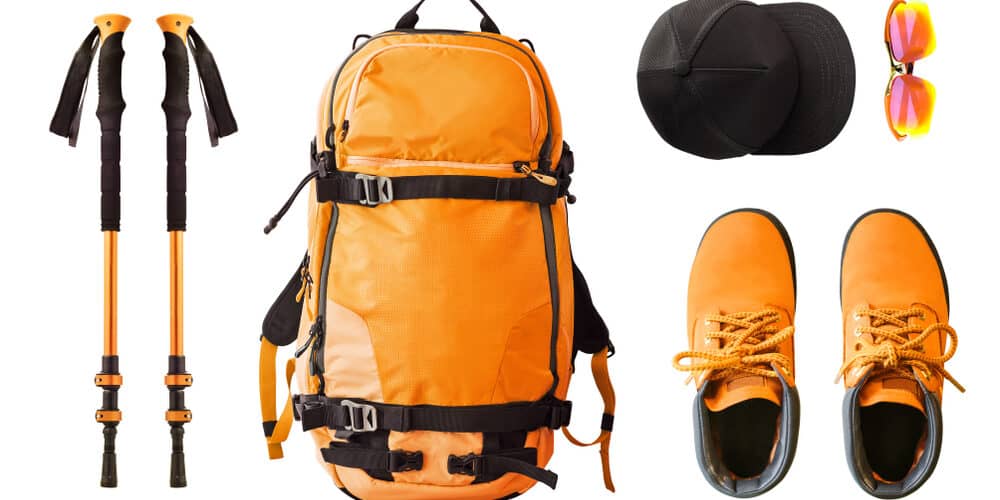
- Warm Layers for Sleeping: Sleeping at altitude can get cold. Wearing thermal base layers, a warm hat, and even gloves can ensure you stay warm enough to sleep soundly.
- Durable, Well-Maintained Tent: Top Guide Adventures provides high-quality tents designed to withstand the elements. Ensure your tent is properly set up to minimize drafts and noise from flapping fabric.
The goal is to create a personal environment within your tent that is as quiet, warm, and comfortable as possible. This focus on personal comfort can significantly enhance your ability to rest, even if there are ambient sounds outside.
The 2026-2027 Kilimanjaro Climbing Season: What to Expect
As you plan your Kilimanjaro adventure for the upcoming seasons, understanding how noise levels might be perceived in 2026 and 2027 is relevant. While the fundamental nature of camping on Kilimanjaro remains constant, factors like park management, visitor numbers, and environmental conditions can evolve.
Visitor Numbers: Kilimanjaro remains a highly sought-after destination. Projections for 2026 and 2027 suggest continued popularity. This means that popular campsites on well-trodden routes might experience higher occupancy, especially during peak seasons (January-March and June-October). However, park authorities manage campsite capacity, and while popular spots can be busy, they are unlikely to be overwhelmingly crowded to the point of constant noise disruption. Opting for less common routes like the Lemosho or Northern Circuit can offer a more serene experience.
Park Management and Regulations: Tanzania National Parks Authority (TANAPA) consistently works to manage visitor impact and ensure safety. Regulations regarding waste disposal, campfires (generally prohibited), and group conduct are enforced. These regulations inherently promote quieter, more environmentally conscious camping practices.
Environmental Factors: Weather patterns can always influence noise. While difficult to predict years in advance, understanding typical wind patterns for the season you choose is helpful. For instance, the dry seasons generally offer more stable weather, but wind can still be a factor at higher altitudes.
Choosing Your Operator: Reputable operators like Top Guide Adventures prioritize client experience, which includes ensuring a conducive environment for rest. Our guides are trained to manage group noise and select optimal tenting locations within designated campsites whenever possible. This commitment to service remains a constant for 2026 and 2027 climbs.
In summary, while visitor numbers may fluctuate, the core experience of camping on Kilimanjaro, including its soundscape, is expected to remain similar for 2026 and 2027. The focus on responsible tourism and the natural environment means that excessive noise is not a typical feature of Kilimanjaro camps.
When Are Camps Most Likely to Be “Noisy”?
While generally quiet, there are specific times and situations where Kilimanjaro camps might experience more ambient sound than usual. Identifying these can help you prepare:
- Summit Night (Barafu Camp/Kosovo Camp): As mentioned, these staging camps are busy. The collective energy and preparation for the final ascent can lead to more movement and discussion. This isn’t typically loud music or shouting, but rather the sounds of many people getting ready.
- Descent to Mweka/Millennium Camps: After reaching the summit, groups are often elated. The descent to lower camps can sometimes involve more boisterous celebrations, singing, or cheerful conversations. However, this usually occurs earlier in the evening and is often short-lived as fatigue sets in.
- Very Popular Campsites During Peak Season: During the busiest periods (e.g., July, August, December, January), popular campsites on routes like Machame can be more densely populated. This increases the potential for ambient sounds from neighboring tents or groups.
- Camps with Huts (Marangu Route): While huts offer shelter, they can sometimes amplify sounds from within the hut or common areas, especially if people are talking or moving around late.
- Windy Nights: While not human-generated, strong winds can be a significant source of noise that some might find disruptive. Campsites located in exposed areas are more prone to this.
It’s important to reiterate that even in these scenarios, the noise is usually within the bounds of typical outdoor camping sounds. It’s rarely disruptive in the way city noise or loud parties are.
Are Kilimanjaro Camps Quiet? The Verdict from Top Guide Adventures
From our extensive experience guiding countless climbers up Kilimanjaro, the overwhelming consensus is that Kilimanjaro camps are not noisy at night in a way that typically causes significant problems for sleep. The sounds are predominantly natural – the wind, the vast silence of high altitude, the quiet rustling of equipment, and the low murmur of your trekking team.
The most common sounds are:
- Wind: Often the most dominant sound, especially at higher altitudes.
- Your Group: Quiet conversations, movement, and the sounds of preparation.
- Nature: Distant animal calls (rare), rustling vegetation (lower altitudes).
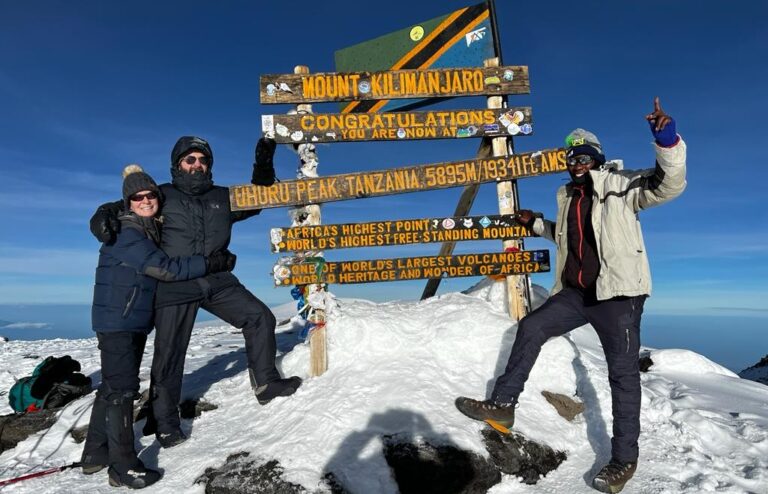
The key to a good night’s sleep lies in preparation: understanding what to expect, bringing the right gear (especially earplugs), prioritizing acclimatization, and choosing a reputable operator like Top Guide Adventures who values your comfort and rest. Our guides are trained to manage camp dynamics to ensure a peaceful environment for all our clients, allowing you to focus on the incredible journey and the achievement of reaching Uhuru Peak.
Planning Your 2026-2027 Kilimanjaro Climb with Confidence
When you choose Top Guide Adventures for your Kilimanjaro climb in 2026 or 2027, you’re choosing a team dedicated to providing a safe, enjoyable, and well-managed experience. We understand that details matter, from the quality of our tents and equipment to the expertise of our guides and the attentiveness of our porters. We aim to create an environment where you can focus on the challenge and beauty of Kilimanjaro, knowing that your comfort and rest are prioritized.
If you have further questions about Kilimanjaro camping, noise levels, or planning your trek for 2026-2027, please do not hesitate to reach out. We are here to help you prepare for an unforgettable adventure.
You can contact us via:
- WhatsApp: +255616946642
- Email: topguideadventures@gmail.com
- Backup Email: info@topguideadventures.com
Let us help you plan your dream climb to the Roof of Africa!
Check Availability for Are Kilimanjaro Camps Noisy At Night? A Climbers Guide To Sleep And Sound
Ready to compare dates, prices, and the best option for your group? Send the package name and travel month so the team can reply with a clear quote, availability, and what is included.
How Private Are Kilimanjaro Campsites? 2026-2027
How Private Are Kilimanjaro Campsites? is explained with current 2026-2027 planning, price, itinerary and booking information.
View package details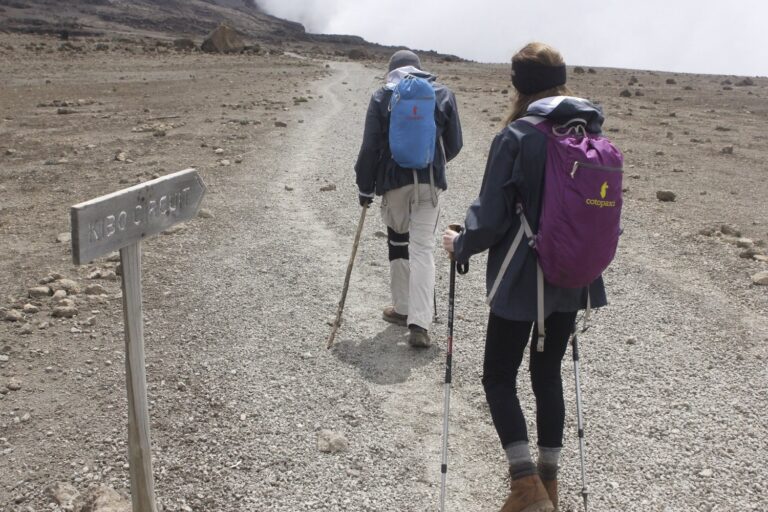
Best Balaclava For Kilimanjaro Summit Night 2026-2027
Best Balaclava for Kilimanjaro Summit Night is explained with current 2026-2027 planning, price, itinerary and booking information.
View package details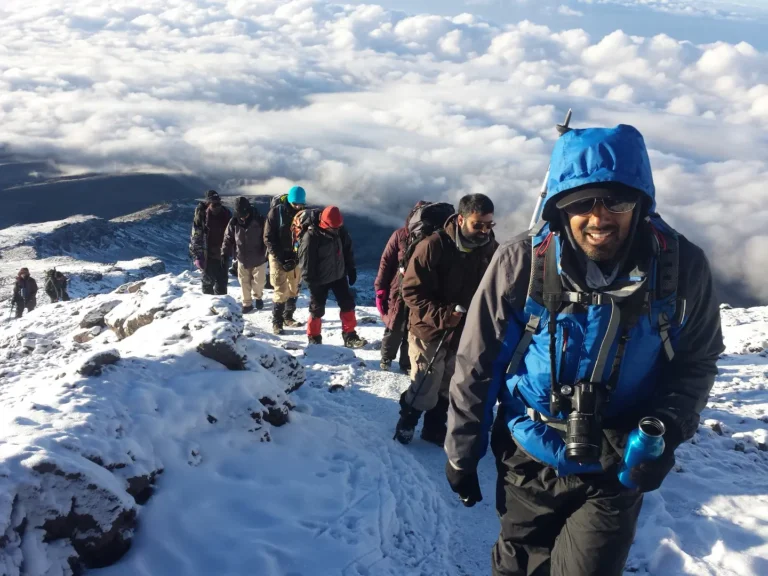
How Many Nights Should You Stay Before Kilimanjaro Climb? 2026-2027
The crucial question of how many nights to stay before climbing Kilimanjaro directly impacts your acclimatization and overall success. Experts recommend a minimum of 2-3 nights in Moshi or...
View package details
Late-Night Arrival At Kilimanjaro Airport Before Your Climb: Essential
Planning a Kilimanjaro climb with a late-night arrival at Kilimanjaro International Airport (JRO)? This guide covers everything you need to know for a smooth transition from the airport to...
View package details
Kilimanjaro Climb With A Sign-Language Interpreter 2026-2027
Kilimanjaro Climb with a Sign-Language Interpreter is explained with current 2026-2027 planning, price, itinerary and booking information.
View package details
Adaptive Kilimanjaro Climbing Expeditions 2026-2027
Adaptive Kilimanjaro Climbing Expeditions is explained with current 2026-2027 planning, price, itinerary and booking information.
View package details
Spanish Group Departures For Kilimanjaro: Dates, Costs & Planning 2026-2027
Discover upcoming Spanish group departures for Kilimanjaro climbs, offering a cost-effective and social way to conquer Africa's highest peak. This guide details 2026-2027 dates, route...
View package details
French Group Departures For Kilimanjaro: Your Guide 2026-2027
Discover essential information for French speakers planning a Kilimanjaro climb via group departures in 2026-2027. This comprehensive guide covers routes, preparation, costs, and booking...
View package details
German Group Departures For Kilimanjaro: Your Guide 2026-2027
Planning a Kilimanjaro climb with fellow German speakers? Discover curated group departures for 2026-2027, focusing on safety, success, and cultural connection. Top Guide Adventures...
View package details
Private Kilimanjaro Interpreter And Guide Package: Your Ultimate Summit
Discover the benefits of a Private Kilimanjaro Interpreter and Guide Package for your trek. Ensure safety, cultural understanding, and a smoother journey to the Roof of Africa with expert...
View package details
Multilingual Kilimanjaro Group Climbing Tour 2026-2027
Multilingual Kilimanjaro Group Climbing Tour is explained with current 2026-2027 planning, price, itinerary and booking information.
View package details
Kilimanjaro Climb With A Swahili-Speaking Guide: Your Essential Top Adventures
Ascend Mount Kilimanjaro with Top Guide Adventures, led by experienced Swahili-speaking guides. This comprehensive guide covers everything you need to know for a successful climb in...
View package detailsNo related package matches those filters. Clear one or more filters to see the other topic-matched options.



