
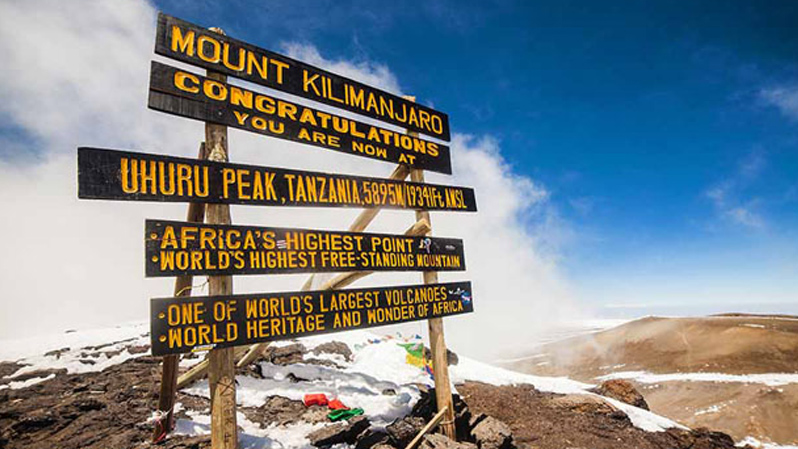
French group departures for Kilimanjaro climbs in 2026-2027 offer a structured and social way for French-speaking adventurers to tackle Africa’s highest peak, typically via popular routes like Machame or Marangu, led by experienced guides. These tours are designed to be inclusive, covering essential services like park fees, accommodation, meals, and porter support, with pricing varying based on route, duration, and service level, often starting from around $2000-$3000 USD per person for standard packages.
Planning Your Kilimanjaro Ascent: French Group Departures in 2026-2027
Climbing Mount Kilimanjaro is a dream for many, and for French-speaking travelers, the prospect of joining a group departure in 2026 or 2027 can make this adventure more accessible and enjoyable. Top Guide Adventures specializes in creating memorable experiences on Kilimanjaro, understanding the unique needs of international clients. Our French group departures are curated to provide a supportive, safe, and authentic trekking experience. This guide aims to provide comprehensive information for French speakers considering a group climb, covering everything from choosing the right route to understanding the costs and what to expect on the mountain.
The decision to climb Kilimanjaro is significant, involving physical preparation, logistical planning, and financial investment. By opting for a group departure, you benefit from shared experiences, cost efficiencies, and the camaraderie of fellow trekkers. For 2026 and 2027, we are offering a range of group dates designed to suit various schedules and preferences. These departures are not just about reaching the summit; they are about the journey, the cultural immersion, and the personal achievement. Our commitment is to ensure that your Kilimanjaro group departure is everything you hoped for, with expert guidance and meticulous organization from start to finish.
Why Choose a French Group Departure for Kilimanjaro?
Joining a French group departure for your Kilimanjaro climb offers distinct advantages. Firstly, it simplifies communication, allowing you to discuss plans, ask questions, and receive briefings in your native language. This reduces potential misunderstandings and enhances comfort throughout the planning and execution phases. Secondly, group travel often leads to cost savings. By sharing resources and benefiting from group rates, the overall expense for park fees, guides, porters, and logistics can be more manageable compared to a private climb. Thirdly, the social aspect is invaluable. Trekking Kilimanjaro can be challenging, and having a group of like-minded individuals provides encouragement, shared motivation, and a wonderful opportunity to forge new friendships with people from diverse backgrounds, all united by a common goal.
Top Guide Adventures understands the importance of a supportive environment. Our French group departures are designed to foster this, ensuring that every member feels included and supported. Whether you’re an experienced trekker or embarking on your first major mountain climb, the shared experience of a group can significantly boost morale and enjoyment. We ensure that guides are not only proficient in English but also capable of communicating effectively with French speakers, facilitating a smoother and more personal experience on the mountain. This focus on communication and community is central to our philosophy for Kilimanjaro group departures.
Understanding Kilimanjaro Routes for Group Treks in 2026-2027
Kilimanjaro offers several distinct routes, each with its own characteristics, difficulty levels, scenery, and success rates. For group departures, certain routes are more popular due to their balance of accessibility, acclimatization profiles, and overall trekking experience. Top Guide Adventures carefully selects routes for our French group departures in 2026-2027 that are well-suited for group dynamics and offer the best chance of summit success while maximizing the scenic beauty and wildlife viewing opportunities.
The Machame Route: A Popular Choice for Groups
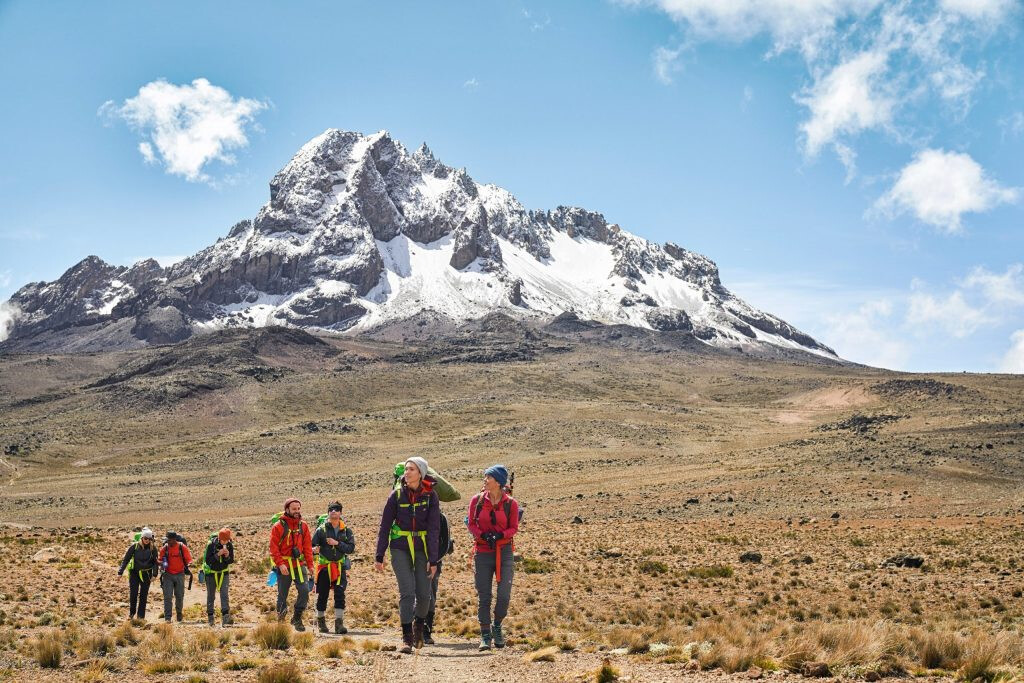
The Machame Route, often called the “Whiskey Route,” is one of the most popular choices for group departures, including our French-speaking clients. It is known for its high success rates, attributed to its excellent acclimatization profile. The route winds its way up the southern western side of Kilimanjaro, offering diverse landscapes that change dramatically as you ascend. It typically takes 6 to 7 days to complete, with 7 days being highly recommended for better acclimatization.
Key features of the Machame Route:
- Duration: Typically 6 or 7 days. A 7-day itinerary is strongly advised for optimal acclimatization.
- Scenery: Offers stunning views of the Shira Plateau, Barranco Wall, and the Kibo crater.
- Acclimatization: Excellent, with a “climb high, sleep low” strategy, significantly increasing summit success chances.
- Scenery Change: Passes through rainforest, moorland, desert, and arctic zones.
- Difficulty: Moderate to challenging, requiring good physical fitness.
- Group Suitability: Very high. Its well-established infrastructure and good success rate make it ideal for group trekking.
For French group departures in 2026-2027, the Machame Route provides a fantastic balance of challenge and reward. The trek begins in the lush rainforest and gradually ascends through distinct ecological zones, offering a comprehensive Kilimanjaro experience. The daily climbs are challenging but manageable, and the scenic vistas are unparalleled, making it a memorable journey for any group.
The Marangu Route: The “Coca-Cola” Trail
The Marangu Route, also known as the “Coca-Cola Route,” is the oldest and perhaps the most traditional route up Kilimanjaro. It is the only route that offers dormitory-style accommodation in huts, making it a unique option for those seeking a slightly more comfortable trekking experience. It is generally considered less scenic than Machame and has a lower summit success rate due to its more rapid ascent profile, which can compromise acclimatization.
Key features of the Marangu Route:
- Duration: Typically 5 or 6 days. 5 days is very fast and not recommended for acclimatization.
- Accommodation: Huts available at each camp, offering a more basic level of comfort than camping.
- Scenery: Less varied than other routes, primarily ascending the eastern side.
- Acclimatization: Poorer compared to Machame or Lemosho, leading to lower success rates on the 5-day itinerary.
- Difficulty: Moderate, but the rapid ascent can make it physically taxing.
- Group Suitability: Good for groups seeking hut accommodation, though acclimatization needs careful consideration.
While Marangu is an option, for French group departures in 2026-2027 aiming for higher success rates and a more in-depth mountain experience, we generally recommend longer routes like Machame or Lemosho. However, if hut accommodation is a priority, Marangu can still be a viable choice with a 6-day itinerary.
The Lemosho Route: Scenic Beauty and High Success
The Lemosho Route is widely regarded as one of the most beautiful routes on Kilimanjaro. It approaches the mountain from the west, offering stunning panoramic views and a more remote trekking experience in its initial stages. Lemosho is known for its excellent acclimatization profile, often completed over 7 or 8 days, which significantly boosts summit success rates. It is an excellent choice for groups who prioritize scenery and acclimatization.
Key features of the Lemosho Route:
- Duration: Typically 7 or 8 days. The longer duration is crucial for acclimatization and enjoyment.
- Scenery: Exceptionally beautiful, traversing the Shira Plateau and offering dramatic views.
- Acclimatization: Excellent, with a gradual ascent and good “climb high, sleep low” opportunities.
- Wildlife: Higher chances of spotting wildlife in the initial forest sections.
- Difficulty: Moderate to challenging, similar to Machame but with more time for acclimatization.
- Group Suitability: Excellent. Its beauty, acclimatization, and high success rate make it a top choice for discerning groups.
For those French-speaking travelers looking for an unforgettable Kilimanjaro experience in 2026 or 2027, the Lemosho Route is a strong contender. It offers a more serene start to the trek and an unparalleled overall trekking journey, making it a rewarding option for a group adventure.
Other Routes to Consider
While Machame, Marangu, and Lemosho are the most common for group departures, other routes exist:
- Northern Circuit: The longest route (9-10 days), offering the best acclimatization and highest success rates. It circles the mountain, providing varied views. Ideal for those with ample time and a desire for a comprehensive experience.
- Rongai Route: Approaches from the north, a drier route, making it a good option during the rainy seasons. It’s generally less crowded and offers a different perspective. Typically 6 or 7 days.
The choice of route for your French group departure in 2026-2027 will depend on your group’s fitness, available time, budget, and desired experience. Top Guide Adventures can help you select the route that best fits your group’s profile.
What’s Included in Our French Group Departures?
Top Guide Adventures is committed to providing comprehensive Kilimanjaro climbing packages for our French group departures. Our aim is to minimize logistical worries for our clients, allowing them to focus on the trek and the experience. While exact inclusions can vary slightly based on the chosen route and package duration, our standard group departure packages typically cover the following essential elements for 2026-2027 climbs:
Core Inclusions for Group Treks:
- Park Fees: All necessary Mount Kilimanjaro National Park entry fees, camping/hut fees, and conservation fees are covered. These are significant costs and are transparently included.
- Experienced Guides: Qualified, certified, and experienced mountain guides who are proficient in English and trained in first aid. We ensure they have extensive knowledge of the mountain and acclimatization protocols.
- Support Crew: A dedicated team of assistant guides and porters to carry all group camping equipment, food, and luggage. Our porters are treated ethically and paid fairly.
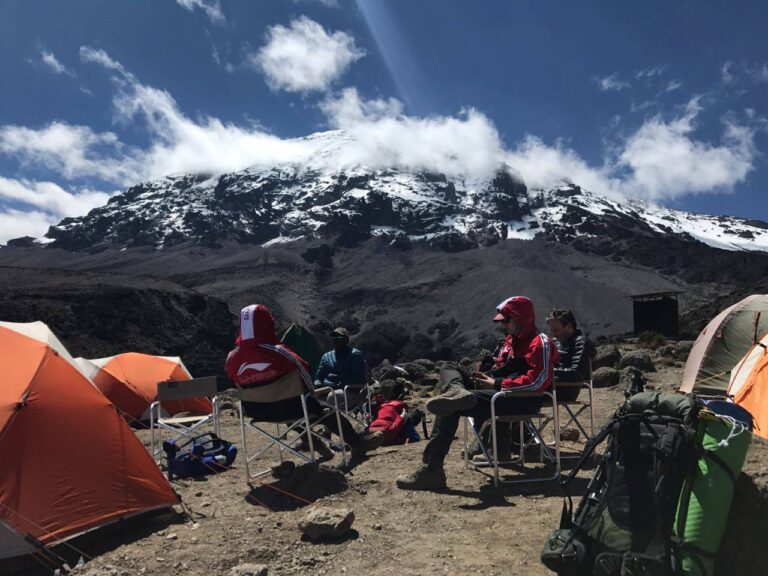
- Accommodation: Camping equipment (tents, sleeping mats) for the duration of the trek. For the Marangu route, hut accommodation is included.
- Meals: All meals and drinking water while on the mountain. Our cooks prepare fresh, nutritious, and varied meals to keep your energy levels high. This includes breakfast, lunch, and dinner.
- Transfers: Return transfers from Moshi or Arusha to the Kilimanjaro National Park gate and back to your hotel post-climb.
- Safety Equipment: Oxygen cylinders and a comprehensive first-aid kit are carried by our lead guide.
- Briefings: Pre-climb briefings in Moshi to go over the itinerary, gear checks, and answer any questions.
- Water: Boiled or purified drinking water provided daily.
Important Note: Flights to and from Tanzania, visa fees, travel insurance (mandatory), personal gear (clothing, sleeping bag, boots), tips for guides and porters, and personal expenses are generally not included. We provide detailed packing lists to ensure you are well-prepared.
Pricing and Budgeting for French Group Departures in 2026-2027
Understanding the cost is crucial when planning any international trek. The pricing for French group departures for Kilimanjaro in 2026-2027 with Top Guide Adventures is structured to offer value while ensuring the highest standards of safety, support, and quality. Several factors influence the final price, including the chosen route, the duration of the trek, the level of service, and the number of participants in the group.
Generally, prices for Kilimanjaro climbs are quoted on a per-person basis for group departures. These prices reflect the significant operational costs involved, such as park fees (which are substantial and set by the Tanzanian government), guide and porter wages, food, equipment, and logistics. As a general guideline, you can expect:
Estimated Price Ranges for Group Treks (2026-2027):
- Budget-Mid Range (6-7 days, e.g., Machame): Approximately $2,000 – $2,800 USD per person. This typically includes standard services with good quality equipment and support.
- Mid-Range to Upper Mid-Range (7-8 days, e.g., Lemosho, Northern Circuit): Approximately $2,500 – $3,500 USD per person. These longer routes offer better acclimatization and often include slightly enhanced services or equipment.
- Higher-End/Luxury Options: Prices can go higher, potentially $3,500+ USD per person, for treks with premium services, private rooms (where applicable), or specialized support.
Factors influencing cost:
- Route Length: Longer routes require more park fees and crew days, increasing the overall cost.
- Number of Days: A 7-day Machame climb will be more expensive than a 6-day Machame climb.
- Quality of Service: Higher quality tents, better food, and a higher guide-to-client ratio can influence pricing.
- Time of Year: Peak seasons (January-March, June-October) might see slightly higher operational costs, though park fees remain constant.
It’s important to note that these are indicative prices for 2026-2027. For precise quotes tailored to specific group dates and requirements, direct contact with Top Guide Adventures is recommended. We believe in transparent pricing, and our quotes will clearly outline what is included and what is not.
Booking Your French Group Departure: Dates and Process for 2026-2027
Securing your spot on a French group departure for Kilimanjaro is a straightforward process with Top Guide Adventures. We aim to make booking as easy and informative as possible, ensuring you feel confident and prepared from the moment you decide to climb. Our group departure dates for 2026 and 2027 are strategically planned to coincide with favorable trekking seasons and to offer a variety of options.
How to Find Available Dates
We regularly update our schedule with specific group departure dates. The best way to find available spots for 2026-2027 is to:
- Visit our Website: Check the dedicated “Group Departures” or “Kilimanjaro Treks” sections on our website. We list scheduled dates for various routes.
- Contact Us Directly: For the most up-to-date information or if you have a specific date range in mind for your French group, please reach out. We can confirm availability or discuss setting up a new group departure if you have a sufficient number of interested participants.
The Booking Process
Once you have identified a suitable group departure date:
- Inquiry: Contact us via email or WhatsApp to express your interest. Please mention the specific group departure date or your preferred travel window for 2026-2027.
- Confirmation & Quote: We will confirm availability and provide you with a detailed itinerary and a personalized quote.
- Deposit: To secure your place on the chosen departure, a deposit is typically required. The exact amount and payment schedule will be outlined in your booking confirmation.
- Booking Form: You will need to complete our booking form, providing necessary personal details and agreeing to our terms and conditions.
- Final Payment: The remaining balance is usually due a certain number of weeks before the trek departure date (e.g., 60-90 days).
- Pre-Trip Information: Upon receipt of your final payment, you will receive comprehensive pre-trip information, including a detailed packing list, training advice, and important travel tips.
Early Booking is Recommended: For popular dates in 2026 and 2027, especially during peak seasons, we advise booking several months in advance to guarantee your spot. Group departures have limited capacity to ensure quality and safety.
Preparing for Your Kilimanjaro Climb: Fitness and Gear
Successful ascent of Kilimanjaro requires both physical preparation and appropriate gear. Our French group departures aim to equip you with the knowledge needed for both. Proper training and the right equipment are critical for safety, comfort, and increasing your chances of reaching the summit.
Physical Training Regimen
Kilimanjaro is a challenging trek, not a technical climb, but it demands significant cardiovascular endurance and leg strength. Your training should focus on:
- Cardiovascular Fitness: Engage in activities like hiking, running, cycling, or swimming at least 3-4 times per week. Aim for longer sessions (1-2 hours) as your fitness improves.
- Hiking with a Pack: Practice hiking on varied terrain, preferably with a weighted backpack (5-10 kg), to simulate mountain conditions. This helps your body adapt to carrying weight.
- Strength Training: Focus on leg strength (squats, lunges) and core strength.
- Stamina Building: Include back-to-back hiking days on weekends if possible to mimic the multi-day nature of the climb.
Start your training at least 2-3 months before your departure date for 2026-2027. Consistency is key.
Essential Gear Checklist
Packing the right gear is paramount. Layering is essential due to the drastic temperature changes from the base to the summit. Top Guide Adventures provides a detailed packing list, but here are the key categories:
Key Gear Categories:
- Clothing: Moisture-wicking base layers (thermal underwear), insulating mid-layers (fleece or down jacket), and a waterproof/windproof outer shell (jacket and pants).
- Footwear: Broken-in hiking boots (waterproof, ankle support), comfortable camp shoes, and several pairs of hiking socks (wool or synthetic).
- Headwear: Warm hat (beanie), sun hat with a brim, and a balaclava or neck gaiter for extreme cold.
- Handwear: Warm gloves or mittens, liner gloves.
- Sleeping Gear: A warm sleeping bag (rated to -10°C or -20°C / 0°F to -4°F) and a sleeping bag liner.
- Backpack: A comfortable daypack (30-40 liters) for essentials you carry daily, and a larger duffel bag (80-100 liters) for porters to carry.
- Trekking Poles: Highly recommended for stability and reducing strain on knees.
- Sun Protection: High SPF sunscreen, lip balm with SPF, sunglasses.
- Hydration: Water bottles or a hydration reservoir (at least 3 liters capacity).
- Headlamp: With extra batteries for summit night and camp.
- Personal Items: Toiletries, personal medications, camera, power bank.
Tip: While porters carry your main duffel bag, you will need to carry your daypack with essentials like water, snacks, camera, rain gear, and warm layers. Ensure your daypack is comfortable and well-organized.
Safety and Acclimatization on Kilimanjaro
Safety is our utmost priority for all our Kilimanjaro expeditions, especially for our French group departures. Kilimanjaro’s altitude presents a significant risk of altitude sickness (Acute Mountain Sickness – AMS), and proper acclimatization is key to mitigating this risk and ensuring a successful climb. Top Guide Adventures employs best practices and experienced guides to manage safety and acclimatization throughout the trek.
Understanding Altitude Sickness (AMS)
AMS can affect anyone, regardless of fitness level. Symptoms can range from mild (headache, nausea, dizziness) to severe (pulmonary edema, cerebral edema). Our guides are trained to recognize the symptoms and take appropriate action, which may include descending to a lower altitude.
Acclimatization Strategies
Our itineraries, particularly for routes like Machame and Lemosho, are designed with acclimatization in mind. Key strategies include:
- Gradual Ascent: Longer routes (7+ days) allow for a slower, more gradual ascent, giving your body more time to adjust to decreasing oxygen levels.
- “Climb High, Sleep Low”: This principle involves ascending to a higher altitude during the day and then descending to a lower camp to sleep. This helps your body acclimatize more effectively.
- Hydration: Drinking plenty of water (3-4 liters per day) is crucial for acclimatization.
- Pacing: “Pole pole” (slowly, slowly) is the mantra on Kilimanjaro. Trekking at a slow, steady pace conserves energy and aids acclimatization.
- Avoiding Alcohol and Smoking: These can hinder acclimatization.
Emergency Preparedness
In addition to AMS monitoring, our safety protocols include:
- Oxygen Cylinders: Carried by lead guides for emergency use.
- First-Aid Kits: Comprehensive kits are carried by guides.
- Communication: Guides carry satellite phones or radios for emergency communication.
- Rescue Services: Kilimanjaro has a well-established park rescue system.
For your peace of mind during your 2026-2027 climb, Top Guide Adventures prioritizes safety above all else. We strongly recommend purchasing comprehensive travel insurance that covers high-altitude trekking and emergency evacuation.
The Kilimanjaro Experience: Culture and Environment
Climbing Kilimanjaro is more than just a physical challenge; it’s an opportunity to connect with nature and experience the rich cultural mix of Tanzania. Our French group departures are designed to offer an authentic experience that goes beyond just the trek.
Cultural Encounters
You’ll interact with your guides and porters, who are predominantly from the local Chagga community. They are not only experts on the mountain but also custodians of local traditions and knowledge. Engaging with them respectfully can lead to a deeper understanding of the mountain and the people who live in its shadow. Many tours, including ours, may offer opportunities to visit local villages or cultural sites before or after the climb, providing insights into the daily lives and traditions of the communities surrounding Kilimanjaro.
Environmental Responsibility
We are deeply committed to responsible tourism and environmental preservation on Kilimanjaro. Our team adheres strictly to park regulations, including:
- Leave No Trace: Packing out all trash, including biodegradable waste.
- Waste Management: Proper disposal of waste at designated sites.
- Campfire Restrictions: Campfires are prohibited; all cooking is done on portable stoves.
- Trail Etiquette: Staying on marked trails to prevent erosion.
- Respecting Wildlife: Observing wildlife from a distance and never feeding animals.
By choosing Top Guide Adventures for your 2026-2027 Kilimanjaro group departure, you are supporting sustainable tourism practices that help protect this magnificent natural wonder for future generations.
Preparing for Your Arrival in Tanzania
As your French group departure for Kilimanjaro in 2026-2027 approaches, there are a few key things to consider regarding your arrival in Tanzania:
Visa Requirements
Most nationalities require a visa to enter Tanzania. You can obtain a visa upon arrival at Kilimanjaro International Airport (JRO) or pre-apply online through the Tanzanian immigration website. Please check the latest requirements for your specific nationality well in advance of your travel dates.
Health Precautions
Consult your doctor or a travel clinic 4-6 weeks before your trip regarding necessary vaccinations (e.g., Yellow Fever, Hepatitis A, Typhoid) and malaria prevention medication. Kilimanjaro National Park itself is generally malaria-free due to its high altitude, but the risk exists in Moshi and Arusha.
Currency and Payments
The local currency is the Tanzanian Shilling (TZS). However, US Dollars are widely accepted, especially for tourist services and park fees. It’s advisable to carry smaller denominations of USD for tips and incidental expenses. ATMs are available in major towns like Arusha and Moshi.
Travel Insurance
Mandatory: Comprehensive travel insurance is a requirement for all our Kilimanjaro climbs. Ensure your policy covers high-altitude trekking (up to 6,000 meters) and includes emergency medical evacuation.
Choosing the Right Tour Operator for French Groups
Selecting the right tour operator is paramount for a safe and enjoyable Kilimanjaro experience, especially for international groups. Top Guide Adventures stands out as a trusted partner for French group departures for Kilimanjaro.
Why Choose Top Guide Adventures?
- Local Expertise: As a Tanzanian-based company, we have in-depth knowledge of Kilimanjaro, its routes, and the local logistics.
- Safety Focus: We prioritize safety with experienced guides, well-maintained equipment, and robust emergency protocols.
- Ethical Treatment: We are committed to fair wages and ethical treatment of our guides and porters, adhering to guidelines set by organizations like the Kilimanjaro Porters Assistance Project (KPAP).
- Personalized Support: We offer dedicated support throughout your planning process, answering all your questions in a timely and helpful manner.
- Proven Track Record: We have years of experience leading successful climbs for clients from around the world. You can see our reviews on platforms like TripAdvisor. See our client testimonials.
We understand the nuances of international travel and are equipped to support French-speaking clients effectively, ensuring a smooth and memorable journey for your 2026-2027 Kilimanjaro adventure.
Frequently Asked Questions for French Kilimanjaro Trekkers
Here are some common questions our French-speaking clients often ask regarding group departures for Kilimanjaro:
Q1: Can I join a group departure if I’m traveling alone?
A1: Absolutely. Our group departures are ideal for solo travelers looking to join a group. You’ll share the experience with like-minded individuals and benefit from the camaraderie and cost-sharing aspects of group travel.
Q2: What is the best time of year for a Kilimanjaro climb in 2026-2027?
A2: The best seasons are generally the dry seasons: January to March and June to October. These months offer the clearest skies and more stable weather conditions. However, shoulder seasons can also be good with fewer crowds.
Q3: How much should I tip the guides and porters?
A3: Tipping is customary and greatly appreciated. We provide detailed tipping guidelines based on industry standards, which are usually calculated per group and then divided amongst the crew. Expect to budget around $250-$350 USD per climber for the entire crew on a standard 7-day climb.
Q4: Do I need to be an experienced climber?
A4: No, you do not need to be an experienced climber. Kilimanjaro is a trekking peak. However, good physical fitness and consistent training are essential. We recommend routes with better acclimatization profiles for first-time high-altitude trekkers.
Q5: What happens if I get sick on the mountain?
A5: Safety is paramount. Our guides are trained to monitor climbers for altitude sickness and other ailments. If symptoms become severe, the guide will recommend descent. Comprehensive travel insurance covering emergency evacuation is mandatory.
Q6: Can I speak French with my guides?
A6: While our primary guiding language is English, we strive to ensure effective communication. Our team can facilitate communication, and some guides may have basic French knowledge. For specific needs, please discuss this with us during the booking process.
Your Kilimanjaro Adventure Starts Here with Top Guide Adventures
Embarking on a journey to the summit of Kilimanjaro is a life-changing experience. For French-speaking adventurers planning their climb in 2026 or 2027, choosing a French group departure with Top Guide Adventures ensures a well-organized, safe, and memorable expedition. We combine expert local knowledge with a commitment to client satisfaction, ethical trekking practices, and unforgettable adventures.
Whether you are drawn to the scenic beauty of the Lemosho route, the popular Machame trail, or another of Kilimanjaro’s paths, our team is ready to guide you every step of the way. We invite you to explore our website for more details on our Kilimanjaro climbs and other Tanzanian adventures, or connect with us directly to discuss your specific requirements for a 2026-2027 group departure.
Let Top Guide Adventures be your partner in conquering Kilimanjaro. We look forward to helping you achieve your summit dreams. For inquiries, please feel free to contact us:
WhatsApp: +255616946642
Email: topguideadventures@gmail.com
Backup Email: info@topguideadventures.com
Check Availability for French Group Departures For Kilimanjaro: Your Guide 2026-2027
Ready to compare dates, prices, and the best option for your group? Send the package name and travel month so the team can reply with a clear quote, availability, and what is included.
Spanish Group Departures For Kilimanjaro: Dates, Costs & Planning 2026-2027
Discover upcoming Spanish group departures for Kilimanjaro climbs, offering a cost-effective and social way to conquer Africa's highest peak. This guide details 2026-2027 dates, route...
View package details
German Group Departures For Kilimanjaro: Your Guide 2026-2027
Planning a Kilimanjaro climb with fellow German speakers? Discover curated group departures for 2026-2027, focusing on safety, success, and cultural connection. Top Guide Adventures...
View package details
Multilingual Kilimanjaro Group Climbing Tour 2026-2027
Multilingual Kilimanjaro Group Climbing Tour is explained with current 2026-2027 planning, price, itinerary and booking information.
View package details
Kilimanjaro Support Package For Mixed-Ability Groups: Expert Guidance Climbs
Top Guide Adventures offers specialized Kilimanjaro support packages designed for mixed-ability groups, ensuring a safe and successful climb for everyone in 2026 and 2027. This...
View package details
Kilimanjaro Climb With A French-Speaking Guide: Your Complete Planning
Discover the unparalleled experience of climbing Mount Kilimanjaro with a dedicated French-speaking guide. This comprehensive guide covers everything you need to know for your 2026-2027...
View package details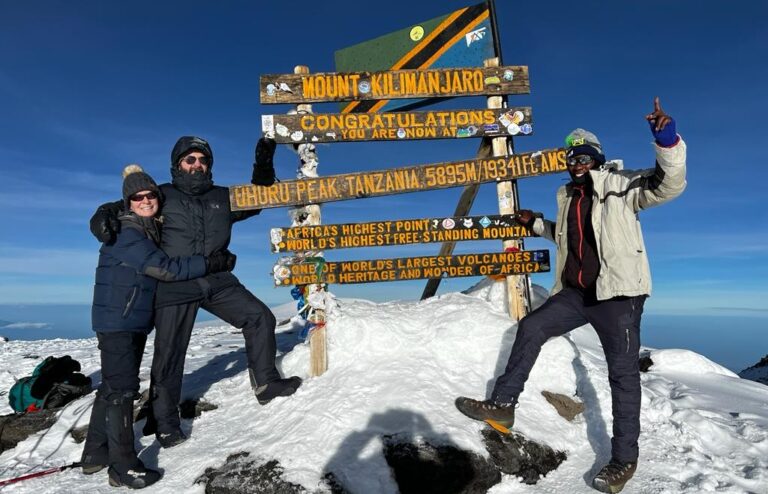
Kilimanjaro Acclimatization For Slow-Paced Groups 2026-2027
Kilimanjaro Acclimatization for Slow-Paced Groups is explained with current 2026-2027 planning, price, itinerary and booking information.
View package details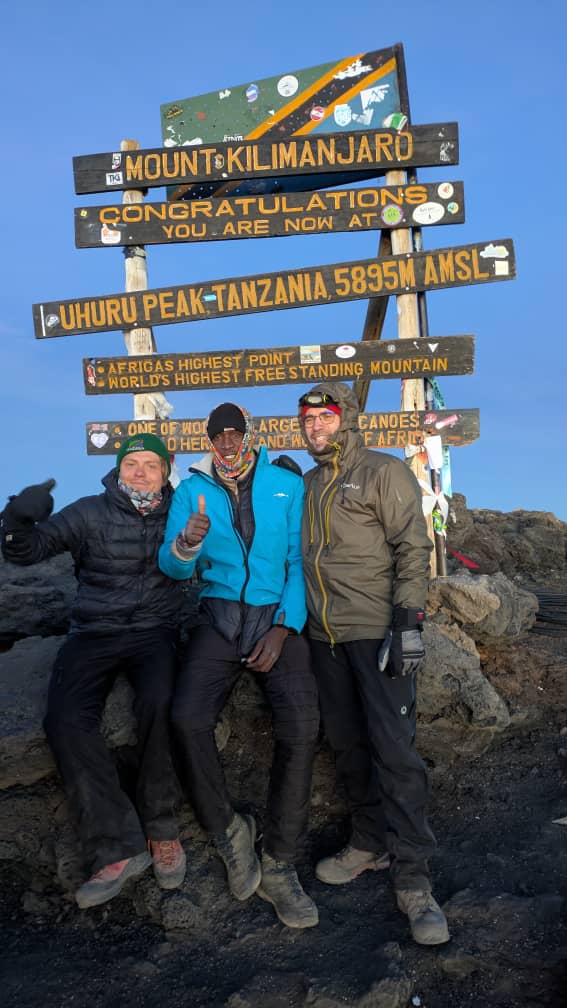
Kilimanjaro Foothills Fitness Retreat 2026-2027
Kilimanjaro Foothills Fitness Retreat is explained with current 2026-2027 planning, price, itinerary and booking information.
View package details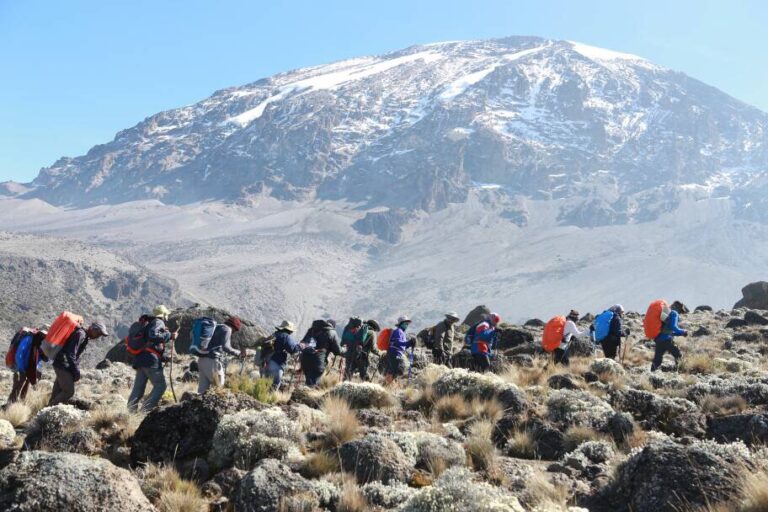
Kilimanjaro High-Altitude Running Camp: Training, Itinerary & Expert Guide
Prepare for peak performance on Kilimanjaro with a specialized high-altitude running camp. This comprehensive guide covers training protocols, ideal routes, essential gear, and expert...
View package detailsKilimanjaro Marathon And Materuni Waterfalls Recovery Tour In 2026-2027
Experience the thrill of the Kilimanjaro Marathon followed by a rejuvenating recovery tour to the stunning Materuni Waterfalls. This unique package offers the perfect blend of athletic...
View package details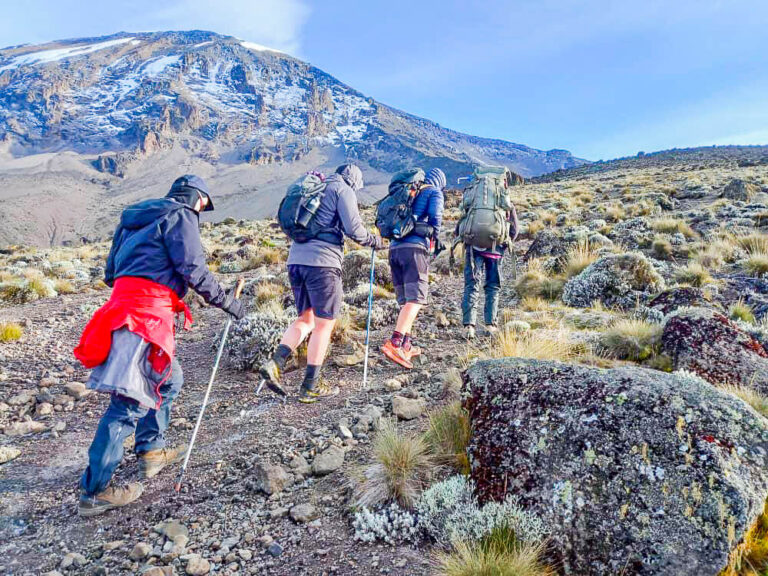
Kilimanjaro Marathon Family Travel Packages For | Top Guide Adventures
Experience the thrill of the Kilimanjaro Marathon with your family! Top Guide Adventures crafts unique travel packages for 2026-2027, blending the excitement of the race with the wonders of...
View package detailsKilimanjaro Marathon Spectator Package: Your Ultimate Guide For 2026-2027
Planning to support a runner at the Kilimanjaro Marathon? This guide details everything you need to know about spectator packages for 2026-2027, including accommodation, transport, and...
View package details
Kilimanjaro Marathon Hotel And Airport Transfer Package 2026-2027
Kilimanjaro Marathon Hotel and Airport Transfer Package is explained with current 2026-2027 planning, price, itinerary and booking information.
View package detailsNo related package matches those filters. Clear one or more filters to see the other topic-matched options.



