
Kilimanjaro acclimatization for slow-paced groups focuses on longer itineraries, gradual ascent profiles, and prioritizing rest and hydration to allow the body to adjust to decreasing oxygen levels. This approach minimizes the risk of altitude sickness, making the climb more achievable and enjoyable for trekkers who prefer not to rush, especially when planning for 2026 or 2027.
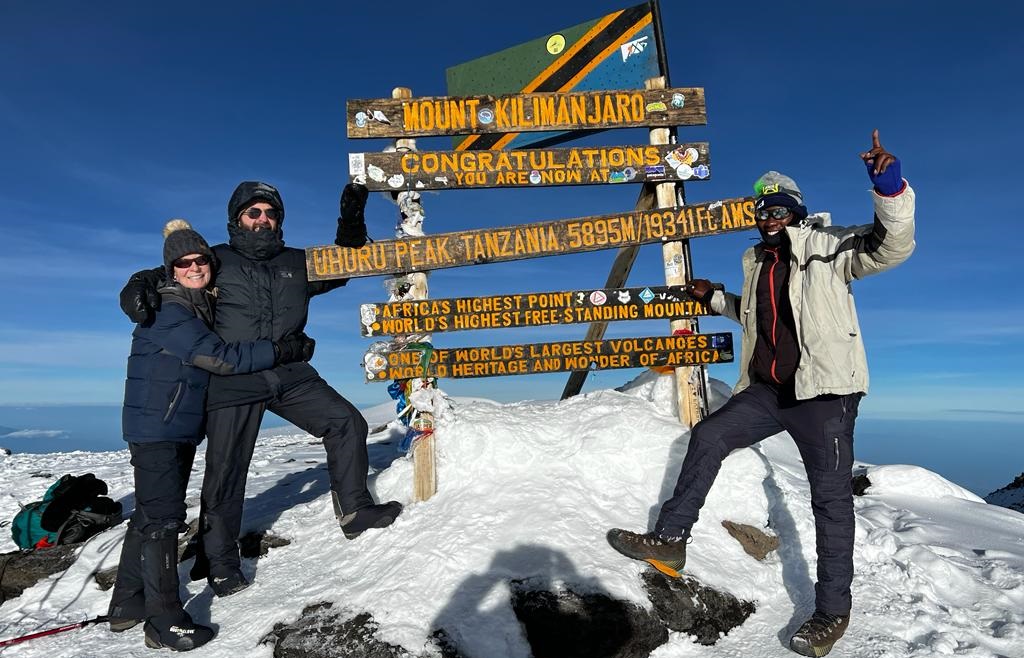
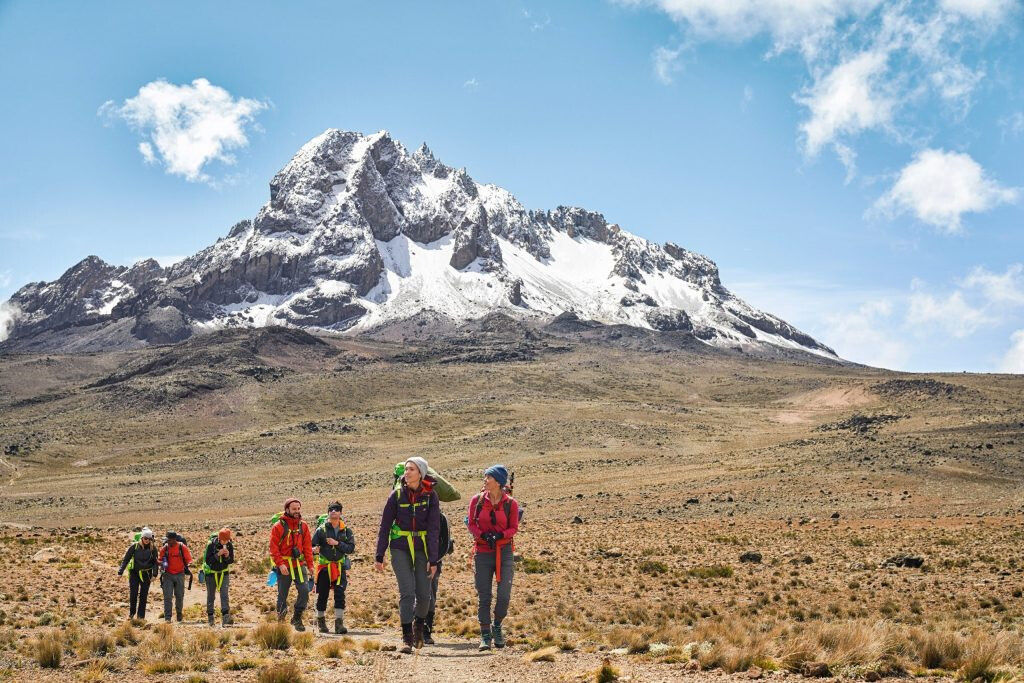
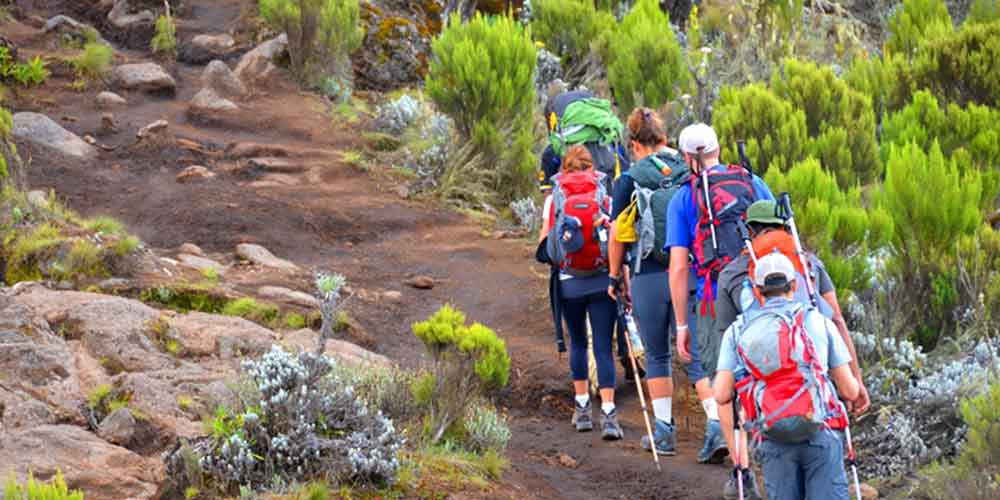
Understanding Acclimatization for a Slower Kilimanjaro Climb
Climbing Mount Kilimanjaro is a remarkable achievement, and for groups that prefer a slower pace, the key to success lies in effective acclimatization. Unlike highly conditioned athletes who might push for speed, groups moving at a more measured pace have a distinct advantage: more time. This extra time can be strategically used to enhance acclimatization, significantly reducing the risks associated with altitude sickness and increasing the chances of reaching Uhuru Peak. Top Guide Adventures understands these nuances and crafts itineraries specifically for a comfortable, safe Kilimanjaro acclimatization for slow-paced groups, ensuring that every climber has the best possible experience, whether aiming for a climb in 2026 or 2027.
Altitude sickness, or Acute Mountain Sickness (AMS), is caused by ascending too quickly. As you climb higher, the atmospheric pressure drops, meaning there are fewer oxygen molecules available with each breath. Your body needs time to adapt to this lower oxygen environment. For slow-paced groups, this adaptation period is naturally extended, which is a significant benefit. The principle of ‘climb high, sleep low’ becomes even more effective when combined with a slower overall ascent, allowing your body to repeatedly experience higher altitudes during the day and then descend to a lower, more comfortable elevation for sleeping. This is crucial for Kilimanjaro acclimatization for slow-paced groups.
Why a Slow Pace Enhances Acclimatization
The phrase ‘pole pole’ (meaning ‘slowly, slowly’ in Swahili) is not just a saying on Kilimanjaro; it’s a fundamental principle for safe trekking, especially for those who are not accustomed to high altitudes or prefer a less strenuous journey. For slow-paced groups, this means:
- More Time for Physiological Adaptation: Your body has more days to produce red blood cells, which carry oxygen, and to make other physiological adjustments necessary for high-altitude living.
- Reduced Risk of AMS Symptoms: Gradual ascent allows your body to cope better with the reduced oxygen. Headaches, nausea, and dizziness are less likely to become severe.
- Enhanced Enjoyment of the Scenery: A slower pace allows trekkers to truly appreciate the diverse ecosystems and impressive landscapes of Kilimanjaro, from the rainforest to the alpine desert and arctic summit zone.
- Lowered Fatigue Levels: Less physical exertion each day means less overall fatigue, which can mask early symptoms of altitude sickness and also improves overall morale.
- Better Hydration and Nutrition: More time and less exertion make it easier to consistently drink water and eat meals, both vital for acclimatization.
When planning your Kilimanjaro climb for 2026 or 2027, choosing a route that naturally supports a slow pace and prioritizing an itinerary with more days is the most effective strategy for robust Kilimanjaro acclimatization for slow-paced groups. Top Guide Adventures specializes in tailoring these experiences.
Choosing the Right Kilimanjaro Route for Slow-Paced Groups
Not all Kilimanjaro routes are created equal when it comes to acclimatization, especially for groups that prefer a more leisurely ascent. The most critical factor is the duration of the climb. Longer routes offer a significantly higher success rate because they allow for a more gradual increase in altitude, following the ‘pole pole’ philosophy perfectly. For Kilimanjaro acclimatization for slow-paced groups, routes with a minimum of 7 days are highly recommended, with 8 or even 9 days being ideal.
Recommended Routes for Optimal Acclimatization
Here are the routes that best support a slow-paced ascent and superior acclimatization:
1. The Lemosho Route (7, 8, or 9 Days)
The Lemosho route is often considered the most scenic and offers excellent acclimatization, especially when extended to 8 or 9 days. It begins on the western side of Kilimanjaro and approaches the summit from the south. The longer duration allows for a very gradual ascent.
- Pros: High success rates, stunning scenery, diverse ecosystems, good acclimatization profile, less crowded in the initial stages.
- Cons: Can be more expensive due to longer duration and logistics.
- Acclimatization Advantage: The 8-day and 9-day versions of Lemosho are particularly good for slow-paced groups. The 9-day itinerary includes a ‘climb high, sleep low’ day on Barranco Wall, which is fantastic for acclimatization. This makes it a top choice for Kilimanjaro acclimatization for slow-paced groups aiming for a comfortable journey in 2026-2027.
2. The Machame Route (7 Days Recommended, 8 Days Ideal)
The Machame route, also known as the ‘Whiskey Route,’ is the most popular route. It is a challenging but rewarding trek that offers good acclimatization, especially when taken over 7 days. An 8-day extension significantly boosts success rates and comfort for slower groups.
- Pros: Good acclimatization profile, beautiful scenery, well-established infrastructure.
- Cons: Can be crowded, especially in the first few days.
- Acclimatization Advantage: The 7-day Machame route has a decent acclimatization curve. However, for Kilimanjaro acclimatization for slow-paced groups, the 8-day Machame route is far superior. It adds an extra day for ascent and rest, significantly improving the chances of success and comfort. Top Guide Adventures strongly recommends the 8-day Machame for groups prioritizing acclimatization.
3. The Marangu Route (5 or 6 Days)
The Marangu route, or ‘Coca-Cola Route,’ is the oldest and most established. It’s the only route that offers dormitory-style accommodation in huts. While it’s the shortest and cheapest, its rapid ascent profile makes it the least suitable for good acclimatization, especially for slow-paced groups.
- Pros: Huts offer protection from the elements, generally the cheapest option.
- Cons: Poor acclimatization profile due to rapid ascent (5-day option is particularly risky), less scenic than other routes.
- Acclimatization Consideration: While often chosen for its perceived ease, the 5-day Marangu route is NOT recommended for optimal Kilimanjaro acclimatization for slow-paced groups. The 6-day option is better, but still not as effective as longer routes like Lemosho or Machame. If a group insists on Marangu and is slow-paced, the 6-day option is the minimum, but we still advise considering longer routes for better safety and success.
4. The Northern Circuit (9 or 10 Days)
The Northern Circuit is the longest route on Kilimanjaro, circling the mountain’s northern base before ascending. This extended duration makes it the route with the highest success rates and the best acclimatization profile available.
- Pros: Highest success rates, exceptional acclimatization, stunning and less-trodden scenery, unique views of the northern slopes.
- Cons: Longest and most expensive route.
- Acclimatization Advantage: This route is tailor-made for Kilimanjaro acclimatization for slow-paced groups. The 9-day and especially the 10-day itineraries provide ample time for the body to adapt to extreme altitudes, making it the gold standard for comfort and success. If budget and time allow, this is the ultimate choice for a slow and steady climb in 2026-2027.
5. The Rongai Route (6 or 7 Days)
Rongai is the second most popular route after Machame and approaches Kilimanjaro from the north, near the Kenyan border. It’s a good alternative to Marangu, offering a more gradual ascent and better acclimatization, especially in its 7-day version.
- Pros: Good acclimatization, generally drier (good for rainy seasons), less crowded than southern routes.
- Cons: Scenery is less diverse than Lemosho or Machame.
- Acclimatization Advantage: The 6-day Rongai offers reasonable acclimatization. The 7-day Rongai option significantly improves the acclimatization profile, making it a solid choice for Kilimanjaro acclimatization for slow-paced groups.
Routes to Avoid for Slow-Paced Groups
The Umbwe Route is the shortest and most direct route, known for its steep and challenging terrain. It offers poor acclimatization and is generally recommended only for very experienced high-altitude trekkers. Similarly, the 5-day Marangu route is too rapid for effective acclimatization for most trekkers, especially those who prefer a slower pace.
For a successful and comfortable climb in 2026 or 2027, Top Guide Adventures recommends focusing on routes that are 7 days or longer. The 8-day Lemosho, 8-day Machame, or the 9/10-day Northern Circuit are excellent choices for superior Kilimanjaro acclimatization for slow-paced groups.
The Science of Altitude and Acclimatization
Understanding how altitude affects your body is fundamental to managing Kilimanjaro acclimatization for slow-paced groups. The primary challenge at high altitudes is the decrease in partial pressure of oxygen (PPO2). While the percentage of oxygen in the air remains about 21% up to very high altitudes, the lower atmospheric pressure means fewer oxygen molecules are available to be inhaled with each breath. This is the core reason why people experience altitude sickness.
How the Body Responds to Altitude
When you ascend to higher altitudes, your body initiates a series of physiological responses to compensate for the reduced oxygen availability. This process is called acclimatization.
- Increased Breathing Rate: Your body instinctively breathes faster and deeper to take in more oxygen.
- Increased Heart Rate: Your heart beats faster to pump oxygenated blood more efficiently to your tissues.
- Changes in Blood Chemistry: Over time, your body produces more red blood cells (erythropoiesis) to increase the oxygen-carrying capacity of your blood. This is a slower process that takes days to weeks to become significant.
- Fluid Shifts: At altitude, fluid can shift from inside your blood vessels to other tissues, potentially leading to swelling (edema) in the brain or lungs in severe cases of AMS.
The Role of Pace in Acclimatization
A slow pace is paramount for effective Kilimanjaro acclimatization for slow-paced groups because it allows these physiological responses to occur without being overwhelmed.
- Gradual Ascent: Ascending slowly gives your body time to adjust to each new altitude. A sudden jump in elevation forces your body to work harder to cope, increasing the risk of symptoms.
- ‘Pole Pole’ Philosophy: This Swahili phrase is more than just a pace; it’s a strategy. Walking slowly conserves energy, reduces the immediate oxygen demand on your body, and allows for more efficient oxygen uptake.
- Rest and Recovery: Adequate rest periods during the day and sufficient sleep at night are crucial for recovery and for your body to perform the necessary acclimatization processes. Slow-paced groups inherently build more rest into their schedules.
- Hydration: Dehydration exacerbates altitude sickness. Moving slowly and steadily makes it easier to maintain consistent fluid intake throughout the day.
The ‘Climb High, Sleep Low’ Principle
This is a cornerstone of effective acclimatization strategies. It involves ascending to a higher altitude during the day for hiking and then descending to a lower altitude to sleep. This allows your body to experience the benefits of higher altitudes (stimulating acclimatization responses) while sleeping at a lower, more comfortable elevation where oxygen levels are slightly higher, aiding recovery.
For Kilimanjaro acclimatization for slow-paced groups, this principle is particularly effective. Longer itineraries naturally incorporate more opportunities to implement ‘climb high, sleep low’ days. For example, on the Lemosho or Machame routes, trekking up to Barranco Camp (around 3,950m) and then descending slightly to sleep allows for significant acclimatization benefit before the challenging Barranco Wall climb the next day.
Understanding Altitude Sickness (AMS)
Acute Mountain Sickness (AMS) is the most common form of altitude illness. It typically appears within 6 to 24 hours of ascending to a higher altitude. Symptoms can range from mild to severe:
- Mild AMS: Headache, nausea, fatigue, loss of appetite, dizziness, difficulty sleeping.
- Moderate AMS: Worsening headache (not relieved by medication), persistent nausea and vomiting, shortness of breath at rest, decreased coordination (ataxia).
- Severe AMS: Symptoms of moderate AMS plus confusion, lethargy, difficulty walking, fluid in the lungs (HAPE – High Altitude Pulmonary Edema), or fluid in the brain (HACE – High Altitude Cerebral Edema).
The golden rule for AMS is: If symptoms worsen or do not improve with rest at the current altitude, descend immediately. For slow-paced groups, the likelihood of severe AMS is reduced due to the gradual ascent, but vigilance is still essential. Top Guide Adventures prioritizes climber safety and ensures guides are trained to recognize and manage AMS symptoms. Planning for 2026-2027 climbs means understanding these risks and mitigation strategies.
Factors Influencing Acclimatization
While pace is critical, other factors influence how well an individual acclimatizes:
- Individual Physiology: Some people naturally acclimatize faster than others. Age, gender, and fitness level are less predictive than individual response.
- Previous Altitude Exposure: While helpful, prior experience doesn’t guarantee easy acclimatization on a new climb.
- Hydration: Being well-hydrated is crucial. Altitude increases respiration and urination, leading to fluid loss.
- Nutrition: Adequate calorie intake is important for energy and metabolic processes. Carbohydrates are often preferred at altitude.
- Alcohol and Sedatives: These can depress breathing and impair acclimatization, and should be avoided.
- Pre-existing Medical Conditions: Certain conditions may be exacerbated by altitude. Consulting a doctor is recommended.
For Kilimanjaro acclimatization for slow-paced groups, focusing on these controllable factors alongside the chosen route and pace will greatly enhance the safety and success of the expedition.
Practical Strategies for Kilimanjaro Acclimatization for Slow-Paced Groups
Beyond choosing the right route, there are numerous practical strategies that slow-paced groups can employ to maximize their acclimatization and ensure a successful summit bid. These are essential for anyone planning a Kilimanjaro climb in 2026 or 2027.
1. Hydration: The Cornerstone of Altitude Success
Dehydration is a major contributor to altitude sickness. At higher altitudes, the air is drier, and your body loses more fluid through respiration and increased urination. It’s crucial for slow-paced groups to make a conscious effort to drink plenty of fluids.
- Target Intake: Aim for at least 3-5 liters of fluid per day. This includes water, herbal teas, and soups.
- How to Drink: Sip water consistently throughout the day rather than chugging large amounts at once. Keep a water bottle accessible.
- Water Sources: On Kilimanjaro, water is typically sourced from streams and then purified by boiling or using purification tablets/filters. Your guides will manage this process, but it’s good to be aware.
- Electrolytes: Consider adding electrolyte powders to your water, especially during strenuous trekking days or if experiencing nausea, to help with absorption and replace lost salts.
2. Nutrition: Fueling Your Ascent
Your body needs energy to function at altitude, and appetite can often decrease. This makes it vital to eat well, even if you don’t feel like it.
- Focus on Carbohydrates: Carbohydrates are easier to digest and provide quick energy. Meals often include rice, pasta, potatoes, and fruits.
- Regular Meals and Snacks: Eat regular, balanced meals. Carry high-energy snacks like nuts, dried fruit, energy bars, and chocolate for consumption during the trek.
- Avoid Heavy Foods: Fatty and protein-heavy meals can be harder to digest at altitude.
- Listen to Your Body: While you need to eat, don’t force yourself to eat foods that make you feel ill. Work with your guides to find options that suit you.
3. Pace Management: ‘Pole Pole’ in Practice
This is where the slow-paced approach truly shines. The mantra ‘pole pole’ is critical for acclimatization.
- Slow and Steady: Walk at a pace that allows you to hold a conversation without becoming breathless. Your guides will set the pace, but don’t hesitate to remind them if you feel rushed.
- Frequent Short Breaks: Instead of long, exhausting breaks, take short, frequent pauses to rest, drink water, and check in with fellow group members.
- Conserve Energy: Avoid unnecessary exertion. Take your time getting dressed, packing, and setting up camp.
4. Sleep and Rest: The Body’s Repair Shop
Adequate sleep is essential for recovery and acclimatization. Altitude can disrupt sleep patterns, making it harder to get restful sleep.
- Maximize Sleep Opportunities: Try to sleep whenever possible, especially on longer routes.
- Comfortable Sleeping Gear: Ensure you have a warm sleeping bag and mat. Earplugs and an eye mask can help block out noise and light.
- Manage Altitude Effects: It’s normal to experience increased breathing (Cheyne-Stokes respiration) during sleep at altitude. If you wake up feeling breathless, sit up for a few minutes and take slow, deep breaths.
5. Monitor Symptoms Diligently
Vigilance is key. While slow-paced groups have a lower risk, AMS can still occur. Everyone in the group should be aware of the symptoms and report them immediately.
- Daily Check-ins: Have a daily debrief with your group and guides to discuss how everyone is feeling.
- Recognize Symptoms: Be aware of headache, nausea, dizziness, fatigue, loss of appetite, and shortness of breath.
- Honesty is Crucial: Encourage open communication. No one should feel pressured to ‘tough it out.’ Reporting mild symptoms early allows for intervention before they become serious.
6. Consider Diamox (Acetazolamide)
Diamox is a prescription medication that can aid acclimatization by speeding up breathing and helping the body adjust more quickly to altitude. It is not a cure for AMS but can prevent or reduce symptoms for many people.
- Consult Your Doctor: Discuss Diamox with your physician well in advance of your trip. They can advise on dosage and potential side effects (such as increased urination or tingling extremities).
- Start Before Ascent: Typically, you start taking Diamox 1-2 days before ascending and continue for the duration of the climb.
- Not a Substitute for Pace: Diamox is a tool to aid acclimatization, not a replacement for a slow ascent and other preventive measures. It is particularly beneficial for Kilimanjaro acclimatization for slow-paced groups as it can provide an extra layer of support.
7. Pre-Trip Preparation
While you can’t fully acclimatize at sea level, good physical fitness can help your body cope better with the demands of climbing.
- Cardiovascular Fitness: Engage in regular aerobic activities like hiking, running, cycling, or swimming.
- Strength Training: Focus on leg and core strength, as these muscles will be heavily used.
- Practice Hikes: If possible, do some hikes at moderate altitudes to get a feel for how your body responds.
By implementing these practical strategies, slow-paced groups can significantly enhance their Kilimanjaro acclimatization, making the journey to the roof of Africa a safe, enjoyable, and successful adventure for their 2026-2027 expeditions.
Managing Altitude Sickness Symptoms on Kilimanjaro
Even with the best planning and a slow pace, it’s possible for members of a slow-paced group to experience symptoms of altitude sickness. Effective management is crucial for safety and to prevent mild symptoms from escalating. Top Guide Adventures emphasizes that recognizing and acting on symptoms is paramount for Kilimanjaro acclimatization for slow-paced groups.
Recognizing the Signs: A Group Effort
Every member of the group, including the guides, should be educated on the signs and symptoms of AMS, HAPE, and HACE.
- Headache: This is the most common symptom. It can range from mild to severe and is often the first indicator.
- Nausea and Vomiting: Feeling sick to your stomach, with or without vomiting.
- Fatigue and Weakness: A general feeling of exhaustion that is more than just typical trekking tiredness.
- Dizziness and Lightheadedness: Feeling unsteady or like the world is spinning.
- Loss of Appetite: A significant decrease in desire to eat.
- Sleep Disturbances: Difficulty falling asleep or staying asleep, or waking up feeling breathless.
- Shortness of Breath (Dyspnea): Feeling breathless even at rest.
- Cough: A dry, persistent cough can be an early sign of HAPE.
- Confusion and Behavioral Changes: In severe cases (HACE), a person might become disoriented, irritable, or exhibit poor judgment.
- Ataxia (Loss of Coordination): Difficulty with balance and walking in a straight line. This is a critical sign of moderate to severe AMS.
The Universal Treatment: Descent
The most effective and often the only treatment for moderate to severe altitude sickness is immediate descent. This cannot be stressed enough. For slow-paced groups, the idea of descending might seem counterintuitive after investing so much time and effort, but safety must always come first.
- When to Descend: If symptoms are severe (e.g., severe headache not relieved by medication, vomiting, confusion, ataxia, severe shortness of breath at rest), descent is mandatory. Even if symptoms are moderate and do not improve significantly with rest at the current altitude, descent is the safest course of action.
- How Descent Helps: Descending even a few hundred meters can significantly increase the partial pressure of oxygen, allowing the body to recover more effectively.
- Guide’s Authority: Your lead guide has the ultimate authority to order a descent if they believe a climber’s health is at risk. Trust their judgment.
Managing Mild Symptoms
If symptoms are mild, the initial response is to rest and hydrate at the current altitude.
- Rest: Stop trekking for a period. Lie down and try to relax.
- Hydrate: Drink plenty of fluids.
- Medication: For mild headaches, over-the-counter painkillers like Ibuprofen or Paracetamol can be used. If prescribed, Diamox can help alleviate symptoms.
- Monitor Closely: Keep a very close eye on the individual. If symptoms do not improve within 12-24 hours or if they worsen, descent is necessary.
Specific Conditions: HAPE and HACE
These are life-threatening forms of altitude sickness that require immediate medical attention and descent.
- High Altitude Pulmonary Edema (HAPE): Symptoms include severe shortness of breath, cough (sometimes with frothy or pink sputum), gurgling sounds in the chest, extreme fatigue, and a feeling of suffocation. It is caused by fluid buildup in the lungs. Treatment involves immediate descent and oxygen therapy if available. In severe cases, a Gamow bag (portable hyperbaric chamber) might be used while descending.
- High Altitude Cerebral Edema (HACE): Symptoms include severe headache, confusion, disorientation, loss of coordination (ataxia), drowsiness, and eventually coma. It is caused by fluid buildup in the brain. Immediate descent is critical. Oxygen and medication (like Dexamethasone, a potent steroid) may be administered by experienced guides or medical personnel.
The Role of Top Guide Adventures Guides
Our guides are trained professionals with extensive experience in high-altitude trekking and altitude sickness management. They are:
- Trained in First Aid and AMS Recognition: They can identify the subtle early signs of altitude illness.
- Equipped with Medical Kits: They carry essential medications and equipment, including oxygen cylinders on most climbs.
- Experienced in Decision Making: They are trained to make critical decisions regarding climber safety, including when to recommend rest, medication, or descent.
- Communicative: They maintain constant communication with the support team and will report any concerns about a climber’s well-being.
For Kilimanjaro acclimatization for slow-paced groups planning their 2026-2027 adventure, trusting your guides’ expertise and communicating openly about how you feel is the most important aspect of managing altitude sickness.
Health and Fitness Considerations for Slow-Paced Climbers
While a slow pace on Kilimanjaro is beneficial for acclimatization, it does not negate the importance of physical preparation. Even slower ascents require a good level of fitness to manage the challenging terrain, varying weather conditions, and the physiological stress of altitude. Top Guide Adventures advises all clients, especially those in slow-paced groups, to prepare adequately for their 2026-2027 climb.
Cardiovascular Fitness: The Foundation
The most crucial aspect of fitness for Kilimanjaro is cardiovascular endurance. This is what allows your body to sustain effort over long periods.
- Aerobic Exercise: Aim for at least 3-4 sessions per week of moderate to vigorous aerobic activity.
- Activities: Hiking (especially with a backpack on uneven terrain), running, cycling, swimming, and stair climbing are excellent choices.
- Duration and Intensity: Gradually increase the duration of your workouts to at least 60-90 minutes. Incorporate some higher-intensity intervals to challenge your heart and lungs.
Strength Training: Supporting Your Body
While not as critical as cardio, strength training can help prevent injuries and make the physical demands of climbing more manageable.
- Lower Body Focus: Strong legs are essential. Exercises like squats, lunges, step-ups, and calf raises are beneficial.
- Core Strength: A strong core (abdominal and back muscles) helps with balance and stability, especially when carrying a pack. Planks, crunches, and back extensions are good options.
- Upper Body: While less critical, some upper body strength (e.g., push-ups, rows) can help with using trekking poles and general stability.
Hiking Practice: Simulating the Climb
The best preparation for hiking is hiking itself. If possible, incorporate practice hikes into your training regimen.
- Terrain: Seek out trails with varied terrain, including hills and uneven surfaces.
- Duration: Aim for longer hikes, including some that last 4-6 hours, to build endurance.
- Load Carrying: Practice hiking with a backpack similar in weight to what you’ll carry on Kilimanjaro (around 5-8 kg, including water, snacks, and layers). This helps your body adapt to carrying weight.
- Altitude Practice (If Possible): If you live near mountains or hills, try to do some hikes at higher elevations to gauge your body’s response to altitude. This is not essential but can be very informative.
Flexibility and Mobility
Good flexibility can help prevent muscle soreness and reduce the risk of injury.
- Stretching: Regular stretching, particularly of the hamstrings, quadriceps, calves, and hip flexors, is recommended after workouts.
- Yoga or Pilates: These practices can enhance flexibility, core strength, and body awareness.
Pre-Climb Medical Check-up
It’s always wise to consult with your doctor before undertaking a strenuous physical challenge like climbing Kilimanjaro, especially if you have any pre-existing medical conditions.
- Discuss Altitude: Inform your doctor about your travel plans and the altitude you will be reaching.
- Medication Review: Discuss any medications you are taking and whether they might be affected by altitude or if alternatives are needed.
- Prescriptions: Obtain any necessary prescriptions, such as Diamox, from your doctor.
Mental Preparation for Slow-Paced Climbers
Climbing Kilimanjaro is as much a mental challenge as a physical one. For slow-paced groups, mental resilience is key to enjoying the journey and overcoming potential challenges.
- Embrace the Journey: Focus on the experience and the beauty of the surroundings rather than solely on the summit.
- Patience and Perseverance: Understand that there will be difficult moments. A slow pace encourages patience.
- Group Support: Foster a supportive atmosphere within the group. Encourage each other, share positive moments, and celebrate small victories.
- Manage Expectations: Be realistic about the challenges of altitude and the physical demands.
By combining a commitment to a slow pace with diligent physical and mental preparation, members of slow-paced groups can significantly enhance their Kilimanjaro acclimatization and enjoyment for their 2026-2027 expeditions. Top Guide Adventures is here to support you every step of the way.
Gear and Equipment for Kilimanjaro Acclimatization for Slow-Paced Groups
The right gear is essential for comfort, safety, and ultimately, successful acclimatization on Kilimanjaro. For slow-paced groups, this means ensuring you have warm, comfortable, and functional clothing and equipment that allows you to manage the changing conditions and the demands of a longer trek. Top Guide Adventures provides comprehensive gear lists, but here are key considerations specifically for those prioritizing Kilimanjaro acclimatization for slow-paced groups planning for 2026-2027.
Layering System: The Key to Comfort
The weather on Kilimanjaro can change dramatically, from warm and humid in the rainforest to freezing cold at the summit. A layering system allows you to adapt to these changes efficiently.
- Base Layer: Moisture-wicking thermals (synthetic or merino wool) to keep you dry and warm. Avoid cotton.
- Mid Layer: Insulating layers such as fleece jackets or down vests for warmth. You might need multiple mid-layers depending on the altitude and temperature.
- Outer Layer: Waterproof and windproof jacket and trousers (e.g., Gore-Tex) to protect against rain, snow, and wind.
Footwear: Crucial for Comfort and Safety
Your feet will be working hard for many days, so proper footwear is non-negotiable.
- Hiking Boots: Sturdy, waterproof, and well-broken-in hiking boots with good ankle support. These are essential for navigating the varied terrain.
- Camp Shoes/Sandals: Lightweight shoes or sandals for wearing around camp to give your feet a break from boots.
- Socks: Several pairs of warm, moisture-wicking hiking socks (wool or synthetic blend). Liner socks can help prevent blisters.
Headwear and Handwear: Protecting Extremities
Extremities are prone to heat loss and frostbite at higher altitudes.
- Warm Hat: A wool or fleece hat that covers your ears.
- Sun Hat: A wide-brimmed hat for sun protection during the day.
- Gloves: A pair of warm, waterproof outer gloves or mittens, and a thinner pair of liner gloves for dexterity.
- Balaclava/Neck Gaiter: For protecting your face and neck from wind and cold, especially on summit night.
Sleeping Bag and Mat
While Top Guide Adventures provides tents, a warm sleeping bag is essential for comfortable nights, which aids recovery and acclimatization.
- Sleeping Bag Rating: A bag rated to at least -10°C (15°F) or -20°C (-4°F) is recommended, especially for summit night. Down or synthetic fill are both suitable.
- Sleeping Mat: An insulated sleeping mat provides comfort and an extra layer of insulation from the cold ground.
Trekking Poles
Trekking poles are highly recommended for slow-paced groups. They reduce strain on your knees and ankles, improve balance, and help with rhythm during ascents and descents.
Hydration and Nutrition Gear
- Water Bottles/Hydration Reservoir: Carry at least 3 liters of water capacity. Hydration reservoirs with insulated tubes are useful to prevent freezing.
- Water Purification: While guides will handle purification, having your own tablets or filter as a backup is wise.
- Snacks: A variety of high-energy snacks that you enjoy.
Other Essential Items
- Backpack: A comfortable daypack (30-40 liters) for carrying essentials during the day (water, snacks, rain gear, warm layer).
- Duffel Bag: A large, waterproof duffel bag (80-100 liters) for your main gear, which will be carried by porters.
- Headlamp: Essential for navigating camp at night and for summit night. Bring spare batteries.
- Sunscreen and Lip Balm: High SPF, as the sun is intense at altitude.
- Sunglasses: Good quality, UV-protective sunglasses.
- Personal First-Aid Kit: Include any personal medications, blister treatment, pain relievers, and antiseptic wipes.
- Toiletries: Biodegradable soap, toothbrush, toothpaste, wet wipes, hand sanitizer.
- Camera and Power Bank: To capture the memories. Power can be limited, so a power bank is useful.
For Kilimanjaro acclimatization for slow-paced groups, investing in quality gear that ensures warmth and comfort is crucial. It allows you to focus on the climb and acclimatization process, rather than being distracted by discomfort or cold. Top Guide Adventures can provide detailed lists and advice to help you pack appropriately for your 2026-2027 climb.
The Importance of Guides and Support Staff for Slow-Paced Groups
The success and safety of any Kilimanjaro climb, particularly for slow-paced groups, depend heavily on the expertise and dedication of the mountain crew. Top Guide Adventures prides itself on its professional, experienced, and attentive team, which is crucial for effective Kilimanjaro acclimatization for slow-paced groups.
Experienced Guides: Your Acclimatization Partners
Your Kilimanjaro guides are more than just navigators; they are your primary resource for safety, acclimatization, and overall well-being on the mountain.
- Altitude Sickness Management: Our guides are trained to recognize the symptoms of AMS, HAPE, and HACE. They know the critical protocols for managing these conditions, including when to administer medication, use oxygen, or order a descent.
- Pacing and ‘Pole Pole’: They understand the importance of a slow and steady pace, especially for groups that prefer to move slower. They will consistently encourage ‘pole pole’ and ensure no one is rushed.
- Monitoring Health: Guides will regularly check on each member of the group, assessing hydration, energy levels, and any developing symptoms.
- Environmental Knowledge: They are knowledgeable about the mountain’s weather patterns, terrain, and specific challenges of each stage of the climb.
The Role of Assistant Guides
On longer routes and for larger groups, assistant guides provide additional support.
- Back-Up Support: They can assist climbers who might be struggling, ensuring that no one falls too far behind or is left unsupported.
- Constant Vigilance: They help maintain a constant watch over the group, complementing the lead guide’s responsibilities.
The Porter Team: Carrying the Load
Porters are the backbone of Kilimanjaro expeditions. They carry the majority of the group’s equipment, including tents, food, cooking gear, and personal duffel bags.
- Enabling Slow Pace: By carrying the heavy loads, porters allow trekkers to focus on walking comfortably and maintaining a slow pace, which is vital for acclimatization.
- Setting Up Camp: They efficiently set up camp before the trekkers arrive, ensuring a comfortable resting place.
- Ethical Treatment: Top Guide Adventures is committed to the fair treatment and ethical employment of all porters, ensuring they are well-equipped and compensated.
The Cook and Kitchen Crew: Fueling Your Climb
Maintaining energy levels is critical for acclimatization and performance. The cooks provide nutritious and varied meals.
- High-Energy Meals: They prepare balanced meals designed to provide sustained energy, often focusing on carbohydrates.
- Hydration Support: They ensure hot drinks and water are available at meal times.
- Catering to Dietary Needs: We can accommodate most dietary restrictions with advance notice.
Communication and Logistics
A well-coordinated support team ensures smooth logistics and effective communication.
- Radio Communication: Guides and base operations often use radios for communication, especially in areas with no mobile signal.
- Emergency Procedures: The team is trained in emergency evacuation procedures, should they be necessary.
For Kilimanjaro acclimatization for slow-paced groups planning their 2026-2027 adventures, the presence of a skilled, supportive, and well-organized crew is as important as the route itself. Top Guide Adventures ensures its teams are among the best, providing the safety net and encouragement that allows you to focus on your acclimatization and enjoy the climb.
Planning Your Kilimanjaro Expedition for 2026-2027: Key Considerations for Slow-Paced Groups
When planning your Kilimanjaro climb with Top Guide Adventures for 2026 or 2027, especially as a slow-paced group, a few key planning steps will significantly enhance your experience and increase your chances of success. These considerations go beyond just booking a trip; they are about optimizing your journey for comfort and acclimatization.
1. Booking Window and Itinerary Length
- Book Early: Kilimanjaro climbs, particularly for longer itineraries (7+ days) suitable for slow-paced groups, are popular. Booking 6-12 months in advance is recommended for 2026-2027 to secure your preferred dates and route.
- Prioritize Longer Routes: As detailed earlier, for optimal Kilimanjaro acclimatization for slow-paced groups, aim for itineraries of 8 days or more. The 8-day Machame, 8 or 9-day Lemosho, or the 9 or 10-day Northern Circuit are excellent choices.
- Flexibility: Build in a buffer day if possible, especially if you have tight flight schedules or other commitments. This adds a layer of security against potential delays.
2. Best Time to Climb for Slow-Paced Groups
While Kilimanjaro can be climbed year-round, certain periods offer more favorable weather conditions, which can contribute to a more comfortable and enjoyable acclimatization process.
- Dry Seasons: The two main dry seasons are typically from January to March and from June to October. These periods offer clearer skies, less rain, and more stable temperatures, making the trek and acclimatization easier.
- Shoulder Seasons: April, May, and November are generally wetter months. While still possible to climb, expect more rain and potentially snow at higher altitudes. The routes will be less crowded.
- Crowds: The busiest times often coincide with school holidays in major markets, such as July-August and December. If you prefer fewer crowds and a more tranquil experience, consider the shoulder months or the Jan-Mar window.
3. Group Dynamics and Communication
For slow-paced groups, good communication and understanding among members are vital.
- Pre-Trip Meetings: If possible, hold a pre-trip meeting or video call to discuss expectations, fitness levels, and acclimatization strategies.
- Shared Responsibilities: Encourage mutual support. Those feeling well can help encourage those who are struggling.
- Guide Communication: Ensure everyone understands how to communicate with the guides and when to report any symptoms.
4. Budget Considerations for 2026-2027 Climbs
Longer routes naturally incur higher costs due to more days of guide and porter services, food, and park fees. However, this investment is well worth it for improved acclimatization and success rates.
- Route
Check Availability for Kilimanjaro Acclimatization For Slow-Paced Groups 2026-2027
Ready to compare dates, prices, and the best option for your group? Send the package name and travel month so the team can reply with a clear quote, availability, and what is included.
12 closely related packages
Best Acclimatization Hikes Near Kilimanjaro For Climbs 2026-2027
Optimize your Kilimanjaro climb by selecting the best acclimatization hikes near the mountain. This guide details essential pre-climb training and routes for 2026-2027.
View package details
Kilimanjaro Slow-Pace Summit Package Guide
Opt for a Kilimanjaro Slow-Pace Summit Package for a more relaxed ascent, increasing your chances of reaching Uhuru Peak. This guide details routes, preparation, and what to expect with Top...
View package details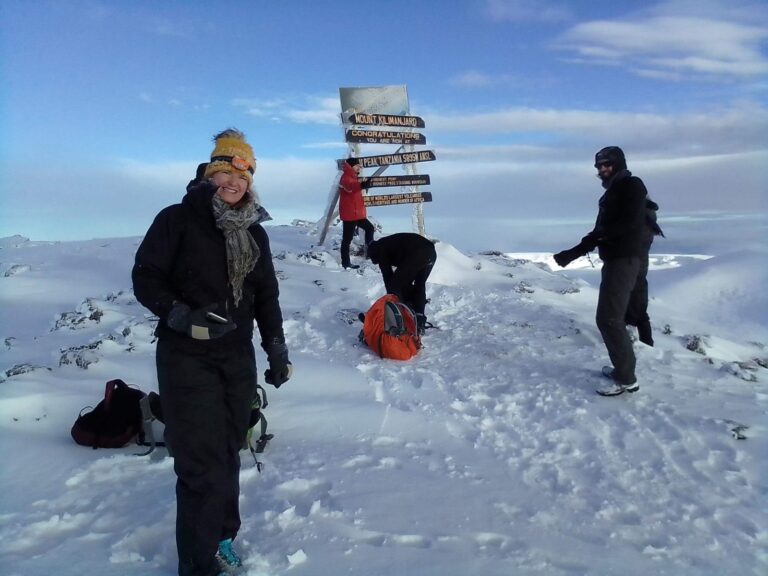
Kilimanjaro Climb With An Additional Acclimatization Day: Your Best Strategy
Planning a Kilimanjaro climb? Adding an extra acclimatization day significantly boosts your chances of reaching Uhuru Peak safely and comfortably. This guide details the benefits, best...
View package details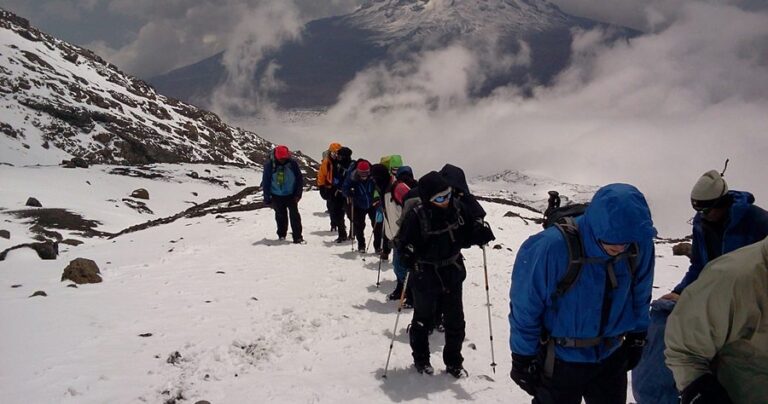
Kilimanjaro Acclimatization For Senior Climbers: Essential Strategies
This comprehensive guide details essential Kilimanjaro acclimatization strategies specifically for senior climbers planning their ascent in 2026 or 2027. It covers preparation, route...
View package details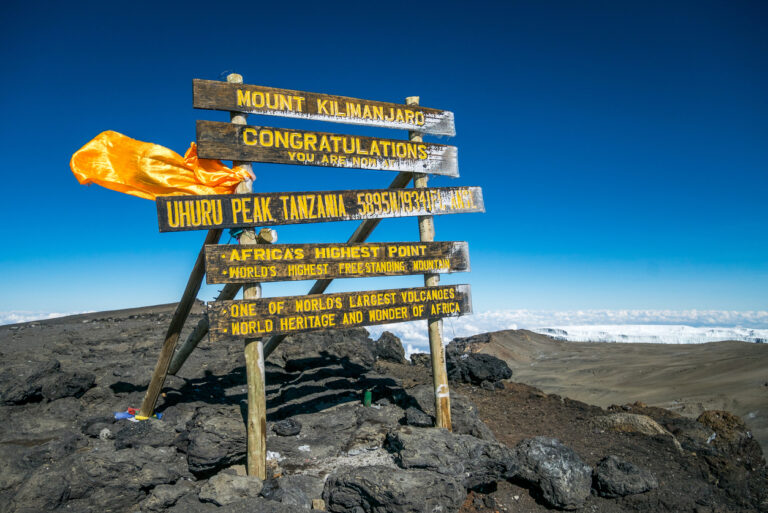
Kilimanjaro Acclimatization And Gear-Rental Package 2026-2027
Kilimanjaro Acclimatization and Gear-Rental Package is explained with current 2026-2027 planning, price, itinerary and booking information.
View package details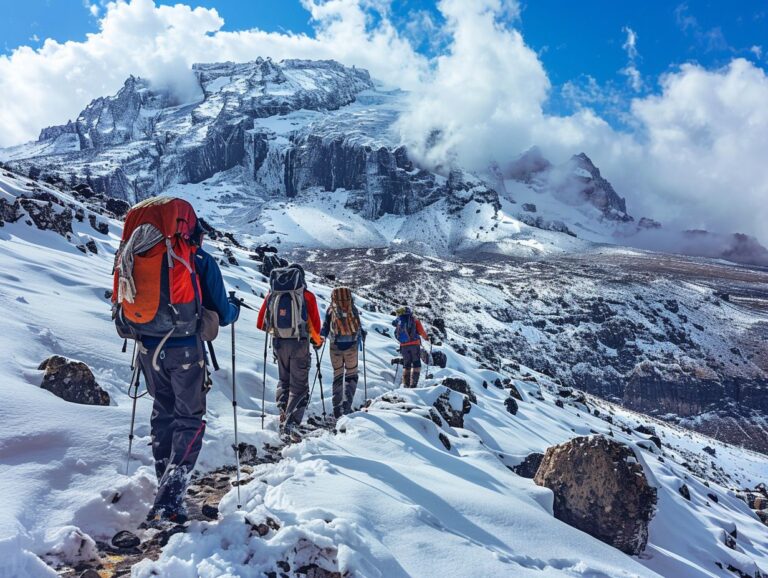
Kilimanjaro Acclimatization Program For Beginners: Your Ultimate Guide
A comprehensive guide for beginners on Kilimanjaro acclimatization, detailing essential strategies, route choices, and preparation tips for a safe and successful climb. Includes insights...
View package details
Kilimanjaro Acclimatization Package For Sea-Level Travellers | Top Guide
Planning a Kilimanjaro climb from sea level? Top Guide Adventures offers specialized acclimatization packages designed to maximize your success and safety. Learn about essential...
View package details
Kilimanjaro Foothills Acclimatization Walk 2026-2027
Kilimanjaro Foothills Acclimatization Walk is explained with current 2026-2027 planning, price, itinerary and booking information.
View package detailsMount Longido Acclimatization Hike Before Kilimanjaro Climb | Top Guide
Discover why a Mount Longido acclimatization hike is crucial for Kilimanjaro success. Learn about its benefits, routes, and how Top Guide Adventures can integrate it into your 2026-2027...
View package details
Mount Meru Acclimatization Before Kilimanjaro: A Comprehensive Guide 2026-2027
Discover why climbing Mount Meru before your Kilimanjaro trek is a strategic advantage for acclimatization. This guide details routes, benefits, and planning for 2026-2027.
View package detailsThree-Day Pre-Kilimanjaro Acclimatization Tour: Optimize Your Climb 2026-2027
Enhance your Kilimanjaro climb with a strategic three-day pre-climb acclimatization tour. This expert guide covers why it's crucial, what to expect, and how Top Guide Adventures can tailor...
View package detailsTwo-Day Kilimanjaro Acclimatization Package In Moshi: Your Essential
This comprehensive guide details the Two-Day Kilimanjaro Acclimatization Package in Moshi, offering essential preparation for climbers. Discover how this package enhances your ascent safety...
View package detailsNo related package matches those filters. Clear one or more filters to see the other topic-matched options.



