
A three-day pre-Kilimanjaro acclimatization tour is a dedicated excursion designed to help your body adjust to altitude before beginning your main ascent, typically involving a short trek or visit to nearby highland areas like Marangu or West Kilimanjaro. This preparatory phase significantly reduces the risk of altitude sickness, improves your overall trekking experience, and boosts your chances of reaching Uhuru Peak by allowing gradual adaptation to thinner air, often including stays at lodges or campsites at moderate elevations.
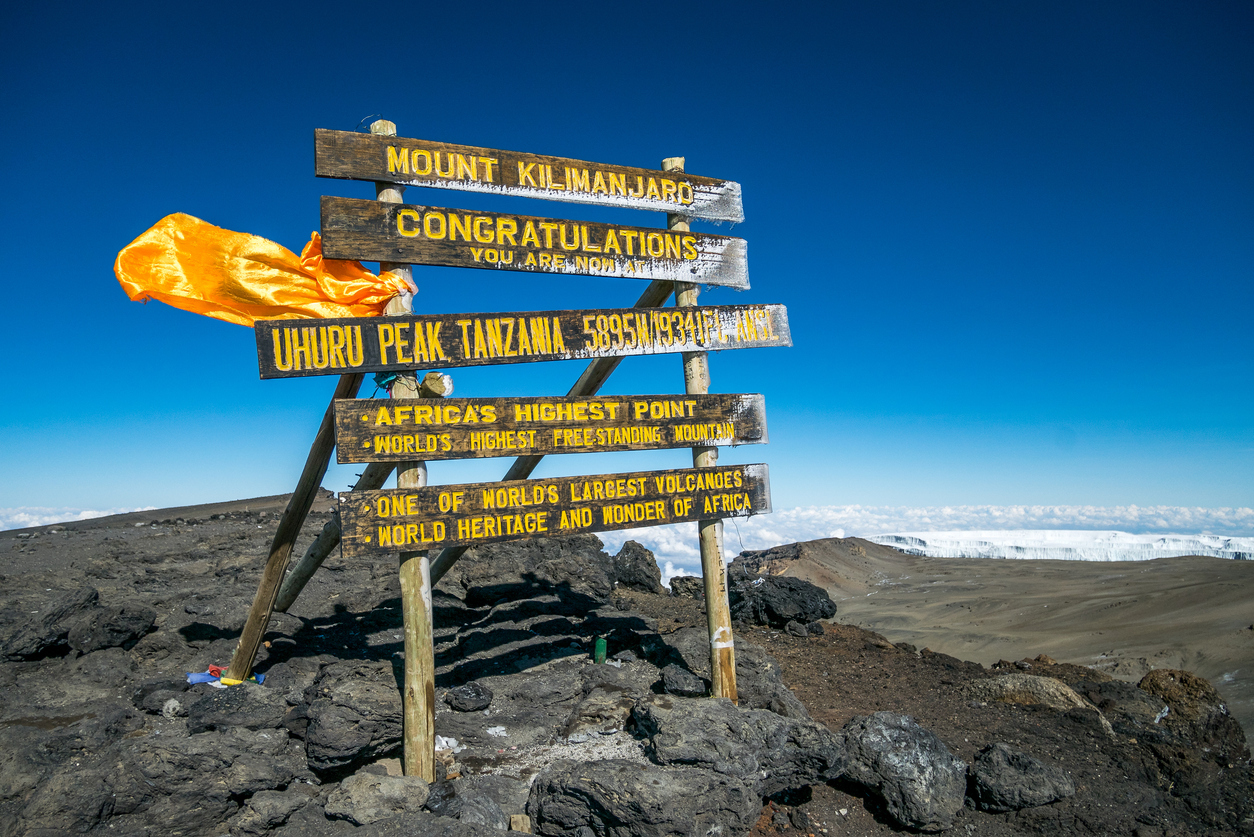
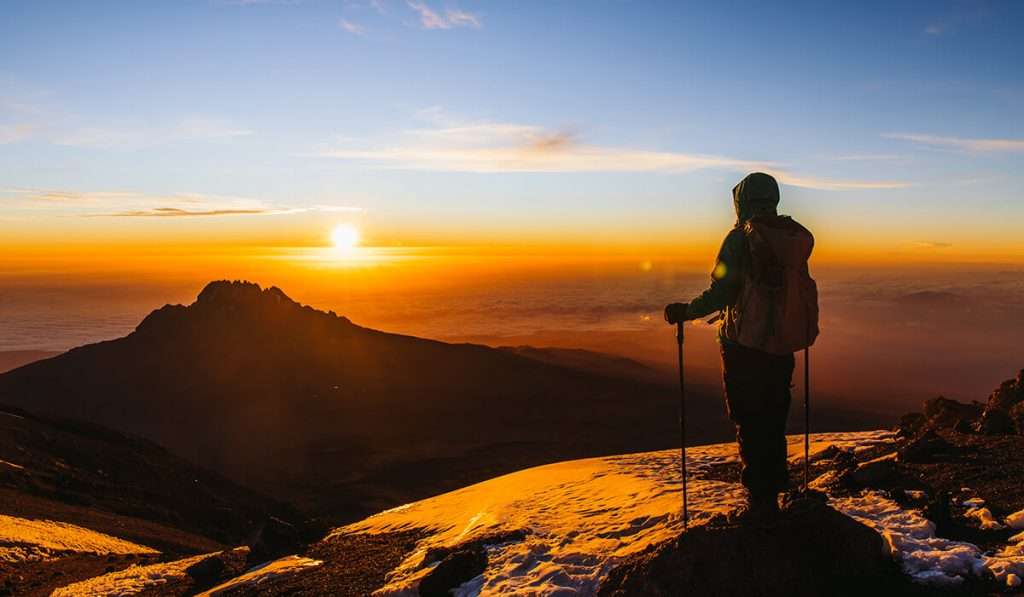
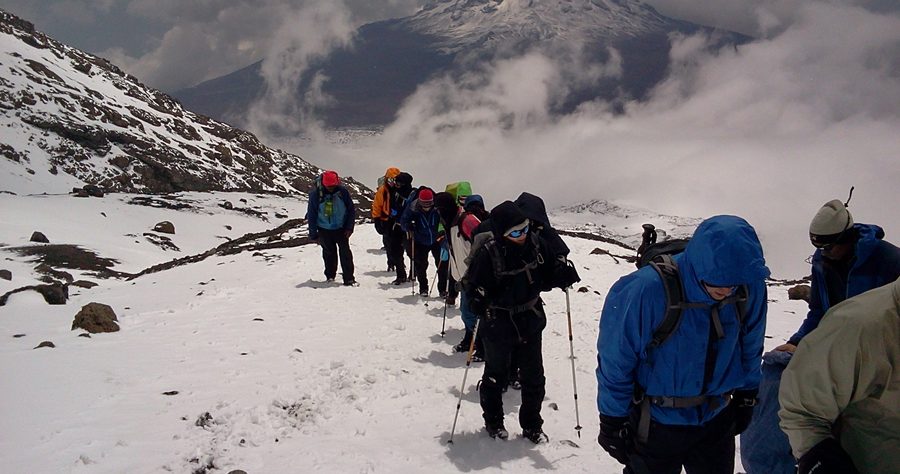
Why a Three-Day Pre-Kilimanjaro Acclimatization Tour is Essential
Climbing Mount Kilimanjaro is an extraordinary adventure, but it presents a significant physiological challenge. The primary obstacle is altitude. As you ascend, the atmospheric pressure decreases, meaning less oxygen is available for your body to absorb. Without adequate adaptation, this can lead to Acute Mountain Sickness (AMS), which can range from mild headaches and nausea to severe, life-threatening conditions like High Altitude Cerebral Edema (HACE) or High Altitude Pulmonary Edema (HAPE). A three-day pre-Kilimanjaro acclimatization tour is not just an optional add-on; for many climbers, it’s a crucial investment in their safety and success.
The fundamental principle of acclimatization is to ascend slowly, allowing your body time to produce more red blood cells, which carry oxygen. While Kilimanjaro routes are designed with “pole pole” (slowly, slowly) as a guiding principle, a pre-climb tour amplifies this benefit. It provides a controlled environment to experience higher altitudes before the demanding, continuous ascent begins. This pre-exposure primes your system, making the initial stages of the main climb feel less taxing and offering a buffer against the more severe altitude effects encountered at higher elevations.
Consider the statistics: many expeditions have climbers who are forced to turn back due to altitude-related issues. While even acclimatization tours cannot guarantee immunity, they dramatically improve your odds. They offer a practical, tangible way to prepare your body for the unique demands of Kilimanjaro, ensuring you can focus on the incredible journey rather than battling physiological distress. For the 2026-2027 climbing season, integrating such a tour into your planning is a strategic move for any serious Kilimanjaro aspirant.
Understanding Altitude Sickness and Acclimatization
To fully appreciate the value of a three-day pre-Kilimanjaro acclimatization tour, it’s vital to understand the science behind altitude sickness. At sea level, the partial pressure of oxygen is about 159 mmHg. As you climb, this pressure drops significantly. For instance, at 3,000 meters (9,842 feet), it’s roughly 105 mmHg, and at 5,000 meters (16,404 feet), it plummets to about 75 mmHg. This reduction means your body has to work much harder to get the oxygen it needs.
Altitude sickness occurs when you ascend too quickly for your body to adapt. Symptoms typically appear within 12 to 24 hours of reaching a higher altitude and can include:
- Headache
- Nausea and vomiting
- Dizziness and lightheadedness
- Fatigue and weakness
- Loss of appetite
- Difficulty sleeping
These symptoms are your body’s warning signals. Ignoring them can lead to more severe forms of altitude illness:
- High Altitude Cerebral Edema (HACE): Swelling of the brain, characterized by severe headache, confusion, loss of coordination (ataxia), and potentially coma or death.
- High Altitude Pulmonary Edema (HAPE): Fluid accumulation in the lungs, leading to shortness of breath (even at rest), cough (sometimes with frothy or pink sputum), chest tightness, and extreme fatigue. This is also a life-threatening condition.
The most effective treatment for altitude sickness is descent. However, prevention is always better. Acclimatization is the process of adapting to lower oxygen levels. This involves physiological changes, such as:
- Increased breathing rate
- Increased heart rate
- Production of more red blood cells (erythropoiesis), which takes time
- Changes in blood pH
A three-day pre-Kilimanjaro acclimatization tour provides an invaluable opportunity to initiate these physiological adjustments in a controlled manner. By spending three days at moderate altitudes (e.g., 2,000-3,000 meters), your body begins the process of increasing red blood cell production and adapting to lower oxygen levels before the main ascent even begins. This gradual exposure is far more effective than arriving at the mountain base and starting to climb immediately.
Top Guide Adventures’ Approach to Pre-Climb Acclimatization
At Top Guide Adventures, we understand that a successful Kilimanjaro climb is built on preparation. Our three-day pre-Kilimanjaro acclimatization tour is meticulously designed to offer maximum benefit with minimal disruption to your overall travel plans. We don’t offer a one-size-fits-all solution; instead, we tailor these tours to complement your chosen Kilimanjaro route and your personal needs.
Our philosophy centers on gradual exposure and comfort. We aim to get you to a suitable altitude where your body can begin adapting, while still providing comfortable accommodation and light activities that aid the process. This isn’t about strenuous hiking; it’s about gentle exposure and allowing your body to respond naturally.
Itinerary Options for Your Three-Day Acclimatization
We typically offer a few key options for our pre-climb acclimatization, each with its own advantages. These are often based around the lower slopes of Kilimanjaro or nearby highland areas:
Option 1: Marangu Village & Waterfalls Trek
This popular option places you in the charming Marangu village, situated on the southeastern slopes of Kilimanjaro at an altitude of around 1,400 meters (4,593 feet). Over three days, you’ll:
- Day 1: Arrival in Marangu. Settle into your comfortable lodge. Enjoy a gentle walk around the village, visit the Marangu Cultural Museum, and perhaps take a short, low-altitude hike to the beautiful Marangu Waterfalls. The lodge itself is at an altitude that aids initial adjustment.
- Day 2: Day Hike to Kibo National Park Gate & Materuni Waterfalls. A scenic drive takes you towards the Kilimanjaro National Park gate (around 1,800 meters / 5,905 feet). You can undertake a short, guided walk in the surrounding forest. In the afternoon, a trip to the stunning Materuni Waterfalls and coffee plantations offers a chance to experience slightly higher terrain and engage in cultural activities.
- Day 3: Transfer to Kilimanjaro Base Hotel. After a final acclimatization breakfast, you’ll transfer to your hotel near the Machame or Marangu route starting points, ready for your main Kilimanjaro expedition.
This option provides cultural immersion alongside altitude exposure, making it a well-rounded choice.
Option 2: West Kilimanjaro Highlands Lodge Stay
For those seeking a more secluded and focused acclimatization, a stay at a lodge in the West Kilimanjaro highlands is ideal. These lodges are often situated on large ranches or conservancies at altitudes ranging from 1,800 to 2,200 meters (5,905 to 7,218 feet).
- Day 1: Arrival at West Kilimanjaro Lodge. Transfer from Kilimanjaro International Airport (JRO) or Arusha to your lodge. Enjoy the serene environment and the stunning views of Kilimanjaro. A gentle walk on the lodge grounds or a short, guided nature walk helps begin the acclimatization process.
- Day 2: Exploration of the Highlands. Depending on the lodge’s location, you might undertake a guided hike into the surrounding hills, visit a Maasai village for a cultural exchange, or engage in activities like bird watching or game drives on the conservancy. The key is gentle activity at a sustained moderate altitude.
- Day 3: Transfer to Kilimanjaro Route Start. After breakfast, you’ll be transferred to your designated starting point for your Kilimanjaro climb, feeling more prepared for the ascent.
This option offers a peaceful environment conducive to rest and adaptation, with opportunities for light exploration.
Option 3: Moshi Town & Shira Plateau Teaser (Advanced Option)
While a full Shira Plateau trek is part of some Kilimanjaro routes, a brief, guided visit to its lower reaches can be arranged for those wanting a more significant altitude boost before their main climb. This is typically done as a day trip from Moshi.
- Day 1: Moshi Base & Local Exploration. Arrive and check into your hotel in Moshi (around 800 meters / 2,625 feet). You can take a guided tour of Moshi town, visit local markets, and enjoy a relaxed pace. This day is primarily about settling in and low-level adaptation.
- Day 2: Day Trip to Kibo National Park Gate & Forest Zone. Drive up towards the Marangu or Mweka gate. You can undertake a short, guided walk within the montane forest zone, reaching altitudes of around 1,800-2,000 meters (5,905-6,561 feet). The goal is to experience a moderate altitude gain and then return to Moshi for the night.
- Day 3: Transfer to Kilimanjaro Route Start. After your final night at a lower elevation, you’ll be transferred to your chosen Kilimanjaro route’s starting point.
This option provides a taste of higher altitudes without an overnight stay, useful for climbers who may have already spent time at moderate elevations.
The choice of itinerary for your three-day pre-Kilimanjaro acclimatization tour depends on your personal preferences, budget, and how much time you have before your main climb. Top Guide Adventures is here to help you select the most suitable option for your 2026-2027 Kilimanjaro adventure.
Benefits of a Pre-Climb Acclimatization Tour
The advantages of incorporating a three-day pre-Kilimanjaro acclimatization tour into your expedition are numerous and significant. They extend beyond just physiological adaptation, impacting your overall experience and mental preparedness.
1. Reduced Risk and Severity of Altitude Sickness
This is the primary benefit. By spending three days at moderate altitudes (typically 1,800-2,500 meters or 5,900-8,200 feet), your body initiates the process of producing more red blood cells and adjusting to lower oxygen levels. This “priming” significantly reduces the likelihood of developing AMS symptoms during the initial, steeper stages of your Kilimanjaro climb. Even if mild symptoms do arise later, your body is better equipped to handle them, decreasing the risk of them escalating into dangerous HACE or HAPE.
2. Enhanced Physical Performance on the Climb
When your body is well-acclimatized, you’ll find you have more energy and stamina. Altitude sickness drains your reserves, making every step feel like a monumental effort. With proper acclimatization, you’ll feel stronger, less fatigued, and better able to enjoy the trek. This translates to a more pleasant and less arduous experience, allowing you to appreciate the stunning scenery and the challenge itself.
3. Improved Mental Preparedness and Confidence
The psychological aspect of climbing Kilimanjaro is often underestimated. Knowing you’ve taken proactive steps to prepare your body can significantly boost your confidence. Facing the mountain with a sense of readiness, rather than apprehension about altitude, allows for a more positive mindset. This mental fortitude is critical for pushing through challenging moments during the ascent.
4. Opportunity to Test Gear and Adjustments
The pre-climb tour provides a low-stakes environment to test your hiking boots, backpack, trekking poles, and clothing layers. You might discover that a particular item isn’t as comfortable as you thought, or that you need to make minor adjustments to your gear. Identifying these issues before the main climb, where comfort and functionality are paramount, can prevent discomfort and blisters.
5. Cultural Immersion and Local Experience
Many of our acclimatization tour options, particularly those around Marangu, offer a fantastic opportunity to engage with local culture. You can visit villages, interact with the Chagga people, learn about their way of life, and enjoy the beautiful landscapes surrounding the mountain. This adds another rich dimension to your Tanzanian adventure, making it more than just a climb.
6. Gradual Introduction to Tanzanian Conditions
Beyond altitude, arriving in Tanzania means adjusting to a new climate, food, and environment. The pre-climb tour allows for a gentler transition, giving you time to adjust to the local conditions before the rigors of a multi-day trek begin. This can help prevent issues like traveler’s stomach or dehydration.
For climbers planning their expedition for the 2026 or 2027 seasons, these benefits underscore the strategic value of including a three-day pre-Kilimanjaro acclimatization tour. It’s an investment in your health, safety, and overall enjoyment of this special journey.
Choosing the Right Kilimanjaro Route After Acclimatization
While the three-day pre-Kilimanjaro acclimatization tour prepares your body, your choice of Kilimanjaro route still plays a vital role in your success. Acclimatization boosts your chances on any route, but some routes are inherently better designed for gradual ascent than others. Understanding the relationship between your pre-climb preparation and your route choice is key.
The general rule for Kilimanjaro routes is that those with higher success rates are longer and follow a “climb high, sleep low” principle, allowing for better acclimatization during the trek itself. A pre-climb tour enhances this, making even shorter routes more manageable, but it doesn’t fundamentally change the design of the routes.
Routes Benefiting Most from Pre-Climb Acclimatization:
- Machame Route: Often called the “Whiskey Route” due to its popularity and challenging terrain, Machame is known for its excellent acclimatization profile. It’s a 6-7 day trek that involves significant ups and downs, allowing for effective acclimatization. A pre-climb tour makes the initial ascent and the challenging days easier.
- Lemosho Route: Similar to Machame, Lemosho is a longer route (7-8 days) offering stunning scenery and a high success rate due to its gradual ascent and good acclimatization opportunities. Pre-climb acclimatization further solidifies your body’s readiness.
- Northern Circuit: This is the longest route (9 days) and boasts the highest success rates. Its extended duration allows for the best possible acclimatization, circling the mountain at higher altitudes. A three-day pre-Kilimanjaro acclimatization tour would make this already well-acclimatized route even more comfortable.
Routes Where Pre-Climb Acclimatization is Highly Recommended:
- Marangu Route: Known as the “Coca-Cola” or “Cooks” route, Marangu is the only route with hut accommodation and is often done in 5 or 6 days. Its direct ascent means less opportunity for acclimatization during the climb itself. A three-day pre-Kilimanjaro acclimatization tour is almost essential for those choosing Marangu to mitigate the risks associated with its faster ascent profile.
- Rongai Route: This route approaches from the north, offering a different perspective and often drier conditions. It’s typically a 6-7 day trek. While it offers decent acclimatization, a pre-climb tour can still provide a significant advantage, especially if you haven’t spent time at altitude recently.
Routes Where Pre-Climb Acclimatization Might Be Less Critical (But Still Beneficial):
- Umbwe Route: This is the shortest and most direct route, often considered the most challenging due to its steepness and rapid ascent. It typically takes 5-6 days. While a pre-climb tour helps, Umbwe is fundamentally a route for highly experienced high-altitude trekkers who are already well-acclimatized or have a very high tolerance for altitude.
Regardless of the route you select for your 2026-2027 Kilimanjaro climb, Top Guide Adventures will ensure your three-day pre-Kilimanjaro acclimatization tour is perfectly integrated. We recommend routes like Machame, Lemosho, or the Northern Circuit for the best balance of scenery, challenge, and acclimatization, but we can prepare you for any route you choose.
Planning Your 2026-2027 Kilimanjaro Expedition with Acclimatization
Planning a Kilimanjaro climb requires attention to detail, and integrating a three-day pre-Kilimanjaro acclimatization tour into your schedule is a vital step. Here’s how to approach it:
1. Booking Your Climb and Acclimatization Tour
Timing is crucial. When booking your Kilimanjaro climb for 2026 or 2027, discuss your interest in a pre-climb acclimatization tour with your operator. At Top Guide Adventures, we can seamlessly arrange this as part of your overall package. We recommend booking at least 6-12 months in advance, especially for peak climbing seasons (January-March and June-October), to secure your preferred dates and climb slots.
When you contact us, mention your desire for a pre-climb acclimatization. We will:
- Discuss your fitness level and prior altitude experience.
- Recommend the most suitable acclimatization itinerary (Marangu, West Kilimanjaro, etc.).
- Integrate the three days seamlessly before your main Kilimanjaro route starts.
- Provide a comprehensive quote that includes both the acclimatization tour and the Kilimanjaro climb.
2. Choosing the Right Season for 2026-2027
Kilimanjaro has two main dry seasons, which are the most popular times to climb:
- January to March: Generally warm and dry, often with clear skies. Can be colder towards the end of the season.
- June to October: Cooler and dry, with excellent visibility. This is a very popular period.
The rainy seasons (April-May and November-December) are less ideal due to muddy trails and reduced visibility, though they can offer fewer crowds and lower prices. Your three-day pre-Kilimanjaro acclimatization tour should ideally coincide with the start of your chosen climbing season.
3. Fitness and Health Preparations
While acclimatization is key, physical fitness is also paramount. Aim for a good level of cardiovascular fitness. Engage in regular hiking, running, swimming, or cycling in the months leading up to your climb. While a pre-climb tour helps with altitude, it doesn’t replace the need for physical endurance.
Consult your doctor well in advance of your 2026-2027 trip. Discuss your plans and ask for advice regarding altitude sickness prevention, including prescription medications like Diamox (acetazolamide), if deemed appropriate for you. While not a substitute for acclimatization, medication can aid the process for some individuals.
4. Packing Essentials for the Acclimatization Tour and Climb
Your packing list for the acclimatization tour will overlap significantly with your Kilimanjaro climb gear, but with a slightly more relaxed approach for the initial days.
Key Items to Consider:
- Comfortable Hiking Boots: Well broken-in boots are essential.
- Layered Clothing: Moisture-wicking base layers, insulating mid-layers (fleece), and a waterproof/windproof outer shell.
- Warm Hat & Gloves: Even at lower altitudes, evenings can be cool.
- Sun Protection: High SPF sunscreen, sunglasses, and a wide-brimmed hat.
- Reusable Water Bottle/Hydration Pack: Staying hydrated is crucial.
- Personal First-Aid Kit: Including any personal medications.
- Camera & Power Bank: To capture the stunning scenery.
- Daypack: For essentials during day hikes.
- Comfortable Lodge/Camp Wear: For evenings.
Top Guide Adventures provides detailed packing lists tailored to Kilimanjaro climbs, which will also cover your needs for the pre-climb tour.
5. Understanding Costs
The cost of a three-day pre-Kilimanjaro acclimatization tour will vary depending on the chosen itinerary, accommodation standard, and inclusions. Typically, it adds between $300 to $700 USD per person to the overall cost of your Kilimanjaro expedition. This price usually covers:
- Transfers
- Accommodation (lodges or campsites)
- Meals
- Guided activities and park fees (where applicable)
- Support staff
When budgeting for your 2026-2027 Kilimanjaro adventure, factor in this additional cost. Top Guide Adventures offers competitive pricing, and we are transparent about what is included. For a personalized quote, please contact us directly.
What to Expect During Your Three-Day Tour
Your three-day pre-Kilimanjaro acclimatization tour is designed to be a comfortable yet effective introduction to altitude and the Tanzanian environment. Here’s a breakdown of what you can expect:
Daily Schedule and Pace
Each day will typically involve:
- Morning: Breakfast at your lodge or camp, followed by a planned activity. This might be a guided walk, a scenic drive, or a cultural visit.
- Afternoon: Lunch, followed by another activity or relaxation time. The pace is deliberately relaxed. We encourage you to drink plenty of water and listen to your body.
- Evening: Dinner, followed by rest. Early nights are recommended to aid recovery and adaptation.
The focus is on gentle exertion. You won’t be pushing your limits. The goal is to allow your body to adjust without undue stress. Think of it as a scenic, low-impact exploration that happens to be at a beneficial altitude.
Accommodation and Meals
Depending on the chosen itinerary, accommodation will be in comfortable lodges or well-equipped campsites. Lodges offer private rooms with en-suite facilities, while campsites provide spacious tents with basic amenities. All accommodations are chosen for their location and comfort, aiding your rest and recovery.
Meals are typically provided and consist of delicious, hearty Tanzanian cuisine, often with international options available. We cater to dietary requirements, so please inform us of any allergies or preferences when booking.
- Breakfast: Usually includes eggs, toast, fruits, and local porridge.
- Lunch: Often packed lunches for day trips or meals at local restaurants/lodges.
- Dinner: A mix of local stews, grilled meats, rice, vegetables, and salads.
Staying well-nourished and hydrated is paramount for acclimatization.
Guides and Support Staff
You will be accompanied by experienced, licensed local guides who are knowledgeable about the Kilimanjaro region, its flora, fauna, and culture. They are trained in first aid and understand the nuances of altitude acclimatization. Your guide will be your primary point of contact for any concerns regarding your well-being or the itinerary.
For transfers, you’ll have dedicated drivers. The support team ensures a smooth and comfortable experience throughout the three days.
Altitude Monitoring
While you are not climbing high during the acclimatization tour, your guide will still be monitoring you for any signs of altitude sickness. They will encourage you to communicate any symptoms you experience, no matter how mild. This open communication is vital for ensuring your safety and comfort.
Comparison with Standard Kilimanjaro Routes
The key difference between the acclimatization tour and the main Kilimanjaro climb is the intensity and duration. The acclimatization tour is:
- Shorter: Three days versus 5-9 days for the main climb.
- Lower Altitude Peaks: Reaching moderate altitudes (max 2,000-2,500m) versus summiting Uhuru Peak (5,895m).
- Less Strenuous: Focus on gentle walks and cultural activities, not continuous uphill trekking.
- More Comfortable: Often involves lodge stays and less demanding conditions.
Think of the three-day pre-Kilimanjaro acclimatization tour as the essential warm-up before the main event, ensuring you are physically and mentally primed for the challenge ahead.
Who Should Consider a Pre-Climb Acclimatization Tour?
While beneficial for nearly everyone climbing Kilimanjaro, a three-day pre-Kilimanjaro acclimatization tour is particularly recommended for certain groups of travelers:
- First-Time Kilimanjaro Climbers: If this is your first high-altitude experience, the tour provides invaluable preparation and peace of mind.
- Climbers with Previous Altitude Sickness: If you’ve experienced AMS before, even mildly, this tour is a wise investment to help prevent a recurrence.
- Climbers on Shorter Routes (e.g., Marangu 5-day): Routes with a faster ascent profile benefit significantly from pre-climb acclimatization.
- Individuals with Limited Time for Pre-Trip Acclimatization: If you cannot arrive in Tanzania several days early to acclimatize naturally, this tour offers a structured approach.
- Anyone Seeking Maximum Success and Comfort: Even experienced high-altitude trekkers can benefit from the added edge a pre-climb tour provides. It allows for a more enjoyable and less taxing climb.
- Those Concerned About Altitude: If altitude is a significant worry for you, this tour addresses that concern directly, building confidence before the main ascent.
For those planning their Kilimanjaro expeditions in 2026 or 2027, we strongly encourage you to consider this valuable addition. It demonstrates a commitment to safety and preparedness, significantly enhancing your overall experience.
Integrating Acclimatization with Other Tanzanian Adventures
Your trip to Tanzania for Kilimanjaro can be combined with other incredible experiences. Top Guide Adventures specializes in creating comprehensive Tanzanian itineraries. Integrating a three-day pre-Kilimanjaro acclimatization tour is straightforward and can be combined with safaris or beach holidays.
Kilimanjaro Climb & Safari Packages
Many clients combine their Kilimanjaro climb with a safari in the Northern Circuit parks like the Serengeti, Ngorongoro Crater, Tarangire, or Lake Manyara. This is a classic Tanzanian adventure.
A common itinerary structure:
- Arrive in Kilimanjaro International Airport (JRO).
- Undertake the three-day pre-Kilimanjaro acclimatization tour.
- Begin your Kilimanjaro climb.
- Post-climb, start a 3-5 day safari.
- Relax on a beach holiday in Zanzibar (optional).
- Depart from JRO or Zanzibar.
This allows you to experience the diverse beauty of Tanzania, from its highest peak to its wildlife-rich plains and idyllic islands.
Post-Climb Relaxation in Zanzibar
After the physical exertion of climbing Kilimanjaro, many people choose to relax and recover on the exotic island of Zanzibar. Known for its white-sand beaches, turquoise waters, and rich history, it’s the perfect antidote to a challenging trek.
Your three-day pre-Kilimanjaro acclimatization tour and subsequent climb can be followed by a few days or a week in Zanzibar. We can arrange transfers from Kilimanjaro to Arusha airport for your flight to Zanzibar.
Logistics and Coordination
Top Guide Adventures handles all the logistical complexities. We ensure smooth transitions between your acclimatization tour, the Kilimanjaro climb, and any subsequent activities like safaris or beach stays. Our goal is to provide a hassle-free, comprehensive travel experience for your 2026-2027 Tanzanian adventure.
Frequently Asked Questions about Pre-Climb Acclimatization
Here are some common questions we receive regarding the three-day pre-Kilimanjaro acclimatization tour:
Q1: Is a three-day acclimatization tour really necessary?
While not strictly mandatory, it is highly recommended, especially for climbers with no prior high-altitude experience or those choosing faster routes like Marangu. It significantly reduces the risk of altitude sickness and enhances your overall climbing experience. For many, it’s the difference between success and failure.
Q2: Can I acclimatize by just arriving a few days early?
Arriving a day or two early in Moshi or Arusha (around 800-1,400m) offers minimal acclimatization benefit. A dedicated three-day pre-Kilimanjaro acclimatization tour involves structured activity and exposure at higher, more beneficial altitudes (1,800m+), making it far more effective.
Q3: What if I feel fine during the acclimatization tour?
That’s great news! It indicates your body is responding well. However, remember that Kilimanjaro’s summit is much higher. Continue to follow “pole pole” and stay hydrated during your main climb. The tour simply gives you a better starting point.
Q4: What if I feel sick during the acclimatization tour?
Listen to your body and inform your guide immediately. Symptoms are usually mild at these altitudes and can be managed with rest, hydration, and sometimes descending slightly. Your guide is trained to assess the situation and ensure your safety.
Q5: Can the acclimatization tour be customized?
Absolutely. Top Guide Adventures prides itself on personalized service. We can tailor the itinerary, accommodation, and activities of your three-day pre-Kilimanjaro acclimatization tour to best suit your needs and preferences for your 2026-2027 climb.
Q6: Does the acclimatization tour include park fees?
This depends on the specific itinerary and location. For tours involving national park gates or specific protected areas, park fees are typically included. We will detail this in your personalized quote.
Q7: Will I need special gear for the acclimatization tour?
Most of the gear you pack for Kilimanjaro will be suitable. Comfortable walking shoes, layered clothing, a sun hat, and a daypack are essential. We provide detailed packing lists upon booking.
Booking Your Kilimanjaro Adventure with Top Guide Adventures
Choosing the right tour operator is as important as choosing the right route or including an acclimatization tour. Top Guide Adventures has built a reputation for excellence in organizing Kilimanjaro climbs and Tanzanian safaris. We are committed to providing safe, memorable, and responsible travel experiences.
Our team of experienced guides, support staff, and logistics managers ensures every detail is handled meticulously. We focus on:
- Safety First: Well-trained guides, emergency protocols, and reliable equipment.
- Quality Service: Personal attention, clear communication, and dedicated support from booking to departure.
- Authentic Experiences: Opportunities for cultural interaction and appreciating the natural beauty of Tanzania.
- Fair Pricing: Transparent costs with excellent value, ensuring your investment is well-placed.
We invite you to consider a three-day pre-Kilimanjaro acclimatization tour as an integral part of your 2026-2027 Kilimanjaro expedition. It’s a strategic choice that significantly enhances your safety, comfort, and chances of summit success.
Ready to plan your ultimate Kilimanjaro adventure? Contact us today to discuss your personalized itinerary, including the vital pre-climb acclimatization phase. Let Top Guide Adventures guide you to the Roof of Africa.
WhatsApp: +255616946642
Email: topguideadventures@gmail.com
Backup Email: info@topguideadventures.com
Visit our website for more information on our Kilimanjaro climbs and safari packages: Top Guide Adventures.
Check Availability for Three-Day Pre-Kilimanjaro Acclimatization Tour: Optimize Your Climb…
Ready to compare dates, prices, and the best option for your group? Send the package name and travel month so the team can reply with a clear quote, availability, and what is included.

Best Acclimatization Hikes Near Kilimanjaro For Climbs 2026-2027
Optimize your Kilimanjaro climb by selecting the best acclimatization hikes near the mountain. This guide details essential pre-climb training and routes for 2026-2027.
View package details
Kilimanjaro Climb With An Additional Acclimatization Day: Your Best Strategy
Planning a Kilimanjaro climb? Adding an extra acclimatization day significantly boosts your chances of reaching Uhuru Peak safely and comfortably. This guide details the benefits, best...
View package details
Kilimanjaro Acclimatization For Slow-Paced Groups 2026-2027
Kilimanjaro Acclimatization for Slow-Paced Groups is explained with current 2026-2027 planning, price, itinerary and booking information.
View package details
Kilimanjaro Acclimatization For Senior Climbers: Essential Strategies
This comprehensive guide details essential Kilimanjaro acclimatization strategies specifically for senior climbers planning their ascent in 2026 or 2027. It covers preparation, route...
View package details
Kilimanjaro Acclimatization And Gear-Rental Package 2026-2027
Kilimanjaro Acclimatization and Gear-Rental Package is explained with current 2026-2027 planning, price, itinerary and booking information.
View package details
Kilimanjaro Acclimatization Program For Beginners: Your Ultimate Guide
A comprehensive guide for beginners on Kilimanjaro acclimatization, detailing essential strategies, route choices, and preparation tips for a safe and successful climb. Includes insights...
View package details
Kilimanjaro Acclimatization Package For Sea-Level Travellers | Top Guide
Planning a Kilimanjaro climb from sea level? Top Guide Adventures offers specialized acclimatization packages designed to maximize your success and safety. Learn about essential...
View package details
Kilimanjaro Foothills Acclimatization Walk 2026-2027
Kilimanjaro Foothills Acclimatization Walk is explained with current 2026-2027 planning, price, itinerary and booking information.
View package detailsMount Longido Acclimatization Hike Before Kilimanjaro Climb | Top Guide
Discover why a Mount Longido acclimatization hike is crucial for Kilimanjaro success. Learn about its benefits, routes, and how Top Guide Adventures can integrate it into your 2026-2027...
View package details
Mount Meru Acclimatization Before Kilimanjaro: A Comprehensive Guide 2026-2027
Discover why climbing Mount Meru before your Kilimanjaro trek is a strategic advantage for acclimatization. This guide details routes, benefits, and planning for 2026-2027.
View package detailsTwo-Day Kilimanjaro Acclimatization Package In Moshi: Your Essential
This comprehensive guide details the Two-Day Kilimanjaro Acclimatization Package in Moshi, offering essential preparation for climbers. Discover how this package enhances your ascent safety...
View package details
November Kilimanjaro Acclimatization-Focused Trek Guide
Discover essential strategies for a successful November Kilimanjaro climb, emphasizing acclimatization. This guide covers route selection, preparation, and what to expect during the...
View package detailsNo related package matches those filters. Clear one or more filters to see the other topic-matched options.



