
A Kilimanjaro acclimatization package for sea-level travellers is specifically designed to help individuals with no prior high-altitude experience gradually adjust to the decreasing oxygen levels as they ascend Mount Kilimanjaro, significantly reducing the risk of altitude sickness and improving summit success rates. These packages typically involve longer trek durations, strategic overnight stops at increasing elevations, and often include pre-climb preparation and acclimatization days in Moshi or at lower mountain camps before the main ascent begins.
Understanding the Challenge: Kilimanjaro for Sea-Level Travellers
Mount Kilimanjaro, Africa’s highest peak at 5,895 meters (19,341 feet), presents a significant challenge for anyone, but particularly for those accustomed to living at sea level. The primary obstacle is not the technical difficulty of the climb, but the rapid change in altitude and the associated risk of altitude sickness (Acute Mountain Sickness or AMS). For travellers coming from coastal regions or low-lying areas, their bodies are not naturally prepared for the reduced atmospheric pressure and lower oxygen concentration found at high elevations. This is where a carefully structured Kilimanjaro acclimatization package becomes not just beneficial, but essential.
At Top Guide Adventures, we understand the unique needs of sea-level travellers. Our approach prioritizes safety, comfort, and maximizing your chances of reaching Uhuru Peak. We don’t just offer a trek; we offer a comprehensive experience that accounts for your physical condition and acclimatization needs from the moment you arrive in Tanzania.
Why Acclimatization is Paramount on Kilimanjaro
Altitude sickness is a real and potentially dangerous condition. As you ascend, the air pressure drops, meaning there are fewer oxygen molecules available with each breath. Your body needs time to adapt to this lower oxygen environment. Symptoms of AMS can range from mild headaches and nausea to severe conditions like HAPE (High Altitude Pulmonary Edema) and HACE (High Altitude Cerebral Edema), which can be life-threatening. Proper acclimatization allows your body to:
- Increase red blood cell production to carry more oxygen.
- Adjust breathing patterns.
- Reduce the likelihood and severity of AMS symptoms.
For a sea-level traveller, skipping or skimping on acclimatization is the single biggest mistake they can make. It’s the difference between a triumphant summit and a disappointing descent due to illness.
The Top Guide Adventures Difference: Tailored Acclimatization Packages
Our Kilimanjaro acclimatization packages are meticulously designed with the sea-level traveller in mind. We recognize that a standard 5-day climb is often too aggressive for those who haven’t experienced altitude before. Therefore, our packages focus on:
- Extended Trek Durations: Opting for longer routes (7 days or more) provides more time for the body to adjust.
- Strategic Itineraries: Routes are chosen and programmed to include gradual ascents and “climb high, sleep low” principles.
- Pre-Climb Acclimatization Options: We offer options to spend extra days in Moshi or at lower altitudes on the mountain before the main ascent.
- Experienced Guides: Our guides are trained in high-altitude physiology and AMS management, ensuring your safety is their top priority.
Choosing the Right Route for Optimal Acclimatization
Not all Kilimanjaro routes are created equal when it comes to acclimatization. Some routes are steeper and faster, while others offer a more gradual ascent profile. For sea-level travellers, we strongly recommend routes that prioritize acclimatization:
Recommended Kilimanjaro Routes for Acclimatization (2026-2027 Climbs)
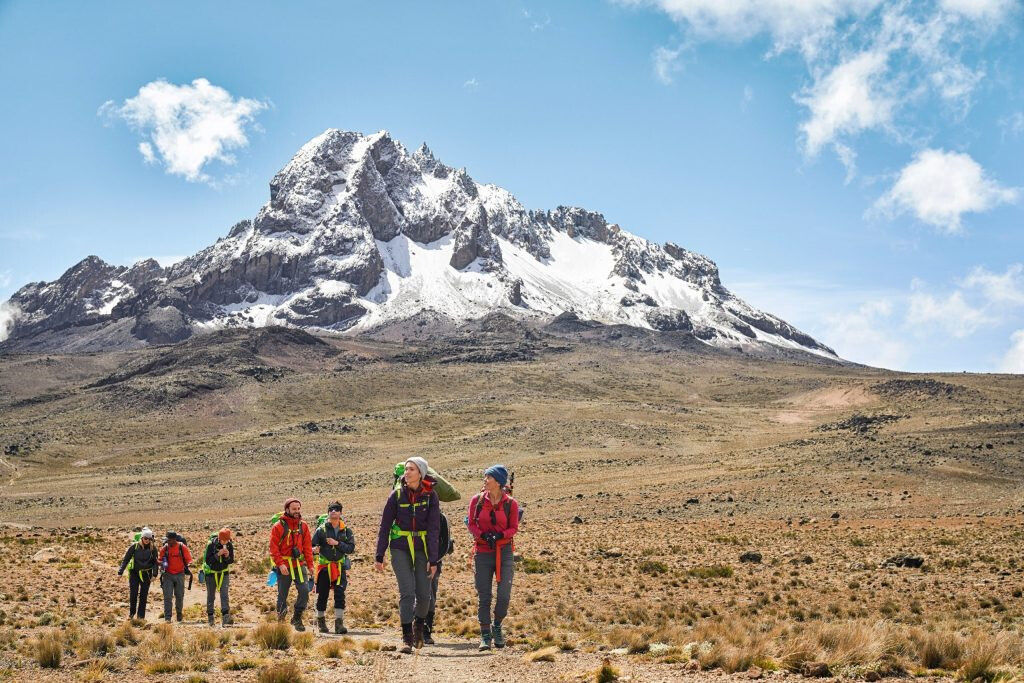
- Lemosho Route (7-8 days): One of the most scenic and popular routes, Lemosho offers an excellent acclimatization profile. It starts on the western side, providing a gradual climb through diverse landscapes and allows for the “climb high, sleep low” strategy. An 8-day Lemosho trek is ideal for sea-level travellers.
- Machame Route (7-8 days): Often called the “Whiskey Route,” Machame is another excellent choice. It’s popular for its scenic beauty and good acclimatization profile, especially when taken over 7 or 8 days. It also utilizes the “climb high, sleep low” approach effectively. We often see great success rates for sea-level travellers on our 8-day Machame expeditions in 2026 and 2027.
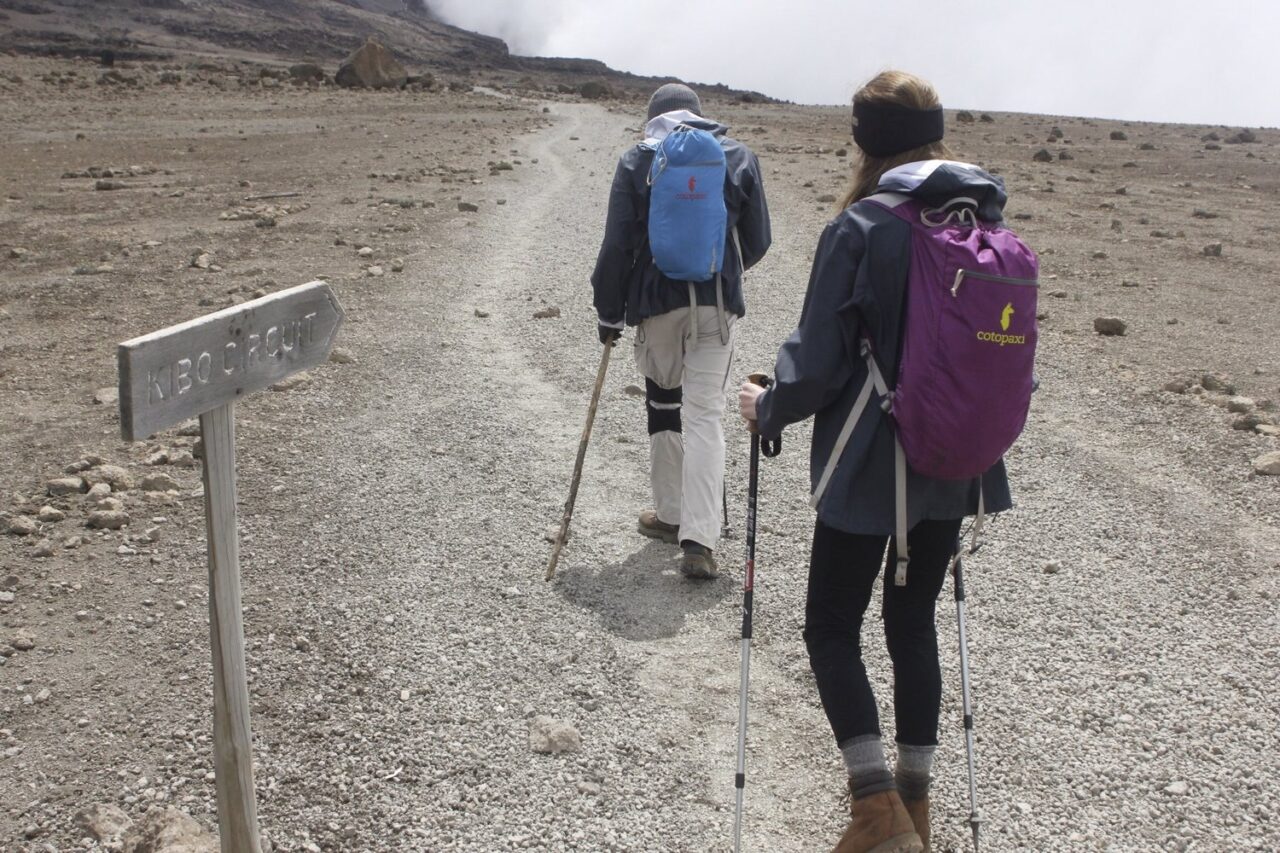
- Northern Circuit (9-10 days): This is the longest and slowest route, offering the best possible acclimatization. It circumnavigates the mountain, allowing for the most gradual ascent and the greatest opportunity for the body to adapt. If budget and time allow, the Northern Circuit is the gold standard for minimizing altitude sickness risk.
- Marangu Route (5-6 days): While the shortest, the 5-day Marangu route is generally NOT recommended for sea-level travellers due to its rapid ascent and lack of “climb high, sleep low” opportunities. The 6-day option offers slightly better acclimatization but is still less ideal than Lemosho or Machame.
We advise against the 5-day Marangu, Rongai, or shorter Machame/Lemosho itineraries for those coming directly from sea level.
The Importance of Duration: Why Longer is Better
The general rule of thumb for Kilimanjaro is that for every extra day on the mountain, your acclimatization improves, and your chances of summiting increase by a significant margin. For sea-level travellers, this is even more critical. A 5-day climb might be sufficient for someone who lives at 2,000 meters, but for someone from sea level, it’s a recipe for potential disaster.
- 5-Day Routes: Typically have summit success rates around 50-60% even for experienced trekkers. For sea-level travellers, this is unacceptably low.
- 7-Day Routes: Significantly improve summit success rates to around 70-80%.
- 8-Day Routes: Push success rates to 85-90%.
- 9-10 Day Routes: Offer the highest success rates, often exceeding 90-95%.
When you book a Kilimanjaro acclimatization package with Top Guide Adventures, we strongly recommend choosing an 8-day itinerary (like our Lemosho or Machame options) or longer. This commitment to time is the most crucial factor in ensuring your body has the best chance to adapt. Planning for a 2026 or 2027 climb gives you ample time to research and choose the duration that suits your needs.
Components of a Comprehensive Kilimanjaro Acclimatization Package
A truly effective acclimatization package goes beyond just a longer route. It involves a holistic approach to your climb preparation and execution. Here’s what you can expect from a Top Guide Adventures package designed for sea-level travellers:
1. Pre-Climb Consultation and Planning
Before you even book, we engage in detailed conversations to understand your fitness level, any prior high-altitude exposure (even if minimal), and your personal goals. This allows us to recommend the most suitable route and duration. We provide detailed packing lists and training advice tailored for Kilimanjaro.
2. Arrival and Acclimatization in Moshi
We recommend arriving in Tanzania at least 2-3 days before your trek begins. This allows you to:
- Rest and Recover: Adjust to the local time zone and climate.
- Final Gear Check: Ensure all your equipment is in order.
- Meet Your Team: Get acquainted with your guides and support crew.
- Light Acclimatization: Engage in light activities around Moshi, like visiting local coffee plantations or waterfalls, to start getting your body used to moving at altitude (Moshi is around 900m).
We can arrange comfortable accommodation in Moshi, providing a relaxed environment before the rigors of the climb. This initial period is crucial for setting a positive and prepared tone for your Kilimanjaro acclimatization package.
3. The Trek Itself: “Pole Pole” and “Climb High, Sleep Low”
Once on the mountain, our guides enforce two critical principles:
- “Pole Pole” (Slowly, Slowly): This Swahili phrase is the mantra of Kilimanjaro. Walking at a slow, steady pace conserves energy and allows your body to breathe more efficiently, aiding acclimatization. Rushing is the enemy of altitude.
- “Climb High, Sleep Low”: This is a fundamental acclimatization strategy. It involves ascending to a higher altitude during the day for part of the trek, then descending to a lower altitude to sleep. This stimulates the body to produce more red blood cells without the constant strain of sleeping at the highest possible point. Routes like Lemosho and Machame are naturally designed with this principle in mind.
4. Hydration and Nutrition
Adequate hydration is vital for acclimatization. Dehydration can mimic AMS symptoms, making it harder to distinguish between the two. Our crew ensures you have plenty of water and encourages regular intake. Similarly, a balanced diet rich in carbohydrates provides the energy needed for the demanding trek.
5. Health Monitoring by Expert Guides
Your safety is paramount. Our guides are trained to recognize the early signs of AMS. They will regularly check in with you, monitor your condition, and make decisions based on your well-being. This includes:
- Regular Pulse Oximeter Readings: To measure blood oxygen saturation.
- Subjective Symptom Checks: Asking about headaches, nausea, dizziness, and fatigue.
- Assessing Appetite and Hydration: Key indicators of how your body is coping.
If symptoms become severe, our guides are authorized to order a descent, even if it means abandoning the summit bid. This is a crucial part of any responsible Kilimanjaro acclimatization package.
6. Diamox (Acetazolamide) Consideration
While not always mandatory, we advise clients to consult their doctor about prescribing Diamox. This medication can help speed up the acclimatization process by stimulating breathing. We can provide information to share with your physician regarding its use for Kilimanjaro climbs in 2026-2027.
Sample Itinerary: 8-Day Lemosho Route Acclimatization Package
To illustrate how an acclimatization package works in practice, here is a sample 8-day Lemosho Route itinerary designed for sea-level travellers. This offers a good balance of scenery, gradual ascent, and effective acclimatization.
8-Day Lemosho Route Itinerary for Sea-Level Travellers
- Day 1: Arrival in Moshi
Arrive at Kilimanjaro International Airport (JRO), meet your Top Guide Adventures representative, and transfer to your hotel in Moshi. Rest and prepare for your trek. - Day 2: Moshi Acclimatization & Preparation
Enjoy a day in Moshi. Optional activities include visiting local villages, coffee farms, or simply relaxing. Final gear check and briefing with your guides. This day is crucial for initial low-altitude adaptation. - Day 3: Londorossi Gate to Mti Mkubwa Camp
Drive to Londorossi Gate (approx. 2,360m). After park formalities, begin a gentle hike through the rainforest to Mti Mkubwa Camp (approx. 2,820m). Trekking time: 3-4 hours. - Day 4: Mti Mkubwa Camp to Shira 1 Camp
Continue ascending through the moorland zone towards Shira 1 Camp (approx. 3,500m). Enjoy spectacular views of the Shira Plateau. Trekking time: 5-6 hours. - Day 5: Shira 1 Camp to Barranco Camp
A day of gradual acclimatization. Trek across the Shira Plateau towards the Lava Tower (approx. 4,630m), then descend to Barranco Camp (approx. 3,950m). This “climb high, sleep low” day is vital. Trekking time: 6-7 hours. - Day 6: Barranco Camp to Karanga Camp
Conquer the Great Barranco Wall, a challenging but rewarding scramble. Continue to Karanga Camp (approx. 4,200m), situated in a valley. Trekking time: 4-5 hours. - Day 7: Karanga Camp to Barafu Camp
Trek through alpine desert scenery towards Barafu Camp (approx. 4,640m), the base camp for the summit push. Rest and prepare for the final ascent. Trekking time: 3-4 hours. - Day 8: Summit Day & Descent to Mweka Camp
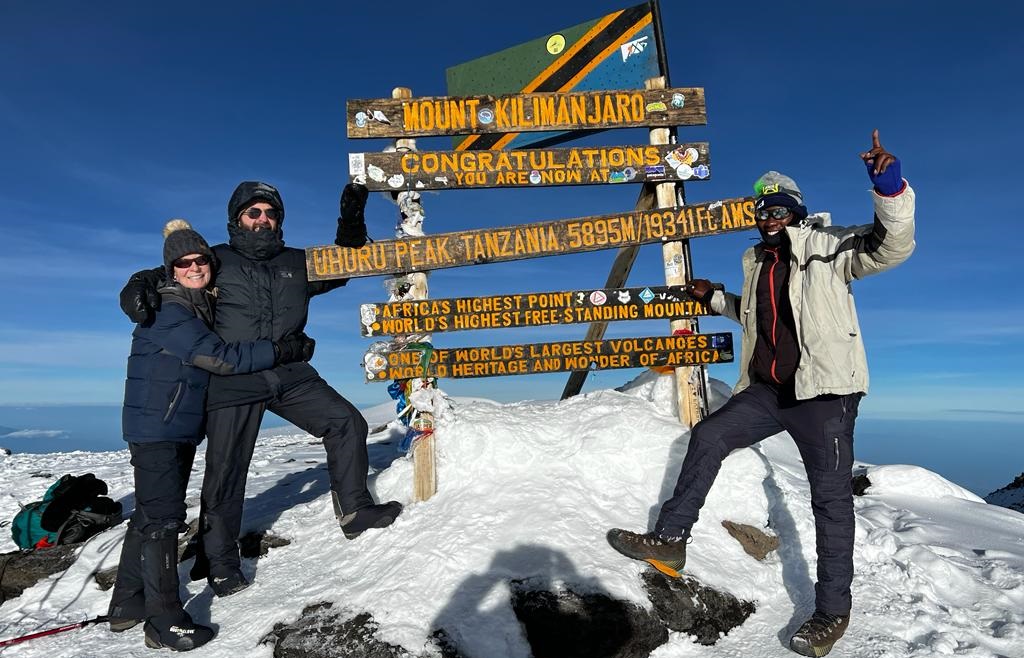
Begin the summit attempt around midnight. Ascend Stella Point (5,756m) by sunrise, then continue to Uhuru Peak (5,895m). Descend back to Barafu Camp for a short rest, then continue descending to Mweka Camp (approx. 3,100m). This is a very long and demanding day (10-12 hours trekking). - Day 9: Mweka Camp to Mweka Gate & Departure
A final short trek down through the rainforest to Mweka Gate (approx. 1,650m). Celebrate your achievement with your crew. Transfer back to Moshi or Arusha for onward travel.
Note: This sample itinerary is for illustrative purposes. Actual timings and routes may vary slightly based on conditions and guide recommendations. An 8-day itinerary is considered a good acclimatization package for sea-level travellers. Some may opt for a 9th day on the mountain for even slower acclimatization.
Factors Influencing Your Kilimanjaro Acclimatization Package
Several factors will influence the suitability and success of your acclimatization package. Understanding these will help you make informed decisions for your 2026-2027 climb:
1. Personal Fitness Level
While Kilimanjaro is not a technical climb, a good level of cardiovascular fitness is essential. You don’t need to be an elite athlete, but regular aerobic exercise (hiking, running, cycling) in the months leading up to your trek will significantly help your body cope with the physical demands and aid acclimatization. Being fit doesn’t prevent altitude sickness, but it makes the climb more enjoyable and less taxing, allowing your body to focus on adapting to altitude.
2. Previous Altitude Exposure
Have you ever travelled to high altitudes before (e.g., Denver, La Paz, or even a ski resort)? Even brief exposure can give your body some baseline acclimatization. If you have no prior experience, your need for a dedicated acclimatization package is greater.
3. Age and Health Conditions
While age is not a strict barrier, older individuals or those with pre-existing medical conditions (heart, lung, or respiratory issues) should consult their doctor before planning a Kilimanjaro climb. A slower pace and longer duration are even more critical for these individuals.
4. Time of Year
Kilimanjaro has distinct dry and wet seasons. The dry seasons (January-March and June-October) are generally preferred for climbing as they offer better weather and trail conditions. While acclimatization principles remain the same year-round, good weather can make the experience more comfortable and less physically draining, indirectly aiding your body’s adaptation. Planning for 2026 or 2027 allows you to choose the best season.
5. Budget Considerations
Longer treks inherently cost more due to the additional days of support, food, park fees, and crew wages. However, investing in a longer, better-acclimatized trek is a wise expenditure for safety and success. A 7-day or 8-day itinerary is a worthwhile investment for sea-level travellers compared to a shorter, riskier climb. Top Guide Adventures offers competitive pricing for our comprehensive Kilimanjaro acclimatization packages.
Preparing for Your Kilimanjaro Acclimatization Trek (2026-2027)
Successful acclimatization begins long before you reach Tanzania. Here’s how to prepare:
1. Physical Training
Focus on cardiovascular endurance. Aim for at least 3-4 sessions per week for several months before your climb. Include:
- Hiking: Practice hiking with a weighted backpack, ideally on varied terrain and with elevation gain.
- Cardio: Running, cycling, swimming, or using an elliptical machine.
- Strength Training: Focus on legs and core.
2. Mental Preparation
Climbing Kilimanjaro is as much a mental challenge as a physical one. Understand that there will be tough moments. Positive self-talk, visualization, and a clear understanding of the “pole pole” philosophy will help you push through.
3. Gear Selection
Proper gear is crucial for comfort and safety. Key items include:
- Layered Clothing: Essential for managing temperature fluctuations.
- Waterproof Outerwear: Jacket and trousers.
- Good Quality Hiking Boots: Broken in!
- Warm Hat and Gloves: For summit night.
- Sleeping Bag: Rated for cold temperatures (e.g., -10°C to -20°C / 0°F to -4°F).
- Headlamp: With spare batteries.
- Sun Protection: Sunscreen, sunglasses, and a wide-brimmed hat.
We provide a detailed gear list and are happy to answer any questions you have about equipment for your 2026 or 2027 climb.
4. Travel Insurance
Ensure your travel insurance covers high-altitude trekking and emergency medical evacuation. This is a non-negotiable safety measure.
5. Visas and Vaccinations
Check visa requirements for Tanzania and consult your doctor regarding recommended vaccinations and malaria prophylaxis well in advance of your travel dates.
Common Concerns for Sea-Level Travellers on Kilimanjaro
It’s natural to have concerns when preparing for such a significant undertaking. Here are some common questions we address:
Will I definitely get altitude sickness?
No, not everyone gets altitude sickness. However, the risk is significantly higher for sea-level travellers. Our packages are designed to minimize the risk and manage symptoms if they occur, rather than eliminate the possibility entirely. Gradual ascent and proper hydration are your best defenses.
What if I get sick and have to turn back?
This is a possibility, and it’s important to be mentally prepared for it. If AMS becomes severe, our guides will prioritize your safety and recommend or order a descent. While disappointing, returning safely is always the most important outcome. Our guides will support you throughout the process. We aim for a 90%+ success rate on our 8-day acclimatization treks, but safety comes first.
How fit do I need to be?
You need to be reasonably fit. Consistent aerobic exercise for at least 3-4 months prior is recommended. Focus on hiking with a pack if possible. The slower pace of Kilimanjaro is more about endurance than speed, but being fit makes the journey much more pleasant.
What is the “climb high, sleep low” strategy?
This is a key acclimatization technique. It involves ascending to a higher altitude during the day’s trek and then descending to a lower elevation to sleep. This process helps your body adapt to lower oxygen levels more effectively than staying at a high altitude constantly. Routes like Lemosho and Machame naturally incorporate this strategy.
How much water should I drink?
Aim for at least 3-4 liters of fluid per day. This includes water, tea, and soup. Staying well-hydrated is crucial for acclimatization and helps prevent dehydration, which can exacerbate AMS symptoms.
Booking Your Kilimanjaro Acclimatization Package with Top Guide Adventures
Choosing the right tour operator is as important as choosing the right route. Top Guide Adventures is a locally owned and operated company with extensive experience in guiding climbers safely up Kilimanjaro. We pride ourselves on:
- Safety First: Our priority is your well-being, with highly trained guides and a commitment to proper acclimatization protocols.
- Experienced Crew: Our guides and porters are among the best in the industry, knowledgeable about the mountain and its challenges.
- Quality Equipment: We provide reliable camping gear, tents, and ensure a comfortable experience.
- Personalized Service: We offer dedicated support from your initial inquiry through to your post-climb celebration.
- Responsible Tourism: We adhere to fair wages for our crew and responsible environmental practices on the mountain.
We are confident that our Kilimanjaro acclimatization packages are among the best available for sea-level travellers. We are eager to help you plan your dream climb for 2026 or 2027.
Ready to Plan Your Climb?
Don’t let your sea-level origins deter you from experiencing the majesty of Kilimanjaro. With the right preparation and a well-designed acclimatization package, reaching the Roof of Africa is an achievable goal. Let Top Guide Adventures be your trusted partner in this incredible journey.
For personalized advice, itinerary customization, and to discuss your 2026-2027 Kilimanjaro climb, please don’t hesitate to contact us:
- WhatsApp: +255616946642
- Email: topguideadventures@gmail.com
- Backup Email: info@topguideadventures.com
Visit our website for more information on our Tanzania safaris, Serengeti tours, and other adventures: www.topguideadventures.com. You can also see reviews from our happy clients on TripAdvisor: TripAdvisor Reviews and follow us on Instagram: Instagram.
Check Availability for Kilimanjaro Acclimatization Package For Sea-Level Travellers | Top Guide
Ready to compare dates, prices, and the best option for your group? Send the package name and travel month so the team can reply with a clear quote, availability, and what is included.
Kilimanjaro Climb For Travellers With Food Allergies 2026-2027
Kilimanjaro Climb for Travellers with Food Allergies is explained with current 2026-2027 planning, price, itinerary and booking information.
View package details
Best Acclimatization Hikes Near Kilimanjaro For Climbs 2026-2027
Optimize your Kilimanjaro climb by selecting the best acclimatization hikes near the mountain. This guide details essential pre-climb training and routes for 2026-2027.
View package details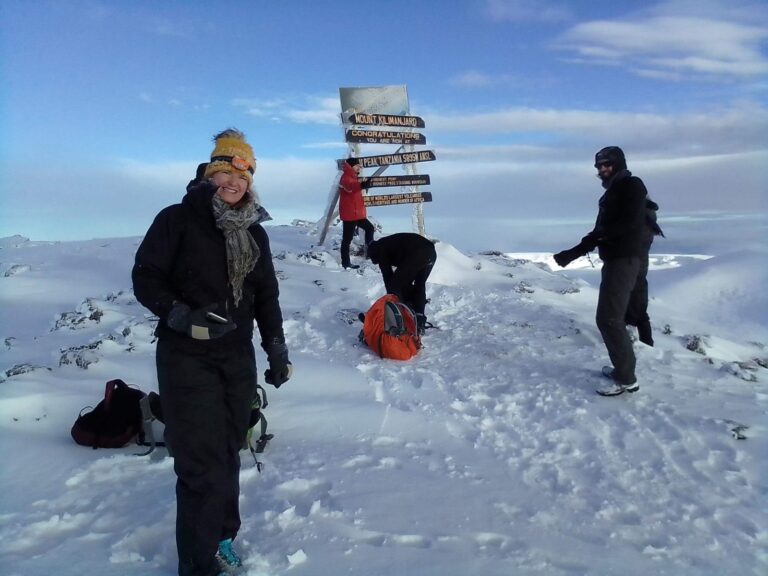
Kilimanjaro Climb With An Additional Acclimatization Day: Your Best Strategy
Planning a Kilimanjaro climb? Adding an extra acclimatization day significantly boosts your chances of reaching Uhuru Peak safely and comfortably. This guide details the benefits, best...
View package details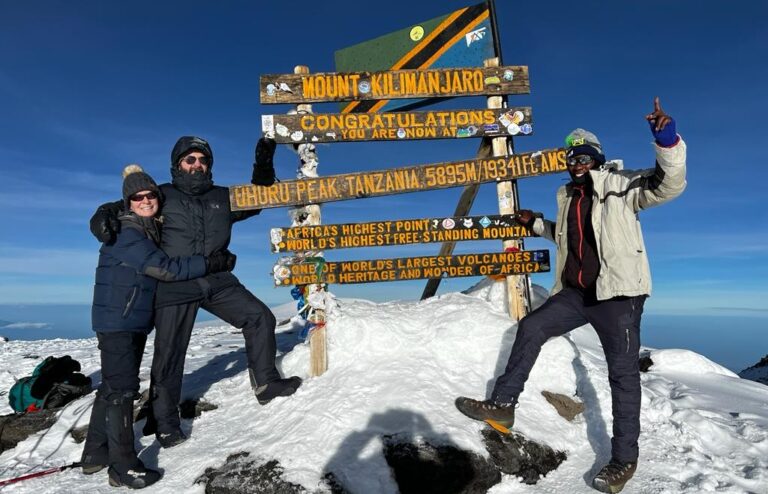
Kilimanjaro Acclimatization For Slow-Paced Groups 2026-2027
Kilimanjaro Acclimatization for Slow-Paced Groups is explained with current 2026-2027 planning, price, itinerary and booking information.
View package details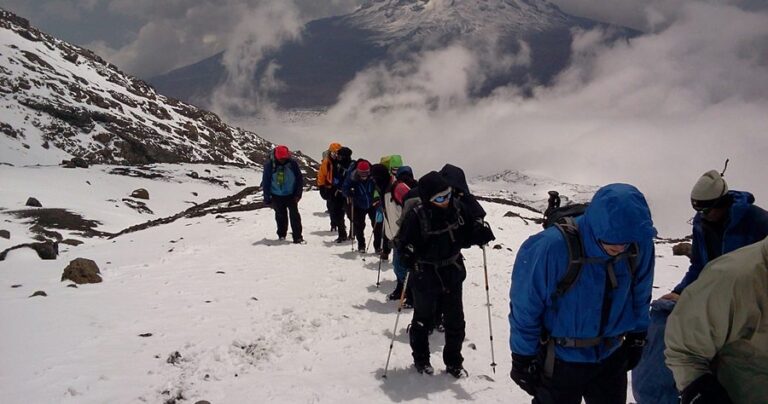
Kilimanjaro Acclimatization For Senior Climbers: Essential Strategies
This comprehensive guide details essential Kilimanjaro acclimatization strategies specifically for senior climbers planning their ascent in 2026 or 2027. It covers preparation, route...
View package details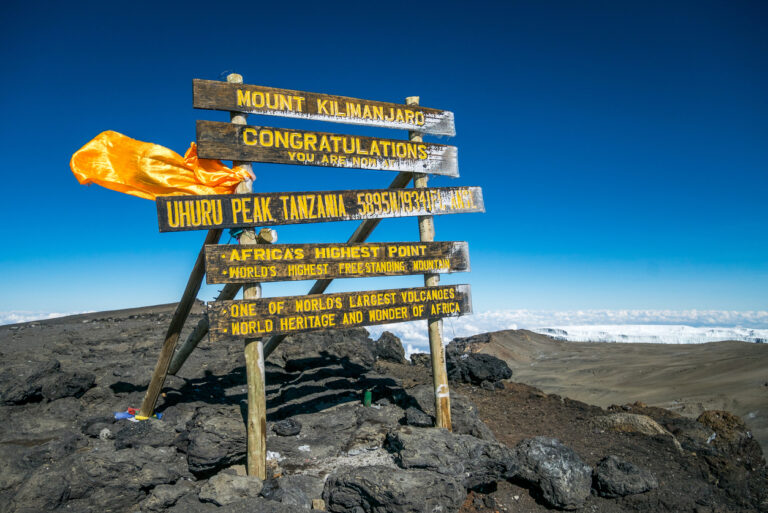
Kilimanjaro Acclimatization And Gear-Rental Package 2026-2027
Kilimanjaro Acclimatization and Gear-Rental Package is explained with current 2026-2027 planning, price, itinerary and booking information.
View package details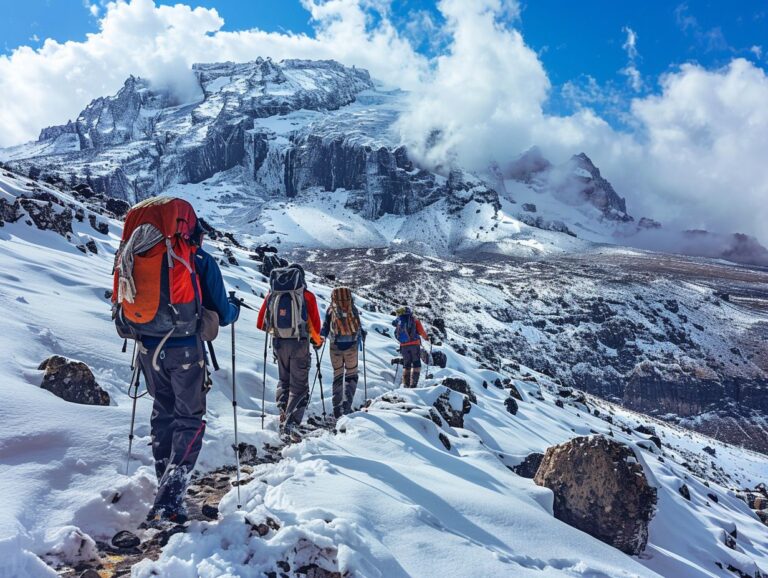
Kilimanjaro Acclimatization Program For Beginners: Your Ultimate Guide
A comprehensive guide for beginners on Kilimanjaro acclimatization, detailing essential strategies, route choices, and preparation tips for a safe and successful climb. Includes insights...
View package details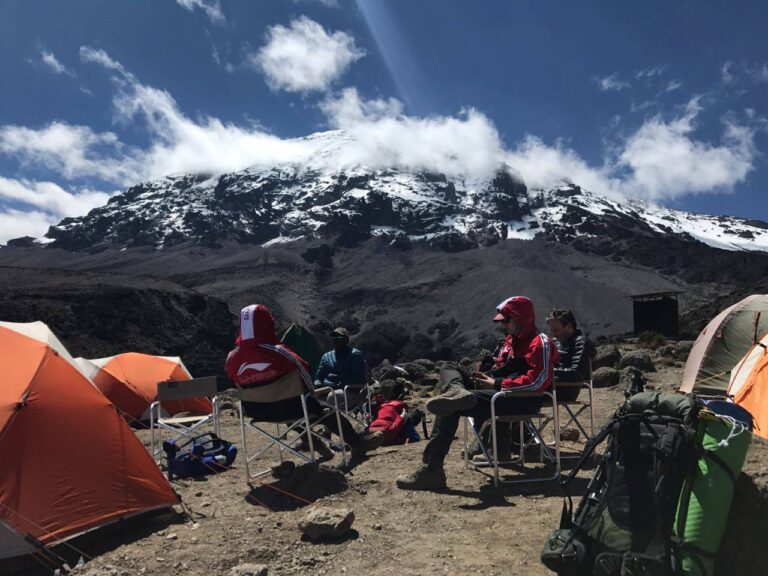
Kilimanjaro Foothills Acclimatization Walk 2026-2027
Kilimanjaro Foothills Acclimatization Walk is explained with current 2026-2027 planning, price, itinerary and booking information.
View package detailsMount Longido Acclimatization Hike Before Kilimanjaro Climb | Top Guide
Discover why a Mount Longido acclimatization hike is crucial for Kilimanjaro success. Learn about its benefits, routes, and how Top Guide Adventures can integrate it into your 2026-2027...
View package details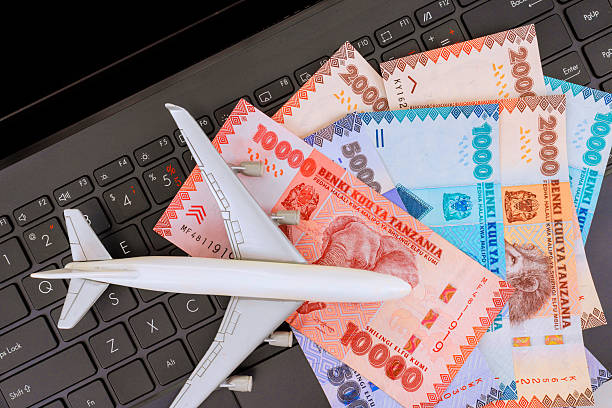
Mount Meru Acclimatization Before Kilimanjaro: A Comprehensive Guide 2026-2027
Discover why climbing Mount Meru before your Kilimanjaro trek is a strategic advantage for acclimatization. This guide details routes, benefits, and planning for 2026-2027.
View package detailsThree-Day Pre-Kilimanjaro Acclimatization Tour: Optimize Your Climb 2026-2027
Enhance your Kilimanjaro climb with a strategic three-day pre-climb acclimatization tour. This expert guide covers why it's crucial, what to expect, and how Top Guide Adventures can tailor...
View package detailsTwo-Day Kilimanjaro Acclimatization Package In Moshi: Your Essential
This comprehensive guide details the Two-Day Kilimanjaro Acclimatization Package in Moshi, offering essential preparation for climbers. Discover how this package enhances your ascent safety...
View package detailsNo related package matches those filters. Clear one or more filters to see the other topic-matched options.



