
Effective Kilimanjaro acclimatization for senior climbers in 2026-2027 focuses on choosing longer routes with gradual ascent profiles, prioritizing rest, maintaining hydration and nutrition, listening to one’s body, and consulting a doctor pre-trip. Routes like the Lemosho or Northern Circuit, offering more days on the mountain, are ideal for seniors as they allow the body more time to adapt to increasing altitudes, significantly reducing the risk of altitude sickness and improving summit chances.
Understanding Altitude and Its Impact on Senior Climbers
Climbing Mount Kilimanjaro is a significant physical undertaking for any adventurer, but for senior climbers, understanding and preparing for the effects of altitude is paramount. As we age, our bodies undergo natural physiological changes that can influence how we respond to high altitudes. These changes aren’t necessarily limitations, but they do require a more informed and cautious approach to trekking, especially concerning Kilimanjaro acclimatization for senior climbers.
Altitude sickness, also known as Acute Mountain Sickness (AMS), is caused by a lack of oxygen at higher elevations. The atmospheric pressure decreases as you ascend, meaning there are fewer oxygen molecules available with each breath. For younger, fitter individuals, the body might adapt more rapidly. However, seniors may experience a slower adaptation rate, making a well-planned acclimatization strategy absolutely crucial for a safe and enjoyable climb. This involves not just the ascent itself, but also the preparation leading up to the trek and the daily progression on the mountain.
The key to mitigating altitude-related issues for senior climbers lies in a gradual ascent. This means choosing a route that offers more days on Kilimanjaro, allowing the body to produce more red blood cells to carry oxygen, adjust breathing patterns, and generally become more efficient at functioning in a low-oxygen environment. This principle is the cornerstone of successful Kilimanjaro acclimatization for senior climbers.
Why Dedicated Acclimatization Strategies Matter for Seniors
While all Kilimanjaro climbers benefit from good acclimatization, senior climbers often have specific considerations. These can include pre-existing health conditions, slower recovery times, and a potentially reduced cardiovascular reserve compared to younger individuals. Therefore, a standard acclimatization plan designed for the general population might not be sufficient. A tailored approach, emphasizing safety and gradual adaptation, is essential.
The goal is not to push limits but to achieve the summit comfortably and safely. This often means accepting that a longer itinerary is a worthwhile investment for seniors. More days on the mountain translate to a slower ascent rate, which is the single most effective method for preventing altitude sickness. This slower pace allows for:
- Physiological Adaptation: The body has more time to adjust to the decreasing oxygen levels.
- Reduced Fatigue: A slower pace conserves energy, vital for maintaining strength and endurance over multiple days.
- Better Enjoyment: Seniors can appreciate the stunning scenery and unique flora and fauna without the constant strain of racing against altitude.
- Lower Risk of AMS: Gradual ascent significantly lowers the probability of developing mild, moderate, or severe forms of altitude sickness.
For seniors planning their Kilimanjaro adventure in 2026 or 2027, early booking and careful route selection based on acclimatization potential are key decisions. Top Guide Adventures understands these nuances and crafts itineraries that prioritize the well-being and success of all our climbers, including those in their golden years.
Choosing the Right Kilimanjaro Route for Optimal Acclimatization
The route you choose for your Kilimanjaro climb is arguably the most critical factor influencing your acclimatization success, especially for senior climbers. Kilimanjaro’s various routes differ significantly in length, difficulty, and the way they ascend the mountain. For seniors, the mantra is ‘pole pole’ (slowly, slowly), and this applies directly to route selection. Longer routes are inherently better for acclimatization.
Routes that take 7 days or more are generally recommended. The longer you spend on the mountain, the more time your body has to adapt to the altitude. This is often referred to as the ‘climb high, sleep low’ principle, which is more effectively implemented on longer circuits.
Recommended Routes for Senior Climbers:
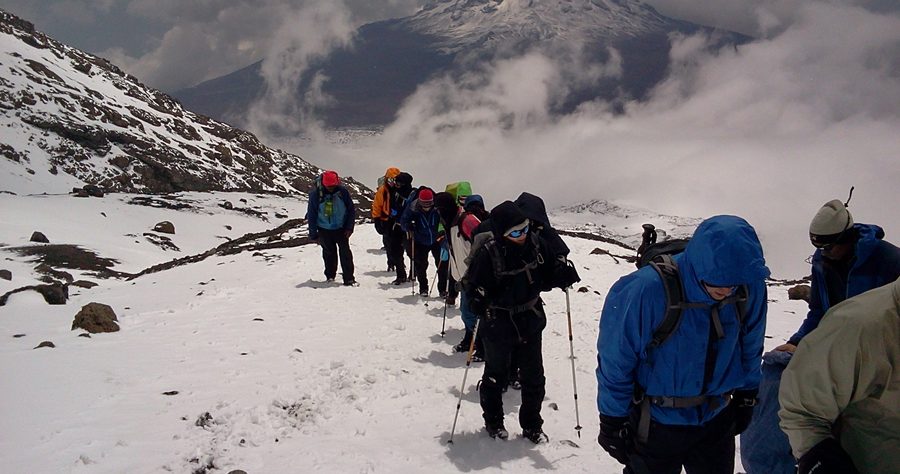
- Lemosho Route: This is one of the most popular routes and highly recommended for seniors. It typically takes 7 or 8 days. Its scenic beauty and excellent acclimatization profile make it a top choice. The Lemosho route offers a gradual ascent through diverse landscapes and provides opportunities to ‘climb high, sleep low’ as it traverses the mountain.
- Northern Circuit: This is the longest route, usually taking 9 days. It circles the mountain, offering incredible views and the best acclimatization profile available. Its extended duration allows for a very slow and steady ascent, making it the safest option for seniors concerned about altitude sickness. The gradual climb and ample rest days significantly increase the chances of a successful summit bid.
- Machame Route: While popular and scenic, the standard 6-day Machame route can be quite challenging for acclimatization. However, extending the Machame to 7 days significantly improves its suitability for seniors. The 7-day Machame allows for a more relaxed pace and better adaptation.
Routes to Approach with Caution (or Avoid) for Seniors:
- Marangu Route (Coca-Cola Route): Although it uses huts and has a reputation for being easier due to its less strenuous terrain in parts, the Marangu route is often completed in 5 or 6 days. This rapid ascent profile offers poor acclimatization, leading to higher failure rates, especially for older climbers.
- Rongai Route: While it approaches from the drier north side, the standard 6-day Rongai itinerary also presents a faster ascent that might not provide adequate acclimatization for seniors. A 7-day Rongai option is better but still generally less ideal than Lemosho or Northern Circuit for acclimatization.
When planning your climb for 2026 or 2027, discuss your specific needs and fitness level with your tour operator. Top Guide Adventures excels at tailoring itineraries, and we strongly advise seniors to opt for a minimum of 7 days on Kilimanjaro, with 8 or 9 days being even better for optimal Kilimanjaro acclimatization for senior climbers.
Key Acclimatization Principle: The 300-500 Meter Rule
A widely accepted guideline for safe acclimatization is to ascend no more than 300-500 meters (984-1640 feet) of *sleeping altitude* per day once above 3,000 meters (9,842 feet). On longer routes like the Lemosho or Northern Circuit, daily ascents are often designed to adhere to this rule, with rest days incorporated strategically. This gradual increase is fundamental to Kilimanjaro acclimatization for senior climbers.
Pre-Climb Preparation: Building a Foundation for Success
Successful acclimatization doesn’t begin on the mountain; it starts weeks, even months, before your departure. For senior climbers, a thorough pre-climb preparation phase is non-negotiable. This involves a combination of physical conditioning, medical consultation, and mental readiness.
1. Medical Consultation: The First Step
Before embarking on any strenuous physical activity, especially at high altitude, it is imperative for seniors to consult with their physician. Discuss your plans to climb Kilimanjaro and any pre-existing medical conditions you may have, such as cardiovascular issues, respiratory problems, or diabetes. Your doctor can provide personalized advice, conduct necessary health checks, and advise on any medications that might be beneficial or precautions to take.
- Discuss existing conditions: Ensure your doctor is aware of any chronic illnesses.
- Medication review: Ask about necessary prescriptions and potential altitude-related side effects.
- Altitude sickness medication: Discuss the potential use of Diamox (acetazolamide) with your doctor. While not a substitute for proper acclimatization, it can aid the process for some individuals.
- Fitness assessment: Get a professional opinion on your physical readiness for a high-altitude trek.
2. Physical Conditioning: Gradual and Consistent
While you don’t need to be an elite athlete, a good level of cardiovascular fitness is essential. For seniors, the focus should be on building endurance and strengthening the legs and core, rather than high-intensity training. The goal is to prepare your body for sustained effort over multiple days.
- Cardiovascular Exercise: Aim for at least 3-4 sessions per week of activities like brisk walking, hiking (especially with hills or stairs), cycling, or swimming. Gradually increase the duration and intensity.
- Strength Training: Focus on lower body exercises (squats, lunges, calf raises) and core strengthening exercises. This helps support your joints and improve stability on uneven terrain.
- Hiking Practice: If possible, undertake practice hikes in similar conditions to Kilimanjaro, ideally with a backpack. This will help your body adapt to carrying weight and navigating inclines.
- Consistency is Key: Start your training program at least 2-3 months before your climb. Consistency is more important than sporadic intense workouts.
3. Mental Preparation and Realistic Expectations
Climbing Kilimanjaro is as much a mental challenge as a physical one. Seniors may find that mental resilience plays an even greater role. Understanding the challenges, respecting the mountain, and maintaining a positive attitude are vital.
- Research: Educate yourself about altitude sickness, the climbing routes, and daily routines on the mountain.
- Set Realistic Goals: Understand that summiting is a significant achievement, but the journey itself is also rewarding. Focus on enjoying the experience and reaching the highest point you comfortably can.
- Patience and Positivity: Embrace the ‘pole pole’ philosophy. There will be challenging moments, but a positive mindset helps overcome them.
Top Guide Adventures emphasizes that thorough preparation is a hallmark of a successful Kilimanjaro acclimatization for senior climbers. We are here to guide you through every step of this process, ensuring you are well-prepared for your 2026 or 2027 adventure.
Daily Acclimatization Strategies on the Mountain
Once you begin your ascent of Kilimanjaro, the daily rhythm of the trek plays a critical role in acclimatization. The principle of ‘pole pole’ is not just about walking speed; it’s about the entire approach to daily progression. For senior climbers, adhering to these strategies is non-negotiable for safety and success.
1. The ‘Pole Pole’ Philosophy: More Than Just Speed
This Swahili phrase, meaning ‘slowly, slowly,’ is the most important advice you’ll receive on Kilimanjaro. For senior climbers, it’s the guiding principle. This means:
- Slow Walking Pace: Walk at a pace where you can hold a conversation without gasping for breath. This ensures you are not overexerting yourself and allows your body to utilize available oxygen efficiently.
- Frequent Short Breaks: Instead of one long, exhausting push, take numerous short breaks to rest, hydrate, and have a snack.
- Mindful Ascents: Focus on each step rather than the distance to the summit. This mental approach reduces stress and conserves energy.
2. Hydration: Your Best Friend at Altitude
Dehydration can exacerbate the symptoms of altitude sickness and increase fatigue. At high altitudes, the air is dry, and you lose fluids through respiration and perspiration, even if you don’t feel hot. Senior climbers must make a conscious effort to drink plenty of fluids.
- Target Intake: Aim for at least 3-4 liters of fluid per day. This includes water, herbal teas, and soup.
- Start Early: Begin hydrating from the moment you wake up.
- Sip Regularly: Don’t wait until you’re thirsty. Sip fluids consistently throughout the day.
- Avoid Alcohol and Caffeine: These can contribute to dehydration.
- Warm Drinks: Especially during colder parts of the trek and at night, warm drinks are comforting and help maintain body temperature.
Top Guide Adventures ensures that ample water and hot beverages are available, but the responsibility to drink rests with the climber. This is a vital aspect of Kilimanjaro acclimatization for senior climbers.
3. Nutrition: Fueling Your Climb
Your appetite may decrease at altitude, but maintaining energy levels is crucial. High-carbohydrate meals are generally recommended as they are easier to digest and provide readily available energy.
- Eat Regularly: Even if you don’t feel hungry, try to eat small, frequent meals and snacks.
- Focus on Carbs: Porridge, rice, pasta, bread, and fruits are excellent choices.
- Listen to Your Body: While recommended, don’t force yourself to eat something you find unappealing. Work with your guide to find options that suit you.
- Snacks: Carry energy bars, nuts, dried fruit, and chocolate for quick energy boosts during the day.
4. Sleep and Rest: The Body’s Repair System
Adequate sleep is essential for recovery and adaptation. While sleep can be challenging at altitude due to breathing changes and discomfort, prioritizing rest is key.
- Maximize Sleep Opportunities: Rest during the day when not trekking.
- Comfortable Gear: Ensure you have a comfortable sleeping bag and mat.
- Listen to Your Body: If you feel unusually tired, communicate this to your guide. They may adjust the pace or suggest more rest.
5. ‘Climb High, Sleep Low’ Principle
This principle is best implemented on longer routes like the Lemosho or Northern Circuit. It involves ascending to a higher altitude during the day’s trek and then descending to a lower altitude camp to sleep. This cyclical movement helps stimulate acclimatization without the body having to endure prolonged periods at extreme heights overnight.
For Kilimanjaro acclimatization for senior climbers, following these daily strategies diligently, alongside the chosen route, is fundamental for a successful and safe summit attempt in 2026 or 2027.
Monitoring Altitude Sickness: Recognizing Symptoms and Taking Action
Even with the best acclimatization strategies, altitude sickness can affect anyone. Recognizing the symptoms early and knowing how to respond is crucial, especially for senior climbers who might sometimes dismiss symptoms as general fatigue.
Understanding Acute Mountain Sickness (AMS)
AMS is the most common form of altitude illness. It typically occurs within 6-24 hours of ascending to a higher altitude. Symptoms are often similar to a hangover or the flu.
Mild AMS Symptoms:
- Headache (often the first symptom)
- Nausea or vomiting
- Dizziness or lightheadedness
- Fatigue or weakness
- Loss of appetite
- Difficulty sleeping
If you experience mild symptoms, the most effective treatment is to stop ascending and rest at your current altitude. You may also consider descending slightly if symptoms persist or worsen. Staying well-hydrated and taking over-the-counter pain relievers for headaches can help. Your guide will monitor you closely.
Recognizing More Serious Conditions
If mild AMS is not treated or if the ascent continues rapidly, it can progress to more severe and life-threatening conditions:
- High Altitude Cerebral Edema (HACE): This is a swelling of the brain. Symptoms include severe headache, confusion, disorientation, loss of coordination (ataxia – difficulty walking in a straight line), drowsiness, and in severe cases, coma.
- High Altitude Pulmonary Edema (HAPE): This is a fluid buildup in the lungs. Symptoms include severe breathlessness (even at rest), a persistent cough (which may produce frothy or pink sputum), chest tightness, extreme fatigue, and a feeling of suffocation.
HACE and HAPE are medical emergencies. The only definitive treatment is immediate descent.
The Role of Your Guide in Monitoring
Your mountain guide is trained to recognize the signs and symptoms of altitude sickness. They will regularly check in with you, asking about your well-being and observing your condition. It is vital that you are honest and open with your guide about how you are feeling. Do not downplay symptoms, especially if you are a senior climber who might be inclined to ‘tough it out’.
- Daily Check-ins: Guides will ask about headaches, nausea, appetite, and sleep quality.
- Observation: They will watch for changes in your gait, breathing, and general demeanor.
- Pulse Oximetry: Many guides use a pulse oximeter to measure blood oxygen saturation levels, providing an objective measure of acclimatization.
Decision to Descend: If symptoms are moderate to severe, or if HACE or HAPE is suspected, the guide has the authority and responsibility to order an immediate descent. This decision is made for your safety, and it is crucial to comply. Sometimes, a descent of just a few hundred meters can make a significant difference.
Tips for Senior Climbers Regarding Symptoms:
- Don’t Ignore Headaches: A persistent headache at altitude should always be taken seriously.
- Communicate Nausea: If you feel queasy, tell your guide immediately.
- Be Honest About Fatigue: Distinguish between normal trekking tiredness and debilitating exhaustion.
- Monitor Coordination: If you feel clumsy or unsteady, mention it.
Proactive monitoring and open communication are cornerstones of safe Kilimanjaro acclimatization for senior climbers. Top Guide Adventures prioritizes guide training to ensure the highest level of safety for all our clients planning climbs in 2026 and 2027.
Symptoms of Altitude Sickness: A Quick Reference
- Mild AMS: Headache, Nausea, Dizziness, Fatigue, Loss of Appetite, Sleep Difficulty.
- Severe AMS (HACE): Confusion, Disorientation, Ataxia (loss of coordination), Drowsiness, Coma.
- HAPE: Breathlessness at rest, Cough, Chest Tightness, Extreme Fatigue.
Action for Mild AMS: Stop ascending, rest, consider slight descent. Action for Severe AMS/HACE/HAPE: Immediate descent is mandatory.
The Role of Gear and Equipment for Senior Climbers
While physical fitness and acclimatization strategies are paramount, the right gear plays a crucial supporting role, particularly for senior climbers. Proper equipment enhances comfort, conserves energy, and provides essential protection against the elements, all of which contribute to better acclimatization and overall well-being.
1. Layering System: The Key to Temperature Regulation
Kilimanjaro experiences dramatic temperature shifts, from warm equatorial conditions at the base to freezing temperatures near the summit. A well-designed layering system allows you to adapt to these changes efficiently, preventing overheating (which leads to dehydration) and chilling (which leads to hypothermia and slower recovery).
- Base Layer: Moisture-wicking material (merino wool or synthetic) to draw sweat away from the skin. Avoid cotton.
- Mid Layer: Insulating layer (fleece or down jacket) to trap body heat.
- Outer Layer: Waterproof and windproof shell jacket and pants to protect against rain and wind.
For seniors, maintaining a stable body temperature is crucial for comfort and energy conservation. Being able to easily add or remove layers without significant disruption is key.
2. Footwear: Comfort and Support
Your feet are your foundation. Well-fitting, broken-in hiking boots are essential. Blisters and foot pain can significantly impact your morale and ability to trek, leading to a slower pace and increased fatigue.
- Sturdy Hiking Boots: Waterproof, ankle-supporting boots are recommended.
- Broken-in: Never wear new boots on the mountain. Break them in thoroughly during your training hikes.
- Good Socks: Several pairs of quality wool or synthetic hiking socks. Liner socks can help prevent blisters.
3. Sleeping Gear: Essential for Recovery
A good night’s sleep is vital for acclimatization and recovery. While tour operators often provide tents and sleeping mats, investing in a high-quality, warm sleeping bag is highly recommended, especially for seniors who may feel the cold more.
- Warm Sleeping Bag: Rated for temperatures down to -15°C or -20°C (0°F to -4°F). Down or synthetic fill are good options.
- Comfortable Sleeping Mat: Provides insulation from the cold ground and cushioning.
4. Trekking Poles: Reducing Strain
Trekking poles are invaluable for senior climbers. They:
- Reduce Knee Strain: By transferring some load to the upper body, poles significantly reduce stress on the knees, especially during descents.
- Improve Stability: They provide an extra point of contact, enhancing balance on uneven or slippery terrain.
- Assist with Ascents: They can provide a helpful push on inclines.
Using poles correctly can conserve energy and reduce the risk of falls, both critical factors for older climbers.
5. Other Essential Items:
- Headlamp: Essential for navigating camp and summit night.
- Sun Protection: High SPF sunscreen, lip balm, wide-brimmed hat, and sunglasses are crucial due to intense UV radiation at altitude.
- Water Bottles/Hydration Reservoir: Ensure they are insulated or can be kept warm to prevent freezing.
- First-Aid Kit: A personal kit with any specific medications you require.
Choosing the right gear ensures comfort and safety, directly supporting the effectiveness of Kilimanjaro acclimatization for senior climbers. Top Guide Adventures provides detailed gear lists and advice to help you prepare for your 2026 or 2027 climb.
Altitude Medications and Supplements for Senior Climbers
While proper acclimatization is the primary defense against altitude sickness, certain medications and supplements can play a supportive role, particularly for senior climbers who may need extra assistance. It is crucial to discuss these options with a healthcare professional before your trip.
1. Acetazolamide (Diamox): A Prescription Aid
Acetazolamide, commonly known by the brand name Diamox, is a prescription medication frequently used to prevent and treat altitude sickness. It works by increasing respiration, which helps the body acclimatize faster.
- How it Works: It speeds up acclimatization by altering the body’s acid-base balance, stimulating breathing.
- Dosage and Timing: Typically, a dose is taken starting 1-2 days before ascent and continued for the first few days on the mountain. Your doctor will prescribe the exact dosage and schedule.
- Potential Side Effects: Common side effects include increased urination, tingling in the fingers and toes, and a metallic taste in the mouth. Less common but more serious side effects can occur.
- Consult Your Doctor: Diamox is a prescription drug. It is essential to discuss its suitability with your doctor, especially if you have any pre-existing medical conditions (e.g., sulfa allergies, kidney issues).
For senior climbers, Diamox can be a valuable tool when used correctly under medical supervision, complementing rather than replacing sound acclimatization practices for Kilimanjaro acclimatization for senior climbers.
2. Other Medications and Supplements
- Pain Relievers: Over-the-counter pain relievers like ibuprofen or paracetamol can help manage mild headaches associated with altitude. However, they do not treat the underlying cause of altitude sickness.
- Herbal Remedies: Some climbers use ginger for nausea or other herbal remedies. While generally safe, their effectiveness for altitude sickness is not scientifically proven to the same extent as Diamox. Always discuss any herbal supplements with your doctor.
- Oxygen: While supplemental oxygen is available on some commercial flights, it is not typically used for routine acclimatization on Kilimanjaro. It is reserved for emergency treatment of severe altitude sickness.
3. Hydration and Nutrition Support
As previously mentioned, maintaining hydration and adequate nutrition are critical. Electrolyte powders can be added to water to help with hydration and replace lost minerals, especially if experiencing significant sweating or mild gastrointestinal upset.
It’s vital to reiterate that medications and supplements are aids, not guarantees. The fundamental principles of slow ascent, proper hydration, and rest remain the most important factors for Kilimanjaro acclimatization for senior climbers planning their expeditions in 2026 or 2027.
Post-Climb Recovery and Health Considerations
The journey doesn’t end at the summit or upon descent to the base. Proper recovery after a Kilimanjaro climb is essential for all climbers, and senior climbers may benefit from a more extended or mindful recovery period.
1. Immediate Post-Climb Care
- Rest: Allow your body ample time to rest and recover. Avoid strenuous activities immediately after descending.
- Hydration and Nutrition: Continue to drink plenty of fluids and eat nourishing meals to replenish your body’s reserves.
- Monitor Symptoms: Be aware that some mild altitude-related symptoms might linger for a day or two. If symptoms persist or worsen, seek medical advice.
2. Gradual Return to Normal Activities
Senior climbers should plan for a gradual reintroduction to their normal routines. Listen to your body and don’t rush back into demanding physical activities.
- Gentle Exercise: Light walking or stretching can help improve circulation and reduce stiffness.
- Avoid Overexertion: Postpone any strenuous hikes, heavy lifting, or intense workouts for at least a week or two, depending on how you feel.
3. Potential Long-Term Effects (Rare)
While extremely rare, prolonged or severe altitude sickness can sometimes lead to lingering issues. This is why proper acclimatization and prompt treatment of symptoms are so critical.
- Persistent Headaches or Dizziness: If these continue long after the climb, consult a doctor.
- Respiratory Issues: Any ongoing breathing difficulties should be medically evaluated.
Top Guide Adventures recommends a few days of rest in Moshi or Arusha after your climb before undertaking long travel or strenuous activities. This allows your body to begin its recovery process effectively. Prioritizing recovery is a key component of responsible adventure travel for Kilimanjaro acclimatization for senior climbers.
Planning Your Kilimanjaro Adventure with Top Guide Adventures in 2026-2027
Choosing the right tour operator is as important as choosing the right route, especially when planning a Kilimanjaro climb as a senior adventurer. Top Guide Adventures is dedicated to providing safe, personalized, and memorable experiences on Kilimanjaro. We understand the unique needs of senior climbers and tailor our services accordingly.
Why Choose Top Guide Adventures?
- Experienced Guides: Our guides are highly trained in mountain rescue, first aid, and altitude sickness management. They have extensive experience leading climbers of all ages.
- Focus on Safety: Your safety is our utmost priority. We adhere to strict safety protocols, including regular health checks and the ‘pole pole’ principle.
- Tailored Itineraries: We specialize in creating custom itineraries. For seniors, we strongly recommend our 8-day Lemosho or 9-day Northern Circuit treks to ensure optimal Kilimanjaro acclimatization for senior climbers.
- Excellent Support: From your initial inquiry to your return home, you receive personal attention and dedicated support.
- Quality Equipment: We provide high-quality tents, dining equipment, and can advise on personal gear.
Booking Your 2026-2027 Climb
Planning ahead is essential, especially for popular climbing seasons. We recommend booking your Kilimanjaro climb for 2026 or 2027 at least 6-12 months in advance to secure your preferred dates and route.
To discuss your specific needs and receive a personalized quote for a Kilimanjaro climb designed for senior climbers, please contact us:
- WhatsApp: +255616946642
- Email: topguideadventures@gmail.com
- Backup Email: info@topguideadventures.com
Let Top Guide Adventures help you achieve your dream of summiting Kilimanjaro safely and memorably. We are committed to providing the best possible experience, with a special focus on Kilimanjaro acclimatization for senior climbers.
Considering Group Departures?
While private climbs offer the most flexibility for seniors, we also offer group departures. You can view our schedules and available dates for 2026 and 2027, including options on the popular Machame and Lemosho routes, at Machame Route Group Departures and All Tanzania Group Departures. We can advise on which group departures might best suit senior climbers seeking optimal acclimatization.
Client Testimonials and Reviews
Don’t just take our word for it. Hear from climbers who have experienced Kilimanjaro with Top Guide Adventures. You can find reviews on platforms like TripAdvisor: Top Guide Adventures Reviews. Our commitment to client care and safety is reflected in the experiences of our adventurers.
Embarking on a Kilimanjaro climb is a significant achievement, and Top Guide Adventures is your trusted partner for a successful and enjoyable journey in 2026 and 2027. We are passionate about making high-altitude adventures accessible and safe for everyone, including our esteemed senior climbers.
Check Availability for Kilimanjaro Acclimatization For Senior Climbers: Essential Strategies
Ready to compare dates, prices, and the best option for your group? Send the package name and travel month so the team can reply with a clear quote, availability, and what is included.

Best Kilimanjaro Month For Senior Climbers: Expert Guide 2026-2027
Planning a Kilimanjaro climb as a senior adventurer? Learn which months offer the best conditions for a successful and enjoyable trek in 2026-2027, considering weather, crowds, and your...
View package details
Do You Need Microspikes For Kilimanjaro? Expert Advice Climbers 2026-2027
Climbers often wonder about the necessity of Microspikes for Kilimanjaro. While not always mandatory, they can significantly enhance safety and comfort on icy sections, particularly on...
View package details
How Many Base Layers Do You Need For Kilimanjaro? A Complete Guide Climbers
Climbing Kilimanjaro requires careful gear selection. This guide breaks down the essential base layers needed to stay warm and dry on the mountain, with planning tips for 2026-2027...
View package details
Best Acclimatization Hikes Near Kilimanjaro For Climbs 2026-2027
Optimize your Kilimanjaro climb by selecting the best acclimatization hikes near the mountain. This guide details essential pre-climb training and routes for 2026-2027.
View package details
Kilimanjaro Climb With An Additional Acclimatization Day: Your Best Strategy
Planning a Kilimanjaro climb? Adding an extra acclimatization day significantly boosts your chances of reaching Uhuru Peak safely and comfortably. This guide details the benefits, best...
View package details
Kilimanjaro Acclimatization For Slow-Paced Groups 2026-2027
Kilimanjaro Acclimatization for Slow-Paced Groups is explained with current 2026-2027 planning, price, itinerary and booking information.
View package details
Kilimanjaro Acclimatization And Gear-Rental Package 2026-2027
Kilimanjaro Acclimatization and Gear-Rental Package is explained with current 2026-2027 planning, price, itinerary and booking information.
View package details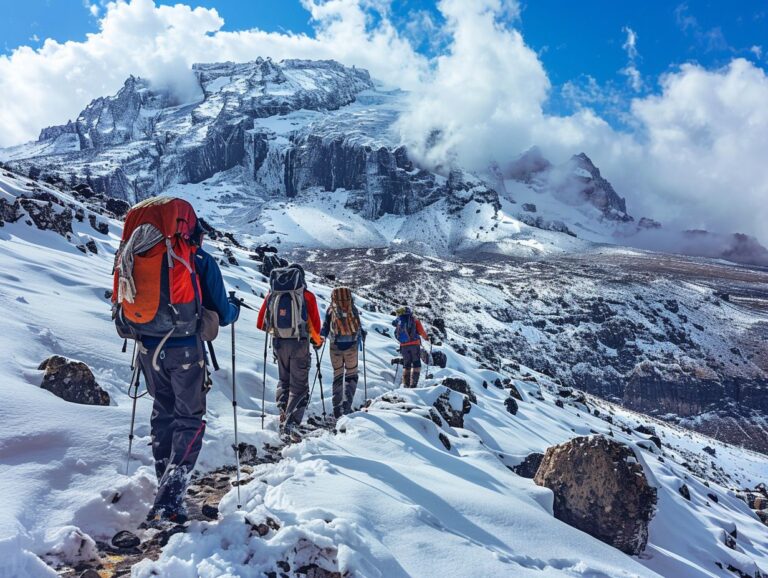
Kilimanjaro Acclimatization Program For Beginners: Your Ultimate Guide
A comprehensive guide for beginners on Kilimanjaro acclimatization, detailing essential strategies, route choices, and preparation tips for a safe and successful climb. Includes insights...
View package details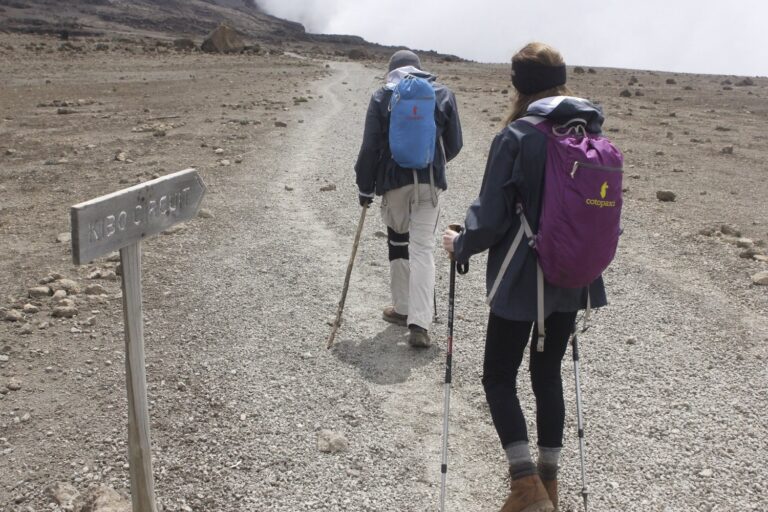
Kilimanjaro Acclimatization Package For Sea-Level Travellers | Top Guide
Planning a Kilimanjaro climb from sea level? Top Guide Adventures offers specialized acclimatization packages designed to maximize your success and safety. Learn about essential...
View package details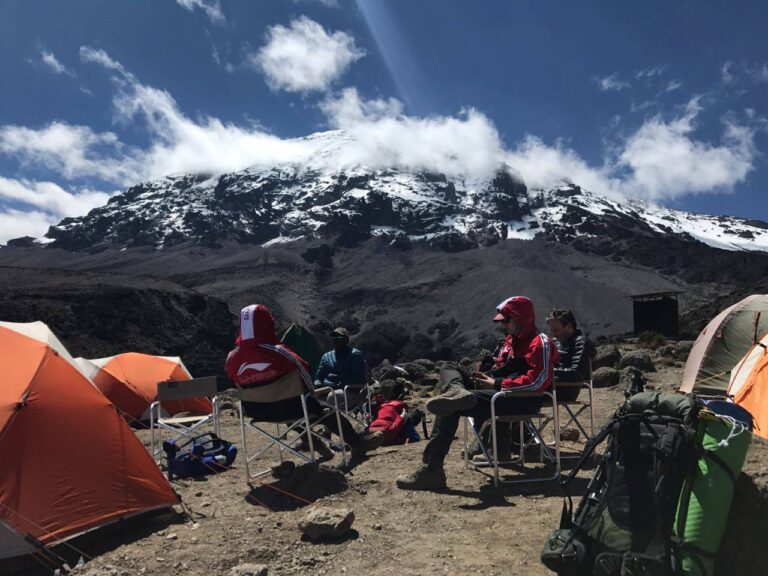
Kilimanjaro Foothills Acclimatization Walk 2026-2027
Kilimanjaro Foothills Acclimatization Walk is explained with current 2026-2027 planning, price, itinerary and booking information.
View package detailsMount Longido Acclimatization Hike Before Kilimanjaro Climb | Top Guide
Discover why a Mount Longido acclimatization hike is crucial for Kilimanjaro success. Learn about its benefits, routes, and how Top Guide Adventures can integrate it into your 2026-2027...
View package detailsMount Meru Acclimatization Before Kilimanjaro: A Comprehensive Guide 2026-2027
Discover why climbing Mount Meru before your Kilimanjaro trek is a strategic advantage for acclimatization. This guide details routes, benefits, and planning for 2026-2027.
View package detailsNo related package matches those filters. Clear one or more filters to see the other topic-matched options.



