
Adding an extra acclimatization day to your Kilimanjaro climb significantly improves your chances of summit success and overall enjoyment by allowing your body more time to adjust to the extreme altitude, reducing the risk of altitude sickness and making the challenging trek more manageable, especially for climbs planned in 2026 and 2027.
Why an Extra Acclimatization Day is Crucial for Kilimanjaro Treks
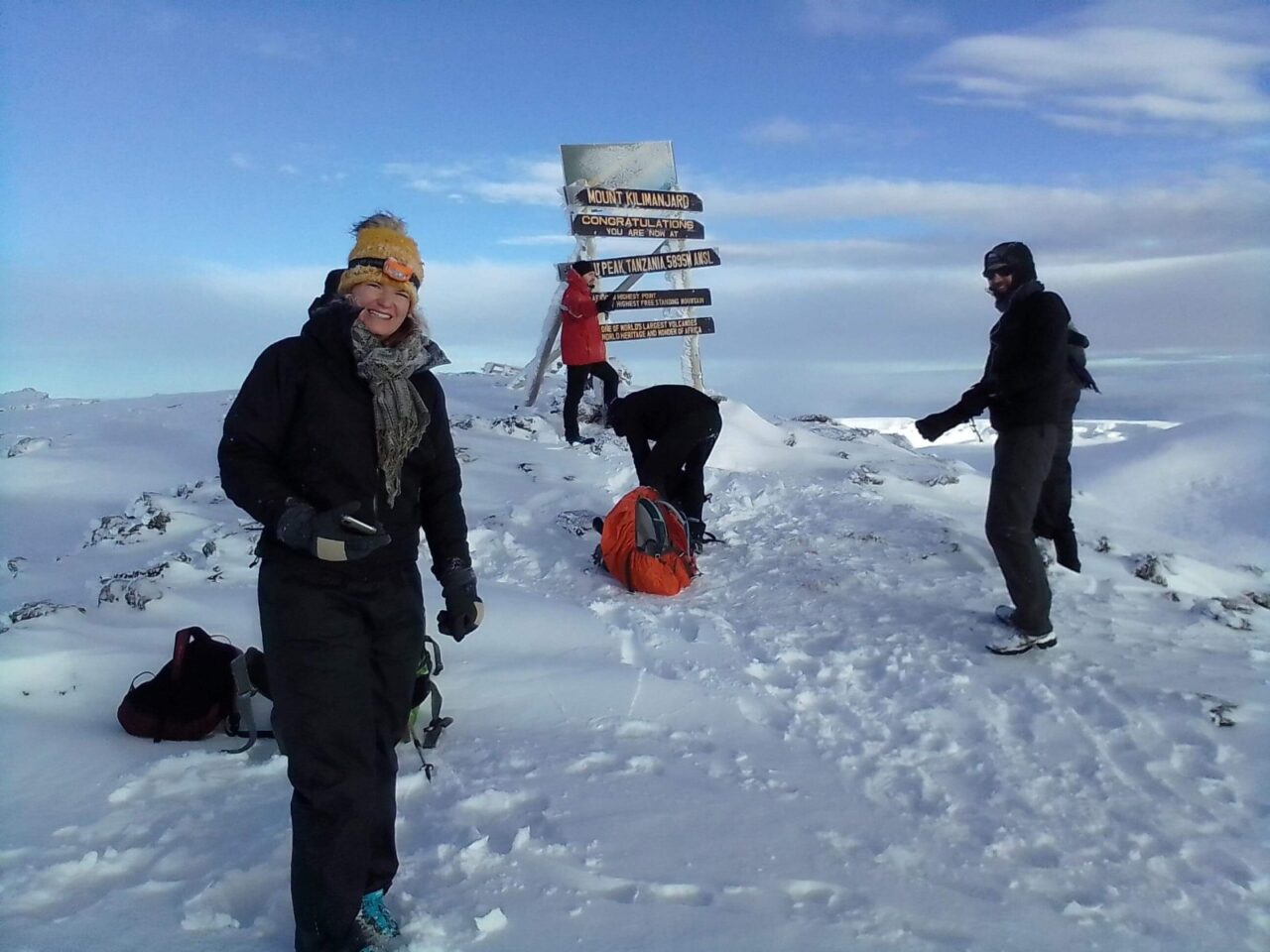
Climbing Kilimanjaro is a significant physical and mental undertaking. While many routes can be completed in 5-7 days, the addition of a dedicated acclimatization day can make a profound difference in your experience and success rate. Altitude sickness, or Acute Mountain Sickness (AMS), is the primary challenge on Kilimanjaro, affecting climbers even those who are generally fit. An extra day provides your body with the essential time it needs to adapt to the decreasing oxygen levels as you ascend, a process vital for preventing severe symptoms and ensuring you can push towards the summit, Uhuru Peak, safely. For trekkers planning their expeditions in the 2026-2027 seasons, prioritizing acclimatization is a smart move to maximize their adventure.
Understanding Altitude Sickness on Kilimanjaro
Kilimanjaro rises to an imposing 5,895 meters (19,341 feet) above sea level. At this elevation, the atmospheric pressure is roughly half that at sea level, meaning there is significantly less oxygen available for your body to absorb. Altitude sickness is a direct response to this reduced oxygen. Symptoms can range from mild to life-threatening:
- Mild AMS: Headache, nausea, dizziness, fatigue, loss of appetite, and difficulty sleeping. These are common and can often be managed with rest and hydration.
- Moderate AMS: Worsening of mild symptoms, breathlessness even at rest, coughing, and reduced coordination. This requires immediate attention and often descent.
- Severe AMS (HAPE/HACE): High Altitude Pulmonary Edema (fluid in the lungs) and High Altitude Cerebral Edema (fluid in the brain). These are medical emergencies requiring immediate descent and medical intervention.
The key to managing AMS is gradual ascent and proper acclimatization. Your body needs time to produce more red blood cells to carry oxygen more efficiently. This process doesn’t happen overnight. An extra day on the mountain, strategically placed, gives your body this vital time.
The Benefits of a Slower Pace
Extending your Kilimanjaro climb by a single day, often by adding an extra night at a higher altitude camp, offers several tangible benefits:
- Reduced Risk of AMS: This is the most significant benefit. A slower ascent allows for better physiological adaptation.
- Increased Summit Success Rates: Studies and operator experience consistently show that longer itineraries (7-9 days on Kilimanjaro) have higher success rates than shorter ones (5-6 days). An extra acclimatization day contributes directly to this.
- Enhanced Enjoyment: Rushing up a mountain is exhausting and stressful. A more leisurely pace allows you to appreciate the changing landscapes, the unique flora and fauna, and the overall experience of climbing Africa’s highest peak.
- Improved Physical Condition: Your body will feel less strained, allowing you to conserve energy for the demanding summit night.
- Greater Mental Resilience: Feeling stronger and healthier on the mountain contributes to a more positive mental state, crucial for overcoming the psychological challenges of the climb.
For trekkers targeting Kilimanjaro in the 2026-2027 seasons, opting for a longer itinerary that includes an additional acclimatization day is a strategic decision that prioritizes safety and success.
Choosing the Right Route for an Extended Climb
Not all Kilimanjaro routes are created equal when it comes to acclimatization. Some routes are naturally better suited for longer itineraries and incorporate more gradual ascents, which are ideal for adding an extra day. The most popular routes that benefit greatly from an additional acclimatization day are:
The Machame Route (6 or 7 Days)
The Machame Route, often called the “Whiskey Route,” is one of the most scenic and popular options. It offers a good balance of ascent and descent, following a “climb high, sleep low” strategy. While typically offered as a 6-day climb, extending it to 7 days by adding an extra night at Karanga Camp or Barafu Camp is highly recommended and significantly improves acclimatization and success rates. A 7-day Machame itinerary is a fantastic choice for those seeking a Kilimanjaro climb with an additional acclimatization day, providing a robust experience for 2026-2027 adventurers.
The Lemosho Route (7 or 8 Days)
The Lemosho Route is renowned for its beauty and excellent acclimatization profile. It starts in the lush rainforest on the western side and offers stunning views. It’s typically offered as a 7-day climb, but extending it to 8 days by adding an extra night, often between Barranco and Karanga, or at Karanga itself, is a common and highly beneficial modification. This extended version provides superb acclimatization, making it one of the best routes for a Kilimanjaro climb with an additional acclimatization day, especially for those planning for 2026-2027.
The Marangu Route (5 or 6 Days)
The Marangu Route, or “Coca-Cola Route,” is the oldest and most established path. It’s unique for its hut accommodation and “down and back” style of ascent on the first two days. While it can be done in 5 days, a 6-day itinerary adds a crucial acclimatization day, typically by spending an extra night at Horombo Huts. This allows for a slower ascent through the Shira Plateau and up to Kibo, improving acclimatization compared to the 5-day option. For a Kilimanjaro climb with an additional acclimatization day on the Marangu route, the 6-day option is the minimum recommendation.
The Rongai Route (6 or 7 Days)
The Rongai Route approaches Kilimanjaro from the north, near the Kenyan border. It’s a good option during the rainy season as the northern side receives less rainfall. It’s often offered as a 6-day trek, but extending it to 7 days by adding an extra night at Second Cave or Kikelewa Cave provides better acclimatization. This makes the 7-day Rongai a strong contender for a Kilimanjaro climb with an additional acclimatization day, suitable for 2026-2027 trekkers.
The Shira Route (7 or 8 Days)
Similar to Lemosho, the Shira Route starts at a higher elevation and offers a more direct ascent. While scenic, its higher starting point means acclimatization is critical. Extending the standard 7-day Shira to 8 days by adding an extra night at a suitable camp is highly advisable for better acclimatization. This makes it a good choice for a Kilimanjaro climb with an additional acclimatization day, though Lemosho is often preferred for its gentler initial ascent.
The Northern Circuit (9 Days)
This is the longest and arguably the best route for acclimatization, circumnavigating the mountain. It naturally takes 9 days and includes “climb high, sleep low” principles extensively. While it’s already designed for optimal acclimatization, it inherently provides ample time for the body to adjust. For those seeking the ultimate acclimatization, the 9-day Northern Circuit is already a superior choice, effectively incorporating multiple acclimatization days throughout its duration.
The Umbwe Route (6 or 7 Days)
The Umbwe Route is the shortest and steepest, making it the most challenging. It’s generally not recommended for beginners or those prioritizing acclimatization. However, if attempting Umbwe, extending it to 7 days can offer a marginal improvement in acclimatization, but it still remains a very rapid ascent. It’s not the ideal choice for a Kilimanjaro climb with an additional acclimatization day focused on safety and comfort.
For most trekkers, especially those planning for 2026 or 2027, the 7-day Machame, 8-day Lemosho, or 6-day Marangu are excellent choices that naturally incorporate or can easily be modified to include an extra acclimatization day.
Key Takeaway for Route Selection
When looking for a Kilimanjaro climb with an additional acclimatization day, prioritize routes that are inherently longer and designed with gradual ascents. Routes like Lemosho and Machame, when taken over 7 or 8 days respectively, are ideal. The Northern Circuit is excellent by default. For 2026-2027 bookings, discuss these options thoroughly with your tour operator to select the best fit for your fitness and acclimatization needs.
How an Extra Day is Integrated into Your Itinerary
Integrating an extra acclimatization day isn’t just about adding a day to the total duration; it’s about strategically placing it to maximize its benefit. The goal is to allow your body to rest and adapt at a higher altitude. This is often achieved by:
- Adding an extra night at a mid-altitude camp: For example, on a 6-day Machame, you might climb from Machame Camp to Shira Camp on day 2. With an extra day, you could spend two nights at Machame Camp, or ascend to Shira Camp and spend two nights there, allowing for a day hike at Shira’s altitude before proceeding.
- Inserting a rest day at a higher camp: A common and highly effective strategy is to add an extra night at Karanga Camp (around 3,995m) on routes like Machame or Lemosho. This allows for a day hike to a higher altitude (e.g., towards Barafu Camp) and then return to Karanga to sleep, promoting acclimatization.
- Spreading out the ascent to Barafu Camp: On routes leading to the summit at Barafu Camp (4,672m), breaking this final ascent into two days with an extra night at a camp like Karanga or Kosovo Camp significantly eases the effort and improves acclimatization before the demanding summit push.
Let’s look at a typical 7-day Machame itinerary as an example of how an extra day is integrated:
Example: 7-Day Machame Route Itinerary
- Day 1: Machame Gate (1,800m) to Machame Camp (3,050m)
Trek: 5-7 hours. A steady climb through rainforest. - Day 2: Machame Camp (3,050m) to Shira 2 Camp (3,850m)
Trek: 4-6 hours. Ascend through moorland, gaining significant altitude. - Day 3: Shira 2 Camp (3,850m) to Barranco Camp (3,950m)
Trek: 5-7 hours. A scenic day crossing the Shira Plateau and descending slightly before ascending to Barranco. This day involves a “climb high, sleep low” principle. - Day 4: Barranco Camp (3,950m) to Karanga Camp (3,995m)
Trek: 3-5 hours. The famous Barranco Wall climb, followed by a shorter trek to Karanga. This is where an extra day is often added. - Day 5: Karanga Camp (3,995m) to Barafu Camp (4,672m)
Trek: 3-5 hours. A steep ascent, arriving at Barafu Camp in the afternoon. With an extra day, this day might be a rest day at Karanga with a day hike, or the ascent to Barafu could be spread out. - Day 6: Summit Night! Barafu Camp (4,672m) to Uhuru Peak (5,895m) then descend to Mweka Camp (3,100m)
Trek: 10-14 hours. A very early start for the challenging summit push, followed by a long descent. - Day 7: Mweka Camp (3,100m) to Mweka Gate (1,650m)
Trek: 3-5 hours. A final descent through the forest.
In a 7-day Machame itinerary, Day 4 might be a rest and acclimatization day at Karanga Camp, with a guided day hike to a higher point before returning to sleep, thus effectively adding an acclimatization day. This makes the climb to Barafu Camp on Day 5 less taxing and improves overall adaptation. This is a prime example of a Kilimanjaro climb with an additional acclimatization day for 2026-2027 trekkers.
The “Climb High, Sleep Low” Principle
This is a fundamental strategy for acclimatization. It involves ascending to a higher altitude during the day for trekking and then descending to a lower altitude camp to sleep. This repeated exposure to higher altitudes, followed by rest at a lower elevation, helps your body adapt more effectively than simply ascending steadily. Routes that naturally incorporate this principle, or can be modified to do so with an extra day, are superior for acclimatization.
Factors Influencing Your Need for Extra Acclimatization
While an extra day is beneficial for almost everyone, certain factors make it even more critical for specific individuals:
- Previous Altitude Experience: If you have a history of altitude sickness or have struggled at high altitudes before, an extra day is highly recommended.
- Age: While age is not a direct barrier, older trekkers may find acclimatization slightly more challenging and benefit from a slower pace.
- Fitness Level: Paradoxically, very high fitness levels don’t guarantee good acclimatization. Fit individuals might push themselves harder, increasing their risk if not properly acclimatized. A slower pace is still key.
- Rate of Ascent: Shorter itineraries inherently mean a faster rate of ascent. Adding a day directly slows this down.
- Personal Physiology: Everyone’s body reacts differently to altitude. Some people acclimatize quickly, while others need more time. It’s wise to err on the side of caution.
For 2026-2027 planning, consider your personal history and risk factors carefully when deciding on your itinerary length. A Kilimanjaro climb with an additional acclimatization day is a proactive step towards a safer and more successful trek.
What to Expect on Your Extended Kilimanjaro Climb
An extended Kilimanjaro climb, featuring an additional acclimatization day, offers a richer and more comfortable experience. Here’s what you can generally expect:
More Comfortable Trekking Days
With an extra day, your daily trekking hours are often reduced, or the pace is gentler. This means less fatigue, more time to enjoy the scenery, and better energy reserves for the crucial summit push. You’ll spend more time at camps, allowing for more rest and recovery.
Improved Nutrition and Hydration Opportunities
More time at camps means more opportunities for your support crew to prepare nutritious meals and for you to stay adequately hydrated. Proper nutrition and hydration are vital for energy levels and acclimatization.
Enhanced Crew Interaction
Spending an extra day on the mountain allows for deeper connections with your guides, porters, and cook. You’ll have more time to learn about their culture, share stories, and build a stronger rapport, making the overall experience more personal and memorable.
Better Weather Preparedness
While weather on Kilimanjaro is unpredictable, having an extra day can sometimes provide a buffer. If a particular day’s weather is severe, you might have the flexibility to adjust slightly or simply have an extra rest day to wait for better conditions. This is particularly relevant for planning around specific dates in 2026 and 2027.
The Summit Night Experience
This is where the benefits of extra acclimatization truly shine. Arriving at Barafu Camp (or the high camp on your chosen route) feeling more rested and less affected by altitude sickness means you are in a better physical and mental state to tackle the demanding summit night. The ascent from Stella Point to Uhuru Peak is still challenging, but you’ll likely feel stronger and more capable.
Cost Considerations for a Kilimanjaro Climb with an Additional Acclimatization Day
Adding an extra day to your Kilimanjaro climb will naturally increase the overall cost. This is primarily due to:
- Additional Porter and Guide Fees: You’ll need your support crew for an extra day, incurring their daily wages, food, and equipment costs.
- Extra Food and Supplies: More days mean more food and fuel required for the entire team.
- Park Fees: Kilimanjaro National Park charges daily fees for trekkers. An extra day means paying an additional park fee.
- Camp Fees: Similar to park fees, there are often camping fees for each night spent on the mountain.
However, the increase in cost is often relatively small compared to the overall trip price, typically adding around 5-10% to the total cost. When considering a Kilimanjaro climb with an additional acclimatization day for 2026 or 2027, this modest increase is a worthwhile investment for significantly enhanced safety, comfort, and success.
Investment in Success: The Value of an Extra Day
While the exact cost varies by operator and route, expect an additional USD 200 – USD 400 per person for a 7-day itinerary compared to a 6-day one on popular routes like Machame or Lemosho. This covers all associated costs for the extra day, including park fees, crew wages, and supplies. For expeditions in 2026 and 2027, this is a small price to pay for a vastly improved chance of reaching the summit and enjoying the journey.
When comparing prices for 2026-2027 Kilimanjaro climbs, always ensure you are comparing itineraries of the same length. A 7-day climb will naturally be more expensive than a 6-day climb, but it’s crucial to understand that this higher price reflects a safer and more effective acclimatization strategy.
Preparing for Your Extended Kilimanjaro Climb in 2026-2027
Proper preparation is key to any Kilimanjaro climb, and an extended itinerary is no different. However, the extra day provides a slight advantage in terms of recovery and adaptation.
Physical Training
Focus on cardiovascular endurance and strength training. Hiking with a weighted backpack on varied terrain is essential. While an extra day helps with acclimatization, it doesn’t replace the need for good physical conditioning. Aim for at least 3-4 months of consistent training before your 2026 or 2027 climb.
Gear and Equipment
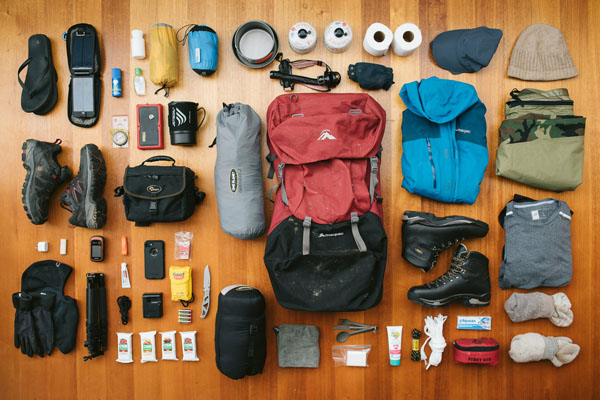
Ensure you have high-quality, appropriate gear for all weather conditions. This includes layers for warmth, waterproof outer shells, sturdy hiking boots, a warm sleeping bag, and trekking poles. Your operator will provide a detailed packing list.
Mental Preparation
Understand the challenges of altitude and the demanding nature of the trek. The extra day can help reduce anxiety by providing a more relaxed pace. Visualize success and focus on the journey.
Choosing a Reputable Operator
Selecting a tour company that prioritizes safety, employs experienced guides, and offers well-structured itineraries with options for extended climbs is paramount. Top Guide Adventures specializes in creating safe and successful Kilimanjaro climbs, offering itineraries that naturally incorporate or can be modified to include an additional acclimatization day. We are committed to providing personal attention and dedicated support for every client on their 2026-2027 adventure.
Why Top Guide Adventures for Your Extended Climb?
At Top Guide Adventures, we understand the critical role of acclimatization. We design our Kilimanjaro itineraries, including those for 2026-2027, with safety and success at the forefront. Our guides are highly trained in altitude management and first aid. We strongly recommend and facilitate Kilimanjaro climbs with an additional acclimatization day on routes like Lemosho and Machame (8 and 7 days respectively) to give you the best possible chance of reaching Uhuru Peak comfortably and safely. We offer complete travel experiences across Tanzania, ensuring your adventure is supported from start to finish.
Making the Decision for 2026-2027
Deciding on the length of your Kilimanjaro climb is a significant choice. While budget and time constraints are real, the benefits of adding an extra acclimatization day for your 2026-2027 trek are undeniable. It’s not just about adding a day; it’s about investing in:
- Your Safety: Significantly reducing the risk of altitude sickness.
- Your Success: Dramatically increasing your chances of reaching the summit.
- Your Experience: Making the entire journey more enjoyable, less stressful, and more memorable.
For most trekkers, especially those who haven’t experienced high altitudes before or have had issues in the past, a 7-day or 8-day itinerary is the optimal choice. It represents the best balance between effective acclimatization and a manageable trip duration.
Booking Your Kilimanjaro Climb with Extra Acclimatization
When you’re ready to book your Kilimanjaro adventure for 2026 or 2027, reach out to experienced tour operators like Top Guide Adventures. We can help you select the most suitable route and itinerary length based on your experience, fitness, and goals. A Kilimanjaro climb with an additional acclimatization day is our recommended approach for maximizing your chances of a successful and rewarding summit experience.
Contact us today to discuss your dream Kilimanjaro climb:
WhatsApp: +255616946642
Email: topguideadventures@gmail.com
Backup Email: info@topguideadventures.com
Let us help you plan an unforgettable Kilimanjaro climb with the best possible acclimatization strategy for 2026-2027.
Frequently Asked Questions About Extra Acclimatization Days on Kilimanjaro
Is a 7-day Kilimanjaro climb significantly better than a 6-day climb?
Yes, a 7-day climb, particularly on routes like Machame or Lemosho, is significantly better than a 6-day climb primarily because it incorporates an additional acclimatization day. This extra day allows your body more time to adjust to the altitude, which is crucial for preventing altitude sickness and increasing your chances of reaching the summit safely and comfortably. Many operators offer 7-day versions of popular routes specifically for this reason.
How much does an extra acclimatization day add to the cost?
An additional acclimatization day typically adds approximately 5-10% to the total cost of your Kilimanjaro climb. This increase covers additional park fees, porter and guide wages for an extra day, and extra food and supplies. For 2026-2027 expeditions, this is a small but vital investment in your safety and success.
Which Kilimanjaro routes are best for adding an acclimatization day?
The routes that are naturally longer and designed for gradual ascent are best. The Machame Route (7 days) and the Lemosho Route (8 days) are excellent choices. The Northern Circuit (9 days) is the longest and offers the best acclimatization by default. Even the Marangu Route benefits from a 6-day itinerary over a 5-day one.
Will I get altitude sickness even with an extra acclimatization day?
While an extra acclimatization day significantly reduces the risk of altitude sickness, it does not eliminate it entirely. Altitude sickness is complex and depends on individual physiology, rate of ascent, and hydration. However, a slower pace and more time to adapt make symptoms much less likely and more manageable if they do occur. Proper hydration, pacing, and listening to your body remain critical.
Is it possible to add an acclimatization day to any Kilimanjaro route?
It is generally possible to add a day to most routes, especially the popular ones like Machame, Lemosho, Rongai, and Marangu. However, some routes, like Umbwe, are already very fast-paced and steep, making the addition of a day less effective for acclimatization compared to longer, more gradual routes. For the best results, choose a route that already has a good acclimatization profile and extend that.
When should I book my 2026-2027 Kilimanjaro climb with an extra day?
It is highly recommended to book your Kilimanjaro climb for 2026 or 2027 at least 6-12 months in advance, especially if you are requesting a specific itinerary length like a 7-day Machame or 8-day Lemosho. Popular dates and longer itineraries get booked up quickly. Early booking ensures availability and allows ample time for preparation.
Your Safest Path to Uhuru Peak: The Power of Extra Acclimatization
Choosing a Kilimanjaro climb with an additional acclimatization day is the single most impactful decision you can make to ensure a safe, successful, and enjoyable ascent of Africa’s highest peak. For trekkers planning their expeditions in 2026 and 2027, this strategy is not a luxury but a vital component of responsible mountain travel. By allowing your body the time it needs to adapt to the extreme altitude, you dramatically reduce the risks associated with Acute Mountain Sickness, significantly boost your chances of reaching Uhuru Peak, and, most importantly, enhance your overall experience of this incredible journey. While it may involve a slight increase in cost and duration, the peace of mind and the increased likelihood of summit success make it an investment that pays dividends. Let Top Guide Adventures help you craft the perfect Kilimanjaro climb, tailored to your needs, with the optimal acclimatization strategy for your 2026-2027 adventure. Contact us today to start planning.
Check Availability for Kilimanjaro Climb With An Additional Acclimatization Day: Your Best Strategy
Ready to compare dates, prices, and the best option for your group? Send the package name and travel month so the team can reply with a clear quote, availability, and what is included.

Best Acclimatization Hikes Near Kilimanjaro For Climbs 2026-2027
Optimize your Kilimanjaro climb by selecting the best acclimatization hikes near the mountain. This guide details essential pre-climb training and routes for 2026-2027.
View package details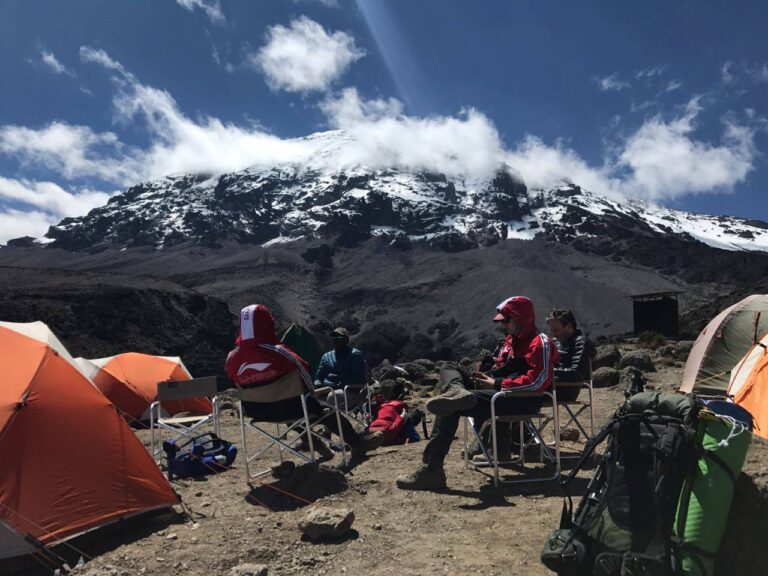
Mount Longido Acclimatization Hike Before Kilimanjaro Climb | Top Guide
Discover why a Mount Longido acclimatization hike is crucial for Kilimanjaro success. Learn about its benefits, routes, and how Top Guide Adventures can integrate it into your 2026-2027...
View package details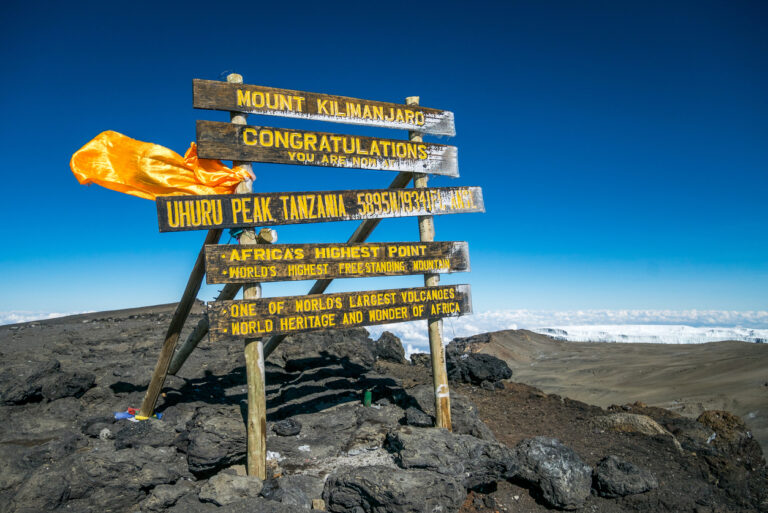
Three-Day Pre-Kilimanjaro Acclimatization Tour: Optimize Your Climb 2026-2027
Enhance your Kilimanjaro climb with a strategic three-day pre-climb acclimatization tour. This expert guide covers why it's crucial, what to expect, and how Top Guide Adventures can tailor...
View package details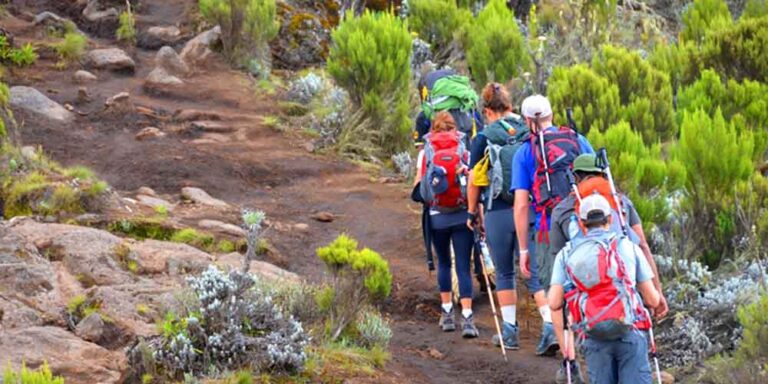
Kilimanjaro Climb With Lactose-Free Meals: Your Complete Guide For 2026-2027
Climbing Mount Kilimanjaro with specific dietary needs, like lactose intolerance, is entirely achievable. This comprehensive guide details how to manage lactose-free meals on your trek...
View package details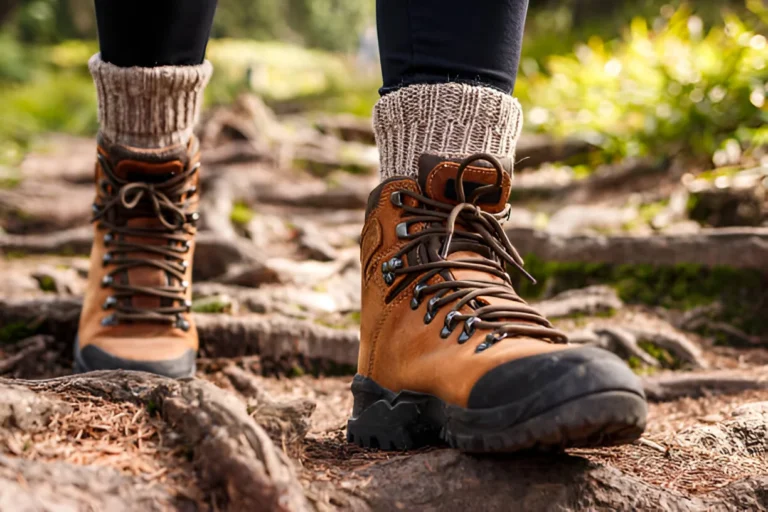
Kilimanjaro Climb For Travellers With Food Allergies 2026-2027
Kilimanjaro Climb for Travellers with Food Allergies is explained with current 2026-2027 planning, price, itinerary and booking information.
View package detailsKilimanjaro Climb With Kosher-Friendly Food Planning In 2026-2027
Successfully summiting Mount Kilimanjaro requires meticulous planning, especially when adhering to specific dietary requirements like Kosher food. This guide provides comprehensive insights...
View package details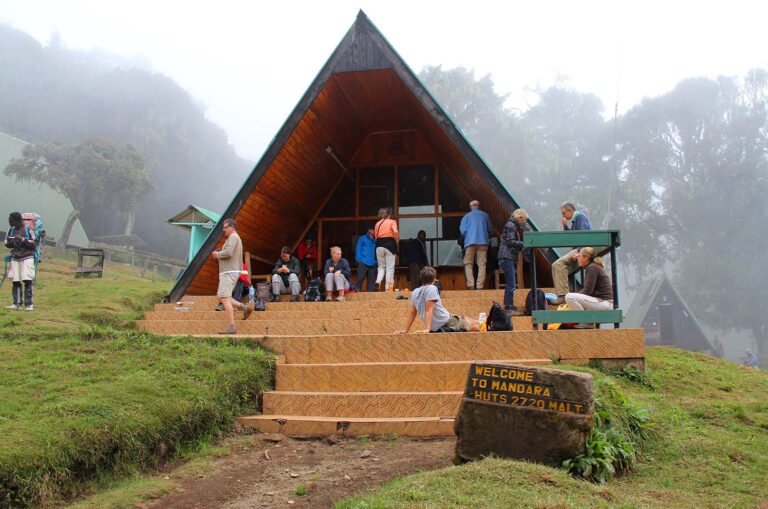
Kilimanjaro Climb With Halal Meals: Your Guide For 2026-2027
Climb Mount Kilimanjaro with confidence, knowing your dietary needs are met. Top Guide Adventures provides specialized Halal meal planning for your 2026-2027 trek, ensuring a safe and...
View package details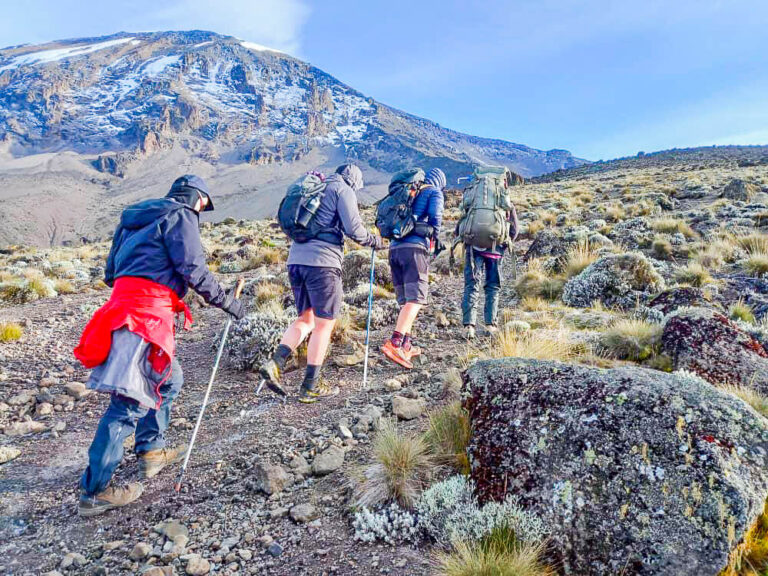
Kilimanjaro Climb With Gluten-Free Food: Your Essential Guide For 2026-2027
Climbing Mount Kilimanjaro is an incredible adventure, and dietary needs, like requiring gluten-free food, should not be a barrier. Top Guide Adventures specializes in providing safe...
View package details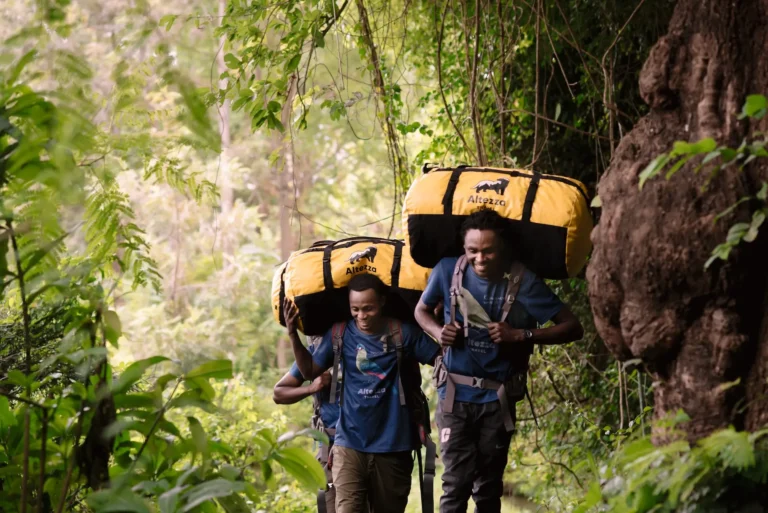
Kilimanjaro Climb With Vegan Mountain Meals: Your Expert Guide For 2026-2027
Embarking on a Kilimanjaro climb is a monumental achievement, and ensuring you have the right nutrition, especially with specific dietary needs like veganism, is crucial for success. Top...
View package details
Kilimanjaro Climbing Package With Vegetarian Meals Guide
Planning a Kilimanjaro climb with specific dietary needs? This guide details Kilimanjaro climbing packages that cater to vegetarians, covering routes, meal preparation, and what to expect...
View package details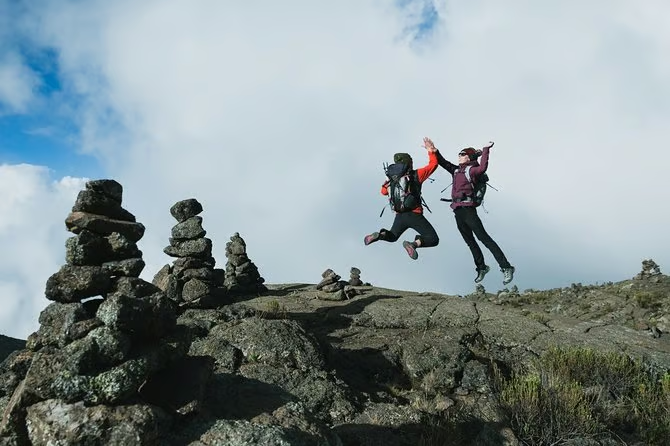
Kilimanjaro Prescription Medication Packing Guide For Climbs 2026-2027
Planning a Kilimanjaro climb in 2026 or 2027? This comprehensive guide details exactly what prescription medications you need to pack, how to carry them safely, and crucial advice for a...
View package details
Kilimanjaro Personal First-Aid Kit Checklist For A Safe Climb 2026-2027
Prepare for your Kilimanjaro climb with a comprehensive personal first-aid kit checklist. This guide covers essential items, from basic wound care to altitude sickness remedies, ensuring...
View package detailsNo related package matches those filters. Clear one or more filters to see the other topic-matched options.



