
The Kilimanjaro route with the gentlest altitude profile is generally considered to be the Marangu Route, often referred to as the ‘Coca-Cola’ route due to its popularity and relative comfort. While other routes like Lemosho also offer good acclimatization, Marangu’s unique hut accommodation and gradual, steady ascent make it a preferred choice for trekkers prioritizing a gentler climb. For those planning a 2026 or 2027 ascent, understanding the nuances of each route’s altitude gain is key to selecting the best option for your comfort and success.
Understanding Altitude and Kilimanjaro Routes
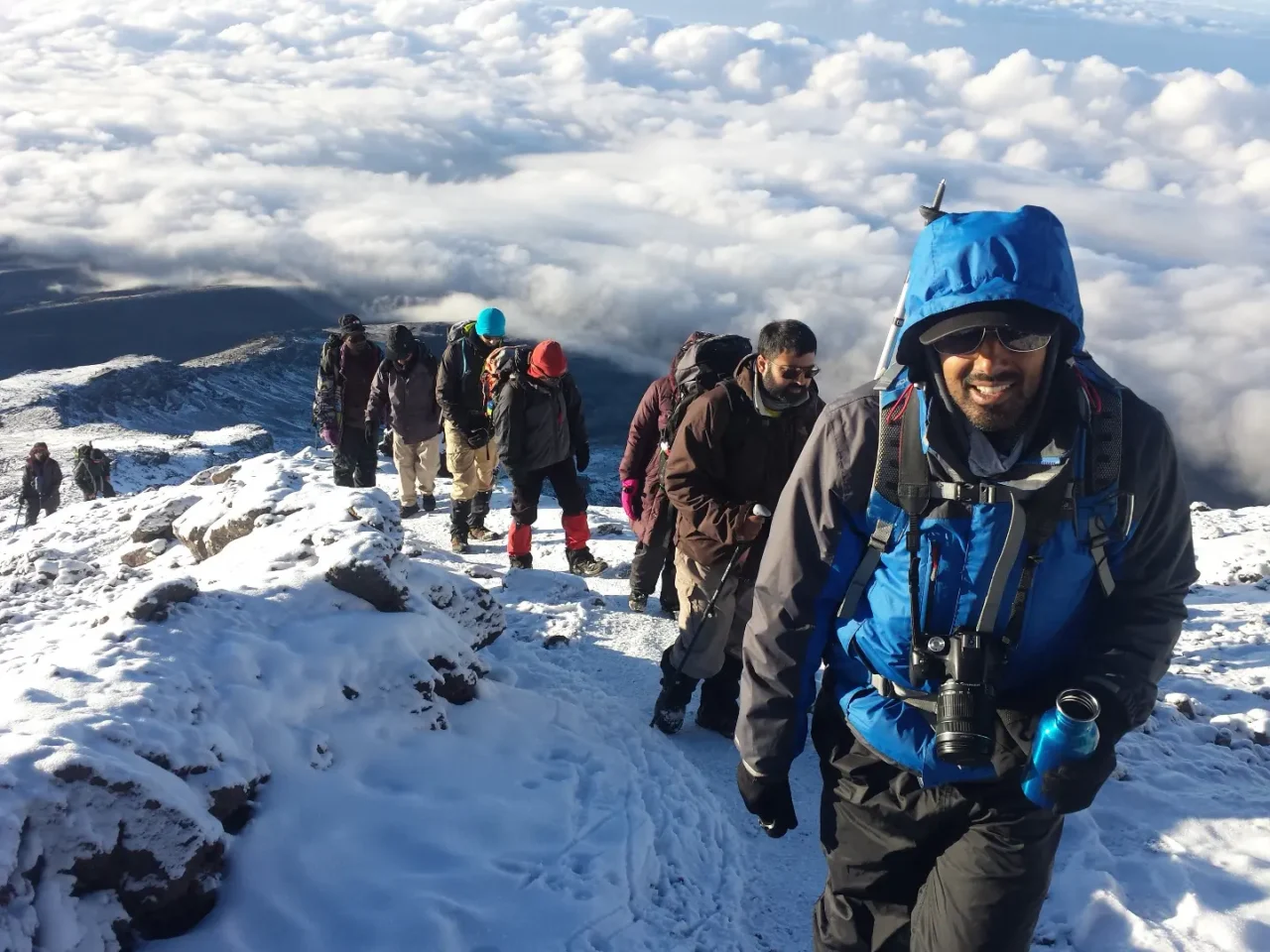
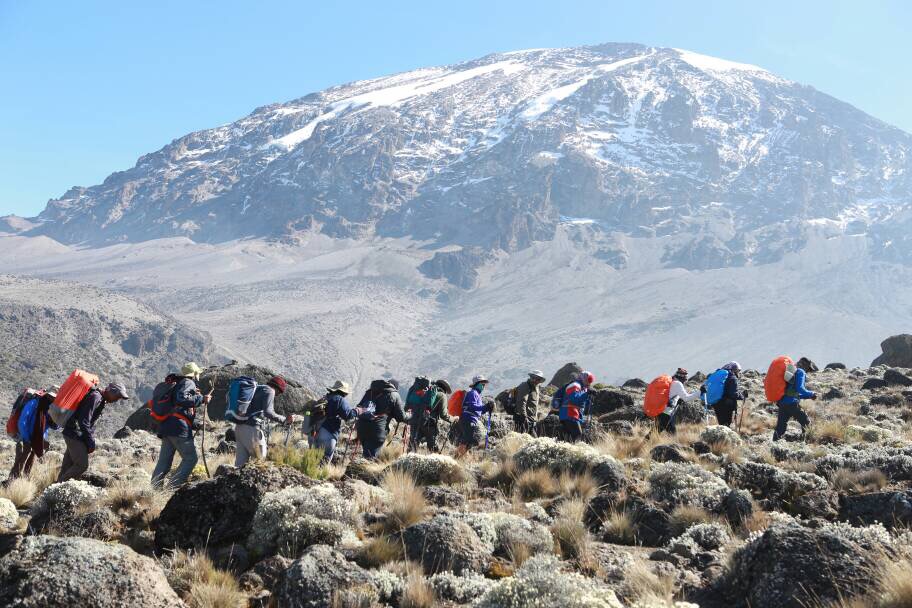
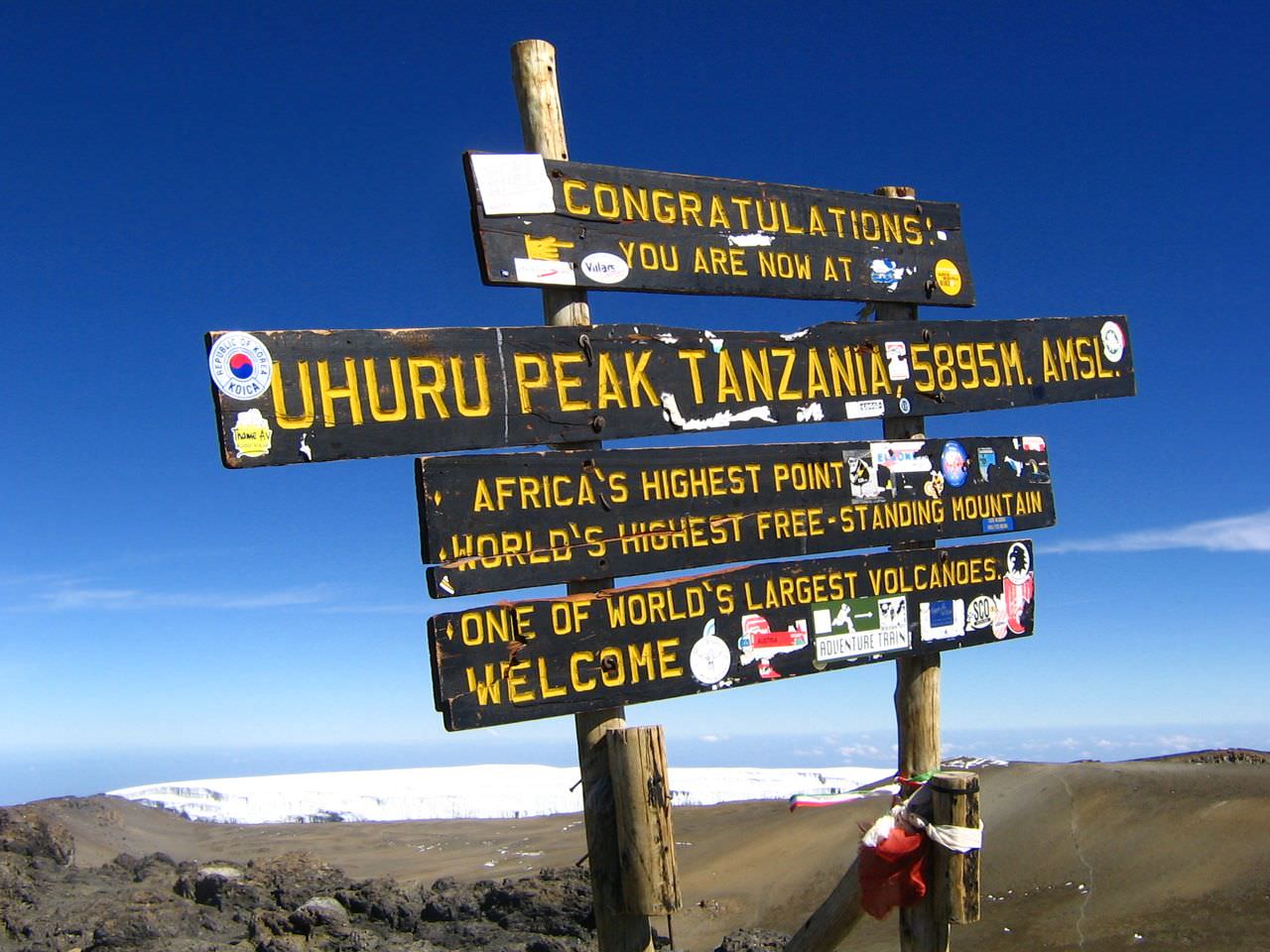
Mount Kilimanjaro, the Roof of Africa, stands majestically at 5,895 meters (19,341 feet). While it’s a non-technical climb, the sheer altitude presents the most significant challenge. The primary concern for many aspiring climbers is altitude sickness, also known as Acute Mountain Sickness (AMS). AMS can affect anyone, regardless of fitness level, and is directly related to the rate of ascent and insufficient acclimatization. Therefore, selecting a Kilimanjaro route with a gentle altitude profile is paramount for a safer and more enjoyable experience, significantly increasing your chances of reaching the summit in 2026 or 2027.
A ‘gentle altitude profile’ on Kilimanjaro refers to a route that:
- Ascends gradually over a longer period, allowing the body more time to adapt to decreasing oxygen levels.
- Avoids steep, rapid ascents, particularly above the ‘death zone’ (typically considered above 8,000 meters).
- Incorporates rest days or shorter daily trekking distances in the initial stages.
- Offers opportunities for ‘climb high, sleep low’ strategies, though this is less common on Kilimanjaro than on some other high-altitude peaks.
The choice of route can dramatically impact your acclimatization. A poorly chosen route with a rapid ascent profile can lead to AMS, forcing an early descent and a failed summit attempt. For trekkers concerned about their response to altitude, prioritizing a route known for its gentle gradient is a wise decision. This guide will explore the routes that best fit this criterion, helping you plan your Kilimanjaro adventure for 2026 or 2027.
The Marangu Route: The Classic Choice for Gentle Ascent
The Marangu Route is often the first one people consider when looking for a less strenuous Kilimanjaro climb. Its reputation for being the easiest and most comfortable stems from several key factors:
- Hut Accommodation: Unlike all other routes which use camping, Marangu provides dormitory-style huts at each campsite. This offers a significant comfort advantage, shielding climbers from the elements and providing more comfortable sleeping conditions.
- Gradual Slope: The Marangu route ascends via a more direct path, but its overall gradient is less steep in the initial stages compared to some other routes. This allows for a steadier, more consistent gain in altitude.
- Wider Paths: Generally, the paths on Marangu are wider and less rugged, making the walking less physically demanding on the legs and joints.
- Shorter Itineraries: While it can be extended, Marangu is often done in 5 days, though a 6-day option is highly recommended for better acclimatization. The 6-day itinerary is crucial for anyone seeking a gentler experience.
Why Marangu has a gentle altitude profile:
The Marangu route’s path is designed to gain altitude steadily. While it is the shortest route in terms of distance to the summit, its 6-day itinerary is specifically structured to allow for progressive acclimatization. The path from Horombo Huts to Kibo Huts is a long day, but it’s done at a relatively consistent gradient. The key advantage is the consistent infrastructure (huts) which means less setup and breakdown, and the ability to get out of the cold quickly. This consistency aids in maintaining a steady pace and focus, which can be beneficial for acclimatization.
Pros of the Marangu Route for Altitude Concern:
- Comfort: Sleeping in huts is a significant comfort factor, especially for those new to multi-day trekking.
- Acclimatization Support: The 6-day itinerary provides a reasonable, though not optimal, acclimatization schedule.
- Faster Descent: The descent is quicker than on some longer routes, meaning less time spent descending in potentially challenging conditions.
Cons of the Marangu Route for Altitude Concern:
- Lower Success Rate (especially 5-day): The 5-day itinerary is notoriously rushed, leading to lower success rates due to poor acclimatization. The 6-day option significantly improves this.
- Crowds: It’s the most popular route, meaning you’ll likely encounter more trekkers, especially during peak seasons for 2026 and 2027 climbs.
- Less Scenic: Some argue it’s less scenic than routes like Lemosho or Machame, as it uses the same path for ascent and descent.
For a climber prioritizing a gentle altitude profile and comfort, the 6-day Marangu route is a strong contender. However, it’s essential to acknowledge that even this route requires respect for the altitude and proper preparation.
The Lemosho Route: Balancing Scenery, Success, and Acclimatization
The Lemosho Route is a relatively newer addition to the Kilimanjaro trekking scene, gaining immense popularity for its stunning scenery, excellent acclimatization profile, and high success rates. While not as ‘gentle’ in terms of accommodation as Marangu (it’s a camping route), its ascent profile is often considered superior for acclimatization, especially on its longer itineraries.
Why Lemosho offers a gentle altitude profile:
Lemosho is renowned for its longer duration options, typically 7 or 8 days. This extended time on the mountain is the key to its excellent acclimatization. The route starts at a lower altitude and takes a more circuitous path around the mountain, allowing trekkers to gradually gain altitude. A significant advantage of Lemosho is its ‘climb high, sleep low’ opportunities, particularly on the longer itineraries. For example, trekkers might ascend to a higher point during the day and then descend to a lower camp to sleep, which aids physiological adaptation to altitude.
Key features contributing to its gentle profile:
- Longer Duration: 7 or 8-day itineraries are standard, providing ample time for acclimatization.
- Gradual Ascent: The route’s path is designed to ascend slowly and steadily, avoiding sharp, rapid gains.
- Scenic Variety: Lemosho traverses different ecological zones and offers impressive views, making the journey more engaging.
- Lower Crowds (initially): It starts in a more remote part of the mountain, offering a more secluded experience in the early days.
Pros of the Lemosho Route for Altitude Concern:
- High Success Rates: The extended duration and excellent acclimatization profile lead to significantly higher summit success rates.
- Superb Scenery: Offers arguably the most beautiful and diverse scenery on Kilimanjaro.
- Good Acclimatization: The gradual ascent and ‘climb high, sleep low’ potential are excellent for altitude adaptation.
Cons of the Lemosho Route for Altitude Concern:
- Camping: Requires sleeping in tents, which some may find less comfortable than huts.
- Cost: Typically more expensive than Marangu due to the longer duration and logistics.
- Can be busy later on: The latter parts of the Lemosho route merge with other popular routes like Machame, so it can become crowded.
For those planning a 2026 or 2027 climb who prioritize acclimatization and success rates over hut accommodation, the 7 or 8-day Lemosho route is an outstanding choice. Its gentle altitude profile is a major factor in its popularity among serious trekkers.
Comparing Routes by Altitude Profile and Acclimatization
To truly understand which route offers the gentlest altitude profile, it’s helpful to compare them directly. While Marangu is known for comfort and steady ascent, Lemosho excels in its duration and gradual progression. Other popular routes like Machame, Shira, and Rongai also have varying profiles.
Machame Route: Popular but Steeper
The Machame Route is often called the ‘Whiskey Route’ and is the most popular camping route. It’s known for its scenic beauty and good acclimatization, particularly on its 7-day itinerary. However, it features some steep ascents, notably the Barranco Wall climb. While the 7-day Machame offers good acclimatization, its daily altitude gains can be more pronounced than Lemosho’s on shorter itineraries. It’s a good route, but perhaps not the *gentlest* in terms of steady, slow altitude gain compared to an 8-day Lemosho.
Shira Route: High Starting Point, Faster Ascent
The Shira Route is similar to Lemosho but starts at a higher altitude. This higher starting point can be a disadvantage for acclimatization, as the body has less ‘room’ to adapt gradually. While it offers beautiful scenery, its altitude profile is generally considered more aggressive in the initial days than Lemosho, making it less ideal for those specifically seeking the gentlest ascent. It’s often recommended for trekkers who have previously acclimatized well to high altitudes.
Rongai Route: Drier Side, Steady Approach
The Rongai Route approaches Kilimanjaro from the north, on the border with Kenya. It’s known for being drier and less crowded than the southern routes. Rongai offers a steady, gradual ascent, making it a good option for acclimatization. It typically takes 6 or 7 days. The 7-day Rongai offers a very good acclimatization profile, comparable to Lemosho in its steadiness, though perhaps with less dramatic scenery in the early stages. Its gentle, consistent ascent makes it a strong contender for those prioritizing a slow climb.
Umbwe Route: Steep and Challenging
The Umbwe Route is the shortest and steepest route. It ascends very rapidly and is considered the most challenging route on Kilimanjaro. It is absolutely not suitable for anyone seeking a gentle altitude profile and is generally recommended only for experienced high-altitude trekkers who are already well-acclimatized.
Northern Circuit: Longest and Best Acclimatization
The Northern Circuit is the longest route on Kilimanjaro, typically taking 9 or more days. Because of its extended duration, it offers the best acclimatization profile of all routes. It circumnavigates the mountain and offers spectacular views. While it might be considered the ‘gentlest’ in terms of altitude gain per day and overall acclimatization, its length means a longer commitment and higher cost. For those who have the time and budget for 2026 or 2027, the Northern Circuit is arguably the best for minimizing altitude issues.
Summary Table: Altitude Profile Comparison
| Route | Typical Days | Acclimatization Profile | Accommodation | Gentlest Overall? |
|---|---|---|---|---|
| Marangu | 5-6 | Steady, but can be rapid on 5-day | Huts | Good (6-day) |
| Lemosho | 7-8 | Excellent, gradual, ‘climb high, sleep low’ | Camping | Excellent |
| Machame | 6-7 | Good, but some steep sections | Camping | Good |
| Rongai | 6-7 | Very good, steady ascent | Camping | Excellent |
| Shira | 7-8 | Good, but higher start | Camping | Fair |
| Northern Circuit | 9+ | Best, longest, most gradual | Camping | Best |
| Umbwe | 5-6 | Very rapid, challenging | Camping | Poor |
Based on this comparison, the Northern Circuit offers the best acclimatization and gentlest altitude profile due to its length. However, if we consider popular and more commonly chosen routes, the 6-day Marangu (for comfort and steady ascent) and the 7 or 8-day Lemosho (for excellent acclimatization and high success rates) stand out as prime choices for those prioritizing a gentle climb for their 2026 or 2027 Kilimanjaro expedition.
Factors Beyond the Route: Optimizing Your Climb
While the route selection is critical for a gentle altitude profile, several other factors play a significant role in your body’s response to altitude and your overall success. For any climb planned for 2026 or 2027, consider these elements:
1. Duration of the Trek
This is perhaps the most crucial factor after the route itself. Longer treks inherently allow for better acclimatization. The general rule of thumb is that for every 1,000 meters gained, you should spend at least one extra day acclimatizing. Kilimanjaro routes range from 5 to 9+ days. While a 5-day Marangu is possible, it’s widely considered too short for adequate acclimatization, leading to a lower success rate. Opting for at least a 6-day route is highly recommended, and 7, 8, or 9+ days offer progressively better acclimatization and comfort at altitude.
2. Daily Ascents and Descents
Look at the daily elevation gains and losses. Routes that involve significant rapid ascents, especially above 3,000 meters, increase the risk of AMS. Similarly, routes that have you descend significantly after reaching a high point and then ascend again rapidly can be challenging. The gentlest profiles minimize these sharp fluctuations and focus on steady, progressive gain.
3. Starting Altitude
While Kilimanjaro’s base camp is around 1,800 meters, some routes, like Shira, start much higher (around 3,600 meters). Starting at a higher altitude means your body has less opportunity to acclimatize gradually from sea level. Routes that begin at lower elevations and ascend slowly are more forgiving.
4. Physical Fitness
While fitness doesn’t prevent altitude sickness, being in good cardiovascular shape means your body is more efficient. Strong legs and endurance will make the physical exertion of climbing less taxing, allowing you to focus more on your breathing and acclimatization. Prepare by doing regular aerobic exercises like hiking, running, or cycling for several months leading up to your 2026 or 2027 climb.
5. Hydration and Nutrition
Staying well-hydrated is vital at altitude. Dehydration can mimic symptoms of AMS. Drink plenty of water throughout the day. Likewise, maintain good nutrition. Your appetite may decrease at altitude, but try to eat balanced meals to keep your energy levels up.
6. Pace – ‘Pole Pole’
The Swahili phrase ‘pole pole’ means ‘slowly, slowly.’ This is the mantra for climbing Kilimanjaro. Walking slowly conserves energy and, crucially, allows your body more time to acclimatize. Rushing uphill is a sure way to invite AMS. Listen to your guides; they will set a pace that is appropriate for acclimatization.
7. Pre-Acclimatization (Optional but Beneficial)
For those particularly concerned about altitude, spending a couple of days at a moderate altitude (e.g., 2,500-3,000 meters) in Tanzania before starting your climb can be very beneficial. This pre-acclimatization allows your body to begin adapting before the main ascent begins.
8. Diamox (Acetazolamide)
Some climbers use Diamox, a prescription medication that can help speed up acclimatization. It’s not a substitute for proper acclimatization but can be a useful tool for some. Consult your doctor well in advance of your 2026 or 2027 climb to discuss whether Diamox is suitable for you.
Choosing Your Operator: The Role of Guides and Support
The quality of your tour operator and guides is as important as the route choice, especially when managing altitude. A reputable company like Top Guide Adventures prioritizes climber safety and success above all else. When selecting an operator for your 2026 or 2027 Kilimanjaro climb, consider:
- Experienced Guides: Look for operators with guides who are certified, experienced, and trained in high-altitude medicine and rescue. They should be adept at recognizing and managing AMS symptoms.
- Safety Protocols: Does the operator have clear safety protocols, including regular health checks during the climb, emergency oxygen, and evacuation plans?
- Group Size: Smaller groups often allow for more personalized attention and better monitoring of individual climbers.
- Itinerary Design: Ensure the operator offers itineraries that prioritize acclimatization, especially for routes known for rapid ascent. They should strongly recommend longer itineraries for those concerned about altitude.
Top Guide Adventures is committed to providing a safe and successful Kilimanjaro experience. We understand the critical importance of acclimatization and design our itineraries, particularly for routes like Lemosho and Marangu, to maximize your chances of reaching Uhuru Peak. Our experienced guides are trained to monitor climbers closely and make informed decisions regarding safety and ascent.
Planning Your 2026-2027 Kilimanjaro Climb: Key Considerations
When planning your Kilimanjaro adventure for 2026 or 2027, timing and preparation are key. Here’s a breakdown:
Best Time to Climb
The best times to climb Kilimanjaro are during the dry seasons:
- January to March: Generally clear skies, but can be colder.
- June to October: Clear skies, pleasant temperatures, and lower humidity. This is often considered the prime season.
While climbing is possible year-round, these periods offer the most favorable weather conditions, which indirectly contribute to a more comfortable climb and better focus on acclimatization. Avoid the rainy seasons (April-May and November-December) if possible.
Booking Your Expedition
For popular seasons in 2026 and 2027, it’s advisable to book your climb at least 6-12 months in advance. This ensures availability, especially if you have specific date preferences or require a private group. Reputable operators like Top Guide Adventures can assist with all aspects of planning, from route selection to logistics.
What to Expect on the Summit Night
Summit night is the most challenging part of the climb, typically starting around midnight. You’ll ascend in the dark, often in cold temperatures, aiming to reach Uhuru Peak by sunrise. This is where the benefits of a good acclimatization profile truly pay off. If you’ve ascended gently and listened to your body, you’ll have a better chance of enduring this demanding final push. The descent from the summit is also long and can be tiring.
Cost Considerations for 2026-2027
The cost of a Kilimanjaro climb varies significantly based on the route, duration, operator, and inclusions. Routes with longer durations (like Lemosho or Northern Circuit) and better acclimatization profiles will generally be more expensive due to increased park fees and logistics. Expect prices to range from approximately $1,800 to $4,000+ USD per person for a reputable operator offering comprehensive packages in 2026-2027. This typically includes:
- Park fees (crucial and substantial)
- Camping/hut fees
- Guide and porter salaries
- All meals on the mountain
- Tents and cooking equipment (for camping routes)
- Group emergency oxygen and first-aid kit
Excluded items usually include flights, visas, travel insurance, personal climbing gear, tips for the crew, and personal expenses.
Making the Final Decision: Route for the Gentlest Altitude Profile
For the absolute gentlest altitude profile, the Northern Circuit (9+ days) is unparalleled due to its length and gradual ascent. It offers the most time for acclimatization and the highest success rates.
However, considering more common and popular options for 2026-2027 climbs:
- If comfort and hut accommodation are a priority alongside a relatively gentle profile, the 6-day Marangu Route is a strong choice. Ensure you select the 6-day option for better acclimatization.
- If maximizing acclimatization, scenery, and success rates are paramount, and you are comfortable with camping, the 7 or 8-day Lemosho Route is arguably the best choice for a gentle and effective ascent. The 8-day Lemosho offers superior acclimatization.
- The 7-day Rongai Route also presents a very steady and gentle ascent, offering a great alternative if you prefer trekking from the north.
Ultimately, the ‘gentlest’ route is a combination of the path itself and the duration you choose. A longer itinerary on any route will provide a gentler acclimatization experience than a shorter one. For your 2026 or 2027 Kilimanjaro adventure, consult with experienced operators who can guide you based on your specific concerns and preferences. The goal is to choose a route and duration that allows your body to adapt comfortably to the increasing altitude, ensuring a safe, enjoyable, and successful summit experience.
Ready to Plan Your Kilimanjaro Climb?
At Top Guide Adventures, we specialize in creating unforgettable Kilimanjaro experiences. We help you choose the route that best suits your needs, prioritizing safety and acclimatization. Whether you’re considering the Marangu, Lemosho, or another route for your 2026 or 2027 climb, our expert team is here to guide you every step of the way. We offer personalized support and ensure all logistical aspects are handled meticulously.
Contact us today to discuss your dream climb:
- WhatsApp: +255616946642
- Email: topguideadventures@gmail.com
- Backup Email: info@topguideadventures.com
Let’s make your Kilimanjaro adventure a reality!
Check Availability for Kilimanjaro Route With The Gentlest Altitude Profile For Climbs 2026-2027
Ready to compare dates, prices, and the best option for your group? Send the package name and travel month so the team can reply with a clear quote, availability, and what is included.
Kilimanjaro Month-By-Month Route Planner: Your Guide 2026-2027
Plan your Kilimanjaro climb with our month-by-month route planner. Covering 2026-2027, we detail weather patterns, route suitability, and expert advice for your successful summit.
View package details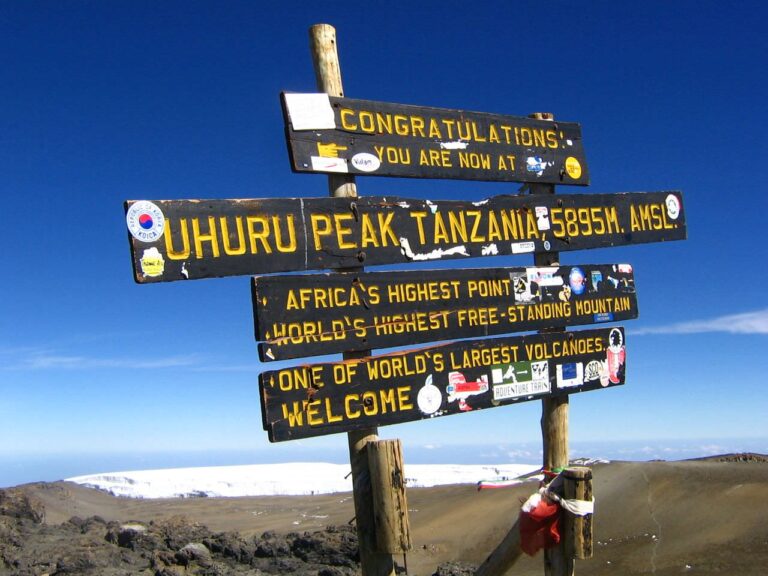
Highest-Altitude Trail Marathon On Mount Kilimanjaro 2026-2027
Highest-Altitude Trail Marathon on Mount Kilimanjaro is explained with current 2026-2027 planning, price, itinerary and booking information.
View package details
Kilimanjaro Climb With Lactose-Free Meals: Your Complete Guide For 2026-2027
Climbing Mount Kilimanjaro with specific dietary needs, like lactose intolerance, is entirely achievable. This comprehensive guide details how to manage lactose-free meals on your trek...
View package details
Kilimanjaro Climb For Travellers With Food Allergies 2026-2027
Kilimanjaro Climb for Travellers with Food Allergies is explained with current 2026-2027 planning, price, itinerary and booking information.
View package detailsKilimanjaro Climb With Kosher-Friendly Food Planning In 2026-2027
Successfully summiting Mount Kilimanjaro requires meticulous planning, especially when adhering to specific dietary requirements like Kosher food. This guide provides comprehensive insights...
View package details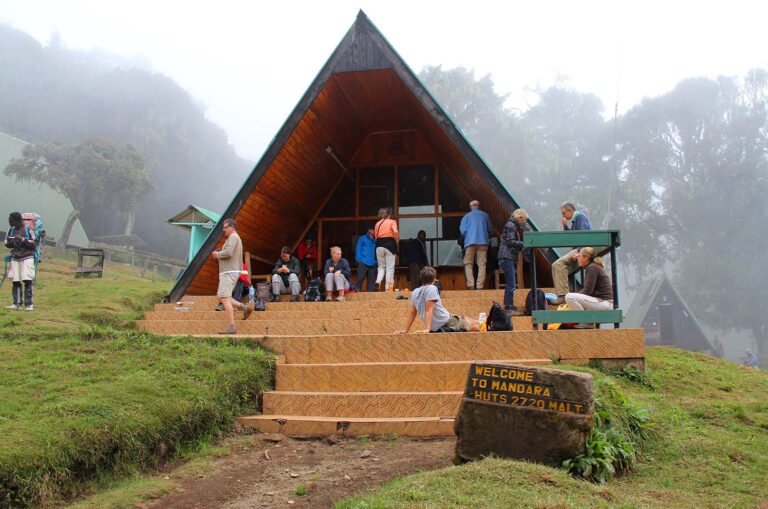
Kilimanjaro Climb With Halal Meals: Your Guide For 2026-2027
Climb Mount Kilimanjaro with confidence, knowing your dietary needs are met. Top Guide Adventures provides specialized Halal meal planning for your 2026-2027 trek, ensuring a safe and...
View package details
Kilimanjaro Climb With Gluten-Free Food: Your Essential Guide For 2026-2027
Climbing Mount Kilimanjaro is an incredible adventure, and dietary needs, like requiring gluten-free food, should not be a barrier. Top Guide Adventures specializes in providing safe...
View package details
Kilimanjaro Climb With Vegan Mountain Meals: Your Expert Guide For 2026-2027
Embarking on a Kilimanjaro climb is a monumental achievement, and ensuring you have the right nutrition, especially with specific dietary needs like veganism, is crucial for success. Top...
View package details
Kilimanjaro Climbing Package With Vegetarian Meals Guide
Planning a Kilimanjaro climb with specific dietary needs? This guide details Kilimanjaro climbing packages that cater to vegetarians, covering routes, meal preparation, and what to expect...
View package details
Kilimanjaro Prescription Medication Packing Guide For Climbs 2026-2027
Planning a Kilimanjaro climb in 2026 or 2027? This comprehensive guide details exactly what prescription medications you need to pack, how to carry them safely, and crucial advice for a...
View package details
Kilimanjaro Contact Lens And Eyeglasses Guide 2026-2027
Kilimanjaro Contact Lens and Eyeglasses Guide is explained with current 2026-2027 planning, price, itinerary and booking information.
View package details
Kilimanjaro Toiletries And Hygiene Packing List: Essential Items For Your
Prepare for your Kilimanjaro climb with Top Guide Adventures' essential toiletries and hygiene packing list. Discover what to bring to stay clean and comfortable on the mountain.
View package detailsNo related package matches those filters. Clear one or more filters to see the other topic-matched options.



