
The highest-altitude trail marathon on Mount Kilimanjaro is not a formally organized annual event by a single entity, but rather an extreme endurance challenge undertaken by highly experienced ultra-runners who arrange specialized expeditions to run sections of the mountain’s trails at significant elevations, often reaching over 5,000 meters (16,400 feet). These are typically private, self-supported or minimally supported ventures focusing on the extreme altitude and technical terrain, rather than a competitive race with established dates, course markings, or official timing for the general public. Planning such an expedition for 2026 or 2027 requires extensive mountaineering and ultra-running experience, custom logistical support, and a deep understanding of high-altitude physiology.
Understanding the Concept: The Highest-Altitude Trail Marathon on Mount Kilimanjaro
The idea of a “Highest-Altitude Trail Marathon on Mount Kilimanjaro” immediately conjures images of extreme physical and mental fortitude. It’s crucial to understand that unlike established marathons in major cities or even other mountainous regions, Kilimanjaro does not host a regularly scheduled, publicly accessible trail marathon at its summit. Instead, the concept refers to the extraordinary feat of ultra-endurance athletes who design and execute their own challenging runs on the mountain’s trails, often pushing the boundaries of human capability at extreme altitudes. These are not typically events you can sign up for through a standard race registration; they are highly specialized expeditions that demand meticulous planning, expert guidance, and a profound respect for the mountain’s formidable environment.
For runners contemplating such an undertaking for 2026 or 2027, the focus is less on competition and more on personal achievement against the backdrop of one of Africa’s most iconic natural landmarks. This involves navigating steep ascents, rugged terrain, and the thinning air that accompanies extreme elevations, often well above the commonly trekked routes. The ‘marathon’ distance (42.195 kilometers or 26.2 miles) at these altitudes presents a unique set of challenges that dwarf even standard trail marathons at sea level.
The Uniqueness of a Kilimanjaro High-Altitude Run
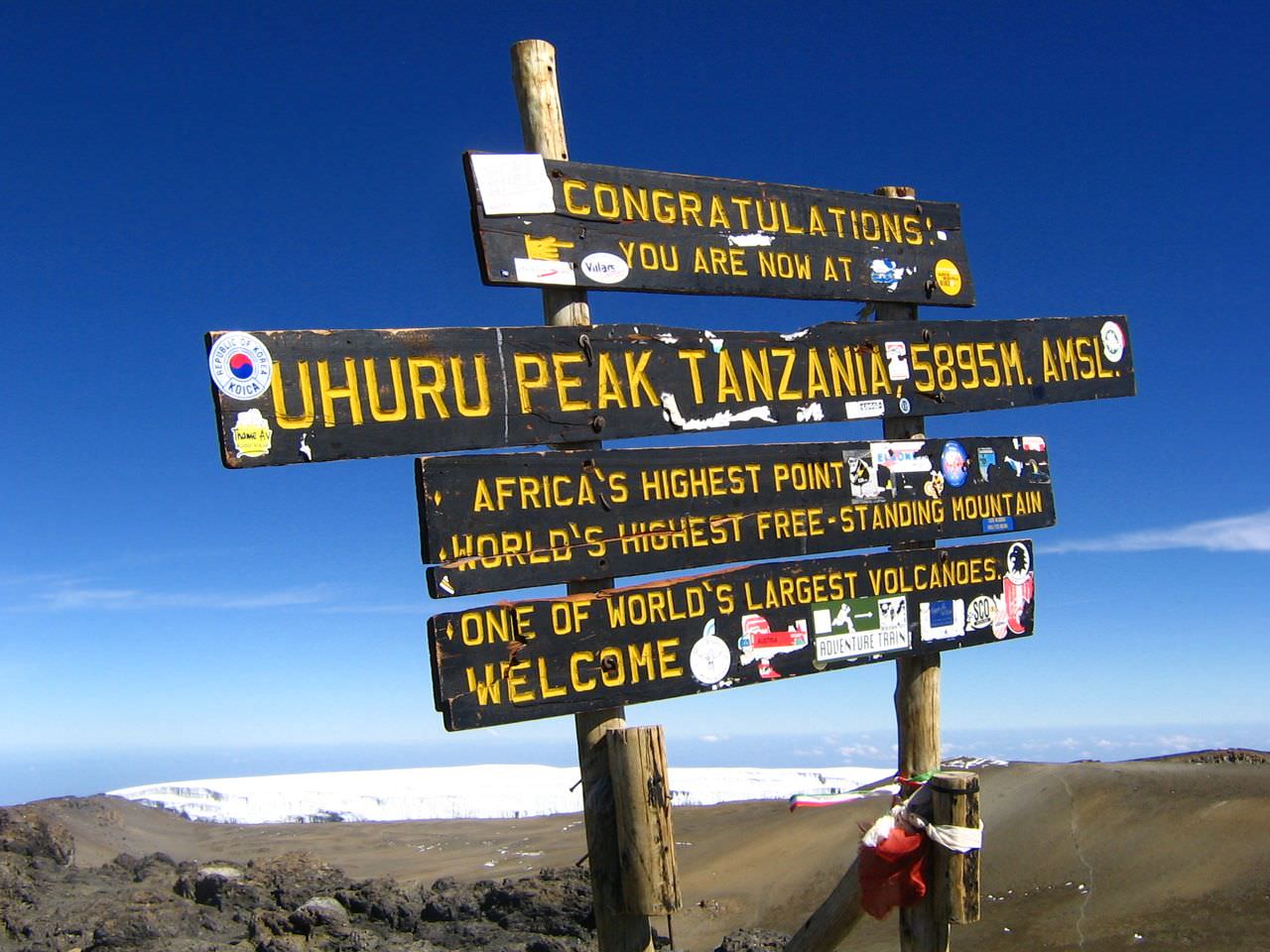
Mount Kilimanjaro, standing at 5,895 meters (19,341 feet) above sea level, is not just a mountain; it’s a volcanic massif with diverse ecological zones and a variety of trails. A high-altitude trail marathon here would push participants to their physiological limits. The air pressure at 5,000 meters is roughly half that at sea level, meaning the body receives significantly less oxygen with each breath. This hypoxia impacts energy levels, cognitive function, and recovery, making even simple tasks incredibly demanding. Running a marathon distance under these conditions is an extreme test of endurance, acclimatization, and mental resilience.
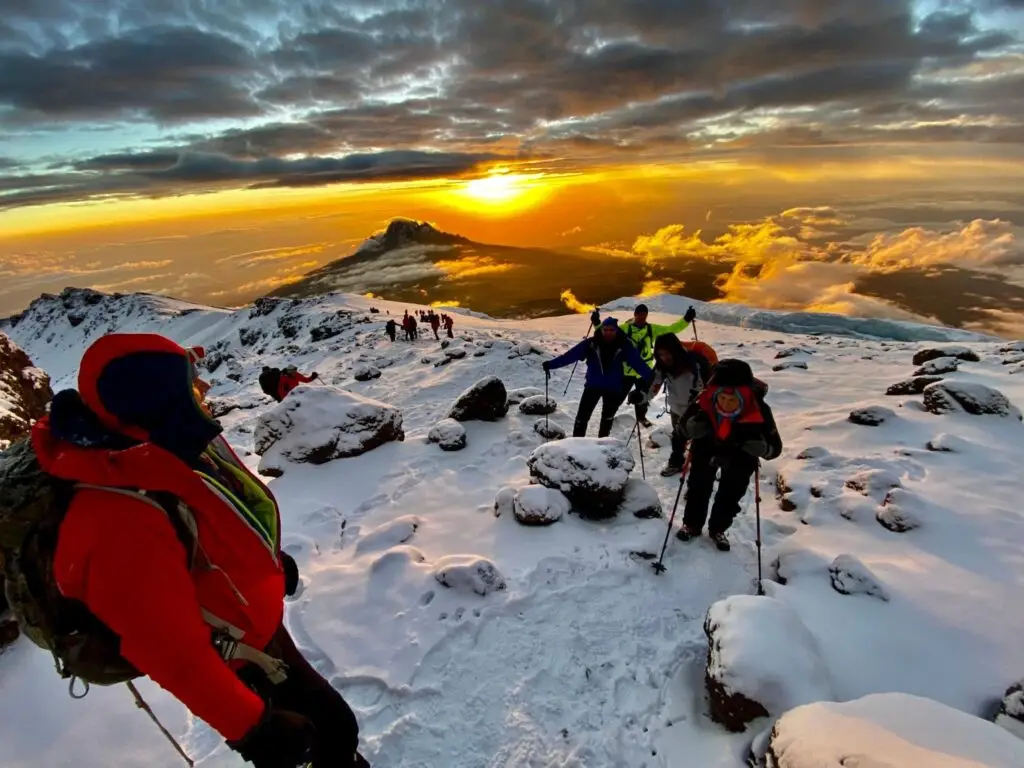
The ‘trail’ aspect adds another layer of complexity. Unlike paved roads, Kilimanjaro’s paths range from well-trodden tracks to scree slopes, rocky outcrops, and potentially icy sections, especially near the summit. This requires exceptional trail running skills, appropriate gear, and constant vigilance. The highest points of such a run would likely traverse the summit cone, potentially including areas near Stella Point or Uhuru Peak, which are characterized by loose volcanic scree and exposed, challenging terrain.
Key Differences from Standard Marathons
- Altitude: The primary differentiator. Running at over 5,000 meters is vastly different from running at sea level or even moderate altitudes.
- Terrain: Kilimanjaro’s trails are rugged, unpredictable, and can change rapidly with weather conditions.
- Logistics: No official race infrastructure means runners must arrange all support, safety, and navigation themselves or through specialized operators.
- Physiological Impact: Altitude sickness, extreme cold, and reduced oxygen availability are constant threats.
- Permits and Access: While trekking routes are regulated, undertaking an extreme running expedition may involve additional permissions and coordination with park authorities.
Who Undertakes a Kilimanjaro High-Altitude Trail Marathon?
This is not an event for the casual runner or even the experienced marathoner. An expedition to complete a high-altitude trail marathon on Kilimanjaro is reserved for individuals who possess a rare combination of skills and experience:
- Elite Ultra-Runners: Athletes with a proven track record in extreme endurance events, particularly those involving significant elevation gain and challenging conditions.
- Experienced Mountaineers: Individuals with a strong background in high-altitude trekking and mountaineering, understanding the risks and demands of alpine environments.
- Adventure Athletes: Those who thrive on pushing personal boundaries and seek unique, challenging expeditions in remote locations.
- Research and Record Attempts: Occasionally, such runs are undertaken as part of scientific research into high-altitude physiology or to set new endurance records.
Participants must demonstrate a high level of self-sufficiency, excellent physical condition, and a profound understanding of altitude acclimatization protocols. Mental toughness is paramount, as the body and mind will be pushed to their absolute limits.
Planning Your Expedition: 2026-2027 Considerations
Given that this is a self-organized expedition rather than a public race, planning is paramount. If you are considering undertaking such a challenge in 2026 or 2027, here are critical factors to address:
1. Route Selection
Choosing the right route is fundamental. While many trekkers use routes like Machame, Lemosho, or Marangu, an ultra-runner might select a path that offers access to higher elevations more quickly or presents specific terrain challenges. However, safety and acclimatization are always the priority. Common routes for the summit push include:
- Mweka Route: Often used for descent, but parts could be incorporated.
- Umbwe Route: Known for being steep and direct, offering a challenging ascent.
- Summit Cone: The final ascent from Barafu Camp (or Kibo Hut) to Stella Point and Uhuru Peak is the most critical and highest section. A marathon distance could potentially be designed to incorporate significant portions of this final push, perhaps starting from a lower camp and extending to the summit and back down to a predetermined point.
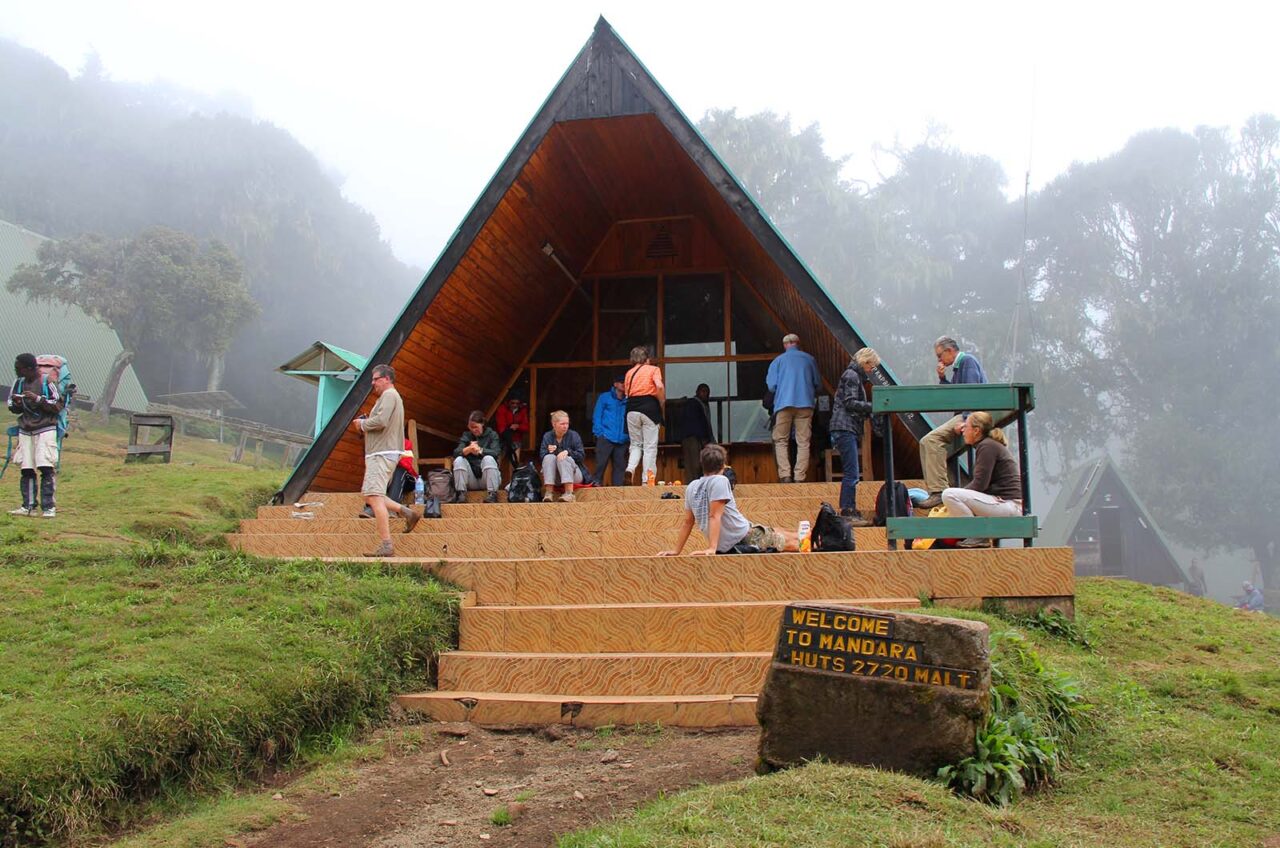
A hypothetical route might involve starting at a high camp like Barafu (around 4,673 meters) and running a loop that includes the summit (Uhuru Peak) and returns, or a point-to-point run from a higher starting point on a less-trafficked path if accessible and permissible.
2. Acclimatization Strategy
This is arguably the most critical element for survival and success. Rushing acclimatization is a recipe for disaster. A standard Kilimanjaro climb takes 5-9 days to allow the body to adjust to the altitude. For a marathon attempt, a significantly longer acclimatization period is essential, potentially involving:
- Pre-acclimatization: Spending time at high altitudes in other locations before arriving in Tanzania.
- Extended Kilimanjaro Trek: Ascending Kilimanjaro via a standard route over 7-10 days, reaching the summit, and then descending to a lower altitude before attempting the marathon run. This allows the body to adapt, recover, and then be tested.
- Staged Running: Breaking the marathon into segments over several days, with significant rest and acclimatization at altitude between runs.
Attempting a full marathon distance in a single push at extreme altitudes without proper acclimatization is extremely dangerous and strongly discouraged.
3. Logistical Support and Safety
Since this is not an organized event, all support must be meticulously arranged. This includes:
- Experienced Guides: Hiring certified high-altitude guides and potentially mountain rescue specialists. Top Guide Adventures can assist in assembling such a specialized team for private expeditions.
- Medical Support: Carrying comprehensive medical kits, including treatments for altitude sickness (e.g., Diamox, dexamethasone), and having trained medical personnel available.
- Communication: Satellite phones or two-way radios are essential for emergency communication.
- Nutrition and Hydration: Planning for high-calorie intake and constant hydration, which are crucial at altitude.
- Emergency Evacuation Plan: Having a clear plan and resources for immediate evacuation if necessary.
For those planning for 2026 or 2027, contacting specialized adventure travel companies like Top Guide Adventures early is vital to discuss the feasibility and logistical requirements of such a demanding undertaking. They can help coordinate permits, guides, and safety protocols.
4. Gear and Equipment
The right gear is non-negotiable:
- High-Altitude Running Shoes: Lightweight yet durable with good traction.
- Layered Clothing: Technical fabrics designed for extreme cold, wind, and moisture management. This includes thermal base layers, insulating mid-layers, and a waterproof/windproof outer shell.
- Headwear and Handwear: Warm hat, balaclava, and insulated gloves/mittens.
- Eye Protection: High-quality sunglasses or goggles to protect against intense UV radiation and wind.
- Hydration System: Insulated water bottles or hydration packs that won’t freeze.
- Navigation Tools: GPS device, map, and compass.
- Headlamp: Essential for early starts or running in low light conditions, especially near the summit.
- Trekking Poles: Crucial for stability and reducing strain on legs on steep, uneven terrain.
5. Physical and Mental Preparation
Training must be specific and intense:
- High-Altitude Training: If possible, train at altitude for extended periods.
- Ultra-Marathon Training: Build endurance for long distances with significant elevation gain.
- Strength and Conditioning: Focus on leg strength, core stability, and cardiovascular fitness.
- Mental Rehearsal: Prepare for the psychological challenges of extreme fatigue, discomfort, and potential setbacks.
The Highest-Altitude Trail Marathon Experience: What to Expect
Should you manage to organize such an expedition for 2026 or 2027, the experience will be unlike any other marathon.
The Environment
Kilimanjaro’s summit zone is a stark, alpine desert. Expect:
- Extreme Cold: Temperatures can drop well below freezing, especially at night and during the summit push.
- Thin Air: Persistent shortness of breath, headaches, and fatigue due to low oxygen levels.
- Harsh Sunlight: Intense UV radiation requires constant sun protection.
- Challenging Terrain: Loose scree, rocks, and potentially ice and snow, particularly on the final ascent.
- Wind: Strong, biting winds are common, especially at higher elevations.
The Physical Toll
Running a marathon at this altitude is an extreme physiological stressor. Participants will likely experience:
- Slower Pace: Expect your pace to be dramatically slower than at sea level.
- Altitude Sickness Symptoms: Headaches, nausea, dizziness, and fatigue are common. Severe forms like HAPE (High Altitude Pulmonary Edema) or HACE (High Altitude Cerebral Edema) are life-threatening risks.
- Dehydration and Malnutrition: Increased fluid and calorie needs, coupled with potential appetite loss.
- Muscle Fatigue: Extreme exertion in thin air leads to rapid muscle fatigue.
The Mental Challenge
The psychological aspect is as demanding as the physical. Runners will face:
- Isolation: Even with support, the feeling of being in a vast, challenging environment can be isolating.
- Discomfort: Cold, breathlessness, and physical pain are constant companions.
- Doubt: The urge to quit can be overwhelming.
- Focus: Maintaining concentration on navigation, safety, and pacing is crucial.
Is a Formal ‘Kilimanjaro Trail Marathon’ Likely in 2026-2027?
As of now, there are no official announcements or established dates for a public, organized highest-altitude trail marathon on Mount Kilimanjaro for 2026 or 2027. Such events are logistically complex and carry significant safety risks that make them difficult to manage for a large number of participants. The mountain’s ecosystem and the paramount importance of climber safety mean that large-scale, competitive running events at extreme altitudes are unlikely to be sanctioned in the near future.
However, this does not preclude individuals or small, highly experienced groups from undertaking their own high-altitude running expeditions. Companies like Top Guide Adventures specialize in creating bespoke mountaineering and adventure trips. For 2026 and 2027, if you possess the requisite experience and are seeking to attempt a personal challenge akin to a high-altitude trail marathon, we can discuss tailored expeditions that prioritize safety, acclimatization, and expert support.
Contacting us via WhatsApp +255616946642 or Email topguideadventures@gmail.com / info@topguideadventures.com is the first step to understanding what such a custom expedition might entail.
Alternatives for Endurance Enthusiasts on Kilimanjaro
If a full marathon at the absolute highest altitudes isn’t feasible or advisable, there are still ways to incorporate challenging running elements into a Kilimanjaro adventure:
- High-Altitude Training Runs: During a multi-day acclimatization trek, incorporate running segments on suitable trails at progressively higher camps. This allows for testing running gear and fitness at altitude without the full marathon commitment.
- Downhill Running Focus: While the ascent is about endurance and acclimatization, the descent offers opportunities for controlled, fast running on specific sections, particularly on wider, less technical paths.
- Shorter High-Altitude Runs: Instead of a marathon, aim for a half-marathon or a specific distance challenge (e.g., 10-20 km) at a chosen high-altitude point, ensuring adequate acclimatization and support.
- Trail Running Expeditions on Lower Slopes: Explore the possibility of multi-day trail running adventures on the lower, forested slopes of Kilimanjaro, which offer extensive trail networks and are less impacted by extreme altitude.
These alternatives still provide a significant challenge and a unique experience for runners, while managing the inherent risks more effectively.
Partnering with Top Guide Adventures for Your Kilimanjaro Challenge
While Top Guide Adventures primarily organizes treks and safaris, we understand the unique demands of extreme endurance challenges. For individuals or small groups planning ambitious personal expeditions like a highest-altitude trail run on Kilimanjaro for 2026 or 2027, we offer:
- Custom Expedition Planning: We can help tailor an itinerary that includes extended acclimatization, strategic route planning, and logistical support necessary for high-altitude running.
- Experienced Local Guides: Our guides are intimately familiar with Kilimanjaro’s routes, conditions, and safety protocols. We can assign guides with specific experience in supporting high-endurance athletes.
- Logistical Coordination: We manage park permits, camping arrangements, food supplies, and transportation, allowing you to focus on your performance.
- Safety and Medical Support: We emphasize safety above all. We ensure that appropriate medical kits and emergency communication devices are available and that our team is trained in basic emergency procedures.
For any unique adventure on Kilimanjaro, including those that push the boundaries of traditional trekking, please reach out. We are committed to providing personal attention, care, and dedicated support for every client’s journey.
Why Choose Top Guide Adventures for Bespoke Expeditions?
Our reputation is built on trust and delivering exceptional experiences across Tanzania. For a challenge as unique as a high-altitude trail marathon on Kilimanjaro, you need a partner who understands the local terrain, regulations, and the importance of meticulous planning. We offer:
- Personalized Service: We work closely with you to understand your specific goals and requirements.
- Deep Local Knowledge: Our team’s expertise ensures optimal route selection and timing.
- Commitment to Safety: Your well-being is our top priority.
- Flexibility: We design tailor-made journeys across Northern and Southern Tanzania, including specialized expeditions.
Whether you are planning for the 2026 season or looking ahead to 2027, let us be your trusted partner in organizing the logistical framework for your extraordinary personal challenge on Mount Kilimanjaro.
Getting Started: Contact Us
If you are an experienced ultra-runner or mountaineer considering the ultimate test of running at extreme altitudes on Mount Kilimanjaro, we are here to help you plan your 2026 or 2027 expedition. Please get in touch:
- WhatsApp: +255616946642
- Email: topguideadventures@gmail.com
- Backup Email: info@topguideadventures.com
Let’s discuss how Top Guide Adventures can support your ambitious goal of conquering the highest-altitude trail marathon on Mount Kilimanjaro.
Frequently Asked Questions About High-Altitude Running on Kilimanjaro
Here are some common questions potential participants might have:
What is the highest altitude I can realistically run on Kilimanjaro?
The summit of Kilimanjaro is Uhuru Peak at 5,895 meters (19,341 feet). Running sections of the summit cone, such as the path between Stella Point and Uhuru Peak, is possible but extremely challenging due to altitude, terrain (scree), and cold. A full marathon distance (42.195 km) at this altitude in one go is exceptionally dangerous and not recommended without extensive preparation and support. Most high-altitude running attempts would likely involve significant portions of the final ascent and descent, or staged runs over multiple days.
Are there any official races for a Kilimanjaro Trail Marathon?
Currently, there are no officially organized, public trail marathon races held at the extreme altitudes of Mount Kilimanjaro. The challenges related to altitude, safety, logistics, and environmental impact make such events difficult to sanction and manage. Most high-altitude running on Kilimanjaro is undertaken as a personal expedition or record attempt by experienced individuals or small groups.
How long does it take to acclimatize for high-altitude running on Kilimanjaro?
Proper acclimatization is crucial and takes time. For an attempt at a high-altitude run, especially a marathon distance, spending at least 7-10 days on the mountain, following a gradual ascent profile (like the Machame or Lemosho routes), is recommended before even considering a significant running effort. Some may opt for longer, staged acclimatization or even pre-acclimatization at other high-altitude locations before arriving in Tanzania for their 2026 or 2027 expedition.
What are the main risks of running a marathon at Kilimanjaro’s altitude?
The primary risks include severe altitude sickness (HAPE, HACE), hypothermia, frostbite, dehydration, exhaustion, falls due to difficult terrain, and disorientation. The lack of oxygen significantly impairs physical and cognitive function, increasing the likelihood of errors and accidents. Attempting such a feat without adequate preparation and support can be life-threatening.
Can Top Guide Adventures organize a custom running expedition for me?
Yes, Top Guide Adventures specializes in creating tailor-made journeys. If you are an experienced ultra-runner or mountaineer planning a personal challenge like a high-altitude trail run on Kilimanjaro for 2026 or 2027, we can assist with the necessary logistics, experienced guides, safety protocols, and permits to support your expedition. Please contact us to discuss your specific requirements.
What kind of training is needed for a Kilimanjaro high-altitude run?
Training should include extensive cardiovascular endurance work, strength training (especially for legs and core), and significant practice in trail running with elevation gain. If possible, training or spending time at high altitudes is highly beneficial. Mental preparation for extreme discomfort and prolonged effort is also vital. It’s recommended to have prior experience in ultra-marathons and high-altitude trekking.
What is the best time of year for a Kilimanjaro running expedition?
The best times for climbing Kilimanjaro, which would also apply to running expeditions, are during the dry seasons: January to March and June to October. These periods offer clearer skies, more stable weather, and less challenging trail conditions. However, even during these months, extreme cold and high winds are expected at higher altitudes.
What costs are involved in a custom Kilimanjaro running expedition?
Costs for a custom expedition will vary significantly based on the duration of acclimatization, the level of support required (e.g., number of guides, medical personnel), specialized equipment, park fees, and logistics. Unlike standard treks, a high-altitude running expedition will likely incur higher costs due to the need for enhanced safety measures, expert personnel, and potentially longer stays for acclimatization. We recommend contacting us directly for a personalized quote based on your specific plans for 2026 or 2027.
A Note on Safety and Responsibility
Undertaking a high-altitude trail marathon on Mount Kilimanjaro is an extreme endeavor that carries significant risks. It is paramount that participants possess the necessary experience, undergo rigorous preparation, and prioritize safety above all else. While the allure of such a challenge is undeniable, responsible planning with expert guidance is essential. Top Guide Adventures is committed to supporting adventurous spirits, but always within the framework of safety and respect for the mountain environment. For your 2026 or 2027 plans, ensure you consult with professionals and have a comprehensive emergency plan in place.
The highest-altitude trail marathon on Mount Kilimanjaro remains a frontier for extreme endurance athletes. While not an organized event, the possibility exists for highly experienced individuals to plan and execute such a personal challenge. For those dreaming of this ultimate test in 2026 or 2027, meticulous preparation, a deep understanding of high-altitude risks, and expert logistical support are non-negotiable. Top Guide Adventures is ready to discuss your bespoke expedition needs and help lay the groundwork for your ambitious journey. Reach out today via WhatsApp +255616946642 or Email topguideadventures@gmail.com to begin planning.
”
}
“`
Check Availability for Highest-Altitude Trail Marathon On Mount Kilimanjaro 2026-2027
Ready to compare dates, prices, and the best option for your group? Send the package name and travel month so the team can reply with a clear quote, availability, and what is included.

Kilimanjaro Airport Arrival And Mountain Briefing Package: Your Top Guide
Your journey to Kilimanjaro begins the moment you land. Top Guide Adventures provides a comprehensive Kilimanjaro Airport arrival and mountain briefing package, ensuring you are...
View package details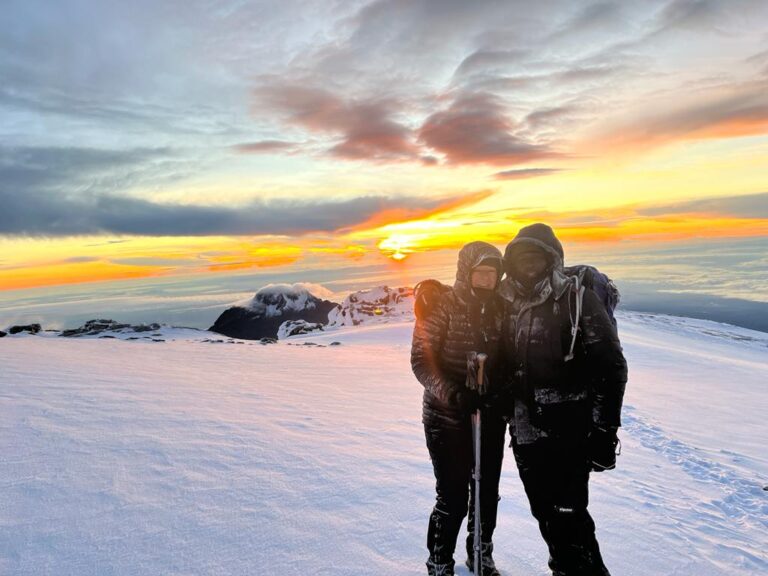
Kilimanjaro Memorial And Tribute Climb: Honoring Legacies On Africas Highest
A Kilimanjaro Memorial and Tribute Climb offers a profound way to honor a loved one's memory by ascending Africa's highest peak. Top Guide Adventures specializes in organizing these...
View package details
Rainiest Month On Mount Kilimanjaro 2026-2027
Rainiest Month on Mount Kilimanjaro is explained with current 2026-2027 planning, price, itinerary and booking information.
View package details
April Vs May Kilimanjaro Rain And Trail Conditions: Your Expert Guide
Deciding between April and May for your Kilimanjaro climb? This in-depth guide compares the rain, trail conditions, crowds, and overall experience for both months in 2026-2027 to help you...
View package details
Highest Pizza Delivery On Kilimanjaro – Hut 2026-2027
Highest Pizza Delivery on Kilimanjaro – Pizza Hut is explained with current 2026-2027 planning, price, itinerary and booking information.
View package details
Highest Cricket Match On Kilimanjaro: Gorillas Vs Rhinos - An Epic Adventure
Discover the thrill of the Highest Cricket Match on Kilimanjaro, pitting the Gorillas against the Rhinos. This unique event combines high-altitude adventure with a passion for cricket, set...
View package details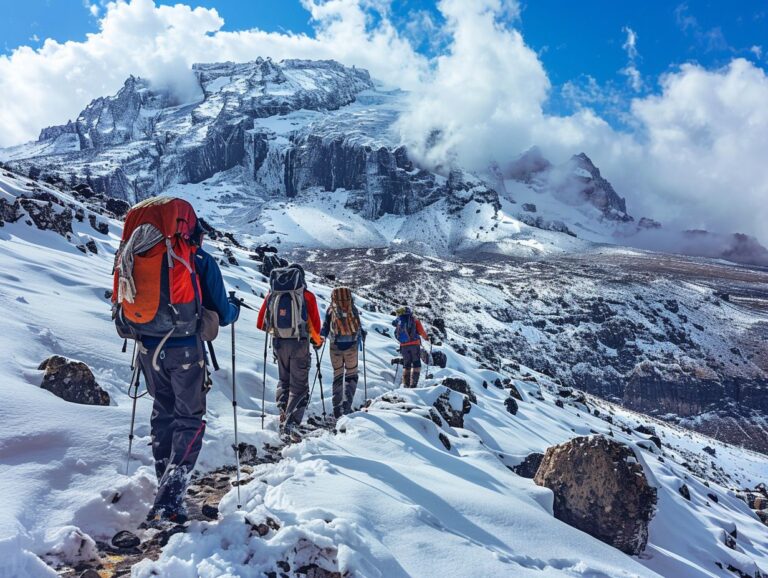
Highest Football Match On Kilimanjaro: The Ultimate Equal Playing Field
Discover the extraordinary challenge and unique experience of playing football at the Roof of Africa. This article details the highest football match on Kilimanjaro, focusing on the 'equal...
View package details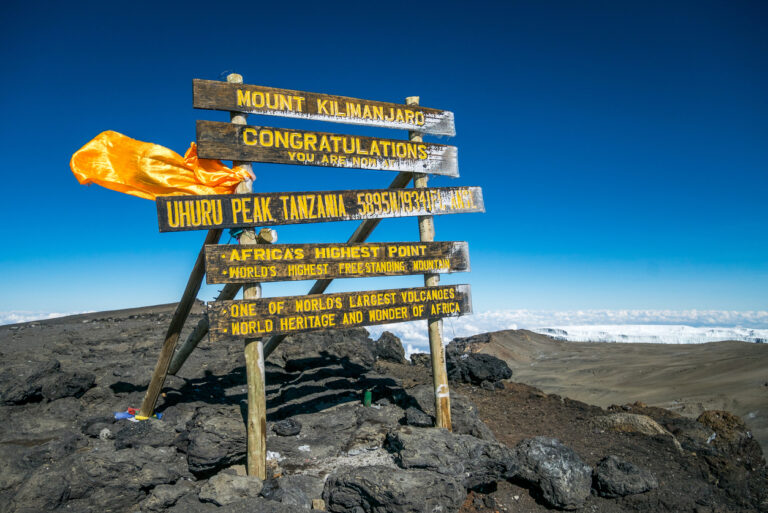
First Woman To Climb Mount Kilimanjaro – Sheila Macdonald 2026-2027
First Woman to Climb Mount Kilimanjaro – Sheila MacDonald is explained with current 2026-2027 planning, price, itinerary and booking information.
View package details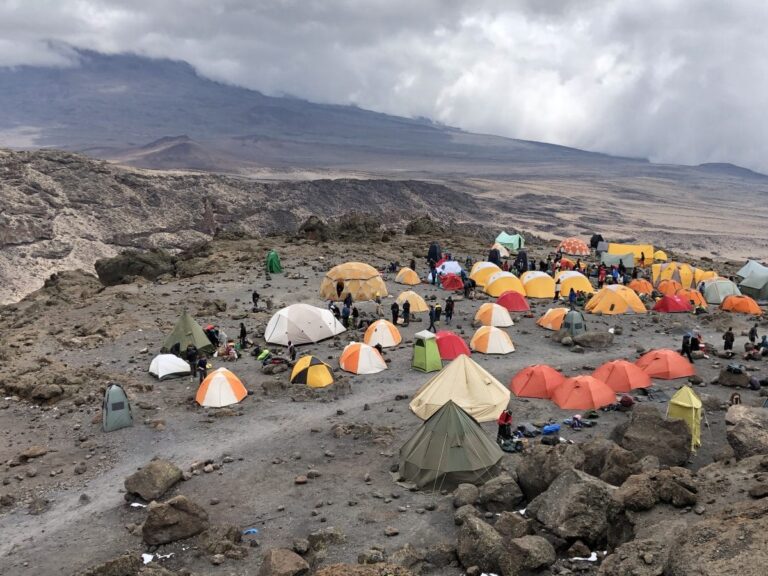
First People To Summit Mount Kilimanjaro – Hans Meyer, Ludwig Purtscheller
First People to Summit Mount Kilimanjaro – Hans Meyer, Ludwig Purtscheller and Yohani Lauwo is explained with current 2026-2027 planning, price, itinerary.
View package detailsDecember Kilimanjaro Trail Crowd Levels 2026-2027
December Kilimanjaro Trail Crowd Levels is explained with current 2026-2027 planning, price, itinerary and booking information.
View package details
November Kilimanjaro Trail Conditions: Your Essential Guide 2026-2027
Climbing Kilimanjaro in November offers a unique experience with cooler temperatures, a higher chance of rain in the early days, and significantly fewer trekkers. This guide details trail...
View package details
What To Do On Arrival Day Before Kilimanjaro 2026-2027
What to Do on Arrival Day before Kilimanjaro is explained with current 2026-2027 planning, price, itinerary and booking information.
View package detailsNo related package matches those filters. Clear one or more filters to see the other topic-matched options.



