
Sheila MacDonald is recognized as the first woman to successfully climb Mount Kilimanjaro, achieving this remarkable feat in 1937. Her pioneering ascent broke barriers and inspired future generations of female adventurers to take on the challenge of Africa’s highest peak.
The Groundbreaking Achievement of Sheila MacDonald on Kilimanjaro
The story of Sheila MacDonald’s climb up Mount Kilimanjaro is more than just a record-breaking achievement; it’s a testament to human determination and a significant moment in mountaineering history. In an era when women’s participation in strenuous outdoor expeditions was often limited or discouraged, Sheila MacDonald proved that gender was no barrier to conquering formidable natural challenges. Her success on Kilimanjaro in 1937 not only placed her in the annals of climbing history but also served as a powerful symbol of possibility for women worldwide.
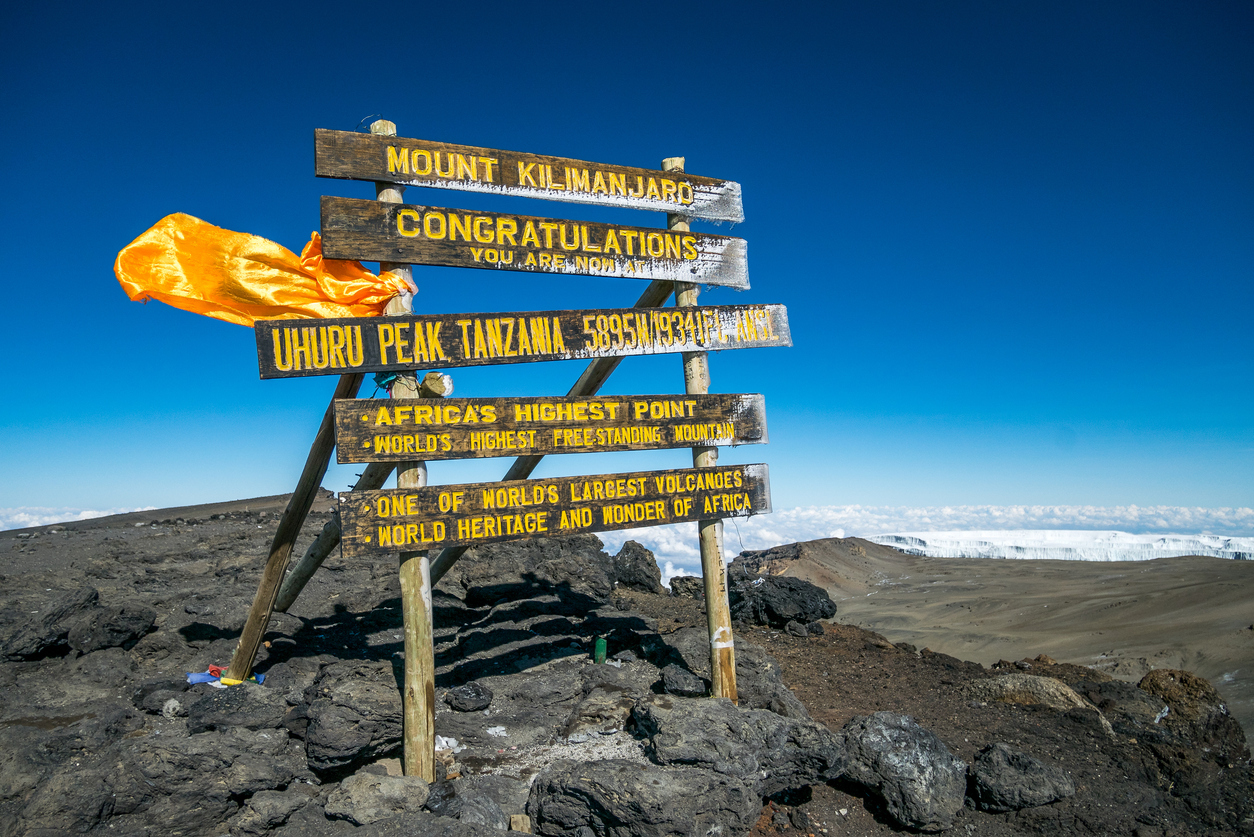
Mount Kilimanjaro, a dormant volcano in Tanzania, stands at 5,895 meters (19,341 feet) above sea level, making it the highest peak in Africa and one of the highest freestanding mountains in the world. Its majestic presence has drawn adventurers and trekkers for decades, but reaching its summit is a significant undertaking, demanding physical endurance, mental fortitude, and careful acclimatization. For Sheila MacDonald to achieve this in 1937, with the limited resources and support available at the time, makes her accomplishment even more extraordinary.
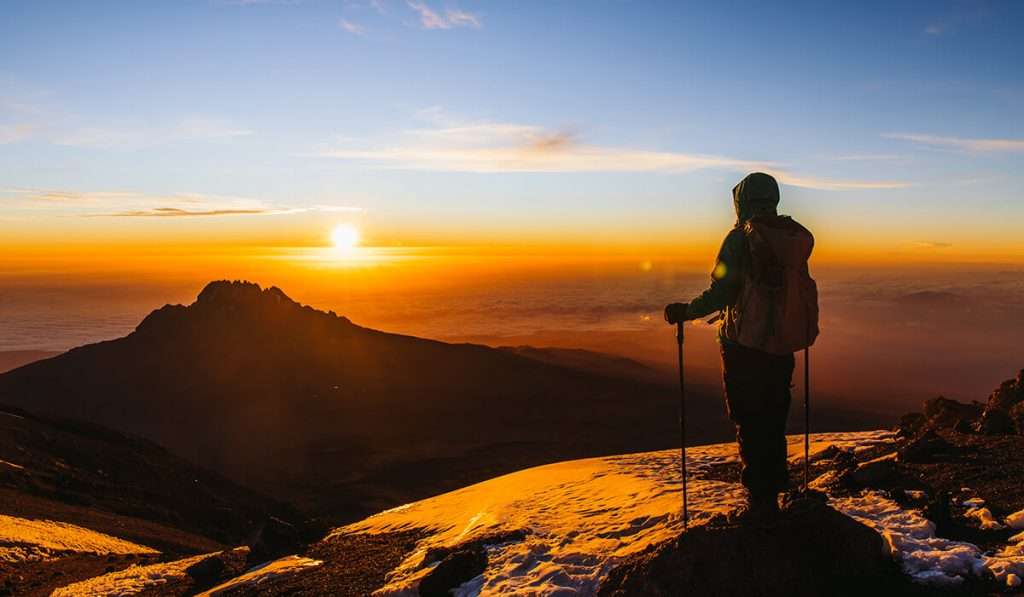
Her journey to the Roof of Africa was not merely a personal challenge but a stride forward for female exploration. In the 1930s, the world of mountaineering was largely dominated by men. Women who sought to participate in such expeditions often faced societal skepticism and practical obstacles. MacDonald’s successful summit demonstrated that women possessed the same courage, strength, and resilience required for high-altitude trekking. This narrative is particularly relevant today as we look towards 2026 and 2027, encouraging more women to consider challenging treks like Kilimanjaro.
Setting the Stage: Kilimanjaro Before Sheila MacDonald’s Climb
Before Sheila MacDonald etched her name in Kilimanjaro’s history, the mountain was already a known entity among explorers and adventurers. Its volcanic origins and imposing stature had captivated the imagination of many. However, the concept of climbing Kilimanjaro was still relatively nascent, particularly for non-indigenous individuals. The routes were not as established, the infrastructure was minimal, and the understanding of high-altitude physiology was less developed than it is today.
The first recorded ascent of Kilimanjaro was by Johannes Rebmann, a German missionary, in 1849, accompanied by local guides. This was followed by the first ascent of Kibo’s summit (Uhuru Peak) by Hans Meyer and Ludwig Purtscheller in 1889. These early expeditions were arduous, often requiring significant logistical planning, reliance on local knowledge, and a considerable degree of risk. The mountain was seen as a true wilderness, a frontier to be conquered by the intrepid.
In the years leading up to MacDonald’s climb, Kilimanjaro was increasingly explored, but the focus remained primarily on male mountaineers. Expeditions were often scientific or exploratory in nature, led by men. The idea of a woman undertaking such a journey, and succeeding, was not a common narrative. This context makes Sheila MacDonald’s achievement all the more significant. She was stepping into a largely male-dominated arena, armed with her own ambition and spirit.
Who Was Sheila MacDonald? Unveiling the Pioneer
Information about Sheila MacDonald’s life and background prior to her Kilimanjaro ascent is somewhat limited, which is not uncommon for pioneers of her era whose stories might not have been as extensively documented as those of their male contemporaries. However, what is known points to a woman of considerable spirit and adventurous inclination.
Born in the United Kingdom, Sheila MacDonald was an individual who clearly possessed a thirst for exploration and a desire to push personal boundaries. While details of her early life and specific training regimens are scarce, her decision to tackle Mount Kilimanjaro suggests a person who was physically capable, mentally resilient, and not deterred by convention. It’s plausible she was part of a broader trend of increased interest in travel and adventure among certain segments of society in the early 20th century, yet her specific motivation and the circumstances surrounding her expedition remain a subject of historical interest.
Her climb was not an isolated incident; it was part of a growing, albeit slow, recognition of women’s capabilities in challenging physical pursuits. However, Sheila MacDonald’s success on Kilimanjaro stood out due to the mountain’s sheer scale and the general societal perceptions of the time. She represented a new wave of female adventurers who were beginning to challenge established norms and redefine what was considered possible for women.
The 1937 Expedition: Details of the Ascent
The specifics of Sheila MacDonald’s 1937 expedition to climb Mount Kilimanjaro provide crucial insight into the challenges and triumphs of her journey. While detailed diaries or comprehensive expedition logs might not be readily available, historical accounts and mountaineering records confirm her ascent. The prevailing methods for climbing Kilimanjaro during that period involved utilizing established, albeit less developed, routes and relying heavily on local guides and porters. The Machame Route, or variations thereof, would likely have been a common choice due to its relative directness and scenic beauty, though the infrastructure and support systems were vastly different from today.
The climb itself would have been a significant undertaking. Without the modern conveniences and established camps of today’s trekking industry, MacDonald and her party would have faced more rudimentary conditions. This likely involved carrying all necessary supplies, including food, shelter, and warm clothing, and camping in basic sites along the mountain’s slopes. The acclimatization process, crucial for any Kilimanjaro climb, would have been managed through slower progress up the mountain, a practice that remains vital for trekkers planning their climbs for 2026 or 2027.
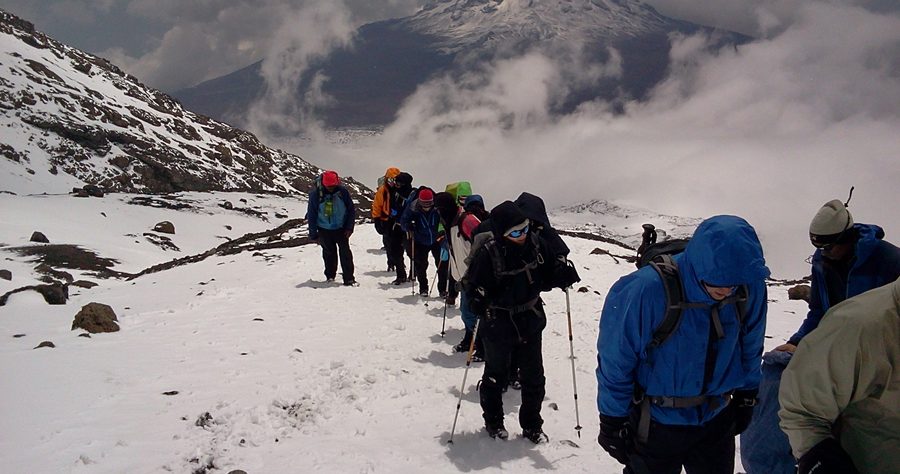
The environmental conditions would have been harsh. The weather on Kilimanjaro can be unpredictable and severe, with drastic temperature drops as one ascends. MacDonald would have experienced glacial conditions near the summit, requiring specialized gear for the time. The mental challenge of pushing through fatigue, cold, and the effects of altitude would have been immense. Her success underscores her physical fitness and psychological strength, characteristics that are still the bedrock of any successful Kilimanjaro climb.
Route Considerations in 1937
In 1937, the choice of route on Kilimanjaro was more limited and less standardized than it is today. While specific records of MacDonald’s exact route are not widely publicized, the most commonly used paths at the time would have been the ones that offered the most direct access and were known to local guides. The routes that are popular today, such as Machame, Lemosho, or Marangu, were either in their nascent stages or were known by different names and had fewer established campsites and support facilities.
The Marangu Route, often called the “Coca-Cola” route due to its accessibility and the presence of huts, was likely one of the more developed paths even then, attracting more trekkers. However, for a pioneering climb, a less-traveled but more direct path might have been chosen. The Machame Route, known for its challenging terrain and scenic beauty, would have been a possibility, offering a more rugged experience. Regardless of the specific path, the ascent would have been a true wilderness experience, with limited emergency support and a heavy reliance on the expedition team.
The Role of Guides and Porters
Just as today, local guides and porters played an indispensable role in Sheila MacDonald’s expedition. Their knowledge of the mountain, its terrain, weather patterns, and the best places to find water and shelter was invaluable. In 1937, these individuals were the backbone of any successful climb. They would have carried the bulk of the supplies, set up camp, and provided essential guidance and support to the climbers. Their expertise ensured the safety and feasibility of the expedition.
The relationship between climbers and their local support teams has always been crucial on Kilimanjaro. MacDonald’s success is, in part, a testament to the skill and dedication of the Tanzanian guides and porters who accompanied her. This partnership continues to be a cornerstone of Kilimanjaro expeditions in 2026 and 2027, with reputable tour operators like Top Guide Adventures prioritizing experienced local teams for their clients’ safety and success.
The Significance of Sheila MacDonald’s Achievement
Sheila MacDonald’s climb of Mount Kilimanjaro in 1937 was a landmark event with profound significance, both for mountaineering and for the broader societal context of the time. Her success challenged prevailing notions about women’s physical and mental capabilities, particularly in the demanding field of high-altitude trekking.
In the 1930s, the world was still largely defined by traditional gender roles. Women participating in strenuous expeditions were often viewed with curiosity or even skepticism. MacDonald’s achievement provided a powerful counter-narrative, demonstrating that women could not only participate in but also excel in activities that were considered the domain of men. This was a crucial step in paving the way for greater female involvement in adventure sports and exploration.
Her climb served as an inspiration. For women of her time and for generations that followed, her name became synonymous with courage and the pursuit of ambitious goals. It showed that the highest peaks were accessible to anyone with the determination to reach them, regardless of gender. This legacy continues to resonate, encouraging women planning their Kilimanjaro adventures for 2026 and 2027 to push their own boundaries.
Breaking Gender Barriers in Adventure
The world of mountaineering, especially in the early to mid-20th century, was heavily male-dominated. Women who attempted major climbs were exceptions, often facing more scrutiny and fewer opportunities than their male counterparts. Sheila MacDonald’s ascent of Kilimanjaro was a direct challenge to these norms. By successfully summiting Africa’s highest peak, she demonstrated that women possessed the necessary strength, endurance, and resilience.
Her achievement was not just about reaching a summit; it was about redefining what was considered possible for women. It contributed to a broader cultural shift, slowly chipping away at restrictive gender stereotypes. While the full impact might not have been immediately apparent, her climb was a foundational moment that emboldened other women to pursue their own adventurous aspirations in the years that followed.
Inspiring Future Generations
The story of Sheila MacDonald is more than just a historical footnote; it’s a source of enduring inspiration. Her pioneering spirit continues to motivate countless individuals, particularly women, to consider challenging themselves on Mount Kilimanjaro. The very act of being the ‘first’ creates a powerful narrative that transcends the physical act of climbing.
For trekkers planning their expeditions for 2026 and 2027, MacDonald’s story serves as a reminder of the human capacity for achievement. It highlights that with preparation, determination, and the right support, even the most daunting challenges can be overcome. Her legacy is woven into the fabric of Kilimanjaro’s climbing history, encouraging a diverse range of adventurers to answer the call of the mountain.
Modern Kilimanjaro Treks: Comparing with the Past
The experience of climbing Mount Kilimanjaro today, while still a significant challenge, is vastly different from Sheila MacDonald’s pioneering ascent in 1937. The advancements in equipment, logistics, safety protocols, and our understanding of high-altitude physiology have transformed the trekking landscape. For anyone planning a climb in 2026 or 2027, understanding these differences can help set realistic expectations and appreciate the journey.
One of the most striking differences is the infrastructure. Today, Kilimanjaro boasts well-established routes with designated campsites, huts (on the Marangu route), and even basic facilities like toilets at various stages. This contrasts sharply with the likely rudimentary camping conditions MacDonald would have encountered. Furthermore, the organization of modern climbs is highly professionalized. Reputable tour operators meticulously plan every aspect, from permits and park fees to food, water, and medical support.
Safety is paramount. Modern expeditions are equipped with advanced communication devices, oxygen supplies, and comprehensive medical kits. Guides are trained in first aid and high-altitude sickness management. While Sheila MacDonald undoubtedly relied on skilled local guides, the level of formalized safety support and medical oversight available today is unparalleled. This allows trekkers to focus more on the ascent and acclimatization, knowing that professional support is available.
The choice of routes has also expanded dramatically. While in 1937, options were limited, today trekkers can choose from several distinct routes, each offering unique landscapes, challenges, and acclimatization profiles. Routes like Lemosho, Machame, and Rongai are popular for their scenic beauty and higher success rates due to their gradual ascent profiles, which are crucial for acclimatization. These routes are meticulously mapped and maintained, providing a structured trekking experience.
Finally, the understanding of acclimatization and the physiological effects of altitude has advanced significantly. Modern guides and expedition leaders are trained to monitor trekkers closely for signs of Acute Mountain Sickness (AMS) and to implement strategies for safe ascent. This scientific approach to altitude management is a far cry from the more intuitive methods likely used in MacDonald’s time. For those planning for 2026 and 2027, this scientific approach is a key factor in ensuring a safe and successful climb.
Equipment and Technology
The gear available to trekkers today is light-years ahead of what Sheila MacDonald would have used. Modern trekking equipment focuses on being lightweight, waterproof, breathable, and highly insulating. This includes advanced synthetic fabrics for clothing, high-performance sleeping bags rated for extreme cold, and specialized waterproof and breathable outer layers.
Footwear has also seen significant innovation, with sturdy, waterproof hiking boots offering superior ankle support and grip. Trekking poles, which significantly reduce strain on joints, are now standard equipment for most climbers. Even seemingly simple items like water bottles and purification systems have been improved for durability and ease of use in cold conditions.
Technological advancements extend beyond personal gear. GPS devices and satellite phones provide navigation and communication capabilities that were unimaginable in 1937. These tools are vital for safety, allowing for real-time tracking and emergency communication. While MacDonald and her team relied on basic navigation and perhaps rudimentary signaling, today’s trekkers benefit from a sophisticated technological safety net. This technological leap is a critical factor for anyone considering a climb in 2026 or 2027.
Safety and Medical Support
Safety on Kilimanjaro has become a primary focus for operators and park authorities. The Tanzania National Parks Authority (TANAPA) enforces strict regulations regarding guide-to-client ratios, mandatory park fees, and the use of licensed guides. This ensures a baseline level of professionalism and safety for all trekkers.
Medical support is a cornerstone of modern Kilimanjaro expeditions. Guides are trained in recognizing and managing Acute Mountain Sickness (AMS), Hypothermia, and other altitude-related illnesses. Expeditions carry comprehensive medical kits, including oxygen cylinders for emergency use. Evacuation plans are in place, and communication systems allow for rapid response in case of emergencies. For climbers planning for 2026 and 2027, this robust safety framework provides significant peace of mind.
In contrast, Sheila MacDonald’s expedition would have had limited medical resources. Any serious illness or injury would have presented a far greater challenge, relying more heavily on the resilience of the individual and the immediate support of the team. The advancements in medical preparedness are one of the most significant improvements in the Kilimanjaro trekking experience over the decades.
Route Diversity and Success Rates
Today, climbers can choose from several distinct routes, each offering a different experience and varying acclimatization profiles. The Machame Route, often praised for its scenic beauty and challenging ascents, is one of the most popular. The Lemosho Route is known for its longer acclimatization period and stunning views. The Rongai Route approaches from the north and is a good option during the rainy season.
The Marangu Route, the oldest and most established, offers hut accommodation and is often considered the easiest in terms of physical difficulty, though its direct ascent profile can pose acclimatization challenges. The Northern Circuit is the longest route, offering the best acclimatization and highest success rates, while the Umbwe Route is the most challenging, steep, and direct, typically reserved for experienced mountaineers.
These diverse route options allow trekkers to select an itinerary that best suits their fitness level, time constraints, and desired experience. Crucially, routes like Lemosho and the Northern Circuit, with their longer duration and gradual ascent, significantly improve acclimatization and, consequently, success rates. This contrasts with the more limited route choices available to Sheila MacDonald, where the focus was primarily on the act of reaching the summit itself, with less emphasis on structured acclimatization or diverse scenic experiences.
Planning Your Kilimanjaro Adventure for 2026-2027
For aspiring trekkers inspired by pioneers like Sheila MacDonald and considering a climb in 2026 or 2027, thorough planning is essential. Kilimanjaro is a serious undertaking, and success hinges on preparation, choosing the right operator, and understanding the mountain’s demands.
Choosing the Right Route: The first major decision is selecting a route. For optimal acclimatization and higher success rates, longer routes such as Lemosho (7-8 days) or the Northern Circuit (9-10 days) are highly recommended. These routes allow your body more time to adjust to the altitude, which is critical. For those with less time or seeking a more traditional experience, the Machame Route (6-7 days) is a popular and well-supported option. Avoid shorter routes (5 days) if possible, as they significantly increase the risk of altitude sickness and failure to summit.
Physical Preparation: Cardiovascular fitness is key. Engage in regular aerobic exercises like hiking (with a backpack), running, cycling, or swimming for several months leading up to your climb. Focus on endurance rather than speed. Hiking on varied terrain, especially with inclines, is excellent preparation. Strength training for your legs and core will also be beneficial.
Mental Fortitude: Kilimanjaro is as much a mental challenge as a physical one. Be prepared for long days of walking, cold temperatures, and the discomfort of altitude. A positive attitude and determination are crucial. Visualize yourself reaching the summit.
Choosing a Reputable Tour Operator: This is arguably the most critical decision. A good operator ensures safety, provides experienced guides, uses quality equipment, and adheres to ethical porter treatment. Look for companies with strong safety records, positive reviews, and a commitment to responsible tourism. For those planning for 2026 and 2027, researching and booking with a trusted company well in advance is advisable.
Booking and Logistics: Book your trip at least 6-12 months in advance, especially if you have specific dates in mind for 2026 or 2027. This ensures availability, particularly for popular routes and peak climbing seasons. Your operator will handle park permits, but you’ll need to arrange flights, visas (if required), travel insurance (ensure it covers high-altitude trekking and emergency evacuation), and vaccinations.
Packing Appropriately: Layering is essential. You’ll need high-quality thermal base layers, insulating mid-layers (fleece or down), and a waterproof and windproof outer shell. Warm gloves, a hat, sunglasses, sunscreen, and sturdy, broken-in hiking boots are non-negotiable. Your tour operator will provide a detailed packing list.
Understanding Costs: Kilimanjaro climb costs vary significantly based on the route, duration, operator, and inclusions. Expect prices to range from approximately $1,500 to $4,000+ per person for a standard package. Factors influencing cost include the number of support staff, quality of accommodation (camping vs. huts), meals provided, and group size. Always inquire about what is included (park fees, guide and porter salaries, food, tents, rescue fees) and what is excluded (tips, personal gear, flights, visas, insurance).
Key Considerations for 2026-2027 Climbs
- Book Early: High demand for 2026 and 2027 means booking at least a year in advance is recommended.
- Route Choice: Prioritize longer routes (7+ days) for better acclimatization.
- Operator Vetting: Thoroughly research and choose a company with a proven safety record and ethical practices.
- Travel Insurance: Ensure comprehensive coverage, including high-altitude trekking and emergency helicopter evacuation.
- Physical Fitness: Dedicate several months to consistent cardiovascular training.
Choosing the Right Route for Your Kilimanjaro Climb
Selecting the appropriate route is a pivotal decision that significantly impacts your Kilimanjaro experience, acclimatization, and chances of success. Unlike Sheila MacDonald’s time, today’s trekkers have a variety of well-defined routes to choose from, each with its own characteristics. Understanding these differences is crucial for planning a successful climb for 2026 or 2027.
The primary differentiator among routes is their duration and ascent profile, which directly affects acclimatization. Generally, longer routes offer a more gradual climb, allowing your body more time to adapt to the decreasing oxygen levels at higher altitudes. This is the most significant factor in preventing Acute Mountain Sickness (AMS) and increasing your likelihood of reaching Uhuru Peak.
Here’s a breakdown of the most popular routes and their suitability:
Kilimanjaro Route Comparison
| Route Name | Duration (Days) | Difficulty | Scenery | Acclimatization Profile | Success Rate (Approx.) | Best For |
|---|---|---|---|---|---|---|
| Marangu | 5-6 | Moderate | Forest, Moorland, Arctic | Direct ascent, less optimal | 70-80% (5-day) | Budget travelers, those preferring huts |
| Machame | 6-7 | Challenging | Varied, dramatic | Good, uses “climb high, sleep low” | 80-90% (7-day) | Most trekkers, scenic beauty |
| Lemosho | 7-8 | Challenging | Spectacular, remote | Excellent, gradual ascent | 90%+ (8-day) | High success rate, scenic beauty, remote feel |
| Rongai | 6-7 | Moderate | Drier, more open | Good | 85-95% | Less crowded, good during rainy season |
| Northern Circuit | 9-10 | Moderate | Most scenic, panoramic | Excellent, best acclimatization | 95%+ | Highest success rate, best acclimatization, ultimate experience |
| Umbwe | 5-6 | Very Challenging | Steep, direct | Poor, very rapid ascent | <50% | Experienced, fit mountaineers seeking extreme challenge |
For those planning their trek for 2026 and 2027, the Northern Circuit and Lemosho routes are generally considered the best choices for a combination of high success rates, excellent acclimatization, and a rewarding scenic experience. While they are longer and may involve a higher initial cost, the investment in time and resources pays dividends in terms of safety and the likelihood of reaching the summit.
The Role of Top Guide Adventures in Modern Kilimanjaro Expeditions
As you plan your Kilimanjaro adventure for 2026 or 2027, choosing a reliable and experienced tour operator is paramount. Top Guide Adventures, a leading Tanzanian tour company, has built a reputation for providing exceptional service, prioritizing client safety, and ensuring a memorable mountain experience. Unlike the solitary or small-group expeditions of the past, modern climbs are best undertaken with professional support.
Top Guide Adventures understands the critical elements of a successful Kilimanjaro climb. This includes:
- Experienced and Certified Guides: Our guides are not only knowledgeable about the mountain routes and flora/fauna but are also extensively trained in first aid, high-altitude sickness management, and emergency procedures. They are your lifeline on the mountain.
- Quality Equipment: We provide high-quality tents, sleeping mats, and cooking gear, ensuring your comfort and safety during the trek. We also advise clients on essential personal gear.
- Nutritious Meals: Our chefs prepare fresh, delicious, and energy-rich meals throughout the climb, tailored to the demands of high-altitude trekking. Proper nutrition is vital for energy and acclimatization.
- Safety First Approach: We adhere to strict safety protocols, including regular health checks by guides, carrying comprehensive medical kits, and having oxygen on standby. We also ensure fair wages and good working conditions for our porters and support staff.
- Tailored Itineraries: While we offer standard packages, we can also customize itineraries to suit individual needs and preferences, ensuring your climb is perfectly suited to you.
By partnering with Top Guide Adventures, you are not just booking a trek; you are securing a comprehensive support system designed for success. Our dedication to client care, personal attention, and a deep understanding of Kilimanjaro ensures that your journey, inspired by pioneers like Sheila MacDonald, is as safe and rewarding as possible. We are committed to making your dream of standing on the Roof of Africa a reality, whether in 2026, 2027, or beyond.
We invite you to contact us for a personalized consultation regarding your Kilimanjaro climb. You can reach us via WhatsApp at +255616946642 or email us at topguideadventures@gmail.com or info@topguideadventures.com. Let us help you plan an adventure that honors the spirit of pioneers like Sheila MacDonald.
The Enduring Legacy of Sheila MacDonald
Sheila MacDonald’s ascent of Mount Kilimanjaro in 1937 remains a powerful symbol of female achievement and pioneering spirit. In an era where opportunities for women in challenging pursuits were scarce, her success on Africa’s highest peak resonated far beyond the mountaineering community. She demonstrated that determination, courage, and physical capability were not confined by gender.
Her story continues to inspire women who are contemplating their own Kilimanjaro adventures, whether planning for 2026, 2027, or further into the future. It serves as a potent reminder that perceived limitations are often societal constructs, and that personal ambition, coupled with proper preparation and support, can lead to extraordinary accomplishments.
While the technical aspects of climbing Kilimanjaro have evolved dramatically since 1937, the core elements of courage, perseverance, and the pursuit of a challenging goal remain constant. Sheila MacDonald’s legacy is etched not just in the records of mountaineering history, but in the hearts and minds of every woman who dreams of reaching the summit of Kilimanjaro and proving to themselves what they are capable of achieving.
For those inspired by Sheila MacDonald’s groundbreaking journey and looking to plan their own Kilimanjaro climb for 2026 or 2027, remember that while the mountain remains a formidable challenge, the support systems and knowledge available today are far more advanced. Top Guide Adventures is here to help you navigate these preparations, ensuring your expedition is safe, successful, and an unforgettable tribute to the spirit of adventure.
Connect with us to discuss your Kilimanjaro aspirations: WhatsApp +255616946642, email topguideadventures@gmail.com or info@topguideadventures.com.
“,
“faq_schema”: [
{
“question”: “Who was the first woman to climb Mount Kilimanjaro?”,
“answer”: “Sheila MacDonald is recognized as the first woman to successfully climb Mount Kilimanjaro. She achieved this pioneering feat in 1937.”
},
{
“question”: “When did Sheila MacDonald climb Mount Kilimanjaro?”,
“answer”: “Sheila MacDonald climbed Mount Kilimanjaro in 1937.”
},
{
“question”: “What is the significance of Sheila MacDonald’s climb?”,
“answer”: “Sheila MacDonald’s climb was significant because it broke gender barriers in mountaineering during a time when such expeditions were largely dominated by men. Her achievement demonstrated women’s capabilities in challenging physical endeavors and inspired future generations of female adventurers.”
},
{
“question”: “How does climbing Kilimanjaro today compare to Sheila MacDonald’s climb in 1937?”,
“answer”: “Modern Kilimanjaro climbs benefit from significantly advanced equipment, established routes with better infrastructure, comprehensive safety protocols, and a deeper understanding of altitude sickness. Sheila MacDonald’s ascent in 1937 was undertaken with more rudimentary gear, fewer established paths, and less formal support, making her achievement even more remarkable given the circumstances of the time.”
},
{
“question”: “What is the best route for climbing Kilimanjaro in 2026-2027 for a high success rate?”,
“answer”: “For the highest success rates and best acclimatization when climbing Kilimanjaro in 2026-2027, longer routes such as the Northern Circuit (9-10 days) or the Lemosho Route (7-8 days) are highly recommended. These routes allow more time for your body to adjust to the altitude.”
},
{
“question”: “How should I prepare physically for a Kilimanjaro climb in 2026 or 2027?”,
“answer”: “Physical preparation for a Kilimanjaro climb should focus on cardiovascular endurance. Engage in regular aerobic activities like hiking (with a backpack), running, cycling, or swimming for several months prior. Strength training for your legs and core is also beneficial. Practice hiking on varied terrain with inclines.”
}
]
}
“`
Check Availability for First Woman To Climb Mount Kilimanjaro – Sheila Macdonald 2026-2027
Ready to compare dates, prices, and the best option for your group? Send the package name and travel month so the team can reply with a clear quote, availability, and what is included.
First Blind African To Climb Kilimanjaro – Douglas Sidialos Triumph With Top
Read the remarkable story of Douglas Sidialo, who, with the unwavering support of Top Guide Adventures, became the first blind African to summit Mount Kilimanjaro. This achievement...
View package details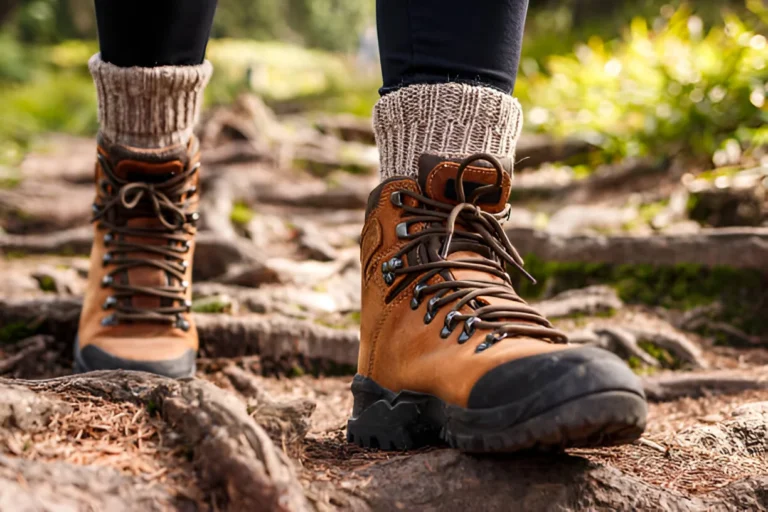
Late-Night Arrival At Kilimanjaro Airport Before Your Climb: Essential
Planning a Kilimanjaro climb with a late-night arrival at Kilimanjaro International Airport (JRO)? This guide covers everything you need to know for a smooth transition from the airport to...
View package details
Kilimanjaro Full-Moon Birthday Climb: Plan Your Celebration 2026-2027
A Kilimanjaro full-moon birthday climb offers an unparalleled celebration, combining the thrill of summiting Africa's highest peak with the magical ambiance of a lunar glow. This guide...
View package details
Kilimanjaro International Women’s Day Climb : A Powerful Ascent For Equality
Join a meaningful Kilimanjaro International Women's Day Climb in 2026-2027. This specialized trek celebrates women's empowerment while ascending Africa's highest peak. Discover itineraries...
View package details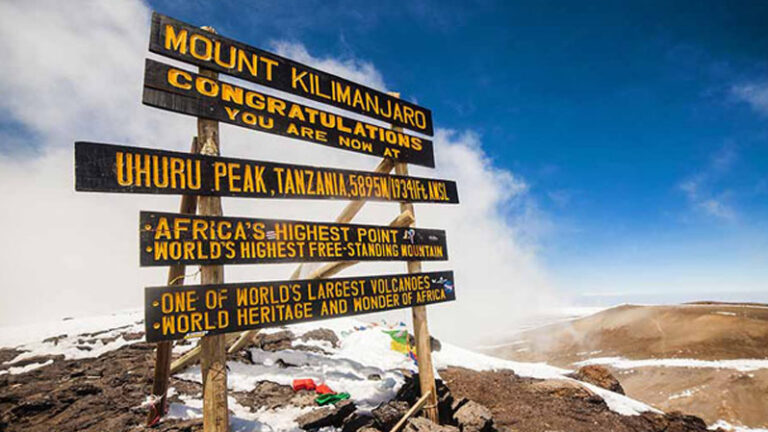
Kilimanjaro Independence Day Climbing Package | Top Guide Adventures 2026-2027
Celebrate Tanzania's Independence Day with an epic climb up Mount Kilimanjaro in 2026 or 2027. Top Guide Adventures offers specially curated packages designed for this significant period...
View package details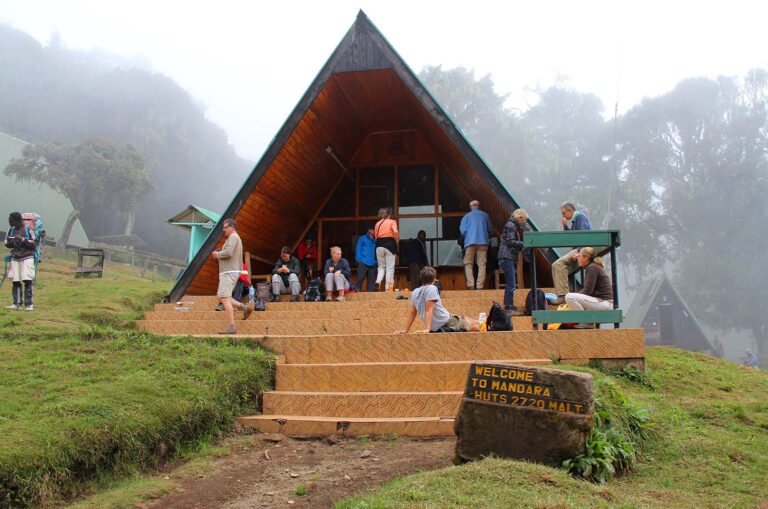
Kilimanjaro Environmental Charity Climb 2026-2027
Kilimanjaro Environmental Charity Climb is explained with current 2026-2027 planning, price, itinerary and booking information.
View package detailsKilimanjaro Memorial And Tribute Climb: Honoring Legacies On Africas Highest
A Kilimanjaro Memorial and Tribute Climb offers a profound way to honor a loved one's memory by ascending Africa's highest peak. Top Guide Adventures specializes in organizing these...
View package details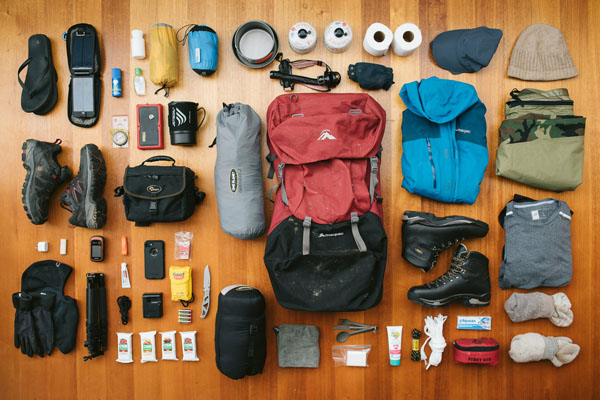
Kilimanjaro School Reunion Climb: Planning Your Ultimate Adventure 2026-2027
Planning a Kilimanjaro School Reunion Climb offers a unique opportunity to reconnect with classmates while achieving a monumental goal. This guide covers everything from choosing the best...
View package details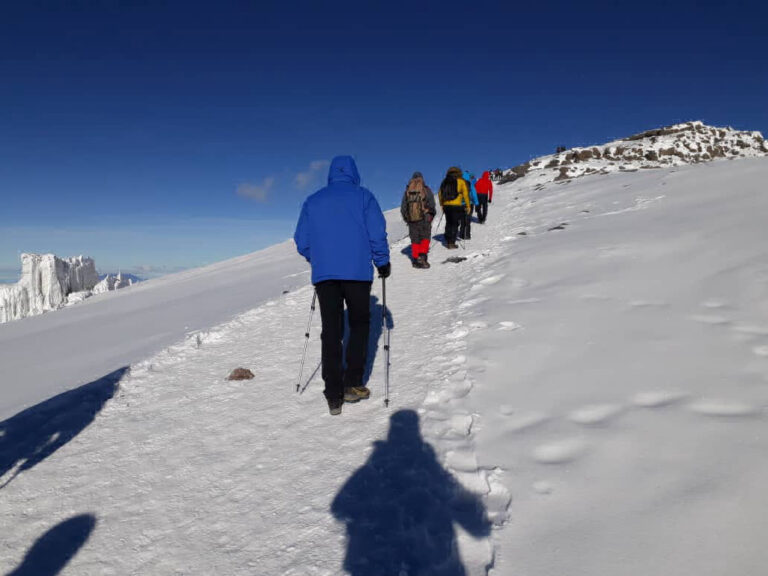
Kilimanjaro Friends’ Group Climbing Holiday: Your Ultimate Guide For 2026-2027
Organizing a Kilimanjaro climb for a group of friends is an unforgettable experience. This guide from Top Guide Adventures covers everything you need to know for a successful 2026-2027...
View package details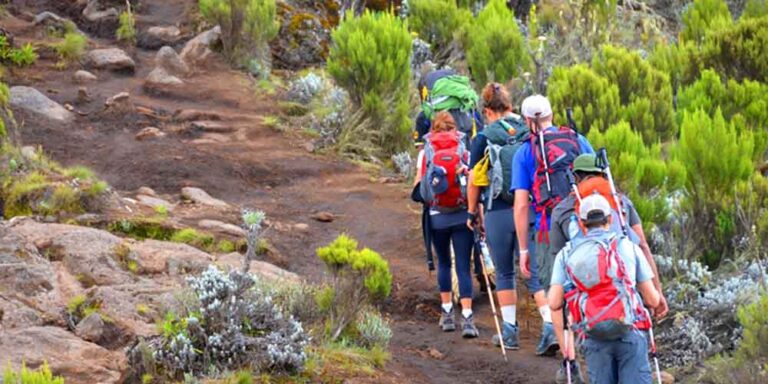
Kilimanjaro Retirement Celebration Climb: Your Ultimate Guide 2026-2027
Celebrate a significant life milestone with a Kilimanjaro Retirement Celebration Climb. This guide covers everything from route selection and preparation to the unique rewards of summiting...
View package details
Driest Month To Climb Kilimanjaro: Your Guide For 2026-2027
The driest months for climbing Kilimanjaro are generally January, February, and June through October. These periods offer the clearest skies and lowest rainfall, ideal for a successful and...
View package details
Coldest Month To Climb Kilimanjaro 2026-2027
Coldest Month to Climb Kilimanjaro is explained with current 2026-2027 planning, price, itinerary and booking information.
View package detailsNo related package matches those filters. Clear one or more filters to see the other topic-matched options.



