
The oldest person to summit Mount Kilimanjaro is Anne Lorimor, who achieved this remarkable feat at the age of 89 years and 339 days in July 2019. Her successful ascent to Uhuru Peak, the highest point on Kilimanjaro, stands as an inspiration for adventurers of all ages, demonstrating that age is not a barrier to achieving significant personal goals, and offering valuable lessons for those planning climbs in 2026 or 2027.
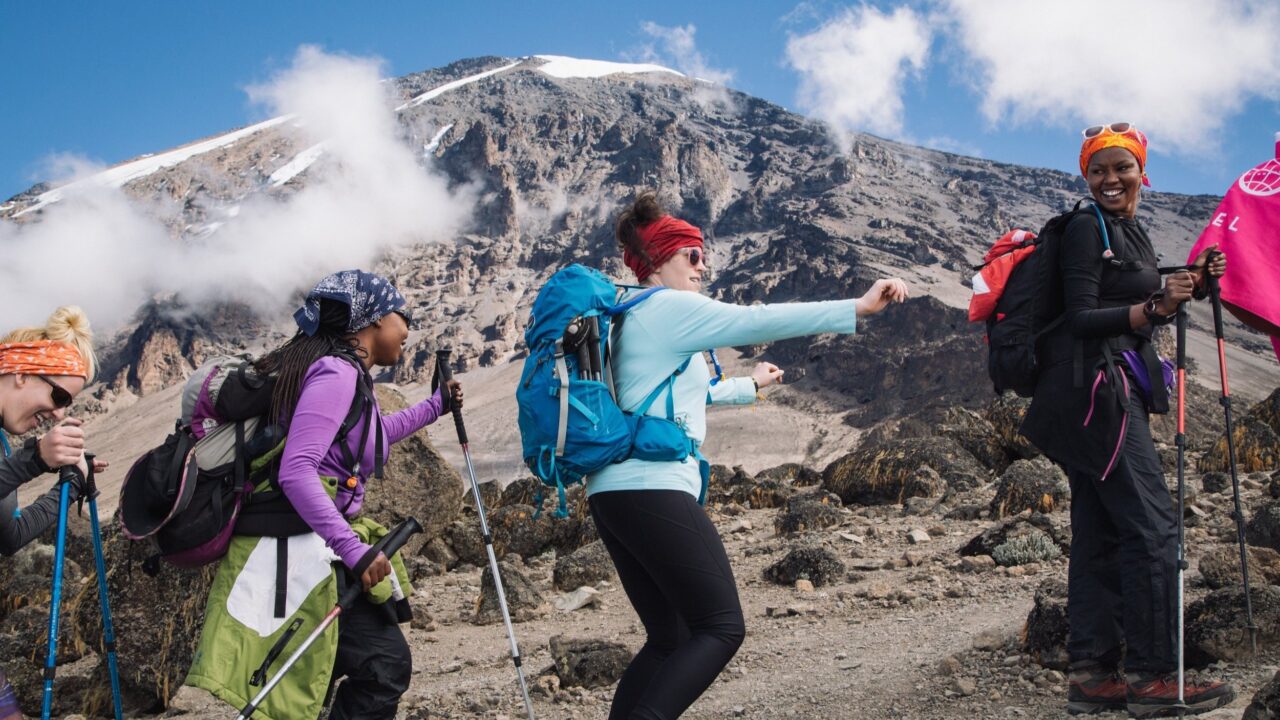
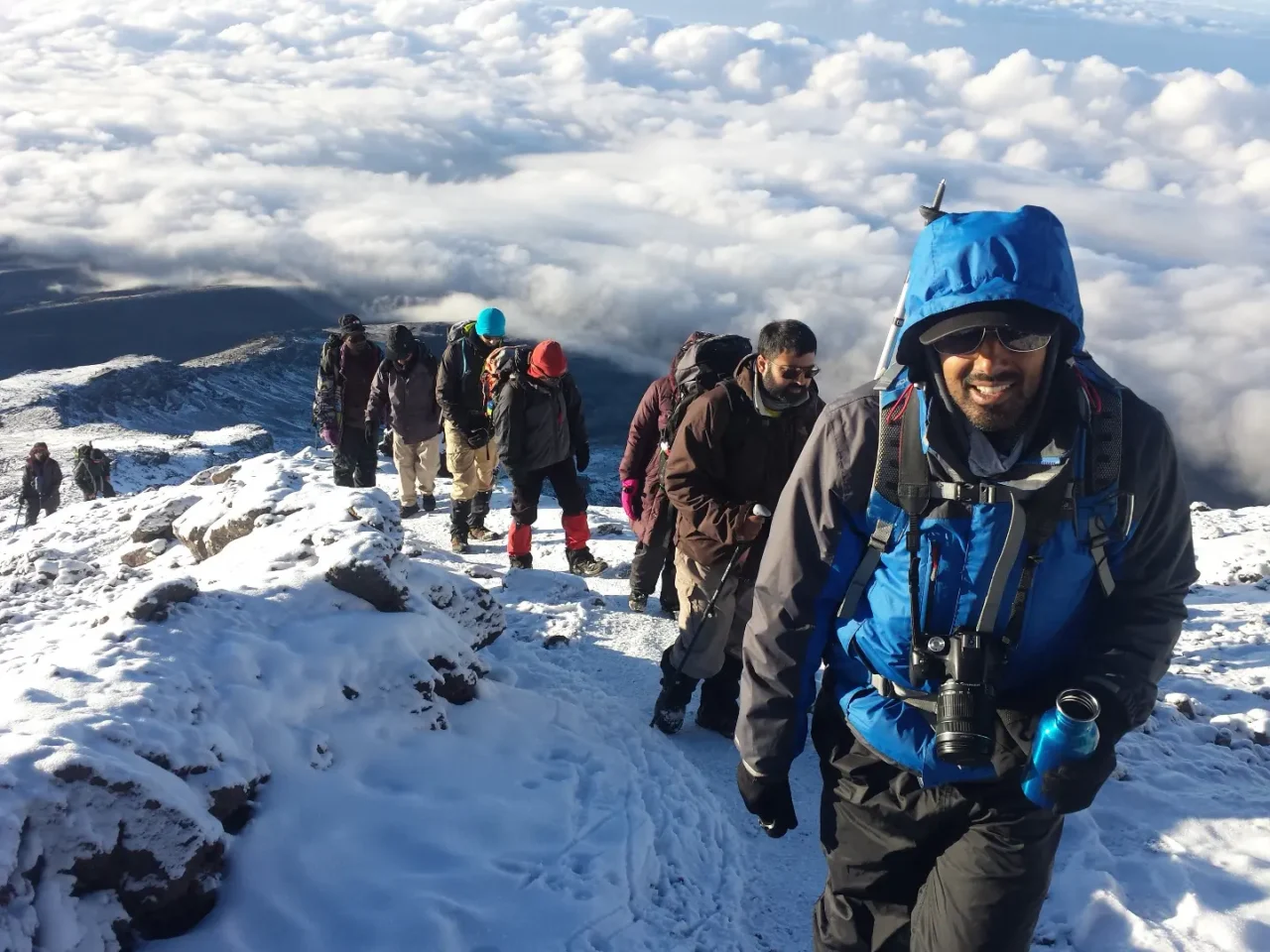
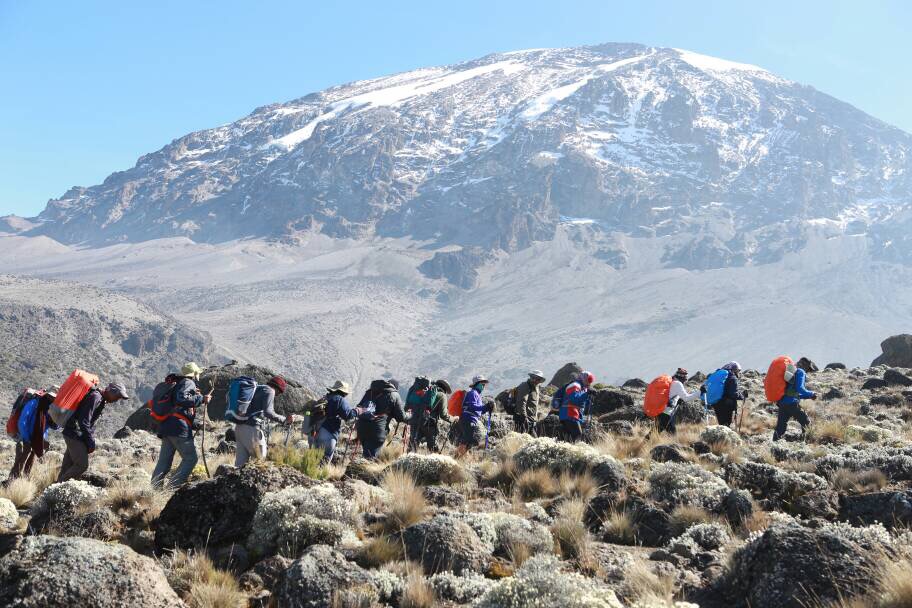
Anne Lorimor’s Historic Kilimanjaro Ascent
The story of Anne Lorimor’s climb to the Roof of Africa is more than just a record-breaking event; it’s a testament to human endurance, determination, and the power of a lifelong spirit of adventure. At nearly 90 years old, Anne not only reached the summit of Kilimanjaro but did so with a purpose: to raise funds for the Sheldrick Wildlife Trust, an organization dedicated to rescuing and protecting orphaned elephants in Kenya. This dual achievement—a personal milestone and a significant charitable contribution—captures the essence of what makes such expeditions profoundly meaningful.
Her journey to the summit was not undertaken lightly. It required careful planning, a dedicated support team, and a significant amount of physical and mental preparation. Anne’s ascent highlights the possibility of achieving extraordinary feats regardless of age, and her story has inspired countless individuals to consider their own ambitious goals, whether for a Kilimanjaro climb in 2026 or any other personal challenge.
Understanding the Challenge: Kilimanjaro for Older Climbers
Climbing Kilimanjaro is a significant undertaking for anyone, regardless of age. The mountain presents a unique set of challenges, including extreme altitude, rapidly changing weather conditions, and the physical demands of trekking for several consecutive days. For older climbers, like Anne Lorimor, these challenges can be amplified, requiring even more meticulous preparation and a deep understanding of their own physical capabilities.
Key considerations for older climbers include:
- Physical Conditioning: While Anne Lorimor’s success is inspiring, it underscores the need for tailored fitness regimes. This involves cardiovascular training, strength building, and, crucially, acclimatization practice if possible. For individuals planning a climb in 2026 or 2027, starting a consistent training program at least six months in advance is highly recommended.
- Medical Consultation: A thorough medical check-up is essential. Discussing your plans with a doctor to assess any potential health risks associated with high-altitude trekking is a critical step. Pre-existing conditions need careful management, and it’s vital to be honest about your health status.
- Pacing and Acclimatization: The most common cause of summit failure on Kilimanjaro is altitude sickness. Older climbers, like all climbers, must prioritize a slow and steady ascent, allowing the body ample time to adjust to the decreasing oxygen levels. Routes that offer better acclimatization profiles, such as the Lemosho or Machame routes, are often preferred.
- Support Team: Having a reliable and experienced tour operator is paramount. For Anne Lorimor, a dedicated team of guides, porters, and cooks ensured her safety and comfort throughout the expedition. This support system is crucial for managing logistics, providing medical assistance if needed, and offering encouragement.
- Mental Fortitude: The mental aspect of climbing Kilimanjaro cannot be overstated. The combination of physical exhaustion, cold, and altitude can be daunting. Anne’s success is a powerful reminder of the strength of the human spirit.
For those considering a Kilimanjaro climb in 2026 or 2027, understanding these factors is the first step toward a safe and successful expedition. The experience of the oldest person to summit Kilimanjaro, Anne Lorimor, provides an extraordinary benchmark of what is possible with proper preparation and resolve.
Choosing the Right Route for Your Kilimanjaro Climb
The choice of route significantly impacts the overall Kilimanjaro climbing experience, affecting acclimatization, scenery, difficulty, and success rates. For older climbers or those seeking a more comfortable ascent, selecting a route with a gradual incline and adequate acclimatization days is crucial. Anne Lorimor’s climb, while not explicitly detailed by route in all public accounts, would have required a route that facilitated her age and physical condition.
Here’s a look at some popular routes and their suitability:
Popular Kilimanjaro Routes: A Comparative Overview
When planning your Kilimanjaro climb for 2026 or 2027, understanding the nuances of each route is key to selecting the best fit for your fitness level and desired experience. The success of the oldest person to summit Kilimanjaro, Anne Lorimor, at 89, highlights that with the right approach, age is less of a barrier than preparation and route choice.
| Route | Duration (Days) | Acclimatization | Scenery | Difficulty | Success Rate |
|---|---|---|---|---|---|
| Marangu Route | 5-7 | Moderate | Good, but less varied | Moderate | Moderate |
| Machame Route | 6-7 | Good | Excellent, varied | Challenging | Good to Very Good |
| Lemosho Route | 7-8 | Very Good | Excellent, pristine | Challenging | Very Good |
| Shira Route | 7-8 | Good | Excellent | Challenging | Good |
| Rongai Route | 6-7 | Moderate | Good, different perspective | Moderate | Good |
| Northern Circuit | 9-10 | Excellent | Outstanding, panoramic | Moderate | Very High |
| Umbwe Route | 5-6 | Poor | Steep and direct | Very Challenging | Low |
For individuals considering a climb in 2026 or 2027, especially those looking to emulate the success of the oldest person to summit Kilimanjaro, Anne Lorimor, the Northern Circuit or the Lemosho Route are often recommended due to their superior acclimatization profiles and higher success rates. These routes allow for more gradual ascents, giving the body more time to adapt to the altitude, which is critical for climbers of any age, but particularly important for older adventurers.
Training and Preparation for Kilimanjaro
Anne Lorimor’s achievement at 89 underscores the importance of diligent preparation. While her specific training regimen isn’t publicly detailed, it’s safe to assume it was tailored to her physical condition and age, focusing on endurance, strength, and cardiovascular health. For anyone planning a Kilimanjaro climb in 2026 or 2027, a comprehensive training plan is non-negotiable.
Key Training Components for Kilimanjaro Climbers
- Cardiovascular Fitness: Engage in regular aerobic activities like hiking, running, cycling, or swimming. Aim for at least 3-4 sessions per week, gradually increasing duration and intensity. Simulate trekking conditions by hiking with a weighted backpack on varied terrain.
- Strength Training: Focus on leg strength (squats, lunges, calf raises) and core stability. Strong legs are essential for the long ascents and descents, and a strong core helps with balance and endurance.
- Endurance Hiking: This is perhaps the most critical component. Undertake long hikes (4-6 hours or more) on consecutive days, ideally with significant elevation gain. This simulates the demands of a multi-day trek on Kilimanjaro.
- Altitude Acclimatization Practice: If possible, spend time at higher altitudes before your climb. Even short periods in mountainous areas can help your body begin to adapt.
- Flexibility and Mobility: Incorporate stretching and mobility exercises to prevent injuries and improve range of motion.
- Mental Preparation: Visualize success, practice positive self-talk, and prepare for challenging conditions. Understanding the mental fortitude required, as demonstrated by Anne Lorimor, the oldest person to summit Kilimanjaro, is key.
For older climbers or those with specific health concerns, consulting with a fitness professional or a doctor specializing in adventure travel is highly advisable when designing a training program for a 2026 or 2027 Kilimanjaro expedition. The goal is not just to be fit, but to be robust and resilient for the demands of the mountain.
The Role of a Tour Operator: Ensuring Safety and Success
Successfully climbing Kilimanjaro, especially for older adventurers or those with less experience, is heavily reliant on the expertise and support of a reputable tour operator. Companies like Top Guide Adventures play a crucial role in ensuring client safety, logistical smoothness, and overall expedition success. For Anne Lorimor, her climb would have been supported by a team dedicated to her well-being and summit goal.
A good tour operator provides:
- Experienced Guides: Certified guides with extensive knowledge of Kilimanjaro, high-altitude physiology, and emergency procedures are essential. They monitor climbers’ health, manage pacing, and make critical decisions regarding safety.
- Logistical Planning: This includes arranging park permits, transportation, accommodation before and after the climb, and ensuring all necessary equipment is in place.
- Porters and Support Staff: A well-organized team of porters carries equipment and sets up camp, allowing climbers to focus on the trek. Cooks provide nutritious meals to sustain energy levels.
- Safety Equipment: Tour operators must provide essential safety gear, including first-aid kits, oxygen cylinders, and communication devices.
- Acclimatization Strategy: Reputable operators design itineraries that prioritize acclimatization, often recommending longer routes with more climbing days to increase summit success rates.
When selecting a tour operator for a 2026 or 2027 Kilimanjaro climb, research their safety record, guide qualifications, and commitment to ethical treatment of porters. For those inspired by the oldest person to summit Kilimanjaro, Anne Lorimor, choosing a company that prioritizes safety and gradual ascent is paramount.
Why Choose Top Guide Adventures for Your Kilimanjaro Climb?
At Top Guide Adventures, we understand the unique challenges and rewards of climbing Mount Kilimanjaro. We are one of Tanzania’s most trusted tour companies, offering complete travel experiences with personal attention, care, and dedicated support for every client. We organize Kilimanjaro climbs with a focus on safety, acclimatization, and client satisfaction, ensuring your journey to the Roof of Africa is memorable and successful.
Our expert guides are highly trained in high-altitude trekking and emergency first aid. We meticulously plan your itinerary to maximize acclimatization, significantly increasing your chances of reaching Uhuru Peak. Whether you are planning for 2026 or 2027, we tailor our services to meet your individual needs and fitness levels, ensuring a climb that is both challenging and enjoyable.
Contact us today to start planning your Kilimanjaro adventure:
- WhatsApp: +255616946642
- Email: topguideadventures@gmail.com
- Backup Email: info@topguideadventures.com
Let us help you achieve your dream of summiting Kilimanjaro, inspired by the incredible spirit of adventurers like Anne Lorimor.
The Summit Night: The Ultimate Challenge
The final push to the summit of Kilimanjaro, known as summit night, is widely considered the most demanding part of the trek. It typically begins around midnight, with climbers ascending in the dark, cold, and thin air. This is where mental and physical endurance are tested to their absolute limits. For Anne Lorimor, this phase would have required immense courage and resilience.
Key aspects of summit night include:
- Altitude and Oxygen Levels: At altitudes above 5,000 meters (16,400 feet), the oxygen content in the air is roughly half of what it is at sea level. This makes every step a significant effort.
- Extreme Cold: Temperatures can drop well below freezing, often reaching -20°C (-4°F) or colder, especially with wind chill. Proper layering of clothing is crucial.
- Steep Ascent: The terrain becomes increasingly steep and often involves scree (loose gravel), making the climb treacherous, especially in the dark.
- Pacing: Guides will insist on a very slow, deliberate pace, often described as ‘pole pole’ (slowly, slowly in Swahili). This is vital for conserving energy and allowing the body to acclimatize further.
- Mental Toughness: The combination of darkness, cold, fatigue, and the sheer effort required to breathe and move tests one’s mental fortitude. Pushing through these challenges is what leads to the triumphant feeling of reaching the summit.
For anyone planning a climb in 2026 or 2027, understanding the intensity of summit night is crucial for preparation. It’s a mental battle as much as a physical one, and having a strong support system, like the one Anne Lorimor had, makes a significant difference.
Reaching Uhuru Peak: The Reward
The moment of reaching Uhuru Peak (5,895 meters / 19,341 feet) is an unparalleled experience. Standing on the highest point in Africa, witnessing the sunrise over the clouds, and seeing the majestic glaciers is an unforgettable reward for the arduous journey. Anne Lorimor’s achievement at 89 is a powerful symbol of this ultimate triumph.
The descent from the summit is often as challenging as the ascent, requiring focus and careful navigation, especially on the steep scree slopes. However, the sense of accomplishment and the memories created at the summit far outweigh the difficulties.
Inspiring Future Adventures: Lessons from Anne Lorimor
Anne Lorimor’s record as the oldest person to summit Kilimanjaro serves as a profound source of inspiration. Her journey demonstrates that age is not a limiting factor for achieving significant personal goals, provided one undertakes thorough preparation, chooses the right support, and possesses unwavering determination. Her climb, undertaken for charity, also highlights the potential for expeditions to have a positive impact beyond personal achievement.
For potential climbers in 2026 and 2027, her story offers several key takeaways:
- Age is Relative: While physical capacity naturally changes with age, mental resilience and proper conditioning can enable remarkable feats.
- Preparation is Key: A personalized training plan, medical clearance, and careful route selection are critical for success, especially for older climbers.
- Support Matters: A reliable tour operator and a dedicated team can make the difference between success and failure, ensuring safety and comfort.
- Purpose Drives Performance: Having a personal goal or a charitable cause can provide powerful motivation during challenging moments.
Anne Lorimor’s legacy is one of courage, perseverance, and the enduring spirit of adventure. Her climb encourages individuals of all ages to pursue their dreams and explore the incredible possibilities that await them on mountains like Kilimanjaro.
Planning Your Kilimanjaro Expedition in 2026-2027
With the inspiration of adventurers like Anne Lorimor, the oldest person to summit Kilimanjaro, you might be considering your own expedition. Planning a Kilimanjaro climb for 2026 or 2027 requires careful consideration of several factors to ensure a safe, enjoyable, and successful trek.
Key Planning Considerations for 2026-2027 Climbs
- Best Time to Climb: The dry seasons (January-March and June-October) offer the most favorable weather conditions. While climbing is possible year-round, these periods generally have clearer skies and less rainfall. For 2026 and 2027, these windows remain the prime times to aim for.
- Route Selection: As discussed, choose a route that matches your fitness level and acclimatization needs. Longer routes like the Northern Circuit or Lemosho are often recommended for better success rates.
- Tour Operator: Select a reputable operator with a proven track record in safety, client care, and porter welfare. Top Guide Adventures is committed to providing exceptional service for your Kilimanjaro journey.
- Duration: Allow sufficient time for the climb, including acclimatization days. A minimum of 7 days is recommended for most routes, with 8-10 days being ideal for longer, more scenic, and higher-success-rate options.
- Budget: Kilimanjaro climbs vary in cost depending on the route, duration, operator, and inclusions. Generally, expect costs to range from $2,000 to $5,000+ per person for a standard climb package, excluding flights and personal gear. Prices for 2026-2027 may see slight adjustments due to inflation and operational costs, so obtaining quotes well in advance is wise.
- Physical and Medical Preparation: Start training at least 6 months in advance and consult your doctor.
Booking your expedition in advance is highly recommended, especially for popular dates in 2026 and 2027, to secure your preferred operator and itinerary. Early planning allows ample time for training, gear acquisition, and logistical arrangements.
The Impact of Age on Kilimanjaro Climbs: Beyond Anne Lorimor
While Anne Lorimor holds the record as the oldest person to summit Kilimanjaro, her achievement is part of a broader trend of older adults participating in challenging physical activities. Many individuals in their 60s, 70s, and even 80s successfully reach the summit each year. Their experiences, like Anne’s, often emphasize the importance of listening to one’s body, adapting training, and choosing routes that prioritize acclimatization and a slower pace.
Factors that contribute to successful climbs by older individuals include:
- Excellent Baseline Health: Many older climbers maintain a high level of fitness throughout their lives.
- Specific Training: Tailored training programs that focus on endurance and strength, often with a longer lead-up time.
- Mental Resilience: A strong will to succeed and the ability to cope with discomfort and fatigue.
- Supportive Environment: Choosing a tour operator that understands the needs of older clients and provides extra support and flexibility.
- Realistic Expectations: Understanding that the pace will likely be slower and that acclimatization is paramount.
For those planning a climb in 2026 or 2027 who may be concerned about age, Anne Lorimor’s record is a powerful reminder that age is not the primary determinant of success. It’s the preparation, the mindset, and the careful execution of the climb that truly matter.
What to Pack for Your Kilimanjaro Expedition
Proper gear is essential for a safe and comfortable Kilimanjaro climb, regardless of age or experience. Packing correctly ensures you are prepared for the extreme temperature variations, from the warm base camp to the freezing summit. For a climb planned in 2026 or 2027, starting to gather your gear early is advisable.
Essential Gear Checklist for Kilimanjaro
- Layering System: Base layers (thermal underwear), mid-layers (fleece or down jacket), and outer layers (waterproof and windproof jacket and trousers).
- Footwear: Broken-in hiking boots, comfortable camp shoes, and warm socks (wool or synthetic).
- Headwear: Warm hat, sun hat, and balaclava or neck gaiter for extreme cold.
- Handwear: Warm gloves or mittens, and liner gloves.
- Sleeping Gear: A warm sleeping bag rated to at least -10°C (0°F) and a sleeping bag liner.
- Trekking Poles: Essential for reducing strain on knees during ascents and descents.
- Headlamp: With extra batteries, crucial for summit night.
- Sun Protection: High SPF sunscreen, sunglasses, and lip balm.
- Hydration: Water bottles or hydration reservoir, and water purification tablets or filter.
- Personal Items: First-aid kit, toiletries, insect repellent, camera, power bank.
Tour operators like Top Guide Adventures can provide detailed packing lists and often offer equipment rental services for items like sleeping bags and trekking poles, which can be convenient for international travelers planning their 2026-2027 expeditions.
The Environmental and Ethical Considerations of Climbing Kilimanjaro
As more people are inspired to climb Kilimanjaro, including those motivated by records like Anne Lorimor’s, it’s crucial to consider the environmental and ethical impact of tourism on the mountain and local communities. Responsible trekking practices are vital for preserving Kilimanjaro’s unique ecosystem and ensuring the well-being of the people who work there.
Key ethical considerations include:
- Porter Welfare: Choosing operators who treat their porters ethically, ensuring fair wages, adequate food, proper clothing, and respectful treatment. Organizations like the Kilimanjaro Porters Assistance Project (KPAP) work to improve porter conditions.
- Leave No Trace: Minimizing environmental impact by packing out all trash, staying on designated trails, and avoiding damage to vegetation.
- Waste Management: Proper disposal of human waste and other refuse is critical to protect the mountain environment.
- Supporting Local Communities: Engaging with local culture respectfully and supporting local businesses.
For travelers planning their 2026-2027 climbs, selecting operators like Top Guide Adventures, who are committed to responsible tourism practices, ensures that your adventure contributes positively to the region.
Comparing Kilimanjaro Costs for 2026-2027 Expeditions
The cost of a Kilimanjaro climb can vary significantly based on the chosen route, duration, operator, and the level of service provided. While Anne Lorimor’s expedition details may not include precise costings, understanding typical price ranges is essential for planning your own trip for 2026 or 2027.
Factors influencing cost:
- Park Fees: These are fixed by Kilimanjaro National Park and constitute a significant portion of the overall cost.
- Route and Duration: Longer routes with more days typically cost more due to increased park fees and support staff requirements.
- Operator Standard: Budget operators may cut corners on safety or staff welfare, while premium operators offer higher levels of service, better equipment, and more experienced guides, at a higher price point.
- Group Size: Private climbs are more expensive per person than group climbs.
- Inclusions: Packages can vary widely in what they include (e.g., accommodation before/after, gear rental, transfers, meals).
A general estimate for a reputable operator for a 7-8 day climb in 2026-2027 could range from $2,500 to $4,500 per person. It’s crucial to get detailed quotes and compare inclusions carefully. While budget options exist, prioritizing safety and ethical practices with experienced operators like Top Guide Adventures is strongly advised for a successful and meaningful climb.
Frequently Asked Questions about Kilimanjaro Climbs
Potential Kilimanjaro climbers often have questions, especially when considering their own expeditions after hearing about achievements like Anne Lorimor’s. Here are some common inquiries:
Kilimanjaro Climb FAQs
Q1: What is the minimum age to climb Kilimanjaro?
The official minimum age for climbing Kilimanjaro is 10 years old. However, for older climbers, like the oldest person to summit Kilimanjaro, Anne Lorimor, the focus shifts from minimum age to physical and mental preparedness.
Q2: How difficult is climbing Kilimanjaro?
Kilimanjaro is considered a strenuous trek, primarily due to the altitude. While technically not a climbing mountain (no ropes or ice axes needed on most routes), the altitude and multi-day effort make it challenging for most people.
Q3: What are the risks of climbing Kilimanjaro?
The main risks are altitude sickness (Acute Mountain Sickness – AMS), hypothermia, and injuries from falls. Proper acclimatization, experienced guides, and appropriate gear significantly mitigate these risks.
Q4: How much should I tip the guides and porters?
Tipping is customary and expected. A general guideline is around $200-$300 per climber for the entire trek, distributed among guides, assistant guides, cooks, and porters. Your tour operator will provide specific recommendations.
Q5: Can I climb Kilimanjaro solo?
While you can arrange a private climb, you must always be accompanied by licensed guides and porters as per park regulations. Solo trekking without a guide is not permitted.
Q6: What is the success rate for climbing Kilimanjaro?
Success rates vary by route and operator, generally ranging from 60% to over 90%. Longer routes with better acclimatization, such as the Northern Circuit, tend to have higher success rates. For 2026-2027 climbs, choosing a reputable operator and route is key to maximizing your chances.
Your Kilimanjaro Adventure Awaits with Top Guide Adventures
The story of Anne Lorimor, the oldest person to summit Kilimanjaro, is a powerful reminder that age is just a number when it comes to achieving extraordinary goals. Her 89-year-old ascent of Africa’s highest peak is an inspiration for adventurers worldwide, encouraging individuals of all ages to pursue their dreams of high-altitude trekking.
Whether you are planning your climb for 2026, 2027, or beyond, Top Guide Adventures is here to help you every step of the way. We specialize in creating unforgettable Kilimanjaro climbing experiences, prioritizing your safety, comfort, and success. Our expert guides, carefully designed itineraries, and commitment to ethical tourism ensure that your journey to Uhuru Peak is as rewarding and smooth as possible.
We offer a range of routes and customize expeditions to suit individual needs and fitness levels. Don’t let age or experience hold you back from this incredible adventure. Contact us to discuss your Kilimanjaro aspirations and let us help you plan an expedition that will create lifelong memories.
Get in touch with Top Guide Adventures today:
- WhatsApp: +255616946642
- Email: topguideadventures@gmail.com
- Backup Email: info@topguideadventures.com
Let us guide you to the Roof of Africa, inspired by the spirit of pioneers like Anne Lorimor.
Check Availability for Oldest Person To Summit Kilimanjaro: Anne Lorimors Record-Breaking Climb
Ready to compare dates, prices, and the best option for your group? Send the package name and travel month so the team can reply with a clear quote, availability, and what is included.
Oldest Man To Summit Kilimanjaro – Fred Distelhorst 2026-2027
Oldest Man to Summit Kilimanjaro – Fred Distelhorst is explained with current 2026-2027 planning, price, itinerary and booking information.
View package details
Kilimanjaro Easter Holiday Summit Package | Top Guide Adventures 2026-2027
Secure your Kilimanjaro Easter Holiday Summit Package for 2026 or 2027 with Top Guide Adventures. This guide covers everything you need to know about climbing Africa's highest peak during...
View package details
Kilimanjaro Couples’ Summit Challenge: Your Ultimate Guide For 2026-2027
start an unforgettable Kilimanjaro Couples' Summit Challenge. This comprehensive guide covers everything couples need to know for a successful climb in 2026-2027, from choosing the best...
View package details
Kilimanjaro Anniversary Summit Expedition: Celebrating Milestones In 2026-2027
start an unforgettable Kilimanjaro Anniversary Summit Expedition in 2026 or 2027. This guide covers route selection, preparation, and what to expect for couples or groups celebrating a...
View package details
Kilimanjaro Birthday Summit Climbing Package 2026-2027
Kilimanjaro Birthday Summit Climbing Package is explained with current 2026-2027 planning, price, itinerary and booking information.
View package details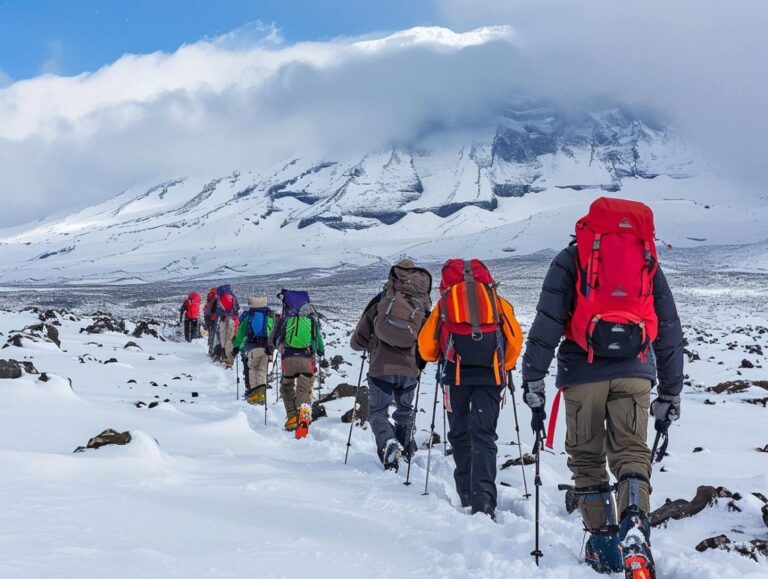
Kilimanjaro Month-By-Month Route Planner: Your Guide 2026-2027
Plan your Kilimanjaro climb with our month-by-month route planner. Covering 2026-2027, we detail weather patterns, route suitability, and expert advice for your successful summit.
View package details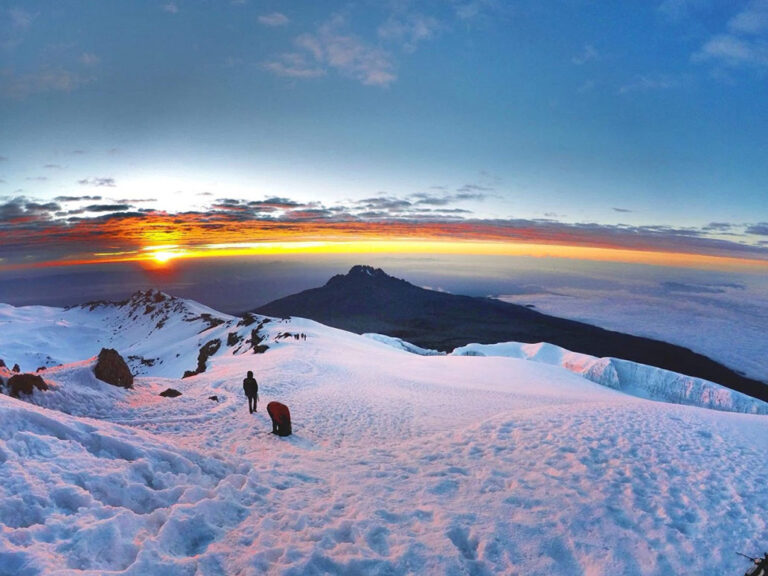
Coldest Month To Climb Kilimanjaro 2026-2027
Coldest Month to Climb Kilimanjaro is explained with current 2026-2027 planning, price, itinerary and booking information.
View package details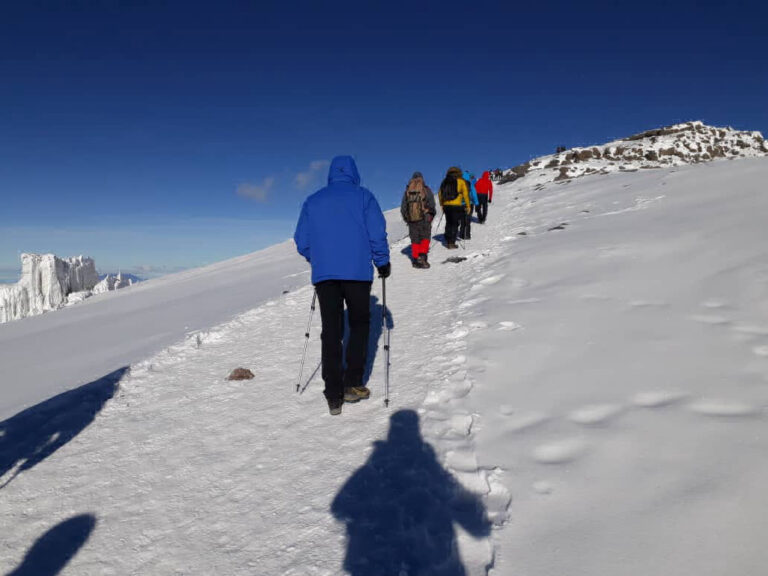
Best Kilimanjaro Month For Clear Summit Views In 2026-2027
Choosing the right month is crucial for clear summit views on Kilimanjaro. This guide details the best times to climb in 2026-2027, focusing on dry seasons and minimal cloud cover for...
View package details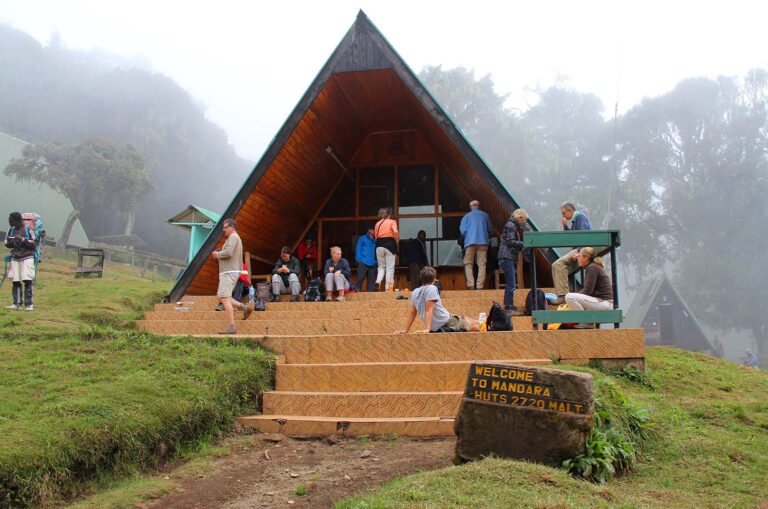
August Vs September: Best Kilimanjaro Summit Month In 2026-2027
Choosing between August and September for your Kilimanjaro climb involves weighing distinct advantages. While both months fall within the dry season, subtle differences in weather patterns...
View package details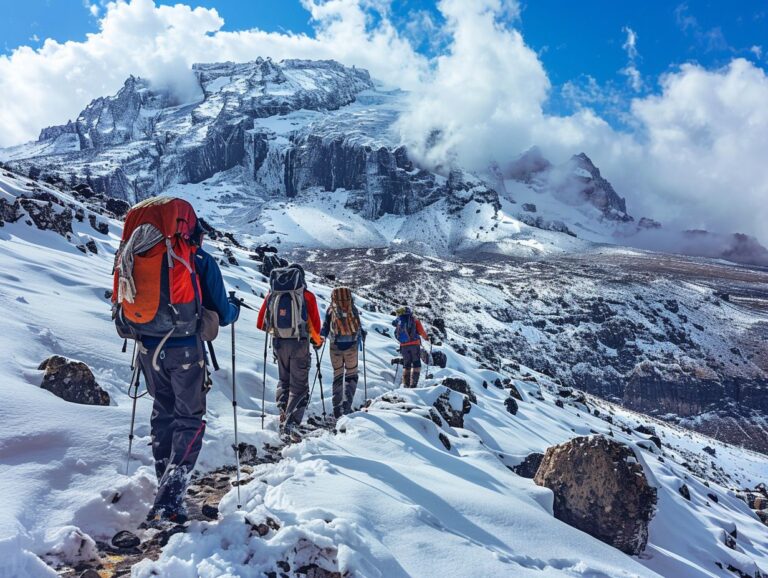
First Paraplegic To Summit Kilimanjaro: Chris Waddells Inspiring Ascent
Chris Waddell achieved a monumental feat by becoming the first paraplegic individual to conquer Mount Kilimanjaro. This article details his journey, the challenges faced, and provides...
View package details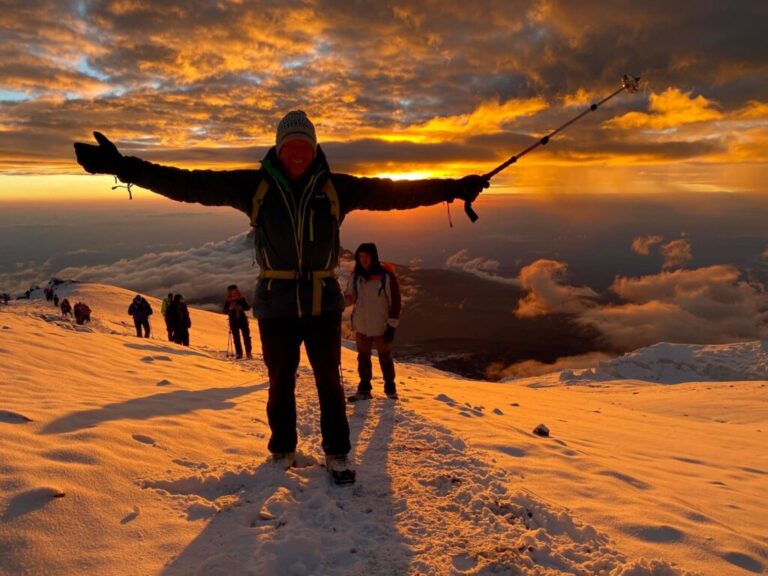
First Quadriplegic To Summit Kilimanjaro – Max Levene 2026-2027
First Quadriplegic to Summit Kilimanjaro – Max Levene is explained with current 2026-2027 planning, price, itinerary and booking information.
View package details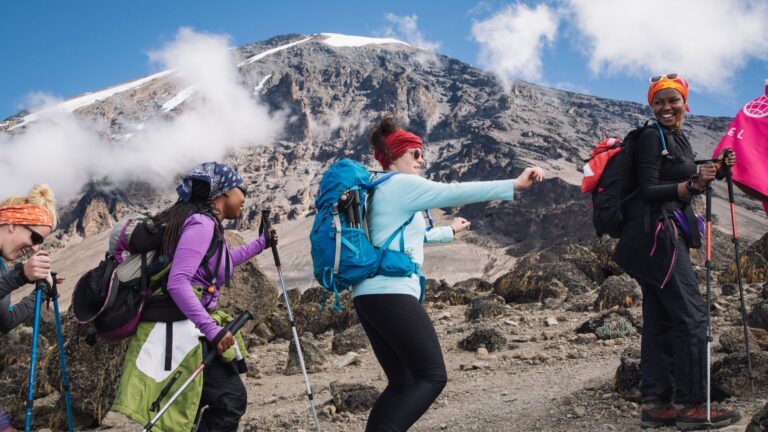
Youngest Girl To Summit Kilimanjaro – Ashleen Mandrick 2026-2027
Youngest Girl to Summit Kilimanjaro – Ashleen Mandrick is explained with current 2026-2027 planning, price, itinerary and booking information.
View package detailsNo related package matches those filters. Clear one or more filters to see the other topic-matched options.



