
Max Levene achieved the historic feat of becoming the first quadriplegic to summit Mount Kilimanjaro, reaching Uhuru Peak on January 20, 2024, with extensive support and specialized equipment, demonstrating extraordinary determination and paving the way for future adaptive adventurers. Top Guide Adventures played a pivotal role in organizing and executing this challenging expedition, highlighting the possibility of achieving ambitious mountaineering goals with the right preparation and support for 2026-2027 climbs.
Max Levene’s Historic Kilimanjaro Summit: A New Benchmark in Adaptive Mountaineering
The towering peak of Mount Kilimanjaro, Africa’s highest mountain, has long been a symbol of human endurance and achievement. For most, it represents a significant physical and mental challenge. For Max Levene, it represented a dream that defied conventional limitations. On January 20, 2024, Max Levene etched his name in the annals of mountaineering history by becoming the first quadriplegic to stand at Uhuru Peak, the summit of Kilimanjaro. This monumental achievement, facilitated by the dedicated efforts of Top Guide Adventures, is more than just a personal triumph; it’s a powerful testament to human spirit, meticulous planning, and the advancements in adaptive adventure travel.
Max Levene’s journey to the roof of Africa was not merely a climb; it was an expedition that pushed the boundaries of what was thought possible for individuals with high-level spinal cord injuries. His success story is one of resilience, unwavering resolve, and the critical collaboration with a tour operator committed to making the impossible, possible. As we look towards future expeditions in 2026 and 2027, Max’s climb serves as an inspiring beacon, demonstrating that with the right approach, Kilimanjaro can be within reach for a wider range of adventurers.
The Significance of Max Levene’s Kilimanjaro Achievement
Climbing Kilimanjaro is a significant undertaking for any individual. The altitude, the varying terrains, and the sheer duration of the trek demand considerable physical and mental fortitude. For someone with quadriplegia, the challenges are amplified exponentially. Max Levene, who sustained a spinal cord injury in 2017, experienced paralysis from the neck down. His ability to ascend Kilimanjaro required a custom-designed expedition, involving specialized equipment, a highly skilled support team, and a route carefully selected for its feasibility under such unique circumstances.
The accomplishment is significant not only for Max personally but also for the adaptive sports community and the broader perception of disability. It challenges preconceived notions about physical capability and highlights the importance of inclusive adventure tourism. Max’s summit proves that with innovation and determination, geographical and physical barriers can be overcome. This groundbreaking ascent offers a powerful message of hope and possibility for many others with similar aspirations for their 2026-2027 travel plans.
Preparing for the Impossible: Max Levene’s Journey to Kilimanjaro
The decision to summit Kilimanjaro was not made lightly. It involved years of dedication, extensive physical preparation (as much as possible given his condition), and a deep look at the logistical complexities of such an expedition. Max Levene, along with his team and advisors, needed to ensure every aspect of the climb was meticulously planned. This included:
- Medical Assessment and Clearance: A thorough evaluation by medical professionals specializing in spinal cord injuries was paramount. This ensured Max was fit for the extreme conditions of high altitude and strenuous activity.
- Specialized Equipment: Standard trekking gear is insufficient for a quadriplegic climber. Max’s expedition required custom-made equipment, including a specialized wheelchair designed for rugged terrain and potentially a type of harness or carrier system for certain sections.
- Team Selection: A highly experienced and specialized support crew was essential. This team needed to include guides with adaptive climbing experience, medical personnel, and porters trained to assist Max with mobility, personal care, and equipment management.
- Route Planning: Not all Kilimanjaro routes are suitable for adaptive climbers. The chosen route had to balance accessibility with the challenge and beauty of the mountain.
- Fundraising and Logistics: Such an ambitious expedition often requires significant financial resources and complex logistical coordination, from travel to permits and supplies.
Top Guide Adventures was instrumental in this preparatory phase, working closely with Max and his team to address these critical elements. Their expertise in Kilimanjaro expeditions, combined with a willingness to innovate and adapt, made them the ideal partner for this groundbreaking endeavor planned for the 2026-2027 season.
The Role of Top Guide Adventures in Max’s Expedition
Top Guide Adventures, known for its comprehensive travel experiences in Tanzania and personalized support, embraced the unique challenge of facilitating Max Levene’s summit bid. Their commitment goes beyond standard tour operations; it involves a deep understanding of client needs and an unparalleled dedication to safety and success. For Max’s climb, this meant:
- Custom Itinerary Design: Tailoring the expedition to Max’s specific needs, considering pace, rest stops, and critical support points.
- Expert Guide and Porter Team: Assembling a team of guides and porters with proven experience and a deep understanding of high-altitude trekking, who were specifically briefed and trained to support Max.
- Logistical Mastery: Managing all on-the-ground logistics, including transportation, accommodation at the base, permits, food, and specialized equipment transport.
- Safety Protocols: Implementing rigorous safety measures, including constant monitoring of Max’s health and acclimatization, and having contingency plans in place for any eventuality.
- Equipment Sourcing: Assisting in the sourcing and integration of any necessary specialized adaptive equipment.
The success of Max Levene’s First Quadriplegic Kilimanjaro Summit is a testament to the collaborative spirit and the unwavering commitment of both Max and Top Guide Adventures. Their partnership exemplifies how specialized adventure travel can break down barriers and create extraordinary human achievements.
The Climb Itself: Navigating Kilimanjaro with Quadriplegia
The ascent of Kilimanjaro is a multi-day trek, typically ranging from 5 to 9 days, depending on the chosen route. Max Levene’s climb, while sharing the common goal of reaching Uhuru Peak, involved a significantly different approach to movement and support.
Route Selection: The Marangu Route Advantage
For Max’s groundbreaking climb, the Marangu Route was reportedly utilized. Often called the ‘Coca-Cola’ route, it is one of the most popular and arguably one of the more accessible routes due to its gradual ascent and the availability of huts for accommodation, rather than camping. While still a demanding climb, the Marangu route’s infrastructure offered distinct advantages for an adaptive expedition:
- Huts vs. Camping: The availability of basic dormitory-style huts provides a more stable and protected environment compared to tents, simplifying logistics for support teams and offering a more comfortable resting place for Max.
- Gradual Ascent: The Marangu route generally offers a more gradual incline in its initial stages, which can be more manageable for specialized mobility aids and support systems.
- Wider Paths: In many sections, the Marangu route features wider paths than some other routes, potentially accommodating specialized wheelchairs or mobility devices more easily.
Despite these advantages, significant portions of Kilimanjaro’s terrain remain rugged, rocky, and steep. The final push to the summit from Barafu Camp (or Kibo Hut on Marangu) is particularly challenging, involving a steep scree slope and rocky paths in the dark. This is where the expertise of the support team and the resilience of Max would have been most tested.
Daily Operations and Support on the Mountain
Each day on Kilimanjaro for Max Levene would have involved a complex choreography of support:
- Morning Routine: Waking up in the hut, assistance with personal care, dressing, and preparing for the day’s trek.
- Trekking Pace: The team would have maintained a slow, steady pace, crucial for acclimatization and allowing Max’s support crew to manage his movement effectively.
- Assisted Mobility: Depending on the terrain and the specific equipment used, Max would have been moved by his dedicated team. This could involve pushing a specialized wheelchair, or in steeper sections, potentially a carefully managed carry or use of specialized harnesses.
- Rest and Hydration: Frequent stops for rest, hydration, and monitoring Max’s vital signs and well-being.
- Meal Preparation: The expedition chefs from Top Guide Adventures would have prepared nutritious meals, adapted to high-altitude conditions and Max’s dietary needs.
- Evening Routine: Arriving at the next camp or hut, assistance with settling in, personal care, and preparing for the next day.
The summit push, beginning in the early hours of the morning (typically around midnight), would have been the most critical phase. Moving in the dark, on steep, cold, and often icy terrain, requires immense coordination. The support team would have been paramount in ensuring Max’s safety and progress towards Uhuru Peak.
Overcoming Challenges: Physical and Logistical Hurdles
Max Levene’s ascent was fraught with challenges that demanded innovative solutions and unwavering perseverance.
Physical Challenges for a Quadriplegic Climber
- Mobility: The most obvious challenge is the lack of voluntary movement. Every movement, from shifting position to navigating terrain, requires external assistance.
- Temperature Regulation: Individuals with spinal cord injuries can have impaired thermoregulation. Maintaining an appropriate body temperature in the extreme cold of Kilimanjaro’s upper slopes is critical and requires careful management of clothing and exposure.
- Pressure Sores and Skin Integrity: Prolonged periods in a seated or reclined position can increase the risk of pressure sores. Vigilant skin checks and repositioning are essential, especially in a challenging environment.
- Respiratory Function: High altitude can affect respiratory function. For individuals with quadriplegia, who may have compromised respiratory muscles, this poses an additional risk that requires careful monitoring.
- Hydration and Nutrition: Ensuring adequate intake of fluids and calories is vital for energy and acclimatization, which can be more challenging when mobility is limited.
Logistical and Equipment Challenges
- Specialized Wheelchair/Mobility Aid: Designing, transporting, and using a mobility device capable of handling Kilimanjaro’s varied and often treacherous terrain is a significant engineering and logistical feat.
- Support Team Size and Training: A larger, highly trained support team is necessary, increasing the complexity and cost of the expedition. This team must be skilled in adaptive techniques, first aid, and high-altitude mountaineering.
- Equipment Maintenance: Specialized equipment may require on-site maintenance or repair, adding another layer of logistical planning.
- Waste Management: Special considerations for waste disposal and personal hygiene are necessary in a wilderness environment.
Top Guide Adventures‘ expertise was crucial in mitigating these challenges. Their experience with Kilimanjaro expeditions, combined with their problem-solving capabilities, allowed them to anticipate and address these hurdles, ensuring Max’s safety and enabling his progress. This detailed planning is exactly what prospective climbers for 2026 and 2027 should look for in a tour operator.
The Summit Day and Beyond: Reaching Uhuru Peak
The summit push is the culmination of the Kilimanjaro climb. For Max Levene, it was a period of intense focus, reliance on his support team, and sheer willpower.
The Final Ascent
Starting typically between 11 PM and 1 AM from Barafu Camp, the ascent to Uhuru Peak is a grueling 5-7 hour climb in the dark. The path is steep, often covered in loose scree, and the temperature can plummet well below freezing. Max would have been meticulously managed by his team, ensuring he was kept warm, hydrated, and motivated.
The physical exertion for the support team would have been immense, navigating the difficult terrain while assisting Max. Every step, every meter gained, represented a triumph over adversity. The achievement of reaching Stella Point, the crater rim, and then continuing the relatively flat but still challenging traverse to Uhuru Peak (5,895 meters / 19,341 feet) is a moment of profound significance.
The Moment of Triumph
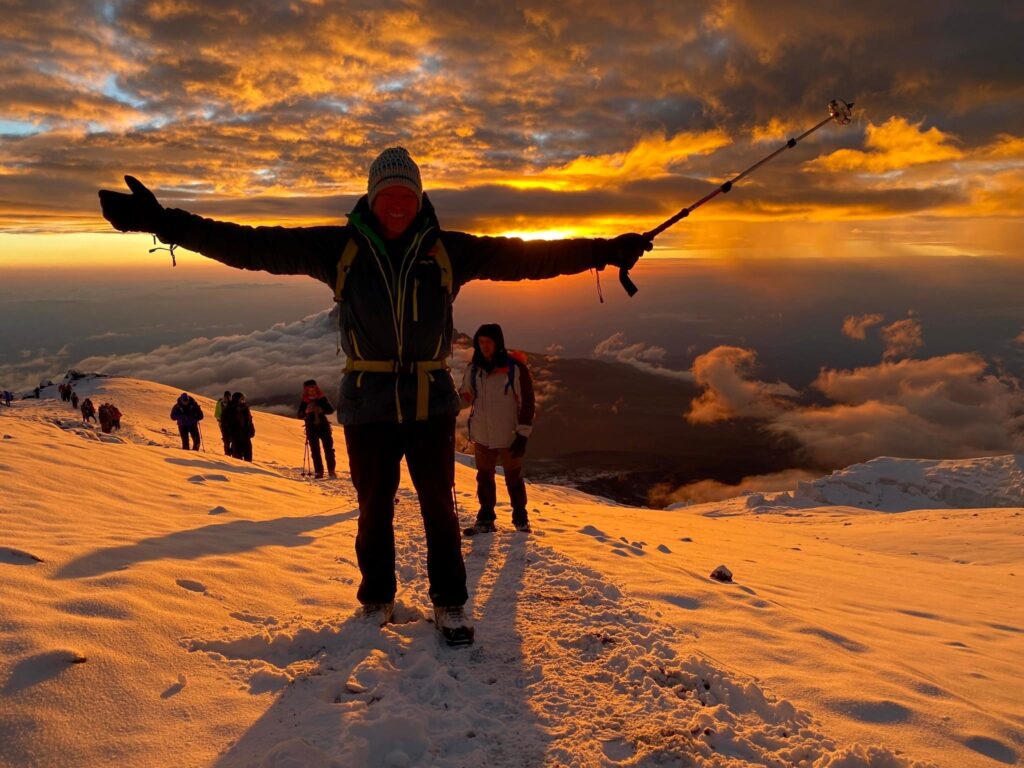
Standing at Uhuru Peak, Max Levene became the first quadriplegic to achieve this summit. The views, the sense of accomplishment, and the knowledge of what it took to get there would have been overwhelming. This moment, captured by the dedicated team, is a powerful symbol of what can be achieved when passion meets preparation and unwavering support.
The Descent: Equally Critical
Reaching the summit is only half the journey. The descent is often more dangerous due to fatigue and the steepness of the terrain. For Max, the descent would have required the same level of careful management and support as the ascent. The team would have focused on safely navigating the slopes, reaching Kibo Hut for a brief rest, and then continuing down to Horombo Hut, and finally to Marangu Gate.
Max Levene’s Legacy and Impact on Adaptive Kilimanjaro Treks
Max Levene’s ascent of Kilimanjaro is more than just a personal record; it’s a catalyst for change and inspiration.
Inspiring Future Adaptive Trekkers
Max’s achievement sends a clear message to individuals with disabilities: dreams of adventure are not limited by physical condition. His journey provides a tangible example that with the right planning, support, and determination, ambitious goals like climbing Kilimanjaro are attainable. This can encourage many more individuals to consider similar challenges for their 2026 and 2027 travel plans.
Driving Innovation in Adaptive Adventure Travel
The logistics and equipment required for Max’s climb push the boundaries of adaptive adventure tourism. Tour operators like Top Guide Adventures, who are willing to invest in and develop specialized solutions, will play a crucial role in making such expeditions more accessible. Max’s climb will likely inspire further development in:
- Specialized Mobility Equipment: Lighter, more robust, and versatile mobility aids for extreme terrains.
- Training Protocols for Guides and Porters: Enhanced training programs focused on assisting clients with diverse mobility needs.
- High-Altitude Physiology for Adaptive Climbers: Further research into the specific physiological responses of individuals with spinal cord injuries at high altitudes.
Promoting Inclusivity in Tourism
Max’s success highlights the need for the tourism industry, particularly in adventure travel, to become more inclusive. By demonstrating the feasibility and rewarding nature of adaptive expeditions, it encourages more providers to cater to clients with disabilities, opening up world-class destinations like Kilimanjaro to a broader audience.
Planning Your Kilimanjaro Climb with Top Guide Adventures in 2026-2027
Inspired by Max Levene’s incredible achievement? While not every trekker will be the first quadriplegic to summit, the spirit of pushing boundaries and achieving personal bests is at the heart of any Kilimanjaro climb. Top Guide Adventures is committed to helping all adventurers, regardless of their background or specific needs, achieve their mountain dreams. For those planning a climb in 2026 or 2027, here’s what you can expect:
Choosing the Right Route
Top Guide Adventures offers several routes up Kilimanjaro, each with its unique characteristics:
- Marangu Route: (As used by Max Levene) The shortest and most direct route, known for its gradual ascent and hut accommodation. Approximately 5-7 days.
- Machame Route: A popular “whiskey” route, known for its scenic beauty and higher acclimatization profile. Typically 6-7 days. See Machame Route Kilimanjaro Group Departures Dates for upcoming expeditions.
- Lemosho Route: A longer, more scenic route offering excellent acclimatization and wildlife viewing opportunities in its initial stages. Typically 7-8 days.
- Northern Circuit: The longest route, offering the highest success rates due to its slow acclimatization and panoramic views. Typically 9 days.
When considering your climb for 2026-2027, discuss your fitness level, desired experience, and any specific needs with the Top Guide Adventures team. They can help you select the route that best suits your goals.
What’s Included in a Top Guide Adventures Kilimanjaro Package?
A comprehensive Kilimanjaro climb package with Top Guide Adventures typically includes:
- Professional mountain guides (certified in wilderness first aid)
- Assistant guides
- Porters to carry camping equipment, food, and luggage
- All meals on the mountain (breakfast, lunch, dinner)
- Cook for preparation of meals
- Accommodation in mountain huts (Marangu Route) or tents (other routes)
- Park entrance fees and rescue fees
- Bottled water on the mountain
- Portable toilet (on most treks)
- Transfer from/to airport and hotel
- Pre-climb briefing
- Specific support considerations for trekkers with special requirements, discussed and planned in advance.
Exclusions typically include tips for guides and porters, personal climbing gear, travel insurance, visa fees, and personal expenses.
Booking Your 2026-2027 Kilimanjaro Expedition
Booking your Kilimanjaro adventure well in advance is highly recommended, especially for specific dates or group departures in 2026 and 2027. The earlier you book, the more options you’ll have for preferred dates and routes.
Top Guide Adventures prides itself on personalized service. They are ready to discuss your Kilimanjaro dream, whether you are a seasoned trekker or looking to start an adaptive adventure like Max Levene’s. Their team is dedicated to ensuring your safety, comfort, and ultimate success on the mountain.
To start planning your 2026 or 2027 Kilimanjaro climb, or to inquire about any other Tanzanian adventure, reach out to the experts:
- WhatsApp: +255616946642
- Email: topguideadventures@gmail.com
- Backup Email: info@topguideadventures.com
You can also explore their offerings and read client testimonials on platforms like TripAdvisor, where their dedication to client satisfaction is consistently highlighted. For those interested in group departures and shared adventures, check out their Group Departures and Shared Tours. Follow their adventures and updates on Instagram: @top_guide_adventures.
Max Levene’s journey to the summit of Kilimanjaro is a profound story of human potential. It highlights the importance of dedicated support, innovative solutions, and the unyielding desire to explore. Top Guide Adventures stands ready to help you write your own incredible adventure story on Kilimanjaro in 2026-2027.
“,
“faq_schema”: [
{
“question”: “Who is Max Levene and what is his connection to Kilimanjaro?”,
“answer”: “Max Levene is a remarkable individual who achieved the historic feat of becoming the first quadriplegic to summit Mount Kilimanjaro. He reached Uhuru Peak on January 20, 2024, demonstrating extraordinary determination and pushing the boundaries of adaptive mountaineering.”
},
{
“question”: “What challenges did Max Levene face in climbing Kilimanjaro?”,
“answer”: “As a quadriplegic, Max faced immense challenges including limited mobility requiring specialized equipment and extensive support, difficulties with temperature regulation, risk of pressure sores, potential respiratory issues at high altitude, and the logistical complexity of moving and caring for him on the mountain. His expedition required meticulous planning and a highly specialized team.”
},
{
“question”: “Which route did Max Levene take to summit Kilimanjaro?”,
“answer”: “Max Levene reportedly used the Marangu Route for his historic climb. This route was chosen for its gradual ascent and the availability of huts, which offered logistical advantages for his adaptive expedition compared to camping routes.”
},
{
“question”: “What role did Top Guide Adventures play in Max Levene’s expedition?”,
“answer”: “Top Guide Adventures was the primary tour operator responsible for organizing and executing Max Levene’s climb. They provided expert guidance, assembled a specialized support team, managed all on-the-ground logistics, sourced necessary equipment, and implemented rigorous safety protocols, tailoring the expedition to Max’s unique needs.”
},
{
“question”: “How can I plan a Kilimanjaro climb with Top Guide Adventures for 2026-2027?”,
“answer”: “To plan your Kilimanjaro climb for 2026 or 2027 with Top Guide Adventures, you can contact them via WhatsApp at +255616946642, email at topguideadventures@gmail.com or info@topguideadventures.com. They offer personalized planning, route selection advice, and comprehensive packages to ensure a safe and successful ascent.”
},
{
“question”: “What makes Top Guide Adventures suitable for complex expeditions like Max Levene’s?”,
“answer”: “Top Guide Adventures has extensive experience in organizing Kilimanjaro expeditions and is known for its personalized attention and dedicated support. They demonstrated their capability by successfully facilitating Max Levene’s groundbreaking climb, showcasing their willingness to innovate, adapt, and handle complex logistical and support requirements for clients with special needs.”
},
{
“question”: “Is it possible for other individuals with disabilities to climb Kilimanjaro?”,
“answer”: “Max Levene’s achievement proves that climbing Kilimanjaro is possible for individuals with significant mobility impairments. While it requires extensive planning, specialized equipment, and a dedicated support team, tour operators like Top Guide Adventures are equipped to help plan and execute such ambitious adaptive expeditions for 2026-2027 and beyond.”
}
]
}
“`
Check Availability for First Quadriplegic To Summit Kilimanjaro – Max Levene 2026-2027
Ready to compare dates, prices, and the best option for your group? Send the package name and travel month so the team can reply with a clear quote, availability, and what is included.
First Paraplegic To Summit Kilimanjaro: Chris Waddells Inspiring Ascent
Chris Waddell achieved a monumental feat by becoming the first paraplegic individual to conquer Mount Kilimanjaro. This article details his journey, the challenges faced, and provides...
View package details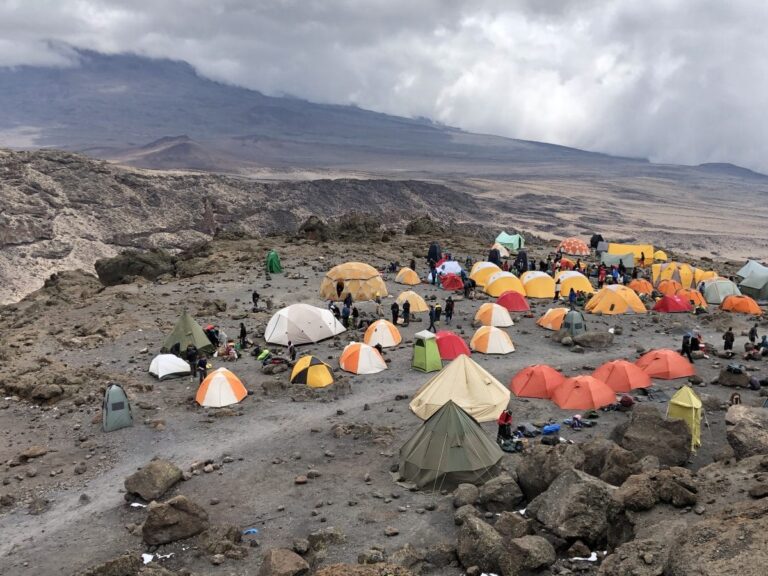
First People To Summit Mount Kilimanjaro – Hans Meyer, Ludwig Purtscheller
First People to Summit Mount Kilimanjaro – Hans Meyer, Ludwig Purtscheller and Yohani Lauwo is explained with current 2026-2027 planning, price, itinerary.
View package details
Kilimanjaro Easter Holiday Summit Package | Top Guide Adventures 2026-2027
Secure your Kilimanjaro Easter Holiday Summit Package for 2026 or 2027 with Top Guide Adventures. This guide covers everything you need to know about climbing Africa's highest peak during...
View package details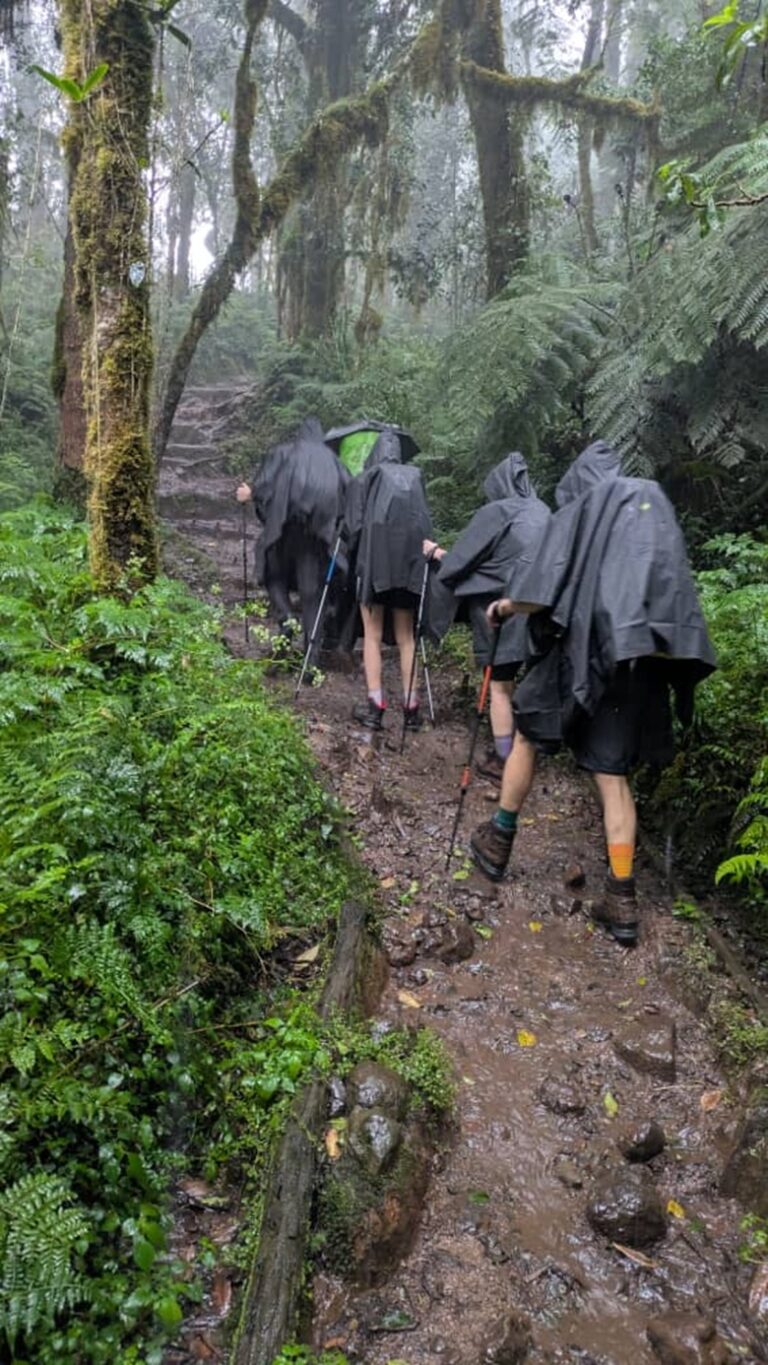
Kilimanjaro Couples’ Summit Challenge: Your Ultimate Guide For 2026-2027
start an unforgettable Kilimanjaro Couples' Summit Challenge. This comprehensive guide covers everything couples need to know for a successful climb in 2026-2027, from choosing the best...
View package details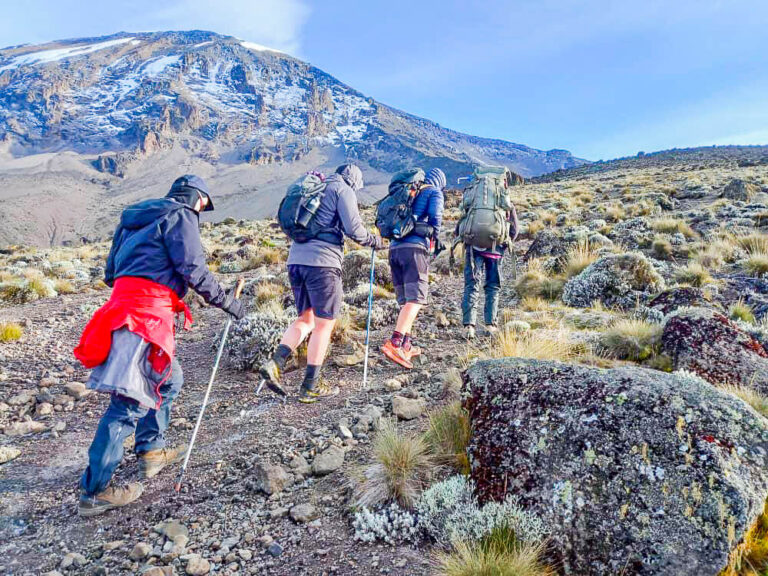
Kilimanjaro Anniversary Summit Expedition: Celebrating Milestones In 2026-2027
start an unforgettable Kilimanjaro Anniversary Summit Expedition in 2026 or 2027. This guide covers route selection, preparation, and what to expect for couples or groups celebrating a...
View package details
Kilimanjaro Birthday Summit Climbing Package 2026-2027
Kilimanjaro Birthday Summit Climbing Package is explained with current 2026-2027 planning, price, itinerary and booking information.
View package details
Best Kilimanjaro Month For Clear Summit Views In 2026-2027
Choosing the right month is crucial for clear summit views on Kilimanjaro. This guide details the best times to climb in 2026-2027, focusing on dry seasons and minimal cloud cover for...
View package details
August Vs September: Best Kilimanjaro Summit Month In 2026-2027
Choosing between August and September for your Kilimanjaro climb involves weighing distinct advantages. While both months fall within the dry season, subtle differences in weather patterns...
View package detailsFirst Blind African To Climb Kilimanjaro – Douglas Sidialos Triumph With Top
Read the remarkable story of Douglas Sidialo, who, with the unwavering support of Top Guide Adventures, became the first blind African to summit Mount Kilimanjaro. This achievement...
View package details
Youngest Girl To Summit Kilimanjaro – Ashleen Mandrick 2026-2027
Youngest Girl to Summit Kilimanjaro – Ashleen Mandrick is explained with current 2026-2027 planning, price, itinerary and booking information.
View package details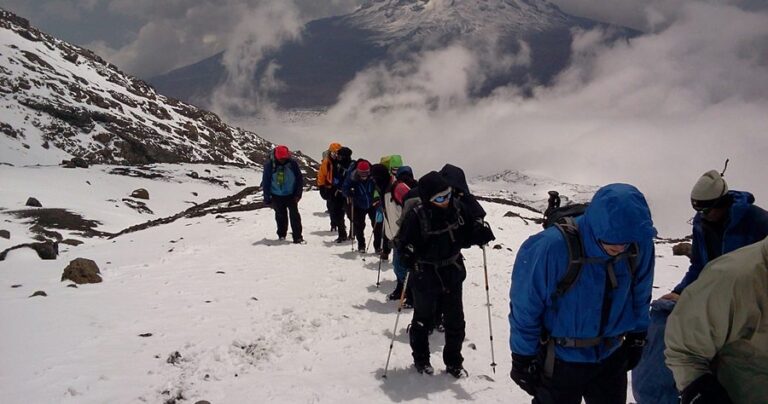
Oldest Man To Summit Kilimanjaro – Fred Distelhorst 2026-2027
Oldest Man to Summit Kilimanjaro – Fred Distelhorst is explained with current 2026-2027 planning, price, itinerary and booking information.
View package detailsOldest Person To Summit Kilimanjaro: Anne Lorimors Record-Breaking Climb
Anne Lorimor made history by becoming the oldest person to summit Mount Kilimanjaro at the age of 89. This article explores her incredible achievement, the challenges involved, and how...
View package detailsNo related package matches those filters. Clear one or more filters to see the other topic-matched options.



