
The Kilimanjaro International Women’s Day Climb offers a unique opportunity to summit Africa’s highest peak, Mount Kilimanjaro, around March 8th each year, celebrating women’s achievements and empowerment. These specialized treks, often running in late February and early March for 2026 and 2027, combine the challenge of a Kilimanjaro ascent with a powerful message of solidarity and progress for women. They typically involve choosing a suitable route like Machame or Lemosho, require thorough preparation, and provide an unforgettable experience of conquering the mountain in the spirit of International Women’s Day.
Celebrating Women on the Roof of Africa: The Kilimanjaro International Women’s Day Climb
Mount Kilimanjaro, a dormant volcano in Tanzania, stands as an iconic symbol of achievement and natural wonder. While millions dream of reaching its summit, a special kind of expedition has emerged: the Kilimanjaro International Women’s Day Climb. This isn’t just another trek; it’s a conscious effort to honor women, foster sisterhood, and highlight the spirit of empowerment against the backdrop of one of the world’s most magnificent natural landmarks. For those looking to participate in 2026 or 2027, understanding the nuances of this specialized climb is key to planning a truly meaningful adventure.
At Top Guide Adventures, we recognize the profound significance of such an endeavor. We are dedicated to providing comprehensive travel experiences across Tanzania, including expert-led Kilimanjaro climbs. Our personal attention, care, and dedicated support ensure that every client, whether climbing for personal achievement or in solidarity with a cause, has a safe and rewarding journey. This article will guide you through what makes a Kilimanjaro International Women’s Day Climb special, from choosing the right route and timing to preparing physically and mentally, and what to expect on the mountain itself.
Why Choose an International Women’s Day Climb for Kilimanjaro?
The appeal of climbing Kilimanjaro on or around International Women’s Day (March 8th) goes beyond the physical challenge. It’s about aligning a personal journey of accomplishment with a global celebration of women’s rights, achievements, and resilience.
- Symbolism of Strength: Kilimanjaro is a formidable mountain. Reaching its summit is a testament to strength, perseverance, and determination. This resonates deeply with the ongoing fight for gender equality and the celebration of women’s strength worldwide.
- Sisterhood and Solidarity: These climbs often attract women from diverse backgrounds, creating an unparalleled opportunity for connection, mutual support, and the formation of lasting friendships. Sharing the highs and lows of a challenging trek fosters a unique bond.
- Raising Awareness: Participating in an International Women’s Day climb can serve as a platform to raise awareness and support for women’s causes, whether personal or through associated charities.
- Personal Empowerment: For many women, conquering Kilimanjaro is a deeply personal journey of self-discovery and empowerment. Doing so during a time dedicated to celebrating women amplifies this feeling.
- Unique Timing: While Kilimanjaro can be climbed year-round, the specific timing around March 8th adds a layer of purpose and shared experience. The weather patterns in March are also generally favorable, falling within the drier season.
Planning Your Kilimanjaro International Women’s Day Climb: 2026 & 2027
Successful planning is paramount for any Kilimanjaro expedition, and an International Women’s Day Climb requires specific considerations. The years 2026 and 2027 offer excellent opportunities to start this journey. Early booking is highly recommended, especially for these themed climbs, as they can fill up quickly due to their specific timing and appeal.
Choosing the Right Route for Your March Ascent
While any of Kilimanjaro’s established routes can be used for an International Women’s Day climb, some are better suited due to their scenic beauty, acclimatization profiles, and success rates. For a March climb, considering routes that offer good acclimatization is crucial.
- Machame Route: Known as the “Whiskey Route,” Machame is popular for its scenic beauty and excellent acclimatization profile, which leads to higher summit success rates. It’s a 6-7 day trek, offering a good balance between challenge and time. This is a strong contender for an International Women’s Day climb, providing a robust experience.
- Lemosho Route: Often considered one of the most beautiful routes, Lemosho offers a longer, 7-8 day trek. Its gradual ascent through diverse landscapes, including the Shira Plateau, provides superior acclimatization, making it highly recommended for maximizing your chances of reaching the summit, especially for those seeking a more in-depth experience around International Women’s Day.
- Marangu Route: The “Coca-Cola Route” is the only one with dormitory-style accommodation. It’s typically shorter (5 days) but has a faster ascent and thus a lower success rate due to poor acclimatization. While possible, it’s less ideal for those prioritizing summit success and a comfortable experience during a special climb.
- Northern Circuit: The longest route (9-10 days), offering the highest success rates due to exceptional acclimatization and stunning views. It circumnavigates the mountain, providing a comprehensive Kilimanjaro experience. For those wanting the most comfortable and well-acclimatized climb for International Women’s Day, this is an excellent, though longer, option.
When planning for March 2026 or March 2027, consider your personal fitness, time availability, and desired level of challenge. Top Guide Adventures can help you select the route that best aligns with your goals for this commemorative climb.
Duration and Itinerary Considerations for 2026-2027
To celebrate International Women’s Day effectively and safely, a longer itinerary is generally recommended to allow for proper acclimatization.
Recommendation for 2026-2027 Climbs: For an International Women’s Day Kilimanjaro Climb, we strongly advise a minimum of 7 days for routes like Machame or Lemosho. For optimal acclimatization and a more relaxed pace, consider an 8-day itinerary or longer, such as the Northern Circuit. This extra day significantly increases your chances of summiting comfortably and safely, allowing you to fully appreciate the journey on this special occasion.
A typical 7-day Machame itinerary for an International Women’s Day climb might look like this:
Sample 7-Day Machame Route Itinerary (International Women’s Day Focus)
| Day | Stage | Distance | Approx. Time | Altitude (m/ft) | Accommodation |
|---|---|---|---|---|---|
| 1 | Machame Gate to Machame Camp | 11 km / 6.8 miles | 5-7 hours | 3,050m / 10,007ft | Camping |
| 2 | Machame Camp to Shira Camp | 5 km / 3.1 miles | 4-6 hours | 3,850m / 12,631ft | Camping |
| 3 | Shira Camp to Barranco Camp | 10 km / 6.2 miles | 5-7 hours | 3,950m / 12,959ft | Camping |
| 4 | Barranco Camp to Karanga Camp | 5 km / 3.1 miles | 3-5 hours | 4,000m / 13,123ft | Camping |
| 5 | Karanga Camp to Barafu Camp | 4 km / 2.5 miles | 3-4 hours | 4,600m / 15,091ft | Camping |
| 6 | Barafu Camp to Summit to Mweka Camp | 7 km / 4.3 miles (up) + 12 km / 7.5 miles (down) | 7-9 hours (up) + 4-6 hours (down) | 5,895m / 19,341ft (Summit) | Camping |
| 7 | Mweka Camp to Mweka Gate | 10 km / 6.2 miles | 3-5 hours | 1,640m / 5,380ft (Gate) | Transfer to Hotel |
Note: This is a sample itinerary. Routes like Lemosho or Northern Circuit often include additional days for better acclimatization.
Booking Your 2026-2027 International Women’s Day Climb
Securing your spot for a Kilimanjaro International Women’s Day Climb in 2026 or 2027 requires advance planning. Tour operators specializing in Kilimanjaro expeditions will offer specific departures around March 8th. It’s essential to book several months, ideally 6-12 months in advance, to ensure availability and allow ample time for preparation.
When comparing operators, look for those who:
- Have extensive experience with Kilimanjaro climbs.
- Prioritize safety with well-trained guides and adequate equipment.
- Offer detailed itineraries that emphasize acclimatization.
- Have a strong track record of successful summits and positive client reviews.
- Provide clear inclusions and exclusions in their pricing.
Top Guide Adventures is a trusted partner for your Kilimanjaro journey, offering dedicated support and expert guidance. Contact us to discuss your Kilimanjaro International Women’s Day Climb for 2026 or 2027.
Preparing for the Kilimanjaro International Women’s Day Climb
A successful summit is a combination of careful planning, physical conditioning, and mental fortitude. Preparing for an International Women’s Day climb means addressing these aspects with the added context of a special occasion.
Physical Training: Building Your Kilimanjaro Stamina
Kilimanjaro is a high-altitude trek, not a technical climb, but it demands significant physical endurance. Your training should focus on cardiovascular fitness, leg strength, and endurance.
- Cardiovascular Exercise: Aim for at least 3-4 sessions per week. Activities like running, cycling, swimming, or brisk walking will build your aerobic capacity.
- Hiking with a Pack: This is crucial. Find hills or stairs and hike regularly (at least once a week) for several hours, carrying a backpack with weight (5-10 kg or 10-20 lbs) to simulate mountain conditions. This helps your body adapt to the strain.
- Strength Training: Focus on leg muscles (squats, lunges, calf raises) and core strength. Stronger muscles reduce fatigue and the risk of injury.
- Stair Climbing: Incorporate stair climbing into your routine. It mimics the steep ascents on Kilimanjaro and builds essential leg and glute strength.
- Practice on Varied Terrain: If possible, train on uneven terrain to prepare your ankles and improve balance.
Start your training at least 3-4 months before your planned Kilimanjaro International Women’s Day Climb in 2026 or 2027. Listen to your body and gradually increase intensity and duration.
Acclimatization Strategy: The Key to Summit Success
Altitude sickness is the most significant challenge on Kilimanjaro. Proper acclimatization is not optional; it’s essential. The principle of “climb high, sleep low” is vital.
- Choose Longer Routes: As mentioned, routes like Lemosho or Northern Circuit offer better acclimatization profiles.
- Ascend Gradually: Your itinerary should allow for slow and steady ascents. Avoid rapid elevation gains.
- Hydration: Drink plenty of water (3-4 liters per day) to help your body adjust to the altitude. Avoid alcohol and caffeine, which can dehydrate you.
- Pacing: “Pole pole” (slowly, slowly) is the mantra on Kilimanjaro. Walk at a pace that allows you to hold a conversation without gasping for breath.
- Monitor Symptoms: Be aware of the symptoms of Acute Mountain Sickness (AMS), including headache, nausea, dizziness, and fatigue. Report any symptoms to your guide immediately. Diamox (acetazolamide) can be prescribed by your doctor to aid acclimatization, but it’s not a substitute for proper strategy.
Mental Preparation: The Power of Mind Over Mountain
The mental aspect of climbing Kilimanjaro is as crucial as the physical. The summit push, in particular, is a test of willpower.
- Visualize Success: Imagine yourself reaching the summit, feeling the accomplishment, and enjoying the views.
- Positive Self-Talk: Prepare to encourage yourself and your fellow climbers. Focus on one step at a time.
- Embrace Discomfort: Understand that there will be challenging moments – cold, fatigue, and difficult terrain. Accepting this beforehand can help you push through.
- Teamwork: For an International Women’s Day climb, fostering a supportive team environment is key. Encourage each other, share positive energy, and remember you are on this journey together.
Essential Gear for Your Kilimanjaro International Women’s Day Climb
Having the right gear is critical for comfort, safety, and performance. Layering is the most important concept.
Key Gear List:
- Base Layers: Moisture-wicking thermal tops and bottoms (synthetic or merino wool).
- Mid Layers: Fleece jacket or insulated jacket for warmth.
- Outer Layer (Shell): Waterproof and windproof jacket and pants.
- Insulated Jacket: A warm down or synthetic puffer jacket for evenings and summit night.
- Trekking Pants: Comfortable, quick-drying hiking pants.
- Headwear: Warm beanie or wool hat, sun hat with a brim, and a balaclava or neck gaiter for cold protection.
- Gloves: Warm, waterproof gloves or mittens, and liner gloves.
- Footwear: Broken-in, waterproof hiking boots with good ankle support. Camp shoes or comfortable trainers for evenings.
- Socks: Several pairs of wool or synthetic hiking socks.
- Backpack: A comfortable daypack (30-40 liters) for carrying essentials during the day. A larger duffel bag (80-100 liters) for your gear to be carried by porters.
- Sleeping Bag: A warm sleeping bag rated for -10°C to -20°C (0°F to -4°F).
- Trekking Poles: Highly recommended for reducing strain on knees and improving balance.
- Headlamp: With extra batteries. Essential for summit night.
- Sun Protection: High SPF sunscreen, lip balm with SPF, sunglasses.
- Hydration: Water bottles or a hydration reservoir (2-3 liters capacity). Ensure they are insulated or won’t freeze.
- Personal Items: Toiletries, personal first-aid kit, camera, power bank, snacks.
Top Guide Adventures provides a detailed gear list upon booking.
The Kilimanjaro International Women’s Day Climb Experience: What to Expect
The journey to the summit of Kilimanjaro is a profound experience, and undertaking it on International Women’s Day adds a unique dimension.
Daily Life on the Mountain
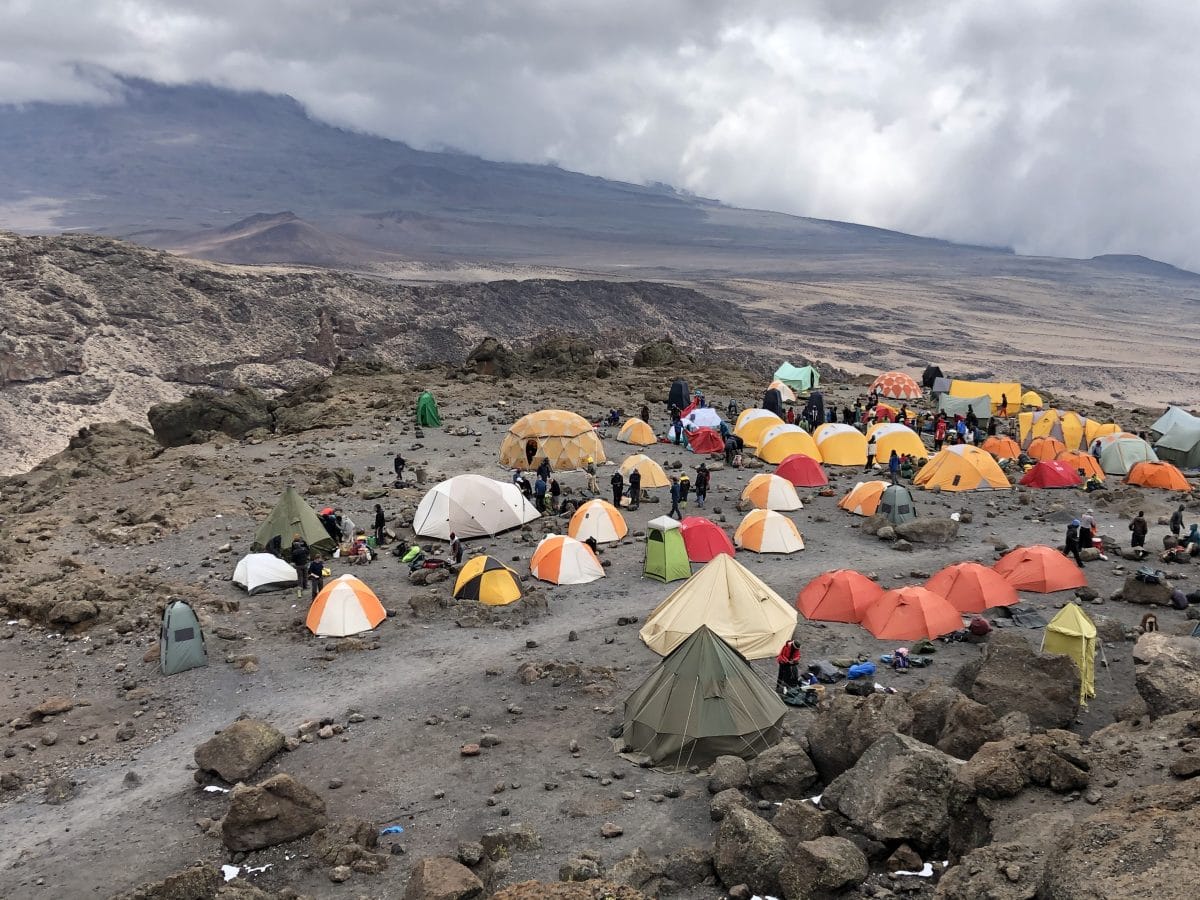
Each day on Kilimanjaro follows a rhythm. Mornings begin early with breakfast, followed by a day’s trek through diverse ecological zones. Your guides will lead the way, setting a steady pace and ensuring safety. Porters carry the bulk of the gear, setting up camp and preparing meals. Meals are typically hearty and nutritious, designed to provide energy. Evenings are spent at camp, resting, rehydrating, and preparing for the next day.
The Summit Night Push
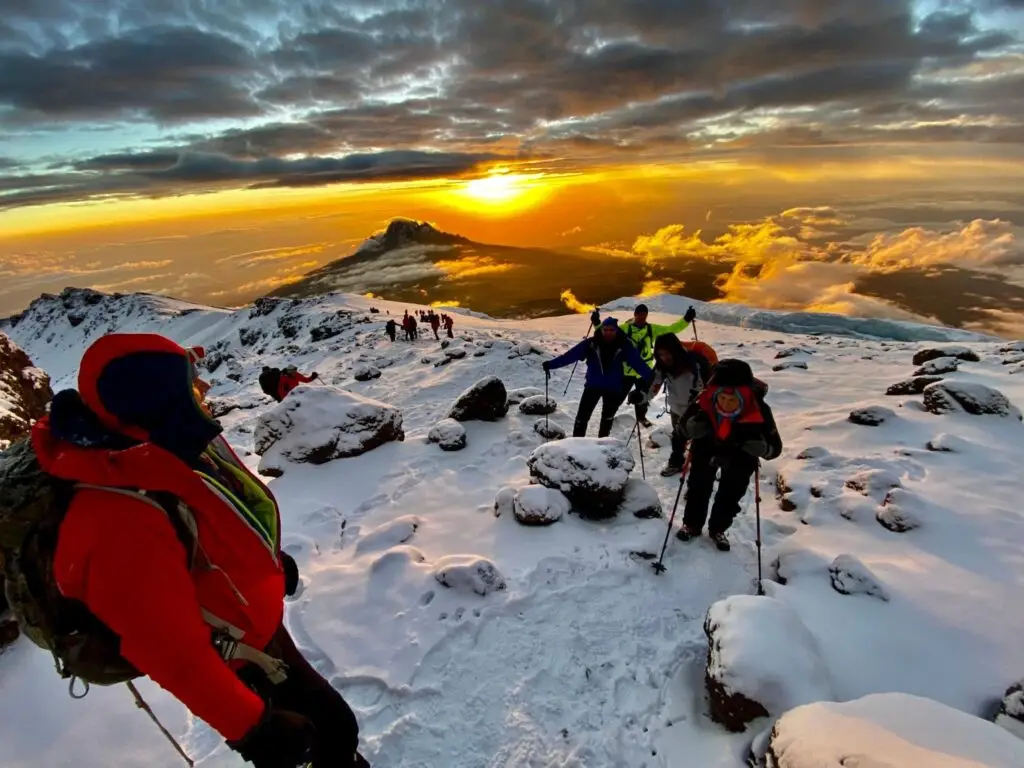
Summit night is the most challenging part of the climb. Typically starting around midnight from Barafu Camp (or similar), you’ll ascend in darkness, using headlamps. The air is thin, temperatures are frigid, and the terrain is steep scree. This is where mental fortitude and physical endurance are tested to their limits. The goal is to reach Uhuru Peak (5,895m / 19,341ft) by sunrise, a truly spectacular reward. After celebrating briefly, the descent begins, which is faster but still demanding.
Celebrating International Women’s Day on the Mountain
While the exact date of March 8th might fall on a trekking day or a rest day depending on your itinerary, the spirit of International Women’s Day can be woven into the experience.
- Group Discussions: Guides can facilitate conversations about women’s achievements and challenges.
- Shared Moments: The camaraderie among women climbers, and the support from male guides and porters, can embody the day’s message.
- Tribute at the Summit: Reaching the summit is a powerful personal achievement that can be dedicated to the women in your life or to the broader cause of women’s empowerment.
- Special Touches: Some groups might arrange small symbolic gestures, like a moment of reflection or a shared story session, to mark the occasion.
The Role of Guides and Support Crew
Your guides are not just navigators; they are your lifeline. They are trained in high-altitude medicine, first aid, and mountain rescue. They monitor your health, manage acclimatization, and make critical decisions regarding your safety. The entire support crew – porters and cooks – work tirelessly to ensure your comfort and well-being, allowing you to focus on the climb. For an International Women’s Day climb, having a crew that is supportive and understanding of the occasion can enhance the experience.
Safety and Health on the Kilimanjaro International Women’s Day Climb
Safety is the absolute priority on any Kilimanjaro expedition. Top Guide Adventures adheres to strict safety protocols.
Altitude Sickness Management
As discussed, acclimatization is key. Your guides will conduct daily health checks, monitoring your oxygen saturation levels and asking about symptoms. Prompt reporting of any issues is crucial. If symptoms worsen, descent is the only cure.
Emergency Procedures
In the event of a serious medical emergency, guides are equipped with first-aid kits and communication devices. Evacuation plans are in place, including the use of stretchers and sometimes even porters carrying an ill climber down. It’s important to have comprehensive travel insurance that covers high-altitude trekking and emergency evacuation.
Hygiene and Nutrition on the Mountain
Cleanliness is maintained rigorously by the camp crew. Hand sanitizers are essential. Meals are prepared hygienically using boiled or purified water. Staying well-hydrated and eating balanced meals are vital for maintaining energy levels and aiding acclimatization.
The Broader Impact: Kilimanjaro and Women’s Empowerment
Climbing Kilimanjaro on International Women’s Day is more than a personal challenge; it’s a statement. It aligns with the growing movement of women undertaking significant physical and personal challenges to demonstrate their capabilities and advocate for equality.
The tourism industry in Tanzania, including companies like Top Guide Adventures, is increasingly recognizing the importance of supporting women. This includes employing more female guides and porters, and supporting community initiatives that empower women. When you choose to climb on International Women’s Day, you are not only embarking on a personal quest but also contributing to a narrative of female strength and progress.
Why Choose Top Guide Adventures for Your 2026-2027 Kilimanjaro International Women’s Day Climb?
Top Guide Adventures is one of Tanzania’s most trusted tour companies, offering complete travel experiences with personal attention, care, and dedicated support for every client. We specialize in Kilimanjaro climbs and understand the unique needs of climbers, especially those undertaking a special expedition like the International Women’s Day Climb.
- Expert Local Knowledge: We are based in Tanzania and have intimate knowledge of Kilimanjaro, its routes, and its challenges.
- Safety First: Your safety is our utmost priority. We employ experienced, certified guides trained in wilderness first aid and high-altitude management.
- Quality Equipment and Support: We provide reliable camping gear, nutritious meals, and a dedicated support crew committed to your well-being.
- Personalized Service: From initial inquiry to your final descent, we offer personalized support, ensuring all your questions are answered and your needs are met.
- Commitment to Empowerment: We support initiatives that empower local communities, including women in tourism.
For your Kilimanjaro International Women’s Day Climb in 2026 or 2027, let Top Guide Adventures be your partner in creating an unforgettable and empowering experience. We are passionate about helping you achieve your summit dreams while celebrating the spirit of women worldwide.
Frequently Asked Questions about the Kilimanjaro International Women’s Day Climb
What is the best time of year for a Kilimanjaro climb?
The best times are generally the drier seasons: January to March and June to October. March falls within the first dry season, making it suitable for an International Women’s Day climb, though occasional rain showers are possible. The weather in March is typically milder than in the June-October period.
How difficult is the Kilimanjaro International Women’s Day Climb?
Kilimanjaro is a challenging high-altitude trek. The difficulty lies primarily in the altitude and the sustained physical effort over several days. It requires good physical fitness and mental resilience. The success rate varies by route, with longer routes offering better acclimatization and higher success rates.
What is the cost of a Kilimanjaro International Women’s Day Climb?
The cost varies significantly based on the route chosen, the duration of the trek, the operator, and the level of service provided. For a reputable operator like Top Guide Adventures, a 7-day Machame or Lemosho climb for an International Women’s Day expedition in 2026 or 2027 typically ranges from $1,800 to $3,000 USD per person. This usually includes park fees, guide and porter salaries, food, camping equipment, and transfers. It’s crucial to check what is included, as this can differ greatly between operators.
Can I join an International Women’s Day climb if I’m not a woman?
While the spirit of the climb is to celebrate women, many expeditions are open to all genders who wish to support the cause and share in the experience. However, some specialized women-only departures might be organized. It’s best to confirm with the tour operator about the specific group composition for their International Women’s Day Climb departures.
What altitude is Uhuru Peak?
Uhuru Peak, the summit of Mount Kilimanjaro, is located at an altitude of 5,895 meters (19,341 feet) above sea level.
How much should I tip the guides and porters?
Tipping is customary and greatly appreciated. For a standard climb, a general guideline is around $250-$350 USD per climber for the entire crew (guides, assistant guides, cook, porters), distributed amongst them by the lead guide. Specific recommendations will be provided by your tour operator.
What vaccinations are required for Tanzania?
It’s recommended to consult your doctor or a travel clinic well in advance of your trip for the most up-to-date advice. Generally, Yellow Fever vaccination is required if arriving from a country with risk of transmission. Other recommended vaccinations may include Hepatitis A, Typhoid, and Tetanus. Malaria prophylaxis is also often recommended for lower altitudes.
Your Empowering Kilimanjaro Adventure Awaits in 2026-2027
The Kilimanjaro International Women’s Day Climb is a powerful way to celebrate personal achievement, solidarity, and the ongoing journey towards gender equality. Whether you are a seasoned mountaineer or embarking on your first major trek, the experience of standing on the roof of Africa is profound.
For your Kilimanjaro International Women’s Day Climb in 2026 or 2027, choose a partner that prioritizes your safety, comfort, and the overall success of your expedition. Top Guide Adventures offers the expertise, dedication, and personal touch needed to make this special climb an unforgettable reality. We invite you to connect with us to plan your ascent. Let us help you reach new heights, both on the mountain and in your personal journey of empowerment.
Ready to plan your Kilimanjaro International Women’s Day Climb? Contact Top Guide Adventures today to discuss itineraries, availability for 2026-2027, and how we can tailor your adventure. Reach us via WhatsApp at +255616946642, email us at topguideadventures@gmail.com, or our backup email info@topguideadventures.com. Let’s make your dream climb a celebrated reality.
Check Availability for Kilimanjaro International Women’s Day Climb : A Powerful Ascent For Equality
Ready to compare dates, prices, and the best option for your group? Send the package name and travel month so the team can reply with a clear quote, availability, and what is included.
Kilimanjaro Climb With Low-Sugar Meal Planning Guide
Climbing Kilimanjaro requires careful nutritional planning. This guide focuses on low-sugar meal strategies to sustain energy, aid acclimatization, and enhance your trekking experience...
View package details
Kilimanjaro Climb With High-Protein Meals: Fueling Your Ascent In 2026-2027
Fueling your Kilimanjaro climb is as critical as choosing the right route. This guide focuses on the power of high-protein meals to sustain energy, aid recovery, and maximize your chances...
View package details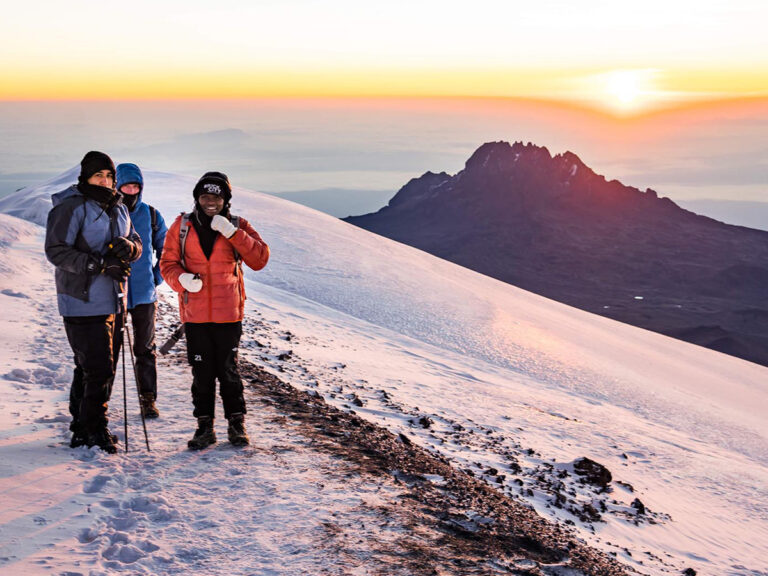
Kilimanjaro Climb With Nut-Free Meal Options Guide
Discover how to plan your Kilimanjaro climb with complete peace of mind regarding nut allergies. Top Guide Adventures specializes in providing safe, delicious, and fully customized nut-free...
View package details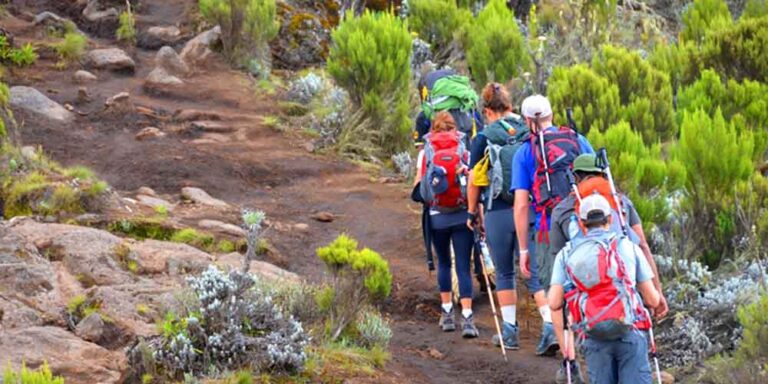
Kilimanjaro Climb With Lactose-Free Meals: Your Complete Guide For 2026-2027
Climbing Mount Kilimanjaro with specific dietary needs, like lactose intolerance, is entirely achievable. This comprehensive guide details how to manage lactose-free meals on your trek...
View package details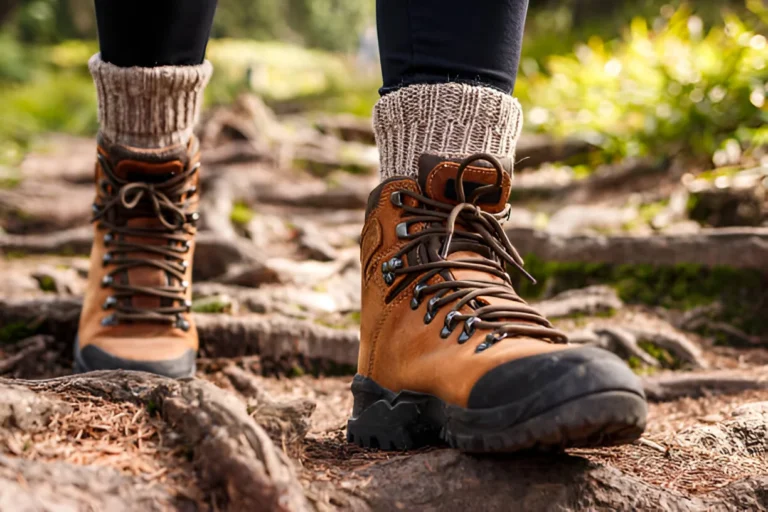
Kilimanjaro Climb For Travellers With Food Allergies 2026-2027
Kilimanjaro Climb for Travellers with Food Allergies is explained with current 2026-2027 planning, price, itinerary and booking information.
View package detailsKilimanjaro Climb With Kosher-Friendly Food Planning In 2026-2027
Successfully summiting Mount Kilimanjaro requires meticulous planning, especially when adhering to specific dietary requirements like Kosher food. This guide provides comprehensive insights...
View package details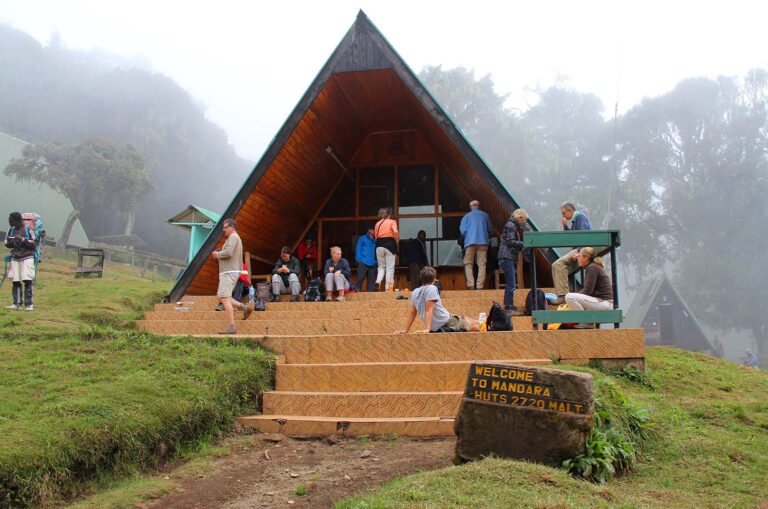
Kilimanjaro Climb With Halal Meals: Your Guide For 2026-2027
Climb Mount Kilimanjaro with confidence, knowing your dietary needs are met. Top Guide Adventures provides specialized Halal meal planning for your 2026-2027 trek, ensuring a safe and...
View package detailsKilimanjaro Climb With Gluten-Free Food: Your Essential Guide For 2026-2027
Climbing Mount Kilimanjaro is an incredible adventure, and dietary needs, like requiring gluten-free food, should not be a barrier. Top Guide Adventures specializes in providing safe...
View package details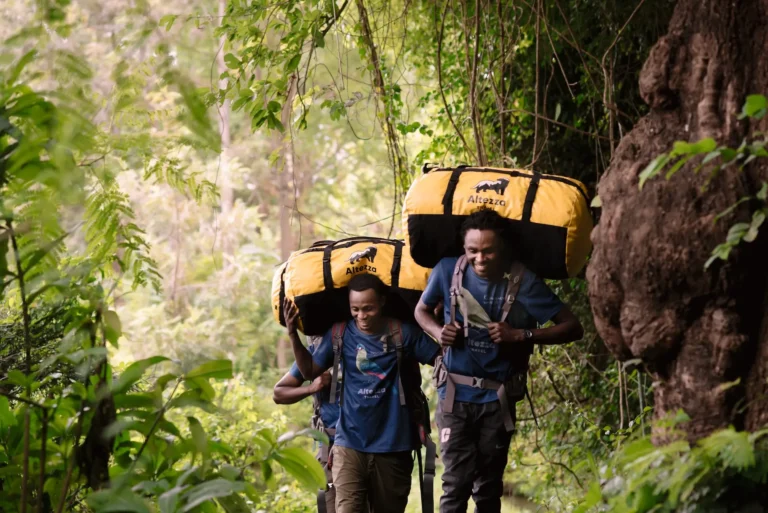
Kilimanjaro Climb With Vegan Mountain Meals: Your Expert Guide For 2026-2027
Embarking on a Kilimanjaro climb is a monumental achievement, and ensuring you have the right nutrition, especially with specific dietary needs like veganism, is crucial for success. Top...
View package details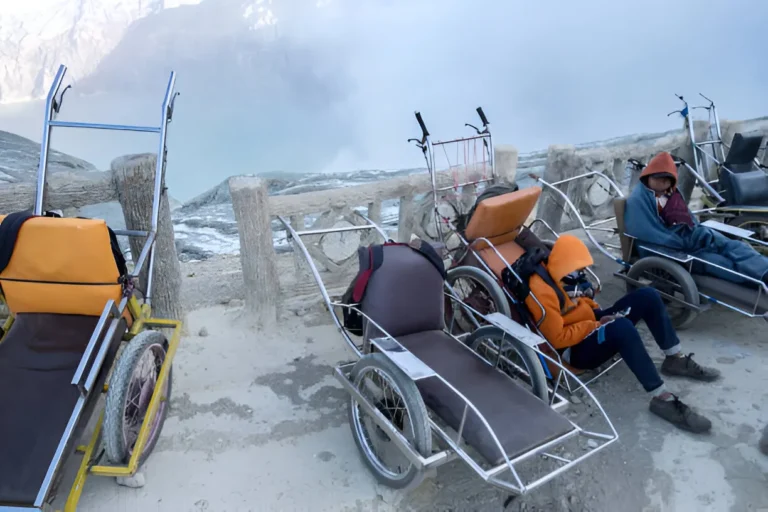
Kilimanjaro Climbing Package With Vegetarian Meals Guide
Planning a Kilimanjaro climb with specific dietary needs? This guide details Kilimanjaro climbing packages that cater to vegetarians, covering routes, meal preparation, and what to expect...
View package details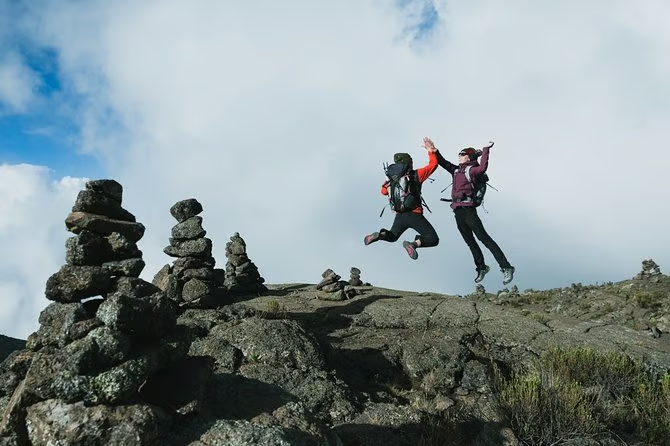
Kilimanjaro Prescription Medication Packing Guide For Climbs 2026-2027
Planning a Kilimanjaro climb in 2026 or 2027? This comprehensive guide details exactly what prescription medications you need to pack, how to carry them safely, and crucial advice for a...
View package details
Kilimanjaro Personal First-Aid Kit Checklist For A Safe Climb 2026-2027
Prepare for your Kilimanjaro climb with a comprehensive personal first-aid kit checklist. This guide covers essential items, from basic wound care to altitude sickness remedies, ensuring...
View package detailsNo related package matches those filters. Clear one or more filters to see the other topic-matched options.



