
A Kilimanjaro Environmental Charity Climb involves trekking Mount Kilimanjaro with a specific focus on supporting conservation projects and promoting sustainable tourism practices on the mountain. These climbs are designed for individuals or groups who wish to make a positive environmental impact while achieving the personal goal of summiting Africa’s highest peak, with many opportunities available for 2026 and 2027 treks.
Understanding the Kilimanjaro Environmental Charity Climb Concept
The idea behind a Kilimanjaro Environmental Charity Climb is straightforward yet profound: to leverage the incredible journey of ascending Kilimanjaro for the benefit of the mountain itself. Unlike standard treks, these expeditions integrate environmental stewardship directly into the climbing experience. This means climbers are not just participants; they become active contributors to the preservation of Kilimanjaro National Park, a UNESCO World Heritage Site.
Top Guide Adventures is deeply committed to responsible tourism. We understand that climbing Kilimanjaro comes with an inherent responsibility to minimize our impact and actively contribute to its long-term health. Our environmental charity climbs are meticulously planned to align with conservation goals, ensuring that your expedition leaves a positive legacy. Whether you are planning for 2026 or 2027, choosing an environmental charity climb means your adventure directly supports the delicate ecosystems and local communities surrounding Kilimanjaro.
Why Choose an Environmental Charity Climb for Kilimanjaro?
The allure of Kilimanjaro is undeniable, but its rising popularity also presents environmental challenges. Deforestation, waste management issues, soil erosion, and the impact of human activity all place a strain on this unique natural wonder. An environmental charity climb offers a powerful way to address these concerns:
- Direct Conservation Support: A portion of your climb cost typically goes directly to reputable environmental organizations working on Kilimanjaro. This funding supports crucial initiatives like reforestation, wildlife habitat protection, anti-poaching efforts, and scientific research.
- Promoting Sustainable Practices: These climbs often emphasize and enforce eco-friendly trekking guidelines. This includes rigorous waste management, responsible water usage, avoiding damage to vegetation, and educating climbers and crew on minimizing their footprint.
- Raising Awareness: By participating, you become an advocate for Kilimanjaro’s conservation. Your journey, stories, and photos can inspire others to travel more responsibly and support environmental causes.
- Community Engagement: Many environmental initiatives also focus on supporting local communities through sustainable employment, education, and conservation-awareness programs. Your climb indirectly benefits the people who call the mountain’s slopes home.
- Meaningful Personal Achievement: The satisfaction of reaching Uhuru Peak is amplified when you know your efforts have contributed to protecting the very mountain you conquered.
Top Guide Adventures facilitates these meaningful experiences. We partner with organizations dedicated to Kilimanjaro’s ecological health and ensure our operational practices align with the highest environmental standards. Planning your Kilimanjaro Environmental Charity Climb in 2026 or 2027 with us means joining a movement towards more sustainable mountain adventures.
Key Environmental Issues on Kilimanjaro
To truly appreciate the impact of an environmental charity climb, it’s essential to understand the specific environmental pressures Kilimanjaro faces:
Waste Management
With thousands of trekkers annually, waste disposal is a significant challenge. Improper disposal can pollute water sources, harm wildlife, and degrade the aesthetic beauty of the park. Strict “Leave No Trace” principles are vital, but additional efforts are needed to manage and remove waste effectively from higher altitudes.
Deforestation and Habitat Loss
The lower slopes of Kilimanjaro, particularly the montane forest zone, are crucial habitats for diverse wildlife. Pressure from local communities for resources (firewood, agriculture) and the need for camping sites can lead to deforestation and habitat fragmentation. Reforestation projects are critical to restoring these vital ecosystems.
Soil Erosion
Heavy foot traffic on established trails, especially during wet seasons, can lead to soil erosion. This can damage vegetation, alter landscapes, and impact water runoff patterns. Trail maintenance andrerouting are ongoing needs.
Water Resource Protection
Kilimanjaro’s glaciers and streams are vital water sources. Pollution from human waste, litter, and unsustainable water extraction can threaten these resources. Protecting the purity of these water systems is paramount.
Climate Change Impact
While a global issue, climate change is visibly impacting Kilimanjaro, particularly its iconic glaciers. Environmental efforts also involve research and awareness campaigns related to climate change and its effects on the mountain’s unique biodiversity.
By participating in a Kilimanjaro Environmental Charity Climb, you contribute directly to mitigating these issues. Top Guide Adventures ensures our teams are trained in best practices, and a portion of your trek fee supports local conservation initiatives addressing these very problems.
How Top Guide Adventures Integrates Environmental Charity into Climbs
At Top Guide Adventures, environmental responsibility isn’t an add-on; it’s fundamental to our operations. For our Kilimanjaro Environmental Charity Climbs, we implement a multi-faceted approach:
Partnerships with Conservation Organizations
We collaborate with established Tanzanian conservation charities and environmental NGOs that are actively working on Kilimanjaro. These partnerships ensure that funds raised are used effectively for projects like:
- Reforestation Programs: Planting indigenous trees on degraded slopes to restore forest cover and habitat.
- Wildlife Monitoring and Protection: Supporting efforts to safeguard the unique fauna of Kilimanjaro National Park.
- Waste Management Initiatives: Funding projects that improve waste collection, recycling, and responsible disposal systems within and around the park.
- Environmental Education: Supporting programs that educate local communities and park rangers about conservation best practices.
When you book a Kilimanjaro Environmental Charity Climb with us for 2026 or 2027, we clearly outline which organization(s) benefit and how your contribution makes a difference.
Eco-Friendly Trekking Practices
Our commitment extends to the operational side of your climb:
- Strict Leave No Trace Policy: All our guides and porters are trained to adhere rigorously to Leave No Trace principles. This includes packing out all trash, including organic waste, and ensuring campsites are left as they were found.
- Waste Sorting and Removal: We go beyond simply carrying trash. We sort waste at designated points and ensure it is transported down the mountain for proper disposal or recycling.
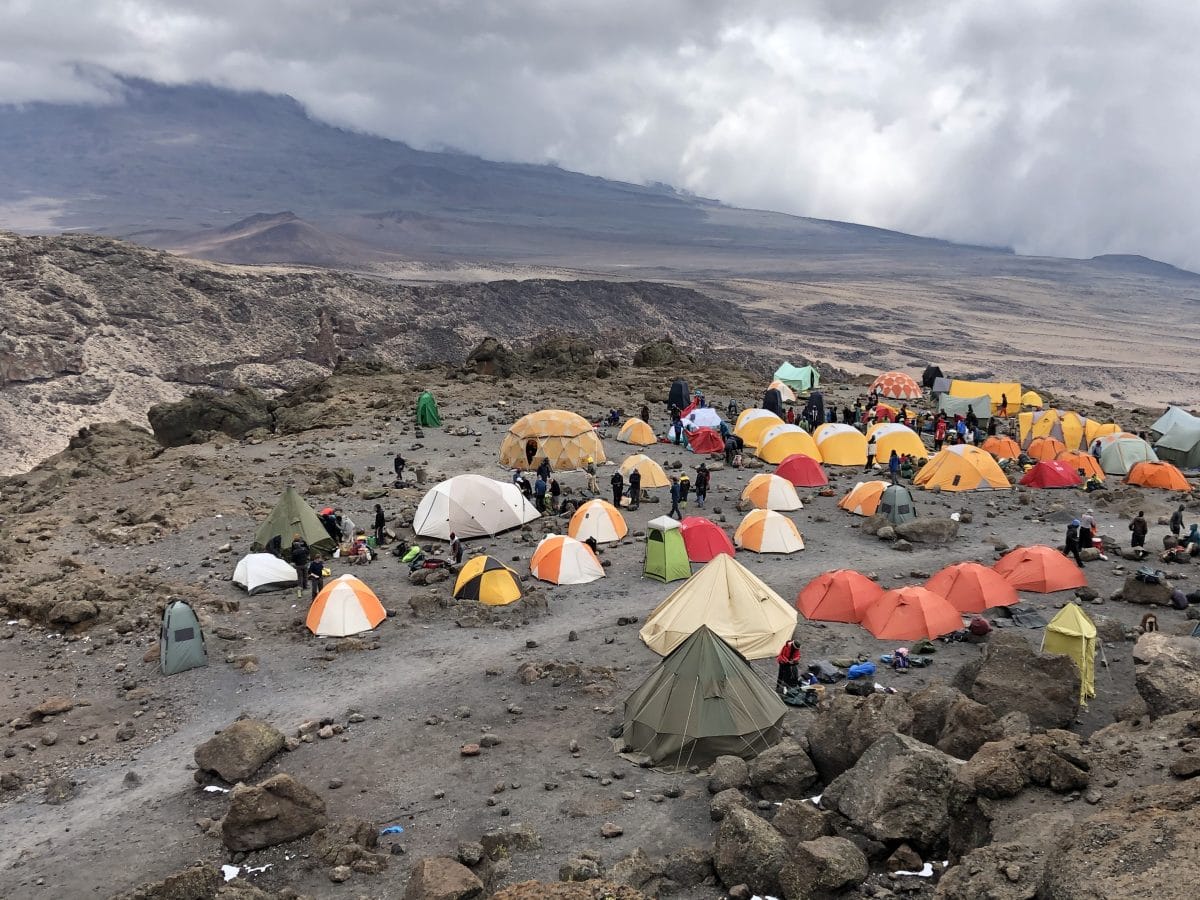
- Sustainable Camp Management: We use designated campsites only, minimize vegetation disturbance, and practice responsible cooking methods to reduce fuel consumption and impact.
- Water Conservation: We educate our teams and clients on conserving water, a precious resource at high altitudes.
- Ethical Crew Treatment: Fair wages, proper equipment, and adequate food for our porters and guides are not only ethical but also contribute to a more responsible and motivated team, which indirectly supports environmental care.
Educating Climbers
We believe informed climbers make better environmental stewards. Before and during your trek, we provide information on:
- The importance of Kilimanjaro’s ecosystems.
- The specific environmental challenges the mountain faces.
- How to minimize personal impact (waste, water, energy).
- The conservation projects your climb is supporting.
Choosing the Right Kilimanjaro Route for Your Charity Climb
While the environmental focus remains constant, the choice of route can influence your experience and potentially your environmental footprint. Different routes have varying levels of traffic and infrastructure. For an environmental charity climb, consider routes that:
- Have well-established trails: To minimize new erosion.
- Allow for effective waste management: Routes with more established camps and ranger presence can facilitate better waste handling.
- Offer longer acclimatization: Longer routes generally have higher success rates and allow for more gradual acclimatization, reducing physiological stress and potentially improving adherence to environmental guidelines.
The most popular routes for environmental charity climbs often include:
Machame Route
Known for its scenic beauty and excellent acclimatization profile (often done over 6 or 7 days). Its popularity means well-trodden paths, making adherence to trail rules crucial. Top Guide Adventures offers Machame Route climbs that can be tailored for charity expeditions.
Lemosho Route
A longer, more remote, and arguably more scenic route, often preferred for its lower traffic in the initial stages. This can lead to a more pristine experience. It typically takes 7-8 days, allowing for superb acclimatization.
Marangu Route
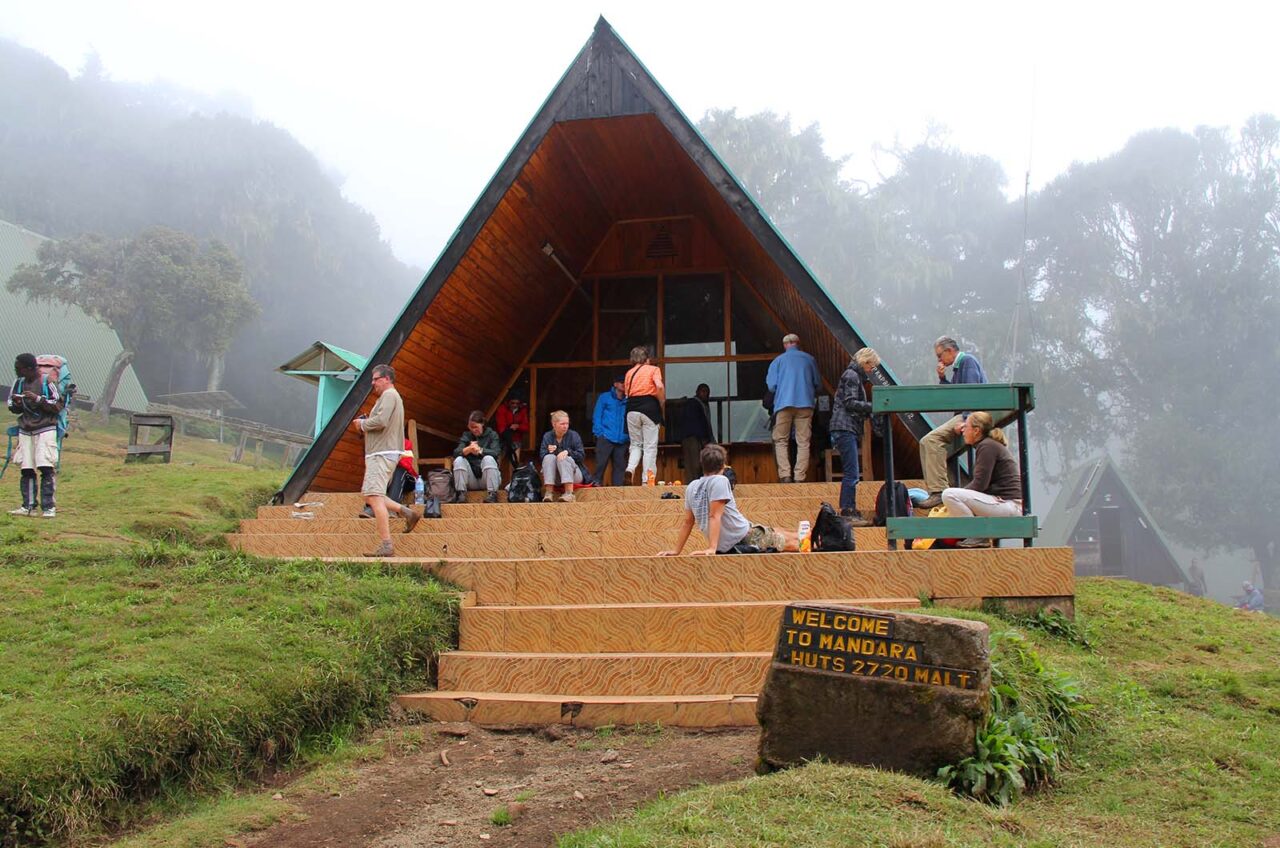
The oldest and most direct route, often chosen for its hut accommodation. While convenient, it can be crowded. Environmental efforts here focus on managing waste and trail impact in a high-traffic area.
Northern Circuit
The longest route, offering the highest success rate due to its exceptional acclimatization schedule. Its longer duration and less-trafficked nature make it ideal for a more in-depth, less impactful environmental trek.
Regardless of the route chosen for your Kilimanjaro Environmental Charity Climb in 2026 or 2027, Top Guide Adventures ensures comprehensive pre-climb briefings on environmental protocols.
Planning Your Kilimanjaro Environmental Charity Climb for 2026-2027
Successfully planning an environmental charity climb requires careful consideration of several factors:
Timing Your Expedition
The best times to climb Kilimanjaro are during the dry seasons:
- January to March: Generally dry, clear skies, but can be colder.
- June to October: The longest dry season, pleasant temperatures, but can be busier.
These periods are ideal for maximizing your chances of a clear summit view and a safer trek. Booking for 2026 and 2027 during these windows is highly recommended. Consider shoulder seasons (late March-May, November-December) for fewer crowds, but be prepared for potential rain.
Choosing a Reputable Operator
Selecting an operator committed to environmental responsibility is crucial. Look for:
- Clear environmental policies: Do they detail their waste management, Leave No Trace practices, and sustainability efforts?
- Partnerships with conservation groups: Do they actively support local environmental initiatives?
- Transparency in pricing: Does their pricing structure clearly indicate contributions to charity or conservation funds?
- Positive reviews: Check reviews specifically mentioning responsible tourism or environmental commitment.
- Experience and certifications: Ensure they are licensed and experienced in operating on Kilimanjaro.
Top Guide Adventures prides itself on transparency and a genuine commitment to conservation. We are one of Tanzania’s trusted tour companies, offering personalized attention and dedicated support for every client undertaking a Kilimanjaro Environmental Charity Climb.
Fundraising and Contributions
Environmental charity climbs often involve fundraising. This can take two primary forms:
- Direct Donation Component: A fixed portion of your climb fee is donated to a designated environmental charity. Top Guide Adventures incorporates this directly into our pricing for charity climbs.
- Personal Fundraising: You set up your own fundraising page and encourage friends, family, and colleagues to donate to the chosen cause in support of your climb. We can provide guidance and materials for this.
For your 2026-2027 Kilimanjaro Environmental Charity Climb, we will help you understand the donation structure and provide necessary documentation.
Physical Preparation
Climbing Kilimanjaro is a significant physical undertaking. Proper preparation is key:
- Cardiovascular Fitness: Engage in regular aerobic activities like hiking, running, cycling, or swimming for several months prior.
- Strength Training: Focus on leg and core strength.
- Hiking Practice: Undertake progressively longer hikes with a weighted backpack, ideally on varied terrain.
- Altitude Acclimatization Practice: If possible, train at higher altitudes.
Mental preparedness is equally important. The challenge is as much mental as physical.
Gear and Equipment
Appropriate gear is essential for safety and comfort, and also plays a role in environmental impact:
- Layering System: Invest in good quality base, mid, and outer layers.
- Waterproofs: A reliable waterproof jacket and trousers are non-negotiable.
- Footwear: Broken-in, waterproof hiking boots are crucial.
- Sleeping Bag: A 4-season bag rated for cold temperatures.
- Reusable Water Bottles/Bladder: Minimize single-use plastic. We discourage disposable plastic bottles on the mountain.
- Headlamp: With spare batteries.
- Sun Protection: Sunscreen, hat, sunglasses.
We provide a comprehensive packing list upon booking your Kilimanjaro Environmental Charity Climb, emphasizing reusable and eco-friendly options where possible.
The Climb Itself: Environmental Etiquette on the Mountain
Once on Kilimanjaro, adhering to environmental guidelines is paramount. Our guides are trained to enforce these rules strictly:
- Pack It In, Pack It Out: Every piece of trash, including food scraps, wrappers, and hygiene products, must be carried down by the crew and disposed of properly.
- Stay on the Trail: Stick to marked paths to prevent erosion and protect fragile vegetation.
- Respect Wildlife: Never feed or approach wild animals. Observe from a distance.
- Water Sources: Use designated water sources and avoid contaminating streams or rivers. Our cooks use purification methods.
- Toilet Facilities: Use the portable toilets provided or designated latrine areas. Never bury human waste near water sources or trails.
- Camp Hygiene: Keep campsites clean. Dispose of wastewater responsibly away from water sources and campsites.
- Noise Levels: Keep noise to a minimum to respect the natural environment and other trekkers.
- Fire Regulations: Open fires are strictly prohibited in Kilimanjaro National Park. All cooking is done using gas stoves or kerosene.
Your guides will brief you on specific protocols for your chosen route. By following these, you ensure your Kilimanjaro Environmental Charity Climb contributes positively to the mountain’s preservation.
Post-Climb Impact and Continuing Support
Your journey doesn’t end at Uhuru Peak. The impact of your Kilimanjaro Environmental Charity Climb extends beyond the trek:
- Share Your Story: Educate your network about the importance of responsible trekking and conservation efforts on Kilimanjaro.
- Continued Support: Consider ongoing support for the conservation organizations you helped.
- Advocacy: Become an advocate for sustainable tourism practices in all your travels.
Top Guide Adventures is committed to long-term sustainability. We continually review and improve our environmental practices and seek new ways to support conservation initiatives. We aim to make every Kilimanjaro Environmental Charity Climb in 2026 and 2027 a benchmark for responsible adventure tourism.
Environmental Charity Climb vs. Standard Kilimanjaro Trek
While both involve climbing Kilimanjaro, the key differences lie in purpose and impact:
| Feature | Standard Kilimanjaro Trek | Kilimanjaro Environmental Charity Climb |
|---|---|---|
| Primary Focus | Personal achievement, experiencing the mountain. | Personal achievement plus direct contribution to conservation and environmental awareness. |
| Cost Allocation | Covers operational costs, guide/porter fees, park fees. | Covers operational costs, guide/porter fees, park fees, and a dedicated portion for environmental charities/projects. |
| Environmental Emphasis | Standard Leave No Trace practices are followed. | Enhanced focus on Leave No Trace, active waste management, and supporting specific conservation initiatives. Includes educational components. |
| Operator Commitment | General good practices. | Explicit commitment to environmental partnerships and sustainable operations, often transparently reported. |
| Climber Role | Participant. | Participant and advocate/contributor for mountain conservation. |
Choosing an environmental charity climb for your 2026-2027 adventure with Top Guide Adventures means your trip is inherently more purposeful, directly benefiting the mountain’s future.
Frequently Asked Questions About Kilimanjaro Environmental Charity Climbs
What percentage of the climb cost goes to charity?
This varies by operator and the specific charity partner. For Top Guide Adventures’ Kilimanjaro Environmental Charity Climb packages, a clear percentage or fixed amount per climber is allocated. We ensure this is transparently communicated during the booking process for 2026-2027 expeditions.
Are there specific dates for these climbs?
While environmental climbs can be scheduled year-round, they often align with peak trekking seasons (January-March, June-October) for the best weather. Group departures for charity climbs are sometimes scheduled, but private expeditions can be arranged for any suitable date in 2026 or 2027.
Do I need to do fundraising myself?
It depends on the program. Some trips have a built-in donation component as part of the package price. Others may encourage or require participants to fundraise separately for a chosen environmental cause. Top Guide Adventures can accommodate both models for your Kilimanjaro Environmental Charity Climb.
What if I want to support a specific environmental project?
We are happy to discuss specific conservation projects or partner charities that align with your interests. While we have established partnerships, we can explore tailoring your Kilimanjaro Environmental Charity Climb for 2026-2027 to support a cause particularly meaningful to you, provided it aligns with conservation goals on Kilimanjaro.
How does the environmental charity climb differ in terms of the actual trekking experience?
The trekking experience itself is largely the same in terms of route, duration, and physical demands. The primary difference is the heightened awareness and adherence to strict environmental protocols, along with the knowledge that your trek is directly contributing to conservation efforts. Guides will often provide more detailed information on the local environment and conservation challenges.
What kind of environmental projects are typically supported?
Projects commonly supported include reforestation (planting native trees), wildlife habitat restoration, anti-poaching patrols, waste management infrastructure improvements in park gateway towns, scientific research on Kilimanjaro’s ecosystems, and environmental education programs for local communities and park staff.
Book Your Responsible Kilimanjaro Adventure with Top Guide Adventures
Choosing a Kilimanjaro Environmental Charity Climb is a powerful way to combine personal challenge with a meaningful contribution to the preservation of one of Africa’s most iconic natural wonders. At Top Guide Adventures, we are dedicated to making your expedition not only successful but also environmentally responsible and impactful.
We offer expert guidance, well-planned itineraries, and a deep commitment to sustainable tourism practices. Whether you are planning for the 2026 or 2027 trekking seasons, let us help you craft an unforgettable journey that supports Kilimanjaro’s future. Our team provides personal attention, care, and dedicated support for every client.
Ready to take on the challenge and make a difference? Contact us today to discuss your Kilimanjaro Environmental Charity Climb:
- WhatsApp: +255616946642
- Email: topguideadventures@gmail.com
- Backup Email: info@topguideadventures.com
Explore our website for more information on our commitment to responsible travel and to view our range of Tanzanian adventures. Join us in protecting Kilimanjaro for generations to come.
“,
“faq_schema”: [
{
“question”: “What percentage of the climb cost goes to charity on a Kilimanjaro Environmental Charity Climb?”,
“answer”: “The percentage varies by operator and specific charity partner. For Top Guide Adventures’ Kilimanjaro Environmental Charity Climb packages, a clear percentage or fixed amount per climber is allocated and transparently communicated during the booking process for 2026-2027 expeditions.”
},
{
“question”: “Are there specific dates for Kilimanjaro Environmental Charity Climbs?”,
“answer”: “While these climbs can be scheduled year-round, they often align with Kilimanjaro’s peak trekking seasons (January-March, June-October) for the best weather. Group departures for charity climbs are sometimes scheduled, but private expeditions can be arranged for any suitable date in 2026 or 2027.”
},
{
“question”: “Do I need to do personal fundraising for a Kilimanjaro Environmental Charity Climb?”,
“answer”: “It depends on the program. Some trips include a donation component within the package price. Others may encourage or require participants to fundraise separately for a chosen environmental cause. Top Guide Adventures can accommodate both models for your Kilimanjaro Environmental Charity Climb.”
},
{
“question”: “Can I choose a specific environmental project to support on my Kilimanjaro climb?”,
“answer”: “We are happy to discuss specific conservation projects or partner charities that align with your interests. While we have established partnerships, we can explore tailoring your Kilimanjaro Environmental Charity Climb for 2026-2027 to support a cause particularly meaningful to you, provided it aligns with conservation goals on Kilimanjaro.”
},
{
“question”: “How does an environmental charity climb differ from a standard Kilimanjaro trek in terms of the actual trekking experience?”,
“answer”: “The trekking experience itself is largely similar in terms of route, duration, and physical demands. The primary difference is the heightened awareness and adherence to strict environmental protocols, along with the knowledge that your trek is directly contributing to conservation efforts. Guides will often provide more detailed information on the local environment and conservation challenges.”
},
{
“question”: “What types of environmental projects are typically supported by Kilimanjaro charity climbs?”,
“answer”: “Projects commonly supported include reforestation (planting native trees), wildlife habitat restoration, anti-poaching patrols, waste management infrastructure improvements in park gateway towns, scientific research on Kilimanjaro’s ecosystems, and environmental education programs for local communities and park staff.”
}
]
}
“`
Check Availability for Kilimanjaro Environmental Charity Climb 2026-2027
Ready to compare dates, prices, and the best option for your group? Send the package name and travel month so the team can reply with a clear quote, availability, and what is included.
Kilimanjaro Climb With Nut-Free Meal Options Guide
Discover how to plan your Kilimanjaro climb with complete peace of mind regarding nut allergies. Top Guide Adventures specializes in providing safe, delicious, and fully customized nut-free...
View package details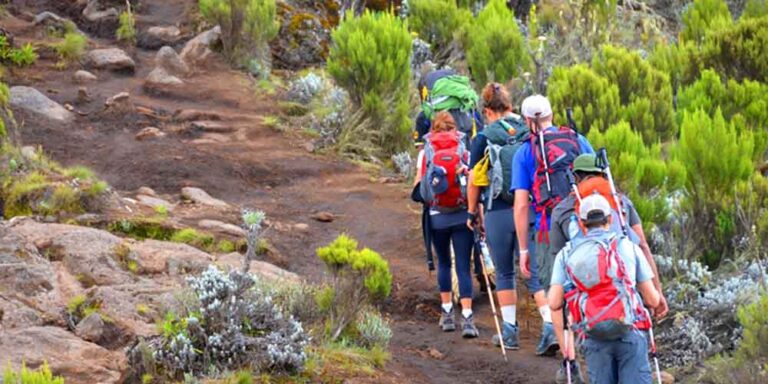
Kilimanjaro Climb With Lactose-Free Meals: Your Complete Guide For 2026-2027
Climbing Mount Kilimanjaro with specific dietary needs, like lactose intolerance, is entirely achievable. This comprehensive guide details how to manage lactose-free meals on your trek...
View package details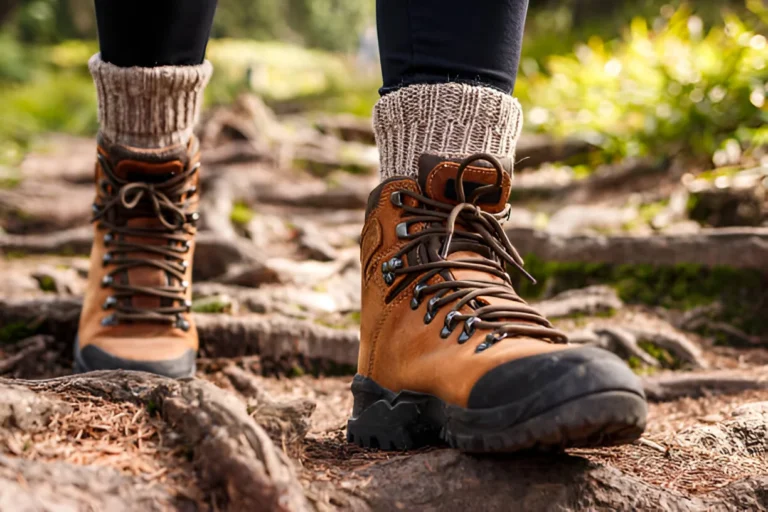
Kilimanjaro Climb For Travellers With Food Allergies 2026-2027
Kilimanjaro Climb for Travellers with Food Allergies is explained with current 2026-2027 planning, price, itinerary and booking information.
View package detailsKilimanjaro Climb With Kosher-Friendly Food Planning In 2026-2027
Successfully summiting Mount Kilimanjaro requires meticulous planning, especially when adhering to specific dietary requirements like Kosher food. This guide provides comprehensive insights...
View package details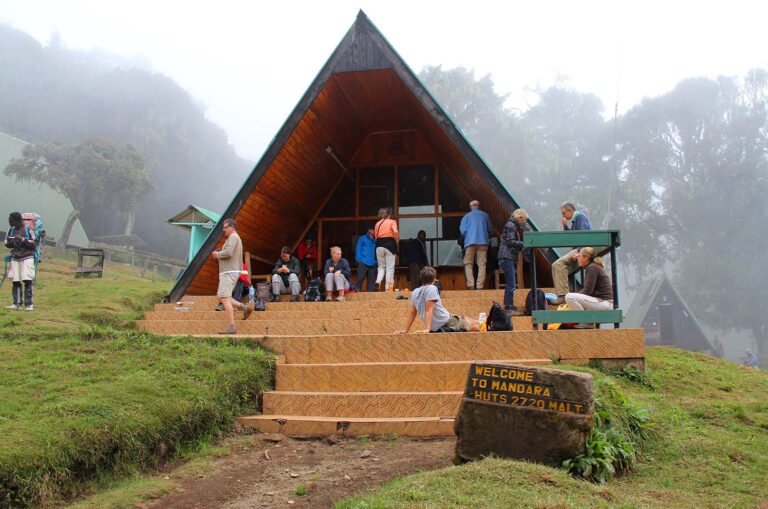
Kilimanjaro Climb With Halal Meals: Your Guide For 2026-2027
Climb Mount Kilimanjaro with confidence, knowing your dietary needs are met. Top Guide Adventures provides specialized Halal meal planning for your 2026-2027 trek, ensuring a safe and...
View package details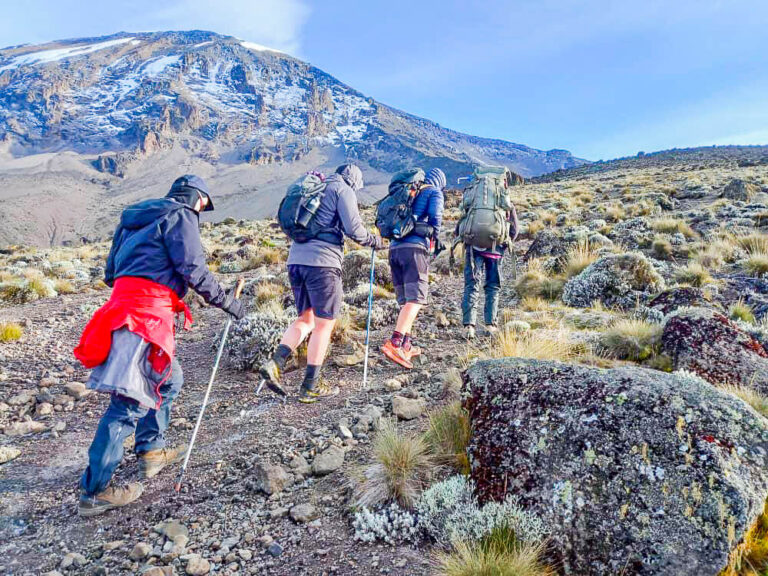
Kilimanjaro Climb With Gluten-Free Food: Your Essential Guide For 2026-2027
Climbing Mount Kilimanjaro is an incredible adventure, and dietary needs, like requiring gluten-free food, should not be a barrier. Top Guide Adventures specializes in providing safe...
View package details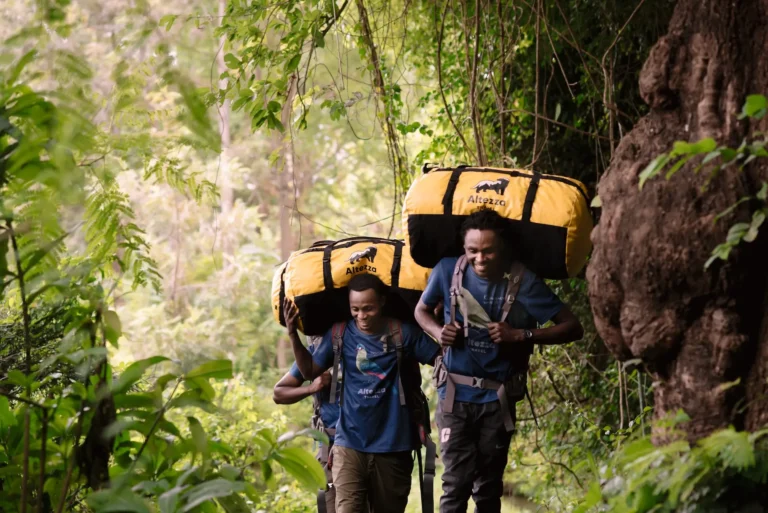
Kilimanjaro Climb With Vegan Mountain Meals: Your Expert Guide For 2026-2027
Embarking on a Kilimanjaro climb is a monumental achievement, and ensuring you have the right nutrition, especially with specific dietary needs like veganism, is crucial for success. Top...
View package details
Kilimanjaro Climbing Package With Vegetarian Meals Guide
Planning a Kilimanjaro climb with specific dietary needs? This guide details Kilimanjaro climbing packages that cater to vegetarians, covering routes, meal preparation, and what to expect...
View package details
Kilimanjaro Prescription Medication Packing Guide For Climbs 2026-2027
Planning a Kilimanjaro climb in 2026 or 2027? This comprehensive guide details exactly what prescription medications you need to pack, how to carry them safely, and crucial advice for a...
View package details
Kilimanjaro Personal First-Aid Kit Checklist For A Safe Climb 2026-2027
Prepare for your Kilimanjaro climb with a comprehensive personal first-aid kit checklist. This guide covers essential items, from basic wound care to altitude sickness remedies, ensuring...
View package detailsHow To Dry Clothes During A Kilimanjaro Climb: Expert Guide For 2026-2027
Staying dry is crucial for comfort and safety on Kilimanjaro. This guide provides essential strategies for drying clothes during your climb, ensuring you remain prepared for changing...
View package detailsBest Foot-Warming System For Kilimanjaro Climbs In 2026-2027
Keeping your feet warm on Kilimanjaro is crucial for comfort and safety, especially during summit night. This guide explores the best foot-warming systems, from advanced heated socks to...
View package detailsNo related package matches those filters. Clear one or more filters to see the other topic-matched options.



