
The Kilimanjaro Cancer Fundraising Challenge is an organized trek up Mount Kilimanjaro, Tanzania, to raise money for cancer research, patient support, or awareness. Top Guide Adventures specializes in facilitating these meaningful expeditions for 2026 and 2027, offering tailored support, expert guiding, and comprehensive logistical planning to ensure participants achieve both their fundraising goals and a successful summit experience.
Understanding the Kilimanjaro Cancer Fundraising Challenge
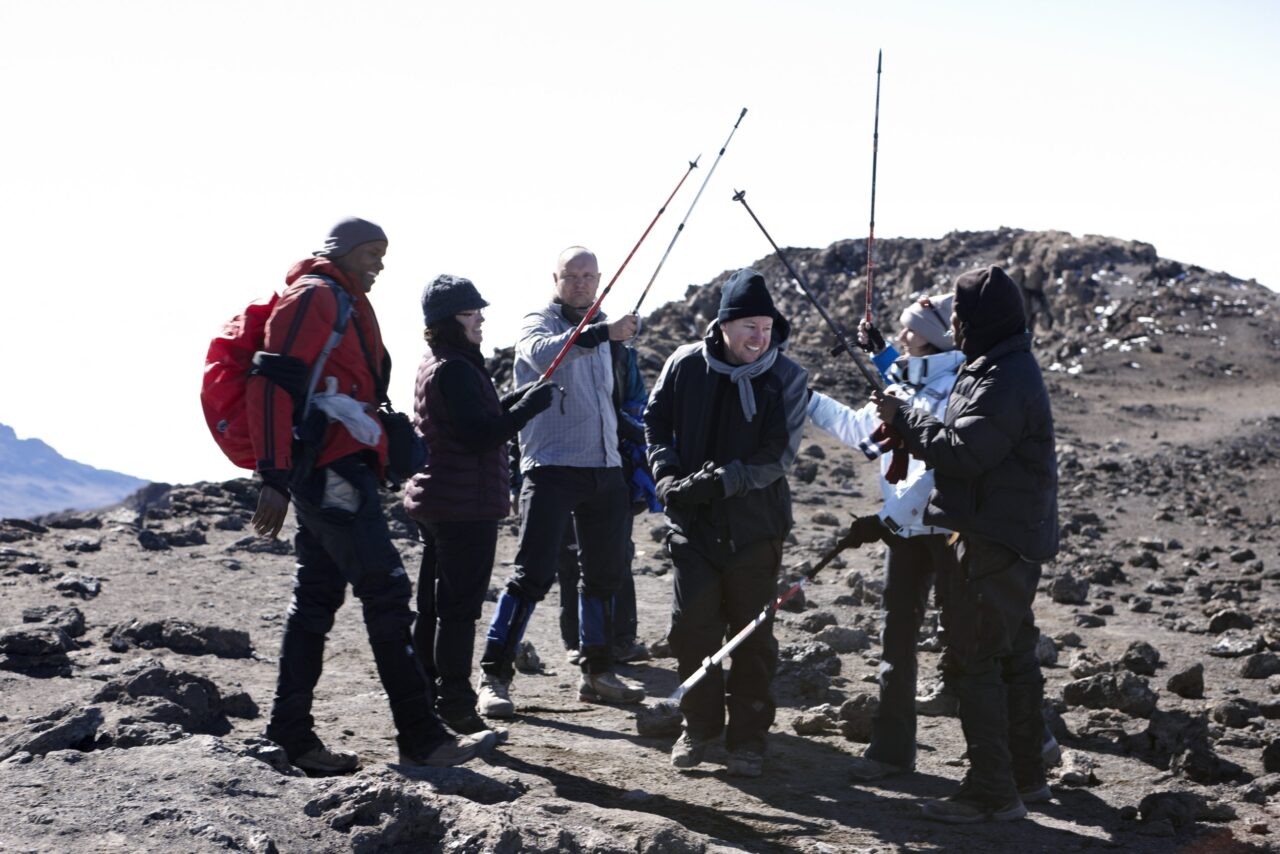
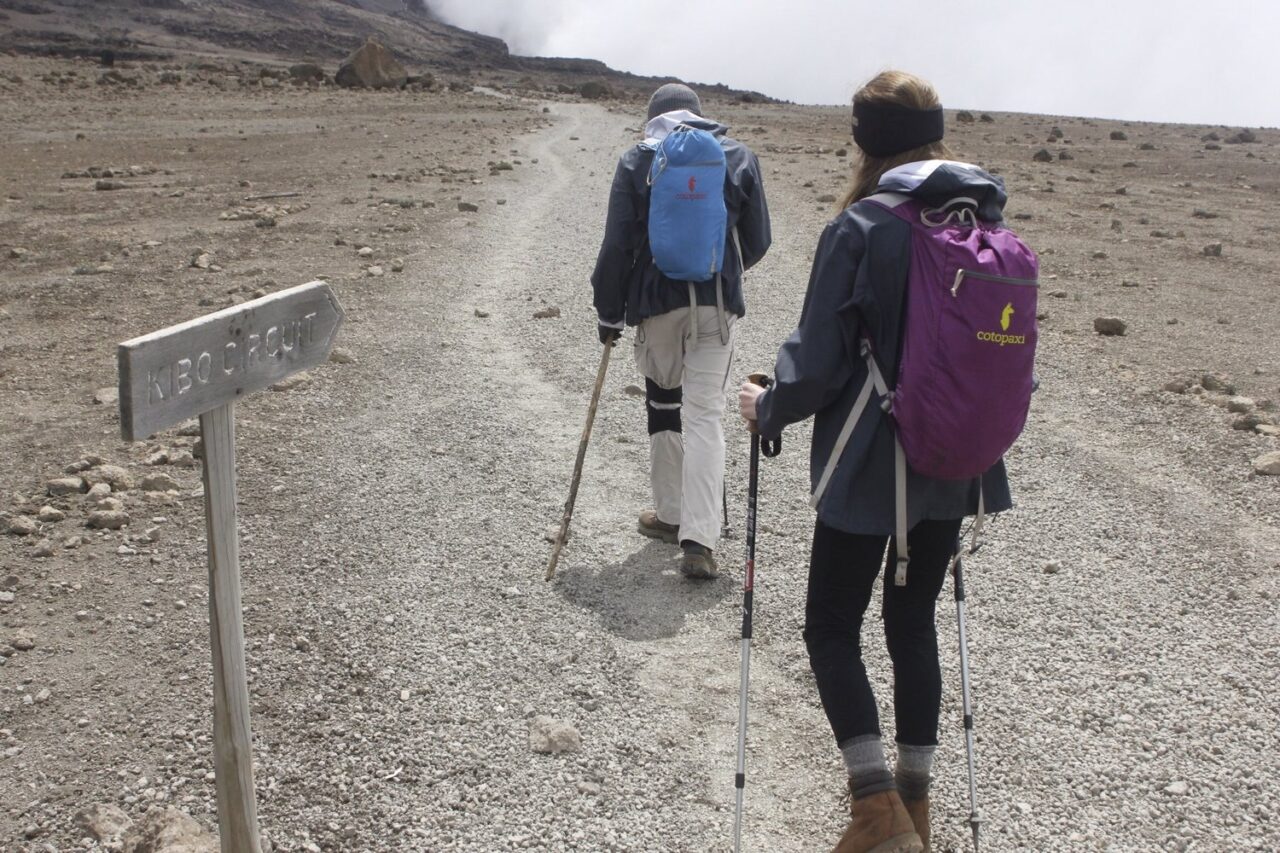
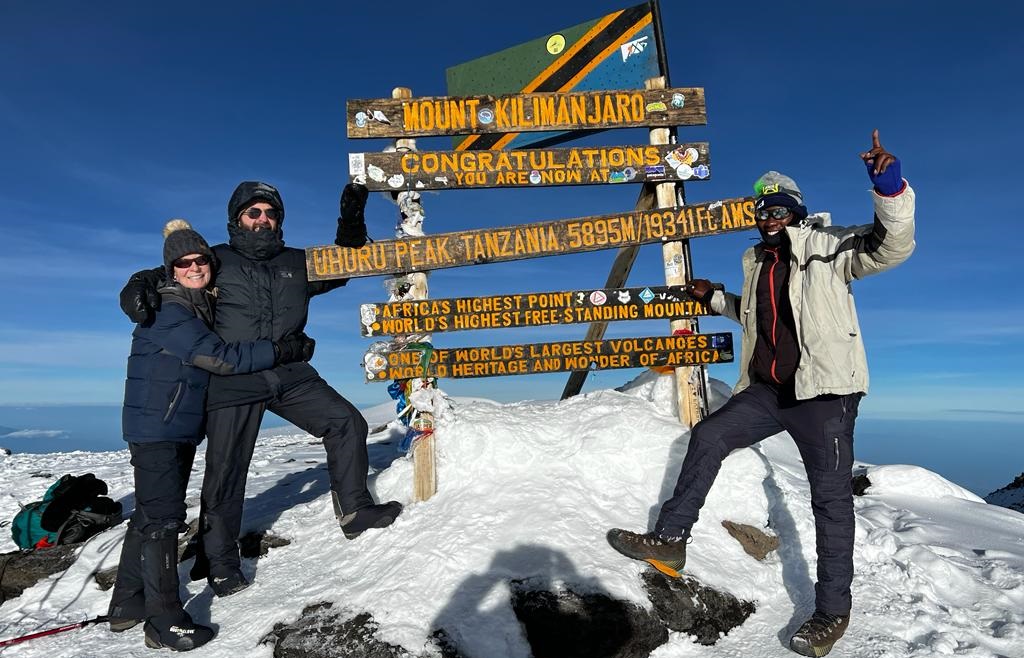
A Kilimanjaro Cancer Fundraising Challenge represents more than just a demanding trek; it’s a powerful statement of solidarity and commitment to a cause that touches countless lives. For many, summiting the Roof of Africa is a personal achievement, but when combined with a fundraising objective, it transforms into an act of profound generosity and advocacy. This type of challenge allows individuals, groups, or organizations to leverage the iconic ascent of Kilimanjaro as a platform to generate vital funds and raise awareness for cancer charities. The journey itself, with its physical and mental rigors, mirrors the fight against cancer, making it a fitting metaphor for the resilience and determination required in that battle.
Top Guide Adventures is deeply committed to supporting these noble endeavors. We understand the unique needs of fundraising trekkers, from the initial planning stages through to the final descent. Our expertise in Kilimanjaro expeditions, combined with a genuine passion for charitable causes, allows us to provide unparalleled service. We ensure that your focus remains on your fundraising efforts and personal journey, while we expertly manage all the complexities of climbing Africa’s highest peak. Whether you are planning for 2026 or looking ahead to 2027, our team is ready to help you craft an unforgettable and impactful Kilimanjaro Cancer Fundraising Challenge.
Why Choose Kilimanjaro for Your Cancer Fundraising Effort?
Mount Kilimanjaro offers a unique and compelling backdrop for any fundraising initiative, particularly for a cause as significant as fighting cancer. Its status as the world’s highest free-standing mountain, combined with its accessibility and stunning natural beauty, makes it an aspirational yet achievable goal for many. The sheer magnitude of the challenge resonates with the scale of the fight against cancer, creating a powerful narrative for your fundraising campaign.
Symbolism of the Climb: The ascent of Kilimanjaro is a journey of perseverance, endurance, and overcoming obstacles. Each step upward mirrors the daily struggles faced by cancer patients and their families. Reaching the summit represents triumph over adversity, a powerful message that aligns perfectly with the hope and progress sought in cancer research and treatment.
Global Recognition: Kilimanjaro is a globally recognized landmark. An expedition there garners significant attention, providing a broad platform to raise awareness for your chosen cancer charity. The visual impact of your team on the mountain, sharing their journey, can inspire a wider audience to donate and participate.
Tangible Goal with High Impact: The physical achievement of climbing Kilimanjaro is significant and highly motivating for participants. This personal accomplishment, combined with the knowledge that their efforts are directly contributing to a critical cause, creates a deeply rewarding experience. The funds raised can make a tangible difference in cancer research, patient care, and awareness programs.
Community and Team Building: A fundraising climb fosters strong bonds among participants. Working together, supporting each other through challenging moments on the mountain, and sharing the collective goal of both summiting and fundraising builds camaraderie and a sense of shared purpose. This is invaluable for corporate teams or groups of friends and family united by the cause.
Stunning Scenery and Adventure: Beyond the fundraising aspect, the climb itself is an incredible adventure. Participants traverse diverse ecosystems, from lush rainforests to alpine deserts and arctic summit zones, experiencing the impressive beauty of Tanzania. This aspect adds an element of personal reward and unforgettable memories.
For your 2026 or 2027 Kilimanjaro Cancer Fundraising Challenge, choosing this iconic mountain ensures a memorable, impactful, and inspiring event that will resonate with participants and donors alike.
Top Guide Adventures: Your Partner for a Meaningful Climb
At Top Guide Adventures, we understand that organizing a Kilimanjaro Cancer Fundraising Challenge involves more than just booking a trek. It requires dedicated support, expert logistical planning, and a partner who is as committed to your cause as you are. We pride ourselves on being that partner, offering a comprehensive service designed to maximize your fundraising potential and ensure a safe, successful, and memorable climb.
Tailored Support for Fundraisers: We work closely with individuals and groups planning charity climbs. This includes providing essential information for fundraising, offering advice on creating compelling campaign narratives, and helping to coordinate group logistics. We understand the importance of your mission and are here to support it every step of the way.
Experienced and Certified Guides: Your safety and success are paramount. Our team comprises highly experienced, certified mountain guides who possess extensive knowledge of Kilimanjaro’s routes, weather patterns, and altitude-related illnesses. They are trained in first aid and are adept at managing group dynamics on the mountain, ensuring a secure environment for all trekkers.
Comprehensive Itineraries: We offer a range of meticulously planned itineraries designed to optimize acclimatization and increase summit success rates. Whether you choose a shorter route for a more intense challenge or a longer one for better acclimatization, we have options to suit different fitness levels and timeframes for your 2026-2027 expeditions.
High-Quality Equipment and Logistics: We provide top-tier camping equipment, nutritious meals prepared by experienced cooks, and reliable transportation. Our porters are treated with respect and fairness, ensuring a well-supported team that enhances your trekking experience. We handle all park fees, permits, and necessary arrangements.
Commitment to Responsible Tourism: Top Guide Adventures is dedicated to sustainable and ethical tourism practices. We respect the natural environment of Kilimanjaro National Park and ensure our operations minimize environmental impact. We also prioritize the welfare of our staff, ensuring fair wages and good working conditions.
Personalized Service: We believe in providing personal attention to every client. From your initial inquiry to your return from the mountain, you will have a dedicated point of contact. This ensures clear communication and allows us to address any specific needs or concerns you may have for your Kilimanjaro Cancer Fundraising Challenge.
Partnering with Top Guide Adventures means you can focus on your fundraising and personal journey, confident that every aspect of your Kilimanjaro expedition is in capable and caring hands.
Choosing the Right Route for Your Fundraising Climb
Selecting the appropriate route for your Kilimanjaro Cancer Fundraising Challenge is a critical decision that significantly impacts acclimatization, summit success rates, and the overall trekking experience. Each route offers a distinct perspective of the mountain and varies in length, difficulty, and scenery. For fundraising climbs, prioritizing acclimatization is key, as it enhances the physical well-being of participants, allowing them to focus more on their cause and less on altitude sickness.
Here’s a look at the most popular routes and their suitability for fundraising expeditions:
Marangu Route (Coca-Cola Route)
- Duration: 5-6 days
- Pros: Most established route, offers dormitory-style accommodation in huts, generally considered the easiest ascent path.
- Cons: Lower acclimatization profile due to shorter duration and direct ascent, leading to lower summit success rates compared to longer routes. Less scenic than other routes.
- Fundraising Suitability: Best for those seeking a more comfortable experience or with limited time. However, the lower acclimatization rates might be a concern for participants needing to feel their best for fundraising events or presentations.
Machame Route (Whiskey Route)
- Duration: 6-7 days
- Pros: Excellent acclimatization profile through the “climb high, sleep low” principle. Highly scenic, offering diverse landscapes. Very good summit success rates.
- Cons: More challenging physically than Marangu, involves steeper ascents and descents. Camping-based.
- Fundraising Suitability: Widely recommended for its balance of scenery, challenge, and superior acclimatization, making it ideal for participants who want to maximize their chances of success and enjoy the journey. A 7-day Machame climb is particularly good for acclimatization.
Lemosho Route
- Duration: 7-8 days
- Pros: Considered one of the most beautiful routes, starting in the western rainforest. Excellent acclimatization, high summit success rates. Less crowded in the initial days.
- Cons: Longer and more expensive than Machame due to its remoteness.
- Fundraising Suitability: Excellent for those who want an extended, scenic, and well-acclimatized trek. The longer duration allows more time for participants to bond and reflect on their fundraising mission.
Shira Route
- Duration: 7-8 days
- Pros: Similar to Lemosho but starts at a higher altitude, offering immediate stunning views. Good acclimatization and scenery.
- Cons: Starts at a higher altitude, which can be challenging for some on the first day. Camping-based.
- Fundraising Suitability: Suitable for experienced trekkers who are well-prepared for altitude. The dramatic scenery can be a great asset for campaign materials.
Rongai Route
- Duration: 6-7 days
- Pros: The only route approaching from the north, offering a different perspective and often drier conditions. Good acclimatization. Less crowded.
- Cons: Less scenic than western routes, summit views can be less dramatic on the final ascent.
- Fundraising Suitability: A good option for those seeking a less crowded experience and potentially drier weather, especially if planning a climb during a wetter season in 2026 or 2027.
Northern Circuit Route
- Duration: 9-10 days
- Pros: The longest route, offering the best acclimatization and highest summit success rates. Circumnavigates the mountain, providing comprehensive views. Least crowded.
- Cons: Longest duration and highest cost.
- Fundraising Suitability: Ideal for participants who want to maximize their chances of success, enjoy a more leisurely pace, and have ample time to connect with their cause and fellow trekkers. The extended time on the mountain allows for deeper engagement with the fundraising narrative.
For a Kilimanjaro Cancer Fundraising Challenge, routes like Machame (7 days), Lemosho (7-8 days), or the Northern Circuit (9-10 days) are generally recommended due to their superior acclimatization profiles. These longer durations allow your team to adapt better to the altitude, increasing comfort, safety, and the likelihood of reaching Uhuru Peak, thereby maximizing the impact and inspiration of your fundraising efforts for 2026-2027.
Training and Preparation for Your Charity Climb
A Kilimanjaro Cancer Fundraising Challenge demands significant physical and mental preparation. The success of your climb, and indeed your ability to fully engage with your fundraising mission, depends heavily on your fitness and readiness. Top Guide Adventures strongly advises participants to begin their training well in advance, ideally 3-6 months before their scheduled climb in 2026 or 2027.
Physical Training Regimen
The key to successful Kilimanjaro training is to simulate the demands of the trek:
- Cardiovascular Fitness: Engage in regular aerobic activities such as running, cycling, swimming, or hiking. Aim for at least 3-4 sessions per week, gradually increasing duration and intensity.
- Hiking with a Pack: This is crucial. Find hills or stairs and hike regularly wearing a backpack loaded with 10-15 kg (22-33 lbs). This mimics carrying your gear and helps strengthen the muscles used for uphill trekking.
- Strength Training: Focus on exercises that build leg and core strength. Squats, lunges, step-ups, and planks are highly beneficial. Stronger muscles will help you navigate steep ascents and descents more easily.
- Endurance: Long hikes (4-6 hours) on weekends are essential. These longer sessions build the stamina required for summit day, which can last 10-15 hours.
- Altitude Simulation (Optional but Recommended): If possible, train at higher altitudes or use altitude training masks to help your body adapt.
Mental Preparation
The mental aspect of climbing Kilimanjaro is as important as the physical. Altitude can affect mood and cognitive function, so mental resilience is key:
- Set Realistic Expectations: Understand that the climb will be challenging. There will be moments of discomfort and fatigue.
- Visualize Success: Imagine yourself reaching the summit and celebrating your achievement, knowing you’ve made a difference for cancer research.
- Develop Coping Strategies: Practice mindfulness or breathing techniques to manage stress and discomfort. Focus on taking one step at a time.
- Teamwork and Support: Encourage a supportive atmosphere within your fundraising group. Knowing you have the backing of your teammates can be a powerful motivator.
Essential Gear
Proper gear is vital for comfort and safety. Top Guide Adventures provides a detailed packing list, but here are key items:
- Layered Clothing: Base layers (thermals), mid-layers (fleece), and outer layers (waterproof and windproof jacket and trousers).
- Footwear: Broken-in, waterproof hiking boots are essential. Bring comfortable camp shoes or trainers.
- Headwear: Warm hat, sun hat, and a balaclava or neck gaiter.
- Handwear: Warm gloves and liner gloves.
- Sleeping Bag: A 4-season sleeping bag rated to at least -15°C (5°F).
- Backpack: A comfortable daypack (30-40 liters) for essentials during the trek, and a larger duffel bag (80-100 liters) for porters to carry.
- Other Essentials: Sunglasses, sunscreen, headlamp with extra batteries, water bottles or hydration reservoir, personal first-aid kit, toiletries, and high-energy snacks.
Health and Vaccinations
Consult your doctor or a travel clinic 4-6 weeks before your trip regarding necessary vaccinations and malaria precautions. Diamox (acetazolamide) may be prescribed for altitude sickness prevention, but always follow medical advice.
Thorough preparation ensures you are physically ready to tackle the mountain and mentally equipped to enjoy the journey, making your Kilimanjaro Cancer Fundraising Challenge a more rewarding and successful experience for 2026-2027.
Effective Fundraising Strategies for Your Kilimanjaro Challenge
The success of a Kilimanjaro Cancer Fundraising Challenge hinges not only on reaching the summit but also on the amount of funds raised for the chosen charity. A well-planned fundraising strategy is crucial. Top Guide Adventures encourages participants to start their fundraising efforts early, leveraging the compelling nature of their expedition.
1. Set Clear Goals and Storytelling
- Define Your Target: Set a specific, achievable fundraising goal. Break it down into smaller, manageable targets (e.g., per month, per mile climbed).
- Craft Your Narrative: Why are you doing this? Share your personal connection to cancer (if any), the importance of the charity, and the challenges of the climb. Use compelling stories and visuals. Your Kilimanjaro climb is a powerful story in itself – highlight it.
- Identify Your Charity: Ensure you partner with a reputable cancer charity. Understand their mission and how the funds raised will be used.
2. Utilize Online Fundraising Platforms
- Create a Dedicated Page: Use platforms like JustGiving, GoFundMe, or Virgin Money Giving. These sites make it easy for donors to contribute securely and allow you to track progress.
- Share Widely: Promote your fundraising page across social media (Facebook, Instagram, Twitter, LinkedIn), email, and your personal network.
- Regular Updates: Post frequent updates about your training progress, the challenges you’re facing, and the impact of donations. This keeps your audience engaged.
3. Engage Your Network
- Personal Outreach: Don’t underestimate the power of direct appeals to friends, family, and colleagues. A personal message is often more effective than a generic post.
- Corporate Sponsorship: Approach companies, especially those with a corporate social responsibility (CSR) program or a connection to cancer charities. Offer them visibility on your gear or social media in return for sponsorship.
- Employer Matching: Check if your employer offers a donation matching program. This can double the impact of individual contributions.
4. Host Fundraising Events
- Small Gatherings: Organize a bake sale, car wash, quiz night, or a sponsored walk/run.
- Larger Events: Consider a gala dinner, auction, or a charity auction. Partner with local businesses for venues or prizes.
- Virtual Events: Host online auctions, virtual fitness challenges, or online talks related to your expedition or the cause.
5. Leverage the Kilimanjaro Experience
- Pre-Climb Promotions: Share photos and videos of your training and preparation. Build anticipation for the expedition.
- During the Climb: If connectivity allows, share brief updates from the mountain (with appropriate safety measures). This provides real-time engagement for donors.
- Post-Climb Celebration: Host a debriefing event to thank donors, share photos and stories from the climb, and announce the total amount raised.
6. Offer Incentives (Optional)
- Tiered Giving: Offer small tokens of appreciation for different donation levels (e.g., a postcard from Kilimanjaro, a mention in a blog post).
- Raffles: Sell raffle tickets for a prize donated by a sponsor.
By combining a compelling personal story with a multi-channel fundraising approach, participants can significantly boost their contributions for their Kilimanjaro Cancer Fundraising Challenge. Remember, your journey is inspiring; make sure to communicate that inspiration effectively to potential donors for your 2026 or 2027 expedition.
Health and Safety on Kilimanjaro
The safety of our clients is the absolute top priority at Top Guide Adventures. Kilimanjaro, while a trekking peak, presents significant challenges due to its altitude, remoteness, and unpredictable weather. A well-prepared and well-supported expedition is crucial for a safe and successful Kilimanjaro Cancer Fundraising Challenge.
Altitude Sickness (Acute Mountain Sickness – AMS)
AMS is the most common altitude-related illness and can affect anyone, regardless of fitness level. It is caused by ascending too quickly, preventing the body from adjusting to the lower oxygen levels.
- Symptoms: Headache, nausea, dizziness, fatigue, loss of appetite, and difficulty sleeping. More severe forms include High Altitude Pulmonary Edema (HAPE) and High Altitude Cerebral Edema (HACE), which are life-threatening.
- Prevention: The best prevention is gradual ascent and proper acclimatization. Choosing longer routes (7+ days) significantly reduces the risk. Staying hydrated and avoiding alcohol and strenuous activity on arrival are also important. Your guides will monitor you closely.
- Treatment: Rest, descent to a lower altitude, and medication (like Diamox, if prescribed by a doctor) are key. Our guides are trained to recognize AMS symptoms and will take immediate action if necessary, including initiating a descent.
Our Safety Protocols
Top Guide Adventures implements rigorous safety measures:
- Experienced Guides: Our guides are certified in wilderness first aid and have extensive experience managing altitude sickness and other medical emergencies on Kilimanjaro.
- Oxygen Levels Monitoring: Guides regularly check participants’ oxygen saturation and pulse rates.
- Emergency Evacuation Plan: We have established procedures for emergency evacuation, including communication systems and access to evacuation services.
- Proper Acclimatization: We advocate for and plan expeditions with routes and itineraries that prioritize acclimatization.
- Quality Equipment: We provide reliable tents, sleeping bags, and cooking equipment to ensure comfort and protection from the elements.
- Nutritious Food: Our cooks prepare balanced, high-energy meals to fuel your body for the demanding trek.
- Fair Porter Treatment: We ensure our porters are well-equipped, fed, and treated ethically. A happy and healthy support team contributes to overall safety and morale.
What Participants Should Do
- Listen to Your Body: Communicate any symptoms of AMS or discomfort to your guide immediately. Do not try to tough it out.
- Stay Hydrated: Drink plenty of water (3-4 liters per day).
- Eat Well: Even if your appetite is reduced, try to eat the high-carbohydrate meals provided.
- Pace Yourself: “Pole pole” (slowly, slowly) is the mantra on Kilimanjaro. Move at a pace that allows you to conserve energy and breathe easily.
- Inform Us of Pre-existing Conditions: Disclose any medical conditions you have when booking.
By adhering to these safety guidelines and working closely with our experienced team, participants can significantly enhance their safety and enjoyment during their Kilimanjaro Cancer Fundraising Challenge in 2026-2027.
The Role of Porters and Support Crew
The success of any Kilimanjaro climb, especially a Kilimanjaro Cancer Fundraising Challenge, relies heavily on the incredible work of the porters and the wider support crew. These individuals are the backbone of the expedition, ensuring that trekkers can focus on their climb and fundraising goals.
Who are the Porters?
Porters are the local Tanzanians who carry the majority of the equipment, including tents, food, sleeping bags, and personal luggage (within weight limits). They are essential for making the trek feasible and comfortable for climbers. They also set up camp, prepare meals, and ensure the trail is clean.
Ethical Treatment and Fair Wages
Top Guide Adventures is deeply committed to the ethical treatment of our mountain crew. We are proud to be a partner of the Kilimanjaro Porters Assistance Project (KPAP), an organization that advocates for fair wages, proper equipment, and respectful treatment of porters.
- Fair Wages: We pay our porters wages that meet or exceed KPAP standards.
- Adequate Gear: Porters are provided with appropriate clothing, sturdy footwear, rain gear, and warm sleeping bags.
- Sufficient Food: They receive the same quality and quantity of food as the trekkers.
- Reasonable Loads: We adhere to strict weight limits for porter loads to prevent overexertion.
- Respectful Treatment: Our guides foster a respectful and collaborative environment on the mountain.
Choosing a company committed to ethical porter treatment not only ensures the well-being of the crew but also contributes to a more positive and efficient expedition for everyone involved. This is a crucial consideration for any responsible fundraising challenge.
The Support Team Structure
A typical support team for a Kilimanjaro Cancer Fundraising Challenge includes:
- Lead Guide: Responsible for the overall safety and management of the climb, acclimatization, and route decisions.
- Assistant Guides: Support the lead guide, monitor trekkers’ well-being, and assist with navigation and logistics.
- Cook: Prepares all meals at the campsites.
- Porters: Carry equipment and set up camp.
- Newer Guides/Trainees (on longer trips): Gain experience under the supervision of senior guides.
The synergy between the trekkers and this dedicated support team is vital. The crew’s efficiency and positive attitude significantly contribute to the morale and success of the fundraising climb.
Logistics and Booking Your Challenge in 2026-2027
Planning a Kilimanjaro Cancer Fundraising Challenge involves careful logistical coordination. Top Guide Adventures simplifies this process, ensuring that all necessary arrangements are handled professionally, allowing you and your team to concentrate on your fundraising goals and the climb itself.
When to Climb: Best Seasons for 2026-2027
Kilimanjaro can be climbed year-round, but certain periods offer more favorable weather conditions:
- Dry Seasons (Recommended): January-March and June-October. These months generally offer clear skies, lower humidity, and less rainfall, making them ideal for trekking and summit attempts.
- Wet Seasons: April-May and November-December. These months experience more rainfall, which can make trails muddy and reduce visibility, especially at lower altitudes. However, fewer crowds and lower prices can be advantages.
For a Kilimanjaro Cancer Fundraising Challenge, aiming for the dry seasons in 2026 and 2027 is advisable to maximize comfort and summit chances. However, planning during shoulder seasons can also be effective with the right preparation.
Booking Process with Top Guide Adventures
We aim to make booking your fundraising climb as straightforward as possible:
- Initial Inquiry: Contact us with your preferred dates, group size, and any specific requirements for your Kilimanjaro Cancer Fundraising Challenge. You can reach us via email at topguideadventures@gmail.com or WhatsApp at +255616946642.
- Personalized Quotation: Based on your requirements (route, duration, group size, inclusions), we will provide a detailed quotation. Our pricing is transparent, covering park fees, guide and crew salaries, food, accommodation on the mountain, and transfers.
- Itinerary Customization: We can customize itineraries to suit your group’s needs, whether it’s a specific route, a longer acclimatization period, or incorporating team-building elements.
- Deposit and Confirmation: A deposit is required to secure your booking. We will provide all necessary booking forms and confirmation details.
- Pre-Trip Information: Once booked, you will receive comprehensive pre-trip information, including a detailed packing list, training recommendations, and fundraising advice.
- Final Payment: The balance is typically due a few weeks before your departure date.
What’s Typically Included in Our Packages
Our Kilimanjaro Cancer Fundraising Challenge packages are designed for a comprehensive experience:
- Park entrance fees, camping/hut fees, and rescue fees.
- Salaries for qualified guides, cooks, and porters.
- Nutritious meals and boiled drinking water during the trek.
- Tents, sleeping mats, and cooking equipment.
- Portable toilet (on most routes).
- Crockery, cutlery, and glassware.
- Transfer from Arusha to the Kilimanjaro National Park gate and back to Arusha after the climb.
- Accommodation in Arusha before and after the climb (optional, can be added).
- Emergency oxygen cylinder and comprehensive first-aid kit.
What’s Typically Excluded
- Flights to and from Kilimanjaro International Airport (JRO).
- Visa fees.
- Travel insurance (mandatory).
- Personal climbing gear (e.g., sleeping bag, hiking boots, clothing).
- Tips for guides, porters, and cooks (a significant part of their income).
- Personal expenses (e.g., souvenirs, alcoholic beverages, extra snacks).
- Optional activities in Arusha.
Booking your 2026-2027 Kilimanjaro Cancer Fundraising Challenge with Top Guide Adventures ensures a well-organized, safe, and impactful expedition. Contact us today to start planning!
Pricing Considerations for Your Fundraising Climb
Understanding the cost structure for a Kilimanjaro Cancer Fundraising Challenge is essential for both participants and their charities. Prices can vary significantly based on the route chosen, duration, group size, and the level of service provided by the tour operator. Top Guide Adventures offers competitive pricing for high-quality, ethically-run expeditions.
Factors Influencing Price
- Route Length and Complexity: Longer routes with better acclimatization profiles (like Lemosho or Northern Circuit) typically cost more due to more days on the mountain and higher crew costs.
- Duration: A 7-day climb will be more expensive than a 5-day climb due to additional park fees and crew expenses.
- Group Size: While larger groups might benefit from slightly lower per-person rates due to shared crew costs, very small private groups may have a higher per-person cost. Shared group departures often offer the most economical option.
- Inclusions: Packages that include pre- and post-climb accommodation in Arusha, private transfers, or additional support services will naturally be priced higher.
- Operator’s Standards: Companies committed to ethical treatment of porters (like those partnering with KPAP) may have slightly higher operational costs but provide a more responsible and rewarding experience. Top Guide Adventures prioritizes ethical practices.
- Season: While Kilimanjaro can be climbed year-round, peak seasons (dry months) might see slightly higher demand and potentially higher pricing from some operators.
Typical Price Ranges (Estimates for 2026-2027)
For a standard 7-day Machame or Lemosho route climb with a reputable, ethical operator like Top Guide Adventures, you can expect pricing to generally fall within the following ranges:
- Shared Group Climbs: Typically range from $1,800 to $2,500 USD per person. These are excellent value and ideal for individuals joining a pre-scheduled departure.
- Private Climbs: For a private group, the cost might range from $2,200 to $3,500+ USD per person, depending on group size and specific requests. The per-person cost decreases as the group size increases.
- Longer Routes (e.g., Northern Circuit): These can range from $2,500 to $4,000+ USD per person, reflecting the extended duration and additional services.
Note: These are estimates. For the most accurate and personalized pricing for your specific Kilimanjaro Cancer Fundraising Challenge in 2026 or 2027, it is essential to contact us directly for a detailed quote.
What Your Fundraising Covers
It’s important for participants and donors to understand how the funds are allocated:
- Expedition Costs: A significant portion covers the operational costs of the climb (park fees, crew wages, food, equipment).
- Charity Donation: The remaining amount, or a pre-agreed portion, goes directly to the cancer charity. Many participants aim to cover their expedition costs through personal fundraising and then raise additional funds specifically for the charity.
- Personal Contribution: Participants often make a personal financial contribution towards their expedition costs in addition to their fundraising efforts.
Top Guide Adventures can work with you to structure your expedition costs and fundraising targets. We recommend confirming all costs and inclusions directly with us to plan your 2026-2027 Kilimanjaro Cancer Fundraising Challenge effectively.
Maximizing Your Impact: Beyond the Summit
Reaching the summit of Kilimanjaro is a monumental achievement, but the impact of your Kilimanjaro Cancer Fundraising Challenge extends far beyond the physical climb. Maximizing your positive influence requires thoughtful planning before, during, and after the expedition.
Before the Climb: Building Awareness
- Launch Campaign Early: Start your fundraising and awareness campaign months in advance. Share training progress, introduce your team, and explain the importance of the chosen cancer charity.
- Media Outreach: Contact local media outlets, community newsletters, or relevant online publications. A compelling story about a local individual or group climbing Kilimanjaro for cancer research can generate significant interest and donations.
- Partnerships: Collaborate with the cancer charity for promotional materials, stories, and potential joint events. Leverage their existing communication channels.
During the Climb: Sharing the Journey
- Controlled Social Media: If connectivity permits and safety allows, share brief, inspiring updates. Focus on the experience, the team’s spirit, and the connection to the cause. Use high-quality photos and videos strategically.
- Team Morale: Encourage team members to share their personal motivations and experiences with each other. This strengthens bonds and reinforces the purpose of the challenge.
- Environmental Responsibility: Demonstrate commitment to responsible tourism by adhering to Leave No Trace principles. This sets a positive example and aligns with a mission of care and well-being.
After the Climb: Sustaining Momentum
- Thank You Campaign: Promptly thank all donors, sponsors, and supporters. Personal thank-you notes, emails, or even short video messages can make a significant difference.
- Share Success Metrics: Announce the total amount raised and how it will be used by the charity. Quantify the impact whenever possible (e.g., “funds will support X number of research hours,” or “provide Y patient support kits”).
- Debriefing Event: Host an event to share photos, stories, and reflections from the climb. This allows for a communal celebration of success and reinforces the value of the fundraising effort.
- Long-Term Engagement: Consider how you can continue supporting the cancer charity beyond the climb. This could involve volunteering, participating in future events, or advocating for cancer awareness.
- Testimonial for Future Climbers: Share your positive experience with Top Guide Adventures to encourage others to undertake similar fundraising challenges in 2026-2027 and beyond.
By thinking holistically about your Kilimanjaro Cancer Fundraising Challenge, you can amplify its impact, ensuring that the funds raised make a substantial contribution to the fight against cancer and that the experience leaves a lasting positive legacy for all involved.
Why Top Guide Adventures for Your Kilimanjaro Cancer Fundraising Challenge?
Choosing the right tour operator is paramount for a successful and meaningful Kilimanjaro Cancer Fundraising Challenge. Top Guide Adventures offers a unique blend of expertise, ethical practices, and personalized service that makes us the ideal partner for your charitable expedition.
- Proven Track Record: We have years of experience organizing Kilimanjaro climbs, ensuring a high level of operational efficiency and safety.
- Ethical Operations: Our commitment to fair treatment and wages for porters and guides, often in partnership with organizations like KPAP, ensures your climb is conducted responsibly.
- Expert Guides: Our guides are highly trained, experienced, and passionate about Kilimanjaro, prioritizing your safety and summit success.
- Tailored Support: We understand the specific needs of fundraising groups and offer customized support to help you achieve your goals.
- Comprehensive Logistics: From park permits to meals and transfers, we handle all the details, allowing you to focus on your cause.
- Personal Attention: We pride ourselves on providing individual care and attention to every client, ensuring a smooth and enjoyable journey.
- Commitment to Your Cause: We are inspired by the dedication of individuals undertaking these challenges and are committed to helping you make your Kilimanjaro Cancer Fundraising Challenge a resounding success for 2026-2027.
Let us help you turn your dream of climbing Kilimanjaro into a powerful force for good. Contact us to discuss your Kilimanjaro Cancer Fundraising Challenge:
WhatsApp: +255616946642
Email: topguideadventures@gmail.com
Backup Email: info@topguideadventures.com
We look forward to helping you plan an unforgettable and impactful expedition in 2026 or 2027.
“,
“faq_schema”: [
{
“question”: “What is a Kilimanjaro Cancer Fundraising Challenge?”,
“answer”: “A Kilimanjaro Cancer Fundraising Challenge is a trek up Mount Kilimanjaro organized specifically to raise money and awareness for cancer charities. Participants undertake the climb while simultaneously collecting donations for their chosen cause.”
},
{
“question”: “What is the best time of year for a Kilimanjaro Cancer Fundraising Challenge in 2026-2027?”,
“answer”: “The best times are during the dry seasons: January-March and June-October. These periods offer clearer skies and more stable weather, which is ideal for trekking and summiting. However, the mountain can be climbed year-round.”
},
{
“question”: “Which Kilimanjaro route is best for a fundraising climb?”,
“answer”: “Longer routes like the Machame (7 days), Lemosho (7-8 days), or Northern Circuit (9-10 days) are highly recommended for fundraising climbs. They offer better acclimatization, increasing summit success rates and allowing participants to feel stronger and more focused on their cause.”
},
{
“question”: “How much does a Kilimanjaro Cancer Fundraising Challenge typically cost?”,
“answer”: “Costs vary, but for a standard 7-day climb with an ethical operator like Top Guide Adventures, expect prices from $1,800 to $2,500 USD per person for shared groups, and potentially higher for private climbs. This covers expedition costs, with additional funds raised for the charity.”
},
{
“question”: “What preparation is needed for a Kilimanjaro fundraising climb?”,
“answer”: “Thorough physical training focusing on cardiovascular fitness and endurance hiking with a pack is essential. Mental preparation, proper gear, and consulting a doctor for health advice and vaccinations are also crucial steps for a successful challenge.”
},
{
“question”: “How can I maximize my fundraising for the challenge?”,
“answer”: “Utilize online platforms, craft a compelling personal story, engage your network, host fundraising events, and leverage the journey itself for updates and engagement. Starting early and communicating consistently are key.”
},
{
“question”: “What does Top Guide Adventures include in their Kilimanjaro packages?”,
“answer”: “Packages typically include park fees, guide/crew salaries, all meals and drinking water on the mountain, tents, transfers, and emergency oxygen. Exclusions usually are flights, visas, insurance, personal gear, and tips.”
}
]
}
“`
Check Availability for Kilimanjaro Cancer Fundraising Challenge 2026-2027
Ready to compare dates, prices, and the best option for your group? Send the package name and travel month so the team can reply with a clear quote, availability, and what is included.
What Does Kilimanjaro Rainforest Look Like? A Trekkers Visual Guide 2026-2027
The Kilimanjaro rainforest is a vibrant, humid zone of dense vegetation, towering trees, and diverse plant life found on the mountain's lower slopes. It's the first major ecosystem trekkers...
View package details
Kilimanjaro Climb With A Personal Support Assistant: Your Ultimate Guide
Climbing Mount Kilimanjaro with a personal support assistant offers unparalleled safety, comfort, and focus on your summit goals. This guide details what a personal assistant entails, its...
View package details
How To Know Whether You Are Ready For Kilimanjaro: A Comprehensive Guide
Climbing Mount Kilimanjaro is a significant undertaking. This guide helps you evaluate your physical, mental, and logistical readiness to ensure a safe and successful trek in 2026 or 2027...
View package details
Kilimanjaro Hydration Mistakes Climbers Make And How To Avoid Them 2026-2027
Proper hydration is critical for a successful Kilimanjaro climb. This guide details common hydration mistakes climbers make, from under-drinking to choosing the wrong fluids, and provides...
View package details
Kilimanjaro Altitude-Sickness Mistakes 2026-2027
Kilimanjaro Altitude-Sickness Mistakes is explained with current 2026-2027 planning, price, itinerary and booking information.
View package details
Kilimanjaro Summit-Night Mistakes To Avoid: Your Essential Guide For Climbs
Summit night on Kilimanjaro is the most challenging part of the climb. Avoiding common mistakes in acclimatization, gear, hydration, and pacing is crucial for success. This guide details...
View package details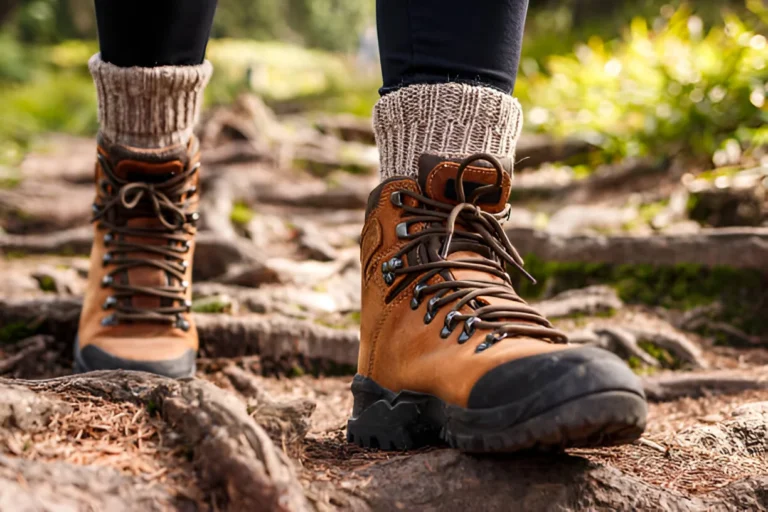
Kilimanjaro Training Mistakes That Reduce Summit Success 2026-2027
Kilimanjaro Training Mistakes that Reduce Summit Success is explained with current 2026-2027 planning, price, itinerary and booking information.
View package details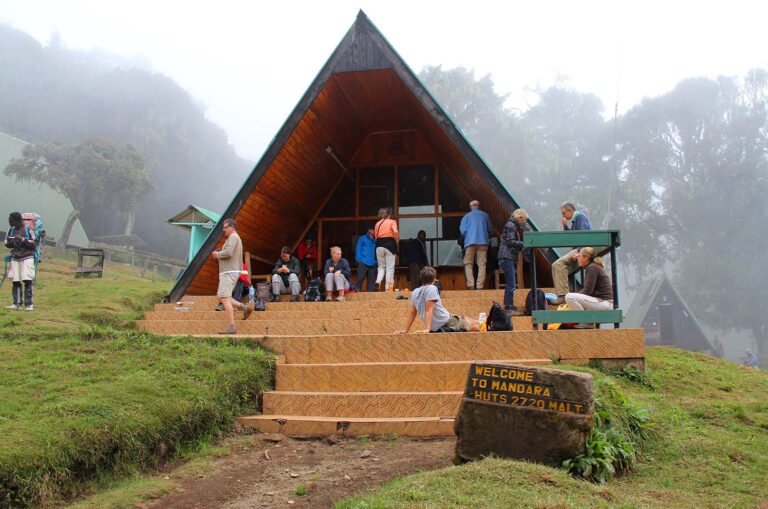
Kilimanjaro Personal Porter Vs Standard Support 2026-2027
Kilimanjaro Personal Porter vs Standard Porter Support is explained with current 2026-2027 planning, price, itinerary and booking information.
View package details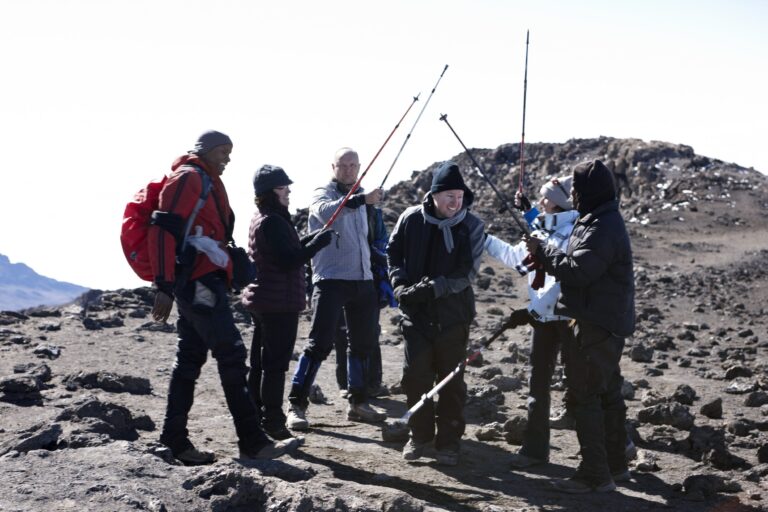
Kilimanjaro Airport Vs Arusha For Climbers: The Definitive Guide 2026-2027
A comprehensive comparison of Kilimanjaro International Airport (JRO) and Arusha Airport (ARK) for trekkers planning a Mount Kilimanjaro climb, detailing pros, cons, and booking advice for...
View package details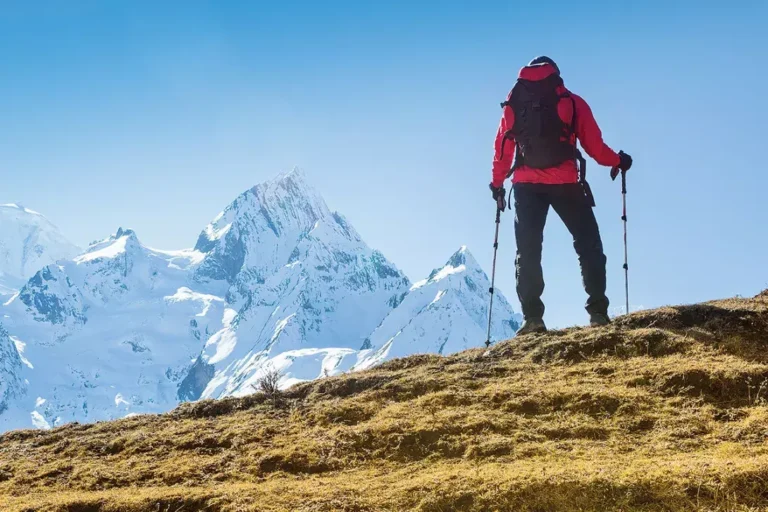
Kilimanjaro Climb For Retired Couples: Planning Your Adventure 2026-2027
Planning a Kilimanjaro climb as a retired couple is an achievable and rewarding goal. This guide offers in-depth advice on route selection, physical preparation, essential gear, and the...
View package details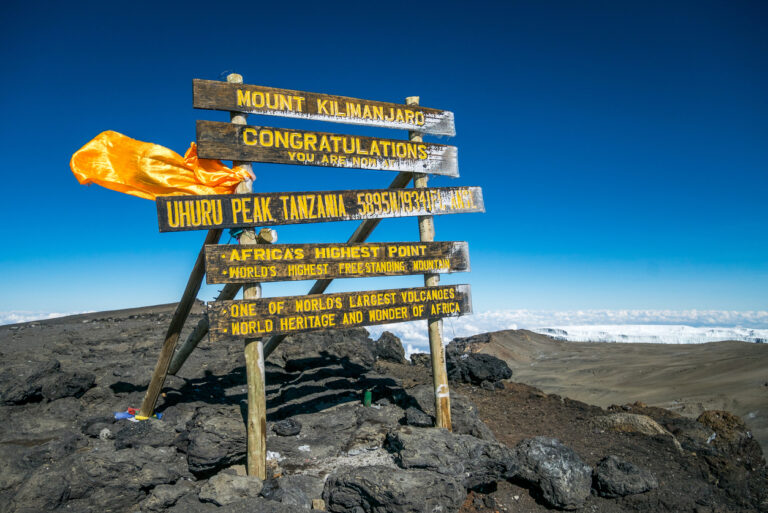
Kilimanjaro Training Plan For Climbers Over 60 2026-2027
Kilimanjaro Training Plan for Climbers over 60 is explained with current 2026-2027 planning, price, itinerary and booking information.
View package details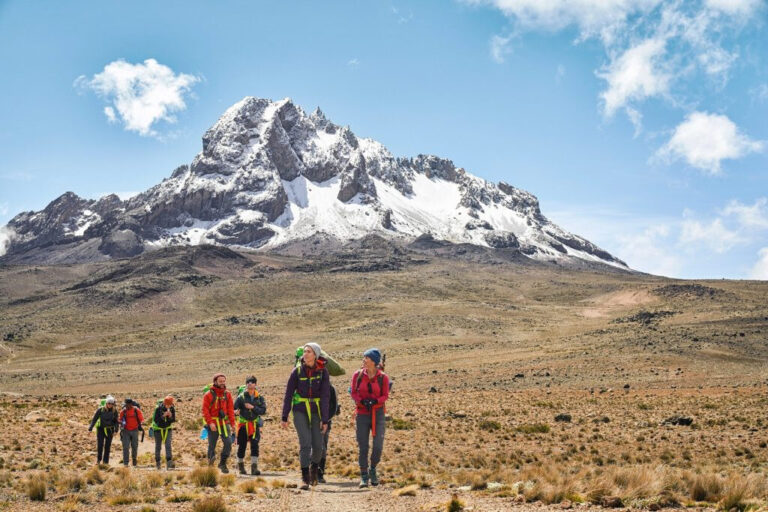
Can A 16-Year-Old Climb Kilimanjaro? Your Essential Guide 2026-2027
Discover if a 16-year-old can summit Kilimanjaro. This comprehensive guide covers age requirements, health, fitness, essential gear, and planning for younger trekkers aiming for Africa's...
View package detailsNo related package matches those filters. Clear one or more filters to see the other topic-matched options.



