
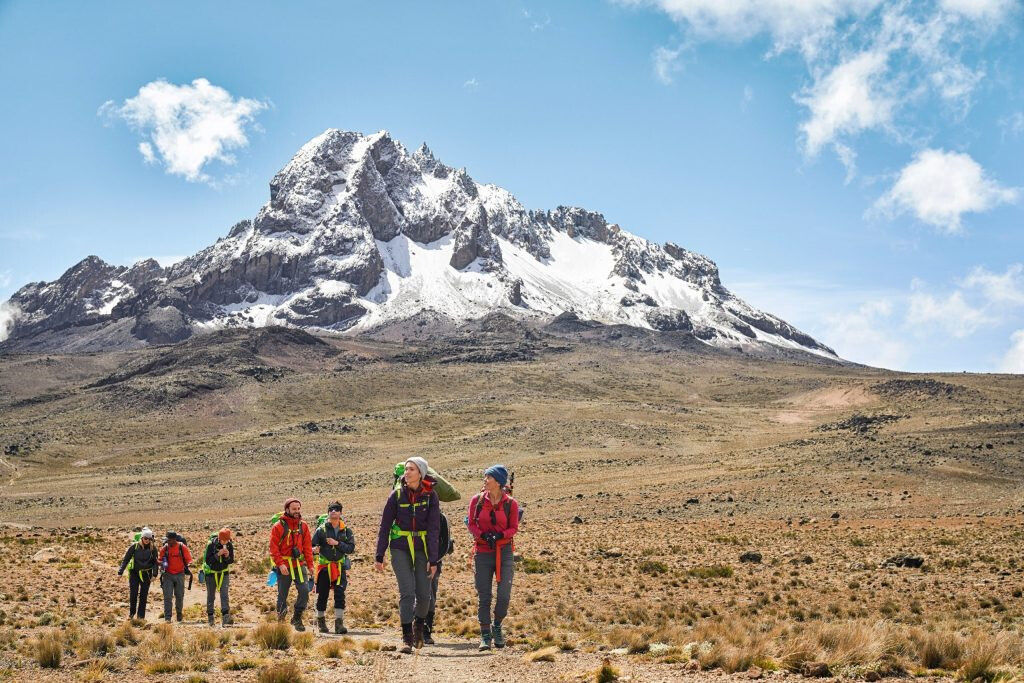
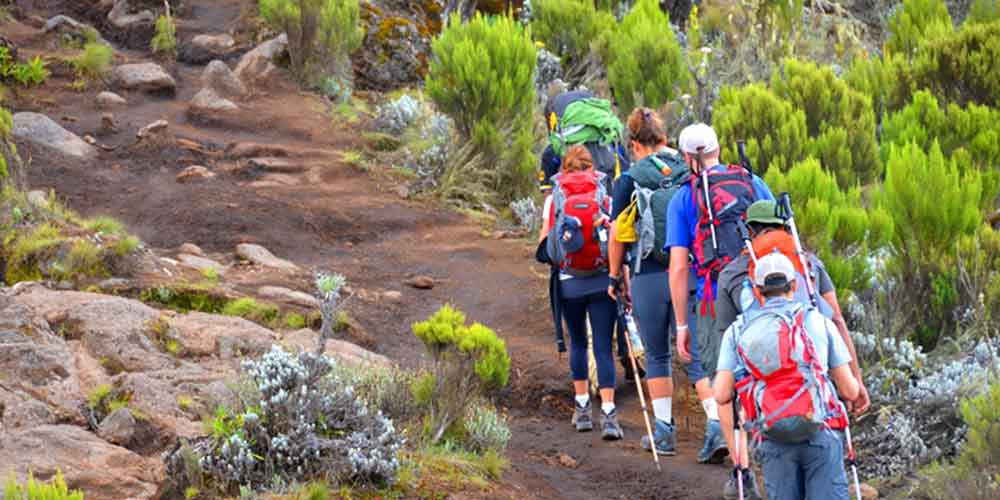
Yes, a 16-year-old can absolutely climb Kilimanjaro, provided they meet the necessary physical and mental requirements. While there’s no strict upper age limit, the primary consideration for younger climbers is their physical fitness, acclimatization ability, and maturity to handle the challenges of high-altitude trekking. Many operators, including Top Guide Adventures, welcome and successfully guide teenagers on the mountain each year, ensuring their safety and a rewarding experience.
Understanding the Kilimanjaro Age Factor for Teenagers
The question, “Can a 16-year-old climb Kilimanjaro?” is a common one for families planning adventurous trips. Kilimanjaro, standing at 5,895 meters (19,341 feet), is the world’s highest freestanding mountain and a significant undertaking for any climber, regardless of age. While younger individuals often possess great physical resilience, climbing Kilimanjaro involves more than just physical strength. It demands mental fortitude, the ability to cope with altitude sickness, and a genuine understanding of the commitment required. This is why tour operators and park authorities focus on the climber’s overall preparedness rather than a strict age cutoff.
Top Guide Adventures has observed that 16-year-olds can be among the most enthusiastic and capable climbers on the mountain. Their youthful energy can be a significant asset, but it’s crucial that this energy is channeled into responsible trekking, listening to guides, and respecting the mountain’s demands. The focus for a 16-year-old climber should be on a well-planned preparation process, selecting the right route, and ensuring they have adequate support throughout the expedition.
Kilimanjaro National Park Regulations on Age
Kilimanjaro National Park, managed by the Tanzania National Parks Authority (TANAPA), does not impose a minimum age limit for climbing the mountain. However, they do have guidelines and recommendations. Generally, children under 10 are not permitted to climb due to the extreme physical demands and risks associated with high altitude. For teenagers like 16-year-olds, the park authorities trust the tour operators to assess the suitability of each climber. This means the responsibility falls heavily on the shoulders of reputable companies like Top Guide Adventures to ensure that any minor attempting the climb is adequately prepared and accompanied.
Park rangers have the ultimate authority to stop any climber, regardless of age, if they believe the individual is not fit enough to continue safely. This is a critical safety measure designed to protect everyone on the mountain. For a 16-year-old, this means their health and well-being are paramount, and they must be able to communicate any discomfort or symptoms of altitude sickness effectively to their guides.
Assessing Fitness and Health for a 16-Year-Old Climber
The most significant factor determining if a 16-year-old can climb Kilimanjaro is their level of fitness and overall health. This isn’t about being an elite athlete, but rather about having a solid foundation of cardiovascular fitness and stamina.
Physical Preparedness: Beyond Just Age
A 16-year-old’s physical readiness for Kilimanjaro should be evaluated based on their activity levels in the months leading up to the trek. Regular participation in sports, hiking, or other strenuous activities is a good indicator. Key aspects of fitness include:
- Cardiovascular Endurance: The ability to sustain moderate activity for extended periods. This is crucial for long trekking days.
- Leg Strength: Essential for uphill climbs and, importantly, for descending, which can be equally taxing.
- Stamina: The capacity to endure physical exertion over multiple consecutive days.
- Mental Resilience: The ability to push through discomfort, fatigue, and challenging conditions.
A 16-year-old who is actively involved in sports like soccer, rugby, cross-country running, or regular hiking will likely have a significant advantage. Conversely, a teenager who is largely sedentary might find the climb extremely challenging, even if they are physically healthy.
Medical Considerations and Consultations
Before booking a Kilimanjaro climb for a 16-year-old, a thorough medical check-up is highly recommended. Consulting with a doctor who is aware of the expedition’s demands is vital. They can assess:
- General Health: Any underlying medical conditions that could be exacerbated by high altitude.
- Respiratory Health: Conditions like asthma need careful evaluation, as thin air can trigger symptoms.
- Cardiovascular Health: Ensuring the heart is capable of handling the increased workload.
- Altitude Sickness Susceptibility: While unpredictable, a doctor might offer advice based on the individual’s medical history.
It’s also important to discuss any medications the teenager might be taking and whether they could interfere with acclimatization or high-altitude medication. Some doctors may recommend prophylactic medication for altitude sickness, though this is typically decided on a case-by-case basis.
Choosing the Right Kilimanjaro Route for a 16-Year-Old
The route chosen for a Kilimanjaro climb significantly impacts the difficulty, success rate, and overall experience. For a younger climber, selecting a longer, more gradual ascent route is generally advisable. These routes offer better acclimatization profiles, which is crucial for reducing the risk of altitude sickness.
Longer Routes for Better Acclimatization
Top Guide Adventures strongly recommends longer routes for all climbers, and especially for younger ones, to maximize acclimatization. These routes typically involve more days on the mountain, allowing the body to adjust more effectively to the decreasing oxygen levels.
- Lemosho Route (8 days): A popular choice offering excellent acclimatization, stunning scenery, and a high success rate. The extra day significantly aids adaptation.
- Machame Route (7 or 8 days): Known as the “Whiskey Route” for its popularity, Machame also provides good acclimatization, especially when extended to 7 or 8 days. This is a fantastic option for a 16-year-old if they are well-prepared.
- Northern Circuit (9 days): The longest route, offering the best acclimatization and highest success rates. It circles the mountain, providing unique views and a more relaxed pace. This would be an ideal, though more time-consuming, choice for a younger climber.
Shorter routes like Marangu (5 days) or Machame (6 days) are generally discouraged for any climber, but particularly for younger ones, due to their rapid ascent and lower acclimatization rates, leading to higher rates of altitude sickness and lower success rates.
Considering the Mental Aspect of the Climb
Beyond physical fitness, a 16-year-old must possess the mental maturity to handle the challenges. This includes:
- Understanding Commitment: Recognizing that this is not a casual hike but a serious expedition requiring sustained effort.
- Following Instructions: Being able to listen to and obey guides’ instructions, especially regarding pace, hydration, and reporting symptoms.
- Coping with Discomfort: Accepting that days will be long, cold, and tiring, and being prepared to push through fatigue.
- Teamwork: Understanding that they are part of a group and their actions can affect others.
Open communication between the teenager and their parents/guardians about these aspects is key. Discussing potential challenges and how they might feel helps prepare them mentally.
Essential Preparation for a 16-Year-Old Kilimanjaro Climber
Proper preparation is paramount for ensuring a 16-year-old’s safety and success on Kilimanjaro. This involves physical training, mental preparation, and acquiring the right gear.
Training Regimen: Building Stamina and Strength
The training should begin at least 3-4 months before the climb. The focus should be on endurance and simulating the demands of the trek.
- Hiking: Regular hikes, ideally with a backpack, on varied terrain (hills, stairs). Gradually increase the duration and elevation gain. Aim for at least one long hike (4-6 hours) per week.
- Cardiovascular Exercise: Activities like running, cycling, swimming, or using an elliptical machine 3-4 times a week for 30-60 minutes.
- Strength Training: Focus on leg muscles (squats, lunges) and core strength. This helps with stability and endurance on the trail.
- Practice with Gear: Break in hiking boots by wearing them on training hikes. Ensure the backpack fits comfortably when loaded.
It’s beneficial to involve the 16-year-old in the training plan, making it a shared family activity if possible. This can enhance motivation and ensure they understand the importance of each exercise.
Gear and Equipment: What a Teenager Needs
The right gear is crucial for comfort and safety at high altitudes. While many items are standard for all climbers, ensuring a good fit and quality for a teenager is important.
- Layering System: Essential for managing body temperature. This includes:
- Base Layers: Moisture-wicking synthetic or merino wool tops and bottoms.
- Mid Layers: Fleece jackets or insulated vests for warmth.
- Outer Layer: Waterproof and windproof jacket and pants (Gore-Tex or similar).
- Footwear: Well-fitting, broken-in waterproof hiking boots. Thermal socks (wool or synthetic) are also vital.
- Headwear: A warm, insulated hat that covers the ears, and a sun hat or cap for lower altitudes. A balaclava or neck gaiter for extreme cold.
- Handwear: Insulated, waterproof gloves or mittens, and thinner liner gloves.
- Backpack: A comfortable daypack (30-40 liters) for carrying essentials during the trek. Porters will carry larger bags.
- Sleeping Bag: A 4-season sleeping bag rated for temperatures down to -15°C (5°F) or -20°C (-4°F).
- Trekking Poles: Highly recommended to reduce strain on knees and improve stability.
- Other Essentials: Headlamp with extra batteries, water bottles or hydration reservoir, sunscreen, lip balm, sunglasses, personal first-aid kit, toiletries, and high-energy snacks.
Top Guide Adventures can provide detailed gear lists tailored to the specific route and time of year. We also offer rental options for some key items like sleeping bags and trekking poles.
Mental Preparation and Expectations
It’s important to set realistic expectations for a 16-year-old. The climb is challenging, and summit day is particularly arduous. Discussing the following can help:
- The “Pole Pole” Pace: Emphasize the importance of walking slowly and steadily.
- Hydration and Nutrition: Stress the need to drink plenty of water and eat regularly, even when not feeling hungry.
- Altitude Sickness Symptoms: Educate them on recognizing symptoms like headache, nausea, dizziness, and fatigue, and the importance of reporting them immediately.
- The Summit Night: Explain that summit night is the hardest part – cold, dark, and physically demanding, often involving hiking through the night.
- The “Glory of the Descent”: Remind them that reaching the summit is only half the journey; the descent is equally important and can be challenging.
Encourage open dialogue. If the 16-year-old expresses doubts or fears, address them calmly and constructively. Their confidence and positive attitude are vital components of success.
Safety Protocols for Young Climbers on Kilimanjaro
Safety is the absolute priority when a 16-year-old climbs Kilimanjaro. Reputable tour operators have stringent safety protocols in place, and parents/guardians play a key role in ensuring these are followed.
Role of Guides and Support Crew
The guides are trained professionals responsible for the well-being of every climber. For a 16-year-old, their role is even more critical:
- Constant Monitoring: Guides continuously assess the physical and mental condition of each climber, paying close attention to signs of altitude sickness.
- Pacing: They enforce the “pole pole” (slowly, slowly) principle, ensuring no one ascends too quickly.
- Decision Making: Guides have the authority to recommend or mandate that a climber descends if their health is at risk. This decision is always made in the best interest of the climber.
- Emergency Procedures: They are trained in first aid and emergency evacuation protocols.
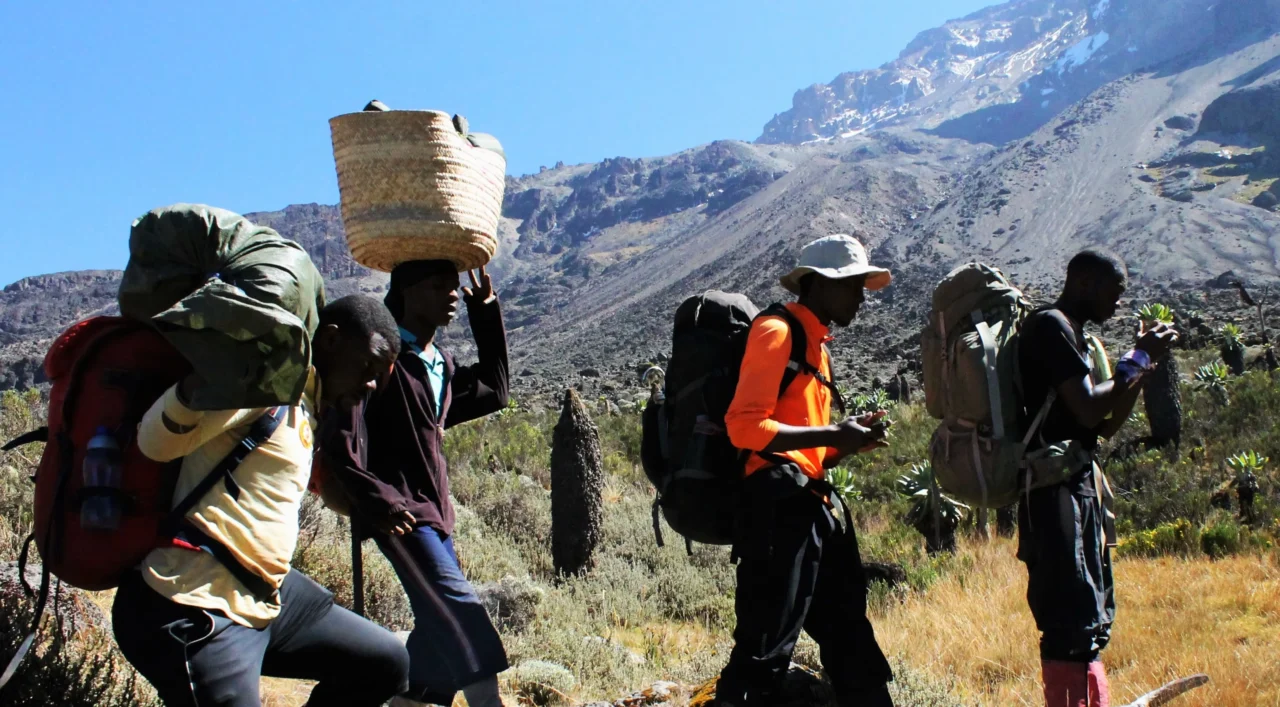
The support crew, including porters and cooks, also contribute to safety by ensuring climbers are well-fed, hydrated, and have adequate rest. They maintain camp hygiene and assist with gear.
Altitude Sickness: Prevention and Management
Altitude sickness (Acute Mountain Sickness – AMS) is the most common challenge on Kilimanjaro. It affects climbers of all ages, but a 16-year-old’s body might react differently.
- Prevention is Key: The best prevention is a slow ascent on a longer route, adequate hydration, and avoiding overexertion.
- Hydration: Encourage drinking 3-4 liters of water per day. Avoid alcohol and caffeine.
- Medication: Discuss the potential use of Diamox (acetazolamide) with a doctor. While not a cure, it can help speed up acclimatization.
- Recognizing Symptoms: Educate the 16-year-old on mild symptoms (headache, fatigue, loss of appetite, nausea) and severe symptoms (vomiting, severe headache, shortness of breath, confusion, loss of coordination).
- Immediate Action: If symptoms appear, they must be reported to the guide immediately. The standard treatment is to stop ascending, rest, hydrate, and if symptoms worsen or are severe, to descend. There is no benefit to pushing higher with AMS symptoms.
Top Guide Adventures ensures all guides are proficient in identifying and managing altitude sickness. We carry comprehensive medical kits and have established communication channels for emergencies.
Parental Involvement and Communication
For climbers under 18, parental or guardian consent is mandatory. This consent should be informed, meaning parents understand the risks involved.
- Pre-Trip Briefings: Participate fully in any pre-trip briefings offered by the tour operator.
- Emergency Contact: Provide up-to-date emergency contact information.
- Trust the Guides: While it can be difficult, trust the expertise of the guides. They are trained to make critical decisions regarding your child’s safety.
- Communication Channels: Understand how you will be updated, especially if there are communication blackouts on the mountain. Top Guide Adventures can facilitate communication through our base office when possible.
The Experience: What a 16-Year-Old Can Expect
Climbing Kilimanjaro is a life-changing experience for any age. For a 16-year-old, it can be a powerful lesson in perseverance, self-discovery, and appreciating the natural world.
Daily Life on the Mountain
Life on Kilimanjaro follows a predictable rhythm:
- Morning: Wake up to breakfast, pack personal gear, and start trekking.
- During the Day: Trek at a slow pace, taking breaks for water and snacks. Lunch is often a packed meal enjoyed en route.
- Afternoon: Arrive at the next camp, have lunch, and relax. Some camps offer short acclimatization walks.
- Evening: Dinner is served, followed by a briefing from the guides about the next day’s trek. Early bedtime is encouraged.
The conditions in the camps can range from mild at lower altitudes to extremely cold and windy at higher camps. Toilets are typically basic long-drop systems, and washing facilities are limited to water for cleaning.
The Summit Night and Descent
Summit night is the most demanding part of the climb. Starting around midnight, climbers ascend towards Uhuru Peak in the dark, often in single file, using headlamps. The temperature can drop significantly, and the altitude effects are most pronounced.
Reaching the summit at sunrise is an unforgettable moment. However, the descent begins almost immediately. It’s crucial to stay focused, as descending on scree can be tiring and requires careful footing. The relief and sense of accomplishment are immense, but the physical exertion continues until reaching the base camp.
Post-Climb Reflections and Benefits
Successfully climbing Kilimanjaro can have profound effects on a 16-year-old:
- Increased Confidence: Overcoming such a significant challenge builds immense self-esteem and confidence.
- Resilience and Determination: Learning to persevere through hardship instills valuable life skills.
- Appreciation for Nature: Experiencing the diverse ecosystems of Kilimanjaro fosters a deeper connection with the environment.
- Sense of Accomplishment: The achievement of standing on the roof of Africa is a memory that lasts a lifetime.
- Teamwork and Leadership: Depending on the group dynamic, they might develop skills in supporting others or taking initiative.
These experiences can positively influence their outlook on future challenges, whether academic, personal, or professional.
Planning Your 2026-2027 Kilimanjaro Climb with a Teenager
Planning a Kilimanjaro expedition for a 16-year-old requires careful consideration, especially when looking ahead to the 2026 and 2027 climbing seasons.
Booking Considerations for 2026-2027
As the demand for Kilimanjaro climbs continues, booking in advance is highly recommended, particularly for specific dates or routes in 2026 and 2027.
- Peak Seasons: The busiest and often best weather periods are January-March and June-October. Booking 6-12 months in advance is advisable for these times.
- Shoulder Seasons: April-May (long rains) and November-December (short rains) are less crowded and can offer lower prices, but weather is less predictable.
- Group Departures: Many operators, including Top Guide Adventures, offer set group departure dates. These can be a great way for a 16-year-old to climb with peers or other like-minded individuals. Check our Machame Route group departures for potential options.
- Private Treks: For families or groups with a specific 16-year-old climber, a private trek offers maximum flexibility in terms of dates and pace. This is often the best option for ensuring the young climber’s needs are fully met.
Cost Factors for a 16-Year-Old’s Climb
The cost of a Kilimanjaro climb varies significantly based on the route, duration, operator, and inclusions. For a 16-year-old, the price is generally the same as for an adult, as park fees and guide-to-climber ratios remain consistent.
Key cost components typically include:
- Park Fees: These are a substantial part of the cost and are set by TANAPA.
- Guide and Porter Wages: Fair wages are crucial for ethical trekking.
- Food and Accommodation: Meals on the mountain and camping equipment.
- Transportation: Transfers to and from the mountain.
- Logistics: Permits, oxygen, emergency equipment, and communication.
Top Guide Adventures offers transparent pricing, detailing what is included. We strive to provide excellent value while ensuring the highest safety standards and fair treatment of our crew. For specific pricing for 2026 or 2027 expeditions, it’s best to get a personalized quote. You can reach us via WhatsApp +255616946642 or Email topguideadventures@gmail.com.
Choosing a Reputable Operator
Selecting the right tour operator is critical, especially when a minor is involved. Look for companies that:
- Prioritize Safety: Have robust safety protocols, experienced guides, and adequate emergency equipment.
- Offer Longer Routes: Recommend 7-day or longer itineraries for better acclimatization.
- Provide Detailed Information: Offer comprehensive pre-trip information on training, gear, and what to expect.
- Have Excellent Reviews: Check independent review sites like TripAdvisor to gauge customer satisfaction and safety records. Our reviews can be found here.
- Support Their Crew: Ensure fair wages and working conditions for guides and porters.
- Are Locally Based: Companies like Top Guide Adventures have intimate knowledge of Kilimanjaro and the local environment.
Our commitment is to provide a safe, memorable, and responsible climbing experience. We believe that with proper planning and the right support, a 16-year-old can achieve their dream of climbing Kilimanjaro.
Frequently Asked Questions: 16-Year-Old Kilimanjaro Climbers
Here are some common questions specifically for families considering Kilimanjaro for a 16-year-old.
Q1: Is there a minimum age to climb Kilimanjaro?
There is no official minimum age set by Kilimanjaro National Park, but children under 10 are generally not permitted due to the extreme demands. For a 16-year-old, the focus is on their individual fitness, maturity, and health rather than a specific age barrier.
Q2: What is the success rate for 16-year-olds on Kilimanjaro?
Success rates are generally higher on longer routes (7+ days) and for climbers who train adequately and listen to their guides. A well-prepared 16-year-old using a route like Lemosho or Machame (7-8 days) has a very good chance of reaching the summit.
Q3: Can a 16-year-old use altitude sickness medication?
Yes, a 16-year-old can use altitude sickness medication like Diamox, but only under the guidance and prescription of a doctor. The doctor will assess the individual’s health and determine if it’s appropriate and what dosage to use.
Q4: Do 16-year-olds need special supervision on the mountain?
While they have their own guides, responsible adult supervision and consent are required for any climber under 18. Parents/guardians must ensure the teenager understands the risks and is prepared for the challenge. The tour operator’s guides provide professional supervision throughout the trek.
Q5: What if a 16-year-old gets sick or wants to turn back?
Safety is paramount. If a 16-year-old experiences significant altitude sickness symptoms or is unable to continue, the guides will make the decision to descend. This is a common occurrence on Kilimanjaro for climbers of all ages, and there is no shame in turning back to ensure safety.
Conclusion: A Kilimanjaro Climb is Achievable for a 16-Year-Old
In conclusion, the answer to “Can a 16-year-old climb Kilimanjaro?” is a resounding yes. The key lies not in age, but in preparation, responsible planning, and choosing the right approach. A physically fit, mentally prepared, and well-supported 16-year-old can absolutely achieve the remarkable feat of summiting Kilimanjaro. With Top Guide Adventures, we are dedicated to ensuring that the journey is not only successful but also safe and deeply rewarding for our younger adventurers planning for 2026 and 2027 expeditions.
We encourage families to start their planning early. Discuss your aspirations with us, and let our experienced team guide you through every step, from route selection and training advice to ensuring you have the best possible experience on Africa’s highest peak. Contact us today to begin planning your unforgettable Kilimanjaro adventure:
WhatsApp: +255616946642
Email: topguideadventures@gmail.com
Backup Email: info@topguideadventures.com
Let’s make your 16-year-old’s Kilimanjaro dream a reality with Top Guide Adventures!
Check Availability for Can A 16-Year-Old Climb Kilimanjaro? Your Essential Guide 2026-2027
Ready to compare dates, prices, and the best option for your group? Send the package name and travel month so the team can reply with a clear quote, availability, and what is included.
Kilimanjaro Climb With A Personal Support Assistant: Your Ultimate Guide
Climbing Mount Kilimanjaro with a personal support assistant offers unparalleled safety, comfort, and focus on your summit goals. This guide details what a personal assistant entails, its...
View package details
Kilimanjaro Hydration Mistakes Climbers Make And How To Avoid Them 2026-2027
Proper hydration is critical for a successful Kilimanjaro climb. This guide details common hydration mistakes climbers make, from under-drinking to choosing the wrong fluids, and provides...
View package details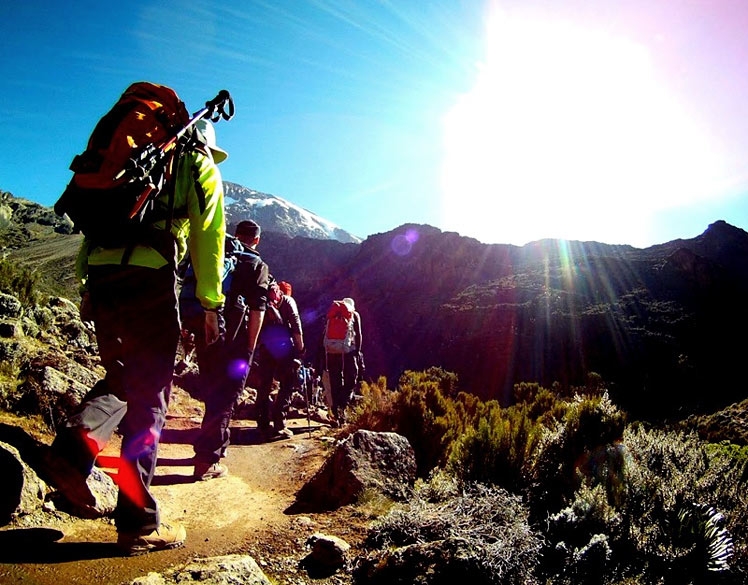
Kilimanjaro Summit-Night Mistakes To Avoid: Your Essential Guide For Climbs
Summit night on Kilimanjaro is the most challenging part of the climb. Avoiding common mistakes in acclimatization, gear, hydration, and pacing is crucial for success. This guide details...
View package details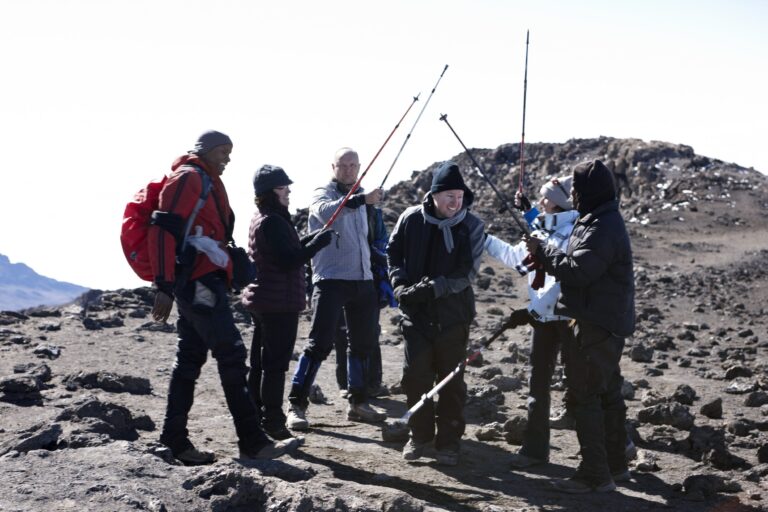
Kilimanjaro Airport Vs Arusha For Climbers: The Definitive Guide 2026-2027
A comprehensive comparison of Kilimanjaro International Airport (JRO) and Arusha Airport (ARK) for trekkers planning a Mount Kilimanjaro climb, detailing pros, cons, and booking advice for...
View package details
Kilimanjaro Climb For Retired Couples: Planning Your Adventure 2026-2027
Planning a Kilimanjaro climb as a retired couple is an achievable and rewarding goal. This guide offers in-depth advice on route selection, physical preparation, essential gear, and the...
View package details
Content For Parents And Young Climbers: Conquering Kilimanjaro Safely
Planning a Kilimanjaro climb with children or as a young climber requires special attention. This guide provides comprehensive content for parents and young adventurers, covering...
View package details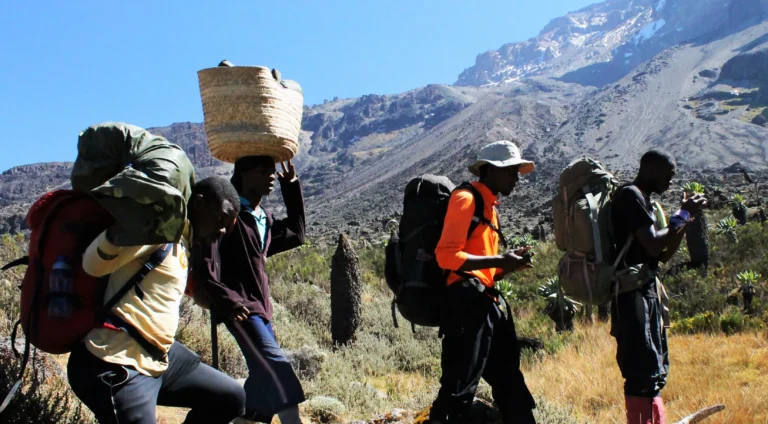
Kilimanjaro Tree-Planting Climbing Package Guide
Combine your dream Kilimanjaro climb with a meaningful conservation effort. Our Kilimanjaro Tree-Planting Climbing Package allows you to ascend Africa's highest peak while actively...
View package details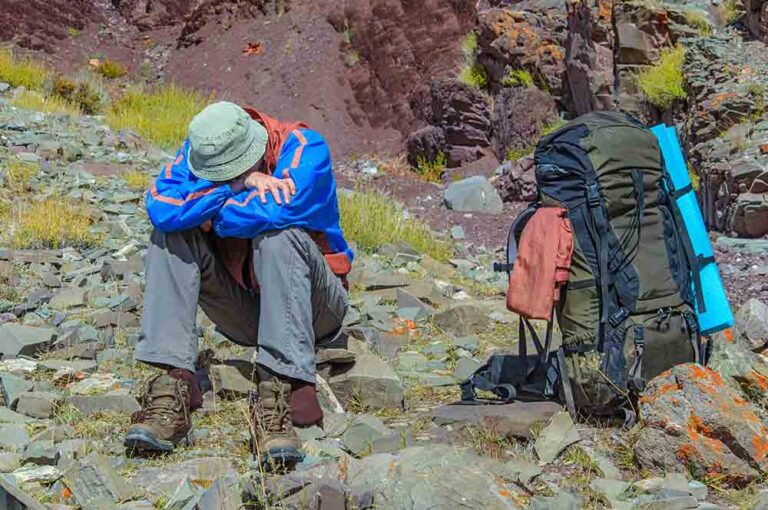
What Happens If It Rains Throughout Your Kilimanjaro Climb? 2026-2027
What Happens If It Rains throughout Your Kilimanjaro Climb? is explained with current 2026-2027 planning, price, itinerary and booking information.
View package details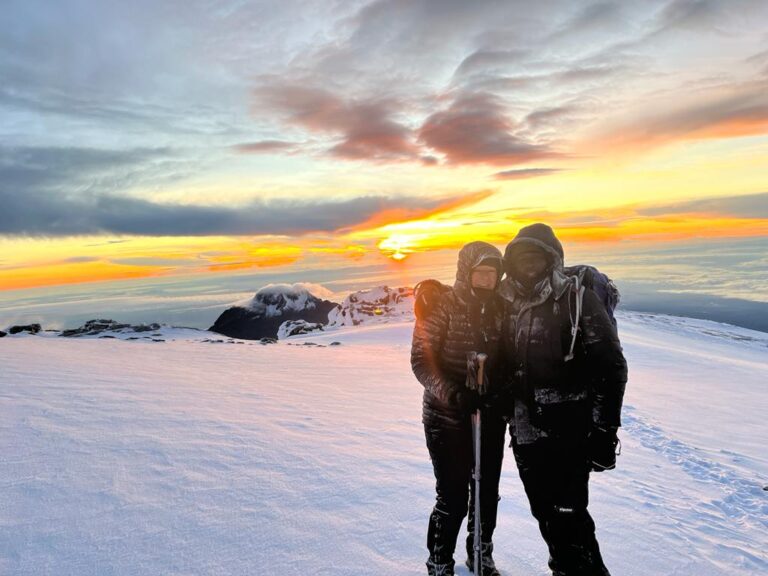
Kilimanjaro Early-Bird Climbing Discounts For Adventures 2026-2027
Plan your 2026-2027 Kilimanjaro climb and take advantage of early-bird discounts. Top Guide Adventures offers savings for those who book in advance, ensuring a memorable and affordable...
View package details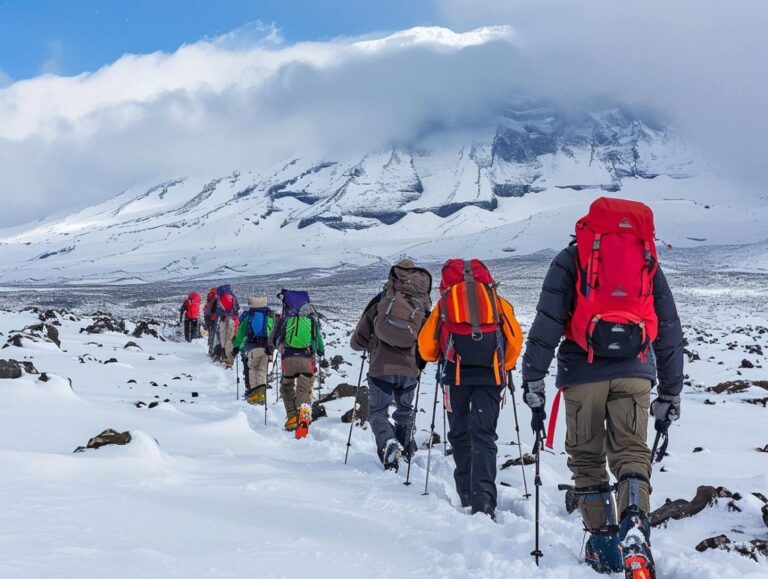
Kilimanjaro Private Climb Price For One Person: Your Guide 2026-2027
Planning a solo ascent of Mount Kilimanjaro? This guide details the Kilimanjaro private climb price for one person, covering cost factors, inclusions, and essential planning for 2026-2027.
View package details
Kilimanjaro Wellness Retreat For Non-Climbers: Rejuvenate Near Africas
Experience the serene beauty and restorative power of Tanzania without the arduous climb. Our Kilimanjaro wellness retreats for non-climbers offer a unique blend of relaxation, cultural...
View package details
Run The Kilimanjaro Marathon And Climb Mountain 2026-2027
Run the Kilimanjaro Marathon and Climb the Mountain is explained with current 2026-2027 planning, price, itinerary and booking information.
View package detailsNo related package matches those filters. Clear one or more filters to see the other topic-matched options.



