
Combining the Kilimanjaro Marathon with a subsequent climb offers an unparalleled adventure, allowing you to experience Mount Kilimanjaro’s challenges both on foot at altitude and by conquering its summit. Typically, runners participate in the marathon first, which usually takes place in late February or early March, followed by their chosen Kilimanjaro climb route, often beginning shortly after the race. This dual challenge requires careful planning regarding fitness, acclimatization, and logistics for both events, ideally booked well in advance for 2026 or 2027 with experienced operators like Top Guide Adventures to ensure a safe and successful expedition.
The Ultimate Kilimanjaro Challenge: Marathon Meets Mountain Summit
For the truly adventurous spirit, few experiences can rival the sheer exhilaration of tackling both the Kilimanjaro Marathon and a subsequent ascent of Africa’s highest peak. This is not just a trip; it’s a test of endurance, a journey of self-discovery, and an unforgettable exploration of one of the world’s most iconic natural wonders. Imagine crossing the finish line of a challenging marathon at the foothills of a colossal mountain, only to prepare yourself for the even greater feat of standing on its summit a few days later. This combined adventure is designed for those who seek more than just a holiday – it’s for those who crave an extraordinary test of their physical and mental limits.
At Top Guide Adventures, we specialize in crafting these unique, demanding, yet incredibly rewarding experiences. We understand the specific requirements for undertaking both the Kilimanjaro Marathon and a climb, ensuring that every aspect of your journey is meticulously planned and executed. From securing your race entry and preparing you for the unique demands of high-altitude running to selecting the most suitable Kilimanjaro climb route for optimal acclimatization and success, our expertise is your assurance. Planning for 2026 and 2027 adventures means securing the best opportunities, ensuring availability, and allowing ample time for your training and preparation. This guide will walk you through every crucial step, from initial considerations to the triumphant moment you achieve both goals.
Understanding the Kilimanjaro Marathon: More Than Just a Race
The Kilimanjaro International Marathon (KIM) is a celebrated annual event that draws runners from around the globe. Held in the vibrant town of Moshi, at the base of Mount Kilimanjaro, it offers a unique opportunity to race with the majestic mountain as your backdrop. The marathon typically features a full marathon (42.2 km), a half marathon (21.1 km), and a 5 km fun run, catering to various fitness levels.
Key Aspects of the Kilimanjaro Marathon:
- Timing: Usually held on the last Sunday of February or the first Sunday of March. For 2026 and 2027, participants should confirm the exact date with race organizers, but planning for late February or early March is a safe bet.
- Location: Starts and finishes in Moshi, Tanzania. The course winds through rural villages, farmlands, and offers stunning views of the mountain.
- Altitude: While Moshi is at a lower altitude (around 800m or 2,600 ft), the marathon course itself involves some inclines and can feel challenging due to the tropical climate and humidity.
- Purpose: Beyond the athletic challenge, the KIM often serves as a platform for charitable causes, supporting local community development and environmental conservation efforts.
- Registration: Early registration is highly recommended, especially for international participants planning their travel for 2026 or 2027. Race organizers typically open registration several months in advance.
Participating in the Kilimanjaro Marathon is an event in itself, but for those combining it with a climb, it serves as an incredible warm-up and a unique way to experience the local culture and the awe-inspiring environment of Kilimanjaro.
The Kilimanjaro Climb: Conquering Africa’s Roof
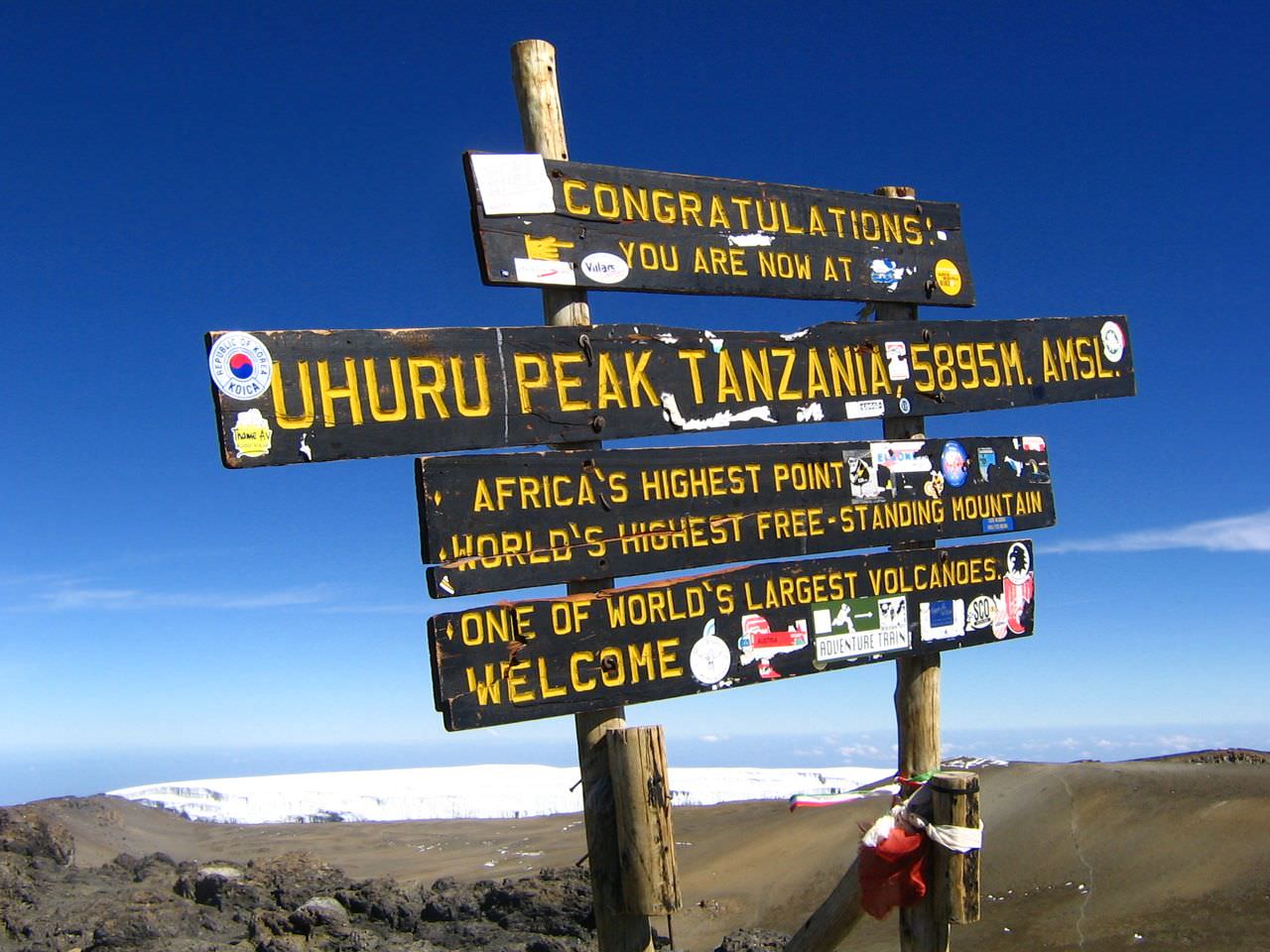
Climbing Mount Kilimanjaro is a bucket-list achievement for many. Standing at 5,895 meters (19,341 feet), it is the world’s highest free-standing mountain and a dormant volcano. Kilimanjaro is not a technical climb, making it accessible to determined hikers with good physical condition and proper preparation. However, the primary challenge is the altitude, which requires careful acclimatization.
Choosing Your Kilimanjaro Climb Route:
The choice of route significantly impacts your acclimatization, scenery, and overall success rate. For those who have just completed a marathon, selecting a longer route that prioritizes acclimatization is crucial.
- Marangu Route (Coca-Cola Route): The oldest and simplest route. It’s known for its unique dormitory-style accommodation and is often the shortest in terms of days (5-day option). However, its rapid ascent leads to poor acclimatization and a lower success rate. Not ideal for post-marathon climbers due to the fast ascent.
- Machame Route (Whiskey Route): Arguably the most popular route, known for its scenic beauty and excellent acclimatization profile. It typically takes 6 or 7 days. The 7-day option offers a slower pace and better acclimatization, making it a strong contender for those who have just run a marathon. Top Guide Adventures frequently runs Machame Route group departures, which can be ideal for planning your 2026 or 2027 adventure.
- Lemosho Route: A longer, more remote, and highly scenic route offering excellent acclimatization. It’s often combined with the Machame route for the final ascent. Typically 7 or 8 days, this route provides a more pristine trekking experience.
- Shira Route: Similar to Lemosho but starts at a higher altitude. It can be more challenging initially due to the higher starting point.
- Rongai Route: Approaches Kilimanjaro from the north, offering a different perspective and typically drier conditions, especially during the rainy seasons. It’s a good option for those seeking a less crowded path. Usually 6 or 7 days.
- Northern Circuit: The longest and most expensive route, offering the best acclimatization profile and highest success rates. It circles the mountain, providing diverse views and a slower, more relaxed pace over 8-9 days. This is an excellent choice for post-marathon climbers seeking maximum acclimatization.
- Umbwe Route: The shortest and steepest route, demanding high fitness levels and prior high-altitude experience. Generally not recommended for those combining it with a marathon due to its aggressive ascent profile.
For runners completing the Kilimanjaro Marathon, prioritizing a route with a longer duration (6-9 days) is paramount. The Northern Circuit or a 7-day Machame Route are highly recommended by Top Guide Adventures for their superior acclimatization benefits. This will give your body adequate time to recover from the marathon and adapt to the increasing altitudes.
Planning Your Combined Kilimanjaro Marathon and Climb Adventure (2026-2027)
Successfully executing a Kilimanjaro Marathon and Climb requires meticulous planning, especially when aiming for specific years like 2026 or 2027. The synergy between these two events demands a strategic approach to training, logistics, and timing.
1. Timing is Everything: Aligning Race and Climb Dates
The Kilimanjaro International Marathon is typically held in late February or early March. This timing is convenient for combining it with a climb, as it falls within Kilimanjaro’s dry seasons (January-March and June-October), which are prime times for trekking. Most climbers choose to begin their ascent a few days after the marathon, allowing for some recovery and final preparations.
Example Itinerary Logic:
- Week 1: Arrive in Tanzania, acclimatize in Moshi, participate in the Kilimanjaro Marathon (late Feb/early March).
- Week 1 (Late): Rest and final gear check in Moshi.
- Week 2: Begin your Kilimanjaro climb (e.g., a 7-day Machame Route).
- Week 3: Complete the climb, descend, celebrate in Moshi, and depart.
Booking your trip for 2026 or 2027 means securing your spot for both the race and the climb well in advance. Popular operators like Top Guide Adventures often have their 2026-2027 itineraries released early to accommodate this demand.
2. Fitness and Training: Preparing for Dual Challenges
This combined adventure demands a high level of fitness. You need to train for both a marathon and a multi-day high-altitude trek.
- Marathon Training: Focus on building mileage, speed, and endurance. Incorporate long runs, interval training, and tempo runs.
- Climbing Training: Emphasize cardiovascular fitness, leg strength, and endurance. Hiking with a weighted backpack on varied terrain (hills, stairs) is excellent preparation. Practice long, steady efforts.
- Altitude Acclimatization Practice: While you can’t truly simulate Kilimanjaro’s altitude, training at higher elevations if possible can be beneficial. More importantly, understand the principles of acclimatization for the climb itself.
- Post-Marathon Recovery: Your training should also include strategies for recovery, as you’ll need to transition from running to trekking with minimal rest.
A dedicated training plan spanning 6-12 months is advisable for this ambitious undertaking. Consulting with a fitness professional can help tailor a program specific to your needs for the 2026-2027 expedition.
3. Choosing Your Operator: The Importance of Expertise
Selecting a reputable and experienced tour operator is non-negotiable. For the Kilimanjaro Marathon and Climb combination, you need a company that understands the nuances of both events.
Top Guide Adventures is a leading tour operator in Tanzania, renowned for its commitment to safety, quality, and client satisfaction. We offer:
- Expert Guidance: Experienced guides who are trained in high-altitude trekking, first aid, and managing group dynamics.
- Safety Protocols: Comprehensive safety measures, including oxygen cylinders, pulse oximeters, and emergency evacuation plans.
- Logistical Support: smooth arrangements for race registration, climb permits, park fees, transportation, accommodation, and meals.
- Tailored Packages: We can customize itineraries to perfectly align your marathon participation with your climb, ensuring adequate rest and preparation time.
- Local Knowledge: Deep understanding of Kilimanjaro’s environment, weather patterns, and local culture.
When booking for 2026 or 2027, reach out to us early to discuss your specific requirements. You can contact us via WhatsApp +255616946642 or email us at topguideadventures@gmail.com.
4. Gear and Equipment: Equipping for Two Different Challenges
You’ll need specialized gear for both the marathon and the climb. While some items overlap, others are distinct.
- Marathon Gear: High-performance running shoes, moisture-wicking running attire (shorts, t-shirts, socks), running vest or belt for hydration and nutrition, hat or visor, sunglasses, and sunscreen.
- Climbing Gear: Layered clothing system (base, mid, and outer layers), waterproof and windproof jacket and trousers, warm hat, gloves (liner and waterproof outer), sturdy hiking boots (broken in), gaiters, thermal underwear, warm socks, headlamp, sunglasses, sunscreen, lip balm, and a comfortable backpack.
- Shared Gear: Water bottles or hydration reservoir, energy gels/bars (for both events), personal first-aid kit, camera, and power bank.
Top Guide Adventures provides a detailed packing list for all our Kilimanjaro climbs, ensuring you are well-equipped. For the marathon, consider what you’ll need for a potentially hot and humid climate versus the cold, windy conditions at higher altitudes during the climb.
5. Budgeting for the Combined Adventure
The cost of this combined adventure will be higher than either event individually. Factors influencing the price include:
- Marathon Entry Fee: Varies by race organizer.
- Kilimanjaro Climb Package: This is the most significant cost, covering park fees, rescue fees, guide and porter salaries, accommodation, meals, and transport. Longer routes (like the Northern Circuit or 7-day Machame) are more expensive than shorter ones.
- Duration: The longer you stay, the higher the costs.
- Accommodation: Pre- and post-climb accommodation in Moshi.
- Flights: International airfare to Kilimanjaro International Airport (JRO).
- Visas and Vaccinations: Depending on your nationality.
- Travel Insurance: Essential for high-altitude trekking and covering potential medical emergencies.
- Personal Gear: Costs associated with purchasing or renting equipment.
Top Guide Adventures offers competitive and transparent pricing for Kilimanjaro climbs. We recommend requesting a detailed quote for your chosen 2026 or 2027 itinerary, factoring in the marathon participation. Our packages are designed to offer excellent value, prioritizing safety and a high-quality experience. For inquiries about pricing for 2026-2027, please email us at info@topguideadventures.com.
Post-Marathon Recovery and Climb Preparation
The transition from the Kilimanjaro Marathon finish line to the start of your Kilimanjaro climb requires careful management. Your body will be fatigued, and you’ll need to balance rest with final preparations.
Rest and Rehydration
Immediately after the marathon, focus on rehydrating and refueling. Consume a balanced meal with carbohydrates and protein. Gentle stretching and rest are crucial in the first 24-48 hours. Avoid strenuous activity.
Gear Check and Finalization
Use the downtime after the marathon to meticulously check all your climbing gear. Ensure everything is clean, functional, and packed correctly. Your guides will conduct a gear check before you start the climb, but having it ready yourself is key.
Mental Preparation
While physically tired, your mental focus needs to shift to the climb. Remind yourself of your training and the incredible journey ahead. The stunning scenery and the camaraderie of your trekking group will help propel you forward.
Nutrition for the Climb
The marathon will have depleted your energy stores. Focus on nutrient-dense foods in the days leading up to the climb. Hydration remains paramount. Your Top Guide Adventures team will provide nutritious meals on the mountain, but carrying some of your preferred energy snacks for the marathon and early days of the climb is wise.
The Kilimanjaro Climb Experience: A Step-by-Step Overview
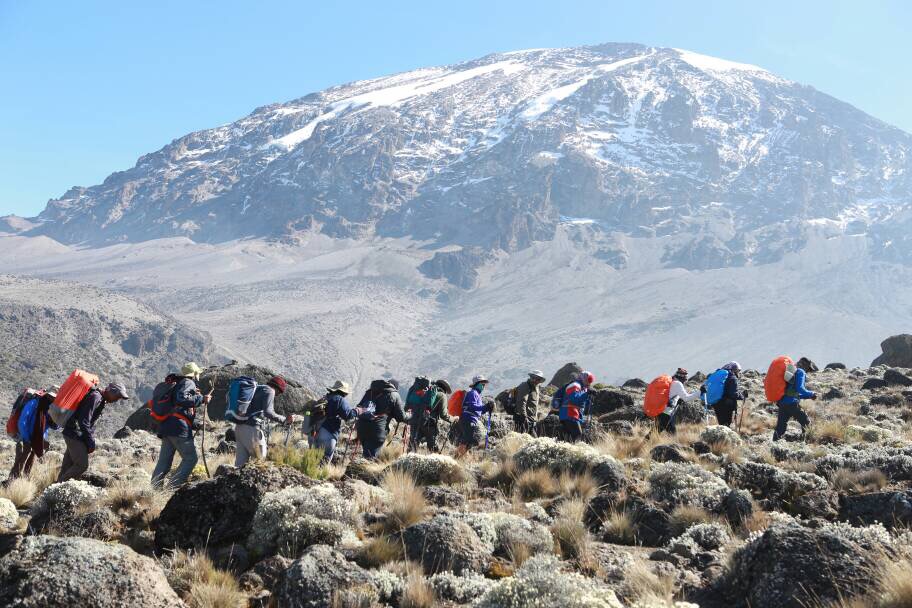
Once the marathon is behind you and you’ve recovered sufficiently, your Kilimanjaro climb begins. The experience varies by route, but the general progression involves ascending through distinct ecological zones.
Ecological Zones of Kilimanjaro
- Cultivation Zone: The lower slopes, used for farming coffee, bananas, and maize.
- Rainforest Zone: Dense, humid forests teeming with wildlife, including monkeys and various bird species.
- Heather and Moorland Zone: Vegetation becomes sparser, with giant heathers, groundsels, and lobelias.
- Alpine Desert Zone: Arid, moon-like landscape with sparse vegetation. Temperatures drop significantly.
- Arctic Zone: The summit area, characterized by ice glaciers, snow, and extreme cold.
Daily Trekking Routine
A typical day on Kilimanjaro involves:
- An early morning wake-up call, usually around 6:30 AM or 7:00 AM.
- Breakfast served in the mess tent.
- Packing up your daypack and personal gear for the porters.
- Starting the day’s trek, usually walking for 4-8 hours depending on the stage.
- Lunch breaks during the trek.
- Reaching the campsite in the afternoon.
- Relaxing, rehydrating, and enjoying the views.
- Dinner in the mess tent.
- An early bedtime to ensure adequate rest before the next day’s trek.
Your guides will constantly monitor your health and acclimatization, ensuring you ascend gradually and safely. They will encourage you to “pole pole” (slowly, slowly) and drink plenty of water.
Summit Night: The Ultimate Challenge
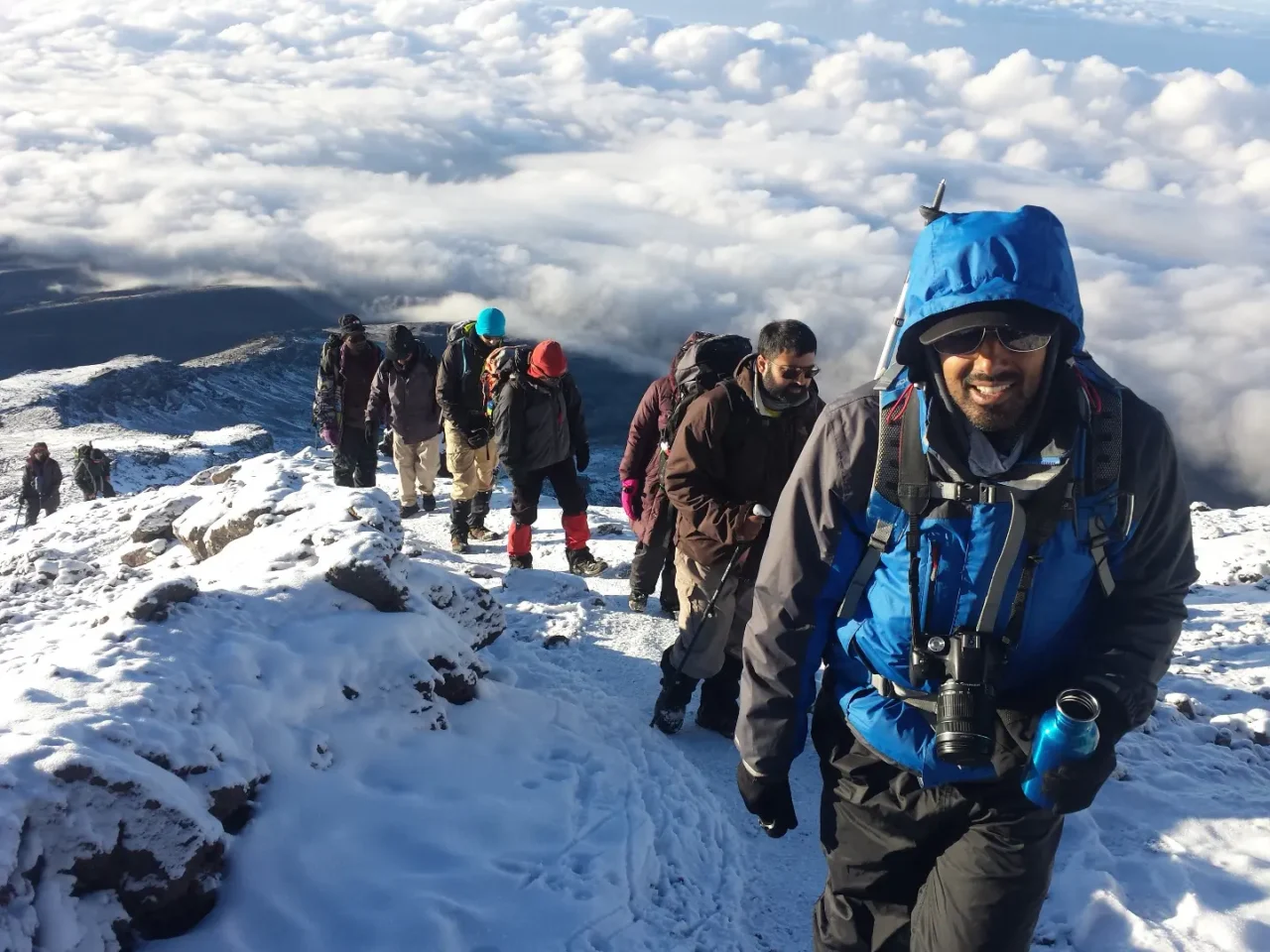
Summit night is the most demanding part of the climb. It typically begins around midnight from the last camp (Kibo Hut for most routes). You’ll trek upwards in the dark, often in single file, towards Stella Point (5,756m) and then Uhuru Peak (5,895m).
- Conditions: Extreme cold, strong winds, and steep ascents.
- Pacing: Slow and steady is key. Focus on each step.
- Support: Your guides will provide constant encouragement and monitor your condition.
- Reward: Witnessing the sunrise from the roof of Africa is an unparalleled and profoundly moving experience.
After reaching Uhuru Peak, you’ll descend back to Kibo Hut for a brief rest before continuing down to your final campsite. The descent, while physically easier on the lungs, can be hard on the knees and requires concentration.
Why Combine the Kilimanjaro Marathon and Climb?
This dual adventure offers a unique perspective and a profound sense of accomplishment.
- Unmatched Achievement: Completing both a marathon and a high-altitude climb is a remarkable feat that few undertake.
- Deeper Immersion: You experience Kilimanjaro’s environment at two very different levels – the fast-paced energy of the marathon and the slow, deliberate journey of the climb.
- Cultural Engagement: The marathon provides an excellent opportunity to connect with local communities in Moshi, experiencing Tanzanian hospitality firsthand before embarking on the mountain trek.
- Holistic Adventure: It’s a journey that tests physical endurance, mental fortitude, and provides incredible scenic rewards.
- Optimized Timing: The marathon’s timing often aligns perfectly with Kilimanjaro’s dry seasons, making it an ideal period for both events in 2026 and 2027.
Preparing for 2026-2027: Booking and Logistics with Top Guide Adventures
Securing your spot for a combined Kilimanjaro Marathon and Climb in 2026 or 2027 requires proactive planning. Early booking is essential to ensure availability for both the race and your preferred climb dates.
How to Book Your Combined Adventure:
- Contact Us: Reach out to Top Guide Adventures via WhatsApp +255616946642 or email us at topguideadventures@gmail.com. Discuss your interest in combining the Kilimanjaro Marathon with a climb for 2026 or 2027.
- Choose Your Climb Route: We will help you select the most suitable Kilimanjaro climb route based on your fitness, time availability, and acclimatization needs post-marathon. The 7-day Machame or the 8-9 day Northern Circuit are excellent choices.
- Confirm Dates: Align your desired climb dates with the anticipated Kilimanjaro Marathon schedule for 2026 or 2027. We can assist in confirming approximate race dates and booking your climb to commence a few days after the marathon.
- Secure Race Entry: While Top Guide Adventures primarily focuses on the climb logistics, we can guide you on how and when to register for the Kilimanjaro Marathon itself.
- Package Confirmation: We will provide a detailed itinerary and quote for your combined adventure, including climb package, transfers, and pre/post-climb accommodation.
- Deposit and Final Payment: Secure your booking with a deposit. Final payment schedules will be provided.
What’s Included in Our Climb Packages (Typical):
- Park entrance fees, camping fees, and rescue fees
- Qualified, English-speaking guides
- Assistant guides and porters
- Cook and camping equipment (tents, sleeping mats)
- All meals on the mountain (breakfast, lunch, dinner)
- Boiled water for drinking
- Transfer from Kilimanjaro Airport (JRO) to your hotel in Moshi
- Pre- and post-climb accommodation in Moshi (often on a bed & breakfast basis)
- Porterage of personal equipment (usually up to 15kg per climber)
- Temporary use of oxygen cylinders and a pulse oximeter for medical monitoring
What’s Typically Not Included:
- International flights
- Visa fees
- Travel and rescue insurance (mandatory)
- Tips for guides, porters, and cook
- Personal climbing gear (rental options available)
- Lunches and dinners in Moshi before and after the climb
- Alcoholic and soft drinks
- Personal expenses (souvenirs, laundry)
- Marathon entry fee and associated travel/accommodation for the race itself
By planning your 2026-2027 adventure with Top Guide Adventures, you gain a trusted partner dedicated to making your Kilimanjaro Marathon and Climb experience safe, successful, and truly extraordinary. Our commitment is to provide personal attention, care, and dedicated support for every client, ensuring your journey is as smooth as it is exhilarating.
Frequently Asked Questions about Running the Kilimanjaro Marathon and Climbing the Mountain
What is the best time of year to do the Kilimanjaro Marathon and Climb?
The Kilimanjaro Marathon is typically held in late February or early March. This period falls within Kilimanjaro’s first dry season (January-March), which is also an excellent time for climbing. This alignment makes it ideal for combining both events. The second dry season runs from June to October, which is also suitable for climbing but does not coincide with the marathon.
How much training is required for both events?
Significant training is required. You need to prepare for a full marathon (42.2 km) and a multi-day high-altitude trek. This typically involves a consistent training regimen for 6-12 months, focusing on cardiovascular endurance, leg strength, and long-distance running/hiking. Post-marathon recovery needs to be factored into your preparation for the climb.
Which Kilimanjaro climb route is best after running a marathon?
For optimal acclimatization after the physical exertion of a marathon, longer routes are strongly recommended. The Northern Circuit (8-9 days) offers the best acclimatization profile and highest success rates. The 7-day Machame Route is also an excellent choice, providing good acclimatization and stunning scenery. These routes allow your body more time to adapt to the altitude.
What is the cost of combining the Kilimanjaro Marathon and Climb?
The cost varies significantly. It includes the marathon entry fee (typically $50-$100 USD for international runners), plus the Kilimanjaro climb package. A 7-day climb package with a reputable operator like Top Guide Adventures can range from $1,500 to $3,000+ USD per person, depending on the route, inclusions, and service level. This estimate excludes flights, visas, insurance, tips, and personal gear. Booking for 2026 or 2027 should involve getting detailed quotes.
Do I need special gear for both events?
Yes, while there’s some overlap, you’ll need specific gear. For the marathon: running shoes, light, moisture-wicking clothing, and hydration pack. For the climb: layered thermal clothing, waterproof outer shells, sturdy hiking boots, warm hat and gloves, gaiters, and a good backpack. Top Guide Adventures provides a comprehensive packing list for climbers.
What is the altitude of Moshi and the summit of Kilimanjaro?
Moshi town is located at an altitude of approximately 800 meters (2,600 feet). The summit of Mount Kilimanjaro, Uhuru Peak, stands at 5,895 meters (19,341 feet). The marathon takes place at lower altitudes, while the climb takes you to extreme high altitudes.
start Your Ultimate Kilimanjaro Adventure in 2026-2027
The journey to run the Kilimanjaro Marathon and climb the mountain is an epic undertaking, blending athletic prowess with the raw beauty of nature. It’s a challenge that promises immense rewards, pushing your limits and leaving you with memories that last a lifetime. By choosing Top Guide Adventures, you are partnering with a team that is passionate about delivering exceptional experiences with the utmost attention to safety and personal care. Our extensive experience in organizing both trekking expeditions and supporting participants in major events ensures that your adventure is meticulously planned and expertly guided.
Whether you are aiming for the 2026 or 2027 race and climb season, we are here to help you achieve your goals. Let us handle the complexities of logistics, permits, and mountain operations, so you can focus on your training and the incredible experience ahead. Don’t just dream about this adventure; make it a reality.
Ready to take on the ultimate Kilimanjaro challenge?
Contact Top Guide Adventures today to discuss your personalized itinerary for the Kilimanjaro Marathon and Climb in 2026 or 2027. Let’s make your dream adventure happen!
- WhatsApp: +255616946642
- Email: topguideadventures@gmail.com
- Backup Email: info@topguideadventures.com
- Website: www.topguideadventures.com
- Instagram: @top_guide_adventures
- TripAdvisor Reviews: Read our client testimonials
We look forward to guiding you on your Kilimanjaro Marathon and Climb adventure!
“,
“faq_schema”: [
{
“question”: “What is the best time of year to do the Kilimanjaro Marathon and Climb?”,
“answer”: “The Kilimanjaro Marathon is typically held in late February or early March. This period falls within Kilimanjaro’s first dry season (January-March), which is also an excellent time for climbing. This alignment makes it ideal for combining both events. The second dry season runs from June to October, which is also suitable for climbing but does not coincide with the marathon.”
},
{
“question”: “How much training is required for both events?”,
“answer”: “Significant training is required. You need to prepare for a full marathon (42.2 km) and a multi-day high-altitude trek. This typically involves a consistent training regimen for 6-12 months, focusing on cardiovascular endurance, leg strength, and long-distance running/hiking. Post-marathon recovery needs to be factored into your preparation for the climb.”
},
{
“question”: “Which Kilimanjaro climb route is best after running a marathon?”,
“answer”: “For optimal acclimatization after the physical exertion of a marathon, longer routes are strongly recommended. The Northern Circuit (8-9 days) offers the best acclimatization profile and highest success rates. The 7-day Machame Route is also an excellent choice, providing good acclimatization and stunning scenery. These routes allow your body more time to adapt to the altitude.”
},
{
“question”: “What is the cost of combining the Kilimanjaro Marathon and Climb?”,
“answer”: “The cost varies significantly. It includes the marathon entry fee (typically $50-$100 USD for international runners), plus the Kilimanjaro climb package. A 7-day climb package with a reputable operator like Top Guide Adventures can range from $1,500 to $3,000+ USD per person, depending on the route, inclusions, and service level. This estimate excludes flights, visas, insurance, tips, and personal gear. Booking for 2026 or 2027 should involve getting detailed quotes.”
},
{
“question”: “Do I need special gear for both events?”,
“answer”: “Yes, while there’s some overlap, you’ll need specific gear. For the marathon: running shoes, light, moisture-wicking clothing, and hydration pack. For the climb: layered thermal clothing, waterproof outer shells, sturdy hiking boots, warm hat and gloves, gaiters, and a good backpack. Top Guide Adventures provides a comprehensive packing list for climbers.”
},
{
“question”: “What is the altitude of Moshi and the summit of Kilimanjaro?”,
“answer”: “Moshi town is located at an altitude of approximately 800 meters (2,600 feet). The summit of Mount Kilimanjaro, Uhuru Peak, stands at 5,895 meters (19,341 feet). The marathon takes place at lower altitudes, while the climb takes you to extreme high altitudes.”
}
]
}
“`
Check Availability for Run The Kilimanjaro Marathon And Climb Mountain 2026-2027
Ready to compare dates, prices, and the best option for your group? Send the package name and travel month so the team can reply with a clear quote, availability, and what is included.
What A Kilimanjaro Mountain Crew Should Provide For Your Climb 2026-2027
Planning a Kilimanjaro climb? Understand precisely what your mountain crew needs to provide, from essential gear and experienced guides to food, safety, and logistical support. This...
View package details
Kilimanjaro Climb With A Personal Support Assistant: Your Ultimate Guide
Climbing Mount Kilimanjaro with a personal support assistant offers unparalleled safety, comfort, and focus on your summit goals. This guide details what a personal assistant entails, its...
View package details
Kilimanjaro Hydration Mistakes Climbers Make And How To Avoid Them 2026-2027
Proper hydration is critical for a successful Kilimanjaro climb. This guide details common hydration mistakes climbers make, from under-drinking to choosing the wrong fluids, and provides...
View package details
Kilimanjaro Summit-Night Mistakes To Avoid: Your Essential Guide For Climbs
Summit night on Kilimanjaro is the most challenging part of the climb. Avoiding common mistakes in acclimatization, gear, hydration, and pacing is crucial for success. This guide details...
View package details
Kilimanjaro Airport Vs Arusha For Climbers: The Definitive Guide 2026-2027
A comprehensive comparison of Kilimanjaro International Airport (JRO) and Arusha Airport (ARK) for trekkers planning a Mount Kilimanjaro climb, detailing pros, cons, and booking advice for...
View package details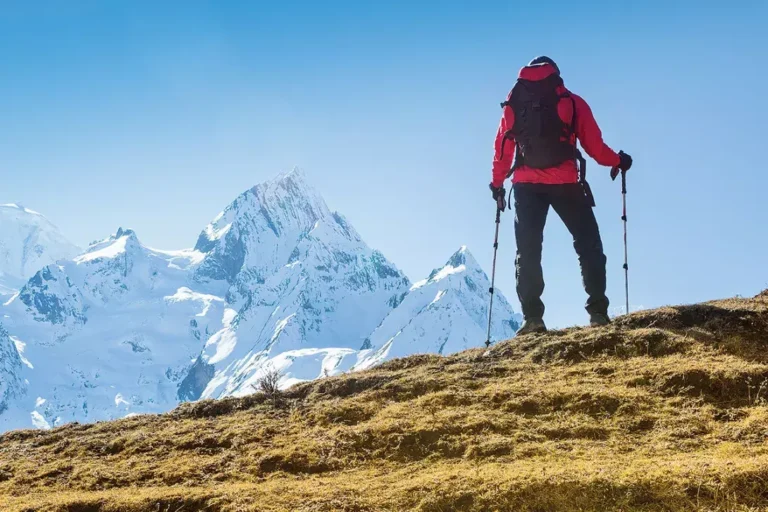
Kilimanjaro Climb For Retired Couples: Planning Your Adventure 2026-2027
Planning a Kilimanjaro climb as a retired couple is an achievable and rewarding goal. This guide offers in-depth advice on route selection, physical preparation, essential gear, and the...
View package detailsCan A 16-Year-Old Climb Kilimanjaro? Your Essential Guide 2026-2027
Discover if a 16-year-old can summit Kilimanjaro. This comprehensive guide covers age requirements, health, fitness, essential gear, and planning for younger trekkers aiming for Africa's...
View package details
Content For Parents And Young Climbers: Conquering Kilimanjaro Safely
Planning a Kilimanjaro climb with children or as a young climber requires special attention. This guide provides comprehensive content for parents and young adventurers, covering...
View package details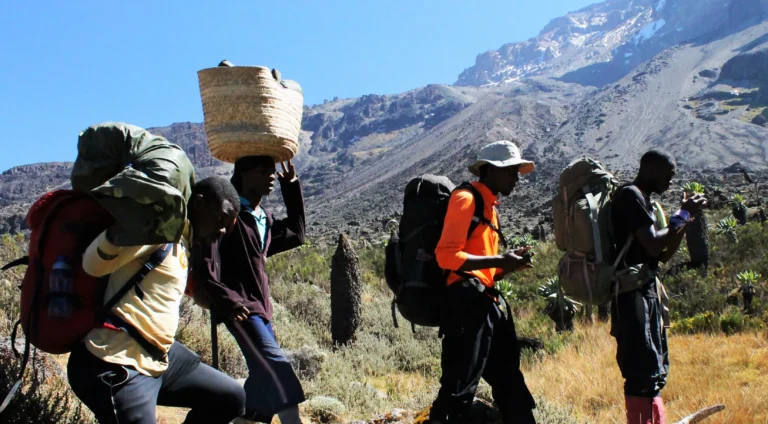
Kilimanjaro Tree-Planting Climbing Package Guide
Combine your dream Kilimanjaro climb with a meaningful conservation effort. Our Kilimanjaro Tree-Planting Climbing Package allows you to ascend Africa's highest peak while actively...
View package details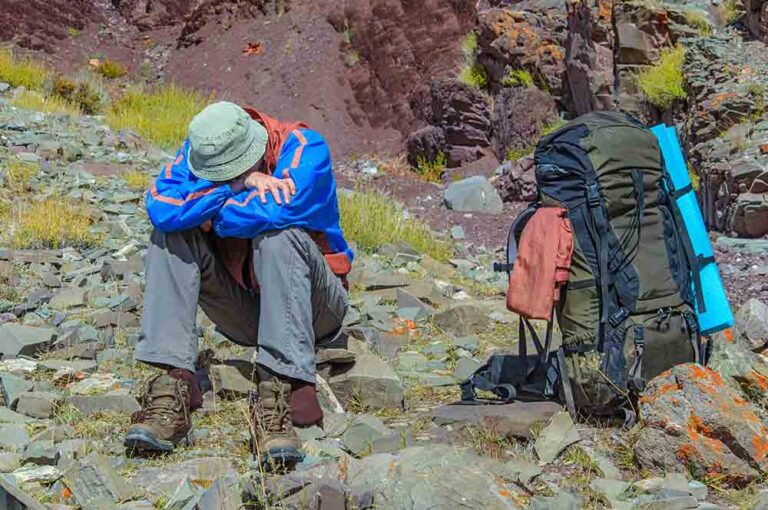
What Happens If It Rains Throughout Your Kilimanjaro Climb? 2026-2027
What Happens If It Rains throughout Your Kilimanjaro Climb? is explained with current 2026-2027 planning, price, itinerary and booking information.
View package details
Kilimanjaro Early-Bird Climbing Discounts For Adventures 2026-2027
Plan your 2026-2027 Kilimanjaro climb and take advantage of early-bird discounts. Top Guide Adventures offers savings for those who book in advance, ensuring a memorable and affordable...
View package details
Kilimanjaro Private Climb Price For One Person: Your Guide 2026-2027
Planning a solo ascent of Mount Kilimanjaro? This guide details the Kilimanjaro private climb price for one person, covering cost factors, inclusions, and essential planning for 2026-2027.
View package detailsNo related package matches those filters. Clear one or more filters to see the other topic-matched options.



