
The most common Kilimanjaro hydration mistakes climbers make involve insufficient fluid intake, leading to dehydration and increased risk of altitude sickness, improper fluid choices like relying solely on sugary drinks, and neglecting to drink enough on acclimatization days. Consistently drinking 3-5 liters of water daily, starting before the climb and continuing throughout, using electrolyte supplements, and listening to your body are key to avoiding these pitfalls and ensuring a safer, more enjoyable ascent in 2026-2027.

Understanding Kilimanjaro Hydration: More Than Just Drinking Water
Climbing Mount Kilimanjaro is an extraordinary adventure, a bucket-list trek that challenges both body and spirit. While many climbers focus on gear, fitness, and acclimatization schedules, one of the most critical, yet often underestimated, elements of a successful summit bid is proper hydration. The thin air, increased respiration rate, and dry climate at high altitudes dramatically increase fluid loss. Failing to adequately replenish these fluids is a direct pathway to dehydration, a significant contributor to altitude sickness, fatigue, and a diminished climbing experience. At Top Guide Adventures, we’ve guided thousands of trekkers and have seen firsthand the consequences of overlooking hydration. This comprehensive guide will detail the common Kilimanjaro hydration mistakes climbers make, explain why they are detrimental, and provide actionable strategies to ensure you stay optimally hydrated from base camp to the summit and back down.
Dehydration on Kilimanjaro isn’t just about feeling thirsty; it’s a physiological state that compromises your body’s ability to function effectively at extreme altitudes. Your body needs water for virtually every process, from regulating temperature and transporting nutrients to lubricating joints and cushioning organs. When climbing, especially at elevations exceeding 4,000 meters (13,000 feet), your body works overtime. Your breathing becomes faster and deeper to compensate for lower oxygen levels, expelling more moisture. The cold, dry air further exacerbates this fluid loss through respiration. Even sweating, which might seem less noticeable in the cold, contributes to dehydration. When fluid intake doesn’t match fluid output, dehydration sets in, leading to symptoms that can mimic or worsen altitude sickness, making the climb significantly harder and more dangerous.
The goal isn’t just to drink; it’s to maintain a state of optimal hydration throughout your trek. This means a consistent, proactive approach, not just chugging water when you feel parched. Understanding the nuances of fluid intake, electrolyte balance, and the specific environmental factors on Kilimanjaro is paramount. For trekkers planning their 2026 or 2027 expeditions, making hydration a top priority during your preparation and throughout the climb will be a important choice.
Common Kilimanjaro Hydration Mistakes Climbers Make
Based on our extensive experience leading expeditions on Kilimanjaro, we’ve identified recurring patterns where climbers inadvertently make hydration mistakes. Recognizing these pitfalls is the first step towards avoiding them.
1. Underestimating Fluid Needs: The “I’m Not That Thirsty” Trap
This is arguably the most prevalent Kilimanjaro hydration mistake. Many trekkers simply do not drink enough. They might rely on thirst as their primary indicator, but by the time you feel thirsty at altitude, you are already beginning to dehydrate. The dry air, increased respiration, and exertion mean you’re losing fluids much faster than you would at sea level. Climbers often underestimate the sheer volume of water required to combat this. A common target is 3-5 liters per day, but many trekkers struggle to reach even 2 liters. This deficit accumulates daily, progressively impairing physical performance and cognitive function, and significantly increasing the risk of Acute Mountain Sickness (AMS).
The arid environment of Kilimanjaro, particularly on the upper slopes and summit day, means that even if you’re not actively sweating profusely, you are losing a considerable amount of water through your breath. This constant, silent loss is often overlooked. Without conscious effort to replace it, the body’s fluid reserves dwindle. This can lead to headaches, dizziness, fatigue, and muscle cramps, all of which can be mistaken for or exacerbate symptoms of altitude sickness. For trekkers in 2026-2027, it’s crucial to understand that thirst is a lagging indicator; you need to drink proactively.
2. Relying Solely on Water: Forgetting Electrolytes
While water is the foundation of hydration, it’s not the only component. During strenuous activity and at altitude, your body loses electrolytes – essential minerals like sodium, potassium, magnesium, and calcium – through sweat and respiration. These electrolytes play vital roles in nerve function, muscle contraction, and maintaining fluid balance. Simply drinking large amounts of plain water can dilute the remaining electrolytes in your body, a condition known as hyponatremia (low sodium levels). This can lead to serious symptoms, including nausea, vomiting, confusion, seizures, and even coma. Many climbers make the mistake of drinking only plain water, neglecting to replenish these crucial salts. This is a critical Kilimanjaro hydration mistake that can have severe consequences.
A balanced intake of fluids and electrolytes is essential for optimal performance and safety. Electrolyte-rich drinks, such as sports drinks or rehydration salts mixed with water, help your body absorb fluids more efficiently and maintain proper electrolyte balance. Ignoring this aspect can hinder your body’s ability to recover and function optimally, making the climb unnecessarily difficult.
3. Poor Timing and Inconsistent Intake
Hydration isn’t a task to be completed once a day. It requires consistent effort. Some climbers tend to drink large quantities of water in one go, perhaps at meal times, and then forget to drink for long stretches. This inconsistent intake means your body is constantly fluctuating between being overhydrated and dehydrated. The most effective approach is to sip water frequently throughout the day – every 15-20 minutes. This allows your body to absorb fluids more efficiently and maintain a steady state of hydration. Another common mistake is not drinking enough on acclimatization days or during rest periods. While exertion is lower, your body is still at altitude and losing fluids. These ‘easier’ days are crucial for recovery and should still involve consistent, adequate fluid intake.
The rhythm of drinking should be integrated into the rhythm of the trek itself. Think of it as a continuous process, not a series of isolated events. Sipping small amounts regularly is far more beneficial than gulping large volumes infrequently. This constant replenishment helps your body adapt better to the altitude and reduces the physiological stress associated with dehydration.
4. Ignoring the Signs of Dehydration
As mentioned, thirst is a late sign. Other subtle indicators of dehydration can be easily missed or attributed to other factors. These include dry mouth, infrequent urination (or dark-colored urine), headaches, fatigue, dizziness, and muscle cramps. Many climbers, especially those pushing hard for the summit, might dismiss these as normal symptoms of climbing at altitude. However, if these symptoms are present, it’s a clear signal that your hydration strategy needs immediate adjustment. Ignoring these Kilimanjaro hydration mistakes can lead to a rapid decline in well-being and potentially force you to turn back.
Paying close attention to your body’s signals is vital. Regularly check the color of your urine – pale yellow is a good sign of adequate hydration, while dark yellow or amber indicates you need to drink more. If you experience any of the aforementioned symptoms, don’t push through; take a break, drink water and electrolytes, and reassess your hydration plan. Your well-being on Kilimanjaro depends on this constant self-monitoring.
5. Inadequate Preparation Before the Climb
Hydration starts long before you set foot on the mountain. Many climbers make the mistake of only focusing on hydration once the trek begins. It’s essential to begin hydrating adequately in the days leading up to your climb. This helps ensure your body is starting from a well-hydrated baseline. Arriving in Tanzania, especially if you’ve been traveling for a long time or in different climates, and immediately starting a strenuous climb without proper pre-hydration can put you at a disadvantage. This is a common Kilimanjaro hydration mistake that can be easily rectified with a little planning.
Aim to increase your fluid intake in the 2-3 days before your trek begins. This helps your body store water and establish good hydration habits. This proactive approach sets you up for success, making it easier to maintain optimal hydration levels once the climb is underway.
6. Choosing the Wrong Fluids
While water is paramount, sometimes climbers opt for beverages that are counterproductive. Sugary sodas or energy drinks might provide a quick sugar rush, but they can also lead to energy crashes and don’t offer the balanced hydration needed. Caffeinated beverages, like coffee or strong tea, can have a diuretic effect, meaning they can cause your body to lose more fluid through increased urination. While a moderate amount of caffeine might be acceptable for some, relying on these as primary hydration sources is a mistake. Alcohol is also a significant dehydrator and should be avoided entirely during the trek.
The best fluid choices are plain water, electrolyte-enhanced water, and herbal teas. These provide hydration without the negative side effects of sugary or diuretic drinks. For those who find plain water monotonous, adding a slice of lemon, lime, or cucumber can enhance flavor. Electrolyte powders or tablets are also excellent additions to your water bottles.
7. Not Considering Cold-Weather Hydration
Kilimanjaro’s summit can be extremely cold, and this impacts how we perceive thirst and our desire to drink. When it’s cold, you might not feel as hot or as thirsty as you would in a warmer climate. This can lead to reduced fluid intake. Additionally, water bottles can freeze if not properly insulated. Many climbers don’t consider how to keep their water accessible and unfrozen in sub-zero temperatures. This oversight contributes to the common Kilimanjaro hydration mistakes, as climbers are less likely to drink if their water is frozen or inaccessible.
Using insulated water bottle sleeves or turning your bottles upside down (to keep the opening from freezing) are practical solutions. Wearing your water bladder hose inside your jacket can also prevent it from freezing. Being prepared for the cold is as important for hydration as it is for warmth.
8. Over-reliance on Hydration Packs (Bladders)
Hydration packs are convenient for easy sipping on the move. However, they can sometimes lead to less conscious drinking. Because the water is readily available, climbers might sip mindlessly without tracking their intake. More critically, if the hose freezes or the pack develops a leak, a significant amount of your water supply can be lost or become inaccessible. Furthermore, it can be difficult to accurately gauge how much you’ve consumed from a bladder compared to monitoring levels in distinct water bottles. This can be a subtle but significant Kilimanjaro hydration mistake, leading to an unintentional deficit.
While hydration packs can be useful, they should ideally be supplemented with water bottles. Using bottles allows for easier tracking of intake and provides a backup if the bladder system fails. Ensuring your pack and hose are properly insulated against freezing is also crucial, especially on summit night.
The Science Behind Hydration and Altitude
Understanding the physiological reasons behind why hydration is so critical at altitude helps reinforce its importance. When you ascend to higher elevations, the atmospheric pressure decreases, meaning there’s less oxygen available with each breath. Your body compensates by increasing your respiratory rate and depth, a process known as hyperventilation. This increased breathing is essential for oxygen uptake but also leads to significant moisture loss from your lungs. This is a primary driver of dehydration at altitude.
Furthermore, the body’s metabolic rate can increase slightly at altitude as it works harder to adapt. This increased activity also requires adequate hydration to support cellular functions and energy production. The cold, dry air characteristic of Kilimanjaro’s upper regions exacerbates fluid loss through respiration and skin evaporation. Even without noticeable sweating, insensible water loss can be substantial. Dehydration thickens the blood, making the heart work harder to circulate it, which is particularly taxing in an environment where oxygen is already scarce. This increased cardiovascular strain can significantly impact performance and increase the risk of altitude-related illnesses.
The kidneys also play a crucial role. At altitude, the body may excrete more fluid initially as it adapts. Proper hydration helps the kidneys function effectively, filtering waste products and maintaining electrolyte balance. Conversely, dehydration can impair kidney function, leading to a build-up of toxins and further physiological stress. For trekkers in 2026-2027, grasping these physiological realities underscores why a proactive hydration strategy is not just a recommendation but a necessity for a safe and successful climb.
Strategies for Optimal Kilimanjaro Hydration
Avoiding the common mistakes requires a deliberate and informed approach. Here are proven strategies to ensure you maintain optimal hydration throughout your Kilimanjaro climb.
1. Pre-Hydration: Starting Strong
As mentioned, begin increasing your fluid intake 2-3 days before your trek. Aim for 3-4 liters of water daily. This isn’t about over-hydrating to the point of discomfort, but rather ensuring your body is well-stocked. Continue this level of intake upon arrival in Tanzania, even on rest days before the climb. This proactive measure sets a crucial foundation for the demanding days ahead. Good pre-hydration makes it easier to maintain your target intake during the climb itself.
2. Daily Fluid Targets: Aim for 3-5 Liters
The standard recommendation for Kilimanjaro is to consume 3 to 5 liters of fluid per day. This target accounts for increased respiration, potential sweating, and the dry climate. This includes water, electrolyte drinks, and herbal teas. Break this down: aim for about 1 liter during breakfast, 1.5-2 liters during the day’s trek, and another 1.5-2 liters in the evening. It’s better to consistently drink 3 liters than to sporadically drink 5 liters. Listen to your body, but don’t let thirst be your only guide.
3. Sipping is Key: Frequent, Small Amounts
Instead of gulping down large amounts of water at once, make it a habit to sip continuously. Every 15-20 minutes, take a few good swallows. This allows your body to absorb the fluid more effectively. Keep your water bottle or hydration pack easily accessible. Your guides will encourage this, but personal discipline is vital. This consistent intake prevents the drastic fluid shifts that occur with infrequent, large consumptions.
4. Electrolyte Balance: The Power of Rehydration Salts
Don’t underestimate the importance of electrolytes. Carry electrolyte tablets or powders (like Nuun, Hydralyte, or similar) to add to your water. These replenish essential salts lost through sweat and respiration, aiding in fluid absorption and preventing hyponatremia. Many tour operators, including Top Guide Adventures, will provide some basic rehydration salts, but it’s wise to bring your preferred brand. Mixing these into at least 1-2 liters of your daily intake is highly recommended, especially during strenuous trekking days and on summit night.
5. Monitoring Urine Output and Color
This is a simple yet highly effective way to gauge your hydration status. Aim for pale yellow urine. If it’s dark yellow or amber, you need to drink more. If it’s completely clear, you might be over-hydrating, which can also be problematic by flushing out electrolytes. Consistent pale yellow urine is the ideal indicator. Make it a habit to check this each time you use the ‘facilities’ (or find a suitable spot!).
6. Proper Water Storage and Access
On Kilimanjaro, water sources can be limited, and purification is essential. Your expedition team will manage water purification (often using filters or tablets). However, how you store and carry your water is crucial. Bring at least two 1-liter water bottles or a 2-3 liter hydration bladder. For cold conditions, especially summit night, use insulated bottle carriers or turn bottles upside down to prevent freezing. Ensure your hydration pack hose is also insulated. Keeping water accessible means you’re more likely to drink it.
7. Hydrating During Rest and Evenings
Don’t neglect hydration during rest breaks and in the evening. While you’re not actively trekking, your body continues to lose fluids. Use rest stops to take regular sips. In the evening, after dinner, continue drinking water. This helps your body rehydrate overnight and prepares you for the next day’s climb. Many climbers feel less thirsty in the evening but still need to meet their fluid targets. This is a crucial period to combat cumulative dehydration.
8. Warm Fluids in Cold Climates
Drinking cold water when it’s freezing outside can be unappealing and can even cause your core temperature to drop slightly. Opt for warm fluids whenever possible. Herbal teas (like peppermint, chamomile, or ginger) are excellent choices. Even slightly warmed water can be more palatable. Your camp crew can often provide hot water for your bottles in the morning and evening, making it easier to meet your hydration goals.
Hydration on Different Kilimanjaro Routes
While the principles of hydration remain the same across all routes, some routes present unique challenges or opportunities related to water availability and climate. Understanding these nuances can help you tailor your hydration strategy.
Marangu Route: The “Coca-Cola” Route
Often called the “Coca-Cola” route due to its accessibility and hut accommodations, Marangu still presents significant hydration challenges. While huts offer some shelter, the dry air and altitude are constant factors. Climbers often have easier access to water points and can purchase drinks, but this can also lead to the mistake of relying too heavily on sugary sodas. The pace on Marangu can sometimes feel faster, leading to less conscious sipping. Ensuring consistent water intake and electrolyte replenishment is still paramount.
Machame Route: The “Whiskey” Route
The Machame route, known for its scenic beauty and higher success rates due to its excellent acclimatization profile, involves camping. This means water sources are typically natural streams, which your crew will filter or treat. The camping environment naturally encourages more consistent drinking as part of daily camp routine. However, the increased physical exertion of camping treks means fluid loss can be higher. For 2026-2027 Machame trekkers, focus on drinking steadily throughout the day and ensuring your crew has adequate purified water available.
Lemosho, Shira, and Northern Circuit: Longer, Higher Routes
These longer routes, often favored for their superior acclimatization and wilderness experience, take climbers to higher altitudes for extended periods. The Lemosho and Shira routes, in particular, involve significant time spent above 4,000 meters. The Northern Circuit is the longest and offers the best acclimatization. On these routes, the dry air and altitude effects are amplified. Water sources can be more scarce on certain sections, making careful water management and carrying capacity crucial. The extended duration means maintaining consistent hydration over many days is essential to avoid cumulative dehydration.
Summit Night: The Ultimate Hydration Test
Summit night is the most demanding part of the climb. Starting in the middle of the night, often in sub-zero temperatures, climbers face extreme conditions. Respiration rates are high, and fluid loss is significant. This is where the Kilimanjaro hydration mistakes have the most severe consequences. Many climbers find it difficult to drink due to the cold, exertion, and nausea. It is absolutely critical to pre-hydrate thoroughly in the days leading up to summit night and to force yourself to sip water and electrolytes every 15-20 minutes, even if you don’t feel thirsty. Your guides will be constantly reminding you, but your own discipline is key. A frozen water bottle or a forgotten bladder can be disastrous.
Consequences of Poor Hydration on Kilimanjaro
The impact of dehydration on Kilimanjaro extends beyond simple discomfort. It directly affects your physical and mental capabilities, significantly increasing risks.
1. Exacerbating Altitude Sickness (AMS)
Dehydration is a major contributing factor to Acute Mountain Sickness (AMS). When you’re dehydrated, your blood volume decreases, and your blood becomes thicker. This makes it harder for your heart to pump oxygenated blood to your brain and muscles, a problem already amplified by the low oxygen environment. Symptoms of dehydration, such as headaches, dizziness, and fatigue, overlap significantly with AMS symptoms. Properly hydrating helps maintain blood volume and cellular function, making your body more resilient to altitude changes and reducing the likelihood of developing AMS or worsening existing symptoms. This is perhaps the most critical reason to avoid Kilimanjaro hydration mistakes.
2. Reduced Physical Performance and Increased Fatigue
Water is essential for muscle function and energy production. Even mild dehydration can lead to a significant decrease in physical strength and endurance. At altitude, where your body is already working overtime, the effects are magnified. Dehydration causes muscles to fatigue faster, reduces coordination, and leads to a general feeling of exhaustion. This makes every step harder and increases the perceived difficulty of the climb, potentially impacting your morale and ability to reach the summit.
3. Impaired Cognitive Function
The brain is highly dependent on adequate hydration. Dehydration can lead to reduced concentration, slower reaction times, poor decision-making, and increased irritability. On a challenging trek like Kilimanjaro, clear thinking is vital for safety, navigation, and making sound judgments, especially in difficult conditions. Poor cognitive function due to dehydration can lead to mistakes that have serious safety implications.
4. Increased Risk of Other Altitude-Related Illnesses
Beyond AMS, severe dehydration can contribute to more serious altitude illnesses like High Altitude Cerebral Edema (HACE) and High Altitude Pulmonary Edema (HAPE). While these are less common, dehydration is a significant risk factor that compromises the body’s ability to cope with extreme altitude. Maintaining hydration is a fundamental preventative measure against these life-threatening conditions.
5. Digestive Issues and Cramps
Dehydration can slow down digestion, leading to constipation, bloating, and general stomach discomfort. It can also contribute to muscle cramps, which are painful and can hinder your ability to walk. Ensuring adequate fluid and electrolyte intake helps keep the digestive system running smoothly and muscles functioning correctly.
Expert Tips for Staying Hydrated on Kilimanjaro
Our team at Top Guide Adventures has compiled these essential tips to help you master Kilimanjaro hydration:
- Start Hydrating Weeks Before: Don’t wait until you’re in Tanzania. Begin increasing your intake a week or two prior to departure.
- Carry a Mix of Bottles and Bladders: Use a hydration bladder for easy sipping, but carry at least one wide-mouth water bottle as a backup and for tracking intake. Ensure bottles are insulated for cold.
- Embrace Warm Drinks: Herbal teas and warm water are more palatable in the cold. Ask your crew for hot water in the evenings and mornings.
- Electrolytes Are Non-Negotiable: Pack your preferred electrolyte tablets or powders. Use them daily, especially on strenuous days and summit night.
- Set Alarms if Necessary: If you tend to forget, set hourly reminders on your watch or phone to take a few sips.
- Snack Wisely: Some fruits and vegetables have high water content, but avoid over-reliance. Focus on your fluid intake.
- Listen to Your Body, But Be Proactive: Don’t wait for thirst. If you feel any symptoms of dehydration, increase your intake immediately.
- Communicate with Your Guides: Inform your guides if you’re struggling with hydration or noticing symptoms. They are trained to help.
- Don’t Forget the Descent: Even as you descend and feel better, continue to hydrate. Your body still needs to recover.
- Avoid Dehydrating Substances: Strictly avoid alcohol and limit caffeine during your trek.
Important Note for 2026-2027 Climbers
As you plan your Kilimanjaro adventure for 2026 or 2027, remember that hydration is as crucial as your boots or your jacket. Making a conscious effort to avoid these common Kilimanjaro hydration mistakes will significantly improve your chances of a successful and enjoyable climb. Prioritize your fluid intake from day one of your expedition.
Preparing Your Gear for Optimal Hydration
Your gear plays a vital role in enabling consistent hydration. Investing in the right equipment can make a significant difference, especially in the challenging conditions on Kilimanjaro.
Water Bottles: Insulated vs. Standard
While standard Nalgene-type bottles are durable, they are prone to freezing in cold temperatures. For Kilimanjaro, especially for summit night, insulated water bottle carriers are highly recommended. These neoprene sleeves help prevent your water from freezing. Another effective trick is to store your water bottles upside down in your backpack overnight; the ice tends to form at the bottom (the cap end), leaving the neck and opening relatively clear.
Having at least two 1-liter bottles is standard. This allows you to carry a sufficient amount of water for the trekking day and provides a backup if one is frozen or inaccessible. Wide-mouth bottles are generally easier to fill and clean.
Hydration Bladders: Advantages and Precautions
Hydration bladders (like CamelBaks) offer the convenience of sipping water on the go without needing to stop and unscrew a bottle. This can encourage more frequent fluid intake. However, it’s crucial to take precautions:
- Insulate the Hose: The hose is the most vulnerable part to freezing. Use an insulated hose cover or run the hose inside your jacket.
- Keep the Bladder Warm: Store the bladder in an insulated sleeve or inside your sleeping bag at night to prevent freezing.
- Bite Valve Care: Ensure the bite valve is not left exposed to the elements where it can freeze shut.
- Track Your Intake: Bladders often have volume markings, but it’s still important to be mindful of how much you’re drinking.
Many climbers use a combination: a hydration bladder for easy sipping during the day and a water bottle as a backup and for evening hydration.
Water Purification: Filters, Tablets, and Boiling
You will not be drinking untreated water on Kilimanjaro. Your expedition team will manage water purification, typically using:
- Water Filters: These physically remove bacteria and protozoa.
- Chemical Treatments: Iodine or chlorine dioxide tablets kill microorganisms.
- Boiling: Though less common for large volumes due to fuel constraints, boiling is effective.
While your crew handles this, it’s good to be aware. Some climbers prefer to bring their own preferred purification tablets as a backup or for personal water bottles.
Electrolyte Supplements: Powders and Tablets
These are essential. They come in various forms:
- Tablets: Effervescent tablets that dissolve in water, often adding flavor.
- Powders: Sachets of powder to be mixed into water, providing a more concentrated electrolyte solution.
Brands like Nuun, Hydralyte, SIS, and many others are popular. They help replace sodium, potassium, magnesium, and other minerals lost through sweat. This aids fluid absorption and helps prevent muscle cramps. Consider bringing enough for at least 1-2 liters per day, more for summit night.
Hydration and Nutrition: A Combined Approach
Hydration and nutrition are intrinsically linked. Your body needs both to function optimally, especially during strenuous physical activity at altitude.
The Role of Food in Hydration
While solid food isn’t a primary source of hydration, certain foods contribute. Soups, stews, and fruits with high water content (like oranges or watermelon, if available) can add to your overall fluid intake. However, don’t rely on food to meet your hydration goals. The main focus should always be on drinking fluids.
Avoiding Digestive Upset
Dehydration can lead to constipation and digestive issues. Maintaining good hydration helps keep your digestive system moving smoothly. Conversely, consuming too much sugary drink can lead to stomach upset. A balanced approach with plenty of plain water and electrolytes is best.
Energy Levels and Hydration
Your body needs both water and fuel (carbohydrates, fats, proteins) for energy. Dehydration hinders the transport of nutrients and oxygen to your muscles, leading to fatigue. Ensuring you are well-hydrated allows your body to efficiently utilize the energy from your food, keeping you going longer and stronger.
Making a Hydration Plan for Your 2026-2027 Climb
Planning is key to avoiding Kilimanjaro hydration mistakes. Here’s how to create a personal hydration plan:
- Assess Your Personal Needs: Are you a heavy sweater? Do you tend to forget to drink? Adjust your plan accordingly.
- Consult Your Tour Operator: Top Guide Adventures will provide guidance on water availability and recommended daily intake for your specific route and season.
- Pack Smart: Ensure you have the right bottles, insulated carriers, and electrolyte supplements.
- Practice Before You Go: If you’re new to trekking, practice drinking from your hydration system and carrying your water bottles on training hikes.
- Build Habits: Start incorporating consistent sipping into your daily routine well before your trip.
- Be Flexible: Your plan might need adjustments based on weather conditions, how you feel, and specific route challenges.
Your Kilimanjaro Adventure with Top Guide Adventures
At Top Guide Adventures, we prioritize your safety and success. Our experienced guides are trained to monitor your hydration and acclimatization closely. We ensure ample purified water is available and will constantly encourage you to drink. For your 2026 or 2027 Kilimanjaro climb, we offer comprehensive support, from pre-trip advice to on-mountain care. Don’t let hydration mistakes derail your dream. Contact us today to plan your unforgettable Kilimanjaro experience!
WhatsApp: +255616946642
Email: topguideadventures@gmail.com
Backup Email: info@topguideadventures.com
Learn more about our Kilimanjaro treks: Machame Route and all group departures.
Common Questions About Kilimanjaro Hydration
Here are answers to frequently asked questions regarding hydration on Kilimanjaro:
Q1: How much water do I really need per day on Kilimanjaro?
The general recommendation is 3 to 5 liters per day. This accounts for increased respiration, potential sweating, and the dry climate. It’s crucial to drink consistently throughout the day, not just when you feel thirsty.
Q2: What is the best way to carry water on Kilimanjaro?
A combination of a hydration bladder (2-3 liters) for easy sipping and two 1-liter water bottles is ideal. For cold conditions, especially summit night, use insulated carriers for your bottles and ensure your bladder hose is insulated to prevent freezing.
Q3: Should I use electrolyte supplements?
Yes, absolutely. Electrolytes are vital for replacing salts lost through sweat and respiration, aiding fluid absorption and preventing issues like muscle cramps and hyponatremia. Pack your preferred electrolyte tablets or powders.
Q4: Can I drink from streams on Kilimanjaro?
No, you should never drink untreated water. Your expedition team will purify water, usually through filtration or chemical tablets. Always ensure the water you drink has been properly treated.
Q5: What should I do if my water bottles freeze?
If using insulated carriers, they should prevent freezing. If they do freeze, try to warm the bottle against your body or use lukewarm water provided by your crew. Storing bottles upside down overnight can also help keep the opening clear.
Q6: Is it okay to drink caffeinated beverages?
It’s best to limit caffeine during your trek. Caffeine can have a diuretic effect, meaning it can increase fluid loss through urination. Stick primarily to water, herbal teas, and electrolyte drinks.
Q7: What are the signs of dehydration I should watch for?
Watch for: headaches, dizziness, dry mouth, fatigue, dark-colored urine, and muscle cramps. Thirst is a late sign; proactive drinking is key.
Q8: How does hydration affect altitude sickness?
Dehydration significantly increases the risk and severity of altitude sickness. It thickens the blood, making it harder for your body to get oxygen, and its symptoms can mimic or worsen AMS. Proper hydration is a critical preventative measure.
Q9: Should I drink more on acclimatization days?
Yes, it’s important to maintain consistent hydration even on easier acclimatization days. Your body is still at altitude and losing fluids. This helps your body adapt and recover better.
Q10: What are the best times to drink water on Kilimanjaro?
The best strategy is to sip frequently (every 15-20 minutes) throughout the day. Make sure to drink during breakfast, during trekking hours, and in the evening. Don’t neglect hydration during rest breaks.
Conclusion: Hydration is Your Foundation for Success
Climbing Kilimanjaro is a monumental achievement, and proper hydration is one of the most fundamental pillars supporting that success. The common Kilimanjaro hydration mistakes – underestimating needs, neglecting electrolytes, inconsistent intake, and ignoring early warning signs – can all be avoided with preparation and awareness. By understanding the physiological demands of high altitude, adopting proactive drinking strategies, and using the right gear, you can significantly enhance your safety, comfort, and chances of reaching the summit. For your planned 2026 or 2027 expedition, make hydration a top priority in your training and packing. Top Guide Adventures is dedicated to ensuring your journey is safe and memorable, providing expert guidance every step of the way. Let us help you prepare for an incredible Kilimanjaro adventure where hydration is never a compromise.
Ready to plan your 2026 or 2027 Kilimanjaro climb with experts who understand the importance of every detail, including hydration? Reach out to Top Guide Adventures today! We offer personalized service and a deep commitment to your well-being on the mountain.
WhatsApp: +255616946642
Email: topguideadventures@gmail.com
Backup Email: info@topguideadventures.com
Follow us on Instagram for inspiring adventures and tips: @top_guide_adventures.
Read client reviews and testimonials: TripAdvisor.
Explore our full range of Tanzania adventures and tours: Top Guide Adventures.
Check Availability for Kilimanjaro Hydration Mistakes Climbers Make And How To Avoid Them 2026-2027
Ready to compare dates, prices, and the best option for your group? Send the package name and travel month so the team can reply with a clear quote, availability, and what is included.
Kilimanjaro Tipping Mistakes And Etiquette: A Comprehensive Guide For Climbers
Navigating Kilimanjaro tipping can be confusing. This guide details common mistakes and proper etiquette for tipping your support crew, ensuring fair compensation and a positive experience...
View package details
Kilimanjaro Layering Mistakes That Leave Climbers Cold: Expert Guide 2026-2027
Discover the common Kilimanjaro layering mistakes that can lead to discomfort and hypothermia. This guide provides essential tips on choosing the right gear and layering system to ensure...
View package details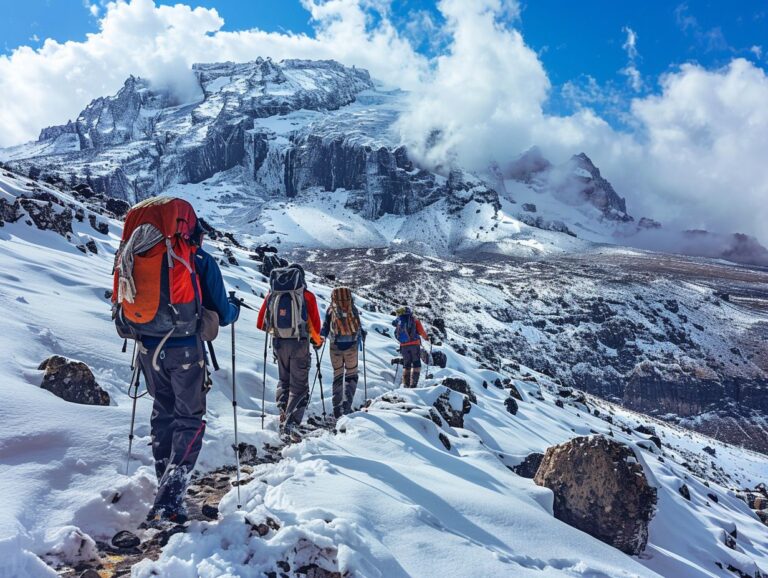
25 Kilimanjaro Climbing Mistakes First-Timers Make: Avoid Them In 2026-2027
Climbing Mount Kilimanjaro is a dream for many, but first-time trekkers can fall into common traps. This guide details 25 critical mistakes to avoid, from inadequate preparation and gear...
View package details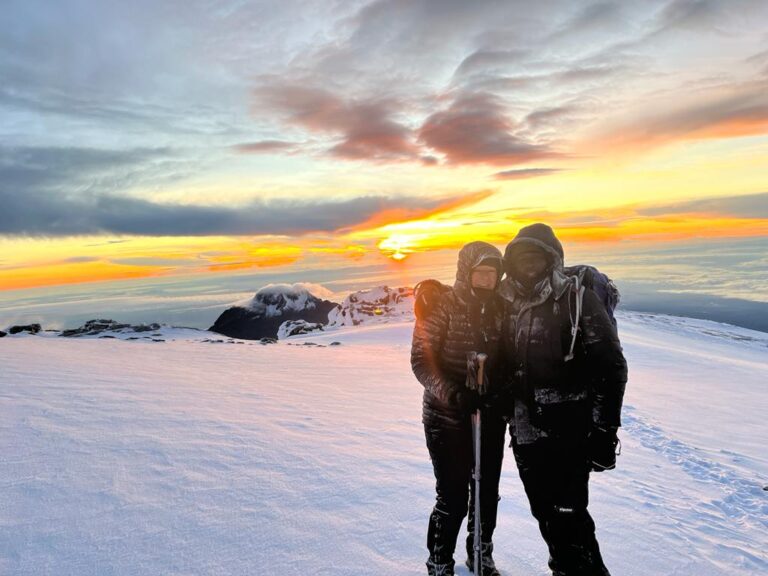
Kilimanjaro Altitude-Sickness Mistakes 2026-2027
Kilimanjaro Altitude-Sickness Mistakes is explained with current 2026-2027 planning, price, itinerary and booking information.
View package details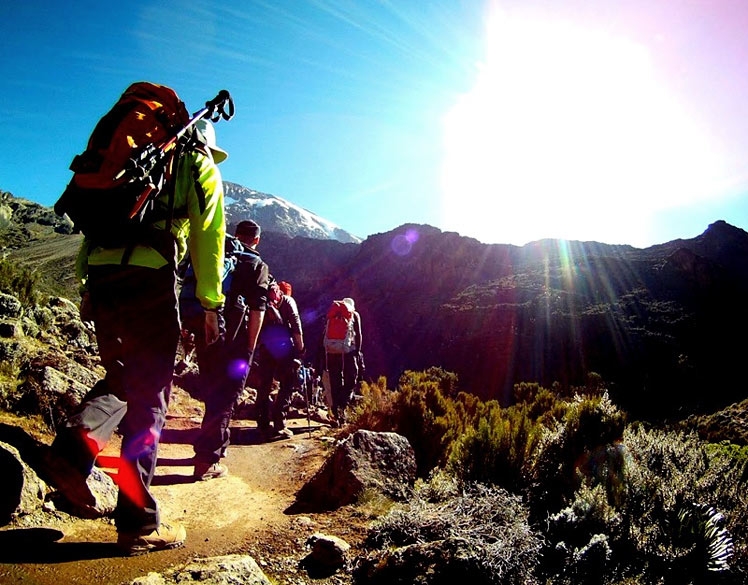
Kilimanjaro Summit-Night Mistakes To Avoid: Your Essential Guide For Climbs
Summit night on Kilimanjaro is the most challenging part of the climb. Avoiding common mistakes in acclimatization, gear, hydration, and pacing is crucial for success. This guide details...
View package details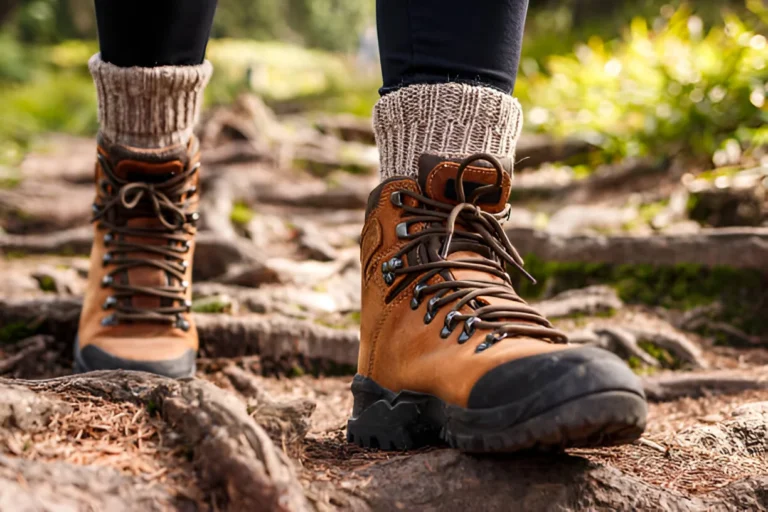
Kilimanjaro Training Mistakes That Reduce Summit Success 2026-2027
Kilimanjaro Training Mistakes that Reduce Summit Success is explained with current 2026-2027 planning, price, itinerary and booking information.
View package details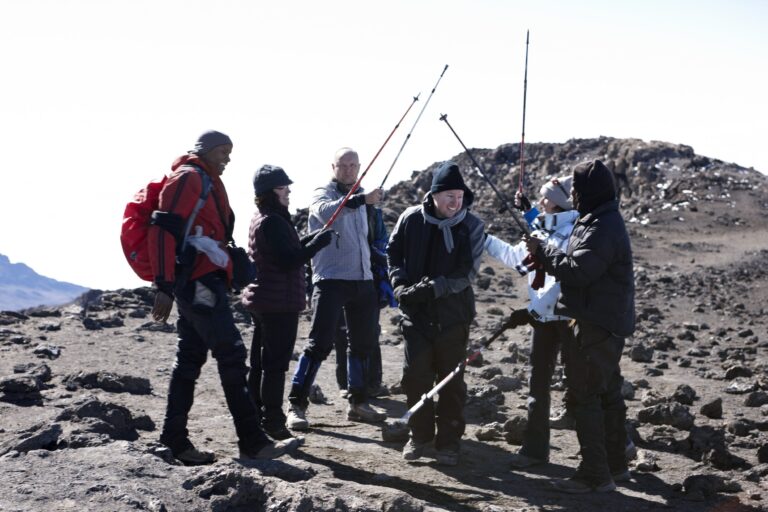
Kilimanjaro Airport Vs Arusha For Climbers: The Definitive Guide 2026-2027
A comprehensive comparison of Kilimanjaro International Airport (JRO) and Arusha Airport (ARK) for trekkers planning a Mount Kilimanjaro climb, detailing pros, cons, and booking advice for...
View package details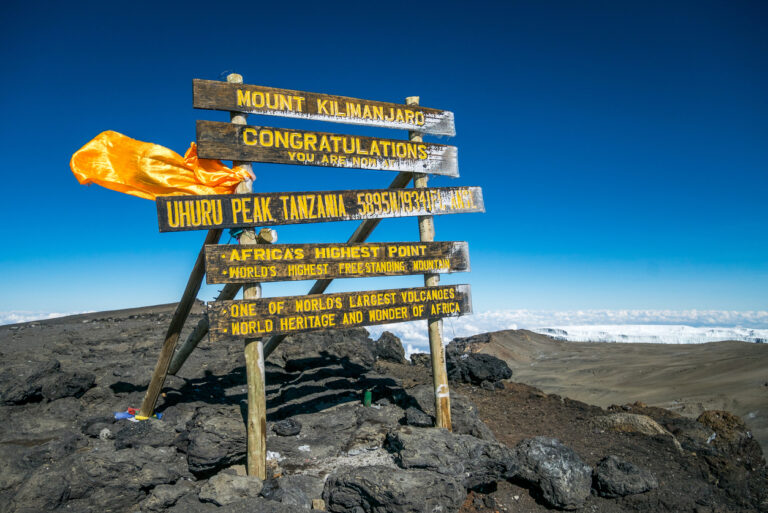
Kilimanjaro Training Plan For Climbers Over 60 2026-2027
Kilimanjaro Training Plan for Climbers over 60 is explained with current 2026-2027 planning, price, itinerary and booking information.
View package details
Content For Parents And Young Climbers: Conquering Kilimanjaro Safely
Planning a Kilimanjaro climb with children or as a young climber requires special attention. This guide provides comprehensive content for parents and young adventurers, covering...
View package details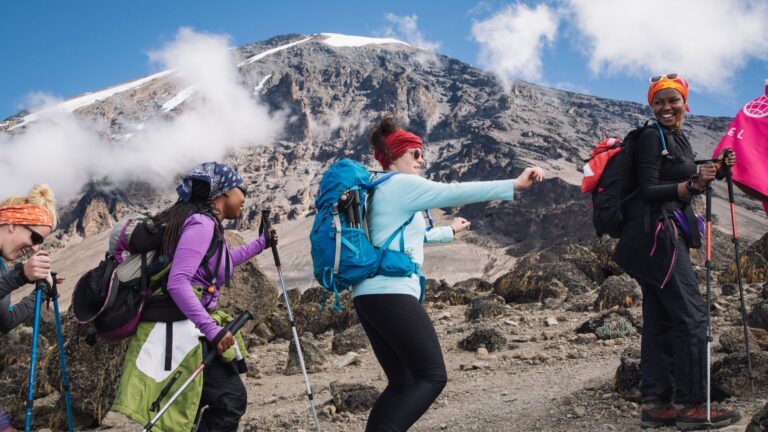
Kilimanjaro Wellness Retreat For Non-Climbers: Rejuvenate Near Africas
Experience the serene beauty and restorative power of Tanzania without the arduous climb. Our Kilimanjaro wellness retreats for non-climbers offer a unique blend of relaxation, cultural...
View package details
Should You Wear Gaiters On Kilimanjaro? A Complete Guide For Climbers
Discover whether gaiters are essential for your Kilimanjaro climb. This comprehensive guide covers their benefits, types, and how they enhance comfort and safety on the mountain, especially...
View package details
Kilimanjaro Booking Checklist For First-Time Climbers: Your Essential Guide
Planning your first Kilimanjaro climb in 2026 or 2027? This detailed checklist covers everything from choosing a route and operator to packing and acclimatization, ensuring a well-prepared...
View package detailsNo related package matches those filters. Clear one or more filters to see the other topic-matched options.



