
Yes, wearing gaiters on Kilimanjaro is highly recommended for most climbers, especially during the rainy seasons or on routes with loose scree and mud. They provide crucial protection against water, mud, dust, small stones, and other debris entering your hiking boots, significantly improving comfort and preventing blisters or discomfort during your trek. For expeditions planned for 2026 and 2027, including gaiters in your packing list is a wise decision for a more enjoyable and safer ascent.
Why Gaiters Are More Than Just an Accessory for Kilimanjaro Climbs
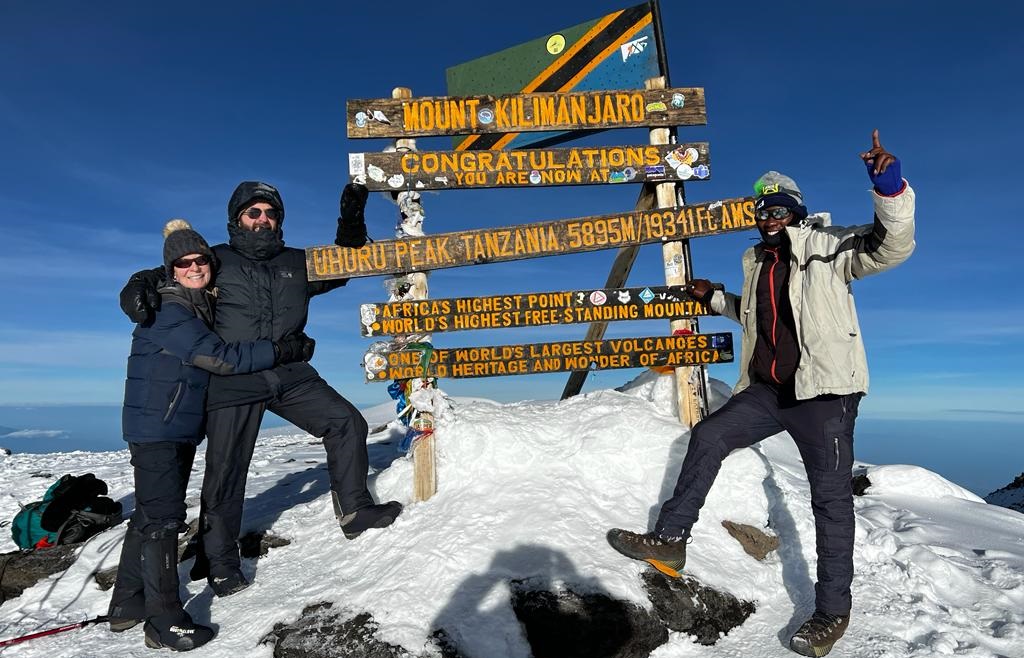
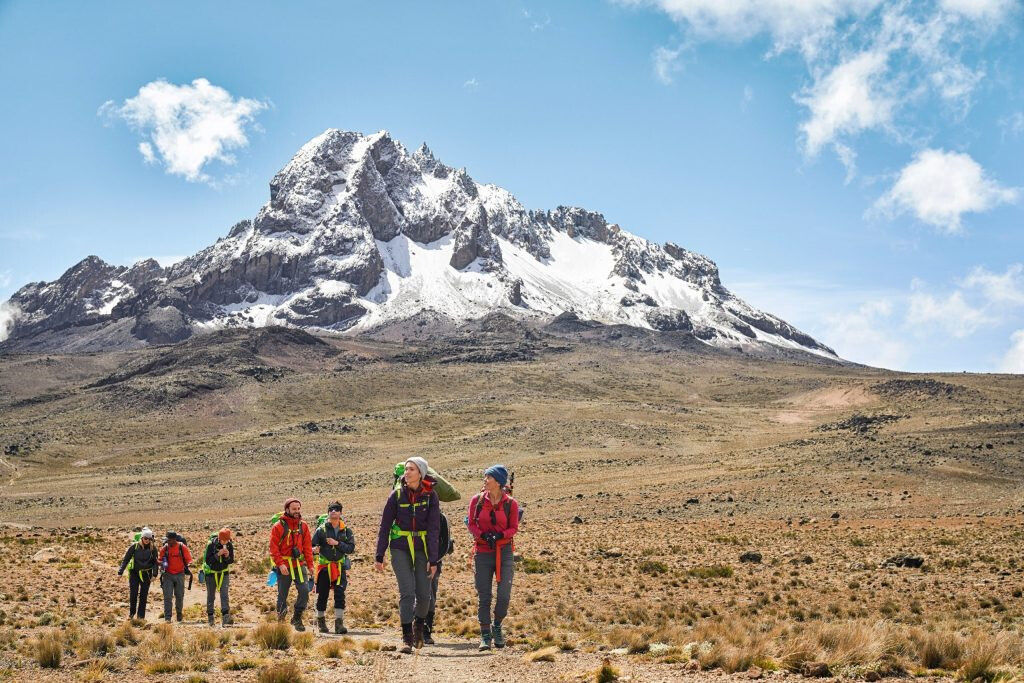
When planning your Kilimanjaro expedition, every piece of gear matters. From the layers of clothing to the sturdy hiking boots, each item contributes to your comfort, safety, and ultimate success on Africa’s highest peak. Among the many debated pieces of equipment, gaiters often fall into a category of ‘nice-to-have’ rather than ‘must-have.’ However, for a climb like Kilimanjaro, especially with the varied conditions you’ll encounter across its six ecological zones, gaiters transition from a mere accessory to a highly practical and beneficial piece of trekking equipment. For climbers aiming for 2026 or 2027 ascents, understanding their value can make a significant difference.
The decision to pack gaiters for Kilimanjaro often depends on the chosen route, the time of year you plan to climb, and your personal preferences. However, the overwhelming consensus among experienced guides and seasoned trekkers is that they offer substantial advantages that outweigh the minimal extra weight and bulk. Top Guide Adventures strongly advises including them in your Kilimanjaro packing list for 2026-2027 climbs.
Understanding Gaiters: What They Are and How They Work
At their core, gaiters are protective coverings worn over the lower leg and boot. They typically extend from just below the knee down to the top of your hiking boots, fastening around your ankle and sometimes under the sole of your boot. Their primary function is to prevent external elements from entering your footwear, a critical consideration when trekking through challenging terrain.
Gaiters are generally made from waterproof or water-resistant, breathable materials like Gore-Tex or similar synthetics, though some lighter options might use nylon or polyester. They usually feature a zipper or Velcro closure along the front and an elasticated or adjustable strap at the top to ensure a snug fit. A durable cord or strap typically passes under the boot to keep the gaiter in place and prevent it from riding up.
The Anatomy of a Trekking Gaiter
To appreciate their utility on Kilimanjaro, it helps to understand the components of a good pair of gaiters:
- Upper Cuff: This is the top part of the gaiter, often elasticated or adjustable with a drawcord or buckle to create a seal around your calf, preventing water and debris from entering from the top.
- Lower Leg Section: Made from durable, often waterproof material, this covers your lower leg and the top of your boots.
- Closure System: Most gaiters use a full-length zipper, often protected by a storm flap, or a Velcro strip for easy on and off.
- Instep Strap/Cord: A robust strap or cord that runs underneath the sole of your boot, from the front to the back of the gaiter. This is crucial for keeping the gaiter securely in place and preventing it from sliding up your leg.
- Boot Lace Hook: A small hook at the front of the gaiter that attaches to your boot’s laces, further securing the gaiter and preventing it from riding up.
Key Benefits of Wearing Gaiters on Kilimanjaro
The benefits of wearing gaiters on Kilimanjaro are numerous and directly address the challenges posed by the mountain’s diverse environments. For any climber planning a 2026 or 2027 expedition, these advantages are worth considering.
1. Protection from Debris and Elements
Kilimanjaro’s trails are varied. You’ll encounter:
- Scree: Loose gravel and small rocks, particularly on the descent, can easily get into your boots, causing discomfort and potentially leading to blisters. Gaiters create a barrier, keeping your boots clean and your feet happier.
- Mud: Especially during the rainy seasons (March-May and November-December), trails can become very muddy. Gaiters prevent mud from caking your boots and entering your socks.
- Dust and Sand: On drier sections or during dry seasons, dust can be a significant nuisance. Gaiters help keep your feet cleaner and reduce the risk of irritation.
- Rain and Snow: While Kilimanjaro isn’t typically a snow-climb in the traditional sense, higher altitudes can bring sleet, snow, or freezing rain. Gaiters add an extra layer of waterproofing to your lower legs and boot tops.
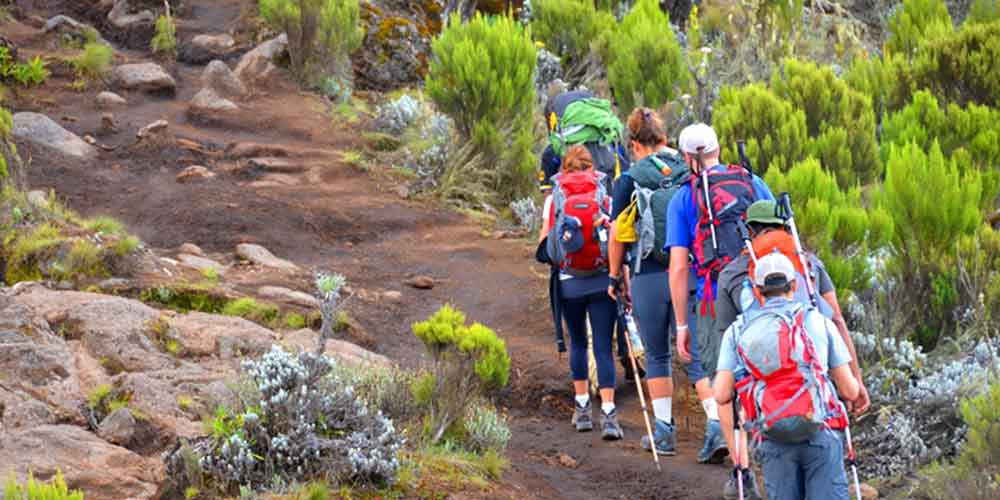
- Vegetation: In the lower rainforest zone, you might brush against wet vegetation, which can soak your trousers and boots. Gaiters provide a shield.
By keeping your boots and socks dry and free of grit, gaiters significantly reduce the chances of painful blisters and general foot discomfort. This is vital on a multi-day trek where foot care is paramount.
2. Warmth and Insulation
While not their primary function, gaiters do offer a small degree of added warmth. On cold mornings or at higher altitudes where temperatures plummet, they can help retain a bit more heat around your ankles and lower legs, complementing your hiking socks and trousers.
3. Support and Stability
Some climbers feel that gaiters offer a subtle sense of added stability. By keeping the boot securely snug and preventing debris from shifting inside, they might contribute to a more grounded feeling, especially on uneven terrain. This is a subjective benefit but can add to overall confidence on the trail.
4. Protection for Trousers and Boots
Gaiters act as a protective layer for your hiking trousers, preventing them from getting excessively wet, muddy, or snagged by thorns or rough terrain. They also help keep your boot laces clean and less prone to snagging.
When Are Gaiters Most Important on Kilimanjaro?
While gaiters are beneficial year-round, their importance escalates during specific periods and on particular routes. Understanding these nuances can help you decide if they are essential for your 2026-2027 Kilimanjaro adventure.
Seasonal Considerations
- Rainy Seasons (March-May and November-December): These are the times when gaiters are most invaluable. Trails can become waterlogged, muddy, and slippery. Gaiters will keep your feet significantly drier and cleaner, preventing discomfort and potential skin issues.
- Dry Seasons (June-October and January-February): Even during drier months, dust and scree are prevalent. While mud might be less of an issue, keeping fine particles out of your boots remains a significant advantage.
Route-Specific Needs
Certain Kilimanjaro routes present more challenges where gaiters shine:
- Machame Route: Known for its steep ascents and descents, especially the Barranco Wall scramble and the scree slopes of Barafu Camp and Kosovo Camp, gaiters are highly recommended.
- Lemosho Route: Similar to Machame, Lemosho offers varied terrain where gaiters prove useful.
- Marangu Route: While often considered easier due to its well-maintained path and hut accommodation, the Marangu route still involves sections with mud and scree, especially in wetter periods.
- Shira Route: This route traverses diverse landscapes, including moorland and alpine desert, where scree and dust can be factors.
- Rongai Route: Approaching from the north, Rongai can be drier but still presents scree and potential mud, particularly as you traverse to the southern side for the final ascent.
- Northern Circuit and Umbwe Routes: These routes also feature challenging terrains where gaiters offer protection.
Essentially, any route with significant scree slopes (common on descents) or prone to mud will benefit greatly from gaiters. For 2026-2027 climbs, checking the typical conditions for your chosen route and season is wise.
Types of Gaiters for Kilimanjaro
When selecting gaiters for Kilimanjaro, you’ll primarily encounter two main types, though variations exist:
1. Full-Length (Ankle to Knee) Gaiters
These are the most common and recommended type for mountain trekking. They extend from the top of your boots up to just below your knees. Their comprehensive coverage offers the best protection against elements entering from the top or sides.
- Pros: Maximum protection from rain, mud, snow, scree, and insects; added warmth; better coverage for trousers.
- Cons: Can be slightly warmer in hot conditions; may feel a bit more restrictive than shorter versions.
For Kilimanjaro, especially during wetter seasons or on routes with significant scree, full-length gaiters are the superior choice for 2026-2027 expeditions.
2. Ankle Gaiters
These are shorter, typically extending only to the ankle bone. They offer some protection against small stones and debris getting into the top of your boots but provide minimal protection against mud, rain, or snow. They are lighter and less restrictive.
- Pros: Lightweight, less restrictive, good for keeping out small pebbles.
- Cons: Limited protection against rain, mud, and larger debris; less coverage for trousers.
While ankle gaiters might suffice for some hiking, they are generally not recommended as the primary gaiter choice for a Kilimanjaro climb, particularly when compared to full-length options.
Choosing the Right Gaiters: Material and Features
Beyond the length, several features and materials contribute to the effectiveness and comfort of gaiters. For your 2026-2027 Kilimanjaro climb, consider these factors:
Material Considerations
- Waterproof and Breathable: Look for materials like Gore-Tex or similar proprietary membranes. This combination is key for Kilimanjaro. You need protection from external moisture (rain, mud) while allowing perspiration from your legs to escape, preventing dampness from the inside, which can lead to blisters.
- Durable Fabrics: The lower sections, especially around the boot, should be made of robust materials like Cordura or reinforced nylon to withstand abrasion from rocks and scree.
- Lightweight Options: While durability is important, excessively heavy gaiters can add unnecessary burden. Aim for a balance between protection and weight.
Key Features to Look For
- Secure Fastening: A reliable zipper (ideally with a Velcro storm flap for added protection) and a sturdy hook for the boot laces are essential.
- Adjustable Top: A drawcord or adjustable strap at the top ensures a snug fit around your calf, preventing anything from slipping in from above.
- Durable Instep Strap: The strap that goes under your boot needs to be strong and adjustable. Some are made of TPU or similar materials that are more resistant to abrasion than simple webbing.
- Ankle Fit: Gaiters should fit snugly around your ankle and boot top without being overly tight or baggy.
Gaiters vs. Waterproof Trousers: A Comparison for Kilimanjaro
Some climbers wonder if waterproof trousers can substitute for gaiters. While both offer water protection, they serve different primary purposes and have distinct advantages and disadvantages on Kilimanjaro.
Waterproof Trousers
- Pros: Protect your entire legs from rain, wind, and cold; can be worn over hiking trousers for warmth and waterproofing.
- Cons: Can be very hot and less breathable, leading to internal condensation; may not effectively seal around the top of boots, allowing water and debris to enter footwear; can be cumbersome for scrambling or climbing.
Gaiters
- Pros: Specifically designed to seal the gap between boots and trousers, preventing water and debris from entering footwear; generally more breathable than full waterproof trousers; offer protection against scree and mud directly around the boot.
- Cons: Do not protect the upper parts of your legs from rain or cold; can be an extra item to put on and take off.
For Kilimanjaro, gaiters are generally considered more critical than full waterproof trousers for keeping your feet dry and comfortable. While waterproof or water-resistant trousers are essential for layering and protection against wind and rain, gaiters provide the direct seal needed to prevent water and grit from entering your boots. Many climbers opt for both: waterproof/windproof trousers for overall leg protection and gaiters for the crucial boot seal. This layered approach is ideal for the varied conditions encountered on the mountain.
How to Properly Wear and Fit Your Kilimanjaro Gaiters
The effectiveness of gaiters hinges on a correct fit and proper wearing technique. Taking a few minutes to ensure they are fitted correctly before your 2026-2027 climb will pay dividends on the mountain.
1. The Right Fit
When trying on gaiters, wear the same hiking boots and socks you intend to use on Kilimanjaro. This ensures an accurate fit. The gaiter should cover the top of your boots comfortably without bunching up or being too tight around your calves. The instep strap should be adjustable to sit securely under your boot’s sole.
2. Putting Them On
Typically, you’ll put gaiters on after your boots are laced up.
- Unzip/Unfasten: Open the gaiter completely.
- Position the Instep Strap: Place the instep strap under your boot sole, ensuring it’s positioned correctly from front to back.
- Hook to Laces: Attach the boot lace hook to the front of your boot laces.
- Wrap and Secure: Wrap the gaiter around your lower leg, ensuring the material lies flat against your boot and trousers. Fasten the zipper or Velcro closure, starting from the bottom and working your way up.
- Adjust Top Cuff: Tighten the drawcord or buckle at the top to create a snug seal around your calf.
3. Checking the Fit
Walk around for a few minutes. Check that the gaiter isn’t slipping down, bunching up, or restricting your movement. Ensure the instep strap remains in place and the top cuff is secure but not uncomfortably tight.
Potential Downsides and Considerations
While gaiters offer significant advantages, it’s fair to acknowledge potential downsides, though for Kilimanjaro, these are generally minor.
- Added Weight: A pair of gaiters typically weighs between 150-300 grams (5-10 ounces). For a trek where every gram counts, this might be a consideration, but the benefits usually outweigh this small addition.
- Warmth: In very hot conditions, gaiters can add a bit of warmth. However, Kilimanjaro’s temperatures vary drastically, and you’ll likely appreciate the added warmth at higher, colder altitudes. Breathable materials help mitigate overheating.
- Cost: Good quality gaiters can range from $30 to $100 USD. This is an investment, but a durable pair can last for many treks.
- On/Off Hassle: They add an extra step to dressing and undressing, but this is a minor inconvenience for the protection they provide.
Should You Rent or Buy Gaiters for Kilimanjaro?
For climbers planning a 2026-2027 Kilimanjaro ascent, the decision to rent or buy gaiters is common. Top Guide Adventures often provides a comprehensive gear list, and we can advise on this. Here’s a breakdown:
Buying Gaiters
- Pros: You own a reliable piece of gear that fits you perfectly; you can choose the exact features and quality you prefer; useful for future hikes and treks.
- Cons: Initial cost outlay; requires research to find the best pair.
If you are an avid hiker or plan on undertaking other challenging treks in the future, investing in a quality pair of gaiters is a sensible long-term decision. Look for brands known for durability and waterproof-breathable technology.
Renting Gaiters
- Pros: Cost-effective for a single trek; saves on packing space if you don’t own them; avoids the need to purchase gear you might not use again.
- Cons: Rental quality can vary; may not fit as perfectly as your own gear; limited choice of brands or features.
Many trekking companies, including Top Guide Adventures, offer gear rental services. This can be a convenient option if you’re looking to save money or space. However, we always recommend trying to get the best quality rental possible.
Recommendation for 2026-2027 Climbers: If you have the budget and intend to hike frequently, buy a good pair. If this is a one-off trip or you want to minimize costs, renting is a viable option, but ensure the rental gear is in good condition and suitable for mountain trekking.
Alternatives and DIY Solutions (and Why They’re Not Ideal)
While gaiters are the standard, some might consider alternatives. It’s important to note that these are generally not recommended for a Kilimanjaro climb.
- Tucking Trousers into Socks: This offers minimal protection and is unlikely to stay in place. It won’t keep out mud, scree, or significant water.
- Duct Tape: While duct tape can fix many things, it’s not a practical solution for sealing gaiter-like coverage. It’s cumbersome, not breathable, and unlikely to hold up to the rigors of a multi-day trek.
- High-Top Boots Alone: While high-top boots offer ankle support, they don’t prevent debris from entering the top of the boot, which is the primary function of gaiters.
For a trek like Kilimanjaro, where comfort and protection are key to a successful ascent, relying on purpose-built gear like gaiters is the most sensible approach for 2026-2027 expeditions.
Gaiters in the Context of the Full Kilimanjaro Gear List
Gaiters are just one piece of the puzzle. When packing for Kilimanjaro, they integrate with other essential items:
- Hiking Boots: Your boots are paramount. Gaiters are designed to work with sturdy, waterproof hiking boots. Ensure your boots are well broken-in before your 2026-2027 climb.
- Hiking Socks: Wool or synthetic hiking socks are crucial. Gaiters help keep these socks (and your feet) clean and dry, maximizing their effectiveness.
- Trekking Trousers: Quick-drying, durable trekking trousers are standard. Gaiters protect the lower part of these trousers. Consider water-resistant or softshell trousers for added protection.
- Waterproof/Windproof Trousers: As mentioned, these are for overall leg protection. Gaiters seal the boot interface.
- Waterproof Jacket: For upper body protection.
The synergy between these items ensures you are well-prepared for Kilimanjaro’s changing conditions. Top Guide Adventures provides detailed gear lists to help you prepare for your 2026-2027 climb, and gaiters are consistently recommended.
Final Decision: Are Gaiters a Must-Have for Kilimanjaro in 2026-2027?
Based on the varied terrain, unpredictable weather, and the importance of foot comfort and protection on Kilimanjaro, the answer is a strong yes, gaiters are highly recommended for almost all climbers. While you *could* potentially complete a climb without them, you would likely be more uncomfortable, especially if you encounter mud, heavy scree, or rain.
For trekkers planning their Kilimanjaro adventure in 2026 or 2027, packing a good pair of full-length, waterproof, and breathable gaiters is a smart investment in your comfort and the success of your climb. They are not a luxury item but a functional piece of gear that significantly enhances the trekking experience by keeping your feet protected and your boots clear of debris.
Consider the route you’re taking and the time of year, but even in drier conditions, the protection from dust and small stones is invaluable. When you choose Top Guide Adventures for your Kilimanjaro expedition in 2026-2027, we can provide personalized advice on gear, including gaiters, to ensure you are fully prepared. Don’t let discomfort from debris or wet feet detract from your incredible journey to the Roof of Africa.
Ready to plan your Kilimanjaro adventure for 2026 or 2027? Contact Top Guide Adventures for expert guidance on routes, gear, and making your dream climb a reality. Reach us via WhatsApp at +255616946642 or email us at topguideadventures@gmail.com. You can also use our backup email info@topguideadventures.com. Let’s make your Kilimanjaro climb unforgettable!
Check Availability for Should You Wear Gaiters On Kilimanjaro? A Complete Guide For Climbers
Ready to compare dates, prices, and the best option for your group? Send the package name and travel month so the team can reply with a clear quote, availability, and what is included.
Kilimanjaro Contract Terms You Should Understand For Your Climb 2026-2027
Navigating the fine print of your Kilimanjaro climb contract is crucial. This guide breaks down essential terms, from payment schedules and cancellation policies to what's included and...
View package details
What A Kilimanjaro Mountain Crew Should Provide For Your Climb 2026-2027
Planning a Kilimanjaro climb? Understand precisely what your mountain crew needs to provide, from essential gear and experienced guides to food, safety, and logistical support. This...
View package details
What A Safe Kilimanjaro Package Should Include 2026-2027
What a Safe Kilimanjaro Package Should Include is explained with current 2026-2027 planning, price, itinerary and booking information.
View package details
Questions Your Kilimanjaro Operator Should Answer For A Successful Climb
Choosing the right Kilimanjaro operator is crucial for a safe and memorable climb. This comprehensive guide details the essential questions you must ask your potential tour operator...
View package details
Kilimanjaro Footwear Mistakes And Blister Prevention 2026-2027
Kilimanjaro Footwear Mistakes and Blister Prevention is explained with current 2026-2027 planning, price, itinerary and booking information.
View package details
What Does Kilimanjaro Rainforest Look Like? A Trekkers Visual Guide 2026-2027
The Kilimanjaro rainforest is a vibrant, humid zone of dense vegetation, towering trees, and diverse plant life found on the mountain's lower slopes. It's the first major ecosystem trekkers...
View package details
Kilimanjaro Climb With A Personal Support Assistant: Your Ultimate Guide
Climbing Mount Kilimanjaro with a personal support assistant offers unparalleled safety, comfort, and focus on your summit goals. This guide details what a personal assistant entails, its...
View package details
How To Know Whether You Are Ready For Kilimanjaro: A Comprehensive Guide
Climbing Mount Kilimanjaro is a significant undertaking. This guide helps you evaluate your physical, mental, and logistical readiness to ensure a safe and successful trek in 2026 or 2027...
View package details
Kilimanjaro Hydration Mistakes Climbers Make And How To Avoid Them 2026-2027
Proper hydration is critical for a successful Kilimanjaro climb. This guide details common hydration mistakes climbers make, from under-drinking to choosing the wrong fluids, and provides...
View package details
Kilimanjaro Altitude-Sickness Mistakes 2026-2027
Kilimanjaro Altitude-Sickness Mistakes is explained with current 2026-2027 planning, price, itinerary and booking information.
View package details
Kilimanjaro Summit-Night Mistakes To Avoid: Your Essential Guide For Climbs
Summit night on Kilimanjaro is the most challenging part of the climb. Avoiding common mistakes in acclimatization, gear, hydration, and pacing is crucial for success. This guide details...
View package details
Kilimanjaro Training Mistakes That Reduce Summit Success 2026-2027
Kilimanjaro Training Mistakes that Reduce Summit Success is explained with current 2026-2027 planning, price, itinerary and booking information.
View package detailsNo related package matches those filters. Clear one or more filters to see the other topic-matched options.



