
A Kilimanjaro climb with twice-daily health checks means your trek is accompanied by regular, thorough monitoring of your physical condition by experienced guides, significantly enhancing safety and acclimatization management. Top Guide Adventures prioritizes this critical practice, ensuring climbers are assessed in the morning and evening for symptoms of altitude sickness and overall well-being, maximizing success rates and enjoyment for your 2026 or 2027 expedition.
The Indispensable Role of Twice-Daily Health Checks on Kilimanjaro
Climbing Mount Kilimanjaro is an extraordinary achievement, a journey to the Roof of Africa that tests both physical and mental endurance. While the allure of the summit is powerful, the mountain’s altitude presents a formidable challenge. Altitude sickness, or Acute Mountain Sickness (AMS), is the most common and serious threat to climbers. Recognizing this, Top Guide Adventures mandates twice-daily health checks for every climber. This isn’t a mere suggestion; it’s a core component of our safety protocol, designed to ensure your well-being from base camp to the summit and back. For trekkers planning their 2026 or 2027 ascent, understanding and appreciating this rigorous health monitoring is key to a successful and safe adventure.
These comprehensive checks, conducted meticulously each morning and evening by our certified guides, go beyond simple symptom observation. They involve a detailed assessment of vital signs, including heart rate, respiratory rate, oxygen saturation (where possible), and subjective feelings reported by the climber. This proactive approach allows for early detection of any issues related to altitude, enabling prompt and appropriate action. The goal is not just to reach the summit, but to do so safely, comfortably, and with a profound sense of accomplishment.
Why Twice-Daily Monitoring is Non-Negotiable for Kilimanjaro Trekkers
Kilimanjaro’s summit stands at 5,895 meters (19,341 feet). At this extreme altitude, the air pressure is roughly half that at sea level, meaning there’s significantly less oxygen available for your body to absorb. This physiological stress can lead to altitude sickness, which can manifest in various ways, from mild headaches and nausea to severe and life-threatening conditions like High Altitude Cerebral Edema (HACE) and High Altitude Pulmonary Edema (HAPE).
The insidious nature of AMS is that symptoms can develop gradually, and climbers, eager to reach their goal, might downplay early warning signs. This is precisely where the structured, twice-daily health checks become invaluable. Our guides are trained to recognize the subtle nuances of altitude acclimatization and the early indicators of AMS. By consistently checking in, they can:
- Detect Early Symptoms: Headaches, dizziness, fatigue, and nausea are common at altitude. Regular checks help distinguish normal acclimatization discomfort from problematic symptoms.
- Monitor Acclimatization Progress: By tracking changes in symptoms and vital signs over time, guides can assess how well your body is adapting to the increasing altitude.
- Facilitate Timely Intervention: If AMS is detected, immediate action can be taken, such as administering medication, descending to a lower altitude, or arranging for evacuation. Early intervention is critical in preventing the condition from worsening.
- Build Confidence and Trust: Climbers can feel secure knowing their health is being closely monitored by professionals, allowing them to focus on the trek itself.
- Personalized Care: Each climber is an individual. Twice-daily checks allow guides to tailor their support and advice to each person’s specific needs and condition.
For those planning their Kilimanjaro climb for 2026 or 2027, booking with a company that emphasizes such robust safety measures provides peace of mind and a significant advantage in achieving summit success.
What Does a Twice-Daily Health Check Entail?
The process is systematic and thorough, designed to gather comprehensive information about your physical state. Here’s what you can expect:
Morning Checks (Pre-Trek)
Before you even lace up your boots for the day’s trek, your guide will conduct a morning assessment. This typically includes:
- Subjective Assessment: The guide will ask you how you slept, how you are feeling, and inquire specifically about any symptoms like headache, nausea, dizziness, or fatigue. They will encourage you to be honest about any discomfort, no matter how minor it seems.
- Objective Assessment: Depending on the guide’s experience and available equipment (pulse oximeter), they may also check your resting heart rate and, if possible, your blood oxygen saturation levels. A significant drop in oxygen saturation or a persistently high resting heart rate can be indicators of poor acclimatization.
- Hydration and Appetite Check: The guide will also inquire about your fluid intake and appetite, as dehydration and loss of appetite can be early signs of altitude issues.
Evening Checks (Post-Trek)
As you settle into camp after a day’s climb, your guide will perform a second, equally important, assessment:
- Subjective Assessment: Similar to the morning check, the guide will ask about your day, how your body is feeling, and specifically probe for symptoms that may have emerged during the strenuous trek.
- Objective Assessment: Again, heart rate and oxygen saturation might be checked. This is particularly important as symptoms can sometimes appear or worsen as the body rests at altitude.
- Hydration and Food Intake Review: The guide will ensure you are rehydrating adequately and have consumed sufficient calories to fuel recovery and prepare for the next day’s climb. They will offer encouragement and advice on nutrition and hydration.
- General Well-being: Beyond specific symptoms, the guide will observe your overall demeanor and energy levels.
This consistent, twice-daily rhythm of monitoring is fundamental to our Kilimanjaro climb strategy. It ensures that potential problems are identified and addressed proactively, rather than reactively. For trekkers booked for 2026 or 2027, this detailed attention is a cornerstone of a safe and successful expedition.
The Science Behind Acclimatization and Health Checks
The human body is remarkably adaptable, but the rapid ascent on Kilimanjaro challenges its ability to adjust to lower oxygen levels. Acclimatization is the physiological process by which the body adapts to a lower oxygen environment. This involves several changes:
- Increased Breathing Rate: Initially, your breathing rate increases to take in more oxygen.
- Increased Heart Rate: Your heart pumps faster to circulate oxygenated blood more efficiently.
- Production of Red Blood Cells: Over time, your body produces more red blood cells, which are responsible for carrying oxygen. This is a slower process and is the primary goal of gradual ascent.
Altitude sickness occurs when you ascend faster than your body can acclimatize. Symptoms are the body’s way of signaling that it is under stress. The twice-daily health checks are designed to interpret these signals correctly. A headache, for instance, might be mild and manageable, or it could be a sign of HACE, which requires immediate descent. Our guides are trained to differentiate, using a combination of their experience and systematic checks.
Pulse Oximetry: While not always feasible due to equipment limitations or battery life in remote areas, a pulse oximeter provides a quantitative measure of blood oxygen saturation (SpO2) and pulse rate. A healthy person at sea level typically has an SpO2 of 95-100%. At high altitudes, SpO2 will naturally decrease. However, a significant drop below expected levels for that altitude, or a rapid decline in a climber’s personal readings, can be an early warning sign. Guides use these readings in conjunction with subjective symptoms to make informed decisions. For instance, a climber with a headache but a stable SpO2 might be managed differently than a climber with the same headache but a rapidly dropping SpO2.
The Importance of Honesty: We strongly encourage all our climbers, especially those planning for 2026-2027, to be completely open and honest with their guides. Downplaying symptoms out of a desire to reach the summit can have severe consequences. The guides are there to support your safety, not to push you beyond your limits. Your truthful reporting is essential for the effectiveness of the twice-daily health checks.
The Guides: The Backbone of Kilimanjaro Health Monitoring
Our guides are more than just navigational experts; they are trained medical first responders in a remote environment. They undergo rigorous training not only in mountain climbing techniques and safety but also in wilderness first aid and altitude sickness management. Their experience is honed over years of leading successful ascents on Kilimanjaro.
Key Qualifications and Responsibilities of Top Guide Adventures’ Guides:
- Wilderness First Aid/Responder Certification: Ensuring they have formal training in managing medical emergencies in remote settings.
- Extensive Experience: Leading numerous Kilimanjaro climbs, giving them deep insight into acclimatization patterns and AMS symptoms.
- AMS Recognition and Management Training: Specific protocols for identifying and treating AMS, including when to administer medication (like Diamox, if prescribed) and, crucially, when to initiate a descent.
- Communication Skills: The ability to clearly communicate with climbers, build rapport, and encourage open dialogue about health.
- Decision-Making Authority: Guides have the final say on whether a climber is fit to continue or needs to descend, prioritizing safety above all else.
- Twice-Daily Health Checks: This is a core, non-negotiable part of their daily duties.
When you climb Kilimanjaro with Top Guide Adventures, you are placing your trust in a team whose primary focus is your safety and success. The twice-daily health checks are a direct manifestation of this commitment, ensuring that every climber, whether in 2026, 2027, or any other year, receives the highest standard of care.
Choosing the Right Route for Acclimatization and Health
While our twice-daily health checks are standard across all our expeditions, the choice of route can significantly impact acclimatization and, therefore, the overall safety and success of your climb. Some routes are inherently better for acclimatization due to their longer duration and gradual ascent profile. Top Guide Adventures recommends routes that offer the best chance for your body to adapt:
- Lemosho Route (7-8 days): Widely considered one of the best routes for acclimatization due to its longer duration and excellent ‘climb high, sleep low’ opportunities.
- Machame Route (7 days): Also very popular and offers good acclimatization, especially when taken over 7 days rather than 6. It follows a similar profile to Lemosho after the initial days.
- Northern Circuit (9 days): The longest route, offering the best acclimatization profile by traversing the entire northern face of Kilimanjaro. This significantly increases summit success rates.
Routes like Marangu (often 5 days) and Rongai (often 6 days) are shorter and can be more challenging for acclimatization. While our health checks are robust, a longer route provides your body with more time to adjust, making the journey more comfortable and reducing the risk of severe AMS. When planning your 2026-2027 Kilimanjaro adventure, consider investing an extra day or two by choosing a longer route for a safer, more enjoyable climb.
Top Guide Adventures offers various itineraries for each route, allowing you to choose the duration that best suits your fitness level, budget, and acclimatization goals. We are happy to discuss these options with you to ensure you select the perfect trek for your 2026-2027 climb.
Preparing for Your Kilimanjaro Climb: Pre-Trip Health and Fitness
While our guides are equipped to manage health on the mountain, your preparation before the trek is crucial. The better your physical condition and understanding of altitude, the smoother your acclimatization will be.
Physical Fitness:
Kilimanjaro is a trek, not a technical climb, but it requires significant cardiovascular fitness and stamina. Focus on:
- Aerobic Exercise: Engage in activities like hiking (with a backpack), running, cycling, or swimming several times a week for at least 3-6 months prior to your trek.
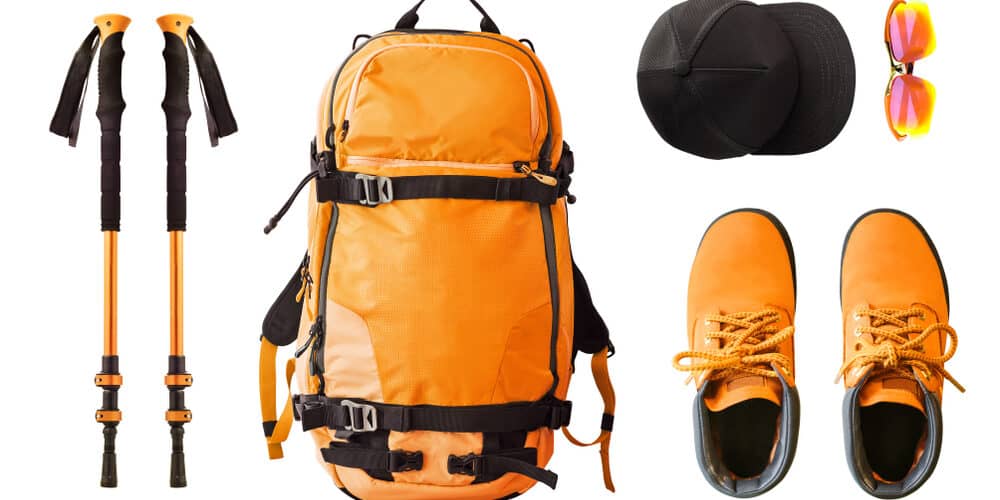
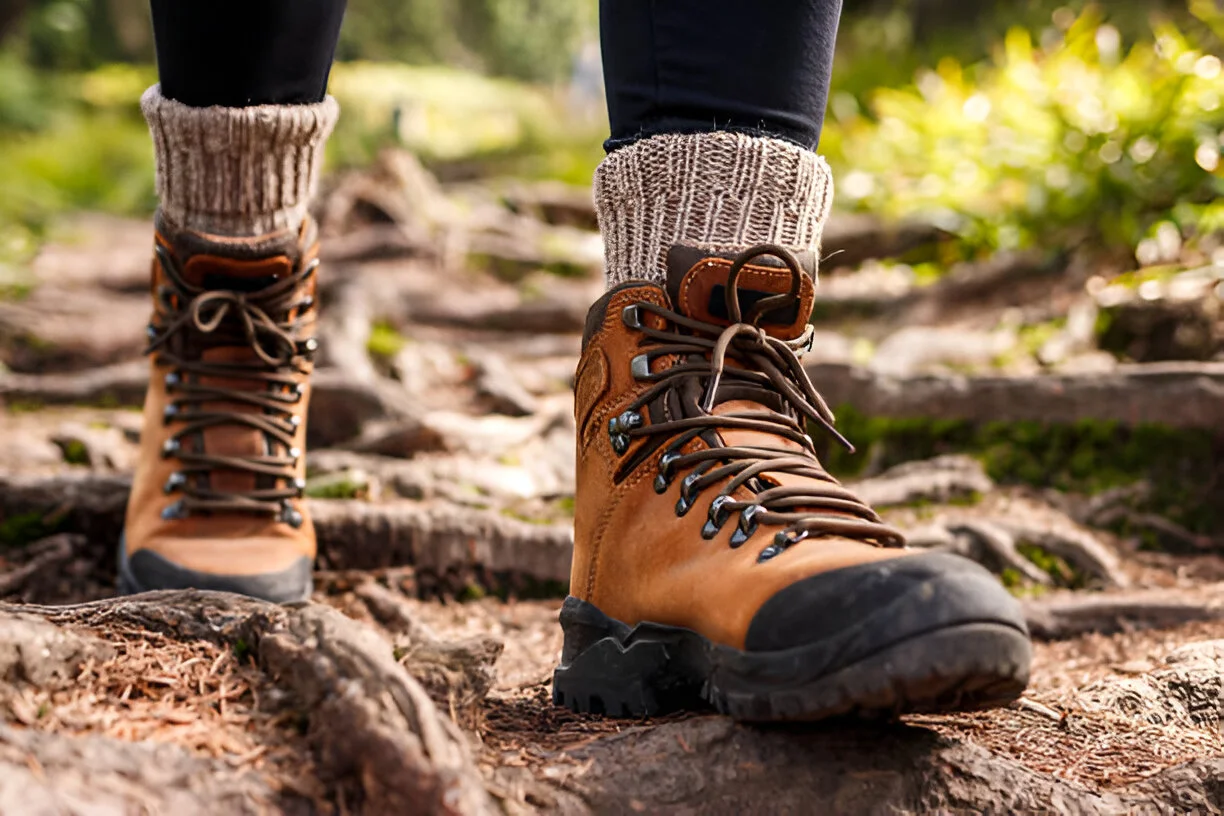
- Hiking Practice: The most relevant training is hiking, preferably in hilly or mountainous terrain. Practice with the gear you intend to use, including your backpack and boots, to break them in and assess comfort.
- Strength Training: Focus on leg strength (squats, lunges) and core strength to support your body during long days of trekking.
Altitude Awareness:
Educate yourself about altitude sickness. Understand the symptoms, how it progresses, and the importance of acclimatization. This knowledge will empower you to communicate effectively with your guide during the twice-daily health checks.
Pre-Existing Medical Conditions:
If you have any pre-existing medical conditions (heart problems, respiratory issues, diabetes, etc.), consult your doctor well in advance of your trip. Discuss your plans to climb Kilimanjaro and get their professional advice. They may recommend specific precautions or medications.
Medications:
Some climbers choose to take preventative medication for altitude sickness, such as Diamox (acetazolamide). This is a prescription medication and should only be taken after consulting with your doctor. If you choose to use it, discuss the dosage and potential side effects with your physician. Our guides can administer it if prescribed by your doctor, but they cannot prescribe it themselves. This is an important consideration for your 2026-2027 planning.
Being well-prepared physically and mentally significantly enhances your ability to cope with the altitude and benefits directly from the twice-daily health checks provided by Top Guide Adventures.
What to Expect During the Climb: The Daily Rhythm
A typical day on Kilimanjaro with Top Guide Adventures, under the watchful eyes of our guides performing their twice-daily health checks, follows a structured yet flexible rhythm:
- Morning Wake-up & Health Check: You’ll be woken early (around 6:30-7:00 AM) by your personal porter or guide, who will bring you hot water for washing. This is followed by the morning health check.
- Breakfast: A hearty breakfast is served in the mess tent.
- Packing & Departure: After breakfast, you’ll pack your daypack, and porters will pack the rest of your gear. You’ll set off on the day’s trek, usually by 8:00-9:00 AM.
- Trekking: Your guide will lead you at a steady, slow pace, known as ‘pole pole’ (slowly, slowly), encouraging you to drink water and eat snacks. The guides constantly monitor your well-being throughout the day.
- Lunch: A packed lunch is typically enjoyed en route, or a hot meal is prepared by the cook at a designated lunch spot.
- Arrival at Camp: You’ll arrive at the next campsite in the afternoon, usually between 2:00 PM and 4:00 PM.
- Afternoon Rest & Health Check: After settling into your tent, the crucial evening health check will be conducted. This is followed by time to rest, read, or socialize.
- Dinner: A nutritious, hot dinner is served in the mess tent.
- Briefing & Rest: Your guide will brief you on the next day’s trek, including the expected distance, altitude gain, and any specific considerations. Early to bed is recommended to maximize rest.
This routine, with the integrated twice-daily health checks, ensures that your body is consistently monitored and supported, making your Kilimanjaro climb in 2026 or 2027 as safe and successful as possible.
Managing Altitude Sickness: The Guide’s Role and Your Responsibility
While our twice-daily health checks are a proactive measure, effective AMS management is a partnership between the climber and the guide.
Guide’s Responsibilities:
- Vigilant Monitoring: Constant observation of all climbers, not just during scheduled checks.
- Accurate Assessment: Using training and experience to interpret symptoms and vital signs.
- Clear Communication: Explaining potential risks and management strategies to climbers.
- Decision Making: Recommending rest, medication, descent, or evacuation based on the climber’s condition.
- Pacing: Ensuring the group maintains a slow, steady pace (‘pole pole’).
Your Responsibilities:
- Honest Reporting: Be truthful about how you feel. Report any symptom, no matter how minor.
- Hydration: Drink at least 3-4 liters of water per day. Dehydration exacerbates altitude symptoms.
- Nutrition: Eat well, even if your appetite is reduced. High-carbohydrate meals are recommended at altitude.
- Pacing: Walk ‘pole pole’. Do not overexert yourself.
- Listen to Your Body: Pay attention to your own physical signals.
- Follow Guide’s Advice: Trust their expertise and follow their instructions.
The synergy between the guide’s expertise in conducting twice-daily health checks and your active participation in managing your health is the ultimate key to a successful Kilimanjaro climb. This applies equally to expeditions planned for 2026 and 2027.
What Happens If AMS is Diagnosed?
If symptoms of AMS are detected during the twice-daily health checks and are deemed significant by the guide, a course of action will be implemented:
- Observation and Rest: For very mild symptoms, the guide might recommend rest at the current altitude and increased fluid intake, with close monitoring.
- Medication: If prescribed by a doctor, medication like Diamox may be administered, following the prescribed dosage.
- Descent: This is the most effective treatment for moderate to severe AMS. The guide will determine the necessary distance to descend. Often, this means returning to the previous campsite or even lower. The phrase ‘climb high, sleep low’ is crucial for acclimatization, but if acclimatization fails, descent is paramount.
- Evacuation: In severe cases of HACE or HAPE, immediate evacuation is necessary. This can involve assisted descent, carrying by porters, or a stretcher if required. For emergencies, we can arrange helicopter evacuation, though this is an additional cost and is typically covered by comprehensive travel insurance.
Top Guide Adventures is committed to ensuring that no climber is left behind due to a lack of timely medical intervention. Our guides’ rigorous application of twice-daily health checks is the first line of defense against serious altitude-related illness.
Beyond Altitude Sickness: Other Health Considerations
While AMS is the primary concern, the twice-daily health checks also allow guides to monitor for other issues that can arise during a multi-day trek:
- Dehydration: Persistent monitoring ensures adequate fluid intake.
- Hypothermia: While Kilimanjaro is equatorial, temperatures drop drastically at altitude, especially at night and on summit day. Guides ensure climbers are adequately dressed and dry.
- Blisters and Foot Care: Guides can offer advice and basic first aid for blisters, which can quickly become debilitating.
- Gastrointestinal Issues: Monitoring appetite and reporting any stomach upset helps manage potential food or waterborne illnesses.
- Sunburn and Sunstroke: The sun is intense at high altitudes. Guides remind climbers to use sunscreen, wear hats, and stay hydrated.
- Injuries: Sprains or strains can occur. Guides provide basic first aid and assess the severity.
The comprehensive nature of our twice-daily health checks means our guides are constantly assessing the overall well-being of each climber, contributing to a safer and more comfortable experience for everyone on their 2026-2027 Kilimanjaro adventure.
Integrating Health Checks into Your Kilimanjaro Budget for 2026-2027
The cost of a Kilimanjaro climb can vary significantly based on route, duration, group size, and the level of service provided. At Top Guide Adventures, the cost of our twice-daily health checks is intrinsically built into our service. It is not an optional add-on; it is a fundamental part of the professional guiding service we offer.
When comparing prices for 2026 or 2027 Kilimanjaro climbs, consider what is included:
- Qualified Guides: Our guides are trained in mountain rescue and altitude sickness management.
- Support Crew: A well-trained team of porters and cooks.
- Park Fees & Permits: Essential for legal access to the mountain.
- Accommodation: Tents and camping equipment.
- Meals: Nutritious meals prepared by your cook.
- Safety Equipment: First aid kits, oxygen cylinders (on some routes/packages), and communication devices.
- Twice-Daily Health Checks: This vital service is provided by our guides as standard.
While budget operators might offer lower prices, they may cut corners on guide training, equipment, or staffing ratios, potentially compromising safety and the quality of health monitoring. Investing in a reputable operator like Top Guide Adventures, which guarantees rigorous health checks, is an investment in your safety and success on Kilimanjaro for your 2026-2027 expedition.
We provide transparent pricing. For a personalized quote for your 2026 or 2027 climb, please contact us. Our team will help you understand all inclusions and exclusions, ensuring you know exactly what your investment covers, including the critical health monitoring services.
Making Your Kilimanjaro Climb a Success in 2026-2027
Summiting Kilimanjaro is a monumental achievement, and a successful climb is a blend of preparation, the right route, and expert support. Top Guide Adventures’ unwavering commitment to safety, exemplified by our mandatory twice-daily health checks, is designed to give you the best possible chance of reaching Uhuru Peak.
By choosing Top Guide Adventures for your 2026 or 2027 Kilimanjaro climb, you are selecting a team that:
- Prioritizes your health and safety above all else.
- Employs highly trained and experienced guides dedicated to your well-being.
- Implements rigorous, twice-daily health monitoring protocols.
- Offers expert advice on acclimatization, nutrition, and hydration.
- Provides comprehensive support throughout your entire journey.
We understand that planning a trip to Kilimanjaro is a significant undertaking. Our team is here to guide you every step of the way, from initial inquiry to your triumphant return. Don’t leave your safety to chance. Ensure your 2026-2027 Kilimanjaro climb is backed by the highest standards of care.
Ready to plan your Kilimanjaro adventure with guaranteed twice-daily health checks? Get in touch with our expert team today. We’re excited to help you achieve your dream of standing on the Roof of Africa.
Contact Top Guide Adventures:
WhatsApp: +255616946642
Email: topguideadventures@gmail.com
Backup Email: info@topguideadventures.com
Check Availability for Kilimanjaro Climb With Twice-Daily Health Checks | Top Guide Adventures
Ready to compare dates, prices, and the best option for your group? Send the package name and travel month so the team can reply with a clear quote, availability, and what is included.
Private Kilimanjaro Climb With Flexible Daily Distances | Top Guide Adventures
Experience a custom Kilimanjaro climb with Top Guide Adventures, focusing on flexible daily distances for a personalized trek. This guide details how to plan your private ascent, route...
View package details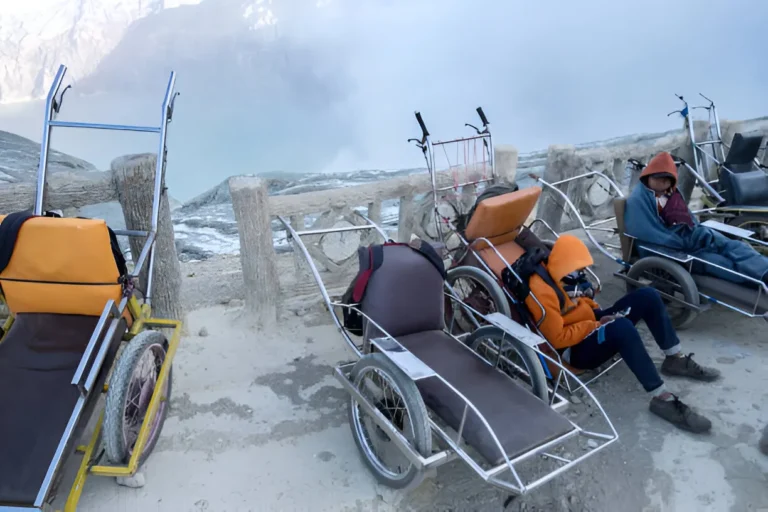
Kilimanjaro Climb With A Personal Support Assistant: Your Ultimate Guide
Climbing Mount Kilimanjaro with a personal support assistant offers unparalleled safety, comfort, and focus on your summit goals. This guide details what a personal assistant entails, its...
View package details
Kilimanjaro Hydration Mistakes Climbers Make And How To Avoid Them 2026-2027
Proper hydration is critical for a successful Kilimanjaro climb. This guide details common hydration mistakes climbers make, from under-drinking to choosing the wrong fluids, and provides...
View package details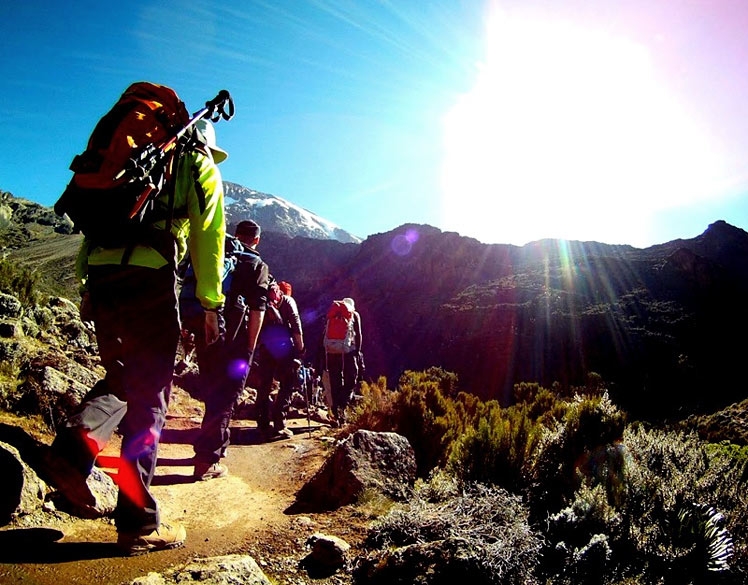
Kilimanjaro Summit-Night Mistakes To Avoid: Your Essential Guide For Climbs
Summit night on Kilimanjaro is the most challenging part of the climb. Avoiding common mistakes in acclimatization, gear, hydration, and pacing is crucial for success. This guide details...
View package details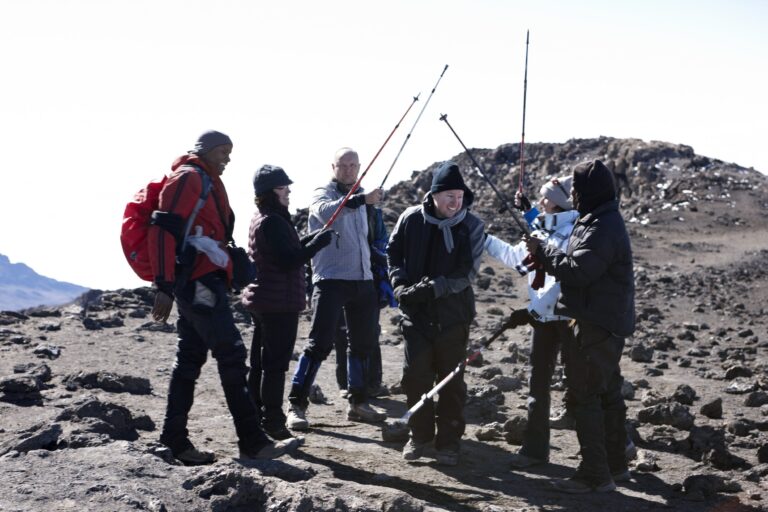
Kilimanjaro Airport Vs Arusha For Climbers: The Definitive Guide 2026-2027
A comprehensive comparison of Kilimanjaro International Airport (JRO) and Arusha Airport (ARK) for trekkers planning a Mount Kilimanjaro climb, detailing pros, cons, and booking advice for...
View package details
Kilimanjaro Climb For Retired Couples: Planning Your Adventure 2026-2027
Planning a Kilimanjaro climb as a retired couple is an achievable and rewarding goal. This guide offers in-depth advice on route selection, physical preparation, essential gear, and the...
View package details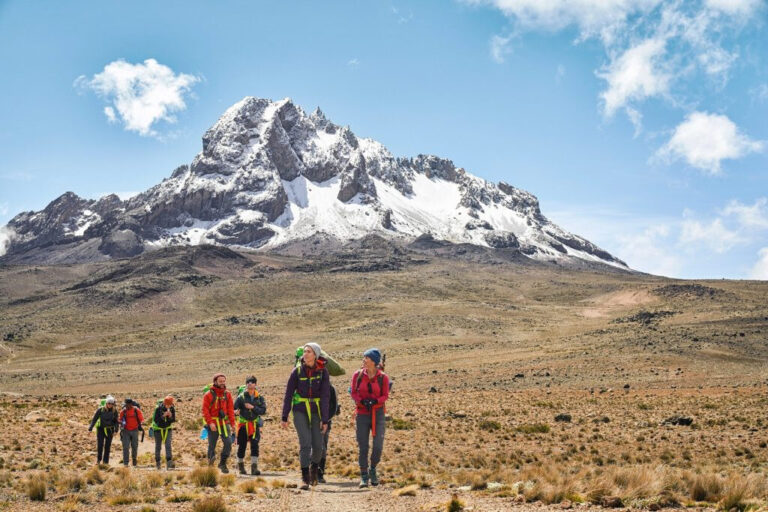
Can A 16-Year-Old Climb Kilimanjaro? Your Essential Guide 2026-2027
Discover if a 16-year-old can summit Kilimanjaro. This comprehensive guide covers age requirements, health, fitness, essential gear, and planning for younger trekkers aiming for Africa's...
View package details
Content For Parents And Young Climbers: Conquering Kilimanjaro Safely
Planning a Kilimanjaro climb with children or as a young climber requires special attention. This guide provides comprehensive content for parents and young adventurers, covering...
View package details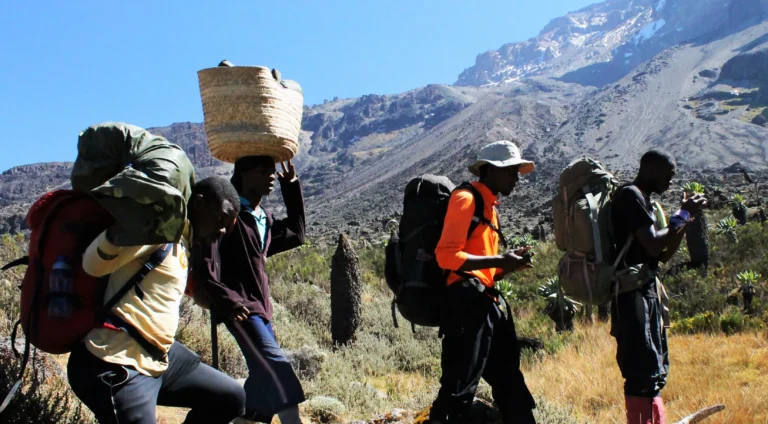
Kilimanjaro Tree-Planting Climbing Package Guide
Combine your dream Kilimanjaro climb with a meaningful conservation effort. Our Kilimanjaro Tree-Planting Climbing Package allows you to ascend Africa's highest peak while actively...
View package details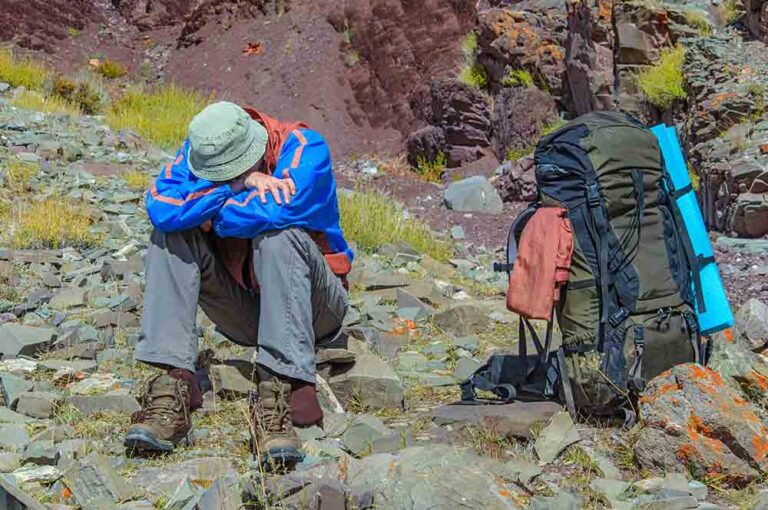
What Happens If It Rains Throughout Your Kilimanjaro Climb? 2026-2027
What Happens If It Rains throughout Your Kilimanjaro Climb? is explained with current 2026-2027 planning, price, itinerary and booking information.
View package details
Kilimanjaro Early-Bird Climbing Discounts For Adventures 2026-2027
Plan your 2026-2027 Kilimanjaro climb and take advantage of early-bird discounts. Top Guide Adventures offers savings for those who book in advance, ensuring a memorable and affordable...
View package details
Kilimanjaro Private Climb Price For One Person: Your Guide 2026-2027
Planning a solo ascent of Mount Kilimanjaro? This guide details the Kilimanjaro private climb price for one person, covering cost factors, inclusions, and essential planning for 2026-2027.
View package detailsNo related package matches those filters. Clear one or more filters to see the other topic-matched options.



