
A private Kilimanjaro climb with flexible daily distances allows you to set your own pace and adjust daily mileage based on your group’s comfort and acclimatization needs. This personalized approach, offered by Top Guide Adventures, ensures a more comfortable and rewarding ascent, especially for those prioritizing a slower, more controlled climb or seeking to accommodate varying fitness levels within a private group. You can discuss specific daily distance preferences and itinerary adjustments with your guides before and during the trek, ensuring your 2026-2027 climb is perfectly suited to you.
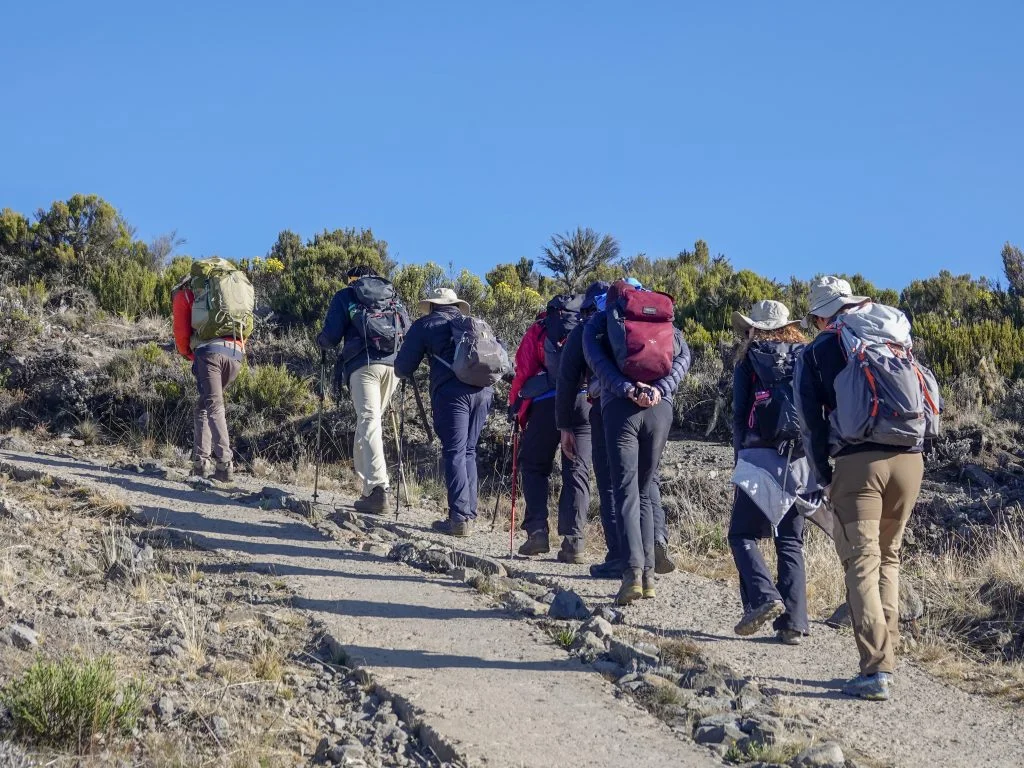
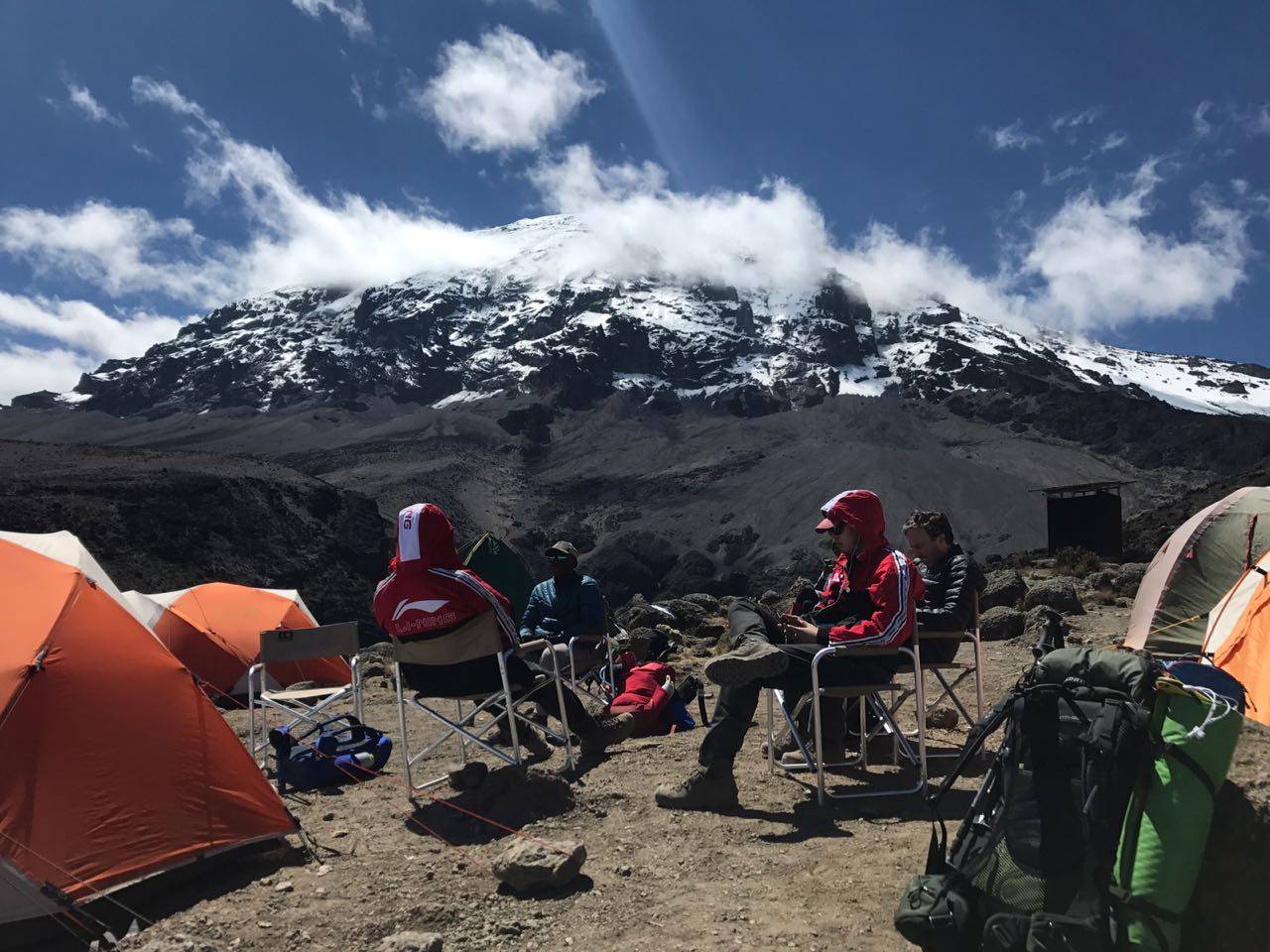
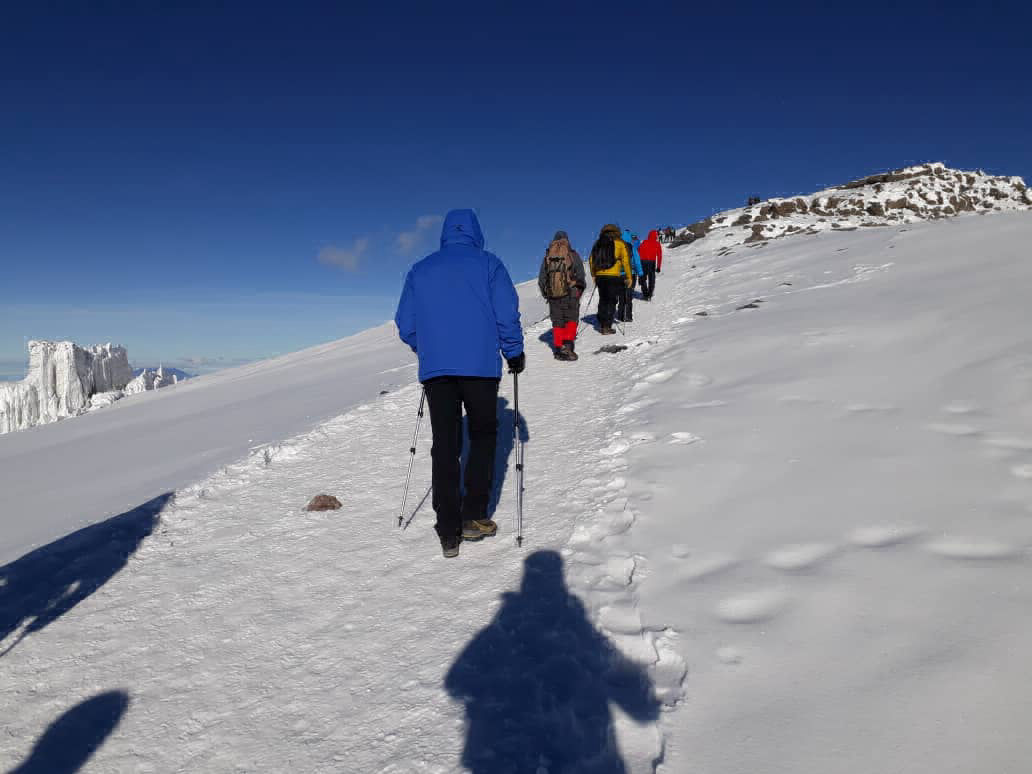
Tailoring Your Kilimanjaro Ascent: The Advantage of Private Climbs with Flexible Daily Distances
Climbing Mount Kilimanjaro is a dream for many, a chance to stand on the Roof of Africa. While the iconic mountain draws adventurers from around the globe, the experience itself can be vastly different depending on how you choose to ascend. For those seeking a more controlled, personalized, and comfortable journey, a private Kilimanjaro climb with flexible daily distances offers unparalleled advantages. This isn’t about rushing to the summit; it’s about savoring the journey, respecting your body’s needs, and creating a memorable adventure that perfectly aligns with your capabilities and preferences.
At Top Guide Adventures, we understand that every climber is unique. Fitness levels vary, acclimatization rates differ, and personal goals for the trek can range from a personal challenge to a shared family experience. That’s why we champion the concept of private climbs where the daily itinerary isn’t rigidly fixed. Instead, we work with you to build an ascent plan that allows for adjustment in daily trekking distances. This flexibility is crucial for maximizing your chances of success while minimizing the risks associated with altitude sickness and physical exhaustion. Whether you’re planning for 2026 or 2027, this adaptable approach is key to a successful and enjoyable Kilimanjaro expedition.
Why Choose a Private Kilimanjaro Climb?
Opting for a private climb over joining a larger group trek fundamentally changes the dynamic of your Kilimanjaro experience. The benefits extend far beyond just having your own dedicated team; they impact your comfort, safety, pace, and overall satisfaction.
Personalized Attention and Support: In a private climb, your guides, porters, and cook are exclusively focused on your group. This means immediate attention to any needs, from adjusting your gear to preparing your favorite meals. Your guides can dedicate more time to monitoring your health, providing detailed information about the environment, and offering encouragement precisely when you need it.
Control Over Pace and Schedule: While all Kilimanjaro routes have standard durations, a private climb offers a degree of flexibility. This is where the concept of flexible daily distances becomes paramount. You aren’t beholden to the pace of a larger group. If your group is feeling strong, you might cover a bit more ground. If someone is struggling or needs more time to acclimatize, you can slow down, take longer breaks, or shorten a day’s trek without impacting others.
Enhanced Safety and Acclimatization: Altitude sickness is the primary concern on Kilimanjaro. A slower pace, facilitated by flexible daily distances, is the single most effective strategy for acclimatization. In a private setting, your guides can more easily assess your group’s condition and adjust the day’s plan accordingly. They can decide to reduce the distance, add an extra acclimatization day, or ensure you descend if necessary, all without the pressure of group logistics.
Group Cohesion and Comfort: Traveling with your own group – be it family, friends, or colleagues – means you share the experience intimately. A private climb ensures that your group can bond, share stories, and support each other at your own pace, in your own space. This can lead to a more profound and shared sense of accomplishment.
The Significance of Flexible Daily Distances
The term ‘flexible daily distances’ on Kilimanjaro might sound like a luxury, but it’s a critical component of a well-managed and successful trek, particularly for private groups. It acknowledges that Kilimanjaro is a high-altitude environment, and human physiology doesn’t always adhere to a rigid schedule.
Adapting to Altitude: As you ascend, the air thins. Your body needs time to adapt. A fixed daily distance might push some individuals beyond their acclimatization threshold on certain days. Flexibility allows guides to shorten a day’s trek if the group is experiencing symptoms of altitude sickness or if the weather conditions are particularly challenging. Conversely, if the group is feeling exceptionally well, they might extend a day slightly to reach a more scenic campsite or to make the subsequent day’s trek shorter.
Accommodating Varying Fitness Levels: Within any group, fitness levels can differ. A flexible approach means stronger members aren’t held back excessively, and those who need more time aren’t rushed. The guides can manage the group’s progress more effectively, ensuring everyone maintains a sustainable pace. This prevents fatigue from setting in too early, which is crucial for the final summit push.
Maximizing Enjoyment: Kilimanjaro isn’t just about the summit; it’s about the journey through diverse ecological zones, the stunning landscapes, and the unique flora and fauna. Flexible daily distances allow for more frequent stops for photos, deeper appreciation of the surroundings, and time to simply rest and absorb the experience without the pressure of a set mileage goal for the day.
Strategic Itinerary Planning: When planning a private Kilimanjaro climb for 2026 or 2027, discussing flexibility with your operator is key. Top Guide Adventures will help you choose a route and duration that inherently supports this flexibility. For example, longer routes generally offer better acclimatization profiles, making daily adjustments easier and more beneficial.
Choosing the Right Route for Your Flexible Private Climb
While flexibility in daily distances can be applied to most Kilimanjaro routes, some are inherently better suited for this approach due to their gradient, campsite locations, and typical duration. A longer trek naturally allows for more gradual ascents and more opportunities to adjust daily mileage.
Marangu Route (The “Coca-Cola” Route)
Pros: The only route with hut accommodations, offering a more comfortable base. It’s also the shortest in terms of days, but this can be a drawback for acclimatization. The descent is along the same path as the ascent.
Cons: Less scenic due to walking on the same path up and down. The rapid ascent profile makes it less ideal for acclimatization, and therefore, less suited for significantly flexible daily distances aimed at slower acclimatization. While you can technically request shorter days, the route’s design doesn’t lend itself as well to this as other routes.
Best for: Climbers seeking basic comfort in huts and who are well-acclimatized prior to the climb. Flexibility in daily distances here is more about managing pace than significantly altering daily mileage without impacting the overall schedule.
Machame Route (The “Whiskey” Route)
Pros: Very popular due to its scenic beauty and excellent acclimatization profile. It utilizes a “climb high, sleep low” strategy effectively. It’s a camping route, offering a more in-depth wilderness experience.
Cons: Can be crowded, especially during peak seasons. The descent is along a different path than the ascent.
Flexibility Potential: High. The Machame route is typically done over 6 or 7 days. A 7-day itinerary provides ample opportunity to adjust daily distances. For instance, a day that might normally be 8-10 km could be shortened to 5-6 km if needed, or extended if the group is strong. This route is a strong contender for a private Kilimanjaro climb with flexible daily distances.
Shira Route
Pros: Similar to Machame in terms of scenery and acclimatization, but starts at a higher altitude, offering more dramatic initial views. It also converges with Machame later on.
Cons: The higher starting altitude can be challenging for some on day one. It’s also a camping route.
Flexibility Potential: High. Like Machame, the Shira route, typically 7-8 days, allows for considerable flexibility in daily trekking. The higher start means careful pacing from the outset is essential, making flexible daily distances a valuable tool.
Lemosho Route
Pros: Considered one of the most scenic routes, offering a remote and wild start before joining the Machame route. It has an excellent acclimatization profile and typically runs for 7-8 days.
Cons: Longer and therefore more expensive than some other routes. It involves a longer drive to the starting point.
Flexibility Potential: Very High. The Lemosho route’s longer duration (7, 8, or even 9 days) makes it exceptionally well-suited for a private Kilimanjaro climb with flexible daily distances. The gradual ascent and diverse terrain provide natural opportunities to manage daily mileage based on group condition.
Rongai Route
Pros: The only route that approaches Kilimanjaro from the north, offering a different perspective and generally drier conditions, especially during the rainy seasons. It’s a less crowded option.
Cons: Less scenic than the western routes. The acclimatization profile is considered moderate.
Flexibility Potential: Moderate to High. Typically done over 6 or 7 days. While it offers a good acclimatization profile, the daily distances can sometimes be longer on certain sections. However, for a private group, adjusting pace and potentially slightly altering daily mileage is feasible, especially on a 7-day itinerary.
Northern Circuit
Pros: The longest and arguably the best route for acclimatization, circling the mountain’s northern slopes. It offers continuous panoramic views and a high success rate. It’s a camping route.
Cons: The longest duration (9-10 days) makes it the most expensive option.
Flexibility Potential: Exceptional. The Northern Circuit’s extended duration is its greatest asset for acclimatization and flexibility. With 9 or 10 days, you have the most scope to adjust daily distances significantly, take extra rest days if needed, or slow down the overall ascent without compromising the success rate. This is the ultimate route for a truly personalized, slow-paced private Kilimanjaro climb with maximum flexibility.
Umbwe Route
Pros: The most direct and steepest route, offering a challenging climb for experienced trekkers. It’s very short in terms of days.
Cons: Very steep and rapid ascent, making it the route with the lowest success rate due to poor acclimatization. It is not recommended for most climbers, especially those seeking flexibility in daily distances to manage altitude.
Flexibility Potential: Low. Due to its steepness and rapid ascent, Umbwe is not suitable for a flexible daily distance strategy focused on acclimatization. It’s designed for speed and challenge, not a relaxed, adaptable pace.
Recommendation for Flexible Climbs: For a private Kilimanjaro climb with flexible daily distances, we strongly recommend the Lemosho Route (8-9 days) or the Northern Circuit (9-10 days). These routes provide the necessary time and gradual ascent profiles to truly benefit from adjusting daily mileage. The Machame Route (7 days) is also an excellent choice if you prefer a slightly shorter duration.
Planning Your Private Kilimanjaro Climb for 2026-2027
Planning a trip to Kilimanjaro, especially a private climb with specific requirements like flexible daily distances, requires foresight. Here’s a breakdown of key planning stages and considerations for your 2026-2027 adventure.
1. Choosing Your Operator: Why Top Guide Adventures?
Selecting the right tour operator is paramount. For a private Kilimanjaro climb with flexible daily distances, you need a company that prioritizes client needs, employs experienced guides, and has a strong safety record. Top Guide Adventures is a trusted partner in Tanzania, known for:
- Experienced, Certified Guides: Our guides are not only knowledgeable about Kilimanjaro’s routes and flora/fauna but are also trained in wilderness first aid and altitude sickness management.
- Commitment to Safety: We adhere to strict safety protocols, ensuring adequate oxygen supplies, medical kits, and emergency communication. Our guides are empowered to make decisions for your safety, including altering the itinerary.
- Personalized Service: We specialize in tailoring experiences. Discussing your desire for flexible daily distances is standard practice for us. We’ll help you select the best route and duration to accommodate this.
- Ethical Porter Treatment: We are committed to the fair treatment and well-being of our support crew, ensuring they are well-equipped, fed, and paid appropriately.
- Proven Success Rates: Our focus on acclimatization and personalized pacing contributes to higher success rates for our climbers.
2. Setting Your Dates and Duration
The best time to climb Kilimanjaro generally falls within the dry seasons:
- January to March: Generally clear skies, but can be cold, especially at higher altitudes. Potential for snow on the summit.
- June to October: Cooler but with very clear skies and low humidity. This is a peak season.
The shoulder seasons (April-May and November-December) can be more unpredictable with rain, but often offer fewer crowds and lower prices. For a private climb with flexible daily distances, consider extending your duration. A standard 6-day climb is the absolute minimum and not recommended for acclimatization. 7-8 days is ideal for most routes, while 9-10 days is perfect for the Northern Circuit, offering maximum benefit from flexible daily distances and superior acclimatization.
3. Budgeting for Your Private Climb
A private Kilimanjaro climb is an investment. Costs vary significantly based on the route, duration, operator, and level of service. Generally, private climbs are more expensive than group climbs due to dedicated staff and logistics. Expect prices to range from approximately $2,500 to $5,000+ per person for a private climb, depending on the factors above. This typically includes:
- Park entrance fees, camping/hut fees, rescue fees
- All meals on the mountain
- Water, tea, coffee
- Experienced climbing guides, assistant guides, cooks, and porters
- Tents, sleeping mats, mess tents, and cooking equipment
- Ground transportation to and from the mountain
- Oxygen cylinders and comprehensive first-aid kits
Exclusions usually include:
- Flights to Kilimanjaro International Airport (JRO)
- Visa fees
- Travel insurance (mandatory for high-altitude trekking)
- Personal climbing gear (clothing, boots, sleeping bag)
- Tips for guides and porters (a significant part of their income)
- Personal expenses (souvenirs, drinks, snacks)
- Pre- and post-climb accommodation and meals in Moshi/Arusha
When budgeting for 2026 or 2027, remember that prices can fluctuate due to inflation and park fee changes. It’s always best to get a detailed quote from your chosen operator.
4. Essential Gear and Preparation
Proper gear is non-negotiable for a Kilimanjaro climb. Layering is key, as temperatures can range from tropical at the base to arctic at the summit. Your gear list should include:
- Layering System: Moisture-wicking base layers, insulating mid-layers (fleece/down), and a waterproof/windproof outer shell.
- Footwear: Broken-in waterproof hiking boots, comfortable camp shoes, and warm socks.
- Headwear: Warm hat, sun hat, balaclava/neck gaiter.
- Handwear: Warm, waterproof gloves and liner gloves.
- Sleeping Bag: Rated to at least -15°C (0°F).
- Backpack: A comfortable daypack (30-40L) for essentials and a larger duffel bag (80-100L) for porters.
- Trekking Poles: Essential for reducing strain on knees, especially during descents.
- Headlamp: With extra batteries.
- Sun Protection: High SPF sunscreen, sunglasses, lip balm.
- Hydration: Water bottles or hydration reservoir (CamelBaks can freeze in cold temperatures).
- Personal First-Aid Kit: Including blister treatment and any personal medications.
Physical Training: Focus on cardiovascular endurance (running, cycling, swimming) and strength training, particularly for your legs and core. Practice hiking with a weighted backpack on varied terrain, including hills, to simulate climb conditions. The more prepared you are physically, the more you can enjoy the flexible pace and scenery.
Daily Life on a Private Kilimanjaro Climb with Flexible Distances
Understanding what a typical day looks like on Kilimanjaro, especially with flexible distances, can help set expectations and prepare you mentally.
Morning: A Gentle Start
Days usually begin early, around 6:30-7:00 AM. You’ll be woken by your cook with a warm cup of tea or coffee in your tent. After a hearty breakfast (porridge, eggs, fruit), you’ll pack your daypack with essentials and your main gear will be taken by porters.
Trekking: Pace Yourself
Your guides will brief you on the day’s planned route, including approximate distance and elevation gain. This is where flexibility comes into play. They will emphasize:
- “Pole Pole” (Slowly, Slowly): The mantra for Kilimanjaro. This is crucial for acclimatization and energy conservation.
- Hydration and Snacks: Frequent sips of water and small energy-boosting snacks are essential.
- Breaks: Regular short breaks are built in for rest, hydration, and to admire the views.
- Monitoring: Guides will continuously monitor your well-being, checking for signs of altitude sickness.
If the group is doing well, you might cover the planned distance comfortably. If someone is feeling tired or experiencing mild altitude symptoms, the guides might suggest shorter breaks, a slower pace, or even slightly shortening the day’s trek to reach the next campsite earlier. This decision is always made with your safety and success in mind.
Lunch: A Midday Respite
Lunch is typically taken en route at a scenic spot. Your cook will often meet you with a prepared meal, or you’ll have packed lunches. This is another opportunity for a longer rest.
Afternoon: Reaching Camp
Most trekking days aim to have you reach the campsite by mid-afternoon (around 2-4 PM). This allows ample time to rest, rehydrate, and for the guides to set up camp before nightfall.
Evening: Camp Life
Once at camp, you’ll be provided with hot water for washing. Your cook will prepare a delicious hot dinner, often a soup followed by a main course and dessert. Evenings are spent relaxing, discussing the day’s trek with your guides, reviewing the plan for the next day, and preparing for sleep. Early to bed is recommended to maximize rest.
Summit Night: The Ultimate Challenge
Summit night is different. It typically starts around midnight. You’ll have a light snack and begin the ascent in the dark, using headlamps. The pace is extremely slow, and breaks are very short. The goal is to reach Stella Point or Uhuru Peak (the true summit) by sunrise. This is the most demanding part of the climb, and the flexible daily distance approach from previous days is crucial for building the stamina needed for this final push. Your guides will be particularly attentive on this night.
Managing Altitude on Your Kilimanjaro Climb
Altitude sickness (Acute Mountain Sickness – AMS) is the most significant risk on Kilimanjaro. Flexible daily distances are a powerful tool in managing it, but understanding the condition is vital.
Symptoms of AMS:
- Headache
- Nausea and vomiting
- Dizziness and lightheadedness
- Fatigue and weakness
- Loss of appetite
- Difficulty sleeping
More severe forms include High Altitude Cerebral Edema (HACE) and High Altitude Pulmonary Edema (HAPE), which are life-threatening emergencies requiring immediate descent.
Strategies for Prevention and Management:
- Ascend Slowly: This is the golden rule. Flexible daily distances allow for a gradual ascent, giving your body time to adapt. Aim for routes that are 7 days or longer.
- Hydrate: Drink plenty of water (3-4 liters per day). Avoid alcohol and caffeine.
- Eat Well: Maintain a good calorie intake, even if your appetite is reduced. Carbohydrates are important for energy.
- Avoid Overexertion: “Pole pole” is essential. Don’t push yourself too hard, especially on ascent days.
- Communicate: Be honest with your guides about how you are feeling. Early reporting of symptoms is key.
- Medication (Optional): Discuss Diamox (acetazolamide) with your doctor. It can aid acclimatization but is not a substitute for slow ascent and is taken preventatively.
- Descent is the Cure: If AMS symptoms become severe, the only effective treatment is to descend immediately. Your guides are trained to make this critical decision.
A private climb with flexible daily distances inherently supports these strategies by allowing your guides to tailor the day’s effort to the group’s acclimatization status. This is a significant advantage over group treks where the schedule is often fixed.
The Role of Your Guides and Support Crew
Your guides and support crew are the backbone of your Kilimanjaro expedition. On a private climb, their dedication is solely to your group.
Your Guides:
- Expertise: They possess deep knowledge of the mountain, routes, weather patterns, and local culture.
- Safety Officers: Their primary role is your safety. They are trained in first aid and altitude sickness management and carry medical kits and oxygen.
- Pace Setters: They manage the group’s pace, ensuring it’s slow and steady (“pole pole”).
- Encouragers: They provide motivation and support, especially during challenging moments.
- Information Providers: They will share insights about the geology, flora, and fauna you encounter.
On a private climb, your lead guide will be your main point of contact for discussing daily distance adjustments. They will assess the group’s condition each morning and evening and propose modifications to the plan if necessary.
Your Porters:
Porters carry the majority of your gear, including tents, food, cooking equipment, and sleeping bags. They are essential for making the climb possible and comfortable. Top Guide Adventures ensures our porters are treated ethically, with fair wages, adequate food, and appropriate equipment.
Your Cook:
Your cook prepares delicious and nutritious meals on the mountain, from breakfast to dinner, often including hot lunches and snacks. They are skilled at creating varied menus in challenging conditions.
The synergy between these team members, dedicated to your private group, is what makes a flexible daily distance approach truly effective. They work together to ensure your comfort, safety, and enjoyment, adapting the trek to your needs.
Tips for Maximizing Your Flexible Private Climb Experience
To make the most of your private Kilimanjaro climb with flexible daily distances, consider these tips:
- Open Communication: Talk to your guides early and often about how you and your group are feeling. Don’t hesitate to voice concerns or request a slower pace or shorter day.
- Listen to Your Body: Altitude affects everyone differently. Pay attention to any symptoms and rest when needed.
- Stay Hydrated and Fueled: Make hydration and regular snacking a priority, even if you don’t feel thirsty or hungry.
- Enjoy the Scenery: The diverse landscapes of Kilimanjaro are impressive. Use the flexibility to pause, take photos, and appreciate the environment.
- Teamwork: Support your fellow group members. Encourage each other, especially during tough moments.
- Respect the Environment: Follow Leave No Trace principles. Pack out everything you pack in.
- Embrace the “Pole Pole”: This is not just a pace; it’s a philosophy for the climb. Slow and steady wins the race.
Booking Your Private Kilimanjaro Climb for 2026-2027 with Top Guide Adventures
Ready to plan your personalized Kilimanjaro adventure? Top Guide Adventures is here to help you create an unforgettable experience with the flexibility you need. Whether you’re targeting 2026 or 2027, we’ll work with you to craft the perfect itinerary.
Why Book with Us?
- Customization: We excel at creating tailor-made itineraries, including private climbs with flexible daily distances.
- Expert Guidance: Benefit from our experienced guides and dedicated support crew.
- Safety First: Your well-being is our top priority, with robust safety protocols in place.
- Ethical Operations: We are committed to responsible tourism and fair treatment of our staff.
Getting Started:
Contact us today to discuss your dream Kilimanjaro climb. We can provide detailed quotes, answer all your questions, and help you select the ideal route and duration for your private ascent with flexible daily distances. We are excited to help you achieve your summit goal in 2026 or 2027.
Reach out to us:
- WhatsApp: +255616946642
- Email: topguideadventures@gmail.com
- Backup Email: info@topguideadventures.com
Let Top Guide Adventures be your trusted partner for a safe, rewarding, and perfectly paced private Kilimanjaro climb. We look forward to hearing from you and helping you plan your 2026-2027 expedition!
Check Availability for Private Kilimanjaro Climb With Flexible Daily Distances | Top Guide…
Ready to compare dates, prices, and the best option for your group? Send the package name and travel month so the team can reply with a clear quote, availability, and what is included.
Kilimanjaro Private Climb Price For One Person: Your Guide 2026-2027
Planning a solo ascent of Mount Kilimanjaro? This guide details the Kilimanjaro private climb price for one person, covering cost factors, inclusions, and essential planning for 2026-2027.
View package details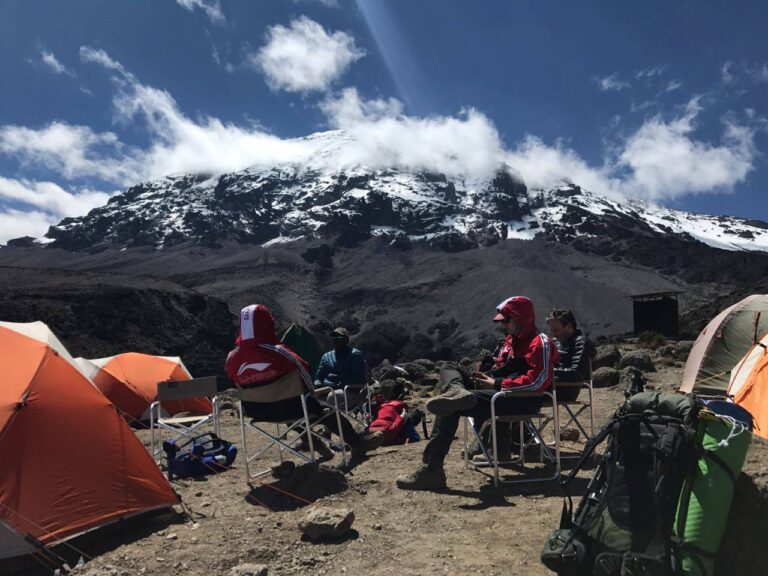
Kilimanjaro Climb With Private Satellite Communication: Safety, Options & Top
Essential guide to climbing Mount Kilimanjaro with private satellite communication, detailing safety benefits, equipment, route considerations, and how to choose the best operator for your...
View package details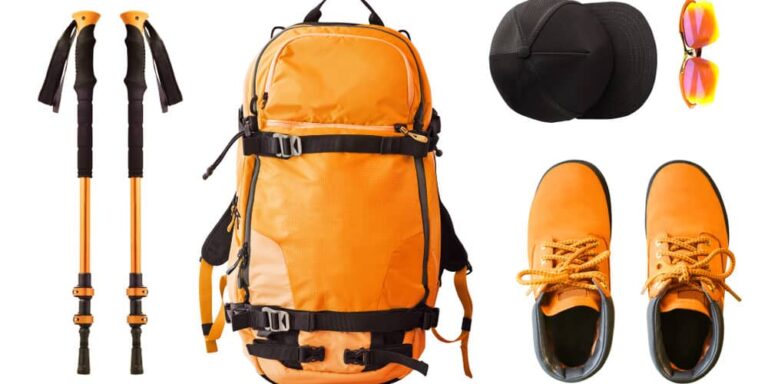
Kilimanjaro Climb With Twice-Daily Health Checks | Top Guide Adventures
Ensure your safety and maximize your chances of summit success on Mount Kilimanjaro with Top Guide Adventures' commitment to twice-daily health checks. Our expert guides meticulously...
View package details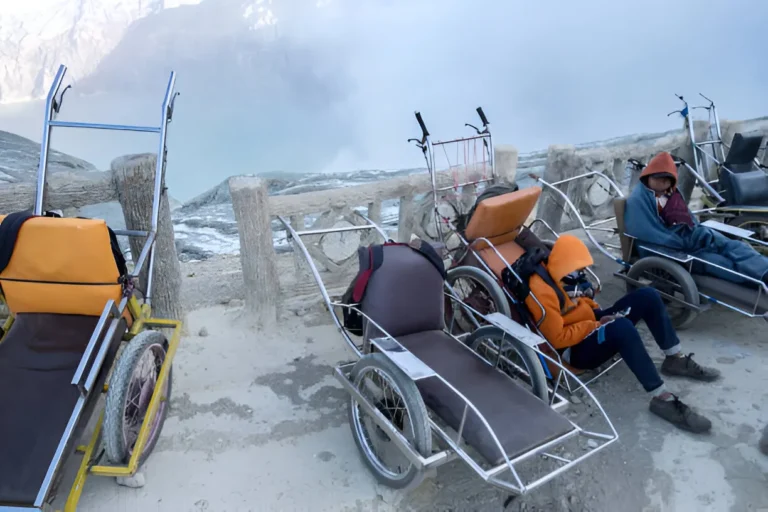
Kilimanjaro Climb With A Personal Support Assistant: Your Ultimate Guide
Climbing Mount Kilimanjaro with a personal support assistant offers unparalleled safety, comfort, and focus on your summit goals. This guide details what a personal assistant entails, its...
View package details
Kilimanjaro Hydration Mistakes Climbers Make And How To Avoid Them 2026-2027
Proper hydration is critical for a successful Kilimanjaro climb. This guide details common hydration mistakes climbers make, from under-drinking to choosing the wrong fluids, and provides...
View package details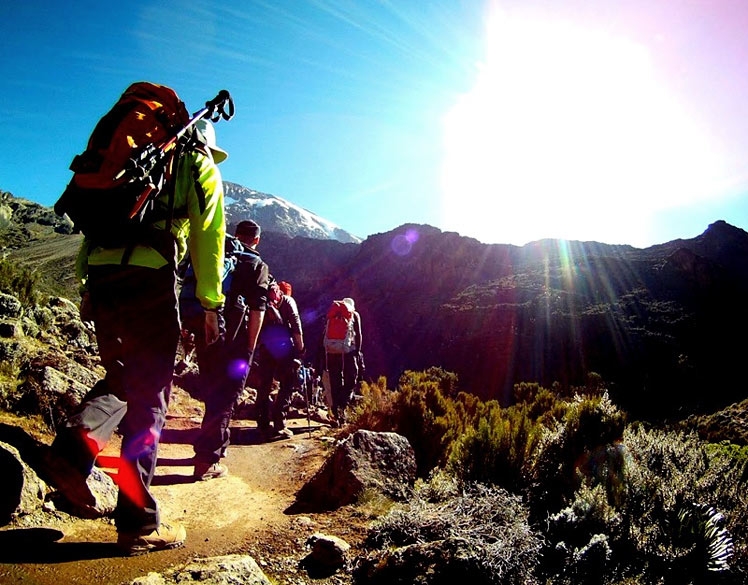
Kilimanjaro Summit-Night Mistakes To Avoid: Your Essential Guide For Climbs
Summit night on Kilimanjaro is the most challenging part of the climb. Avoiding common mistakes in acclimatization, gear, hydration, and pacing is crucial for success. This guide details...
View package details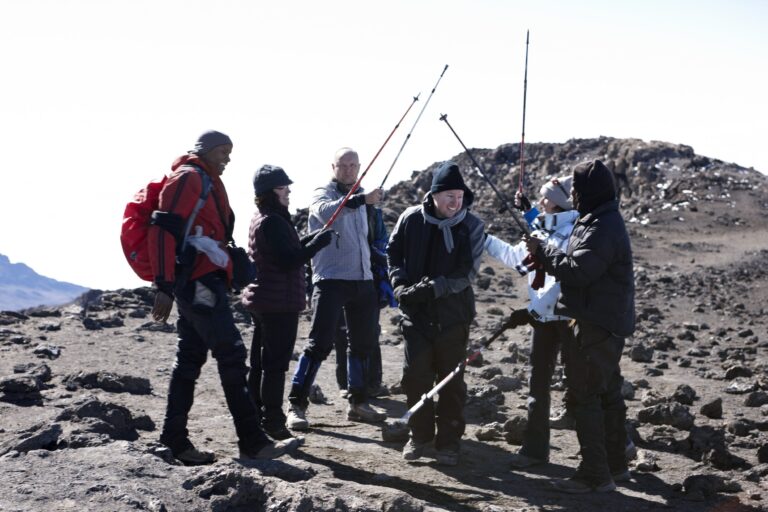
Kilimanjaro Airport Vs Arusha For Climbers: The Definitive Guide 2026-2027
A comprehensive comparison of Kilimanjaro International Airport (JRO) and Arusha Airport (ARK) for trekkers planning a Mount Kilimanjaro climb, detailing pros, cons, and booking advice for...
View package details
Kilimanjaro Climb For Retired Couples: Planning Your Adventure 2026-2027
Planning a Kilimanjaro climb as a retired couple is an achievable and rewarding goal. This guide offers in-depth advice on route selection, physical preparation, essential gear, and the...
View package details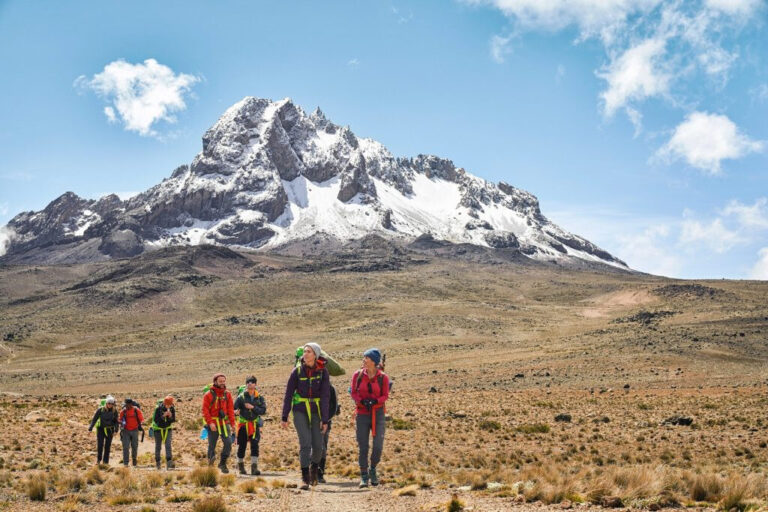
Can A 16-Year-Old Climb Kilimanjaro? Your Essential Guide 2026-2027
Discover if a 16-year-old can summit Kilimanjaro. This comprehensive guide covers age requirements, health, fitness, essential gear, and planning for younger trekkers aiming for Africa's...
View package details
Content For Parents And Young Climbers: Conquering Kilimanjaro Safely
Planning a Kilimanjaro climb with children or as a young climber requires special attention. This guide provides comprehensive content for parents and young adventurers, covering...
View package details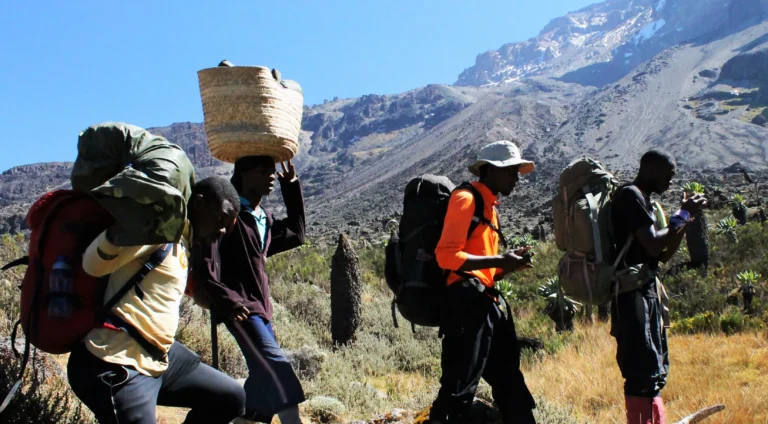
Kilimanjaro Tree-Planting Climbing Package Guide
Combine your dream Kilimanjaro climb with a meaningful conservation effort. Our Kilimanjaro Tree-Planting Climbing Package allows you to ascend Africa's highest peak while actively...
View package details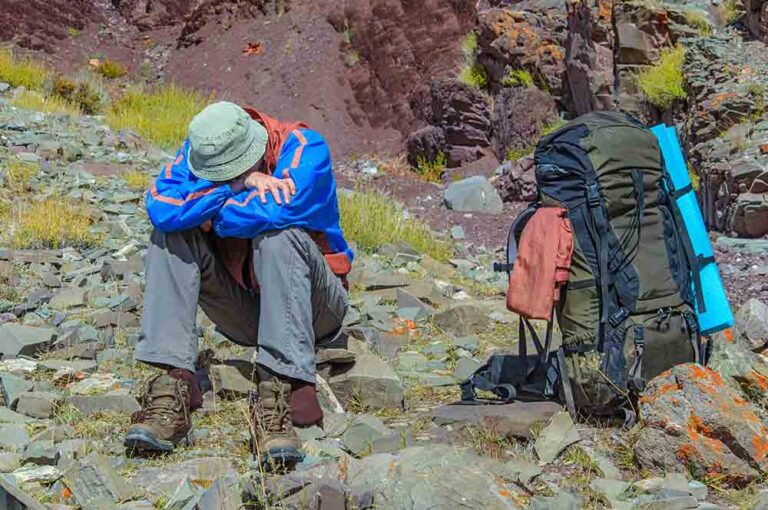
What Happens If It Rains Throughout Your Kilimanjaro Climb? 2026-2027
What Happens If It Rains throughout Your Kilimanjaro Climb? is explained with current 2026-2027 planning, price, itinerary and booking information.
View package detailsNo related package matches those filters. Clear one or more filters to see the other topic-matched options.



