
A Kilimanjaro climb with private satellite communication ensures you have a reliable, personal link to emergency services and loved ones, regardless of mobile network coverage on the mountain, significantly enhancing safety and peace of mind for trekkers planning expeditions in 2026 and 2027.
The Imperative of Private Satellite Communication on Kilimanjaro
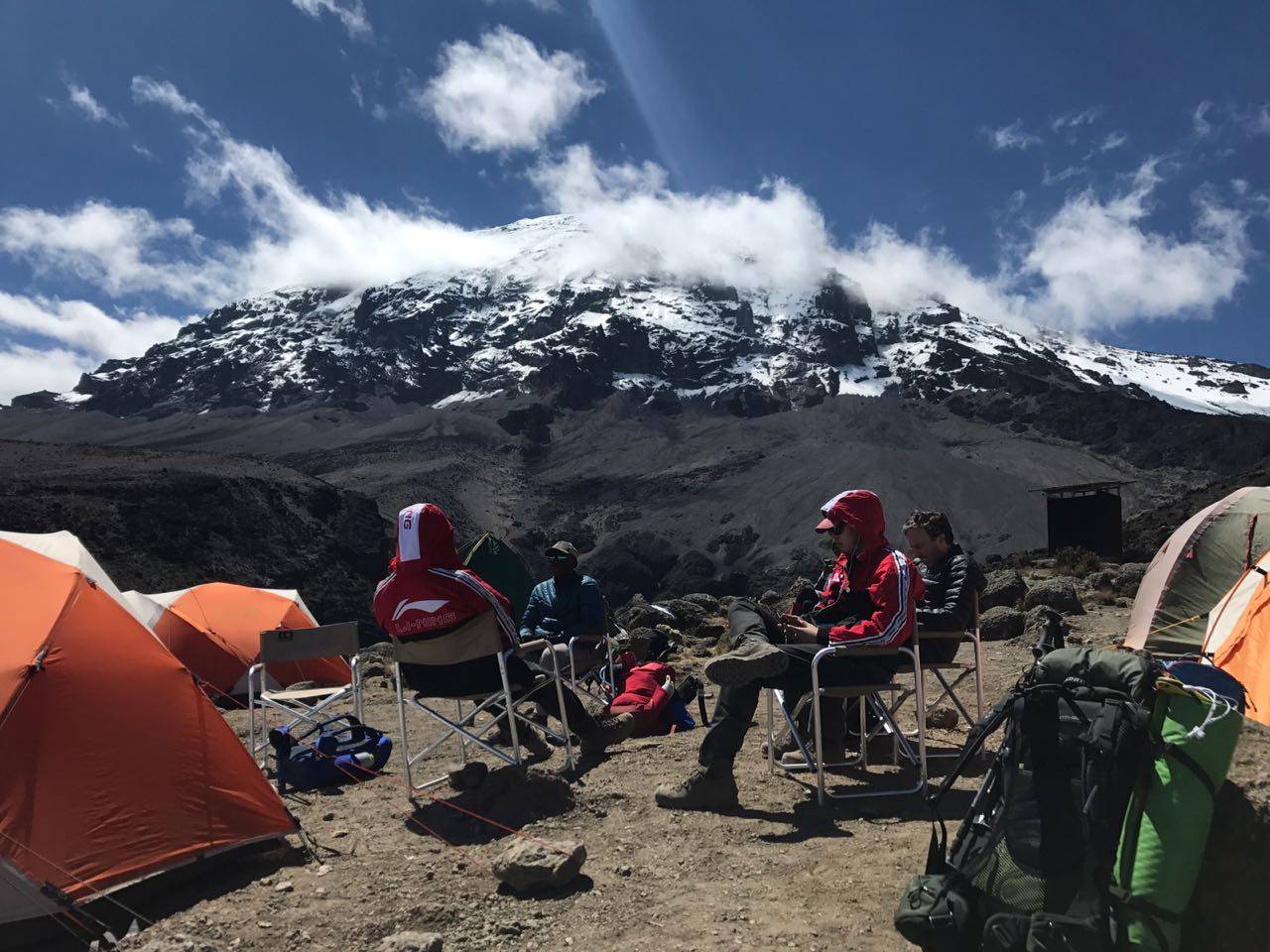
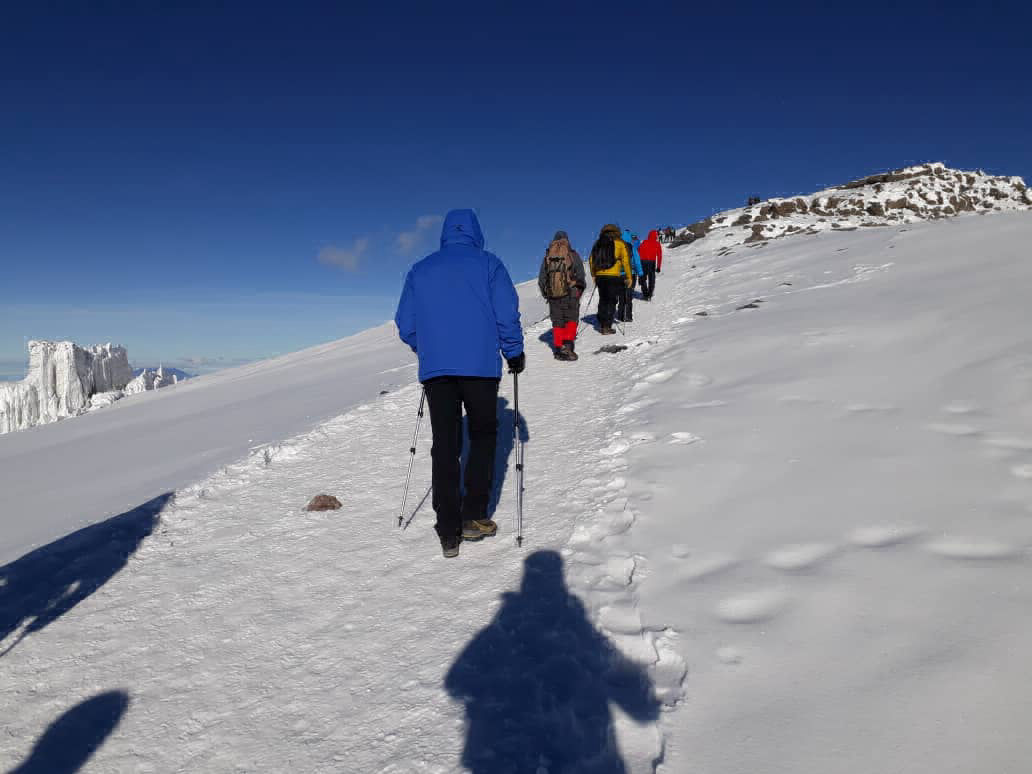
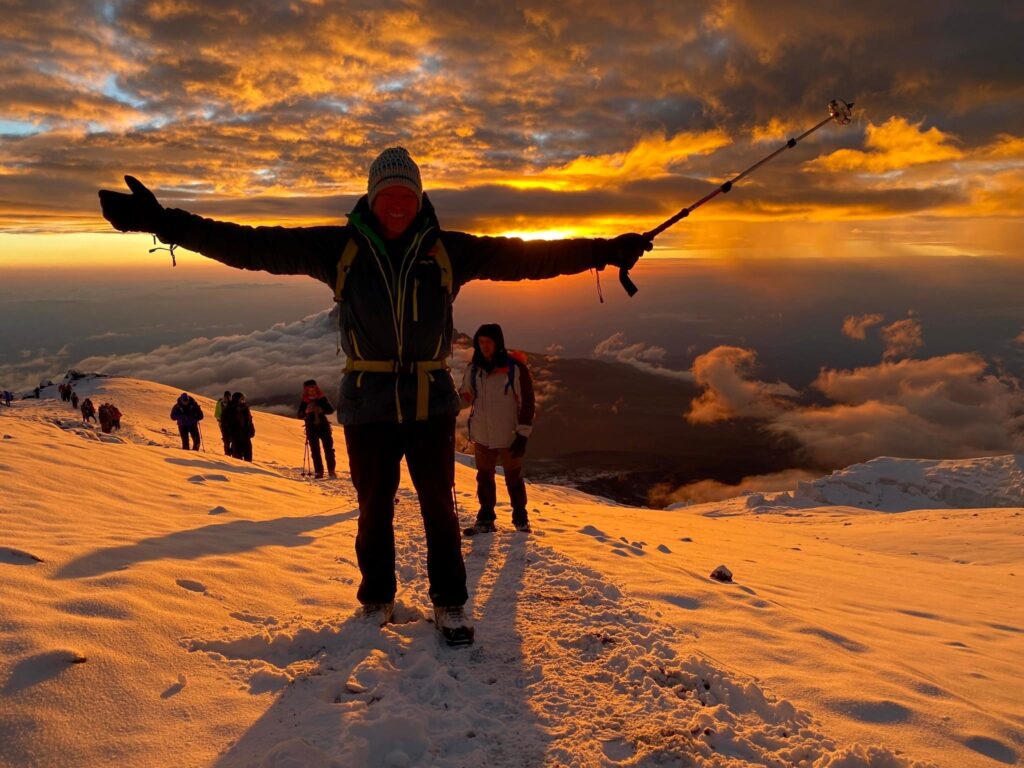
Mount Kilimanjaro, Africa’s highest peak, is a dream destination for trekkers worldwide. Its majestic presence and challenging ascent attract thousands each year. While the journey is exhilarating, it also presents inherent risks. The remoteness of the mountain means that traditional mobile phone coverage is virtually non-existent above certain altitudes. This is where private satellite communication becomes not just a convenience, but a critical safety feature. For your 2026 or 2027 climb, understanding and securing this technology is paramount.
Top Guide Adventures recognizes the growing importance of reliable communication for trekkers. Our commitment to client safety means we advocate for and facilitate the use of personal satellite devices. This article will guide you through why private satellite communication is essential for a Kilimanjaro climb, the types of devices available, how they work, and what to look for when choosing an operator that prioritizes this vital aspect of your expedition.
Why Traditional Communication Fails on Kilimanjaro
The slopes of Kilimanjaro are vast and often unforgiving. While towns at the base, like Moshi, have excellent cellular service, this quickly dissipates as you ascend. By the time you reach the lower forest zones, signal strength diminishes significantly. As you climb higher, through moorland, alpine desert, and the arctic summit zone, any hope of a reliable mobile signal vanishes completely. This creates a communication void where:
- Emergency Response is Delayed: In case of altitude sickness, injury, or any other medical emergency, immediate contact with rescue teams or park rangers is impossible without a dedicated satellite device. This delay can be critical.
- Personal Reassurance is Lost: Family and friends back home often worry. Without a way to send brief status updates, their anxiety can be immense. A satellite device allows for scheduled check-ins.
- Logistical Coordination is Hampered: While guides carry communication devices, having your own personal unit adds an extra layer of redundancy and allows for direct, private communication if needed.
The Tanzania National Parks Authority (TANAPA) has improved some communication infrastructure, but it is generally for park rangers and guides, not for individual tourist use across the entire mountain. Relying solely on your guide’s radio or satellite phone can be risky; what if their device malfunctions or they are separated from you?
The Role of Private Satellite Communication in Trekking Safety
Private satellite communication devices offer a lifeline in remote environments. They connect to orbiting satellites, allowing for two-way messaging and, in some cases, voice calls, from virtually anywhere on Earth. For a Kilimanjaro climb, this means:
- Instant Emergency Alerts: Devices with an SOS button can send an immediate alert with your GPS coordinates to a global emergency response center.
- Regular Check-ins: Most devices allow you to send pre-set or custom messages to designated contacts, providing updates on your progress and well-being.
- Weather Updates: Some devices can download localized weather forecasts, crucial for planning your summit push and understanding changing conditions.
- Peace of Mind: Knowing you have a reliable communication channel significantly reduces stress for both the trekker and their family.
When planning your Kilimanjaro climb with private satellite communication for 2026 or 2027, it’s crucial to understand the different types of devices and their capabilities.
Types of Private Satellite Communication Devices for Kilimanjaro
Several types of satellite communication devices are suitable for a Kilimanjaro expedition. The choice often depends on your budget, desired features, and the level of connectivity you need. Top Guide Adventures can guide you on the best options for your specific trek.
Satellite Messengers (e.g., Garmin inReach, Zoleo)
These are arguably the most popular and practical choice for trekkers. They are compact, relatively lightweight, and designed for two-way messaging and SOS functionality.
- Key Features:
- Two-way text messaging
- GPS tracking and location sharing
- SOS button for emergency services
- Weather forecast capabilities
- Ability to pair with smartphones for easier typing and map viewing
Pros: Relatively affordable subscription plans, durable, long battery life, excellent for regular check-ins and emergency use. Garmin inReach Mini 2, for instance, is a popular choice due to its size and functionality.
Cons: Messaging can be slower than cellular, voice calls are not supported.
Satellite Phones (e.g., Iridium, Inmarsat)
Satellite phones offer voice call capabilities, which can be crucial in certain emergency situations. They operate on a global network, ensuring coverage even in the most remote areas.
- Key Features:
- Voice calls
- SMS messaging
- Global coverage
Pros: Ability to speak directly to emergency services or contacts, provides a more immediate form of communication. Iridium 9555 is a well-regarded model.
Cons: Significantly more expensive to purchase and operate than satellite messengers, bulkier, and battery life can be shorter. Call quality can sometimes be affected by atmospheric conditions.
Personal Locator Beacons (PLBs)
PLBs are primarily designed for emergency use only. They transmit a distress signal with your location to search and rescue services but do not offer two-way communication.
- Key Features:
- Single-button SOS activation
- Transmits location to rescue services
Pros: Simple to operate in an emergency, reliable for distress signaling, often no subscription fees (though registration is required). ACR ResQLink is a common example.
Cons: No two-way communication, no tracking or check-in features, only for emergencies. This makes them less ideal for general peace of mind on a multi-day trek like Kilimanjaro.
Choosing the Right Device for Your Kilimanjaro Climb
For most Kilimanjaro climbers planning for 2026 or 2027, a satellite messenger like a Garmin inReach or Zoleo offers the best balance of functionality, cost, and usability. It allows for essential check-ins with family, GPS tracking for your expedition, and the critical SOS function. If budget is less of a concern and you prioritize voice communication for absolute emergency scenarios, a satellite phone might be considered, though it’s often overkill for the average trekker when a messenger suffices.
Top Guide Adventures recommends that all our clients consider renting or purchasing a satellite messenger for their Kilimanjaro climb. We can assist you in selecting the right device and ensure you understand its operation before you depart.
How Private Satellite Communication Works on Kilimanjaro
Understanding the technology behind satellite communication can help demystify its use and build confidence for your 2026-2027 Kilimanjaro adventure.
The Satellite Network
Devices connect to a network of satellites orbiting the Earth. Depending on the provider, these can be:
- Low Earth Orbit (LEO) Satellites: These orbit closer to Earth, allowing for smaller antennas and lower latency. Many satellite messengers use LEO constellations.
- Geostationary Orbit (GEO) Satellites: These orbit much higher and appear stationary from Earth, covering larger areas. Satellite phones often use GEO satellites.
The device transmits a signal that is picked up by the nearest satellite. This signal is then relayed to a ground station, which routes it to the intended recipient – whether it’s an emergency response center or a contact’s email or phone number.
GPS Integration
A key feature of most satellite messengers is integrated GPS. This allows the device to:
- Determine Your Location: Essential for sending accurate coordinates in an SOS situation.
- Track Your Progress: You can set the device to record your route at set intervals, creating a digital breadcrumb trail of your climb. This is also useful for your expedition team to monitor your progress.
- Share Your Location: Many devices allow you to share a link with friends and family, enabling them to follow your journey in near real-time via a web map.
Subscription Plans
Unlike mobile phones, satellite devices require specific subscription plans. These plans vary based on:
- Monthly Fees: A base fee to keep the device active.
- Included Messages: A certain number of free outgoing messages per month.
- SOS Coverage: This is usually included in all plans but is critical to verify.
- Data/Tracking: Fees may apply for continuous GPS tracking or data services.
For a Kilimanjaro climb, you’ll typically need a plan that covers the duration of your trek. Many providers offer seasonal or short-term plans, which are ideal. Ensure your plan is active and covers Tanzania before you depart for your 2026 or 2027 climb.
Battery Life and Power Management
Battery life is a critical consideration for multi-day treks. Kilimanjaro climbs can last anywhere from 5 to 10 days or more. Satellite devices consume more power when actively transmitting or using GPS.
- Typical Battery Life: Varies from a few days (with constant tracking) to several weeks (in standby mode).
- Charging: Most devices can be charged via USB power banks, which are essential for multi-day expeditions.
- Power Saving Tips: Turn off unnecessary features, reduce tracking intervals, and keep the device warm in cold conditions (cold drains batteries faster).
Top Guide Adventures advises carrying a reliable, high-capacity power bank (at least 10,000-20,000 mAh) to keep your satellite device charged throughout your Kilimanjaro climb.
Essential Features for a Kilimanjaro Satellite Communication Setup
When selecting a device or service for your Kilimanjaro climb with private satellite communication, certain features are non-negotiable. Top Guide Adventures emphasizes these for your safety and comfort during your 2026-2027 expedition.
SOS Functionality: The Ultimate Safety Net
This is the most critical feature. A dedicated SOS button, when activated, sends an immediate alert with your precise GPS coordinates to a global emergency response coordination center. These centers are staffed 24/7 and are equipped to initiate rescue operations. For Kilimanjaro, this could mean contacting park rangers or specialized mountain rescue teams.
Two-Way Messaging for Practicality
While an SOS is for dire emergencies, two-way text messaging is invaluable for:
- Daily Check-ins: Sending a quick message to family saying, “Made it to Barafu Camp, all well.”
- Coordination with Guides: If you are separated from your group or need to communicate a minor issue.
- Receiving Updates: Some services allow your contacts to send messages to you, which can be useful for relaying important information.
GPS Tracking and Sharing
The ability to track your route and share your location provides:
- Real-time Progress Monitoring: For your expedition team and concerned loved ones.
- Route Archiving: A digital record of your trek, which can be a great memento.
- Navigation Aid: While not a primary navigation tool, seeing your path on a map can be helpful.
Weather Forecasting
Kilimanjaro’s weather can change rapidly, especially at higher altitudes. Having access to localized weather forecasts directly on your device can help you and your guides make informed decisions about summit attempts and daily movements.
Durability and Water Resistance
Your device will be exposed to dust, rain, and potentially snow. Ensure it has a good IP rating for water and dust resistance. It should also be rugged enough to withstand accidental drops.
Battery Life and Charging Options
As mentioned, long battery life is essential. The ability to recharge using a USB power bank is a must-have. Consider devices that offer efficient power usage and have easily replaceable batteries if applicable.
Top Guide Adventures’ Approach to Satellite Communication on Kilimanjaro
At Top Guide Adventures, we prioritize your safety above all else. We understand that a Kilimanjaro climb is a significant undertaking, and we want to ensure you have the best possible support, especially concerning communication. For your 2026 or 2027 expedition, here’s how we integrate private satellite communication into our service:
Mandatory Satellite Device Policy
While we equip our lead guides with satellite phones or messengers, we strongly recommend, and in many cases, require, that each trekker carries their own personal satellite messenger. This provides an unparalleled level of individual safety.
Device Rental and Purchase Assistance
We have partnered with reputable providers to offer rental options for satellite messengers directly through us. This is often the most cost-effective solution for a single climb. If you prefer to purchase your own device, we can provide recommendations and advice on models that are well-suited for Kilimanjaro.
Rental package includes:
- Satellite messenger device (e.g., Garmin inReach Mini 2)
- Active subscription plan for the duration of your trek
- Power bank and charging cables
- Briefing on device operation
Pre-Trip Briefing and Training
Before you start your Kilimanjaro climb, our team will provide a comprehensive briefing on how to use your satellite communication device. This includes:
- Setting up emergency contacts
- Understanding the SOS function
- Sending and receiving messages
- Using GPS tracking and sharing features
- Battery management
We want you to feel confident and prepared to use your device effectively, whether for a routine check-in or an emergency.
Integration with Guide Communication
Our guides are trained in emergency protocols and are equipped with their own communication devices. Your personal satellite messenger acts as a crucial backup and personal communication tool, complementing the overall communication strategy managed by your guide. This layered approach ensures maximum safety.
Choosing Your Kilimanjaro Climb Operator in 2026-2027
When selecting a tour operator for your Kilimanjaro climb in 2026 or 2027, prioritize companies that explicitly mention and facilitate private satellite communication for their clients. This indicates a commitment to modern safety standards.
Questions to ask potential operators:
- Do you require or strongly recommend personal satellite communication devices for climbers?
- Do you offer satellite device rental services? What are the costs?
- What type of devices do your guides carry?
- What are your emergency response protocols?
Top Guide Adventures is proud to be among the leading operators in Tanzania that place such a high emphasis on client safety through advanced communication tools.
Planning Your Kilimanjaro Climb with Private Satellite Communication in 2026-2027
Successful planning is key to a memorable and safe Kilimanjaro climb. Integrating private satellite communication into your preparations is a vital step.
When to Book Your Kilimanjaro Climb
The best times to climb Kilimanjaro are during the dry seasons: January to March and June to October. These periods offer clearer skies and more stable weather, ideal for summiting. Popular months can book up quickly, especially for 2026 and 2027. Booking at least 6-12 months in advance is recommended to secure your preferred dates and route.
Choosing the Right Route
The route you choose impacts the duration of your climb, acclimatization profile, and scenery. Routes with longer durations generally offer better acclimatization and higher success rates. For a Kilimanjaro climb with private satellite communication, consider routes that:
- Offer Longer Durations: Marangu (5-6 days), Machame (6-7 days), Lemosho (7-8 days), Northern Circuit (9-10 days). Longer routes allow for better acclimatization, reducing the risk of altitude sickness.
- Are Less Crowded: Routes like the Lemosho or Northern Circuit offer a more serene experience, though they may be more expensive.
No matter the route, your satellite device will be invaluable from the moment you leave the park gate until your return.
What’s Included in a Top Guide Adventures Package
When you book a Kilimanjaro climb with Top Guide Adventures, we aim for comprehensive packages that cover most essentials, allowing you to focus on the climb itself. Our standard packages typically include:
- Professional Guides and Support Crew: Experienced, certified guides, assistant guides, cooks, and porters.
- Park Fees: All necessary entry, camping, and rescue fees.
- Accommodation: Camping equipment (tents, sleeping mats) or hut accommodation on the Marangu route.
- Meals: All meals during the trek, prepared by our expert cooks.
- Transfers: Airport transfers and transport to/from the mountain.
- Safety Equipment: First-aid kits, oxygen cylinders, and a satellite communication device for the lead guide.
Optional Add-ons:
- Personal Satellite Messenger Rental: As discussed, this is highly recommended.
- Sleeping Bag Rental
- Trekking Pole Rental
We encourage you to review our detailed itineraries for 2026-2027. For specific inclusions regarding satellite communication, please inquire directly.
Costs and Budget Considerations for 2026-2027
The cost of a Kilimanjaro climb varies significantly based on the route, duration, operator, and level of service. A Kilimanjaro climb with private satellite communication will have additional costs if you rent or purchase a device.
Factors influencing cost:
- Route Length: Longer routes are more expensive due to more days of park fees and crew services.
- Operator Quality: Reputable operators with excellent safety records and fair porter wages often cost more but provide a superior and safer experience.
- Group Size: Private climbs are more expensive per person than group climbs.
- Inclusions: Packages that include more gear rentals or higher-end services will cost more.
Estimated Cost Range (per person for a 6-8 day climb with a reputable operator):
- Budget Operators: $1,500 – $2,000 (May have fewer safety features or lower crew support).
- Mid-Range/Standard Operators (like Top Guide Adventures): $2,000 – $3,000 (Excellent safety, good crew welfare, reliable equipment).
- Luxury/Premium Operators: $3,000+ (Higher comfort levels, smaller groups, potentially more personalized service).
Additional Costs to Budget For:
- Satellite Messenger Rental: Approximately $80 – $150 USD for the duration of the climb, depending on the device and plan.
- Tips for Crew: A significant part of the crew’s income. Budget around $250 – $350 USD per climber for the entire trek.
- Travel Insurance: Must cover high-altitude trekking and emergency evacuation.
- Flights to Kilimanjaro International Airport (JRO)
- Personal Gear: Trekking clothes, boots, backpack, etc.
- Visas and Vaccinations
- Personal Expenses: Drinks, snacks, souvenirs.
For a precise quote for your 2026 or 2027 Kilimanjaro climb including satellite communication rental, please contact Top Guide Adventures directly.
Preparing for Your Kilimanjaro Climb with Satellite Communication
Beyond booking and gear, thorough preparation is crucial for a successful Kilimanjaro climb, especially when incorporating private satellite communication.
Physical Training
Kilimanjaro is a strenuous trek. Focus on cardiovascular fitness, leg strength, and endurance. Hiking with a weighted backpack on varied terrain is highly recommended. Train for at least 3-6 months prior to your climb.
Acclimatization Strategy
The most common cause of failure on Kilimanjaro is altitude sickness. Choose a longer route (7+ days) for better acclimatization. Ascend slowly, drink plenty of fluids, and avoid alcohol and strenuous activity on ascent days. Your guides will monitor you closely.
Packing Essentials
A detailed packing list will be provided by Top Guide Adventures, but key items include:
- Layered clothing (base, mid, and outer layers)
- Waterproof and windproof outer shell
- Warm hat, gloves, and balaclava
- Sturdy, broken-in hiking boots
- Headlamp with extra batteries
- Sunscreen, sunglasses, and lip balm
- Water bottles or hydration reservoir (at least 3 liters capacity)
- Portable Power Bank (for charging satellite device and phone)
- Satellite Messenger (personal device)
- Trekking poles (optional but recommended)
Mental Preparation
Kilimanjaro is as much a mental challenge as a physical one. Be prepared for long days, cold temperatures, and potential discomfort. Maintaining a positive attitude and focusing on your goal are vital. The security of having a satellite communication device can significantly boost mental resilience.
Beyond the Climb: Post-Trek and Continued Safety
Your Kilimanjaro climb with private satellite communication doesn’t end when you descend. The preparedness and peace of mind it offers can extend to other adventures.
Sharing Your Experience
The GPS tracks and photos you capture using your satellite-connected smartphone can be a wonderful way to share your Kilimanjaro journey with friends and family. Many devices allow you to easily download your trip data upon return.
Future Adventures
If you enjoyed the security of a satellite device on Kilimanjaro, consider it for future treks, safaris in remote areas, or any travel where reliable communication is uncertain. Top Guide Adventures can help plan other Tanzanian adventures, such as safaris in the Serengeti or trips to Zanzibar, where having a communication backup can be beneficial.
Staying Connected Post-Trip
If you rented a device, ensure you follow the return procedures. If you purchased one, keep your subscription active if you plan further remote travel, or know how to reactivate it. Understanding your device’s capabilities will serve you well for any future expeditions in 2027 and beyond.
Frequently Asked Questions about Kilimanjaro Climbs and Satellite Communication
Here are answers to common questions regarding Kilimanjaro climbs and the use of private satellite communication devices.
Q1: Is a satellite phone or messenger mandatory for climbing Kilimanjaro?
While not strictly mandatory by park regulations for every individual, reputable operators like Top Guide Adventures strongly recommend or require trekkers to carry a personal satellite messenger. Lead guides are equipped with communication devices, but personal devices add a critical layer of safety. For 2026-2027 climbs, we consider it essential.
Q2: Can I use my regular mobile phone on Kilimanjaro?
No. Mobile phone coverage is extremely limited and unreliable above the lower forest zones on Kilimanjaro. You cannot rely on your smartphone for communication during the majority of your climb.
Q3: How much does it cost to rent a satellite messenger for Kilimanjaro?
Rental costs typically range from $80 to $150 USD for the duration of your trek (usually 7-10 days), depending on the device model and the service provider. Top Guide Adventures offers competitive rental packages.
Q4: What is the best satellite communication device for Kilimanjaro?
For most trekkers, a satellite messenger such as a Garmin inReach Mini 2 or Zoleo is ideal. They offer two-way messaging, GPS tracking, and SOS capabilities at a reasonable cost and with good battery life.
Q5: Do I need a separate subscription for a rented satellite device?
No, when you rent a device through a reputable operator like Top Guide Adventures, the subscription plan covering your trek dates and destination is typically included in the rental fee.
Q6: How do I charge my satellite device on the mountain?
You will need a portable USB power bank. We recommend carrying a high-capacity power bank (10,000-20,000 mAh) to keep your device charged throughout the climb.
Q7: What happens if I need to use the SOS button?
Activating the SOS button sends an immediate distress signal with your GPS coordinates to a global emergency response center. They will attempt to contact you for more information and then coordinate with local rescue services (in this case, Kilimanjaro park rangers and rescue teams) to dispatch help.
Q8: Can my family track my progress on Kilimanjaro?
Yes, most satellite messengers allow you to share a tracking link with designated contacts. They can then view your progress on a web map, providing reassurance and allowing them to follow your adventure.
Q9: Are there specific routes on Kilimanjaro that are safer for communication?
All routes on Kilimanjaro present communication challenges above a certain altitude. The primary safety difference between routes is their acclimatization profile, not communication availability. Longer routes like Lemosho or Northern Circuit offer better acclimatization, reducing altitude sickness risk. Your satellite device provides communication safety regardless of the route.
Q10: What is the best time to climb Kilimanjaro in 2026-2027?
The best times are the dry seasons: January-March and June-October. These periods offer the most stable weather. For planning your Kilimanjaro climb with private satellite communication, booking these popular periods well in advance is advised.
Your Kilimanjaro Climb with Top Guide Adventures
Choosing the right partner for your Kilimanjaro climb is as important as choosing the right route or gear. Top Guide Adventures is dedicated to providing safe, memorable, and well-supported expeditions. Our commitment to client well-being includes integrating modern safety technologies like private satellite communication into our service offerings.
For your 2026 or 2027 Kilimanjaro climb, we offer:
- Expertly crafted itineraries for all major routes.
- Highly trained and experienced guides and crew.
- Comprehensive safety protocols, including satellite communication.
- Assistance with satellite device rental and operation.
- Fair treatment and ethical employment of our mountain crew.
- A personalized approach to your adventure, ensuring your needs are met.
We believe that a Kilimanjaro climb should be an incredible achievement, not a source of undue anxiety. By ensuring you have reliable communication through private satellite devices, we help mitigate risks and enhance your overall experience.
Ready to plan your Kilimanjaro climb with the assurance of private satellite communication? Contact Top Guide Adventures today to discuss your 2026-2027 expedition. We are here to answer all your questions and help you prepare for the adventure of a lifetime. Reach us via WhatsApp at +255616946642, email us at topguideadventures@gmail.com, or our backup email info@topguideadventures.com.
Check Availability for Kilimanjaro Climb With Private Satellite Communication: Safety, Options &…
Ready to compare dates, prices, and the best option for your group? Send the package name and travel month so the team can reply with a clear quote, availability, and what is included.
Kilimanjaro Private Climb Price For One Person: Your Guide 2026-2027
Planning a solo ascent of Mount Kilimanjaro? This guide details the Kilimanjaro private climb price for one person, covering cost factors, inclusions, and essential planning for 2026-2027.
View package details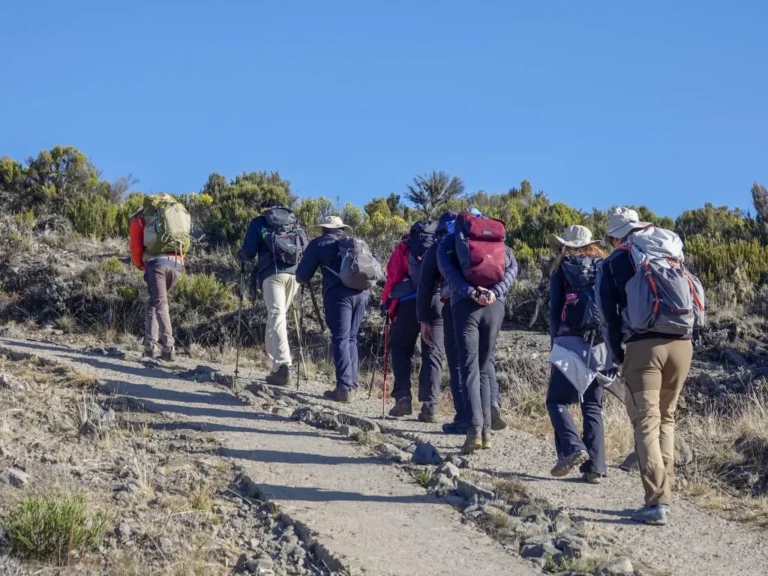
Private Kilimanjaro Climb With Flexible Daily Distances | Top Guide Adventures
Experience a custom Kilimanjaro climb with Top Guide Adventures, focusing on flexible daily distances for a personalized trek. This guide details how to plan your private ascent, route...
View package details
Kilimanjaro Climb With A Personal Support Assistant: Your Ultimate Guide
Climbing Mount Kilimanjaro with a personal support assistant offers unparalleled safety, comfort, and focus on your summit goals. This guide details what a personal assistant entails, its...
View package details
Kilimanjaro Hydration Mistakes Climbers Make And How To Avoid Them 2026-2027
Proper hydration is critical for a successful Kilimanjaro climb. This guide details common hydration mistakes climbers make, from under-drinking to choosing the wrong fluids, and provides...
View package details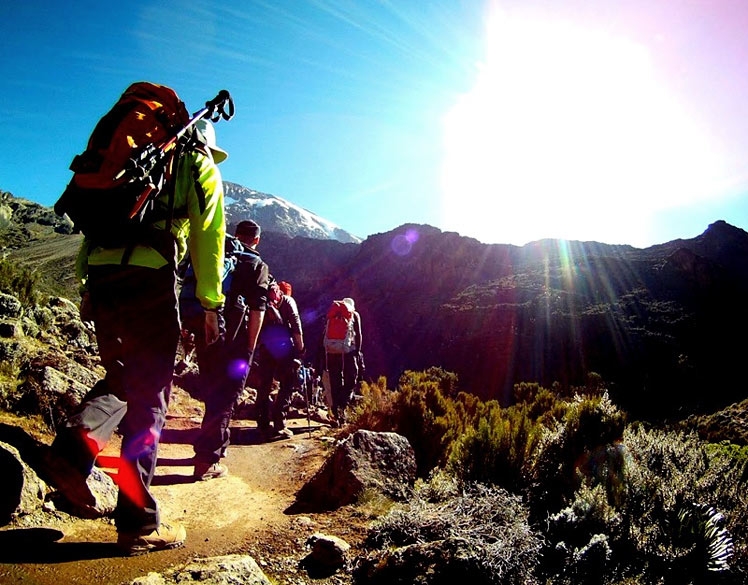
Kilimanjaro Summit-Night Mistakes To Avoid: Your Essential Guide For Climbs
Summit night on Kilimanjaro is the most challenging part of the climb. Avoiding common mistakes in acclimatization, gear, hydration, and pacing is crucial for success. This guide details...
View package details
Kilimanjaro Airport Vs Arusha For Climbers: The Definitive Guide 2026-2027
A comprehensive comparison of Kilimanjaro International Airport (JRO) and Arusha Airport (ARK) for trekkers planning a Mount Kilimanjaro climb, detailing pros, cons, and booking advice for...
View package details
Kilimanjaro Climb For Retired Couples: Planning Your Adventure 2026-2027
Planning a Kilimanjaro climb as a retired couple is an achievable and rewarding goal. This guide offers in-depth advice on route selection, physical preparation, essential gear, and the...
View package details
Can A 16-Year-Old Climb Kilimanjaro? Your Essential Guide 2026-2027
Discover if a 16-year-old can summit Kilimanjaro. This comprehensive guide covers age requirements, health, fitness, essential gear, and planning for younger trekkers aiming for Africa's...
View package details
Content For Parents And Young Climbers: Conquering Kilimanjaro Safely
Planning a Kilimanjaro climb with children or as a young climber requires special attention. This guide provides comprehensive content for parents and young adventurers, covering...
View package details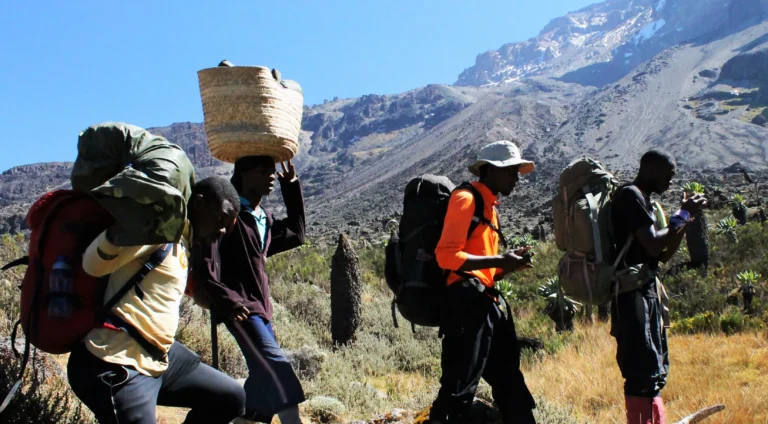
Kilimanjaro Tree-Planting Climbing Package Guide
Combine your dream Kilimanjaro climb with a meaningful conservation effort. Our Kilimanjaro Tree-Planting Climbing Package allows you to ascend Africa's highest peak while actively...
View package details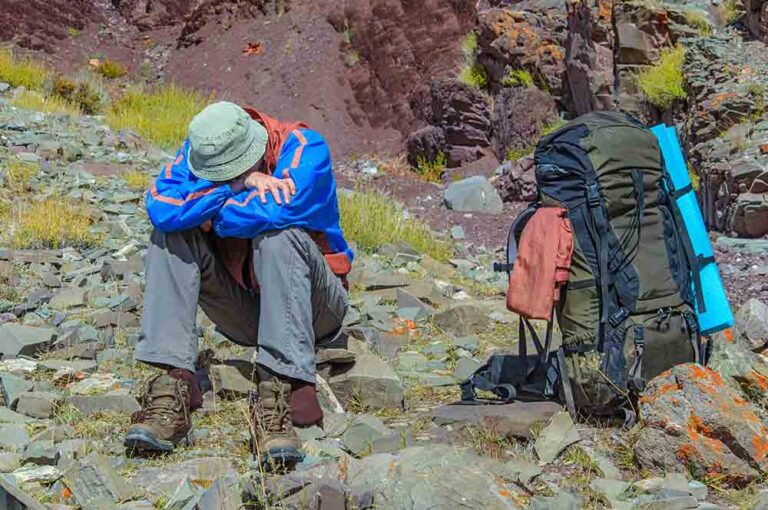
What Happens If It Rains Throughout Your Kilimanjaro Climb? 2026-2027
What Happens If It Rains throughout Your Kilimanjaro Climb? is explained with current 2026-2027 planning, price, itinerary and booking information.
View package details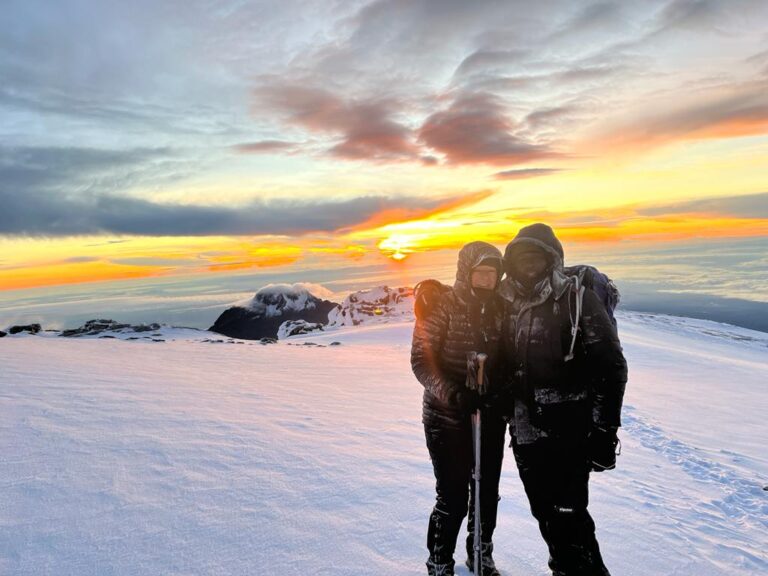
Kilimanjaro Early-Bird Climbing Discounts For Adventures 2026-2027
Plan your 2026-2027 Kilimanjaro climb and take advantage of early-bird discounts. Top Guide Adventures offers savings for those who book in advance, ensuring a memorable and affordable...
View package detailsNo related package matches those filters. Clear one or more filters to see the other topic-matched options.



