
Organizing a Kilimanjaro climb with documentary film crew support involves meticulous planning, specialized logistics, and experienced guides who understand the unique demands of filming on Africa’s highest peak. Top Guide Adventures excels in providing comprehensive packages tailored for film crews, covering everything from route selection and acclimatization strategies optimized for filming schedules to ensuring safe transport of equipment, reliable power sources, and dedicated support staff for your 2026 or 2027 expedition.
Comprehensive Planning for Kilimanjaro Filming Expeditions
Ascending Mount Kilimanjaro is a significant undertaking for any trekker. When you add the complexities of a documentary film crew, the planning requirements multiply. This isn’t just about reaching the summit; it’s about capturing compelling footage, managing sensitive equipment in extreme conditions, and ensuring the safety and well-being of a larger team, all while adhering to a filming schedule. Top Guide Adventures recognizes these unique challenges and offers specialized services designed to facilitate successful filming expeditions on Kilimanjaro. Our expertise ensures that your documentary film crew has the support needed to focus on storytelling, not just logistics.
For expeditions planned for 2026 and 2027, early planning is crucial. The demand for climbing permits, especially for routes that might be preferred for filming due to scenic beauty or accessibility, can be high. Furthermore, coordinating specialized equipment, potential drone usage (which requires specific permissions), and ensuring adequate power for charging batteries are all elements that demand foresight. Our team works closely with you from the initial concept phase to develop a bespoke itinerary that balances climbing objectives with filming requirements, ensuring a practical and achievable plan for your documentary film crew.
Understanding the Unique Demands of Filming on Kilimanjaro
Filming on Kilimanjaro presents a distinct set of challenges compared to a standard trek. The altitude, extreme weather conditions, and the sheer physical exertion required for the climb are amplified when carrying camera equipment, setting up shots, and maintaining operational readiness. Film crews need to consider:
- Equipment Resilience: Cameras, lenses, batteries, and lighting equipment must withstand freezing temperatures, high winds, and significant humidity. Specialized protective gear and acclimatization protocols for electronics are essential.
- Power Management: Access to reliable power sources for charging batteries is a major concern. Expedition-grade power banks, portable solar chargers, and potentially generators for base camps need to be factored into the logistical plan.
- Crew Well-being: Beyond the physical demands of the climb, crew members must manage the psychological stress of prolonged periods in harsh environments. Ensuring adequate rest, nutrition, and mental support is vital for maintaining productivity and safety.
- Permitting and Regulations: Filming permits, especially for drone usage or commercial projects, require advance application and approval from Tanzanian authorities. Understanding and navigating these regulations is part of our service.
- Time Constraints: Documentaries often operate on tight schedules. Balancing the pace required for acclimatization and safe climbing with the time needed for filming scenes requires careful itinerary design.
Top Guide Adventures is equipped to address each of these points, providing a robust framework for your Kilimanjaro climb with documentary film crew support. We understand that your focus is on telling a story, and our mission is to remove the logistical and operational obstacles so you can achieve your creative vision.
Choosing the Right Kilimanjaro Route for Your Film Crew
The route you select for your Kilimanjaro climb significantly impacts the filming potential, the crew’s acclimatization, and the overall expedition experience. Each route offers different scenery, acclimatization profiles, and logistical considerations, all of which are critical for a film crew. Top Guide Adventures helps you evaluate these options based on your specific filming needs and crew capabilities for 2026-2027 expeditions.
Marangu Route: The “Coca-Cola” Trail
The Marangu Route is the oldest and most established route. It’s known for its relatively gradual ascent and the unique accommodation in dormitory-style huts, offering a different experience than camping. While convenient, its direct ascent profile means lower acclimatization rates, which can be a challenge for a film crew needing to maintain peak performance.
- Pros for Filming: Hut accommodation provides a consistent shelter for equipment and crew, potentially offering a more stable environment for reviewing footage or charging batteries in a communal setting. The scenery is classic Kilimanjaro.
- Cons for Filming: Lower success rates due to poor acclimatization. The direct ascent profile means less time to adapt to altitude. Huts can be crowded, potentially limiting privacy for sensitive filming or equipment storage.
- Suitability: Best for crews who prioritize comfort over acclimatization or who have prior high-altitude experience and are confident in their ability to manage altitude sickness. It might be less ideal for crews needing extensive time for scene setup in varied locations.
Machame Route: The “Whiskey” Route
The Machame Route is widely considered one of the most scenic and offers excellent acclimatization profiles, making it a popular choice for both trekkers and, increasingly, film crews. It involves camping throughout the trek.
- Pros for Filming: Superior acclimatization due to its “climb high, sleep low” profile. Offers diverse and stunning scenery, providing excellent backdrops for filming. Camping allows for greater flexibility in setting up camp locations and filming around them.
- Cons for Filming: Requires more physical effort due to steeper ascents in sections. Camping logistics (tents, cooking, etc.) add to the overall load.
- Suitability: Highly recommended for film crews focused on capturing diverse landscapes and who can manage the camping logistics. The improved acclimatization increases the likelihood of success for the entire team, crucial for any filming schedule. We offer Machame Route group departures which could potentially accommodate a film crew looking for shared logistics and cost benefits in 2026-2027.
Lemosho Route: The Premier Scenic Option
The Lemosho Route is renowned for its impressive scenery and excellent acclimatization. It’s longer than Machame, offering a more gradual ascent and a more remote, wild experience.
- Pros for Filming: Exceptional photographic opportunities with diverse landscapes, including forests, moorlands, and alpine deserts. Excellent acclimatization profile. Less crowded in the initial stages, offering more privacy and fewer distractions for filming.
- Cons for Filming: Longer duration (typically 7-8 days), which increases costs and time commitment. More remote sections may require more complex logistical planning for equipment transport.
- Suitability: An excellent choice for documentary film crews prioritizing stunning visuals and a higher chance of summit success through superior acclimatization. The extended duration can be beneficial for capturing in-depth narrative content.
Shira Route: Similar to Lemosho, Shorter Start
The Shira Route is similar to Lemosho but starts at a higher altitude, making the initial days more challenging in terms of acclimatization. It merges with Machame later on.
- Pros for Filming: Offers spectacular views from the start. Merges with Machame, benefiting from its acclimatization and scenery later in the trek.
- Cons for Filming: High starting altitude can be difficult for some crew members, impacting initial filming energy.
- Suitability: Best for crews with proven high-altitude experience who want to maximize scenic exposure from the outset.
Rongai Route: The Northern Approach
The Rongai Route approaches Kilimanjaro from the north, near the Kenyan border. It’s known for being drier and less crowded, offering a different perspective.
- Pros for Filming: Less crowded, potentially offering more secluded filming opportunities. Offers a unique perspective of the mountain. Good acclimatization profile, though slightly less than Lemosho or Machame.
- Cons for Filming: Scenery is generally considered less dramatic than the southern routes in the initial stages.
- Suitability: A good option for crews seeking fewer crowds and a less-trodden path. It’s a reliable route with good success rates.
Northern Circuit: The Longest and Most Scenic
The Northern Circuit is the longest route, taking at least 9 days. It circumnavigates the mountain, offering the best acclimatization and most diverse views.
- Pros for Filming: Highest success rate due to excellent acclimatization. Unparalleled scenic diversity, including the remote northern slopes. More time on the mountain allows for richer storytelling and filming opportunities.
- Cons for Filming: Longest duration and highest cost. Requires the most significant time commitment from the film crew.
- Suitability: Ideal for documentary film crews aiming for the highest quality footage and success rate, and who have the time and budget for an extended expedition. This route offers the most comprehensive Kilimanjaro experience for filming.
Top Guide Adventures will discuss your specific filming objectives, crew’s fitness levels, and desired aesthetic with you to recommend the optimal route for your Kilimanjaro climb with documentary film crew support in 2026 or 2027.
Logistical Support for Film Crews: Power, Connectivity, and Equipment
The operational backbone of any filming expedition on Kilimanjaro is its logistical support. For a documentary film crew, this extends far beyond standard trekking provisions. Top Guide Adventures provides specialized logistical solutions to keep your production running smoothly at altitude.
Powering Your Production
Maintaining a consistent power supply for cameras, laptops, batteries, and communication devices is paramount. We integrate robust power solutions into your expedition plan:
- High-Capacity Power Banks: We supply and manage the charging of multiple high-capacity power banks that can store significant energy for use during treks and at camp.
- Portable Solar Panels: For longer expeditions or crews seeking a sustainable power source, we can arrange for lightweight, durable solar panels to be carried and deployed at suitable campsites.
- Generator Support (Base Camps): For base camps or specific strategic locations, we can arrange for small, quiet generators to provide more substantial power, subject to park regulations and environmental considerations.
- Battery Management Strategy: Our team assists in developing a strategy for battery conservation, charging schedules, and safe storage of spare batteries, especially in extreme cold.
Connectivity and Communication
While true real-time connectivity is limited on Kilimanjaro, maintaining communication within the crew and with base support is vital. We facilitate:
- Satellite Phones: Essential for emergency communication and for transmitting critical updates. We ensure these are fully charged and functional.
- Satellite Messengers (e.g., Garmin inReach): For non-urgent check-ins, weather updates, and basic messaging, these devices offer a reliable alternative.
- Crew Communication Devices: Walkie-talkies or similar devices for communication between different filming units or members within a localized area.
Equipment Transport and Protection
Moving sensitive camera and sound equipment safely up the mountain requires careful handling and specialized gear.
- Porters Dedicated to Equipment: We can assign specific porters whose sole responsibility is to carry the film crew’s gear, ensuring it is packed and handled with extra care.
- Protective Cases and Bags: We advise on and can provide robust, waterproof, and insulated cases and bags designed to protect equipment from extreme cold, moisture, and impact.
- Equipment Acclimatization: Just like humans, electronics can be affected by rapid temperature changes. We guide on best practices for acclimatizing equipment to prevent condensation and damage.
Our goal is to ensure that your Kilimanjaro climb with documentary film crew support is logistically sound, allowing your team to concentrate on capturing the story, not worrying about power outages or damaged equipment. This level of detailed planning is particularly important for expeditions scheduled for 2026 and 2027, where pre-booking specialized gear and services is often necessary.
Safety Protocols and Medical Support for Film Crews
Safety is paramount on any Kilimanjaro climb, but for a documentary film crew, the stakes are higher due to the presence of valuable equipment and the need to maintain crew productivity. Top Guide Adventures implements stringent safety protocols and provides comprehensive medical support tailored to the demands of a filming expedition.
Altitude Sickness Management
Altitude sickness (Acute Mountain Sickness – AMS) is the most significant risk. Our guides are highly trained in recognizing symptoms and managing AMS:
- Experienced Guides: All our lead guides are certified Wilderness First Responders and have extensive experience with high-altitude environments and managing AMS.
- Gradual Ascents: We prioritize routes and itineraries that allow for proper acclimatization, following the “pole pole” (slowly, slowly) principle. This is non-negotiable for film crews, who may be tempted to push for shots.
- Daily Health Checks: Every day, guides will monitor each crew member’s vital signs and subjective symptoms.
- Medications: We carry Diamox (Acetazolamide) for prophylaxis and treatment, and our guides are trained in its proper administration.
- Evacuation Procedures: Clear protocols are in place for immediate descent and evacuation in case of severe AMS, High Altitude Cerebral Edema (HACE), or High Altitude Pulmonary Edema (HAPE).
Comprehensive Medical Kit
Our expedition medical kits are extensive and cater to a range of potential issues:
- First Aid Supplies: Bandages, sterile dressings, antiseptic wipes, pain relievers, antihistamines, anti-diarrheal medication, and blister treatment.
- Altitude Sickness Medications: Diamox, Dexamethasone (for severe cases, administered by trained personnel).
- Other Essential Medications: Antibiotics, anti-malarials (as a precaution), rehydration salts, and personal prescriptions.
- Oxygen Cylinders: We carry supplementary oxygen, which can be a lifesaver in emergencies and is administered by our trained guides.
Environmental Hazards
Beyond altitude, other environmental factors pose risks:
- Hypothermia and Frostbite: Our guides emphasize proper layering, hydration, and recognizing early signs. We ensure crews have appropriate gear for extreme cold.
- Sunburn and Dehydration: High altitude sun is intense. We stress the importance of high SPF sunscreen, hats, sunglasses, and constant hydration.
- Trail Hazards: Steep, rocky, and icy terrain requires careful footing. Our guides ensure safe passage, especially for crew members carrying heavy camera equipment.
Top Guide Adventures’ commitment to safety ensures that your Kilimanjaro climb with documentary film crew support is conducted with the highest regard for the well-being of every team member. This meticulous approach is a cornerstone of our service for 2026-2027 expeditions.
Crew Composition and Support Staff
A successful filming expedition on Kilimanjaro requires more than just guides and porters. Top Guide Adventures helps assemble a comprehensive support team that understands the specific needs of a film crew, ensuring efficient operations and safety from base camp to the summit and back.
The Core Expedition Team
Every Top Guide Adventures expedition includes:
- Lead Guide(s): Highly experienced, certified in wilderness first aid, and knowledgeable about Kilimanjaro’s routes, weather, and altitude sickness management. For film crews, we assign guides with experience managing larger groups and understanding the need for flexibility.
- Assistant Guides: Provide additional support, especially on summit night, and help manage group pace.
- Porters: Essential for carrying tents, food, cooking equipment, and personal gear. For film crews, we can designate specific porters to carry camera equipment, sound gear, and batteries, ensuring their safe transport and handling.
- Cooks: Prepare nutritious, high-energy meals designed to sustain trekkers at altitude. They are skilled in managing camp kitchens in challenging conditions.
Specialized Support for Film Crews
To enhance a documentary film crew’s experience and operational capability, we can provide:
- Filming Logistics Coordinator: A dedicated member of our team who liaises directly with the film crew’s director or producer. This person manages equipment transport, power solutions, and daily filming-related logistics, acting as the primary point of contact for the production team.
- Camera Equipment Porters: Specially trained porters who understand the delicate nature of camera gear. They are briefed on handling procedures, temperature acclimatization for electronics, and ensuring equipment is protected from the elements.
- Sound Gear Specialists: If extensive sound recording is planned, we can arrange for support staff familiar with managing sensitive audio equipment in windy and cold conditions.
- Drone Operations Support: While drone piloting is the responsibility of the film crew, we can assist with site reconnaissance for optimal takeoff/landing zones and provide ground support where needed, adhering strictly to park regulations.
Team Size and Dynamics
The optimal team size depends on the scale of the documentary production. We work with you to determine the right number of guides, porters, and support staff to ensure:
- Efficient Pace Management: Keeping the film crew together while allowing for filming stops.
- Adequate Support: Ensuring no crew member is left behind or unsupported, especially during challenging sections or summit night.
- Resource Allocation: Properly distributing weight and responsibilities among porters and support staff.
Top Guide Adventures prides itself on assembling professional, experienced, and dedicated teams. Our tailored approach to crew composition ensures that your Kilimanjaro climb with documentary film crew support is managed by experts who understand the nuances of expedition filmmaking for 2026-2027.
Filming Considerations: Permits, Ethics, and Best Practices
Beyond the physical and logistical challenges, a documentary film crew must navigate the regulations and ethical considerations of filming within a national park and on a sacred mountain. Top Guide Adventures guides you through these important aspects to ensure your production is responsible and compliant.
Permitting for Filming
Filming within Kilimanjaro National Park, a UNESCO World Heritage Site, requires specific permissions. This is distinct from the standard trekking permits.
- Filming Permits: Commercial filming, especially for documentaries, typically requires a filming permit from the Tanzania National Parks Authority (TANAPA). This process can take time and involves detailed applications outlining the scope of the project, equipment, and crew size.
- Drone Usage: Operating drones within Tanzanian national parks is strictly regulated and often requires special permission from multiple authorities, including TANAPA and potentially the Tanzania Civil Aviation Authority (TCAA). These permits can be challenging to obtain and may come with specific restrictions on flight times and areas. We can assist in navigating this complex process.
- Photography Permits: While general photography for personal use is permitted, commercial photography may also require specific authorization depending on the scale and intent.
We strongly advise starting the permit application process well in advance of your planned expedition dates for 2026 or 2027. Top Guide Adventures can provide the necessary documentation and support required for these applications.
Ethical Filming Practices
Respect for the environment, local culture, and the mountain itself is paramount.
- Environmental Impact: Adhering to Leave No Trace principles is critical. This includes proper waste disposal, staying on designated trails, and minimizing disturbance to wildlife and vegetation. Film crews must be particularly mindful of their footprint, especially when setting up equipment or operating drones.
- Cultural Sensitivity: Kilimanjaro is a significant cultural site for local communities. Filming interactions with local guides, porters, or any community members should always be done with explicit consent and respect for their privacy and traditions.
- Respect for Fellow Trekkers: While capturing unique footage is the goal, film crews should be considerate of other climbers on the mountain, avoiding excessive noise or disruption that could detract from their experience.
Best Practices for Documentary Film Crews
To maximize efficiency and minimize disruption, consider these best practices:
- Pre-Expedition Briefings: Conduct thorough briefings with your entire film crew, covering safety protocols, filming ethics, route specifics, and daily schedules.
- Camera and Equipment Care: Implement rigorous routines for protecting equipment from the cold and moisture. This includes storing batteries in warm places (e.g., inside sleeping bags at night), using protective cases, and allowing equipment to acclimatize slowly when transitioning between temperature zones.
- Storyboarding and Shot Lists: Having a clear plan for the shots you need can save valuable time and energy on the mountain. Coordinate with your guides about potential filming locations and timing.
- Power Management Plan: Develop a detailed plan for charging batteries, utilizing solar power, and managing power banks effectively.
- Communication Protocol: Establish clear communication channels within the film crew and with the expedition support team.
Top Guide Adventures is committed to ensuring your Kilimanjaro climb with documentary film crew support is not only successful in capturing your story but also conducted responsibly and ethically. We are your partners in navigating these important considerations for your 2026-2027 filming project.
When to Climb Kilimanjaro for Filming: Seasonality and Weather
The success of any filming expedition on Kilimanjaro, especially one with the added complexities of a documentary film crew, is significantly influenced by the season and prevailing weather conditions. Understanding Kilimanjaro’s climate is key to selecting the optimal time for your Kilimanjaro climb with documentary film crew support.
Kilimanjaro’s Climate Zones
Kilimanjaro has distinct climate zones, each with unique weather patterns:
- Cultivation Zone (lower slopes): Warm and wet, with coffee and banana plantations.
- Rainforest Zone: Humid, wet, and cooler. Often experiences mist and rain.
- Heath and Moorland Zone: Drier, with more exposed vegetation, significant temperature fluctuations between day and night.
- Alpine Desert Zone: Arid, cold, with sparse vegetation. Temperatures drop significantly at night.
- Arctic Zone (summit): Extremely cold, icy, and windswept.
Best Climbing Seasons
Kilimanjaro experiences two primary dry seasons and two shorter, wetter shoulder seasons:
- Dry Season 1: January to March
This is generally considered one of the best times to climb. The weather is typically clear, with excellent visibility for filming. Temperatures are cooler, especially at higher altitudes. This period is popular, so expect more trekkers on the trails.- Pros for Filming: Clear skies, excellent visibility, stable weather, good for summit shots.
- Cons for Filming: Can be crowded, colder temperatures require robust gear for crew and equipment.
- Shoulder Season: April to May
This period marks the start of the long rainy season. Expect frequent rainfall, especially in the rainforest zone, and persistent cloud cover. This is generally not recommended for filming expeditions due to poor visibility and challenging conditions. - Dry Season 2: June to October
This is another prime climbing season, often characterized by clear skies and moderate temperatures. July, August, and September are peak months. The weather is generally stable, though occasional rain showers can occur. This season offers good filming conditions.- Pros for Filming: Good visibility, less extreme cold than Jan-Mar, stable weather.
- Cons for Filming: Can be busy, especially in August and September.
- Shoulder Season: November to December
This period sees the short rains. While not as intense as the long rains, expect intermittent showers, particularly in the afternoons. Visibility can be variable.- Pros for Filming: Fewer crowds.
- Cons for Filming: Unpredictable weather, potential for rain impacting filming and equipment.
Impact on Filming
For a documentary film crew, the choice of season is critical:
- Visibility: Clear skies are essential for capturing the dramatic landscapes of Kilimanjaro. Dry seasons (Jan-Mar and Jun-Oct) offer the best chances.
- Weather Stability: Unpredictable weather can halt filming, damage equipment, and pose safety risks. Stable dry seasons are preferred.
- Temperature: While filming, crew members and equipment need to function in cold conditions. Extremely cold periods (like July/August at the summit) require careful planning for battery life and crew comfort.
- Crowds: If your documentary requires a sense of solitude or specific framing without other trekkers, aiming for the shoulder months or less popular routes might be beneficial, but this comes with a higher risk of rain.
Top Guide Adventures recommends the dry seasons for optimal filming conditions. For expeditions in 2026 and 2027, planning your climb during January-March or June-October will significantly enhance your chances of a successful filming expedition. We can help you navigate the specific weather patterns of these seasons to best suit your production needs.
Cost Considerations for a Kilimanjaro Climb with Film Crew Support
A Kilimanjaro climb with documentary film crew support is inherently more expensive than a standard trek due to the specialized services and logistical requirements. Top Guide Adventures provides transparent pricing structures, understanding that budget is a key consideration for any production. The overall cost will depend on the route chosen, duration, number of crew members, and the specific equipment and support services required.
Factors Influencing Cost
The primary cost drivers for a film crew expedition include:
- Permits: National Park entry fees, camping/hut fees, rescue fees, and potentially separate filming permits. These are fixed per person and per day.
- Route Duration: Longer routes (like Lemosho or Northern Circuit) require more days of park fees, guide and porter salaries, food, and equipment.
- Number of Crew Members: Each additional person increases the number of guides, porters, and the overall amount of supplies needed, directly impacting costs.
- Specialized Equipment: Rental or purchase of high-capacity power banks, solar chargers, satellite communication devices, and specialized protective gear for camera equipment.
- Dedicated Support Staff: Hiring a filming logistics coordinator or extra porters specifically for camera gear adds to the operational budget.
- Filming Permits & Drone Fees: These are often separate and can be substantial, depending on Tanzanian regulations.
- Accommodation: While on the mountain, camping is standard, but pre- and post-climb hotel nights in Moshi or Arusha are additional costs.
- Insurance: Comprehensive travel and rescue insurance, including coverage for high-altitude trekking and potentially specialized equipment insurance, is essential and an added cost.
Typical Cost Breakdown (Indicative for 2026-2027)
While exact quotes are personalized, a general understanding of cost ranges can be helpful:
For a standard trek, prices can range from approximately $1,500 to $3,500 USD per person, depending on the route and operator. For a documentary film crew, this figure can easily double or triple.
A rough estimate for a Kilimanjaro climb with documentary film crew support might look like this:
- Base Expedition Cost (per person): $2,000 – $5,000+ USD (for longer routes like Lemosho/Northern Circuit, accounting for more guides/porters).
- Additional Film Crew Logistics (per expedition, not per person): $3,000 – $10,000+ USD. This covers:
- Filming permits (variable, can be $500-$2,000+ per permit).
- Drone permits (if approved, can be significant).
- Specialized power solutions (rental/purchase).
- Dedicated logistics coordinator.
- Extra porters for camera gear.
- Insurance for specialized equipment.
- Pre/Post-Climb Accommodation: $100 – $300+ USD per person for hotel nights.
- Flights: Variable, depending on origin.
Therefore, a film crew expedition could range from $5,000 to $15,000+ USD per person, heavily dependent on the scale of the production and specific requirements. For a crew of 4-6 people, the total expedition cost could be substantial.
Budgeting Tips for Film Crews
- Choose the Right Route: Shorter routes like Marangu (though less ideal for acclimatization) or Machame might offer slightly lower costs than longer ones.
- Optimize Crew Size: Carefully assess the necessity of each crew member to manage costs effectively.
- Advance Booking: Booking well in advance for 2026 and 2027 allows for better negotiation on services and ensures availability of specialized equipment and permits.
- Consider Group Departures: While a private charter is often preferred for film crews, joining a group departure for the core climbing days (if feasible with your filming schedule) could reduce costs, though this is rarely practical for full documentary operations.
Top Guide Adventures offers customized quotes based on your specific needs. Contact us to discuss your Kilimanjaro climb with documentary film crew support for 2026-2027, and we will prepare a detailed breakdown of costs tailored to your production.
Preparing Your Film Crew for Kilimanjaro: Training and Gear
The physical and mental preparation of your film crew is as critical as the logistical planning for a successful Kilimanjaro climb with documentary film crew support. High altitude and demanding conditions require a crew that is physically fit, mentally resilient, and equipped with the right gear.
Physical Training Recommendations
While you don’t need to be an elite athlete, a good level of cardiovascular fitness is essential. Film crews should focus on:
- Cardiovascular Endurance: Regular aerobic activities like running, cycling, swimming, or brisk walking for at least 3-4 times a week. Aim for sessions of 45-60 minutes.
- Strength Training: Focus on leg strength (squats, lunges) and core strength. Carrying camera equipment adds extra strain, so a strong core is vital.
- Hiking with Weight: Practice hiking on varied terrain (hills, stairs) while carrying a backpack that simulates the weight of camera gear and personal items. This helps your crew get accustomed to the load.
- Acclimatization Practice: If possible, spend time at higher altitudes before the expedition. Even spending a weekend in a mountainous area can help the body start adapting.
Mental Preparation
The psychological aspect of climbing Kilimanjaro cannot be underestimated, especially for a film crew under pressure:
- Expect Challenges: Prepare the crew for difficult moments – fatigue, cold, lack of sleep, and the monotony of long trekking days.
- Teamwork and Support: Emphasize the importance of mutual support within the film crew and with the expedition team.
- Flexibility: Conditions on the mountain can change rapidly. The crew must be prepared to adapt plans and maintain a positive attitude.
- Goal Focus: Remind the crew of the documentary’s objective and the unique opportunity they have to capture it.
Essential Gear for Film Crews
Beyond standard trekking gear, film crews require specialized equipment and considerations:
- Layering System: Crucial for managing temperature changes.
-
- Base Layers: Moisture-wicking thermal underwear (merino wool or synthetic).
- Mid Layers: Fleece or down jackets for insulation.
- Outer Layer: Waterproof and windproof jacket and trousers (Gore-Tex or similar).
- Footwear: Broken-in, waterproof hiking boots are essential. Bring several pairs of warm, moisture-wicking socks.
- Headwear: Warm beanie, sun hat, and a balaclava or neck gaiter for extreme cold.
- Gloves: Lightweight liner gloves and heavy-duty, insulated waterproof mittens or gloves.
- Eye Protection: High-quality sunglasses with UV protection.
- Sleeping Bag: A 4-season sleeping bag rated to at least -20°C (-4°F) is recommended.
- Headlamp: With spare batteries. Essential for summit night and camp activities.
- Backpack: A comfortable, well-fitting daypack (30-40 liters) for personal items and camera gear used during the day.
- Water Bottles/Hydration Reservoir: Insulated to prevent freezing. Carry at least 3 liters capacity.
- Camera Gear Protection: Waterproof camera bags, insulated sleeves for batteries and cameras, silica gel packets to absorb moisture.
- Power Solutions: High-capacity power banks, portable solar chargers, and potentially a small generator if logistics allow.
- Personal First-Aid Kit: Including any personal medications.
Top Guide Adventures provides a comprehensive gear list tailored to Kilimanjaro expeditions. We can also advise on specific equipment suitable for filming in extreme conditions. Proper preparation is key to ensuring your Kilimanjaro climb with documentary film crew support in 2026 or 2027 is a safe and productive experience.
Post-Climb: Debriefing and Data Management
The completion of the Kilimanjaro climb is not the end of the expedition, especially for a documentary film crew. Proper debriefing and data management are crucial for the success of your production and the well-being of your team. Top Guide Adventures assists in ensuring a smooth transition from the mountain.
Expedition Debrief
Upon descending to Moshi or Arusha, a formal debrief is highly recommended:
- Review of Expedition: A session to discuss what went well, any challenges encountered, and lessons learned for future expeditions. This is valuable for both the film crew and our guiding team.
- Crew Well-being Check: Ensuring all crew members are recovering well and addressing any lingering health concerns.
- Equipment Check: A thorough inspection of all camera and sound equipment for any damage sustained during the climb.
Data Management and Backup
The footage captured is the most valuable asset of the expedition. Secure data management is critical:
- Secure Storage: Transferring footage from memory cards to reliable hard drives as soon as possible. We can facilitate secure storage locations in Moshi or Arusha.
- Redundant Backups: Implementing a strategy for multiple backups of all footage. This might involve using several external hard drives or cloud storage solutions (if connectivity permits).
- Data Integrity Checks: Regularly verifying that the transferred data is complete and uncorrupted.
Travel and Departure
Top Guide Adventures provides smooth arrangements for your departure:
- Airport Transfers: Arranging reliable transport from your hotel to Kilimanjaro International Airport (JRO) or other departure points.
- Post-Climb Relaxation: We can assist with booking comfortable accommodation in Moshi or Arusha for rest and recuperation after the expedition.
- Logistics for Equipment: Ensuring any specialized filming equipment is properly packed and ready for transport or shipping.
Our commitment to our clients extends beyond the summit. We ensure that the conclusion of your Kilimanjaro climb with documentary film crew support is as well-managed as the ascent itself, providing peace of mind as you prepare to return with your invaluable footage from your 2026-2027 expedition.
Why Choose Top Guide Adventures for Your Filming Expedition?
Selecting the right partner is crucial for a complex undertaking like a Kilimanjaro climb with documentary film crew support. Top Guide Adventures brings a unique combination of expertise, local knowledge, and dedication to client service that makes us the ideal choice for your production.
- Specialized Experience: We have a proven track record of supporting expeditions with unique logistical needs, including film crews. We understand the challenges and requirements that go beyond standard trekking.
- Expert Guides and Crew: Our guides are not only highly skilled mountaineers but also trained in high-altitude first aid and managing group dynamics. Our support staff are experienced and reliable.
- Tailored Itineraries: We don’t offer one-size-fits-all packages. We work closely with you to craft a bespoke itinerary that meets your specific filming objectives, schedule, and crew requirements for 2026-2027.
- Comprehensive Logistics: From power solutions and equipment transport to communication and safety protocols, we manage the intricate details so you can focus on your story.
- Commitment to Safety: The well-being of your crew is our top priority. We adhere to the highest safety standards and emergency protocols.
- Local Knowledge: As a leading Tanzanian tour operator, we possess invaluable local knowledge, ensuring smooth navigation of permits, park regulations, and cultural sensitivities.
- Personalized Service: We pride ourselves on providing personal attention, care, and dedicated support to every client, ensuring a responsive and supportive partnership throughout your expedition.
We invite you to partner with Top Guide Adventures for your upcoming Kilimanjaro climb with documentary film crew support. Let us handle the complexities of expedition logistics and mountain safety, allowing your film crew to capture the majesty of Kilimanjaro and the compelling narrative you aim to tell. Contact us today to begin planning your unforgettable 2026 or 2027 adventure.
For inquiries and to request a personalized quote for your Kilimanjaro climb with documentary film crew support, please reach out to us:
- WhatsApp: +255 616 946642
- Email: topguideadventures@gmail.com
- Backup Email: info@topguideadventures.com
Explore more about our Tanzania adventures and join our community on Instagram. You can also find testimonials and reviews on TripAdvisor and learn more about our offerings at our website.
Check Availability for Kilimanjaro Climb With Documentary Film Crew Support | Top Guide Adventures
Ready to compare dates, prices, and the best option for your group? Send the package name and travel month so the team can reply with a clear quote, availability, and what is included.
Kilimanjaro Climb With A Personal Support Assistant: Your Ultimate Guide
Climbing Mount Kilimanjaro with a personal support assistant offers unparalleled safety, comfort, and focus on your summit goals. This guide details what a personal assistant entails, its...
View package details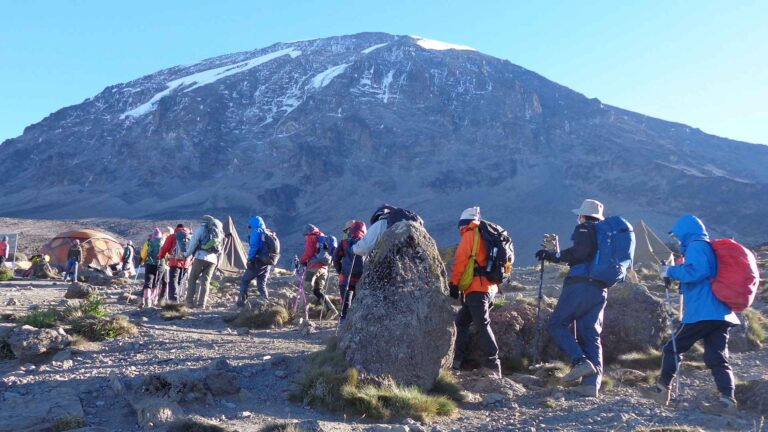
Kilimanjaro Climb With Additional Porter Support: Enhanced Comfort And Safety
Discover the benefits of a Kilimanjaro climb with additional porter support, offering greater comfort, safety, and a more enjoyable trek. This guide details how extra porters can transform...
View package details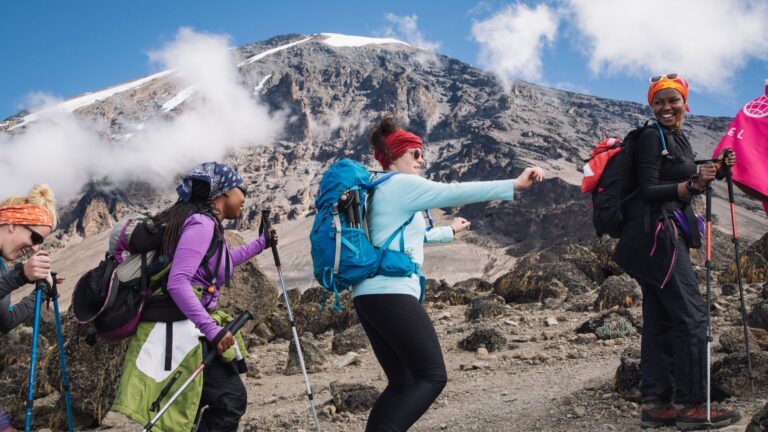
Kilimanjaro Climb With Early Airport Check-In Support | Top Guide Adventures
Top Guide Adventures provides comprehensive Kilimanjaro climb packages, including crucial early airport check-in support. This ensures a smooth transition from arrival to trek preparation...
View package details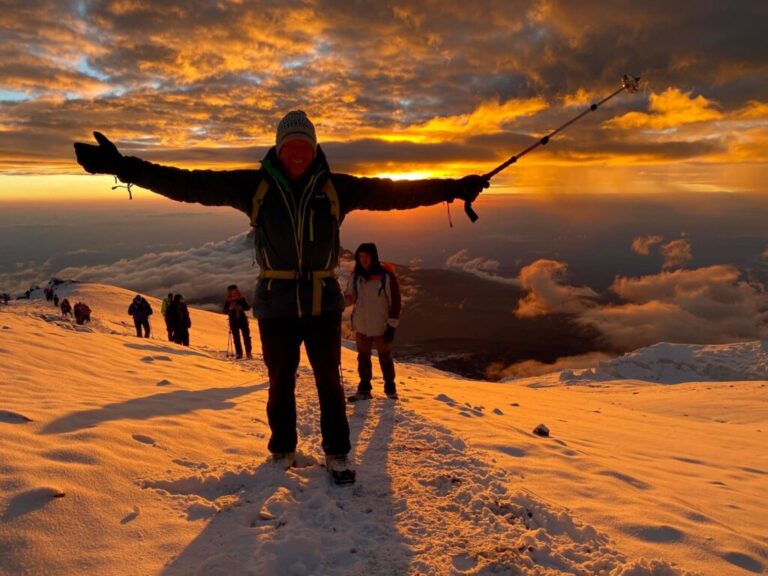
Kilimanjaro Climb With Professional Photography Support In | Top Guide
Elevate your Kilimanjaro ascent by including professional photography services. Top Guide Adventures ensures your most challenging and rewarding moments on Africa's highest peak are...
View package details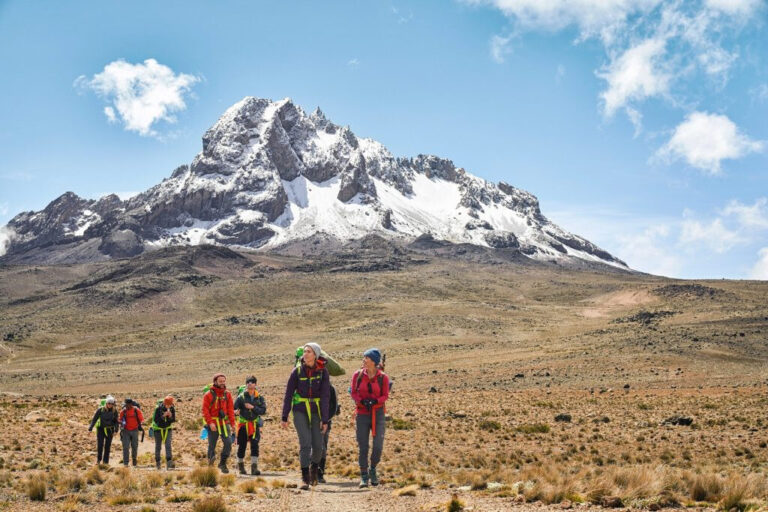
What A Kilimanjaro Mountain Crew Should Provide For Your Climb 2026-2027
Planning a Kilimanjaro climb? Understand precisely what your mountain crew needs to provide, from essential gear and experienced guides to food, safety, and logistical support. This...
View package details
Kilimanjaro Hydration Mistakes Climbers Make And How To Avoid Them 2026-2027
Proper hydration is critical for a successful Kilimanjaro climb. This guide details common hydration mistakes climbers make, from under-drinking to choosing the wrong fluids, and provides...
View package details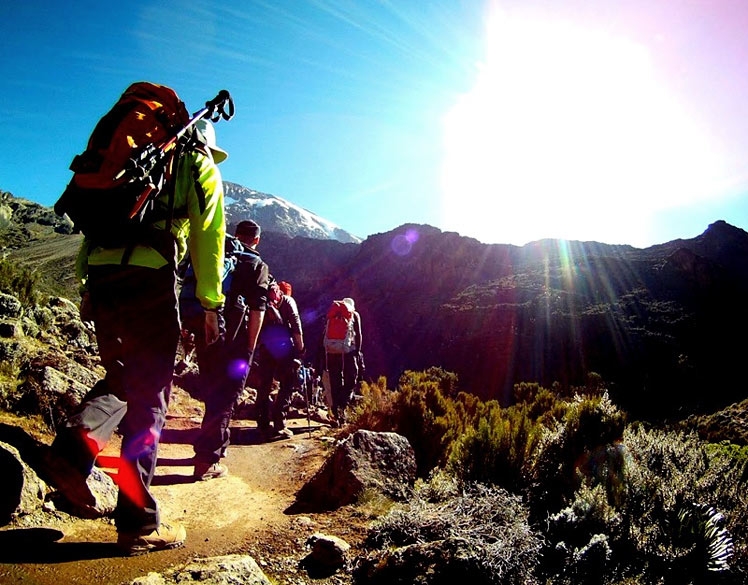
Kilimanjaro Summit-Night Mistakes To Avoid: Your Essential Guide For Climbs
Summit night on Kilimanjaro is the most challenging part of the climb. Avoiding common mistakes in acclimatization, gear, hydration, and pacing is crucial for success. This guide details...
View package details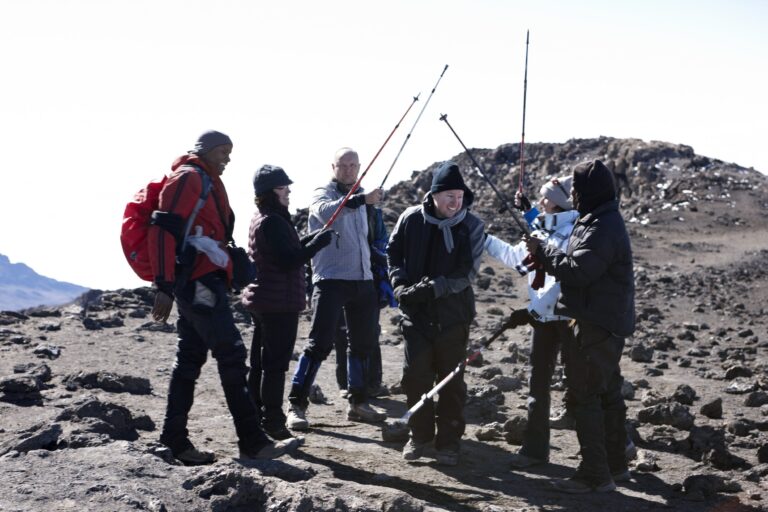
Kilimanjaro Airport Vs Arusha For Climbers: The Definitive Guide 2026-2027
A comprehensive comparison of Kilimanjaro International Airport (JRO) and Arusha Airport (ARK) for trekkers planning a Mount Kilimanjaro climb, detailing pros, cons, and booking advice for...
View package details
Kilimanjaro Climb For Retired Couples: Planning Your Adventure 2026-2027
Planning a Kilimanjaro climb as a retired couple is an achievable and rewarding goal. This guide offers in-depth advice on route selection, physical preparation, essential gear, and the...
View package detailsCan A 16-Year-Old Climb Kilimanjaro? Your Essential Guide 2026-2027
Discover if a 16-year-old can summit Kilimanjaro. This comprehensive guide covers age requirements, health, fitness, essential gear, and planning for younger trekkers aiming for Africa's...
View package details
Content For Parents And Young Climbers: Conquering Kilimanjaro Safely
Planning a Kilimanjaro climb with children or as a young climber requires special attention. This guide provides comprehensive content for parents and young adventurers, covering...
View package detailsHow Tourism Supports Kilimanjaro Communities: A Deep Dive With Top Guide
Explore the vital link between Kilimanjaro tourism and the well-being of local communities. Learn how your trek contributes to sustainable development, economic growth, and cultural...
View package detailsNo related package matches those filters. Clear one or more filters to see the other topic-matched options.



