
Booking a Kilimanjaro climb with professional photography support ensures that your special achievement on Africa’s highest peak is documented with high-quality images, capturing the dramatic landscapes, challenging ascents, and triumphant moments, allowing you to fully experience the climb without worrying about managing your own camera. Top Guide Adventures offers dedicated photography packages for climbs in 2026 and 2027, providing experienced guides who are also skilled photographers or arranging for specialized photographers to accompany your group.
Capture Every Summit Moment: Why Professional Photography Matters on Kilimanjaro
The journey up Mount Kilimanjaro is more than just a trek; it’s an expedition of personal endurance, impressive scenery, and profound accomplishment. While many climbers bring their smartphones or basic cameras, the unique conditions on the mountain – extreme altitudes, rapidly changing weather, and the sheer physical exertion required – can make capturing high-quality, memorable photos a challenge. This is where professional photography support for your Kilimanjaro climb truly shines. Top Guide Adventures understands the desire to preserve these incredible memories, not just as snapshots, but as vivid, lasting testaments to your achievement.
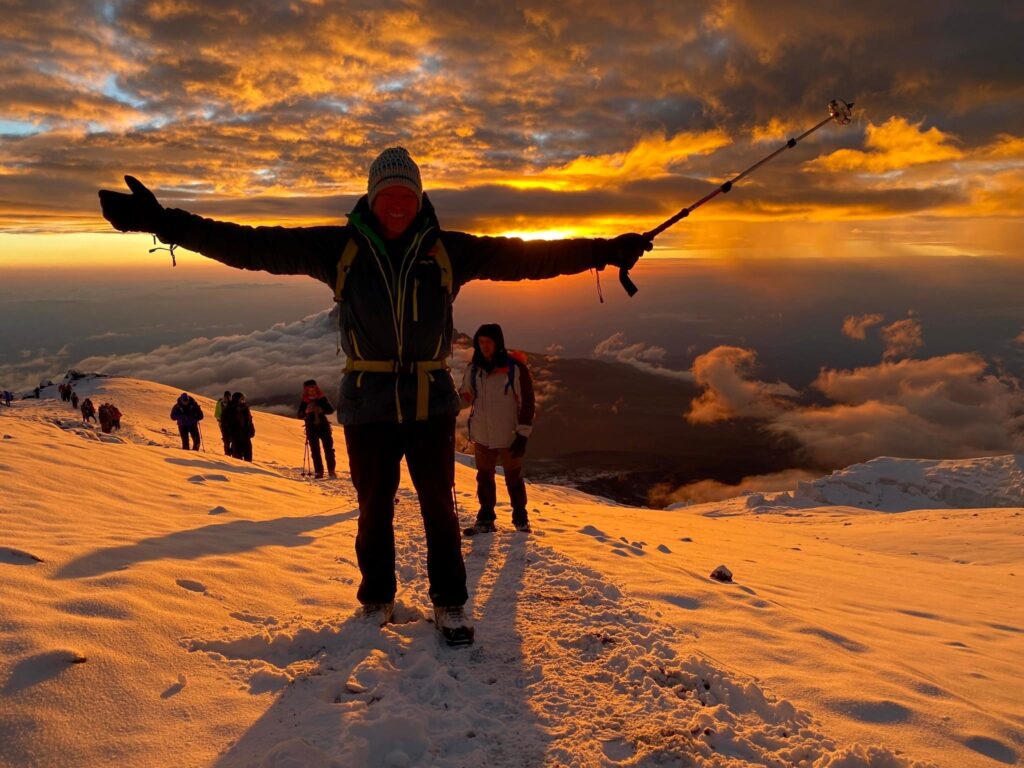
Imagine standing at Uhuru Peak, the highest point in Africa, as the sun rises over the clouds. In that moment, you want to be fully present, absorbing the majesty of the view and the magnitude of your success. You don’t want to be fumbling with camera settings or worrying about dropping your phone. A professional photographer handles all of this, ensuring that the iconic sunrise, the vast crater, and your elated expression are captured with skill and artistry. For treks planned in 2026 and 2027, incorporating this service can transform your travel experience and the lasting legacy of your climb.
Benefits of Hiring a Professional Photographer for Your Kilimanjaro Climb
Choosing a Kilimanjaro climb with professional photography support offers a multitude of advantages:
- Expert Storytelling: Professional photographers are trained to see and capture the narrative of your journey. They understand composition, lighting, and timing, translating the raw experience of climbing Kilimanjaro into compelling visual stories.
- Focus on the Climb: Without the distraction of taking photos, you can dedicate your full mental and physical energy to the ascent, acclimatization, and enjoying the incredible surroundings.
- High-Quality Imagery: Professional equipment and expertise result in superior image quality, far surpassing what most amateur photographers can achieve in challenging mountain conditions.
- Capture the Unseen: Photographers often spot unique perspectives, details, and moments that might be missed by climbers focused on the path ahead, such as the intricate details of the flora, the camaraderie among trekkers, or the subtle changes in the landscape as you gain altitude.
- Documenting the Entire Journey: From the bustling base camps to the serene alpine desert and the icy summit ridge, a photographer documents the full spectrum of your Kilimanjaro experience.
- Peace of Mind: Knowing your memories are being professionally preserved allows for greater relaxation and enjoyment throughout the expedition.
- Sharing Your Achievement: High-quality photos make it easier and more impactful to share your incredible feat with friends, family, and your community.
Top Guide Adventures: Your Partner in Documenting Kilimanjaro Success
At Top Guide Adventures, we recognize that a Kilimanjaro climb is a monumental achievement. We are committed to providing comprehensive travel experiences that cater to every aspect of your journey, including the desire for exceptional photographic documentation. For your Kilimanjaro climb with professional photography support in 2026 or 2027, we offer tailored solutions:
Option 1: Photographer as Part of the Guide Team
For select groups or private climbs, we can arrange for one of our highly experienced guides to also act as your dedicated photographer. These guides are not only experts in mountain safety and logistics but also possess a keen eye for photography and are skilled in using professional-grade equipment. They understand the best moments and vantage points to capture stunning images throughout your trek.
Option 2: Dedicated Professional Photographer
For those who want the absolute highest standard of photographic coverage, we can assign a professional, freelance photographer to accompany your expedition. This individual will focus solely on capturing the essence of your climb, working alongside our lead guide to ensure safety and optimal shooting opportunities. This option is ideal for documentary projects, special celebrations, or clients who prioritize a comprehensive visual record.
What to Expect from Our Photography Support
Regardless of the option chosen, our professional photography support aims to deliver:
- Pre-climb consultations: To understand your specific photographic desires and expectations.
- Coverage of key moments: Including the start of the trek, camp life, challenging sections, summit sunrise, descent, and post-climb celebrations.
- Varied shots: Including wide landscape vistas, candid moments of camaraderie, and portraits against iconic backdrops.
- High-resolution digital images: Professionally edited and delivered to you after the climb.
- Focus on safety and pace: The photographer will always prioritize the safety and acclimatization pace of the climbers, working in tandem with the lead guide.
Choosing the Right Kilimanjaro Route for Photogenic Opportunities
While every route on Kilimanjaro offers spectacular scenery, some present more dramatic photographic potential than others. When planning your Kilimanjaro climb with professional photography support for 2026-2027, consider how the route’s terrain and views align with your photographic vision.
Machame Route: The “Whiskey” Route for Stunning Vistas
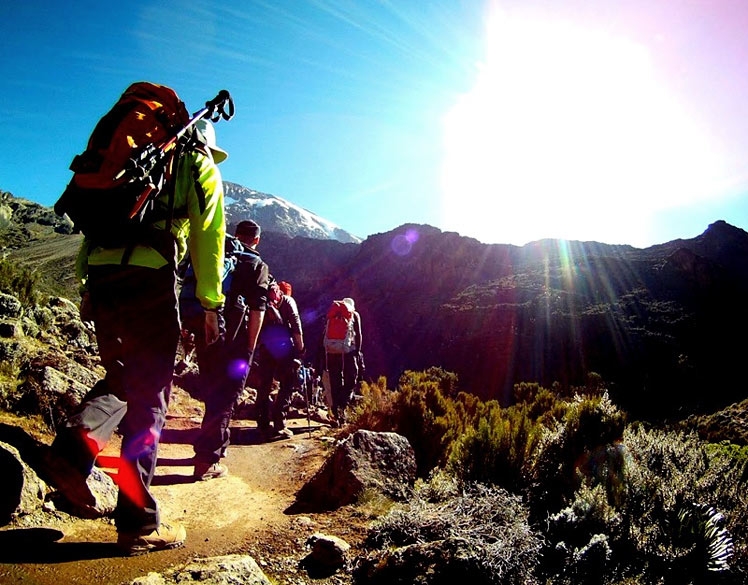
Often lauded for its scenic beauty, the Machame Route offers diverse landscapes, from lush rainforests to rugged alpine deserts and the dramatic Western Breach. The circuitous path allows for excellent acclimatization and provides photographers with numerous opportunities to capture panoramic views, including the Lava Tower and the Shira Plateau. The approach to the summit from the crater rim via the Western Breach (though less common now due to safety concerns, the standard route is still highly scenic) offers dramatic sunrise shots over the African continent.
Lemosho Route: The Most Scenic and Photogenic
The Lemosho Route is widely considered the most picturesque. It offers longer trekking days in the initial stages, allowing for more exploration and photographic opportunities in the pristine rainforest and moorland zones. The route traverses the western side of Kilimanjaro, offering spectacular views of the mountain itself and the surrounding plains. The Shira Plateau, a vast, ancient volcanic caldera, provides a unique and dramatic backdrop for photographs. The Lemosho route also offers excellent acclimatization, which means climbers are often feeling stronger and more able to appreciate and pose for photos.
Shira Route: Similar to Lemosho, but Faster
The Shira Route begins at higher altitude than Lemosho and is a shorter option, but it shares much of the same stunning scenery, including the Shira Plateau. While it might offer fewer opportunities for capturing the lower rainforest environments, it quickly immerses you in the more dramatic, high-altitude landscapes, which can be incredibly photogenic, especially during sunrise and sunset.
Northern Circuit: The Longest and Most Rewarding for Views
The Northern Circuit is the longest route, offering the highest success rates and the best acclimatization. Its true advantage for photographers lies in its unique traverse around the mountain’s northern slopes, offering different perspectives and less-crowded trails. You’ll capture views of the vast Kibo Massif from angles rarely seen, and the extended time on the mountain means more chances for golden hour photography and capturing the changing light.
Marangu Route: The “Coca-Cola” Route, Less Scenic but Iconic
While the Marangu Route is known for its huts and faster ascent, it is generally considered less scenic than the western routes. However, it still offers iconic views of Kilimanjaro’s glaciers and the summit crater. For a photographer, the appeal might be in capturing the unique experience of staying in huts and the classic views, but it lacks the diverse, dramatic landscapes of routes like Lemosho or Machame.
When discussing your Kilimanjaro climb with professional photography support for 2026-2027 with Top Guide Adventures, we can help you select a route that best suits your photographic goals and overall trekking aspirations.
Essential Photography Gear for Kilimanjaro (Even with a Pro)
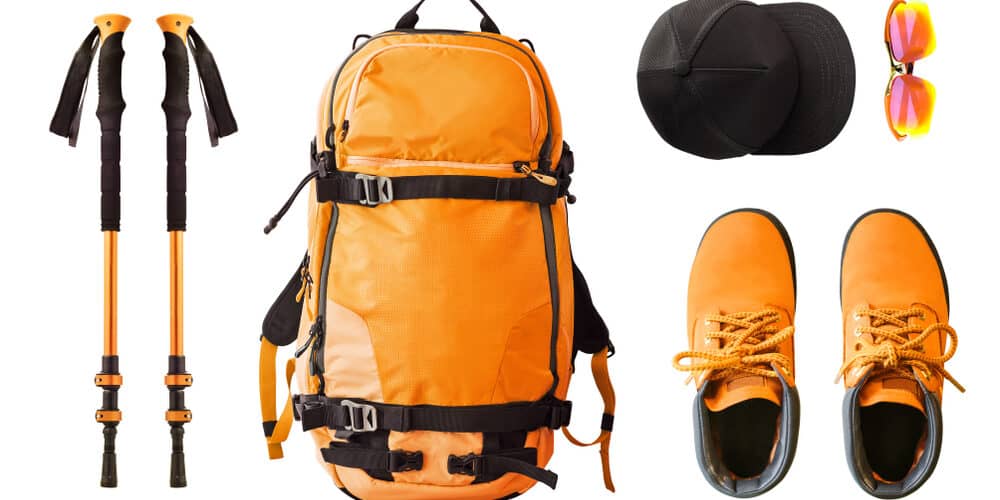
Even when you have professional photography support, you’ll likely want to capture some personal moments or use your own equipment. Understanding the essentials for high-altitude photography is crucial for your Kilimanjaro climb with professional photography support.
Camera Choices
- Mirrorless or DSLR: These offer the best image quality and control. Consider a weather-sealed body for protection against dust and moisture.
- Compact Camera/Action Camera: A smaller, durable camera like a GoPro can be useful for action shots or moments where a larger camera is impractical.
- Smartphone: Modern smartphones have excellent cameras, but battery life and extreme cold can be issues. Use a waterproof and shockproof case.
Lenses
- Wide-angle lens: Essential for capturing the vast landscapes and mountain panoramas.
- Mid-range zoom lens: Versatile for general shots and capturing details.
- Telephoto lens (optional): Useful for wildlife spotting or isolating distant features, though less critical for a standard climb.
Accessories
- Extra Batteries: Cold drains batteries rapidly. Carry at least two spares and keep them warm (e.g., in an inner pocket).
- Memory Cards: Bring plenty of high-capacity cards.
- Tripod (Lightweight): For low-light conditions (summit sunrise) or stable shots, though weight is a significant consideration. A monopod can be a lighter alternative.
- Camera Bag: A comfortable, weather-resistant backpack or sling bag is essential. Consider a waterproof cover.
- Cleaning Kit: Microfiber cloths, lens wipes, and a small brush for dust and moisture.
- Power Bank: For recharging camera batteries or phones.
Protecting Your Gear
- Waterproof and Dustproof Cases: Essential for protecting your camera and accessories.
- Ziploc Bags: Inexpensive and effective for keeping smaller items dry.
- Avoid Extreme Temperature Changes: When moving from cold outside to a warm tent, allow your camera to acclimatize slowly in its bag to prevent condensation.
Your professional photographer will have specialized gear, but understanding these basics will help you manage your own equipment effectively during your Kilimanjaro climb with professional photography support.
The Summit Push: Capturing the Ultimate Achievement
The summit night and morning are arguably the most critical times for photography. This is when climbers face their greatest physical and mental challenges, culminating in the ultimate reward: standing on the Roof of Africa. Professional photography support is invaluable here.
Pre-Dawn Start
The climb to Stella Point and Uhuru Peak begins in the dark, often around midnight. A professional photographer will use high-ISO settings, wide apertures, and potentially small, portable lighting to capture the determination on faces illuminated by headlamps, the vastness of the starry sky, and the first hints of dawn. This is where quality lenses and camera bodies make a significant difference.
Sunrise at Stella Point
Reaching Stella Point as the sun begins to crest the horizon is a moment of immense relief and beauty. The light is dramatic, casting long shadows and painting the clouds below in vibrant hues. A photographer will be poised to capture your triumphant arrival, the stunning panorama, and the first clear views of the crater.
Uhuru Peak: The Apex
The final walk to Uhuru Peak (5,895m / 19,341 ft) is often done in the biting cold and thin air. Capturing the iconic “Uhuru Peak” sign, the glacial formations, and the sheer joy of reaching the summit requires careful timing and skill. A photographer can ensure you get the perfect shot, often taking multiple frames to capture different expressions and angles, even as you battle the elements.
Glacial Formations and Crater Views
Kilimanjaro’s remaining glaciers are a unique and poignant feature. Professional photographers can capture their texture, form, and the way they interact with the sunlight. The vastness of the crater, including the fumaroles, also provides a dramatic backdrop that requires a skilled eye to frame effectively.
The Descent
The descent can be just as challenging as the ascent, especially on the knees. However, the changing light as the day progresses and the different perspective looking down the mountain offer new photographic opportunities. A photographer can capture the relief and exhaustion mixed with satisfaction as you make your way back down.
For your Kilimanjaro climb with professional photography support, ensuring your photographer is experienced in extreme conditions and high-altitude shooting is paramount. Top Guide Adventures vets its photography partners to ensure they meet these demanding standards for your 2026-2027 adventure.
Photography Considerations for Different Kilimanjaro Routes
The choice of route significantly impacts the photographic opportunities. A professional photographer will adapt their strategy based on the route’s unique characteristics.
Machame Route Photography
Highlights: Rainforest canopy shots, Shira Plateau vistas, Lava Tower rock formations, Barranco Wall ascents, Karanga Valley, Barafu Camp views, and the dramatic summit approach. The route’s switchbacks often provide opportunities to photograph the team from different angles.
Lemosho Route Photography
Highlights: Abundant wildlife in the initial rainforest stages (monkeys, birds), expansive views of the Shira Plateau, unique rock formations, dramatic ridge walks, and excellent acclimatization leading to stronger summit photos. The longer duration allows for more varied light conditions and compositions.
Northern Circuit Photography
Highlights: Unparalleled views of the Kibo Massif from the northern side, diverse vegetation zones, potential for capturing the mountain’s vastness from less-common perspectives, and fewer crowds, allowing for more relaxed shooting. The circumnavigation provides a unique narrative arc for photography.
Umbwe Route Photography
Highlights: Steep, dramatic terrain, dense forest, and a more rugged, adventurous feel. Photography here might focus on the challenging ascents and the raw, untamed beauty of the mountain’s steeper slopes. It’s less about expansive vistas early on and more about the intense journey.
Marangu Route Photography
Highlights: Iconic views of the Kibo and Mawenzi peaks, glacier formations, and the unique experience of staying in huts. While less diverse scenically, it offers classic Kilimanjaro postcard shots.
When you book your Kilimanjaro climb with professional photography support through Top Guide Adventures for 2026 or 2027, we will discuss which route best aligns with the type of photographic story you wish to tell.
Logistics of Professional Photography on Kilimanjaro
Integrating a photographer into your Kilimanjaro expedition requires careful logistical planning. Top Guide Adventures manages these details to ensure a smooth experience.
Team Integration
The photographer works as part of the larger expedition team, coordinated by the lead guide. They understand the importance of maintaining the group’s pace and respecting the acclimatization process. Their presence is intended to enhance, not hinder, the climb.
Equipment Transport
Professional camera gear can be bulky and heavy. Porters are often utilized to carry the photographer’s primary equipment, allowing them to focus on shooting with a smaller, more accessible camera during the trek. This ensures they are always ready to capture a moment.
Communication
Clear communication between the photographer, lead guide, and expedition leader is vital. This ensures that key photographic moments are anticipated, and the team’s schedule is respected.
Power and Charging
Photographers will carry power banks and potentially solar chargers for their equipment. While charging opportunities are limited, they are prepared to manage battery life for the duration of the expedition.
Post-Climb Delivery
The photographer will typically spend time after the climb editing the images. You can expect a delivery of high-resolution, edited photos within a specified timeframe (usually 2-6 weeks post-climb), depending on the package and photographer’s workflow.
What to Discuss with Top Guide Adventures Regarding Photography Packages
When you are ready to plan your Kilimanjaro climb with professional photography support for 2026 or 2027, here are key points to discuss with us:
- Level of Coverage: Do you want a photographer for the entire trek, or specific days (e.g., summit night)?
- Type of Photographer: A guide with photography skills or a dedicated professional?
- Deliverables: How many edited photos can you expect? Will you receive raw files? What is the format (e.g., USB drive, online gallery)?
- Specific Shots: Are there particular moments or types of photos you absolutely want captured (e.g., family portraits, action shots, landscape focus)?
- Route Selection: Which route best suits your photographic goals?
- Cost: Understand the pricing structure for photography packages.
- Timeline: When should you book this service? (Early booking is recommended for 2026-2027).
Our team at Top Guide Adventures is here to guide you through these decisions, ensuring your Kilimanjaro climb is not only successful but also beautifully documented.
Pricing and Booking for 2026-2027 Kilimanjaro Climbs with Photography
The cost of a Kilimanjaro climb with professional photography support will vary depending on the chosen route, the duration of the climb, the level of photography service (guide-photographer vs. dedicated professional), and the number of days the photographer is engaged. Typically, adding professional photography will increase the overall cost of your expedition.
Factors influencing photography costs include:
- Photographer’s Fee: A dedicated professional photographer commands a higher fee than a guide who also photographs.
- Equipment: The photographer’s professional-grade equipment is factored into the cost.
- Editing Time: Professional editing is a significant part of the service.
- Logistics: The additional weight and support required for the photographer (e.g., porterage for gear).
While exact pricing requires a personalized quote based on your specific requirements for 2026 or 2027, clients should budget an additional amount for professional photography services. For a dedicated professional photographer, this could range from $1,500 to $4,000+ USD on top of the standard climb package, depending on the duration and scope. Using a guide as a photographer might add a more modest amount, perhaps $500 to $1,500 USD, depending on the operator and package.
Booking Window:
To secure the best photographers and ensure availability for your desired dates in 2026 and 2027, we strongly recommend booking your Kilimanjaro climb with professional photography support at least 6-12 months in advance. High season dates (January, February, June, July, August, September, October) are particularly popular.
Top Guide Adventures can provide a detailed, personalized quote for your 2026-2027 Kilimanjaro climb, including professional photography.
Get Your Personalized Quote for a 2026-2027 Kilimanjaro Climb with Photography
Contact Top Guide Adventures today to discuss your dream Kilimanjaro expedition and how we can best capture it. Our team is ready to help you plan every detail, from route selection to the photographic coverage you desire.
Email: topguideadventures@gmail.com
Backup Email: info@topguideadventures.com
WhatsApp: +255 616 946 642
Let us help you create not just memories, but a stunning visual legacy of your Kilimanjaro achievement for 2026 and 2027.
Frequently Asked Questions about Kilimanjaro Photography Support
What level of editing is included in professional photography packages?
Professional editing typically includes color correction, exposure adjustment, sharpening, and cropping to enhance the images. The style of editing (e.g., vibrant, natural) can often be discussed with the photographer beforehand. Advanced retouching is usually an additional service.
Can I request specific types of shots?
Absolutely. We encourage you to discuss your photographic vision with us and the photographer. Whether you want more landscape shots, portraits, candid moments, or specific team photos, we will do our best to accommodate your requests within the practicalities of the climb.
What happens to my personal camera gear?
You are responsible for your personal camera gear. We recommend a durable, weather-resistant bag and keeping extra batteries warm. Your professional photographer can offer tips on managing your gear in the mountain environment.
Is professional photography available on all Kilimanjaro routes?
Yes, professional photography support can be arranged for all Kilimanjaro routes offered by Top Guide Adventures. However, the visual opportunities and the photographer’s approach will vary significantly depending on the route’s terrain and scenery.
How far in advance should I book photography services for a 2027 climb?
For peak seasons in 2027, booking your Kilimanjaro climb with professional photography support at least 9-12 months in advance is highly recommended to secure your preferred dates and photographer.
Will the photographer slow down the group?
A professional photographer, especially one experienced with mountain expeditions, works in conjunction with the lead guide. They understand acclimatization and pacing. They will capture moments during planned breaks or when the group is moving at a comfortable pace, ensuring the climb’s safety and success remain the top priority.
Conclusion: Elevate Your Kilimanjaro Achievement with Lasting Visuals
A Kilimanjaro climb is an unparalleled adventure, a testament to human spirit and resilience. To truly commemorate this extraordinary journey, investing in professional photography support is a decision you won’t regret. For your planned expeditions in 2026 and 2027, Top Guide Adventures is your trusted partner in ensuring every impressive view, every challenging step, and every triumphant moment is captured with the quality and artistry it deserves.
Don’t let your incredible accomplishment fade into memory alone. Let us help you create a visual legacy that you can cherish and share for a lifetime. Contact Top Guide Adventures today to begin planning your Kilimanjaro climb with professional photography support.
WhatsApp: +255 616 946 642
Email: topguideadventures@gmail.com
Backup Email: info@topguideadventures.com
Check Availability for Kilimanjaro Climb With Professional Photography Support In | Top Guide
Ready to compare dates, prices, and the best option for your group? Send the package name and travel month so the team can reply with a clear quote, availability, and what is included.
Kilimanjaro Climb With A Personal Support Assistant: Your Ultimate Guide
Climbing Mount Kilimanjaro with a personal support assistant offers unparalleled safety, comfort, and focus on your summit goals. This guide details what a personal assistant entails, its...
View package details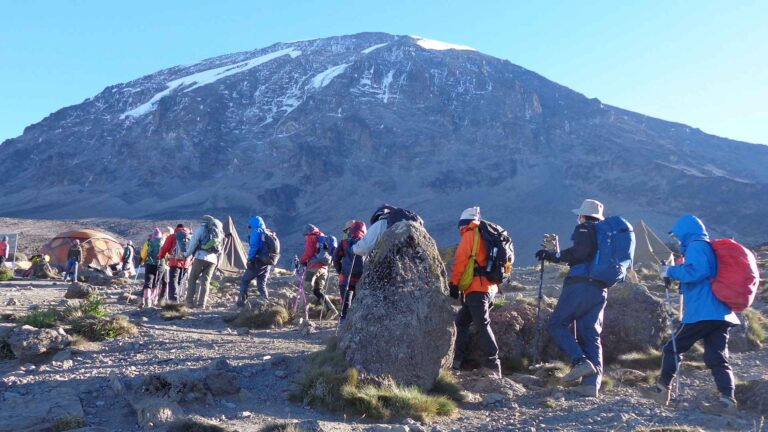
Kilimanjaro Climb With Additional Porter Support: Enhanced Comfort And Safety
Discover the benefits of a Kilimanjaro climb with additional porter support, offering greater comfort, safety, and a more enjoyable trek. This guide details how extra porters can transform...
View package details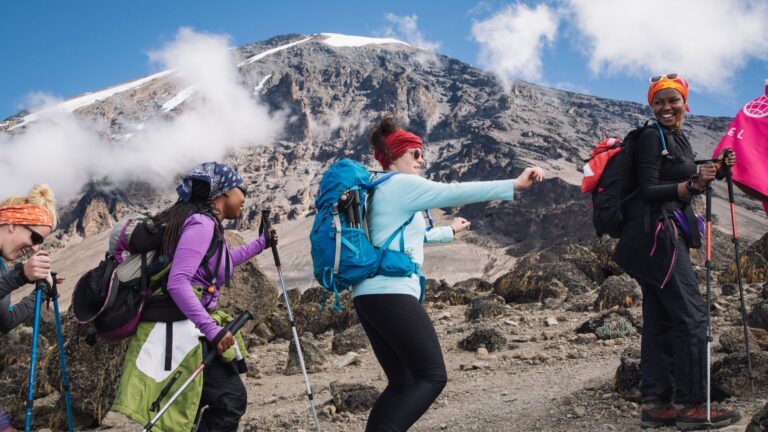
Kilimanjaro Climb With Early Airport Check-In Support | Top Guide Adventures
Top Guide Adventures provides comprehensive Kilimanjaro climb packages, including crucial early airport check-in support. This ensures a smooth transition from arrival to trek preparation...
View package details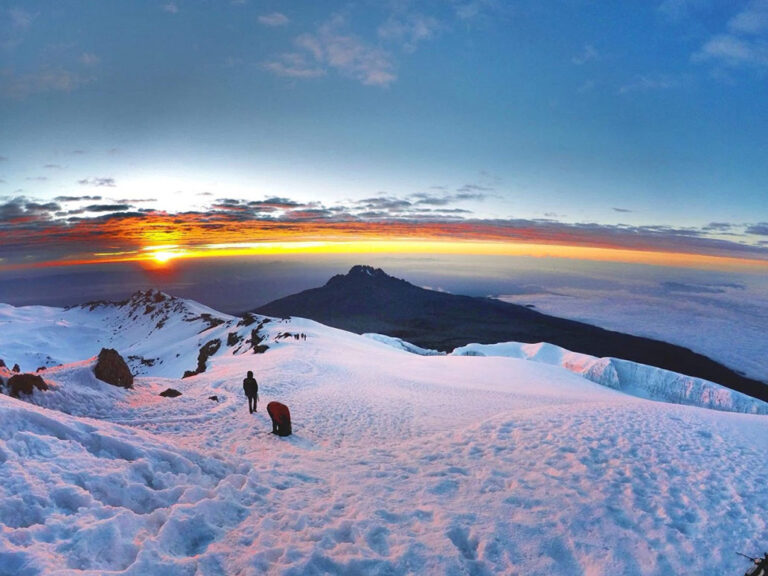
Kilimanjaro Climb With Documentary Film Crew Support | Top Guide Adventures
Discover how to arrange a Kilimanjaro climb with dedicated documentary film crew support. Top Guide Adventures specializes in providing comprehensive logistical and guiding services for...
View package details
Kilimanjaro Hydration Mistakes Climbers Make And How To Avoid Them 2026-2027
Proper hydration is critical for a successful Kilimanjaro climb. This guide details common hydration mistakes climbers make, from under-drinking to choosing the wrong fluids, and provides...
View package detailsKilimanjaro Summit-Night Mistakes To Avoid: Your Essential Guide For Climbs
Summit night on Kilimanjaro is the most challenging part of the climb. Avoiding common mistakes in acclimatization, gear, hydration, and pacing is crucial for success. This guide details...
View package details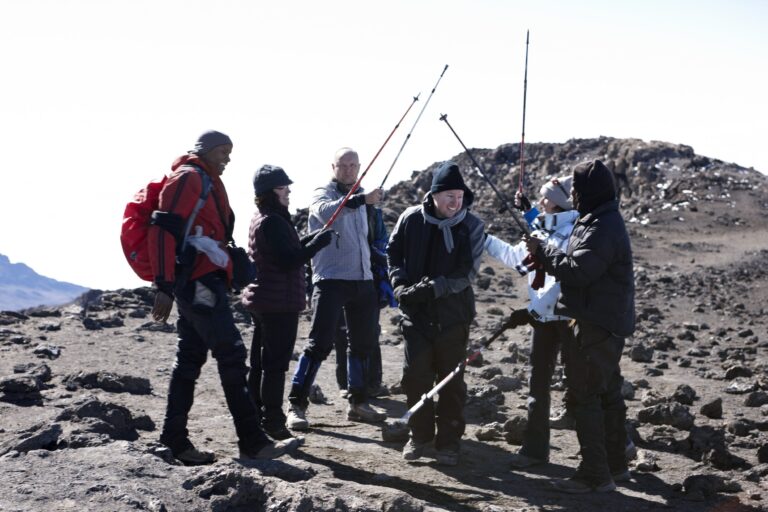
Kilimanjaro Airport Vs Arusha For Climbers: The Definitive Guide 2026-2027
A comprehensive comparison of Kilimanjaro International Airport (JRO) and Arusha Airport (ARK) for trekkers planning a Mount Kilimanjaro climb, detailing pros, cons, and booking advice for...
View package details
Kilimanjaro Climb For Retired Couples: Planning Your Adventure 2026-2027
Planning a Kilimanjaro climb as a retired couple is an achievable and rewarding goal. This guide offers in-depth advice on route selection, physical preparation, essential gear, and the...
View package details
Can A 16-Year-Old Climb Kilimanjaro? Your Essential Guide 2026-2027
Discover if a 16-year-old can summit Kilimanjaro. This comprehensive guide covers age requirements, health, fitness, essential gear, and planning for younger trekkers aiming for Africa's...
View package details
Content For Parents And Young Climbers: Conquering Kilimanjaro Safely
Planning a Kilimanjaro climb with children or as a young climber requires special attention. This guide provides comprehensive content for parents and young adventurers, covering...
View package detailsHow Tourism Supports Kilimanjaro Communities: A Deep Dive With Top Guide
Explore the vital link between Kilimanjaro tourism and the well-being of local communities. Learn how your trek contributes to sustainable development, economic growth, and cultural...
View package details
Kilimanjaro Tree-Planting Climbing Package Guide
Combine your dream Kilimanjaro climb with a meaningful conservation effort. Our Kilimanjaro Tree-Planting Climbing Package allows you to ascend Africa's highest peak while actively...
View package detailsNo related package matches those filters. Clear one or more filters to see the other topic-matched options.



