
A Kilimanjaro Tree-Planting Climbing Package offers an unparalleled opportunity to summit Africa’s highest peak while making a direct, positive environmental impact through reforestation. These packages typically combine the essential elements of a standard Kilimanjaro climb – experienced guides, porters, equipment, meals, and park fees – with the inclusion of planting native trees at the base or on the lower slopes of the mountain, often in partnership with local conservation organizations. You can expect itineraries ranging from 7 to 9 days, depending on the chosen route, with costs varying based on group size, service level, and specific tree-planting activities included. Planning for 2026-2027, these eco-conscious climbs provide a unique way to contribute to Kilimanjaro’s ecosystem while achieving a personal milestone.
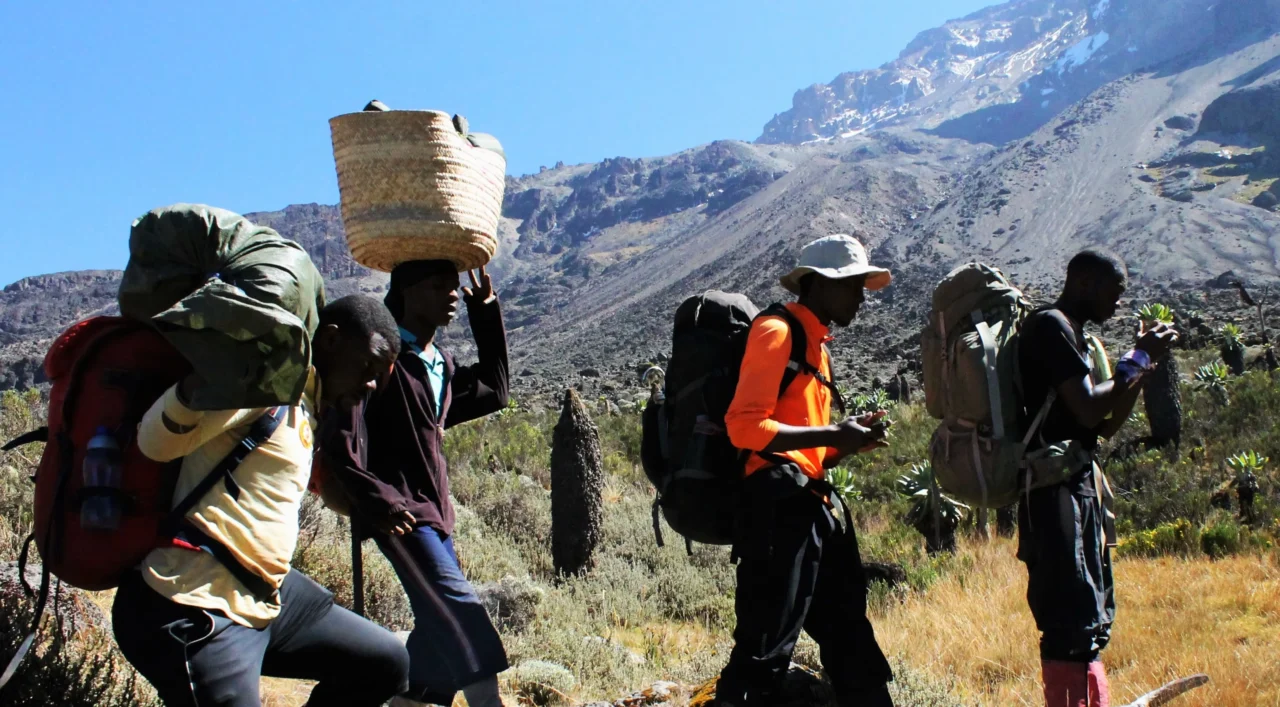
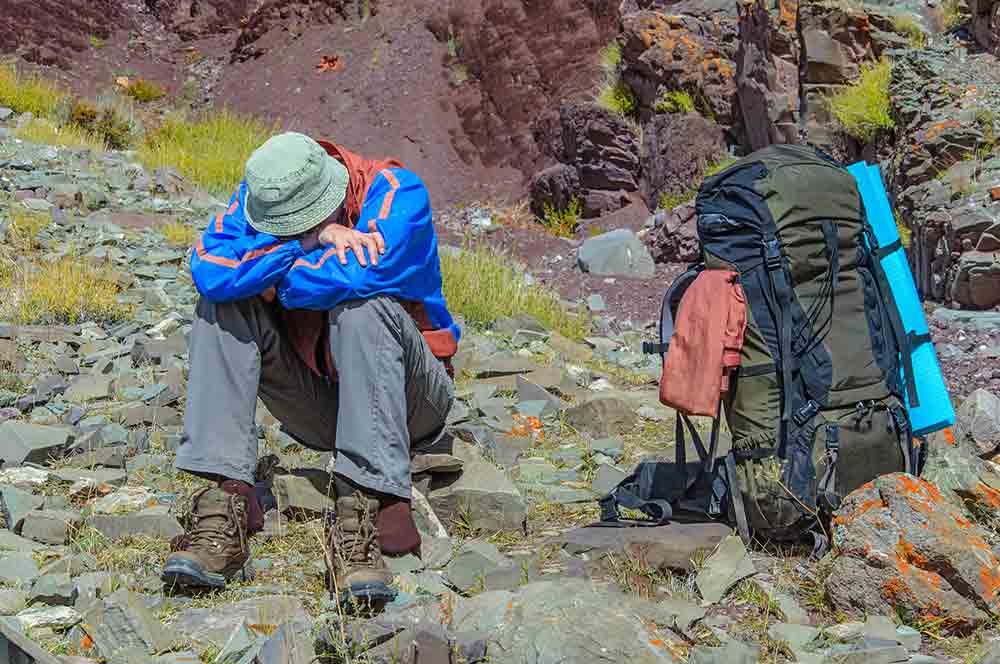
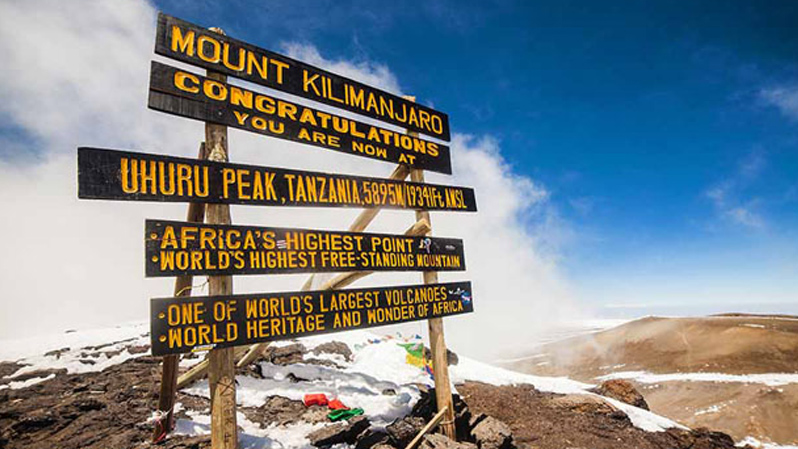
The Dual Purpose of Your Kilimanjaro Ascent: Summiting and Sustaining
Climbing Mount Kilimanjaro is a dream for many adventurers. The allure of standing atop Africa’s highest point, Uhuru Peak, at 5,895 meters (19,341 feet), is immense. However, in an era where environmental consciousness is paramount, travelers are increasingly seeking ways to ensure their adventures leave a positive legacy. This is precisely where the Kilimanjaro Tree-Planting Climbing Package steps in. It’s more than just a trek; it’s a commitment to the mountain’s future, a way to give back to the very environment that provides such a magnificent challenge and backdrop.
Top Guide Adventures understands this evolving traveler mindset. We are proud to offer integrated Kilimanjaro Tree-Planting Climbing Packages designed not only for a successful summit but also for meaningful ecological contribution. By choosing this type of package for your 2026 or 2027 expedition, you are actively participating in vital reforestation efforts, helping to restore native flora, combat soil erosion, and support biodiversity on and around the sacred mountain.
What Exactly is a Kilimanjaro Tree-Planting Climbing Package?
At its core, a Kilimanjaro Tree-Planting Climbing Package is a comprehensive trek organized by a reputable tour operator that incorporates a specific environmental component: the planting of trees. This isn’t merely symbolic; it’s a hands-on activity that directly benefits the Kilimanjaro ecosystem.
Here’s a breakdown of what typically distinguishes these packages:
- Standard Climb Inclusions: You receive all the essential services of a high-quality Kilimanjaro climb. This includes expert guides (often with wilderness first-responder certifications), experienced porters to carry your gear, cooks to prepare nutritious meals, quality camping equipment (tents, sleeping mats), and all necessary national park permits and fees.
- Dedicated Tree-Planting Component: The key differentiator is the organized tree-planting activity. This usually involves:
- Native Species: Planting indigenous tree species that are vital for the local ecosystem.
- Designated Areas: Trees are planted in specific, approved areas, often in collaboration with local communities or conservation projects, focusing on degraded land or areas needing reforestation.
- Guidance: Expert advice on proper planting techniques is provided by guides or project coordinators.
- Timing: Tree planting typically occurs at the beginning or end of the trek, often at lower altitudes near the park gates or in designated community areas.
- Partnerships: Reputable operators partner with local environmental organizations or community groups that manage nurseries and oversee long-term planting and monitoring.
- Duration: These climbs usually follow standard durations for the chosen route, typically 7 to 9 days, to allow for proper acclimatization and a higher summit success rate.
- Impact Reporting: Some packages may offer follow-up information on the trees planted, providing a sense of continued connection to your contribution.
Choosing a Kilimanjaro Tree-Planting Climbing Package for your 2026 or 2027 adventure means your journey contributes to both your personal achievements and the planet’s well-being.
Why Choose a Tree-Planting Climb for Your 2026-2027 Kilimanjaro Adventure?
The decision to add a tree-planting element to your Kilimanjaro climb is driven by a desire for a more meaningful travel experience. Beyond the personal challenge and the incredible views, you gain a deeper connection to the place you are visiting.
Here are compelling reasons to opt for a Kilimanjaro Tree-Planting Climbing Package:
Environmental Stewardship
Kilimanjaro’s unique ecosystems are fragile and facing pressures from climate change and human activity. Deforestation, soil erosion, and habitat loss are significant concerns. By planting trees, you directly contribute to restoring these vital habitats, supporting biodiversity, and helping to sequester carbon. Your climb becomes an act of environmental stewardship.
Supporting Local Communities
Often, these tree-planting initiatives are integrated with community development projects. The nurseries might be managed by local people, providing employment and income. Your participation supports these efforts, creating a positive socio-economic impact alongside the environmental one. This is particularly relevant for planning your 2026-2027 trips, ensuring sustainable tourism practices.
A Deeper Connection to the Mountain
Standing on Uhuru Peak is an incredible achievement. But knowing you’ve also contributed to the mountain’s long-term health creates a more profound connection. You’re not just a visitor; you’re a temporary custodian, leaving a positive mark. This enhanced sense of purpose can make the entire experience more rewarding.
Leading by Example
Choosing an eco-conscious adventure like a tree-planting climb encourages others to consider the environmental impact of their travels. It sets a precedent for responsible tourism and demonstrates that adventure and conservation can go hand-in-hand. Be a pioneer in sustainable adventure travel for 2026-2027.
Unique Travel Story
Your Kilimanjaro adventure will be more than just a summit story. It will be a narrative of challenge, achievement, and positive contribution, making your journey exceptionally memorable and shareable.
Top Guide Adventures’ Approach to Kilimanjaro Tree-Planting Climbs
At Top Guide Adventures, we believe that responsible tourism is the future. Our Kilimanjaro Tree-Planting Climbing Packages are meticulously designed to ensure both your safety and success on the mountain, and the genuine positive impact of our conservation efforts. We partner with trusted local organizations that have established tree nurseries and proven track records in reforestation projects around Kilimanjaro.
When you book a Kilimanjaro Tree-Planting Climbing Package with us for 2026 or 2027, you can expect:
- Carefully Selected Routes: We offer these packages on popular, well-established routes like Machame, Lemosho, and Marangu, ensuring the best chances for acclimatization and success.
- Experienced & Certified Crew: Our guides are not only skilled in mountain navigation and safety but are also passionate about conservation. They will brief you on the importance of the tree-planting initiative.
- Quality Equipment & Logistics: We provide high-quality, reliable equipment and ensure smooth logistical arrangements, from airport transfers to daily meals on the mountain.
- Authentic Tree-Planting Experience: The tree-planting activity is integrated thoughtfully. It might involve visiting a local nursery, learning about native species, and participating in planting saplings in designated areas, often near the start of the trek.
- Transparency: We are clear about our conservation partners and the specific projects your contribution supports.
- Supportive Planning: Our team offers comprehensive pre-trip support to help you prepare for your climb and understand the tree-planting aspect.
We are committed to making your Kilimanjaro Tree-Planting Climbing Package an unforgettable and impactful experience. For inquiries about specific itineraries and availability for 2026-2027, feel free to reach out.
Choosing the Right Route for Your Tree-Planting Climb
The route you choose significantly impacts your Kilimanjaro experience, affecting acclimatization, scenery, difficulty, and cost. When opting for a Kilimanjaro Tree-Planting Climbing Package, the tree-planting activity itself is usually conducted at lower altitudes, so it doesn’t fundamentally alter the climbing routes. However, the route choice is crucial for summit success and overall enjoyment. We recommend routes known for their higher success rates due to better acclimatization profiles.
Here are some of the most popular routes suitable for our tree-planting packages, with considerations for 2026-2027 planning:
Machame Route (7 Days Recommended)
Pros: Highly popular, scenic, good acclimatization profile (‘climb high, sleep low’), offers excellent summit success rates. The tree planting can be easily integrated before or after the climb near Machame Gate.
Cons: Can be crowded, especially during peak seasons. Camping is the only option.
Tree Planting Integration: Often done on arrival day or the morning of departure, near the Machame area.
Lemosho Route (8 Days Recommended)
Pros: Considered one of the most beautiful routes, remote beginning, excellent acclimatization, high success rates. Offers a more wilderness feel.
Cons: Longer and more expensive than Machame due to longer duration and transfer logistics.
Tree Planting Integration: Can be arranged in Arusha or near the Londorosi Gate at the start of the trek.
Marangu Route (6 Days)
Pros: The ‘Coca-Cola’ route, only route with hut accommodation, considered the easiest technically. It’s often the most budget-friendly option.
Cons: Lower success rates due to a rapid ascent profile (less acclimatization), can be very crowded.
Tree Planting Integration: Easily organized in Arusha or near Marangu Gate.
Note: While Marangu offers hut accommodation, we often recommend the 7-day Marangu for better acclimatization, which would also be suitable for a tree-planting package.
Shira Route (8 Days)
Pros: Similar to Lemosho, offers stunning views and good acclimatization, starting at a higher altitude than Lemosho.
Cons: Higher initial altitude can be challenging for some. Longer and more costly.
Tree Planting Integration: Similar to Lemosho, can be arranged near Londorosi Gate or in Arusha.
Northern Circuit (9 Days Recommended)
Pros: The longest route, offering the highest success rates due to excellent acclimatization. It traverses the mountain’s quieter northern slopes, providing a unique perspective.
Cons: Longest and typically the most expensive option.
Tree Planting Integration: Can be done in Arusha or near the Rongai Gate area.
For your 2026-2027 Kilimanjaro Tree-Planting Climbing Package, we generally advise choosing routes of 7 days or longer (like Machame, Lemosho, Shira, or Northern Circuit) for optimal acclimatization and summit success. The tree-planting activity itself is a simple addition that can be scheduled flexibly around your chosen route’s start and end points.
Cost Considerations for Kilimanjaro Tree-Planting Climbing Packages (2026-2027)
The cost of a Kilimanjaro climb can vary significantly based on several factors. A Kilimanjaro Tree-Planting Climbing Package will typically be slightly higher than a standard climb due to the added cost of the trees, the partnership with conservation organizations, and potentially the logistical coordination involved. However, the increase is usually modest, reflecting a commitment to making eco-tourism accessible.
Here are the primary cost determinants:
Key Cost Factors:
- Route Choice: Longer routes (e.g., Lemosho, Northern Circuit) with more days and higher park fees will naturally cost more than shorter routes (e.g., Marangu 6-day).
- Number of Days: More days on the mountain mean higher park fees and more crew required. 7-day climbs are generally recommended for better acclimatization and offer a good balance of cost and success rate for 2026-2027.
- Group Size: Private climbs are more expensive per person than joining a group climb. Shared or group departures are excellent ways to manage costs for 2026-2027.
- Service Level: Different operators offer varying levels of comfort, equipment quality, and crew-to-client ratios, influencing price. Top Guide Adventures focuses on providing a high standard of service for all clients.
- Inclusions: While most reputable operators include park fees, crew wages, meals, and tents, some might offer additional items like walking poles, duffel bags, or even private toilet services, which can affect the price.
- Tree Planting Contribution: The specific cost of the trees and the administrative overhead for the tree-planting program will be factored in. This is often a modest addition, perhaps $20-$50 per climber, depending on the project.
General Price Range for a Kilimanjaro Tree-Planting Climbing Package (2026-2027):
For a reputable operator like Top Guide Adventures, offering a standard to mid-range service level on a 7-day route (e.g., Machame or Lemosho), you can expect prices to typically fall between $1,800 to $2,800 USD per person for a group climb. Private climbs will be higher. This range generally includes park fees, rescue fees, crew salaries, all meals, camping equipment, and the tree-planting contribution. It usually excludes flights, visas, travel insurance, tips for the crew, personal gear, and vaccinations.
It’s crucial to compare what is included. A slightly higher price from a reputable company often reflects better quality equipment, more experienced guides, fair crew wages, and a genuine commitment to safety and conservation, making your Kilimanjaro Tree-Planting Climbing Package a worthwhile investment for 2026-2027.
What’s Typically Included in Our Kilimanjaro Tree-Planting Packages?
When you book a Kilimanjaro Tree-Planting Climbing Package with Top Guide Adventures, we aim for comprehensive coverage so you can focus on your trek and your contribution to conservation. While specific inclusions can be detailed in your final quote, here’s a general overview of what you can expect for your 2026-2027 climb:
Included Essentials:
- Park Fees: All Kilimanjaro National Park entry, camping/hut, and crater fees.
- Rescue Fees: Mandatory search and rescue fees.
- Professional Guides: Certified, experienced guides trained in wilderness first aid.
- Support Crew: Adequate number of porters to carry group gear and personal bags (within weight limits).
- Cooks: Skilled cooks to prepare delicious and nutritious meals on the mountain.
- Accommodation: Camping equipment (tents, sleeping mats) or hut accommodation (Marangu Route).
- Meals: All meals (breakfast, lunch, dinner) and hot drinks while on the mountain.
- Water: Boiled or purified drinking water provided daily.
- Tree Planting Contribution: The cost of saplings and the contribution to the reforestation project.
- Briefings: Pre-climb briefings in Arusha.
- Transfers: Airport transfers to/from Kilimanjaro International Airport (JRO) and transfers between Arusha and the mountain gate.
- Carbon Offset Option: While tree planting is a direct contribution, we can also discuss options for offsetting your travel emissions.
What’s Typically Excluded?
To keep our packages transparent and allow you flexibility, certain items are usually not included:
Common Exclusions:
- International Flights: Airfare to and from Kilimanjaro International Airport (JRO).
- Visa Fees: Tanzania visa costs.
- Travel Insurance: Comprehensive travel and medical evacuation insurance (mandatory).
- Personal Gear: Sleeping bag, warm clothing, hiking boots, backpack, etc. (We provide a detailed packing list).
- Tips for Crew: Gratuities for guides, porters, and cooks (a significant part of their income). We provide recommended tipping guidelines.
- Personal Expenses: Souvenirs, drinks, laundry, optional activities.
- Vaccinations & Medications: Costs associated with required vaccinations or personal medications.
- Optional Equipment Rental: Such as oxygen tanks or down jackets if not included.
Understanding these inclusions and exclusions is vital when comparing Kilimanjaro Tree-Planting Climbing Packages for your 2026-2027 adventure.
Preparing for Your Kilimanjaro Tree-Planting Climb
A successful Kilimanjaro climb, especially one with an added conservation element, requires thorough preparation. This involves physical training, mental readiness, and practical packing.
Physical Training
Kilimanjaro is a strenuous trek, not a technical climb, but the altitude and duration demand excellent cardiovascular fitness. Focus on:
- Hiking: Regular hikes, preferably with hills or inclines, carrying a daypack. Aim for 3-4 times a week.
- Cardio: Activities like running, cycling, or swimming to build endurance.
- Strength Training: Focus on legs and core.
- Practice: If possible, do multi-day hikes to simulate trek conditions. Start your training at least 2-3 months before your 2026-2027 climb.
Acclimatization Strategy
This is the single most important factor for summit success. Choose a longer route (7+ days), ascend slowly (‘pole pole’), stay hydrated, and avoid alcohol and caffeine. Your guides will manage the pace, but understanding acclimatization principles is key.
Mental Preparation
The climb can be mentally challenging, especially during long ascents or cold nights. Visualize success, stay positive, and trust your guides. Remember the purpose of your tree-planting climb – the positive impact you’re making.
Packing Essentials (for your 2026-2027 Kilimanjaro Tree-Planting Climb)
A detailed packing list will be provided by Top Guide Adventures, but key items include:
- Layering System: Base layers (thermal), mid-layers (fleece), outer layer (waterproof and windproof jacket and trousers).
- Footwear: Broken-in hiking boots, camp shoes/sandals, warm socks (wool or synthetic).
- Headwear: Warm hat, sun hat, balaclava/neck gaiter.
- Handwear: Warm gloves and liner gloves.
- Sleeping Gear: 4-season sleeping bag, thermal sleeping bag liner.
- Trekking Gear: Trekking poles, headlamp with extra batteries, sunglasses, water bottles/hydration reservoir.
- Personal Items: Sunscreen, lip balm, insect repellent, basic first-aid kit, toiletries, camera, power bank.
- Documents: Passport, visa, travel insurance details, vaccination certificates.
Health & Vaccinations
Consult your doctor or a travel clinic 4-6 weeks before your trip regarding recommended vaccinations (e.g., Yellow Fever, Hepatitis A/B, Typhoid) and malaria prophylaxis. Diamox (acetazolamide) is often prescribed for altitude sickness prevention – discuss this with your doctor.
The Tree Planting Activity: Making Your Mark
The tree-planting aspect of your Kilimanjaro climb is designed to be an engaging and educational experience. While the exact nature can vary slightly based on our conservation partners and the specific timing of your trek, the core experience remains consistent.
Typically, the tree-planting activity will occur:
- At the Beginning of the Trek: Often on the day of arrival in Arusha or the morning before heading to the mountain gate. This allows you to settle in and contribute before the physical demands of the climb begin.
- Near the Park Gate: Sometimes, the planting occurs at a designated site close to the starting gate of your chosen route (e.g., Machame Gate, Londorosi Gate).
- In Partnership with Local Organizations: You might visit a tree nursery managed by a local community group or conservation NGO. Here, you’ll learn about the importance of native species and the challenges of reforestation.
- Hands-On Planting: You’ll be guided on how to properly plant saplings in prepared spots. This usually involves digging a small hole, placing the sapling, and firming the soil around it.
- Native Species Focus: We prioritize planting indigenous trees that are crucial for the Kilimanjaro ecosystem, supporting local wildlife and biodiversity. Examples include various species of *Podocarpus*, *Juniperus*, and *Olea* africana.
What to Expect During Planting:
- Duration: The activity usually takes 1-3 hours.
- Effort: It’s generally light physical work, suitable for all fitness levels.
- Learning: An opportunity to understand local environmental challenges and conservation efforts.
- Contribution: Your planted tree serves as a living symbol of your commitment to Kilimanjaro’s future.
For your 2026-2027 Kilimanjaro Tree-Planting Climbing Package, this hands-on experience adds a profound layer to your adventure, connecting you directly with the mountain’s environmental well-being.
Timing Your Kilimanjaro Tree-Planting Climb for 2026-2027
Choosing the right time to climb Kilimanjaro is crucial for favorable weather conditions and maximizing your chances of a successful summit. While tree planting can happen year-round, aligning your climb with the best trekking seasons is advisable.
Kilimanjaro experiences two main dry seasons, which are ideal for climbing:
- January to March: Generally dry and warm, with good visibility. This period is excellent for both climbing and tree planting.
- June to October: Cooler but also dry, offering clear skies and excellent trekking conditions. This is often considered the peak season.
The rainy seasons are:
- April to May: The ‘long rains’ season, characterized by heavy rainfall, especially at higher altitudes.
- November to December: The ‘short rains’ season, with intermittent showers.
Recommendations for 2026-2027:
- Peak Season (June-Oct 2026 & 2027): Ideal weather, but also busier and potentially more expensive. Book well in advance.
- Shoulder Seasons (Jan-Mar 2026 & 2027): Good weather, fewer crowds than peak season, and often slightly more affordable.
- Off-Season (Apr-May, Nov-Dec): Possible for experienced trekkers, but weather can be unpredictable. Tree planting can still occur, but visibility and comfort might be reduced.
Booking Window: For popular routes and peak seasons in 2026-2027, it’s recommended to book your Kilimanjaro Tree-Planting Climbing Package at least 6-9 months in advance. For group departures or specific dates, booking even earlier is wise.
Sustainability Beyond Tree Planting
While tree planting is a cornerstone of our Kilimanjaro Tree-Planting Climbing Packages, Top Guide Adventures is committed to broader sustainability principles throughout your journey.
These include:
- Leave No Trace Principles: We strictly adhere to ‘Leave No Trace’ ethics. This means packing out everything we pack in, minimizing our impact on the environment, and respecting wildlife.
- Waste Management: We manage waste responsibly on the mountain, ensuring that non-biodegradable items are brought back down for proper disposal.
- Supporting Local Economy: We prioritize using local guides, porters, cooks, and suppliers, ensuring that tourism benefits the communities around Kilimanjaro. We advocate for fair wages and ethical treatment of our crew.
- Water Conservation: Encouraging mindful use of water resources on the mountain.
- Educating Clients: We believe in educating our clients about the fragile Kilimanjaro ecosystem and the importance of conservation, making your tree-planting experience more impactful.
- Carbon Offsetting: While tree planting directly offsets carbon, we can also provide information and options for offsetting the carbon footprint of your international flights, further enhancing the sustainability of your 2026-2027 adventure.
By choosing Top Guide Adventures for your Kilimanjaro Tree-Planting Climbing Package, you are supporting a company dedicated to responsible and sustainable tourism practices.
Why Partner with Top Guide Adventures for Your Kilimanjaro Tree-Planting Climb?
Choosing the right tour operator is paramount for a safe, successful, and meaningful Kilimanjaro climb. Top Guide Adventures stands out as one of Tanzania’s trusted local companies, dedicated to providing exceptional travel experiences with personal attention and dedicated support.
Here’s why we are your ideal partner for a Kilimanjaro Tree-Planting Climbing Package:
- Local Expertise: As a Tanzanian-based company, we have intimate knowledge of Kilimanjaro, its routes, its people, and its environmental needs.
- Commitment to Conservation: We are passionate about protecting Kilimanjaro’s unique environment and actively integrate conservation efforts like tree planting into our offerings.
- Safety First: Your safety is our top priority. We employ highly trained guides, use quality equipment, and adhere to strict safety protocols.
- Ethical Crew Treatment: We ensure our guides, porters, and cooks are well-equipped, fairly compensated, and treated with respect. We believe in ethical trekking.
- Personalized Service: We offer personal attention and dedicated support from your initial inquiry through to your post-climb departure. We are here to tailor your 2026-2027 adventure.
- Proven Track Record: We have a strong reputation for organizing successful and enjoyable Kilimanjaro climbs and safaris. See our TripAdvisor reviews.
- Transparency: We provide clear information about our packages, pricing, and what to expect, including the specifics of our tree-planting initiatives.
Let us help you plan an unforgettable Kilimanjaro Tree-Planting Climbing Package for 2026 or 2027 that aligns with your adventurous spirit and your commitment to the planet.
Ready to Book Your Kilimanjaro Tree-Planting Climbing Package?
Embarking on a Kilimanjaro climb is a significant undertaking, and adding a tree-planting component makes it even more rewarding. Top Guide Adventures is ready to guide you every step of the way, ensuring a safe, successful, and environmentally conscious ascent.
Whether you are planning for late 2026 or well into 2027, now is the perfect time to start planning. Early booking is recommended, especially for peak seasons, to secure your preferred dates and routes.
Contact us today to discuss your Kilimanjaro Tree-Planting Climbing Package:
- WhatsApp: +255616946642
- Email: topguideadventures@gmail.com
- Backup Email: info@topguideadventures.com
- Website: Visit our website for more information on our services across Tanzania.
- Follow us: Connect with us on Instagram for inspiring travel content.
Let’s make your Kilimanjaro dream a reality, leaving a greener footprint on Africa’s rooftop. We look forward to helping you plan an exceptional 2026-2027 adventure!
Check Availability for Kilimanjaro Tree-Planting Climbing Package Guide
Ready to compare dates, prices, and the best option for your group? Send the package name and travel month so the team can reply with a clear quote, availability, and what is included.
Plastic-Free Kilimanjaro Climbing Tour 2026-2027
Plastic-Free Kilimanjaro Climbing Tour is explained with current 2026-2027 planning, price, itinerary and booking information.
View package details
Kilimanjaro Early-Bird Climbing Discounts For Adventures 2026-2027
Plan your 2026-2027 Kilimanjaro climb and take advantage of early-bird discounts. Top Guide Adventures offers savings for those who book in advance, ensuring a memorable and affordable...
View package details
Kilimanjaro Climbing Price For Two People 2026-2027
Kilimanjaro Climbing Price for Two People is explained with current 2026-2027 planning, price, itinerary and booking information.
View package details
Kilimanjaro Safari Package For Non-Climbing Companions: Options & Experiences
For those accompanying climbers to Kilimanjaro but not ascending the peak, specialized safari packages offer a fantastic way to experience Tanzania's renowned wildlife and landscapes. These...
View package details
Kilimanjaro Climbing Support For Visually Impaired Travellers Guide
Climbing Kilimanjaro presents a unique challenge and reward, especially for visually impaired travellers. This guide details the specialized support, safety measures, and essential...
View package details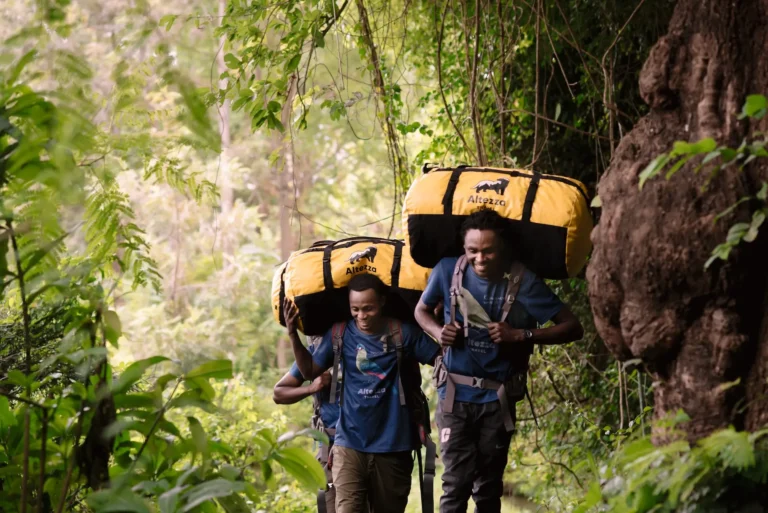
How To Read A Kilimanjaro Climbing Quote 2026-2027
How to Read a Kilimanjaro Climbing Quote is explained with current 2026-2027 planning, price, itinerary and booking information.
View package details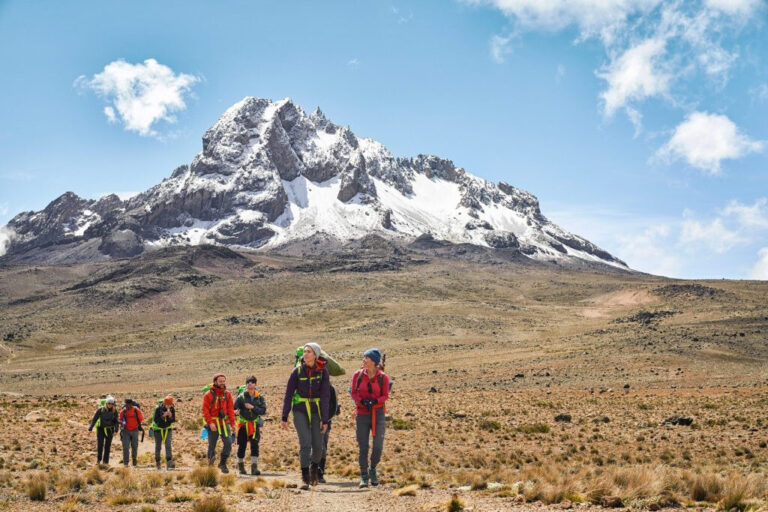
The Truth About Climbing Mount Kilimanjaro 2026-2027
The Truth about Climbing Mount Kilimanjaro is explained with current 2026-2027 planning, price, itinerary and booking information.
View package details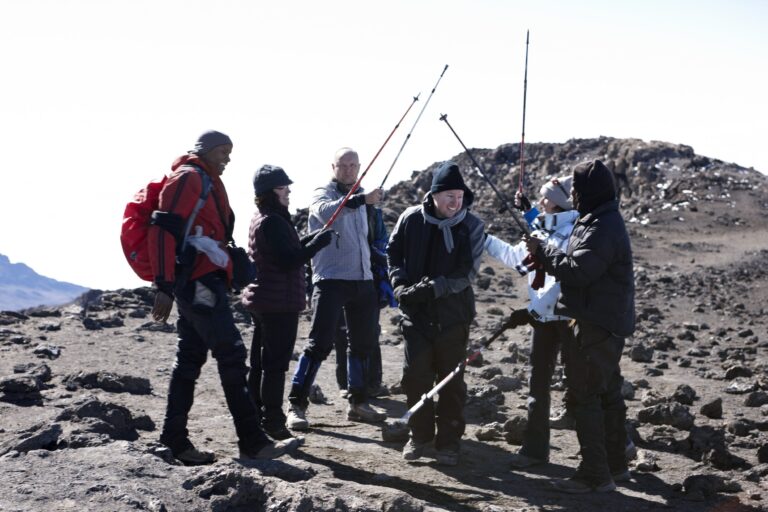
What Nobody Tells You About Climbing Kilimanjaro 2026-2027
What Nobody Tells You about Climbing Kilimanjaro is explained with current 2026-2027 planning, price, itinerary and booking information.
View package details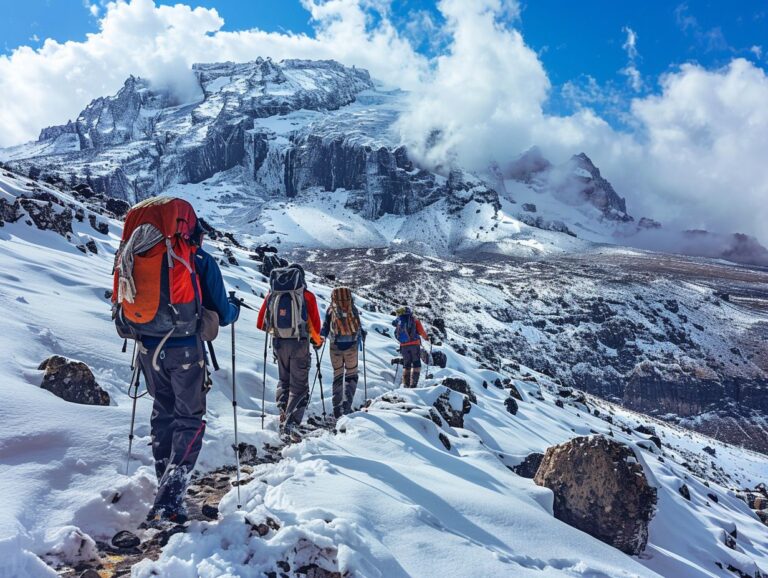
25 Kilimanjaro Climbing Mistakes First-Timers Make: Avoid Them In 2026-2027
Climbing Mount Kilimanjaro is a dream for many, but first-time trekkers can fall into common traps. This guide details 25 critical mistakes to avoid, from inadequate preparation and gear...
View package details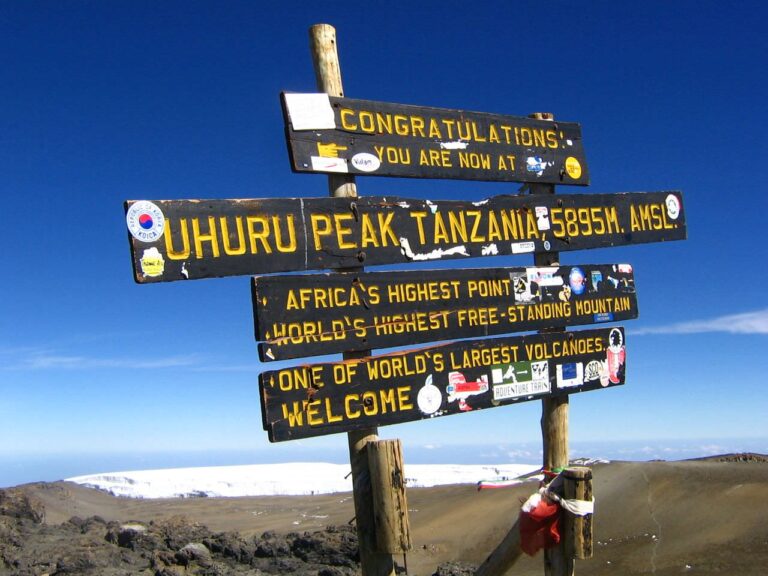
What Does Kilimanjaro Rainforest Look Like? A Trekkers Visual Guide 2026-2027
The Kilimanjaro rainforest is a vibrant, humid zone of dense vegetation, towering trees, and diverse plant life found on the mountain's lower slopes. It's the first major ecosystem trekkers...
View package details
Kilimanjaro Climb With A Personal Support Assistant: Your Ultimate Guide
Climbing Mount Kilimanjaro with a personal support assistant offers unparalleled safety, comfort, and focus on your summit goals. This guide details what a personal assistant entails, its...
View package details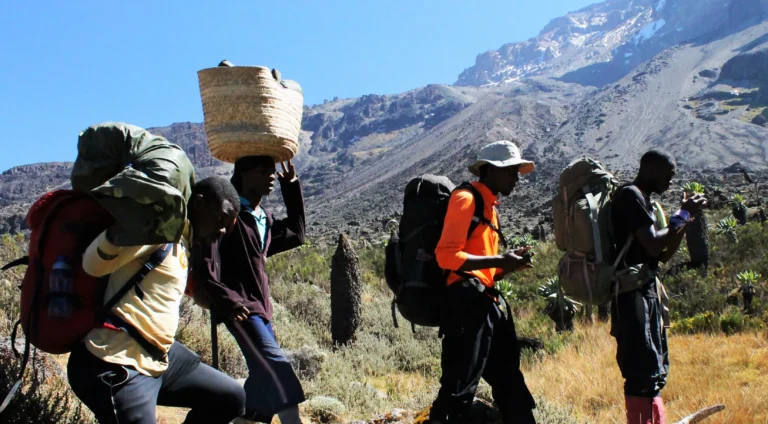
How To Know Whether You Are Ready For Kilimanjaro: A Comprehensive Guide
Climbing Mount Kilimanjaro is a significant undertaking. This guide helps you evaluate your physical, mental, and logistical readiness to ensure a safe and successful trek in 2026 or 2027...
View package detailsNo related package matches those filters. Clear one or more filters to see the other topic-matched options.



