
Carbon-conscious Kilimanjaro expeditions focus on minimizing the environmental impact of your trek, from reducing waste and emissions to supporting local communities and conservation efforts. Top Guide Adventures is committed to these principles, offering guidance and operational practices for a more sustainable climb in 2026 and 2027, ensuring your journey to the Roof of Africa respects its fragile ecosystem and benefits local people.
Understanding Carbon-Conscious Kilimanjaro Expeditions
The allure of standing atop Mount Kilimanjaro, Africa’s highest peak, is undeniable. Millions dream of this achievement, and for many, the journey itself is as significant as the summit. However, with increasing global awareness of climate change and environmental responsibility, travelers are seeking ways to make their adventures more sustainable. This is where the concept of carbon-conscious Kilimanjaro expeditions comes into play. It’s not just about reaching the summit; it’s about how you get there and the footprint you leave behind.
A carbon-conscious expedition acknowledges the environmental impact of travel, particularly international flights, transportation to the mountain, and the resources consumed during the trek. It involves making deliberate choices to reduce greenhouse gas emissions, conserve resources, and support conservation initiatives. For trekkers planning their adventure for 2026 or 2027, integrating these practices is becoming not just a choice, but an expectation.
At Top Guide Adventures, we believe that climbing Kilimanjaro can be an experience that not only inspires you but also contributes positively to the environment and the communities surrounding the mountain. Our commitment to responsible tourism underpins every aspect of our operations, from the equipment we use to the training of our guides and porters. We aim to provide you with a world-class trekking experience while ensuring that your ascent is as kind to the planet as possible.
The Environmental Footprint of Kilimanjaro Treks
Before delving into how to make an expedition carbon-conscious, it’s essential to understand the typical environmental impact associated with climbing Kilimanjaro. The primary contributors include:
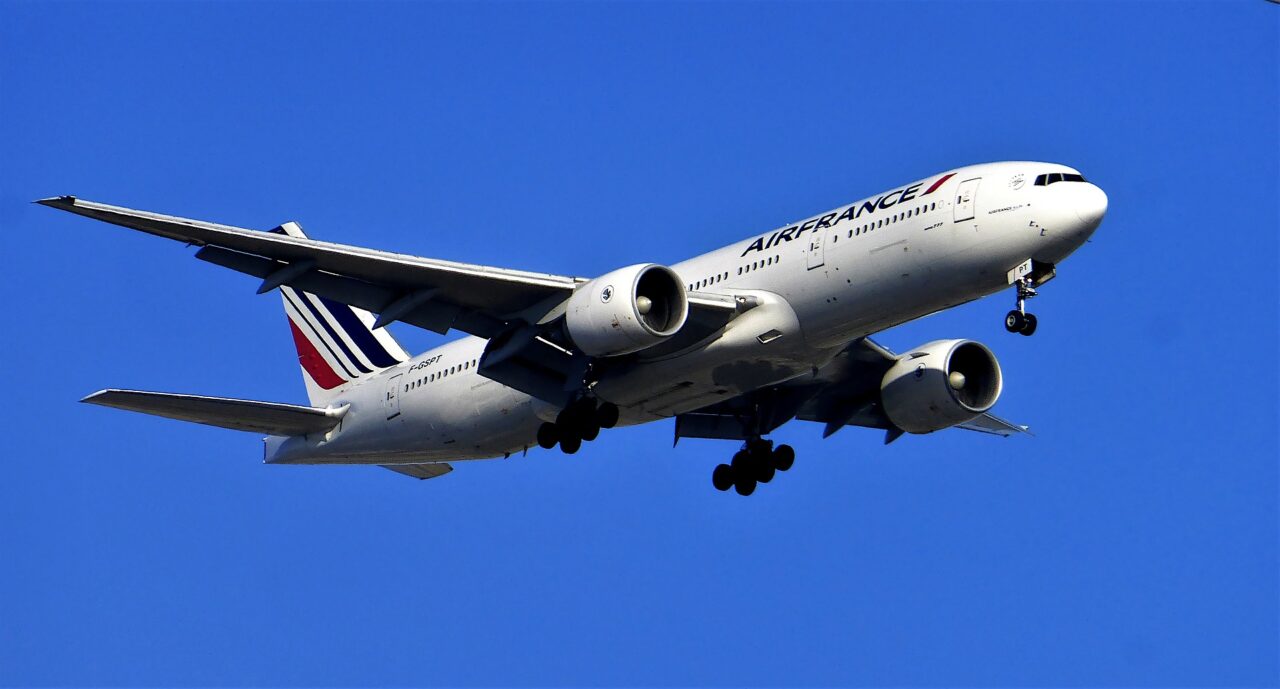
- International Air Travel: The longest and often most significant carbon footprint for most international climbers comes from their flights to and from Tanzania.
- Local Transportation: Travel from Kilimanjaro International Airport (JRO) to Moshi or Arusha, and then to the various starting points of the mountain routes, also contributes to emissions.
- Waste Generation: Food packaging, non-biodegradable items, and general waste produced by trekkers and support staff can pose a significant challenge on the mountain, especially at higher altitudes where decomposition is slow.
- Resource Consumption: Water usage, fuel for cooking, and the energy required for camp operations are all factors.
- Erosion and Habitat Disturbance: Heavy foot traffic on trails can lead to erosion, and campfires (though increasingly restricted) can disturb vegetation and wildlife.
Recognizing these factors allows us to develop strategies to mitigate them. A carbon-conscious approach is about actively addressing each of these points to the best of our abilities.
Defining “Carbon-Conscious” in the Kilimanjaro Context
For Kilimanjaro expeditions, “carbon-conscious” means:
- Minimizing Emissions: Selecting the most efficient transportation options, encouraging longer stays in Tanzania to reduce the impact of flights, and utilizing low-emission cooking methods.
- Effective Waste Management: Adhering to strict “Leave No Trace” principles, carrying out all waste, and promoting the use of reusable items.
- Supporting Conservation: Contributing to local conservation projects, paying park fees that directly fund mountain management, and educating climbers on the importance of preserving the Kilimanjaro ecosystem.
- Community Benefit: Ensuring fair wages and good working conditions for porters and guides, sourcing local products, and engaging in community development initiatives.
- Offsetting (Optional but Recommended): Calculating the unavoidable carbon emissions and investing in certified carbon offset projects.
Planning Your Carbon-Conscious Kilimanjaro Trek for 2026-2027
The planning phase is crucial for a carbon-conscious expedition. Your decisions here will have the most significant impact on your overall environmental footprint. Top Guide Adventures provides detailed information and support to help you make informed choices.
Choosing Your Route Wisely
While all routes lead to the summit, some offer a more gradual ascent and potentially better acclimatization, which can indirectly reduce the risk of issues that might require faster descents or additional support, thus impacting resource use. More importantly, some routes may have better-managed campsites and waste disposal systems. For a carbon-conscious trek, consider routes that are well-maintained and have established environmental protocols.
- Machame Route: Popular for its scenic beauty and good acclimatization profile, it’s a strong contender. We ensure strict waste management protocols are followed.
- Lemosho Route: Known for its stunning scenery and excellent acclimatization, offering a longer trek that allows for a more deliberate pace.
- Northern Circuit: The longest route, offering the best acclimatization and a unique perspective. Its duration naturally encourages a slower, more mindful approach.
The duration of your trek is also a key factor. Longer treks (e.g., 7-9 days) generally offer better acclimatization, reducing the risk of altitude sickness and the need for rapid descent, which can be resource-intensive. Furthermore, longer stays in Tanzania can help ‘dilute’ the impact of your international flight.
Packing Sustainably
Your packing list directly influences waste generation. Opt for durable, reusable items over single-use products.
Sustainable Packing Essentials:
- Reusable Water Bottles/Hydration Reservoirs: Avoid single-use plastic bottles. Bring purification tablets or a filter as a backup.
- Reusable Food Containers: For snacks and packed lunches.
- Durable Gear: Invest in high-quality, long-lasting clothing and equipment rather than disposable items.
- Rechargeable Batteries: For headlamps and cameras.
- Biodegradable Toiletries: Use eco-friendly soaps and toothpaste.
- Minimal Packaging: Repackage food items at home to reduce excess wrappers.
Choosing a Responsible Tour Operator
This is perhaps the most critical decision. A tour operator’s commitment to sustainability varies significantly. Look for companies that:
- Have clear environmental policies: Do they have documented procedures for waste management, water conservation, and emissions reduction?
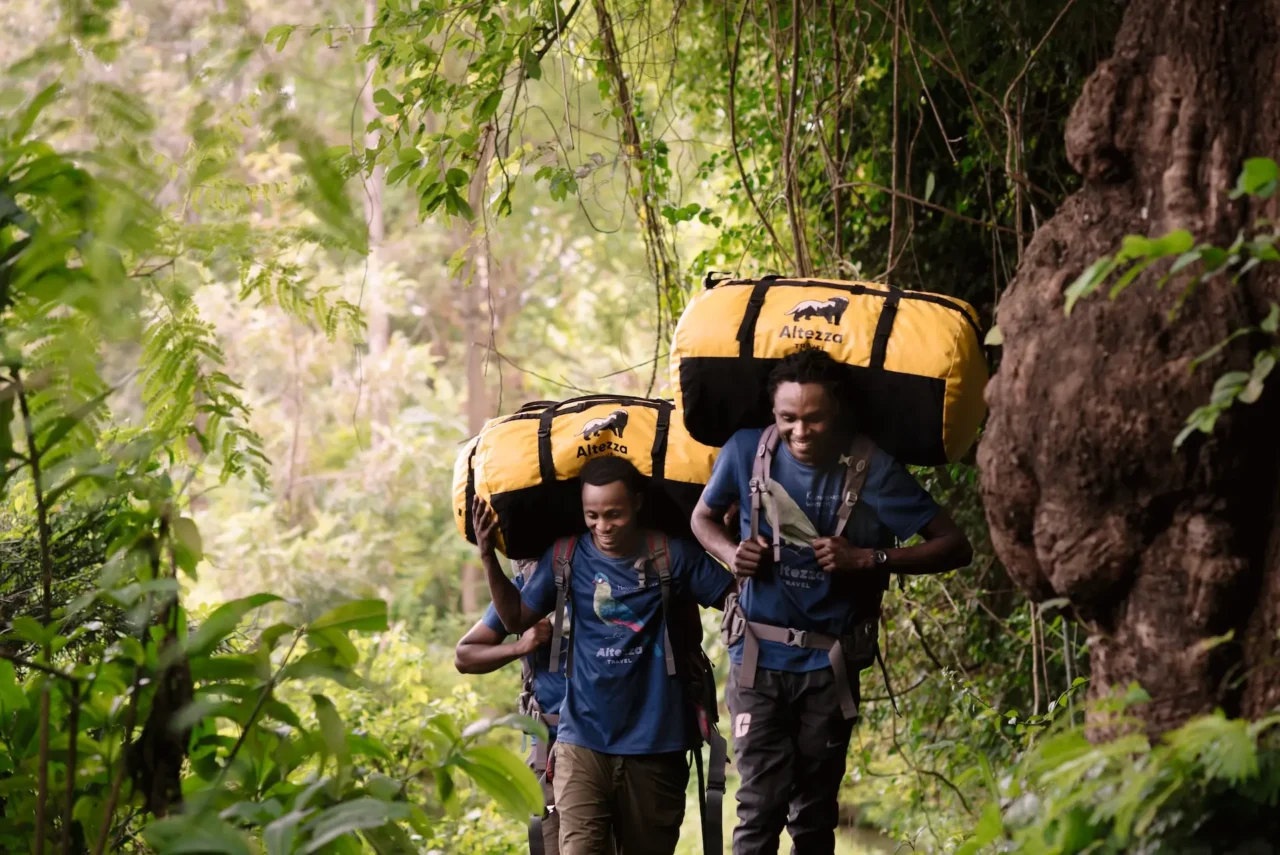
- Prioritize porter welfare: Fair wages, adequate food, proper clothing, and respectful treatment of porters are indicators of a responsible company. This aligns with broader ethical tourism principles.
- Use eco-friendly practices on the mountain: This includes using portable toilets, proper waste disposal, and avoiding fires.
- Contribute to local communities and conservation: Do they support local schools, conservation projects, or reforestation efforts?
- Are transparent about their operations: They should be willing to share details about their environmental and social practices.
Top Guide Adventures is proud to be a leader in responsible Kilimanjaro trekking. We adhere to strict guidelines set by organizations like the Kilimanjaro Porters Assistance Project (KPAP) and actively implement eco-friendly practices. We encourage potential clients to ask us directly about our policies; details are available via Email or WhatsApp +255616946642.
Carbon Offsetting Options for 2026-2027 Treks
While minimizing your footprint is paramount, some emissions are unavoidable, particularly from flights. Carbon offsetting allows you to compensate for these emissions by investing in projects that reduce greenhouse gases elsewhere.
How it works:
- Calculate your emissions: Use online calculators to estimate the carbon footprint of your flights and travel.
- Choose a reputable offset provider: Look for certified projects (e.g., Gold Standard, Verified Carbon Standard) that focus on renewable energy, reforestation, or community-based initiatives.
- Purchase offsets: Contribute the equivalent cost to your chosen project.
While Top Guide Adventures doesn’t directly sell offsets, we can guide you on reputable providers and help you estimate your flight emissions. Many climbers choose to offset their travel as part of their commitment to a carbon-conscious journey.
On the Mountain: Implementing Carbon-Conscious Practices
Once you are on the mountain, the daily practices of you and your support team are key to maintaining a low environmental impact. Our guides and porters are trained extensively in these protocols.
“Leave No Trace” on Kilimanjaro
The seven principles of Leave No Trace are fundamental to responsible trekking:
The Seven Leave No Trace Principles:
- Plan Ahead and Prepare: Essential for any trek, but critical for minimizing impact.
- Travel and Camp on Durable Surfaces: Stick to designated trails and campsites.
- Dispose of Waste Properly: Pack it in, pack it out. This includes all food scraps, wrappers, and hygiene products.
- Leave What You Find: Do not take rocks, plants, or other natural objects.
- Minimize Campfire Impacts: Fires are generally prohibited on Kilimanjaro. Use stoves for cooking.
- Respect Wildlife: Observe animals from a distance; do not feed them.
- Be Considerate of Other Visitors: Respect the experience of others.
For Kilimanjaro, “Dispose of Waste Properly” is paramount. We ensure that our teams carry out absolutely everything, from food waste to toilet paper. We utilize portable toilets at designated sites to manage human waste effectively and prevent contamination of water sources.
Waste Management Protocols
Top Guide Adventures employs rigorous waste management protocols:
- Pre-Trek Briefing: Climbers are educated on what to pack and what to avoid (e.g., excessive packaging, single-use plastics).
- On-Trail Collection: All waste is collected daily by our crew and transported down the mountain.
- Segregation: Where possible, waste is segregated for recycling or responsible disposal in Moshi.
- No Burning or Burying: These practices are strictly forbidden.
Water Conservation and Usage
Water is a precious resource on the mountain. While streams are available, purification is essential. Our approach focuses on:
- Efficient Cooking: Using efficient stoves and minimizing water needed for meal preparation.
- Hydration: Encouraging climbers to drink enough water is vital for acclimatization, but this should be managed through purification of available sources or carrying sufficient water, rather than excessive waste.
- Hygiene: Using biodegradable soaps sparingly and away from water sources.
Energy Efficiency
The primary energy source for cooking is gas (LPG). We use modern, efficient stoves and ensure our cooks are trained in fuel conservation techniques. This minimizes the need to transport heavy fuel canisters up the mountain.
The Role of Porters and Local Communities in Carbon-Conscious Expeditions
A truly carbon-conscious expedition extends beyond environmental practices to encompass the social and economic well-being of the people who make the climb possible – the porters and local communities.
Ethical Porter Treatment
Fair treatment of porters is non-negotiable for a responsible operator. This includes:
- Fair Wages: Paying porters a living wage that exceeds the minimum set by the Tanzania National Parks Authority (TANAPA).
- Adequate Food and Water: Ensuring porters receive sufficient, nutritious meals and clean drinking water, often equivalent to what clients receive.
- Appropriate Gear: Providing waterproof tents, warm sleeping bags, and sturdy footwear.
- Weight Limits: Adhering to legal weight limits for porter loads (typically 20kg per porter, plus their own gear).
- Respect and Dignity: Treating porters as valued members of the team, not just laborers.
Top Guide Adventures is a proud partner of the Kilimanjaro Porters Assistance Project (KPAP), an organization dedicated to ensuring the fair treatment of porters. Our adherence to KPAP guidelines is a cornerstone of our ethical operations. You can read more about their work and our commitment on our site or directly through KPAP’s resources.
Supporting Local Economies
We prioritize sourcing supplies and services locally in Moshi and Arusha. This includes:
- Food Provisions: Purchasing fresh produce, grains, and other food items from local markets and suppliers.
- Equipment Rental: Utilizing local services for equipment maintenance and rental where appropriate.
- Community Engagement: We encourage our clients to engage respectfully with local communities, perhaps by visiting local craft markets or cultural sites before or after their trek.
By choosing a local, responsible company like Top Guide Adventures, you ensure that a significant portion of your travel expenditure directly benefits the Tanzanian economy and the people who live there.
Conservation Contributions
Park fees are a substantial part of the cost of climbing Kilimanjaro. These fees are crucial for the conservation and management of Kilimanjaro National Park. They fund:
- Trail maintenance and erosion control.
- Anti-poaching patrols.
- Reforestation efforts.
- Wildlife monitoring.
- Park ranger salaries and equipment.
By paying your park fees, you are directly contributing to the preservation of this unique natural wonder for future generations. Top Guide Adventures ensures all relevant fees are paid and accounted for.
Comparing Sustainable Kilimanjaro Operators for 2026-2027
When planning your carbon-conscious Kilimanjaro expedition for 2026 or 2027, comparing operators is vital. Not all companies operate with the same level of environmental and social responsibility.
Key Questions to Ask Potential Operators:
- What is your company’s policy on waste management on the mountain?
- How do you ensure the fair treatment and welfare of your porters and guides? (e.g., Are you KPAP-certified or follow similar guidelines?)
- Do you use portable toilets? How is human waste managed?
- What efforts do you make to reduce fuel consumption and emissions?
- Do you support any local conservation or community projects?
- Can you provide details on the typical group size and how it impacts the environment?
- What is your policy regarding single-use plastics?
Top Guide Adventures transparently shares its commitment to these principles. We believe in building trust through honesty and verifiable practices. We encourage you to review testimonials and compare our offerings with others, focusing on the sustainability aspects. Our team is always available to discuss our carbon-conscious approach in detail via Email or WhatsApp +255616946642.
What to Expect from a High-Quality, Sustainable Operator
A top-tier, responsible operator will provide:
- Experienced Guides: Knowledgeable about safety, altitude, flora, fauna, and environmental best practices.
- Well-Trained Crew: Porters and cooks who understand their roles and responsibilities regarding waste, hygiene, and client care.
- Quality Equipment: Reliable tents, sleeping bags, and cooking gear, minimizing the need for replacements and reducing waste.
- Comprehensive Briefings: Thorough pre-climb briefings covering safety, itinerary, and environmental protocols.
- Emergency Preparedness: Robust plans for medical emergencies, including communication systems and evacuation procedures.
Choosing a company that invests in its staff, equipment, and environmental practices is investing in a safer, more ethical, and truly carbon-conscious Kilimanjaro expedition.
Maximizing Your Kilimanjaro Experience Sustainably in 2026-2027
Making your Kilimanjaro climb carbon-conscious is not about sacrificing the experience; it’s about enhancing it through mindful choices and responsible practices. By aligning with operators who share these values, you contribute to the preservation of this iconic mountain and the well-being of its people.
The Impact of Your Choices
Every decision you make, from the operator you choose to the items you pack, has an impact. By prioritizing sustainability:
- You help protect Kilimanjaro’s unique biodiversity and fragile ecosystems.
- You ensure that local communities benefit economically and socially from tourism.
- You set a positive example for other travelers.
- You gain a deeper appreciation for the natural environment and the importance of conservation.
For treks planned for 2026 and 2027, the trend towards sustainable travel is only expected to grow. Being an early adopter of carbon-conscious practices positions you as a thoughtful and responsible global citizen.
Beyond the Climb: Sustainable Tourism in Tanzania
Your journey to Kilimanjaro can be part of a broader sustainable travel experience in Tanzania. Consider extending your trip to explore other regions responsibly:
- Tanzania Safaris: Choose lodges and tour operators committed to conservation and community benefit. Look for those that minimize their environmental footprint and employ local guides. Our Tanzania Safari tours prioritize these values.
- Zanzibar Holidays: Support eco-lodges and businesses that practice responsible waste management, water conservation, and community engagement.
- Cultural Experiences: Engage with local communities respectfully, supporting authentic cultural exchanges that benefit the people and preserve traditions.
By integrating sustainability into your entire Tanzanian adventure, you create a more meaningful and impactful journey.
Booking Your Carbon-Conscious Kilimanjaro Expedition with Top Guide Adventures
Ready to plan your carbon-conscious Kilimanjaro expedition for 2026 or 2027? Top Guide Adventures is your trusted partner for a responsible and unforgettable climb. We combine expert guiding, ethical operations, and a deep commitment to sustainability.
We understand that planning a major expedition requires careful consideration. Our team is dedicated to providing you with all the information and support you need to make informed decisions. From route selection and packing advice to our comprehensive porter welfare policies and environmental practices, we are here to help.
Contact us today to discuss your carbon-conscious Kilimanjaro trek:
- WhatsApp: +255616946642
- Email: topguideadventures@gmail.com
- Backup Email: info@topguideadventures.com
- Website: www.topguideadventures.com
Let us help you achieve your Kilimanjaro dream in a way that respects the mountain, its people, and our planet. We look forward to assisting you with your carbon-conscious Kilimanjaro expedition for 2026-2027 and beyond.
“,
“faq_schema”: [
{
“question”: “What does ‘carbon-conscious’ mean for a Kilimanjaro climb?”,
“answer”: “A carbon-conscious Kilimanjaro expedition means actively minimizing the environmental impact of your trek. This includes reducing waste, conserving resources, choosing sustainable transportation options, supporting local communities, and potentially offsetting unavoidable emissions. Top Guide Adventures implements these practices throughout our operations for climbs in 2026-2027.”
},
{
“question”: “How can I reduce my carbon footprint when climbing Kilimanjaro?”,
“answer”: “You can reduce your footprint by choosing a responsible tour operator like Top Guide Adventures that prioritizes sustainability, packing reusable items to minimize waste, opting for longer treks to dilute flight impact, and considering carbon offsetting for your flights. On the mountain, strictly follow ‘Leave No Trace’ principles.”
},
{
“question”: “What is the role of porters in a carbon-conscious expedition?”,
“answer”: “Ethical treatment of porters is a key component of carbon-conscious trekking. This involves fair wages, adequate food and gear, and respectful working conditions. Top Guide Adventures partners with organizations like KPAP to ensure our porters are well-cared for, making your expedition socially responsible.”
},
{
“question”: “Are carbon offsets necessary for climbing Kilimanjaro?”,
“answer”: “Carbon offsets are not mandatory but are highly recommended for unavoidable emissions, primarily from international flights. They allow you to compensate for your carbon footprint by investing in environmental projects. Top Guide Adventures can provide guidance on calculating emissions and reputable offsetting providers for your 2026-2027 trek.”
},
{
“question”: “How does Top Guide Adventures ensure sustainability on Kilimanjaro?”,
“answer”: “Top Guide Adventures enforces strict waste management (pack it in, pack it out), uses portable toilets, educates climbers on sustainable practices, prioritizes porter welfare, sources local supplies, and ensures all park fees contribute directly to conservation. We are committed to responsible tourism for all expeditions, including those planned for 2026 and 2027.”
}
]
}
“`
Check Availability for Carbon-Conscious Kilimanjaro Expeditions 2026-2027
Ready to compare dates, prices, and the best option for your group? Send the package name and travel month so the team can reply with a clear quote, availability, and what is included.
What Does Kilimanjaro Rainforest Look Like? A Trekkers Visual Guide 2026-2027
The Kilimanjaro rainforest is a vibrant, humid zone of dense vegetation, towering trees, and diverse plant life found on the mountain's lower slopes. It's the first major ecosystem trekkers...
View package details
Kilimanjaro Climb With A Personal Support Assistant: Your Ultimate Guide
Climbing Mount Kilimanjaro with a personal support assistant offers unparalleled safety, comfort, and focus on your summit goals. This guide details what a personal assistant entails, its...
View package details
How To Know Whether You Are Ready For Kilimanjaro: A Comprehensive Guide
Climbing Mount Kilimanjaro is a significant undertaking. This guide helps you evaluate your physical, mental, and logistical readiness to ensure a safe and successful trek in 2026 or 2027...
View package details
Kilimanjaro Hydration Mistakes Climbers Make And How To Avoid Them 2026-2027
Proper hydration is critical for a successful Kilimanjaro climb. This guide details common hydration mistakes climbers make, from under-drinking to choosing the wrong fluids, and provides...
View package details
Kilimanjaro Altitude-Sickness Mistakes 2026-2027
Kilimanjaro Altitude-Sickness Mistakes is explained with current 2026-2027 planning, price, itinerary and booking information.
View package details
Kilimanjaro Summit-Night Mistakes To Avoid: Your Essential Guide For Climbs
Summit night on Kilimanjaro is the most challenging part of the climb. Avoiding common mistakes in acclimatization, gear, hydration, and pacing is crucial for success. This guide details...
View package details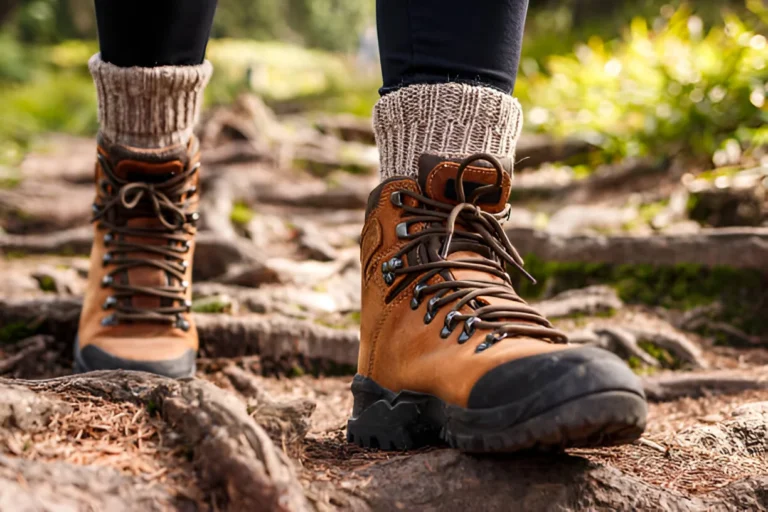
Kilimanjaro Training Mistakes That Reduce Summit Success 2026-2027
Kilimanjaro Training Mistakes that Reduce Summit Success is explained with current 2026-2027 planning, price, itinerary and booking information.
View package details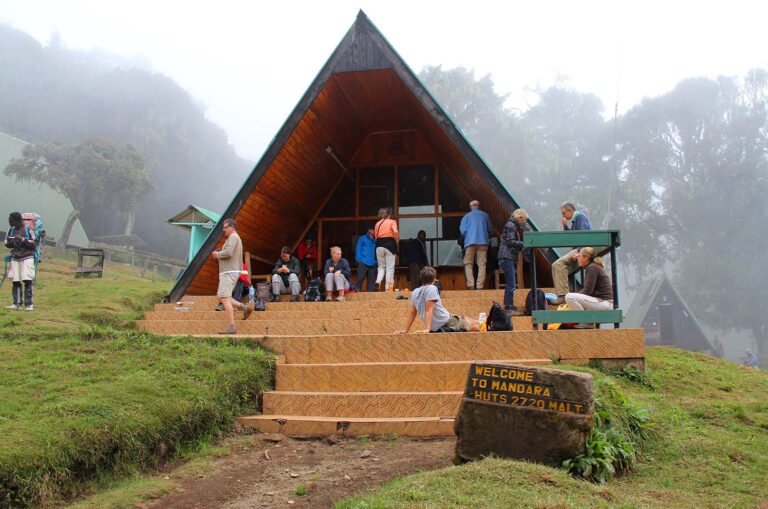
Kilimanjaro Personal Porter Vs Standard Support 2026-2027
Kilimanjaro Personal Porter vs Standard Porter Support is explained with current 2026-2027 planning, price, itinerary and booking information.
View package details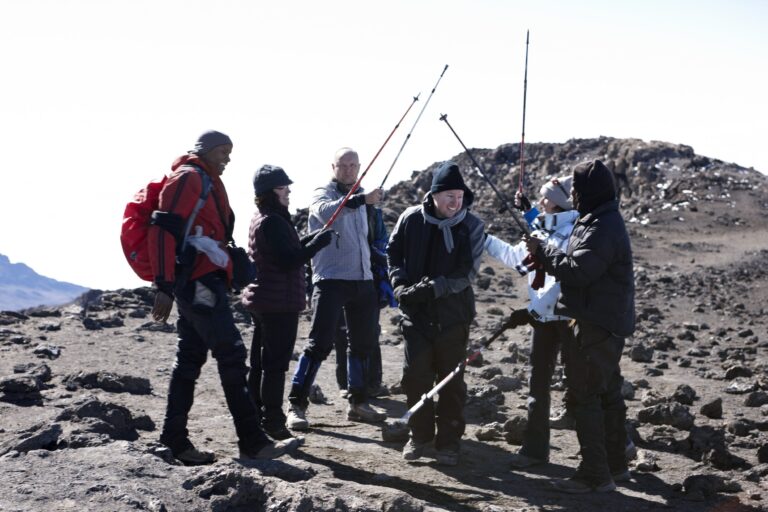
Kilimanjaro Airport Vs Arusha For Climbers: The Definitive Guide 2026-2027
A comprehensive comparison of Kilimanjaro International Airport (JRO) and Arusha Airport (ARK) for trekkers planning a Mount Kilimanjaro climb, detailing pros, cons, and booking advice for...
View package details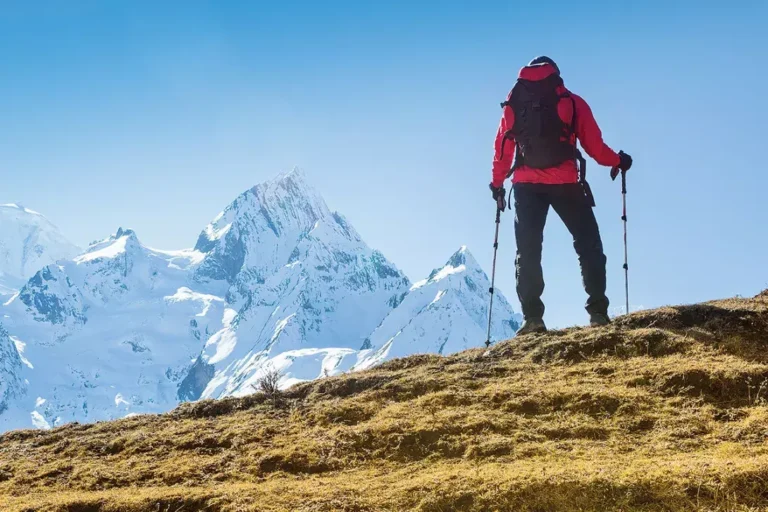
Kilimanjaro Climb For Retired Couples: Planning Your Adventure 2026-2027
Planning a Kilimanjaro climb as a retired couple is an achievable and rewarding goal. This guide offers in-depth advice on route selection, physical preparation, essential gear, and the...
View package details
Kilimanjaro Training Plan For Climbers Over 60 2026-2027
Kilimanjaro Training Plan for Climbers over 60 is explained with current 2026-2027 planning, price, itinerary and booking information.
View package details
Can A 16-Year-Old Climb Kilimanjaro? Your Essential Guide 2026-2027
Discover if a 16-year-old can summit Kilimanjaro. This comprehensive guide covers age requirements, health, fitness, essential gear, and planning for younger trekkers aiming for Africa's...
View package detailsNo related package matches those filters. Clear one or more filters to see the other topic-matched options.



