
A successful Kilimanjaro training plan for climbers over 60 in 2026-2027 prioritizes gradual, consistent physical conditioning focusing on cardiovascular health, muscular strength (especially legs and core), flexibility, and acclimatization simulation, alongside meticulous attention to nutrition, hydration, mental preparedness, and appropriate gear selection. The plan should span at least 3-6 months, incorporating progressive hiking with elevation gain, strength training, and aerobic exercises, while consulting a physician before beginning any rigorous regimen.
Preparing for Kilimanjaro: A Realistic Approach for Climbers Over 60
The dream of standing on the roof of Africa, Mount Kilimanjaro, is achievable for many, including those over 60. While age can bring unique considerations, it doesn’t have to be a barrier. With a well-structured Kilimanjaro training plan for climbers over 60, meticulous preparation, and the right mindset, you can significantly increase your chances of a safe and triumphant summit. At Top Guide Adventures, we’ve guided countless climbers of all ages and understand the specific needs of older adventurers. This guide is designed to provide you with a detailed roadmap for your 2026 or 2027 Kilimanjaro expedition, focusing on building the necessary physical and mental resilience.
Climbing Kilimanjaro is a significant undertaking, demanding sustained physical effort and adaptability to varying altitudes. For individuals over 60, this means a more considered and personalized approach to training. The goal isn’t to become an elite athlete overnight, but rather to build a robust foundation of fitness that supports the unique challenges of high-altitude trekking. We’ll cover everything from the essential types of exercise and their frequency to nutrition, hydration, mental preparation, and crucial pre-trip health checks.
Understanding the Kilimanjaro Challenge: What to Expect Over 60
Before diving into the training specifics, it’s vital to understand what climbing Kilimanjaro entails, especially for those in their 60s and beyond. The mountain is not technically difficult, meaning it doesn’t require rock climbing skills. However, the primary challenges are:
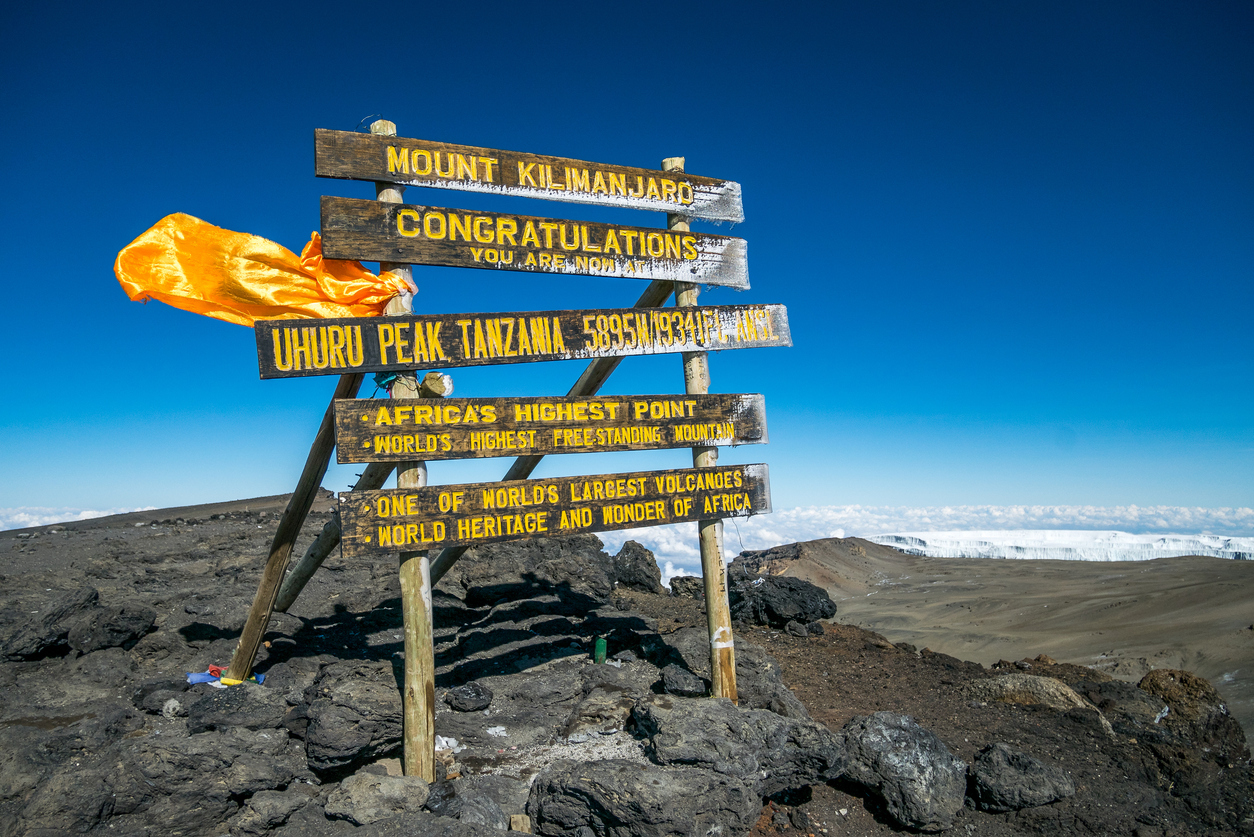
- Altitude: Kilimanjaro reaches 5,895 meters (19,341 feet). The rapid ascent through various climate zones exposes climbers to decreasing oxygen levels, which can cause altitude sickness.
- Duration: Most climbs range from 5 to 9 days, requiring sustained physical and mental effort day after day.
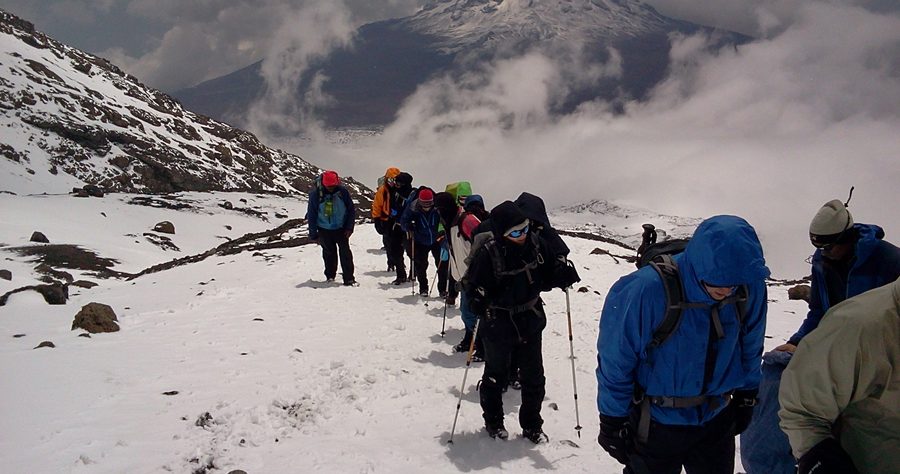
- Terrain: The trails vary from well-trodden paths to scree slopes and rocky sections, demanding good balance and lower body strength.
- Weather: Conditions can change dramatically, from warm, humid rainforest at the base to freezing, windy conditions at the summit.
- Comfort: While guides and porters handle logistics, climbers must carry their day packs and be prepared for basic camping conditions.
For climbers over 60, these challenges may be amplified by natural age-related physiological changes, such as potentially slower recovery times, pre-existing health conditions, and a need for more careful acclimatization. This is precisely why a tailored Kilimanjaro training plan for climbers over 60 is not just recommended, but essential for a successful and enjoyable experience in 2026-2027.
Consulting Your Doctor: The First Crucial Step
This cannot be stressed enough: before commencing any rigorous Kilimanjaro training plan for climbers over 60, a thorough medical consultation is paramount. Discuss your intention to climb Kilimanjaro with your physician. They can assess your current health status, identify any potential risks, and provide personalized advice based on your medical history. Be open about any existing conditions, such as heart issues, respiratory problems, joint pain, or diabetes. Your doctor might recommend specific tests or suggest modifications to your training plan. This proactive step ensures your climbing journey is as safe as possible for your 2026 or 2027 adventure.
Building Your Kilimanjaro Training Plan: Key Components
A comprehensive Kilimanjaro training plan for climbers over 60 should focus on four main pillars: cardiovascular fitness, muscular strength, flexibility and balance, and acclimatization preparation. The training should ideally begin 3-6 months prior to your climb, allowing for gradual progression and adaptation.
1. Cardiovascular Endurance: The Foundation of Your Climb
The ability to sustain effort over long periods is critical. Your heart and lungs need to be strong enough to cope with the demands of continuous trekking at altitude. The primary goal is to increase your aerobic capacity.
Activities for Cardiovascular Training:
- Hiking: This is the most specific and beneficial form of training. Aim for at least one long hike per week, gradually increasing the duration and elevation gain.
- Walking: Brisk walking, especially uphill, is an excellent starting point.
- Cycling: Stationary or outdoor cycling provides a low-impact cardiovascular workout.
- Swimming: A great full-body, low-impact option that builds endurance.
- Elliptical Trainer: Mimics walking and running with less joint impact.
- Stair Climbing: Using a stair machine or actual stairs is excellent for simulating uphill effort.
Progression for Over 60s:
Start with 3-4 cardiovascular sessions per week, each lasting 30-45 minutes. As your fitness improves, gradually increase the duration to 60-90 minutes and the intensity. For hikers over 60, listening to your body and avoiding overexertion is key. Recovery days are as important as training days.
The Importance of Hill Training:
Kilimanjaro is a mountain, and your training should reflect this. Seek out hills or inclines in your local area. If none are available, use stair machines or even inclined treadmills. The aim is to simulate the sustained uphill effort you’ll experience on the mountain. For those focusing on a Kilimanjaro training plan for climbers over 60, incorporating at least one dedicated hill-training session per week is highly recommended.
2. Muscular Strength and Endurance: Supporting Your Body
Strong legs and a stable core are essential for navigating varied terrain, carrying a day pack, and maintaining balance. Strength training also helps prevent injuries and improves overall stamina.
Key Muscle Groups to Target:
- Legs: Quadriceps, hamstrings, calves, glutes.
- Core: Abdominals, obliques, lower back.
- Upper Body: Shoulders, back, arms (for poles and stability).
Recommended Strength Exercises:
- Squats: Bodyweight, goblet squats, or using resistance bands.
- Lunges: Forward, backward, and side lunges.
- Calf Raises: Essential for uphill and downhill trekking.
- Step-Ups: Using a bench or sturdy step, mimicking climbing.
- Glute Bridges: Strengthens glutes and lower back.
- Plank: For core stability.
- Bird-Dog: Another excellent core and balance exercise.
- Push-ups (modified if needed): For upper body strength.
- Rows (with resistance bands or weights): For back strength.
Frequency and Progression:
Aim for 2-3 strength training sessions per week, with at least one rest day between sessions. Focus on proper form over heavy weight. For climbers over 60, consider using lighter weights or resistance bands and increasing repetitions. As you get stronger, you can gradually increase the resistance, repetitions, or sets. For a Kilimanjaro training plan for climbers over 60, balance is key – don’t neglect core and lower body exercises.
3. Flexibility and Balance: Enhancing Agility and Preventing Falls
Good flexibility allows for a greater range of motion, reducing the risk of muscle strains. Balance exercises are crucial for navigating uneven terrain safely, especially when fatigued.
Flexibility Exercises:
- Stretching: Focus on major muscle groups, holding each stretch for 20-30 seconds. Key stretches include hamstring, quad, calf, hip flexor, and lower back stretches.
- Yoga or Pilates: These disciplines are excellent for improving flexibility, core strength, and body awareness.
Balance Exercises:
- Single Leg Stands: Start by holding onto a wall for support, then progress to standing unassisted.
- Heel-to-Toe Walking: Walking in a straight line, placing the heel of one foot directly in front of the toes of the other.
- Tai Chi: Known for its slow, deliberate movements that improve balance and coordination.
Integration into Training:
Incorporate stretching after every workout, especially after hiking and strength training. Dedicate at least one session per week specifically to balance or flexibility work, or integrate short balance drills into your warm-ups and cool-downs. For climbers over 60, consistency with these practices is more important than intensity.
4. Acclimatization Simulation and Hiking Specifics
While true acclimatization happens on the mountain, you can prepare your body for the demands of altitude and prolonged trekking.
Simulating Altitude (Where Possible):
This is challenging without specialized equipment. However, consistent cardiovascular training at higher intensities can help your body become more efficient with oxygen. If you live at a lower altitude, try to incorporate some training sessions at higher elevations if accessible. Even a few hundred meters difference can make a subtle impact.
Long Hikes: The Cornerstone of Your Kilimanjaro Training Plan for Climbers Over 60
Your weekly long hike is the most critical component. Gradually increase the distance and elevation gain. Aim to eventually complete hikes of 6-8 hours, carrying a pack similar to what you’ll use on Kilimanjaro (water, snacks, layers).
- Start Gradually: Begin with hikes of 2-3 hours and build up.
- Increase Duration and Elevation: Add an hour or a few hundred meters of elevation gain each week or two.
- Weekend Focus: Dedicate one day of the weekend to your long hike.
- Practice with Gear: Use your hiking boots, backpack, and trekking poles on these long hikes to ensure comfort and identify any issues.
- Simulate Kilimanjaro Days: If possible, do back-to-back long hikes on a weekend to simulate consecutive trekking days.
Altitude Considerations for Over 60s:
Pay extra attention to how your body responds during and after strenuous activity. If you experience headaches, nausea, or dizziness during training hikes, slow down, rest, hydrate, and consider consulting your doctor. This sensitivity is a key consideration for any Kilimanjaro training plan for climbers over 60.
Sample Kilimanjaro Training Schedule (3-6 Months Out)
This is a sample schedule and should be adapted to your current fitness level and available time. Remember to include rest days and listen to your body.
Month 1-2: Building the Base
- Cardio: 3-4 sessions/week, 30-45 minutes each (brisk walking, cycling, swimming). Focus on consistency.
- Strength: 2 sessions/week, focusing on basic bodyweight exercises (squats, lunges, planks). 2 sets of 10-12 repetitions.
- Flexibility/Balance: 2-3 times/week, gentle stretching after workouts, short balance exercises.
- Hiking: 1 longer hike per week, 2-3 hours, moderate terrain.
Month 3-4: Increasing Intensity and Duration
- Cardio: 3-4 sessions/week, 45-60 minutes. Introduce some higher intensity intervals or hill work.
- Strength: 2-3 sessions/week. Increase resistance (light weights, bands) or repetitions. Focus on leg and core strength. 3 sets of 10-15 repetitions.
- Flexibility/Balance: Continue regularly. Consider a yoga class.
- Hiking: 1 long hike per week, building up to 4-5 hours with some elevation gain.
Month 5-6: Peak Training and Specificity
- Cardio: 3-4 sessions/week, 60-75 minutes. Include significant hill work or stair climbing.
- Strength: 2 sessions/week. Maintain strength, focus on endurance (higher reps, moderate weight).
- Flexibility/Balance: Maintain consistency.
- Hiking: 1 long hike per week, aiming for 6-8 hours with significant elevation gain (1000m+ if possible). Consider a back-to-back hike weekend.
- Gear Testing: Ensure all your gear (boots, pack, clothing) is comfortable and functional on these longer hikes.
Final 2-3 Weeks: Tapering
- Reduce Intensity and Volume: Significantly decrease the duration and intensity of workouts.
- Maintain Activity: Short, easy walks or light stretching are good.
- Focus on Rest: Prioritize sleep and relaxation.
- Hydration and Nutrition: Focus on staying well-hydrated and eating nutritious foods.
- Final Gear Check: Ensure everything is packed and ready.
This structured approach ensures that by 2026-2027, you’ll be well-prepared physically for your Kilimanjaro climb. Remember, the Kilimanjaro training plan for climbers over 60 is about building sustainable fitness, not pushing to your absolute limit during training.
Nutrition and Hydration: Fueling Your Body for the Climb
Proper nutrition and hydration are critical throughout your training and especially during the climb itself. For individuals over 60, maintaining optimal nutrient intake and hydration can be even more important for energy levels and recovery.
Key Nutritional Considerations:
- Balanced Diet: Focus on whole foods, including lean proteins, complex carbohydrates, healthy fats, fruits, and vegetables.
- Protein Intake: Essential for muscle repair and maintenance. Ensure adequate protein with meals and snacks.
- Complex Carbohydrates: Provide sustained energy. Opt for whole grains, oats, sweet potatoes, and legumes.
- Healthy Fats: Important for hormone production and energy. Include avocados, nuts, seeds, and olive oil.
- Vitamins and Minerals: A diverse diet should cover most needs, but consider consulting your doctor about potential supplements, especially Vitamin D and Calcium, which can be important for bone health in older adults.
Hydration Strategy:
- Daily Intake: Aim for at least 2-3 liters of water per day during training.
- During Exercise: Sip water consistently throughout your workouts and hikes.
- Electrolytes: For longer or more intense sessions, consider adding an electrolyte supplement to your water to replenish lost salts.
- Monitor Urine Color: Pale yellow indicates good hydration.
Nutrition on the Mountain:
Your tour operator will provide meals on Kilimanjaro. These are typically high in carbohydrates to provide energy. However, it’s wise to bring some of your own high-energy snacks (nuts, dried fruit, energy bars) that you enjoy and are easy to digest. Stay hydrated by drinking water frequently, even when you don’t feel thirsty. Your guides will encourage this.
Gear and Equipment: The Right Tools for Success
Having the right gear is crucial for comfort, safety, and performance, especially for climbers over 60 who may be more sensitive to temperature and discomfort. Investing in quality gear can make a significant difference.
Essential Gear Checklist:
- Hiking Boots: Well broken-in, waterproof, and supportive. This is arguably the most important piece of gear.
- Trekking Poles: Highly recommended to reduce strain on knees and improve balance.
- Backpack: A comfortable daypack (20-30 liters) for essentials.
- Clothing Layers:
- Base Layers: Moisture-wicking thermal tops and bottoms.
- Mid Layers: Fleece jacket or insulated vest for warmth.
- Outer Layer: Waterproof and windproof jacket and trousers (Gore-Tex or similar).
- Headwear: Warm hat, sun hat, balaclava or neck gaiter.
- Gloves: Warm, waterproof gloves and liner gloves.
- Footwear: Several pairs of wool or synthetic hiking socks.
- Sleeping Bag: Rated for sub-zero temperatures (can often be rented).
- Headlamp: With extra batteries.
- Sun Protection: High SPF sunscreen, lip balm, sunglasses.
- Personal Items: Water bottles/hydration reservoir, toiletries, basic first-aid kit, any personal medications.
Important Considerations for Over 60s:
- Boot Fit: Ensure your boots fit perfectly and are thoroughly broken in to prevent blisters, which can be harder to manage with age.
- Trekking Poles: These are invaluable for stability and reducing impact on joints.
- Layering System: Being able to adjust your layers easily is key to regulating body temperature and preventing overheating or chilling.
- Comfortable Pack: A well-fitting backpack with a supportive hip belt is essential.
Test all your gear during your training hikes. For specific recommendations on gear, Top Guide Adventures can provide guidance to ensure you’re well-equipped for your 2026 or 2027 climb.
Mental Preparation: The Unsung Hero of Your Climb
Climbing Kilimanjaro is as much a mental challenge as it is a physical one. For climbers over 60, mental resilience can be a significant advantage, but it still requires preparation.
- Positive Mindset: Focus on your goal and the incredible experience ahead.
- Patience: Understand that progress may be slower, and that’s perfectly fine.
- Acceptance: Be prepared for discomfort, fatigue, and challenging conditions.
- Problem-Solving: Develop a calm approach to dealing with any issues that arise.
- Visualization: Imagine yourself successfully reaching the summit and enjoying the views.
- Break It Down: Focus on one day, one hour, or even one step at a time. This makes the overall goal less daunting.
- Trust Your Team: Rely on your guides and porters. They are experienced professionals.
For individuals over 60, mental fortitude often comes from life experience. Drawing on past challenges you’ve overcome can be a powerful motivator. A well-executed Kilimanjaro training plan for climbers over 60 builds confidence, which is a huge component of mental preparation.
Choosing the Right Route for Over 60s
While all routes require acclimatization, some are considered more beginner-friendly and offer better acclimatization profiles, which can be particularly beneficial for older climbers.
- Machame Route: Popular for its scenic beauty and good acclimatization profile. It’s longer (7 days) but offers a higher success rate. Check Machame Route departure dates.
- Lemosho Route: Another excellent option with a gradual ascent and beautiful scenery, typically 8 days. It offers superb acclimatization.
- Marangu Route: Known as the ‘Coca-Cola’ route, it’s the only route with hut accommodation. However, its ascent is steeper and acclimatization is less gradual, often leading to lower success rates.
Routes like Machame and Lemosho, with their longer durations and ‘climb high, sleep low’ principles, are generally better suited for those who want to maximize acclimatization, a key factor for any Kilimanjaro training plan for climbers over 60.
The Role of a Reputable Tour Operator
Choosing the right tour operator is crucial for a safe and enjoyable Kilimanjaro experience, especially for older climbers. Top Guide Adventures prides itself on personalized attention and dedicated support.
Why Top Guide Adventures is Ideal for Over 60s:
- Experienced Guides: Our guides are certified and experienced in high-altitude trekking, with specific training in altitude sickness recognition and management. They are adept at assessing individual climber needs.
- Safety First: We prioritize safety above all else, with comprehensive emergency protocols and communication systems.
- Pacing: Our guides understand the importance of slow and steady pacing, allowing everyone, including our over 60 climbers, to acclimatize effectively.
- Support Staff: We employ a highly professional team of porters and cooks who ensure your comfort and well-being throughout the trek.
- Tailored Support: We offer flexible itineraries and are attentive to individual needs, ensuring you feel supported every step of the way.
- Quality Equipment: We provide high-quality tents, sleeping bags (if needed), and cooking equipment.
When planning your Kilimanjaro climb for 2026 or 2027, selecting a company that understands the nuances of trekking for mature adventurers is paramount. Our team is dedicated to making your dream a reality.
Adjusting Your Training as You Age
It’s important to acknowledge that while the principles of training remain the same, the execution might need adjustments as we age. Recovery times can be longer, and the body might be more susceptible to certain injuries.
- Listen to Your Body: This is the golden rule. If you feel pain, stop. If you feel excessively fatigued, take an extra rest day. Pushing through pain is counterproductive and can lead to injury.
- Prioritize Recovery: Ensure adequate sleep. Consider active recovery techniques like light stretching or foam rolling on rest days.
- Warm-Up Thoroughly: A longer, more dynamic warm-up can prepare your muscles and joints for exercise, reducing injury risk.
- Cool-Down and Stretch: Don’t skip the post-exercise cool-down and stretching routine.
- Focus on Consistency Over Intensity: Regular, moderate exercise is often more beneficial than sporadic, intense bursts.
- Nutrition for Recovery: Ensure you are consuming enough protein and healthy fats to support muscle repair.
- Medical Check-ups: Regular medical advice is key to ensuring your training is safe and appropriate for your age and health status.
A well-designed Kilimanjaro training plan for climbers over 60 is inherently flexible and responsive to the individual’s needs. It’s about smart training, not just hard training.
Pre-Trip Preparations and Travel Logistics
Beyond physical training, several logistical aspects need attention before your 2026-2027 Kilimanjaro adventure.
- Travel Insurance: Ensure your policy covers high-altitude trekking and emergency medical evacuation. This is non-negotiable.
- Visas and Passports: Check passport validity (at least six months beyond your stay) and visa requirements for Tanzania.
- Vaccinations: Consult your doctor or a travel clinic about recommended vaccinations for Tanzania.
- Travel Arrangements: Book flights and any pre- or post-climb accommodation in Tanzania. Many climbers spend a night in Moshi or Arusha before and after the climb.
- Final Gear Check: Double-check you have all necessary items.
On the Mountain: Staying Healthy and Safe
Once you begin your climb, adherence to certain practices will significantly contribute to your success and well-being.
- Pace Yourself: Walk slowly and steadily. The mantra is “pole pole” (slowly, slowly).
- Hydrate Constantly: Drink at least 3-4 liters of water per day.
- Eat Well: Even if you don’t feel hungry, try to eat small amounts of food regularly to maintain energy levels.
- Communicate: Inform your guide immediately if you feel unwell, experience headaches, nausea, dizziness, or any other symptoms. Early reporting is crucial for managing altitude sickness.
- Monitor Symptoms: Be aware of the signs of Acute Mountain Sickness (AMS), High Altitude Cerebral Edema (HACE), and High Altitude Pulmonary Edema (HAPE). Your guide is trained to recognize these.
- Rest: Utilize rest stops to drink water and have a snack.
- Protect Yourself: Use sunscreen, wear your hat and sunglasses, and stay warm with layers.
For those following a Kilimanjaro training plan for climbers over 60, maintaining these on-mountain practices is vital. Your training has prepared your body, but diligence on the mountain ensures you can leverage that preparation safely.
The 2026-2027 Kilimanjaro Climbing Season
Planning your climb for 2026 or 2027 allows ample time for thorough preparation. Kilimanjaro has two main dry seasons, which are the most popular times to climb:
- January to March: Generally clear skies, but can be colder.
- June to October: Stable weather, cooler temperatures, and excellent visibility.
The shoulder seasons (April-May and November-December) can bring rain, making trails muddy and visibility poor, though they are less crowded. For climbers over 60, aiming for the drier, more stable seasons in 2026-2027 is often advisable to minimize environmental challenges.
Conclusion: Your Kilimanjaro Dream Awaits
Climbing Kilimanjaro is an extraordinary achievement, and age is no barrier when you approach it with the right preparation. A dedicated Kilimanjaro training plan for climbers over 60, focusing on cardiovascular health, strength, flexibility, and consistent practice, is your key to success. Coupled with proper nutrition, hydration, quality gear, and the support of an experienced team like Top Guide Adventures, you can confidently pursue your summit goal for 2026 or 2027.
We understand the unique journey of each climber. Our commitment is to provide a safe, supportive, and unforgettable experience. Don’t let age define your limits; let your preparation empower your adventure. We are here to answer all your questions and help you plan the climb of a lifetime.
Ready to start planning your Kilimanjaro adventure for 2026 or 2027? Contact Top Guide Adventures today for personalized advice and to discuss your expedition. Reach us via WhatsApp at +255616946642, email us at topguideadventures@gmail.com, or info@topguideadventures.com. Let’s make your Kilimanjaro dream a reality.
“,
“faq_schema”: [
{
“question”: “What is the most important aspect of a Kilimanjaro training plan for climbers over 60?”,
“answer”: “The most important aspect is consistent, progressive cardiovascular training combined with strength exercises for the legs and core. For climbers over 60, this must be approached with careful attention to listening to the body, prioritizing recovery, and consulting a physician before beginning any rigorous regimen.”
},
{
“question”: “How much time should I allocate for Kilimanjaro training if I am over 60?”,
“answer”: “It is recommended to start your Kilimanjaro training plan for climbers over 60 at least 3-6 months before your intended climb date. This allows for gradual adaptation and reduces the risk of injury or overexertion.”
},
{
“question”: “Are trekking poles essential for Kilimanjaro climbs for older trekkers?”,
“answer”: “Yes, trekking poles are highly recommended, especially for climbers over 60. They significantly reduce stress on the knees and hips during ascents and descents, improve balance on uneven terrain, and can help conserve energy.”
},
{
“question”: “What are the best Kilimanjaro routes for climbers over 60 in 2026-2027?”,
“answer”: “Routes like the Machame or Lemosho are generally considered best for older climbers due to their longer durations (7-8 days), which allow for better acclimatization. They offer more gradual ascents and incorporate the ‘climb high, sleep low’ principle, which is crucial for success at altitude.”
},
{
“question”: “What are the signs of altitude sickness I should be aware of?”,
“answer”: “Common symptoms of Acute Mountain Sickness (AMS) include headache, nausea, dizziness, fatigue, and loss of appetite. More severe forms, like HACE (High Altitude Cerebral Edema) and HAPE (High Altitude Pulmonary Edema), can be life-threatening. It’s vital to inform your guide immediately if you experience any symptoms.”
},
{
“question”: “Should I get a medical check-up before starting my Kilimanjaro training?”,
“answer”: “Absolutely. Consulting with your doctor before starting any Kilimanjaro training plan for climbers over 60 is the first and most critical step. They can assess your health, identify any potential risks, and provide personalized recommendations for your training and the climb itself.”
}
]
}
“`
Check Availability for Kilimanjaro Training Plan For Climbers Over 60 2026-2027
Ready to compare dates, prices, and the best option for your group? Send the package name and travel month so the team can reply with a clear quote, availability, and what is included.
Kilimanjaro Climb With Personalized Training Plan: Your Guide 2026-2027
start your Kilimanjaro adventure with confidence. This guide details how a personalized training plan from Top Guide Adventures ensures you're fully prepared for your 2026 or 2027 climb...
View package details
Kilimanjaro Hydration Mistakes Climbers Make And How To Avoid Them 2026-2027
Proper hydration is critical for a successful Kilimanjaro climb. This guide details common hydration mistakes climbers make, from under-drinking to choosing the wrong fluids, and provides...
View package details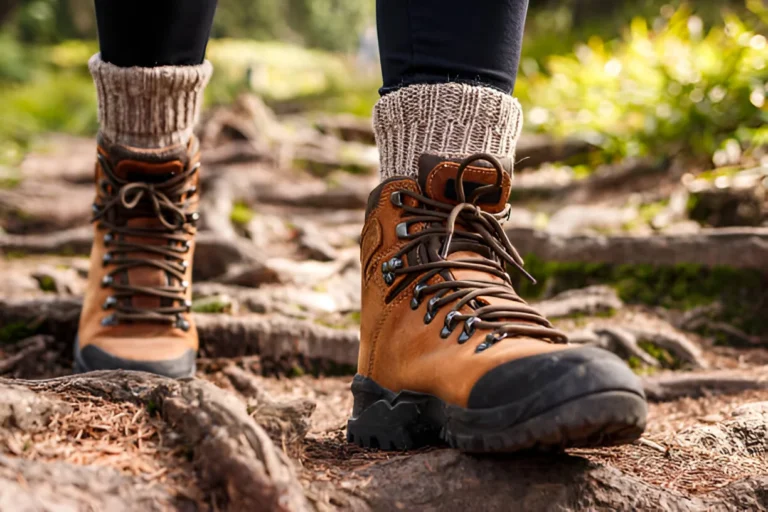
Kilimanjaro Training Mistakes That Reduce Summit Success 2026-2027
Kilimanjaro Training Mistakes that Reduce Summit Success is explained with current 2026-2027 planning, price, itinerary and booking information.
View package details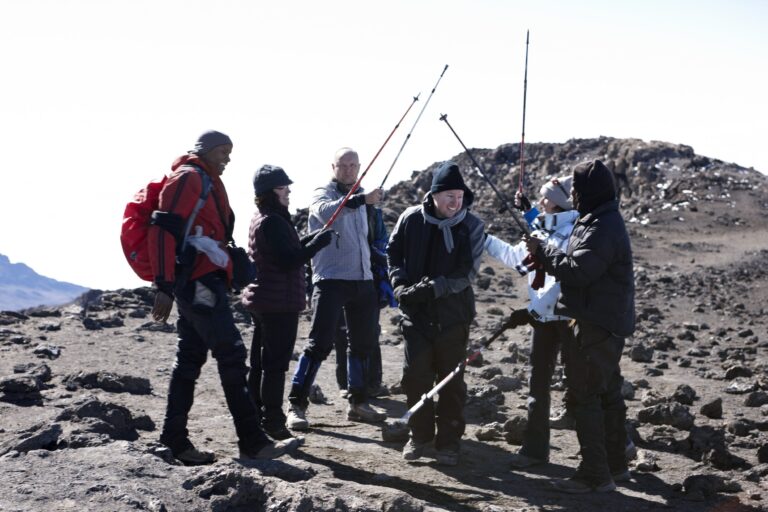
Kilimanjaro Airport Vs Arusha For Climbers: The Definitive Guide 2026-2027
A comprehensive comparison of Kilimanjaro International Airport (JRO) and Arusha Airport (ARK) for trekkers planning a Mount Kilimanjaro climb, detailing pros, cons, and booking advice for...
View package details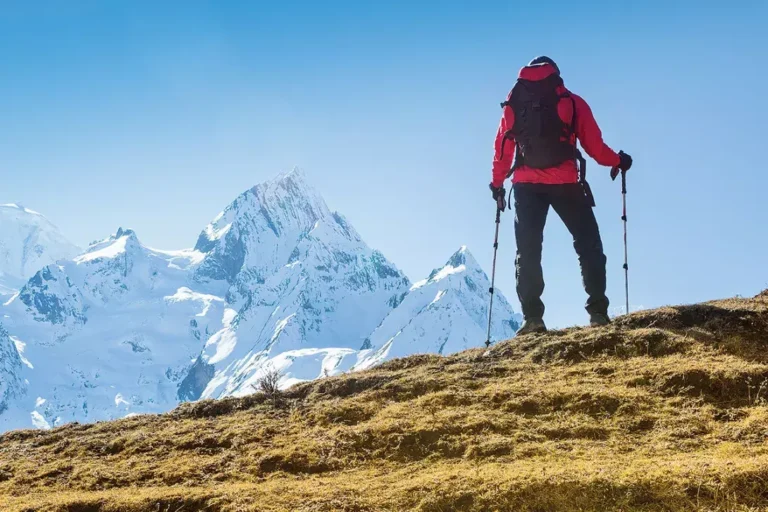
Kilimanjaro Climb For Retired Couples: Planning Your Adventure 2026-2027
Planning a Kilimanjaro climb as a retired couple is an achievable and rewarding goal. This guide offers in-depth advice on route selection, physical preparation, essential gear, and the...
View package details
Content For Parents And Young Climbers: Conquering Kilimanjaro Safely
Planning a Kilimanjaro climb with children or as a young climber requires special attention. This guide provides comprehensive content for parents and young adventurers, covering...
View package details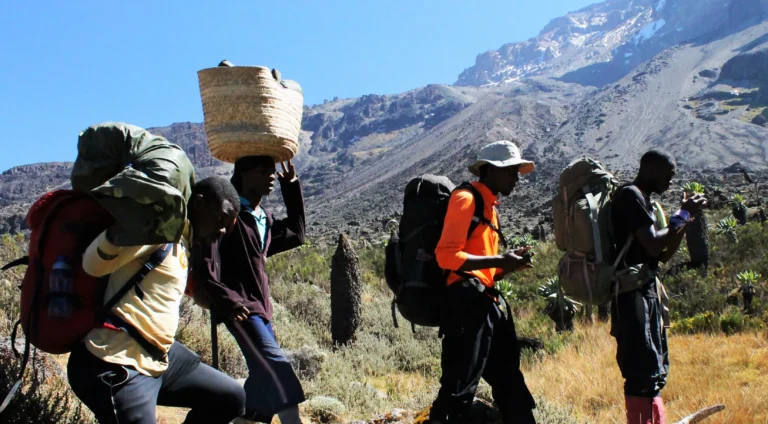
Kilimanjaro Tree-Planting Climbing Package Guide
Combine your dream Kilimanjaro climb with a meaningful conservation effort. Our Kilimanjaro Tree-Planting Climbing Package allows you to ascend Africa's highest peak while actively...
View package details
Kilimanjaro Childcare And Family Activity Planning For Adventures 2026-2027
This comprehensive guide details how families can plan a Kilimanjaro adventure, covering childcare, age-specific activities, and logistical considerations for 2026-2027 climbs and safaris.
View package details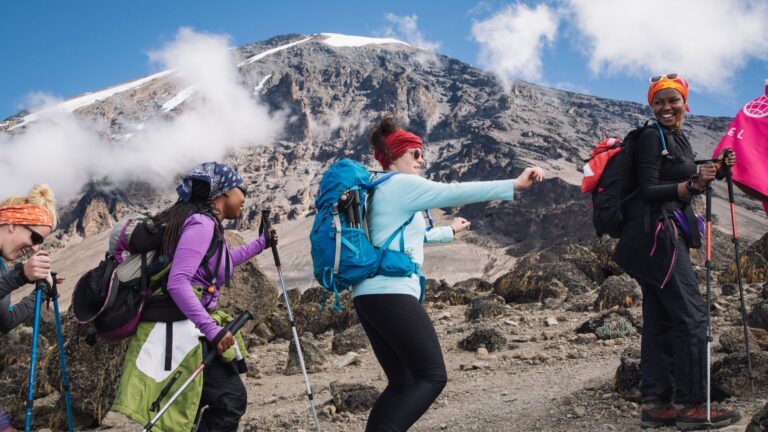
Kilimanjaro Wellness Retreat For Non-Climbers: Rejuvenate Near Africas
Experience the serene beauty and restorative power of Tanzania without the arduous climb. Our Kilimanjaro wellness retreats for non-climbers offer a unique blend of relaxation, cultural...
View package details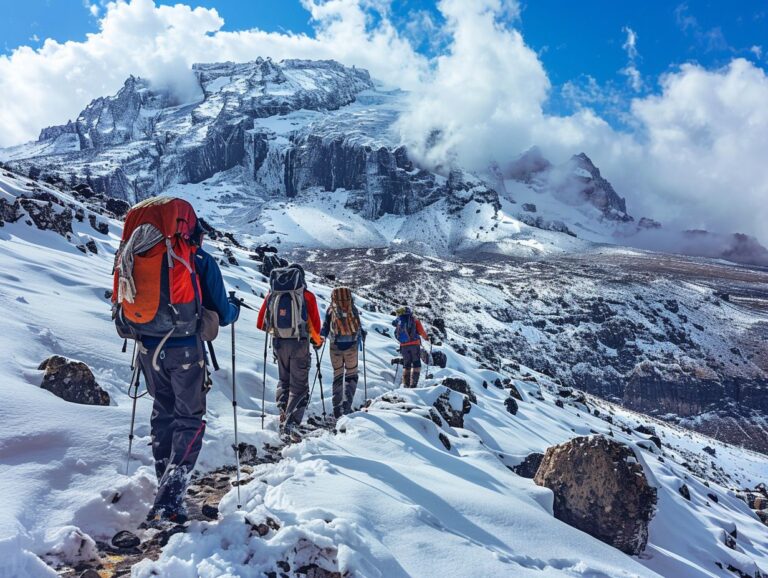
Kilimanjaro Road-Cycling Training Camp: Your Ultimate Preparation Guide
This comprehensive guide details everything you need to know about a Kilimanjaro road-cycling training camp, from essential preparation and training regimens to gear and best practices for...
View package details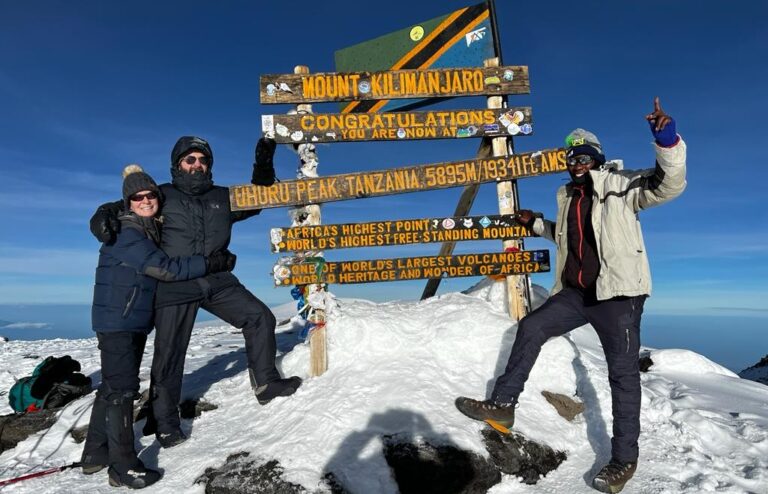
Should You Wear Gaiters On Kilimanjaro? A Complete Guide For Climbers
Discover whether gaiters are essential for your Kilimanjaro climb. This comprehensive guide covers their benefits, types, and how they enhance comfort and safety on the mountain, especially...
View package detailsKilimanjaro Climb With Chemka Hot Springs Recovery 2026-2027
Kilimanjaro Climb with Chemka Hot Springs Recovery is explained with current 2026-2027 planning, price, itinerary and booking information.
View package detailsNo related package matches those filters. Clear one or more filters to see the other topic-matched options.



