
A Kilimanjaro road-cycling training camp is a specialized program designed to build the cardiovascular endurance, leg strength, and mental fortitude required for climbing Mount Kilimanjaro, utilizing road cycling as the primary training method to simulate sustained effort and altitude adaptation. These camps typically involve rigorous cycling routes, often at varying elevations, focusing on long-distance rides, hill climbs, and interval training, supplemented by essential strength and conditioning exercises, all aimed at preparing participants for the unique demands of a multi-day trek up Africa’s highest peak, especially relevant for adventurers planning their expeditions in 2026 or 2027.
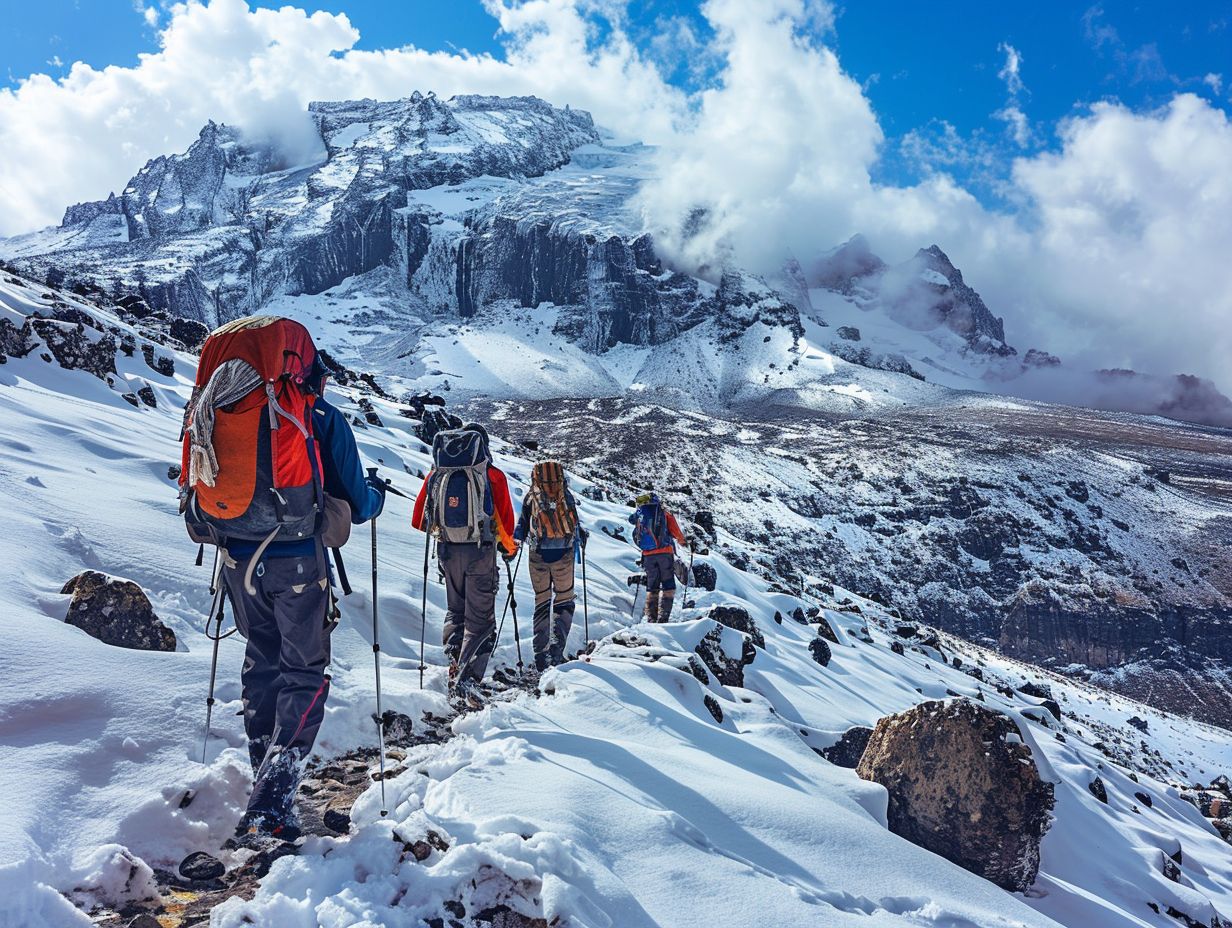
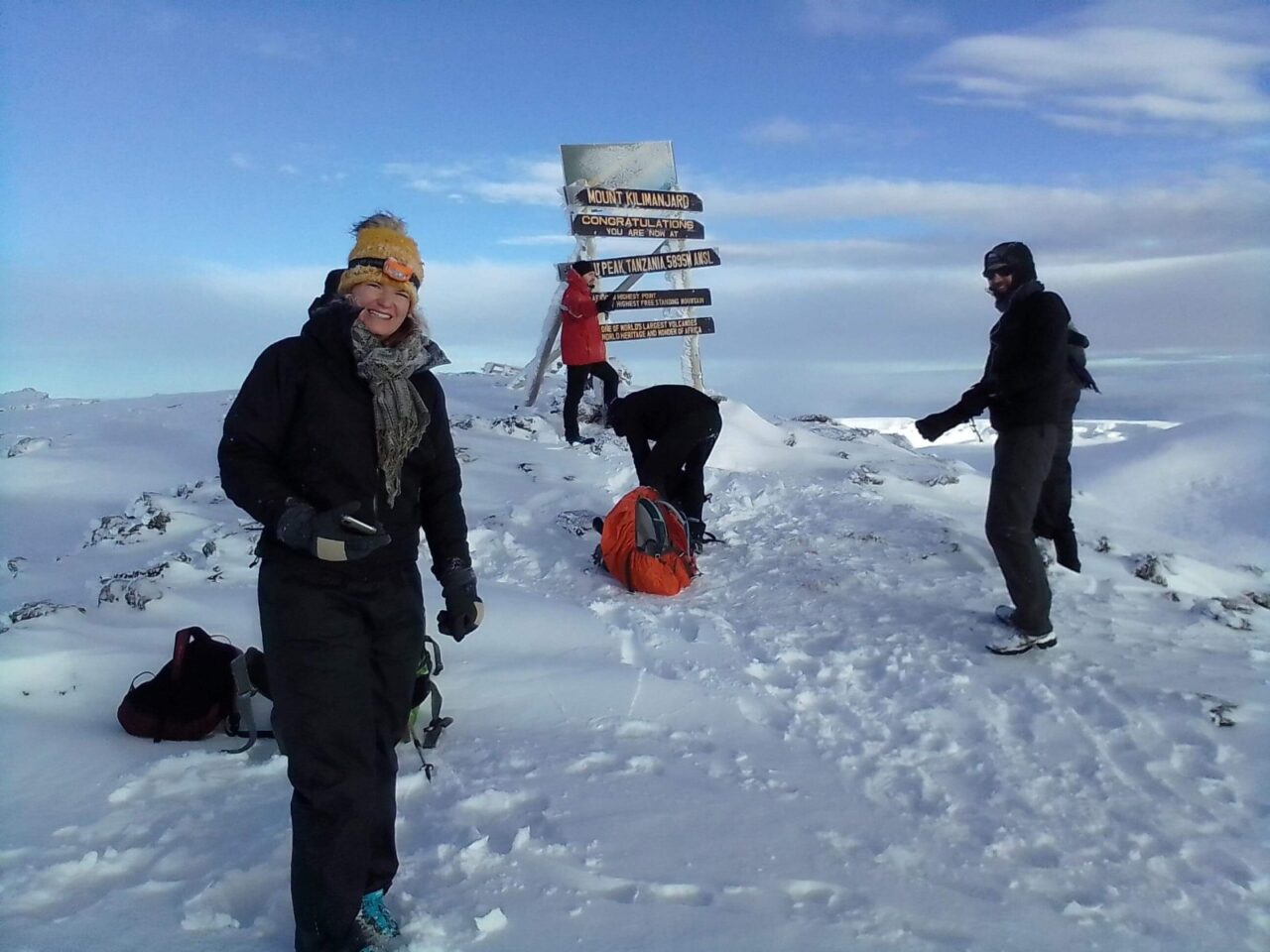
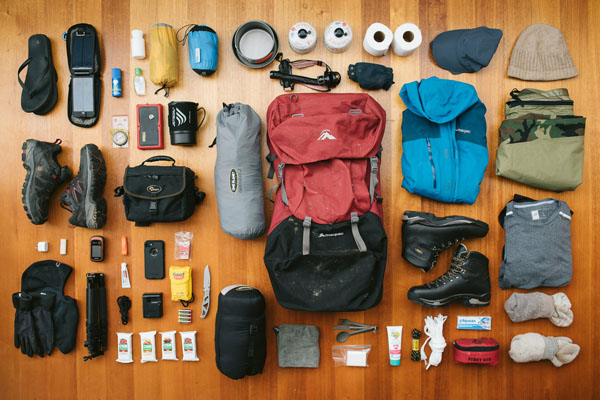
The Unique Advantage of Road Cycling for Kilimanjaro Ascent Preparation
Mount Kilimanjaro, a dormant volcano in Tanzania, presents a formidable challenge not just due to its altitude but also its sustained, multi-day ascent. While traditional hiking and trekking are the most direct forms of preparation, many seasoned adventurers and those seeking a comprehensive fitness regimen find that a dedicated Kilimanjaro road-cycling training camp offers distinct advantages. This approach leverages the power of cycling to build a specific type of physiological resilience crucial for high-altitude mountaineering.
Road cycling is renowned for its ability to develop exceptional cardiovascular endurance. The sustained effort required for long rides directly translates to the stamina needed to trek for hours each day on Kilimanjaro. Furthermore, cycling builds powerful leg muscles, particularly the quadriceps, hamstrings, and glutes, which are heavily engaged during ascents and descents. A well-structured road-cycling camp can mimic the prolonged exertion and gradual elevation gain that hikers experience, albeit in a different kinetic chain. This preparation is key for successful climbs planned for 2026 and 2027, ensuring participants are not only physically ready but also mentally prepared for the demanding journey.
Why Choose Cycling Over Traditional Hiking for Kilimanjaro Training?
While hiking is the most intuitive preparation, a Kilimanjaro road-cycling training camp addresses specific physiological demands that can sometimes be overlooked:
- Cardiovascular Efficiency: Cycling, especially on varied terrain, pushes the cardiovascular system to adapt, improving its ability to deliver oxygen to working muscles during prolonged, moderate-intensity efforts – a hallmark of Kilimanjaro trekking.
- Leg Strength and Endurance: The repetitive, powerful motion of cycling builds muscular endurance in the legs, reducing fatigue during long trekking days. This is vital for the sustained uphill climbs on Kilimanjaro.
- Lower Impact on Joints: Compared to hiking, especially downhill, cycling can be less impactful on knees and ankles, potentially reducing the risk of overuse injuries during the training phase. This is a significant consideration for individuals who may have joint sensitivities.
- Simulated Altitude Effects: Training camps can incorporate hill climbs or rides at moderate elevations, providing a controlled environment to experience and adapt to thinner air, similar to the conditions on Kilimanjaro.
- Mental Fortitude: Long, challenging cycling days build resilience, focus, and the ability to push through discomfort, essential mental attributes for conquering Kilimanjaro.
For those planning their Kilimanjaro expeditions for 2026 or 2027, incorporating a specialized road-cycling training camp into their preparation regimen can provide a significant edge, ensuring they arrive at the base of the mountain in peak physical and mental condition.
Designing Your Kilimanjaro Road-Cycling Training Camp Itinerary
A successful Kilimanjaro road-cycling training camp isn’t just about riding; it’s about strategic preparation tailored to the specific demands of the climb. The ideal camp will balance high-intensity efforts with recovery, incorporate elevation, and gradually build endurance. For adventurers targeting 2026-2027, early planning is crucial.
Phase 1: Foundation Building (3-6 Months Prior)
This phase focuses on establishing a solid aerobic base. Rides are generally longer, at a comfortable, conversational pace. The goal is to increase time spent in the saddle and build general endurance.
- Frequency: 3-4 rides per week.
- Duration: Start with 1-2 hour rides, gradually increasing to 3-4 hours.
- Intensity: Primarily Zone 2 (aerobic, conversational pace).
- Terrain: Mostly flat or rolling hills.
- Key Focus: Consistency and building mileage.
Phase 2: Strength and Hill Work (2-3 Months Prior)
As the target climb date approaches, the training intensifies. This phase introduces hill climbs and interval training to build leg strength and improve lactate threshold. For a Kilimanjaro road-cycling training camp, this is where the simulated mountain efforts begin.
- Frequency: 4-5 rides per week.
- Duration: Include 1-2 longer endurance rides (4-6 hours) and 1-2 shorter, intense sessions.
- Intensity: Incorporate hill repeats (e.g., climbing the same hill multiple times), tempo rides (sustained hard effort), and interval training (e.g., 5 minutes hard, 5 minutes easy).
- Terrain: Seek out hilly routes. If possible, train at higher altitudes or on indoor trainers that simulate gradients.
- Key Focus: Building power, climbing efficiency, and lactate threshold.
Phase 3: Peak & Taper (4-6 Weeks Prior)
This is the period leading up to the Kilimanjaro climb itself. The longest, most challenging rides occur here to simulate the peak exertion of the trek. Following this peak, a taper period begins, significantly reducing volume while maintaining some intensity, allowing the body to recover and adapt.
- Peak Week(s): Include at least one ride of 6-8 hours, ideally with significant climbing. This is the closest you’ll get to simulating a full day on Kilimanjaro’s slopes.
- Taper Period: Reduce overall weekly mileage by 40-60%. Maintain 1-2 shorter, sharper rides (e.g., 1-2 hours with a few short bursts of intensity) to keep the legs feeling fresh.
- Key Focus: Longest endurance rides, then active recovery and peaking for the climb.
Complementary Training
A comprehensive Kilimanjaro road-cycling training camp should also include:
- Strength Training: Focus on core strength, glutes, quads, and hamstrings. Exercises like squats, lunges, deadlifts, and planks are highly beneficial.
- Flexibility and Mobility: Regular stretching and foam rolling can prevent injuries and improve recovery.
- Altitude Acclimatization (if possible): If your training camp location allows, riding at higher elevations is invaluable.
For planning your 2026 or 2027 Kilimanjaro adventure, consider booking a camp that aligns with these phases, ideally 2-4 months before your departure, allowing ample time for the taper and final preparations.
Key Considerations for Your Training Camp Location
Choosing the right location for your Kilimanjaro road-cycling training camp is paramount. Look for areas with:
- Varied Terrain: Access to both flat stretches for endurance building and challenging hills for climbing practice.
- Moderate Altitudes: If possible, locations that offer riding at elevations between 1,500m and 2,500m can provide beneficial acclimatization.
- Good Road Conditions: Safe, well-maintained roads are essential for enjoyable and safe training.
- Support Infrastructure: Access to mechanics, bike shops, and good accommodation is beneficial.
Essential Gear for Your Kilimanjaro Road-Cycling Training Camp
To maximize the effectiveness and safety of your Kilimanjaro road-cycling training camp, having the right gear is non-negotiable. This extends beyond just the bicycle to include apparel, safety equipment, and nutrition essentials.
The Bicycle: Your Primary Tool
Your road bike should be well-maintained, comfortable for long rides, and suited to the type of training you’ll be doing. For Kilimanjaro preparation, a reliable road bike is key.
- Type: A sturdy road bike is ideal. Endurance road bikes, with their slightly more relaxed geometry, can be more comfortable for long hours in the saddle.
- Gearing: Ensure you have appropriate gearing, especially if training in hilly areas. A compact crankset (e.g., 50/34t) and a cassette with a large cog (e.g., 28t or 30t) will make climbing significantly easier.
- Maintenance: Before starting any intensive training camp, ensure your bike has been recently serviced. Check brakes, gears, tires, and chain.
- Components: Consider upgrading to a more comfortable saddle if yours is causing discomfort on longer rides.
Cycling Apparel: Comfort and Performance
Proper cycling apparel is crucial for comfort during long hours on the bike and for adapting to varying weather conditions.
- Padded Cycling Shorts/Bibs: Essential for preventing chafing and saddle sores on long rides. Invest in at least two good quality pairs.
- Jerseys: Moisture-wicking jerseys will keep you cool and comfortable. Look for those with pockets for carrying essentials.
- Base Layers: Useful for temperature regulation, wicking sweat away from the skin in cooler conditions.
- Cycling Gloves: Padded gloves offer comfort and improve grip.
- Cycling Shoes and Pedals: Clipless pedals and shoes provide a more efficient power transfer and can help with muscle engagement.
- Wind Vest/Jacket: A lightweight, packable wind vest or jacket is invaluable for protection against wind chill on descents or in cooler weather.
- Arm/Leg Warmers: Versatile for adapting to changing temperatures.
Safety and Accessories
Safety should always be the top priority during your training camp.
- Helmet: A well-fitting helmet is non-negotiable.
- Lights: Front and rear lights are essential, especially if riding in low-light conditions or on roads with poor visibility.
- Eyewear: Protect your eyes from sun, wind, dust, and debris.
- Cycling Computer/GPS Device: For tracking mileage, speed, cadence, and navigation.
- Water Bottles and Cages: Ensure you have adequate hydration capacity.
- Multi-tool and Spare Tube/Pump: Essential for roadside repairs.
Nutrition and Hydration
Proper fueling is critical for sustained performance during long training rides.
- Energy Gels, Bars, and Chews: For quick energy boosts during rides.
- Electrolyte Drinks: To replenish salts lost through sweat.
- Water: Carry plenty of water.
When preparing for your Kilimanjaro road-cycling training camp in the lead-up to your 2026 or 2027 climb, ensure all your gear is tested on shorter rides to identify any issues before committing to longer durations.
Nutrition and Hydration Strategies for Peak Performance
The demands of a Kilimanjaro road-cycling training camp require a strategic approach to nutrition and hydration. Fueling your body correctly not only enhances performance during rides but also aids recovery, preparing you for subsequent training sessions and, ultimately, the climb itself.
Pre-Ride Fueling
Your meals in the hours leading up to a long ride are crucial for topping up glycogen stores.
- 2-3 Hours Before: Consume a balanced meal rich in complex carbohydrates, moderate in protein, and low in fat and fiber. Examples include oatmeal with fruit, whole-wheat toast with eggs, or a pasta dish.
- 30-60 Minutes Before: A small, easily digestible snack can provide immediate energy. A banana, a small energy bar, or a sports drink works well.
During the Ride: Sustained Energy
For rides longer than 90 minutes, continuous fueling is essential to prevent bonking (hitting the wall).
- Carbohydrate Intake: Aim for 30-60 grams of carbohydrates per hour for rides up to 2.5 hours, and 60-90 grams per hour for rides exceeding 2.5 hours. This can come from energy gels, chews, bars, or sports drinks.
- Timing: Start fueling early in the ride, typically within the first 30-60 minutes, and continue at regular intervals (e.g., every 30-45 minutes).
- Variety: Experiment with different fuel sources during your training camp to find what works best for your digestive system.
Hydration: More Than Just Water
Dehydration can significantly impair performance and increase the risk of heat-related illnesses. Proper hydration involves replacing fluids and electrolytes.
- Before: Start your ride well-hydrated. Drink about 500ml of fluid in the 2-3 hours before starting.
- During: Aim to drink 500-1000ml of fluid per hour, depending on conditions (temperature, humidity, exertion level). Sip regularly rather than drinking large amounts at once.
- Electrolytes: For rides longer than an hour, especially in warm weather, use an electrolyte drink or add electrolyte tablets to your water. This helps replace sodium, potassium, and magnesium lost through sweat, which are vital for muscle function and hydration.
- After: Rehydrate thoroughly after your ride. Continue drinking fluids until your urine is pale yellow.
Post-Ride Recovery Fueling
The window after your ride is critical for muscle repair and replenishing energy stores.
- Within 30-60 Minutes: Consume a recovery meal or snack containing a 3:1 or 4:1 ratio of carbohydrates to protein. This helps replenish glycogen and repair muscle tissue. Examples include chocolate milk, a smoothie with fruit and protein powder, or a turkey sandwich.
- Later Meals: Continue to eat balanced meals throughout the day, focusing on whole foods, lean protein, healthy fats, and plenty of fruits and vegetables.
For your Kilimanjaro road-cycling training camp, practicing these nutrition and hydration strategies is as important as the cycling itself. This ensures you are well-prepared for the demands of your 2026 or 2027 climb.
Mental Preparation: The Unseen Challenge of Kilimanjaro
While the physical demands of Kilimanjaro are substantial, the mental aspect of the climb is often underestimated. A Kilimanjaro road-cycling training camp provides an excellent platform for developing the mental resilience needed to summit.
Building Mental Toughness Through Cycling
Long, challenging cycling days are inherently demanding. Pushing through fatigue, discomfort, and adverse weather conditions on the bike builds mental fortitude that directly translates to the mountain.
- Embracing Discomfort: Learning to tolerate and work through physical discomfort on the bike is a direct parallel to managing the challenges of altitude, cold, and fatigue on Kilimanjaro.
- Problem-Solving: Dealing with mechanical issues, navigating routes, or adjusting to changing conditions during training rides hones problem-solving skills essential for unexpected situations on the mountain.
- Focus and Concentration: Maintaining focus during long, arduous rides requires concentration that can be applied to staying present and determined during the multi-day trek.
- Pacing and Strategy: Learning to pace yourself effectively on long cycling routes prevents burnout and teaches the importance of consistent effort, a critical lesson for Kilimanjaro.
Strategies for Mental Preparation
Beyond the physical act of cycling, specific mental strategies can be employed during your training camp:
- Visualization: Regularly visualize yourself successfully completing challenging cycling routes and, importantly, reaching the summit of Kilimanjaro. Picture the summit, the feeling of accomplishment, and the impressive views.
- Positive Self-Talk: Practice using encouraging and positive internal dialogue. When fatigue sets in during a ride, replace negative thoughts with affirmations like “I am strong,” “I can do this,” or “One pedal stroke at a time.”
- Goal Setting: Set small, achievable goals for each training ride (e.g., completing a specific climb, maintaining a certain pace for a segment). This builds confidence and momentum.
- Mindfulness: Practice being present in the moment during your rides. Focus on your breathing, the rhythm of your pedaling, and the sensations in your body. This can help manage anxiety and improve focus.
- Break Down the Challenge: On long rides, mentally break the journey into smaller, manageable segments (e.g., “I’ll ride to the next town,” “I’ll focus on this next hour”). Apply this same strategy to the Kilimanjaro trek, focusing on one day or even one section at a time.
A well-executed Kilimanjaro road-cycling training camp is not just about physical conditioning; it’s a comprehensive preparation that includes building the robust mental framework required to stand atop Uhuru Peak. This holistic preparation is vital for adventurers aiming for a successful 2026 or 2027 expedition.
Altitude Considerations for Cyclists Training for Kilimanjaro
Kilimanjaro sits at a significant altitude (5,895 meters / 19,341 feet), and while road cycling training camps might not reach these extreme heights, incorporating altitude into the training plan can provide significant benefits. Understanding how altitude affects cycling performance and how to train effectively is crucial.
How Altitude Affects Cycling
As elevation increases, atmospheric pressure decreases, leading to less oxygen available in each breath. This impacts cyclists in several ways:
- Reduced Aerobic Capacity: The body receives less oxygen, meaning your heart rate will be higher at the same perceived exertion compared to sea level. Endurance performance will likely decrease.
- Increased Breathing Rate: You’ll need to breathe more frequently and deeply to try and compensate for the lower oxygen levels.
- Slower Recovery: Recovery between efforts or after hard sessions can be slower due to the increased physiological stress.
- Potential for Altitude Sickness: If acclimatization is insufficient, symptoms like headaches, nausea, and dizziness can occur.
Training Strategies for Altitude
While a dedicated Kilimanjaro road-cycling training camp might be at lower elevations, strategic planning can incorporate altitude benefits:
- Training at Moderate Altitudes: If possible, choose a training camp location situated at a moderate altitude (e.g., 1,500-2,500 meters / 5,000-8,000 feet). Riding consistently at these elevations for several days or weeks can stimulate physiological adaptations that improve oxygen transport and utilization, similar to what happens at higher altitudes, albeit to a lesser degree.
- Simulated Altitude Training: Indoor training with altitude masks or specialized altitude tents can offer some benefits, though they are not a perfect substitute for real altitude exposure.
- Focus on Pacing: At altitude, it’s crucial to ride at a sustainable pace. Pushing too hard can lead to rapid fatigue and increased risk of altitude sickness. Learn to monitor your heart rate and perceived exertion closely.
- Hydration and Nutrition: Staying well-hydrated is even more critical at altitude, as fluid loss can be higher. Monitor your intake closely.
- Listen to Your Body: Pay close attention to how your body feels. If you experience symptoms of altitude sickness, rest, descend if possible, and rehydrate.
Post-Training Camp Acclimatization
Even if your training camp is at sea level, consider arriving in Tanzania a few days before your Kilimanjaro climb begins. Spending time in towns like Moshi (around 800m / 2,600ft) allows for some initial acclimatization before you start ascending the mountain. This provides a buffer for your body as it begins to adapt to higher elevations.
For adventurers planning their 2026 or 2027 Kilimanjaro ascent, understanding and strategically incorporating altitude considerations into their road-cycling training camp can significantly enhance their preparation and overall climbing experience.
Choosing the Right Kilimanjaro Road-Cycling Training Camp Provider
Selecting the right provider for your Kilimanjaro road-cycling training camp is a critical decision that impacts the effectiveness, safety, and enjoyment of your preparation. Top Guide Adventures, a trusted Tanzanian tour company, offers specialized experiences that can be tailored to meet the needs of aspiring Kilimanjaro climbers.
What to Look for in a Training Camp Provider
When evaluating providers for your Kilimanjaro road-cycling training camp, consider the following:
- Expertise in Cycling and Trekking: The provider should have a deep understanding of both road cycling training principles and the specific demands of climbing Kilimanjaro.
- Location and Route Quality: Does the camp take place in an area with suitable terrain for varied cycling training (hills, flats, good road conditions)?
- Experienced Guides: Guides should be knowledgeable about cycling, safety protocols, mechanical support, and local conditions. For Kilimanjaro, guides should also be experienced in mountain safety and first aid.
- Safety Standards: Robust safety protocols, including first-aid training, emergency procedures, and communication plans, are essential.
- Logistics and Support: This includes reliable transportation, accommodation, nutritional support, and mechanical assistance for bicycles.
- Customization Options: Can the camp be tailored to your current fitness level and specific goals for Kilimanjaro?
- Reputation and Reviews: Look for testimonials and reviews from previous participants.
Top Guide Adventures: Your Partner for Kilimanjaro Preparation
Top Guide Adventures specializes in creating comprehensive travel experiences in Tanzania, including tailored support for Kilimanjaro climbs. While they are renowned for their trekking and safari offerings, their understanding of the Tanzanian landscape and commitment to client care makes them an excellent partner for your pre-climb preparations.
- Local Expertise: With deep knowledge of Tanzania, Top Guide Adventures can help identify ideal locations for cycling training that offer challenging terrain and potentially moderate altitude exposure within the country or suggest reputable international camps.
- Personalized Support: They offer personal attention and dedicated support, ensuring your journey, including any pre-climb training, is well-organized and stress-free.
- Integrated Planning: If you are booking your Kilimanjaro climb with Top Guide Adventures for 2026 or 2027, they can assist in integrating a specialized road-cycling training camp into your overall expedition plan, ensuring smooth logistics.
- Understanding of Kilimanjaro Demands: Their core business revolves around Kilimanjaro climbs, giving them firsthand insight into the fitness required, which they can translate into effective training recommendations.
For those seeking a structured Kilimanjaro road-cycling training camp, Top Guide Adventures can guide you on the best approach, whether it’s recommending specific training regimens to undertake independently, or collaborating with specialized cycling tour operators in suitable locations. Their commitment is to provide complete travel experiences with personal attention.
To discuss how Top Guide Adventures can support your Kilimanjaro preparation, including potential training camp arrangements or integrated expedition planning for 2026-2027, you can reach out via:
- WhatsApp: +255616946642
- Email: topguideadventures@gmail.com
- Backup Email: info@topguideadventures.com
Their team is dedicated to ensuring you have the best possible preparation for your Kilimanjaro adventure.
Comparing Kilimanjaro Road-Cycling Training Camps vs. Traditional Trekking Preparation
When preparing for a Kilimanjaro climb, climbers have various training options. A dedicated Kilimanjaro road-cycling training camp offers a specific, high-intensity approach, while traditional trekking preparation involves more direct, on-foot training. Understanding the differences helps climbers choose the best path for their needs.
Kilimanjaro Road-Cycling Training Camp Advantages
- Superior Cardiovascular Development: Cycling excels at building sustained aerobic capacity, crucial for long days on the mountain.
- Targeted Leg Strength: Develops powerful, enduring leg muscles essential for uphill and downhill trekking.
- Lower Impact Training: Can be easier on joints compared to high-volume hiking, reducing injury risk during intense preparation.
- Mental Resilience: Long, challenging rides build significant mental toughness and the ability to push through discomfort.
- Efficiency: Allows for covering more distance and elevation gain in a training session compared to hiking.
Kilimanjaro Road-Cycling Training Camp Disadvantages
- Less Specific Muscle Engagement: Doesn’t fully replicate the unique muscle activation and balance required for trekking on uneven terrain.
- Requires Specific Equipment: Demands a quality road bike, cycling apparel, and potentially specialized maintenance skills.
- Potential for Injury: Cycling-specific injuries (e.g., knee pain, saddle sores) can occur if not properly managed.
- Cost: Specialized training camps can be expensive, especially if travel is involved.
Traditional Trekking Preparation Advantages
- Highly Specific: Directly mimics the activity of climbing, engaging the exact muscles and movement patterns needed.
- Accessibility: Can be done anywhere with suitable trails or even stairs, requiring less specialized equipment than cycling.
- Balance and Stability Training: Develops the proprioception and stability needed for uneven mountain terrain.
- Familiarity: Many people are more comfortable and familiar with hiking than with intensive road cycling.
Traditional Trekking Preparation Disadvantages
- Time Consuming: Achieving the necessary endurance may require many hours of hiking, which can be difficult to fit into a busy schedule.
- Higher Impact: Repeated downhill trekking can be hard on knees and other joints.
- Less Efficient for Base Building: Building significant cardiovascular base might take longer compared to structured cycling.
Hybrid Approach: The Best of Both Worlds
For many climbers aiming for a 2026 or 2027 Kilimanjaro expedition, a hybrid approach offers the most comprehensive preparation. This involves:
- Regular Trekking: Include weekly or bi-weekly long hikes, especially in the months leading up to the climb.
- Cycling for Endurance: Incorporate 1-2 longer cycling sessions per week to build cardiovascular capacity and leg strength efficiently.
- Strength Training: Crucial for both approaches to build core strength, balance, and injury resilience.
A Kilimanjaro road-cycling training camp can serve as a peak training block within a broader hybrid preparation plan, offering a focused period of intense conditioning before a subsequent taper and the main trek.
Sample Itinerary for a Kilimanjaro Road-Cycling Training Camp (5 Days)
This sample itinerary outlines a hypothetical 5-day intensive training camp focused on building endurance and climbing strength, ideal for cyclists preparing for Kilimanjaro in 2026 or 2027. It assumes a location with significant elevation changes.
Day 1: Building the Base – Endurance Ride
Focus: Aerobic endurance, time in the saddle.
- Morning: Light breakfast, bike check.
- Ride: 4-5 hours, 80-100 km (50-60 miles) on rolling terrain. Maintain a steady, conversational pace (Zone 2).
- Nutrition: Practice fueling strategy with energy bars/gels and electrolytes every 45-60 minutes.
- Afternoon: Post-ride recovery meal, stretching, foam rolling.
- Evening: Balanced dinner, hydration, early rest.
Day 2: Climbing Power – Hill Repeats
Focus: Strength, climbing efficiency, lactate threshold.
- Morning: Carb-rich breakfast.
- Ride: 3-4 hours. Include 4-6 hill repeats on a challenging climb (e.g., 15-20 minutes ascent). Focus on maintaining power and good form. Warm-up and cool-down rides are essential.
- Nutrition: Fuel during warm-up and cool-down; focus on recovery nutrition post-ride.
- Afternoon: Strength training (core, legs).
- Evening: Dinner, review ride data, plan for Day 3.
Day 3: Sustained Effort – Tempo and Intervals
Focus: Sustained hard efforts, improving VO2 max.
- Morning: Pre-ride snack.
- Ride: 3-4 hours. Incorporate a 20-30 minute tempo effort followed by interval sets (e.g., 4 x 8 minutes at a hard, but sustainable pace, with equal recovery).
- Nutrition: Fuel consistently during the ride.
- Afternoon: Active recovery (light spin or walk), flexibility work.
- Evening: Dinner, focus on hydration.
Day 4: The Long Haul – Simulated Kilimanjaro Day
Focus: Peak endurance, mental toughness, simulating a full day’s effort.
- Morning: Substantial, familiar breakfast.
- Ride: 6-8 hours, 120-150 km (75-95 miles) with significant cumulative climbing. This is the longest ride of the camp.
- Nutrition: Rigorous adherence to fueling plan. Practice eating and drinking while fatigued.
- Afternoon: Critical recovery: rehydrate, refuel, stretch, rest.
- Evening: Hearty dinner, early sleep. Reflect on the day’s achievement.
Day 5: Recovery and Assessment
Focus: Active recovery, light spin, final assessment.
- Morning: Light breakfast.
- Ride: 1-1.5 hours easy spin on flat terrain. Focus on smooth pedaling and recovery.
- Afternoon: Final debrief on the training camp, discuss areas for continued focus. Light stretching.
- Evening: Relaxed dinner, prepare for departure or next phase of training.
This sample itinerary provides a framework. The exact duration, distance, and intensity should be adjusted based on individual fitness levels and the specific goals for your 2026 or 2027 Kilimanjaro climb. For personalized camp experiences, consider consulting with specialists.
Booking Your Kilimanjaro Climb with Top Guide Adventures
After successfully completing your Kilimanjaro road-cycling training camp, the next crucial step is to book your actual climb. Top Guide Adventures is a highly recommended operator for Kilimanjaro expeditions, known for its commitment to client care, safety, and creating memorable experiences.
Why Choose Top Guide Adventures for Your Kilimanjaro Climb?
As one of Tanzania’s trusted tour companies, Top Guide Adventures offers a comprehensive approach to climbing Kilimanjaro:
- Complete Travel Experiences: They handle all aspects of your journey, from airport transfers to the mountain climb itself, ensuring a hassle-free experience.
- Personal Attention and Support: Every client receives dedicated support throughout their planning and expedition. This personal touch is invaluable when undertaking a significant challenge like Kilimanjaro.
- Experienced and Certified Guides: Their guides are highly experienced, knowledgeable about the mountain, and certified in wilderness first aid, prioritizing your safety above all else.
- Quality Equipment and Logistics: They provide high-quality camping gear, ensuring comfort and safety on the mountain. Their logistical planning is meticulous.
- Ethical and Sustainable Practices: Top Guide Adventures is committed to responsible tourism, ensuring fair treatment of porters and minimizing environmental impact.
- Tailor-Made Journeys: While they offer set itineraries, they excel at creating tailor-made journeys to fit your specific needs and preferences for your 2026 or 2027 climb.
Preparing for Your Climb Post-Training Camp
Your Kilimanjaro road-cycling training camp will have prepared you physically. Top Guide Adventures will guide you on the final steps:
- Final Gear Check: Ensure all your trekking gear is packed and ready according to their detailed packing list.
- Pre-Climb Briefing: Receive a comprehensive briefing on your chosen route, daily schedule, safety procedures, and what to expect on the mountain.
- Acclimatization: They can arrange for you to spend time in Moshi before your climb to begin acclimatizing.
Ready to Book Your Kilimanjaro Adventure?
Don’t let your exceptional training go to waste. Secure your spot for a Kilimanjaro climb with Top Guide Adventures. They offer various routes, including popular options like the Machame and Lemosho routes, with group departures and private climb options available for 2026 and 2027.
Connect with Top Guide Adventures today to plan your unforgettable Kilimanjaro expedition:
- WhatsApp: +255616946642
- Email: topguideadventures@gmail.com
- Backup Email: info@topguideadventures.com
- Website: www.topguideadventures.com
Let Top Guide Adventures help you conquer Kilimanjaro after your dedicated Kilimanjaro road-cycling training camp preparation.
Check Availability for Kilimanjaro Road-Cycling Training Camp: Your Ultimate Preparation Guide
Ready to compare dates, prices, and the best option for your group? Send the package name and travel month so the team can reply with a clear quote, availability, and what is included.
Kilimanjaro Hiking And Cycling Combination Tour 2026-2027
Kilimanjaro Hiking and Cycling Combination Tour is explained with current 2026-2027 planning, price, itinerary and booking information.
View package details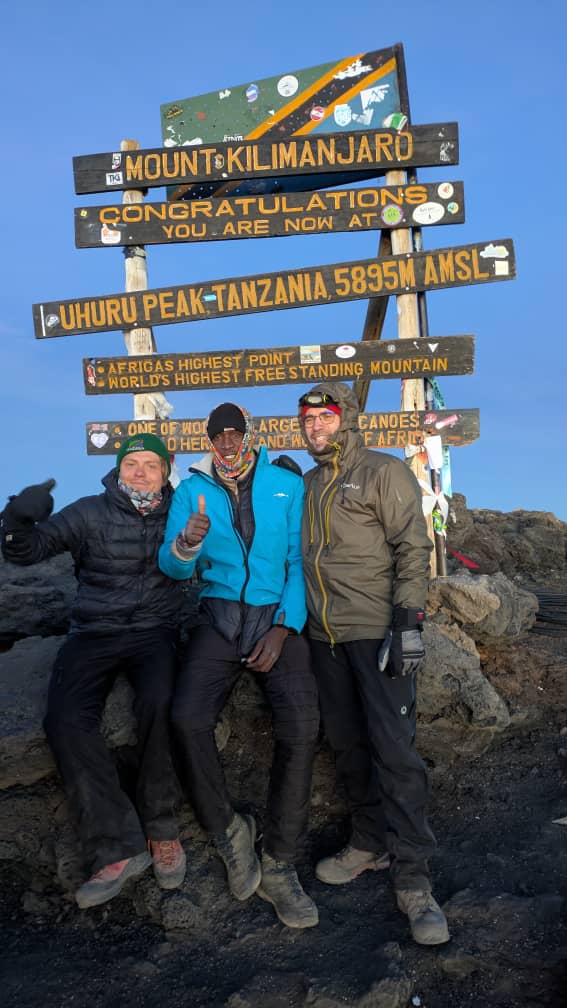
Cycling Around Mount Kilimanjaro Guide
start an extraordinary journey cycling around Mount Kilimanjaro. This guide covers everything from potential routes and the demanding terrain to essential preparation and the best times to...
View package details
Kilimanjaro Training Mistakes That Reduce Summit Success 2026-2027
Kilimanjaro Training Mistakes that Reduce Summit Success is explained with current 2026-2027 planning, price, itinerary and booking information.
View package details
Kilimanjaro Training Plan For Climbers Over 60 2026-2027
Kilimanjaro Training Plan for Climbers over 60 is explained with current 2026-2027 planning, price, itinerary and booking information.
View package details
Is Kosovo Camp Better Than Barafu On Kilimanjaro? A Detailed Comparison
A comprehensive comparison of Kosovo Camp and Barafu Camp on Mount Kilimanjaro, detailing their pros and cons for climbers in 2026-2027. Understand the key differences to make an informed...
View package details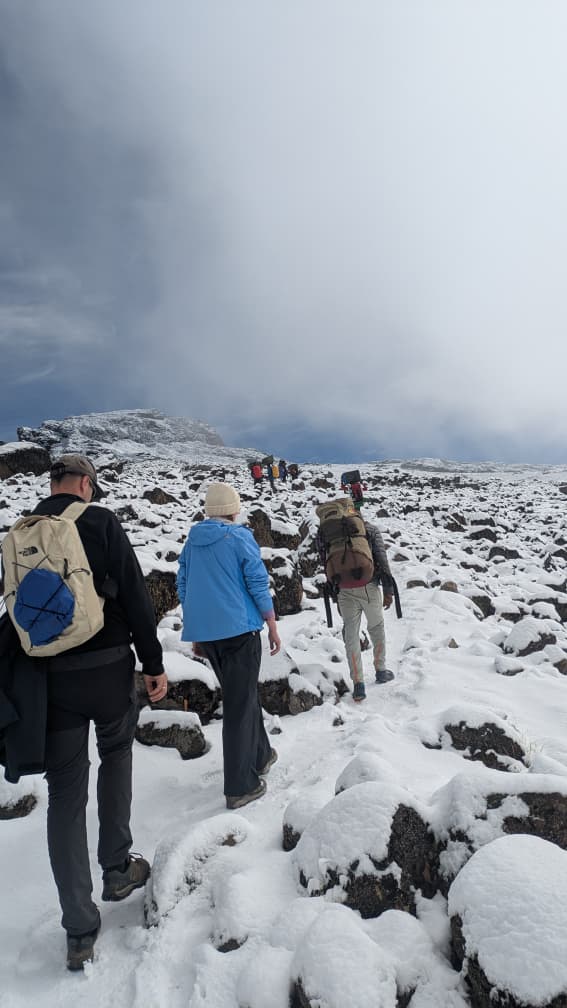
What Is Barafu Camp Like Before Summit Night On Kilimanjaro? 2026-2027
Barafu Camp is the high-altitude staging post on Kilimanjaro, situated just below the summit cone. It's a critical point where climbers rest and prepare for the final ascent to Uhuru Peak...
View package detailsKilimanjaro Climb With Personalized Training Plan: Your Guide 2026-2027
start your Kilimanjaro adventure with confidence. This guide details how a personalized training plan from Top Guide Adventures ensures you're fully prepared for your 2026 or 2027 climb...
View package details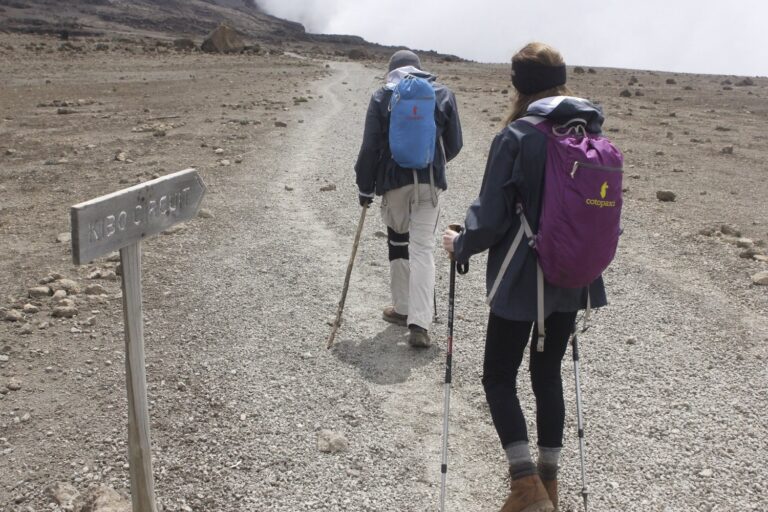
Kilimanjaro Standard Camp Vs Luxury Your Ultimate Comparison For Climbs
Choosing between standard and luxury camping on Kilimanjaro significantly impacts your trek experience. This guide breaks down the key differences in accommodation, meals, equipment, and...
View package details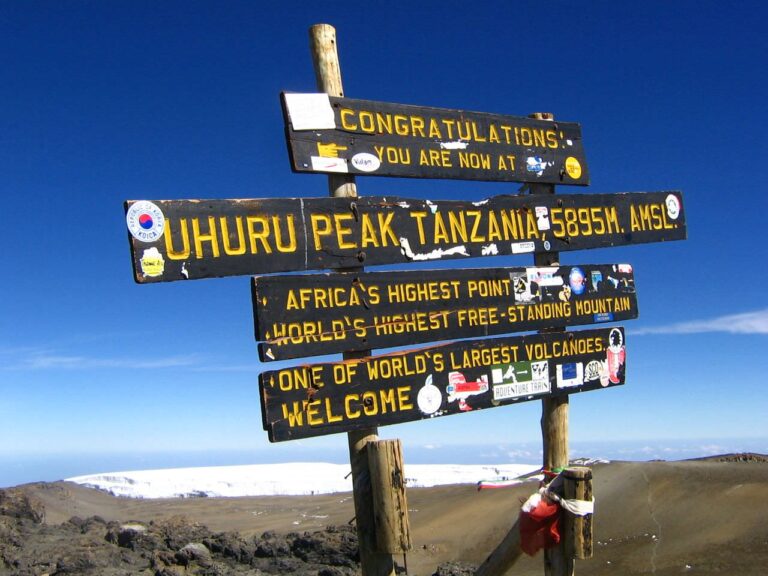
What Does Kilimanjaro Rainforest Look Like? A Trekkers Visual Guide 2026-2027
The Kilimanjaro rainforest is a vibrant, humid zone of dense vegetation, towering trees, and diverse plant life found on the mountain's lower slopes. It's the first major ecosystem trekkers...
View package details
Kilimanjaro Climb With A Personal Support Assistant: Your Ultimate Guide
Climbing Mount Kilimanjaro with a personal support assistant offers unparalleled safety, comfort, and focus on your summit goals. This guide details what a personal assistant entails, its...
View package details
How To Know Whether You Are Ready For Kilimanjaro: A Comprehensive Guide
Climbing Mount Kilimanjaro is a significant undertaking. This guide helps you evaluate your physical, mental, and logistical readiness to ensure a safe and successful trek in 2026 or 2027...
View package details
Kilimanjaro Hydration Mistakes Climbers Make And How To Avoid Them 2026-2027
Proper hydration is critical for a successful Kilimanjaro climb. This guide details common hydration mistakes climbers make, from under-drinking to choosing the wrong fluids, and provides...
View package detailsNo related package matches those filters. Clear one or more filters to see the other topic-matched options.



