
Barafu Camp, located at approximately 4,670 meters (15,320 feet) on Kilimanjaro, is a stark, rocky outpost serving as the base for the final push to Uhuru Peak. It’s characterized by its exposed, windy conditions and barren landscape, where climbers arrive in the afternoon after a challenging day’s trek, eat an early dinner, and attempt to sleep for a few hours before beginning their summit ascent around midnight. The primary focus at Barafu Camp is rest, hydration, and mental preparation for the demanding summit night, with limited facilities and a strong emphasis on acclimatization and survival at extreme altitude.
Understanding Barafu Camp’s Role in Your Kilimanjaro Ascent
For anyone planning a Kilimanjaro climb, understanding the experience at Barafu Camp is crucial. It’s not just another campsite; it’s the final staging ground before the ultimate challenge: summit night. Reaching Barafu Camp signifies you’ve completed the bulk of your ascent, navigating diverse ecological zones and adapting to increasing altitude. However, the journey isn’t over. Barafu Camp is where the true mental and physical test begins, demanding careful preparation and a clear understanding of what to expect. As we look towards 2026 and 2027 climbing seasons, the fundamentals of Barafu Camp remain constant, but knowing the specifics can significantly improve your chances of success and enjoyment.
Top Guide Adventures, with extensive experience guiding climbers on Kilimanjaro, emphasizes that Barafu Camp is a critical transition point. It’s here that the mountain truly tests your resolve. The altitude is significant, the air is thin, and the environment is harsh. Proper acclimatization leading up to this point, combined with effective preparation at the camp itself, dictates the success of the summit attempt. This guide aims to paint a clear picture of what Barafu Camp is like before summit night, covering everything from its physical characteristics to the essential preparations climbers must undertake.
The Physical Landscape of Barafu Camp
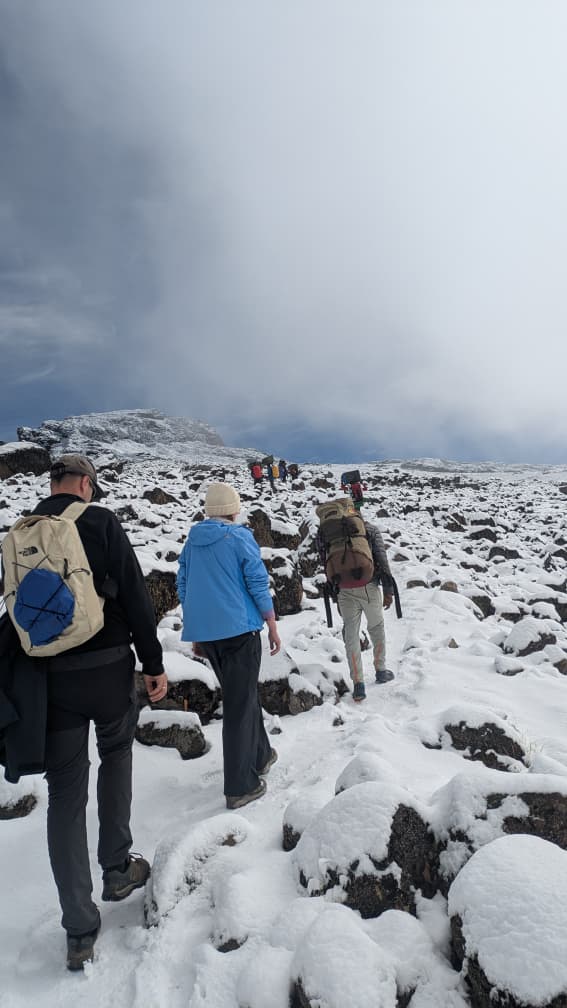
Barafu Camp is aptly named. ‘Barafu’ means ‘ice’ in Swahili, and while you won’t find glaciers right at the camp itself, the name evokes the harsh, cold, and exposed environment. Situated on a rocky moraine, the camp offers little in the way of natural shelter. Think of it as a collection of tents scattered across a gravelly, uneven slope. There are no trees, no vegetation, and very limited protection from the elements. This starkness is a defining feature and contributes to the feeling of being on the ‘roof of Africa’ long before you reach the actual summit.
The ground is stony and uneven, making tent pitching a challenge for porters and creating an unstable surface for climbers. Wind is a constant companion at Barafu, often fierce and biting, especially as the day progresses and temperatures drop. Unlike lower camps that might offer a sheltered valley or a clearing, Barafu is often exposed to direct winds sweeping across the mountain’s upper reaches. This means that even on a clear day, the wind chill can be significant, requiring climbers to be well-prepared with their gear.
The views from Barafu Camp, however, can be spectacular, weather permitting. On clear afternoons, you can often look down on the clouds that blanket the lower slopes of Kilimanjaro, offering a dramatic perspective of your journey. To the west, you might see the vast plains of Tanzania stretching out, while to the east, the volcanic peaks of Mawenzi, Kilimanjaro’s sister mountain, stand sentinel. These views are a powerful reminder of where you are and the immense scale of the mountain.
Altitude and Its Immediate Effects at Barafu
At 4,670 meters, Barafu Camp is well into the ‘death zone’ territory, although the true summit at Uhuru Peak (5,895 meters) is where the term is most critically applied. The atmospheric pressure at Barafu is roughly 60% of that at sea level, meaning there’s significantly less oxygen available with each breath. This is where acclimatization becomes paramount. Climbers who have followed proper ascent profiles, like those recommended by Top Guide Adventures for routes such as Machame or Lemosho, will have a better chance of mitigating the worst effects of altitude sickness.
Symptoms of Acute Mountain Sickness (AMS) can become more pronounced at Barafu. Headaches, nausea, dizziness, and fatigue are common. While many climbers manage these symptoms, it’s vital to communicate any worsening conditions to your guide immediately. Your guide is trained to assess these symptoms and make decisions regarding your health and safety, which might include administering medication or, in severe cases, recommending descent. The limited sleep at Barafu can exacerbate these symptoms, as rest is crucial for the body’s recovery and acclimatization process.
The reduced oxygen also impacts physical exertion. Every step feels harder, and even simple tasks like setting up your tent or preparing for summit night can feel exhausting. This is why the pace on Kilimanjaro is deliberately slow (‘pole pole’), a strategy that becomes even more critical as you approach and stay at Barafu Camp.
The Daily Schedule and Experience at Barafu Camp
Life at Barafu Camp is dictated by the impending summit attempt. It’s a short, intense stay focused on efficiency and preparation. Your typical day at Barafu Camp, assuming you arrive in the afternoon, will look something like this:
- Afternoon Arrival: You’ll typically reach Barafu Camp by mid-afternoon, after a long and often steep trek from the previous camp (e.g., Karranga Camp on the Machame route or Barafu Camp on the Lemosho route).
- Tent Setup and Rest: Porters will have already set up your tents. The immediate priority is to get inside, out of the wind, and rest. Hydration is key, so start drinking water or electrolyte solutions as soon as you arrive.
- Early Dinner: A hot meal is usually served relatively early, often between 5:00 PM and 6:00 PM. The menu is designed to be easily digestible and provide energy.
- Briefing: Your guides will conduct a thorough briefing for summit night. This covers the route, timings, what to wear, how to manage your gear, and important safety procedures.
- Attempted Sleep: This is the most challenging part. You’ll be encouraged to try and sleep between approximately 7:00 PM and 10:00 PM. However, due to the altitude, cold, excitement, and anticipation, deep sleep is often elusive. Many climbers find themselves dozing or resting rather than sleeping soundly.
- Wake-up Call: You’ll be woken up typically between 11:00 PM and 11:30 PM, ready to prepare for the summit ascent.
The atmosphere at Barafu Camp is a mix of quiet anticipation and nervous energy. Climbers are often subdued, conserving energy and mentally preparing for the gruelling climb ahead. The camaraderie among fellow trekkers is palpable, as everyone is focused on the same monumental task. Guides and support staff work diligently behind the scenes to ensure everything is ready, from hot drinks to packed lunches for the summit.
The Summit Night Preparation: Gear and Strategy
The hours spent at Barafu Camp before summit night are critical for preparation. Your guides will ensure you have everything you need, but it’s your responsibility to pack your summit day pack correctly. This typically includes:
- Headlamp: Essential for navigating in the dark. Carry spare batteries, as cold drains them quickly.
- Warm Layers: Multiple layers of thermal clothing, fleece, and a waterproof/windproof outer shell are non-negotiable.
- Gloves and Mittens: Bring at least two pairs of gloves, one lighter and one waterproof, insulated pair. Mittens are often warmer.
- Hat: A warm, windproof hat that covers your ears.
- Scarf or Balaclava: To protect your face and neck from the wind and cold.
- Water: At least 2-3 liters, kept in insulated bottles to prevent freezing. Hydration is vital.
- Snacks: High-energy snacks like energy bars, nuts, dried fruit, and chocolate.
- Sunscreen and Lip Balm: Even in the cold, the sun at high altitude is intense.
- Sunglasses: Crucial for protecting your eyes.
- Camera: If you wish to capture the sunrise from the summit.
- Personal Medications: If prescribed.
Your guides will help you layer up. They’ll also ensure your main duffel bag, containing your sleeping bag and warmer clothes, is ready for the porters to take back down to a lower camp after you depart for the summit. This means you need to pack your summit essentials very carefully, as you won’t have access to your main bag until much later.
Challenges of Barafu Camp: Altitude, Cold, and Sleep Deprivation
Barafu Camp presents a unique set of challenges, primarily stemming from its extreme altitude, the cold, and the inevitable sleep deprivation that precedes summit night. Successfully navigating these challenges is key to a positive summit experience.
Dealing with Altitude Sickness
As mentioned, altitude sickness is a significant concern at Barafu. Symptoms can range from mild discomfort to severe and life-threatening conditions like HACE (High Altitude Cerebral Edema) and HAPE (High Altitude Pulmonary Edema). At Barafu Camp, climbers must be vigilant:
- Hydration: Drink at least 3-4 liters of fluid daily. Water, herbal teas, and electrolyte drinks are all beneficial. Avoid alcohol and excessive caffeine.
- Pacing: Continue the ‘pole pole’ (slowly, slowly) mantra. Avoid overexertion.
- Monitoring Symptoms: Be honest with yourself and your guides about how you feel. Headaches, loss of appetite, nausea, and fatigue are common but should be monitored. Dizziness, shortness of breath at rest, and confusion are serious warning signs.
- Medication: Diamox (acetazolamide) is often prescribed by doctors to aid acclimatization. Follow your doctor’s and guide’s advice regarding its use.
Top Guide Adventures prioritizes climber safety, and our guides are trained to recognize and manage altitude-related illnesses. They will assess your condition regularly at Barafu Camp and make informed decisions about your summit bid.
Battling the Cold
The cold at Barafu is intense, especially at night and in the early morning hours of summit attempt. Temperatures can plummet to well below freezing, often reaching -10°C to -20°C (14°F to -4°F) or even lower, especially with wind chill. Proper layering is your best defense:
- Base Layers: Moisture-wicking thermal underwear (merino wool or synthetic).
- Mid Layers: Fleece jackets or insulated vests for warmth.
- Outer Layer: A waterproof and windproof jacket and trousers.
- Extremities: Warm hat, gloves, insulated socks, and a neck gaiter or balaclava are critical.
Even inside your tent, it can be cold. A good quality sleeping bag (rated to at least -15°C or 0°F, ideally lower) is essential. Using a sleeping bag liner can add extra warmth. Your guides will also provide hot water bottles to place in your sleeping bag for added comfort.
The Impact of Sleep Deprivation
One of the most underestimated challenges of Barafu Camp is the difficulty in sleeping. Several factors contribute:
- Altitude: The physiological effects of high altitude directly interfere with sleep patterns.
- Cold: Trying to stay warm can keep you awake.
- Anticipation/Anxiety: The imminent summit push can lead to nerves and excitement, making it hard to relax.
- Noise: The sounds of wind, other climbers, and camp activity can be disruptive.
While you might not get much deep sleep, simply resting in your sleeping bag with your eyes closed is beneficial. Your body can still recover to some extent. Guides often recommend trying to rest even if you can’t sleep. Some climbers find that having a hot drink before attempting to sleep can aid relaxation. Focus on conserving energy rather than stressing about the lack of sleep; many climbers successfully summit despite minimal rest.
Food and Drink at Barafu Camp
The food and drink provided at Barafu Camp are designed to be energy-dense and easily digestible, considering the altitude and the limited time available before the summit push. While the culinary experience might not be five-star, it’s crucial for fueling your body.
Dinner
Dinner is typically served early, around 5:00 PM or 6:00 PM. Common options include:
- Soups (e.g., vegetable, chicken noodle) to start.
- A main course, often a carbohydrate-rich dish like pasta, rice, or potatoes, served with a protein source (chicken, beef, or lentils).
- A simple dessert, perhaps fruit or a biscuit.
The goal is to provide calories and nutrients without overwhelming your digestive system. Many climbers experience a reduced appetite at altitude, so eating even a small amount is important.
Breakfast and Pre-Summit Snacks
Before you head out for the summit, you’ll be woken up for a light breakfast. This might include:
- Oatmeal or porridge.
- Pancakes or crepes.
- Tea, coffee, or hot chocolate.
You’ll also be given snacks to carry with you for the summit ascent. These are essential for maintaining energy levels during the long, cold night. Think energy bars, biscuits, dried fruit, and chocolate.
Hydration Strategy
Staying hydrated is non-negotiable. Your support team will provide plenty of purified water. It’s up to you to drink it. At Barafu Camp, and especially during the summit night, it’s vital to keep your water from freezing.
- Insulated Bottles: Use high-quality insulated water bottles.
- Keep Them Warm: Store bottles inside your sleeping bag overnight or wrap them in a fleece sock.
- Electrolytes: Consider adding electrolyte tablets or powder to your water to help with hydration and replace lost salts.
Your guides will encourage you to drink continuously. Don’t wait until you feel thirsty; thirst is often a sign that you’re already becoming dehydrated.
The Role of Guides and Support Staff at Barafu Camp
The team at Barafu Camp is your lifeline. These are experienced individuals who have guided countless climbers to the summit and back. Their expertise, vigilance, and support are indispensable.
Guides
Your lead guide and assistant guides are responsible for:
- Health Monitoring: Constantly assessing climbers for signs of altitude sickness and fatigue.
- Route Planning: Determining the optimal start time for the summit push based on weather and climber condition.
- Safety Briefings: Providing clear instructions for summit night.
- Encouragement: Offering moral support and motivation during the most challenging parts of the climb.
- Pacing: Ensuring climbers maintain a slow, steady pace (‘pole pole’).
They are the decision-makers regarding your summit bid. Trust their judgment implicitly; they have your safety as their absolute priority. For 2026 and 2027 climbs, the professionalism and experience of guides from Top Guide Adventures are a significant advantage.
Porters
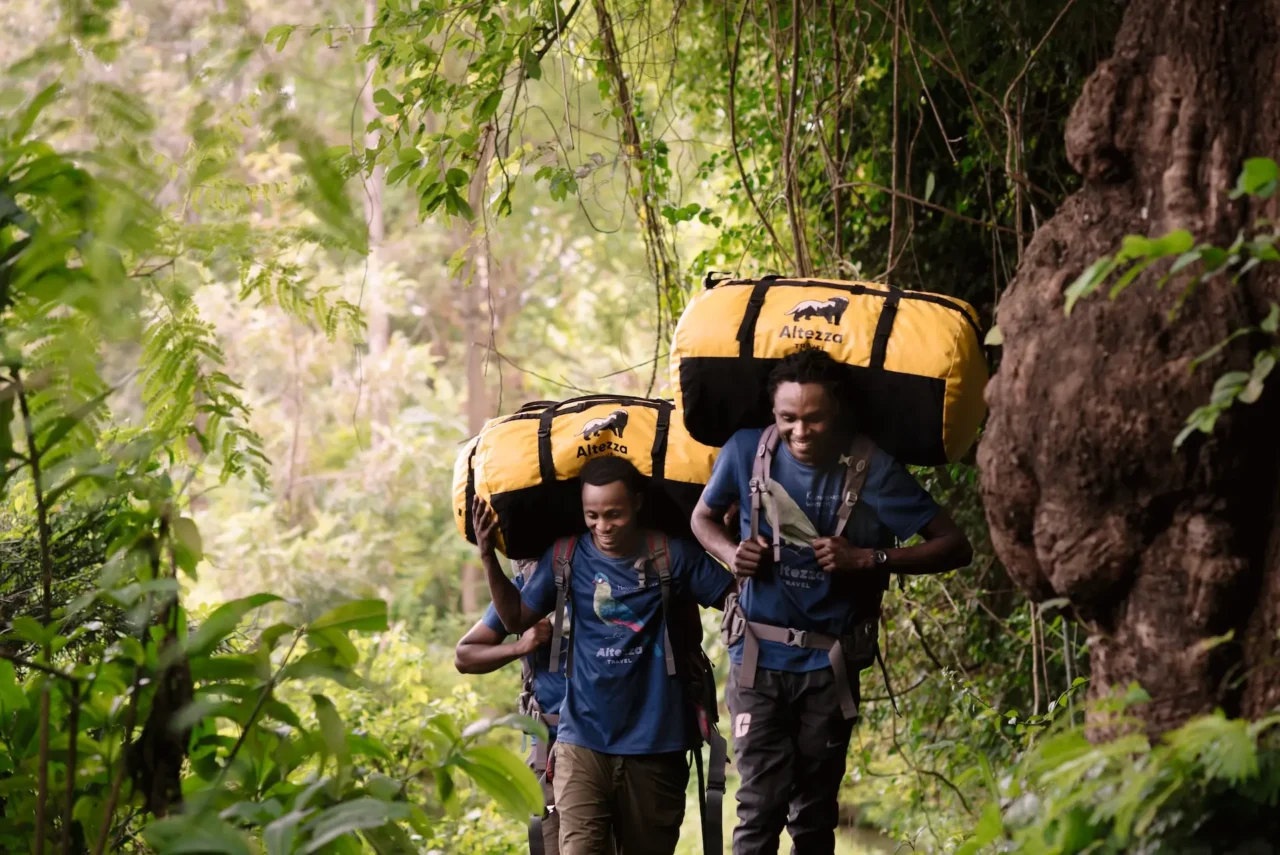
While porters typically leave Barafu Camp before the summit push begins, their role in getting you and your gear there is immense. They carry the tents, cooking equipment, food, and your personal duffel bags, often in incredibly challenging conditions. Their strength and efficiency make the entire expedition possible.
Cooks
The cooks prepare the meals at Barafu Camp, ensuring climbers are as well-nourished as possible given the circumstances. They work tirelessly to provide hot, sustaining food in a remote and high-altitude environment.
Mental Preparation for Summit Night from Barafu Camp
Reaching Barafu Camp is a significant psychological milestone, but the mental challenge is far from over. Summit night is often described as the hardest part of the entire climb, and mental fortitude is key.
Managing Expectations
It’s important to understand that summit night is not a race. It’s a slow, arduous journey through darkness and cold. Expect to walk for 6-8 hours to reach the summit. The altitude will make you feel breathless and tired. Embrace the struggle; it’s part of the experience. Remind yourself why you came to Kilimanjaro and focus on one step at a time.
Positive Self-Talk
The darkness, the cold, and the fatigue can play tricks on your mind. Positive self-talk is essential. Remind yourself of your training, your strength, and your goal. Break the climb down into smaller, manageable segments – reaching the next switchback, the next waypoint, or simply making it to Stella Point. Celebrate these small victories.
Trust Your Guides
Place your trust in your guides. They have the experience to know when to push, when to rest, and when a climber is struggling too much. Communicate openly with them about how you are feeling. They are there to support you, not just physically but mentally too.
Visualizing Success
Before you try to sleep at Barafu Camp, take a few moments to visualize reaching the summit. Imagine the feeling of accomplishment as you stand at Uhuru Peak, watching the sunrise. This positive visualization can be a powerful motivator when the going gets tough during the night.
Comparing Barafu Camp Experience Across Different Routes
While Barafu Camp itself presents a consistent environment regardless of the route, the journey to reach it can differ significantly. This impacts a climber’s physical and mental state upon arrival.
- Machame Route: Often considered a more challenging route due to its steep ascents and descents, the Machame route usually arrives at Barafu Camp after a day that includes crossing the Barranco Wall. This can leave climbers more fatigued upon arrival at Barafu compared to routes with a more gradual approach.
- Lemosho Route: Known for its scenic beauty and higher success rates due to excellent acclimatization profiles, the Lemosho route generally offers a gentler approach to Barafu Camp. Climbers often feel more rested and prepared upon reaching this critical staging post.
- Shira Route: Similar to Lemosho, Shira offers good acclimatization. However, it starts at a higher altitude, which can mean some climbers are already experiencing mild altitude effects by the time they reach Barafu.
- Marangu Route: This route uses a hut system, and climbers typically reach Kibo Hut (which serves a similar purpose to Barafu Camp but is slightly higher and more established) after a less strenuous trek. The experience is different due to the hut accommodation and potentially less exposed conditions.
- Rongai Route: This route approaches from the north and typically reaches the crater rim via Stella Point, often descending via the Mweka route. The final camp before the summit push might be at Kibo Hut or a similar high-altitude site, but the route profile is less demanding in its final stages than some western routes.
Regardless of the route, Top Guide Adventures ensures that all climbers receive the necessary support and guidance to manage the conditions at Barafu Camp effectively. Our itineraries for 2026 and 2027 are meticulously designed to optimize acclimatization and preparation for summit night.
What to Pack Specifically for Barafu Camp and Summit Night
Packing correctly is vital for comfort and safety at Barafu Camp and during the summit attempt. Here’s a refined list focusing on this critical phase:
Clothing Layers (Crucial for Summit Night)
- Base Layers: Merino wool or synthetic long johns and long-sleeved tops.
- Mid-Layers: Fleece jacket (e.g., Polartec 200 or 300), potentially an insulated vest.
- Outer Layer: High-quality waterproof and windproof jacket and trousers (Gore-Tex or similar).
- Insulation: A warm down jacket or synthetic equivalent is essential for breaks and summit night.
- Headwear: Warm beanie, balaclava, and a neck gaiter/buff.
- Handwear: Thin liner gloves, warm fleece gloves, and waterproof insulated mittens.
Footwear
- Boots: Well-worn-in, waterproof hiking boots.
- Socks: Several pairs of warm wool or synthetic hiking socks. Bring spares for summit night.
- Camp Shoes: Comfortable shoes or sandals for inside the tent (optional, but nice to give feet a break).
Sleeping Gear
- Sleeping Bag: Rated to at least -15°C (0°F), ideally -20°C (-4°F).
- Sleeping Bag Liner: Adds warmth and keeps your bag cleaner.
- Sleeping Pad: While porters provide these, a self-inflating pad can add comfort and insulation.
Essential Accessories
- Backpack (Summit Pack): 30-40 liter capacity for summit night essentials.
- Headlamp: With spare batteries.
- Water Bottles: 2-3 x 1-liter insulated bottles.
- Thermos: For hot drinks on summit night.
- Sunglasses: High UV protection.
- Sunscreen & Lip Balm: SPF 30+.
- First-Aid Kit: Personal medications, blister treatment, pain relievers.
- Trekking Poles: Highly recommended for stability and reducing knee strain.
- Camera & Power Bank: Cold drains batteries.
- Toiletries: Minimal, travel-sized. Wet wipes are useful.
Remember: Your main duffel bag will be taken by porters from Barafu Camp during summit night. Pack your summit day pack with everything you’ll need for the next 12-16 hours.
Preparing for 2026-2027 Climbs: What’s New?
While the fundamental experience of Barafu Camp remains consistent, ongoing efforts by tour operators like Top Guide Adventures aim to enhance climber comfort and safety. For climbs planned in 2026 and 2027, expect continued emphasis on:
- Improved Gear: Investing in higher quality tents and sleeping bags to better withstand the harsh conditions.
- Guide Training: Continuous professional development for guides in high-altitude medicine and rescue techniques.
- Environmental Practices: Maintaining strict ‘leave no trace’ principles even in the fragile alpine environment of Barafu.
- Communication: Utilizing improved communication devices for better coordination between teams and base operations.
Booking your 2026 or 2027 Kilimanjaro adventure with a reputable company like Top Guide Adventures ensures you benefit from these advancements. Our team is dedicated to providing the best possible experience, from initial planning to the summit and beyond.
Making the Decision: Is Barafu Camp Right for You?
The prospect of Barafu Camp and summit night can be daunting, but for many, it’s the pinnacle of their Kilimanjaro journey. Success hinges on preparation, both physical and mental. If you are:
- Physically fit and have undertaken relevant training.
- Mentally prepared for a significant challenge.
- Committed to following your guides’ instructions.
- Well-equipped with appropriate gear.
- Focused on acclimatization and hydration.
Then the experience at Barafu Camp, leading to the ultimate reward of standing on the roof of Africa, is achievable and incredibly rewarding. It’s a test of endurance and spirit that leaves an indelible mark.
Top Guide Adventures is here to help you prepare for every step of your Kilimanjaro climb, including the critical stages at Barafu Camp. We offer a range of itineraries designed for optimal acclimatization and success. For inquiries about our 2026 or 2027 climbing packages, or to discuss your specific needs, please contact us:
WhatsApp: +255616946642
Email: topguideadventures@gmail.com
Backup Email: info@topguideadventures.com
We look forward to helping you achieve your Kilimanjaro dream.
Check Availability for What Is Barafu Camp Like Before Summit Night On Kilimanjaro? 2026-2027
Ready to compare dates, prices, and the best option for your group? Send the package name and travel month so the team can reply with a clear quote, availability, and what is included.
What Is Mawenzi Tarn Camp Like? 2026-2027
What Is Mawenzi Tarn Camp Like? is explained with current 2026-2027 planning, price, itinerary and booking information.
View package detailsNo related package matches those filters. Clear one or more filters to see the other topic-matched options.



