
A Kilimanjaro climb with conservation volunteering offers a unique opportunity in 2026-2027 to ascend Africa’s highest peak while actively contributing to local environmental preservation projects. This combined expedition typically involves a standard Kilimanjaro trek, followed by a dedicated period volunteering with organizations focused on wildlife protection, reforestation, or community-based conservation initiatives near the mountain, providing a deeply rewarding and impactful travel experience.
Combining Ambition: Your Kilimanjaro Climb and Conservation Journey
The allure of Mount Kilimanjaro, a dormant volcano in Tanzania and the world’s tallest free-standing mountain, draws adventurers from across the globe. Its summit, Uhuru Peak, offers a profound sense of accomplishment. Yet, for the discerning traveler planning for 2026 or 2027, the journey can extend beyond personal achievement to encompass a meaningful contribution to the very ecosystem that makes Kilimanjaro so magnificent. A Kilimanjaro climb with conservation volunteering is precisely this kind of enriching experience, merging the thrill of high-altitude trekking with the satisfaction of making a tangible difference.
At Top Guide Adventures, we understand the desire for travel that is both exhilarating and purposeful. We’ve seen a growing interest in expeditions that offer more than just a holiday; travelers seek experiences that connect them deeply with the destination and its people, leaving a positive legacy. This is why we are proud to facilitate Kilimanjaro climbs that can be seamlessly integrated with conservation volunteering opportunities. This isn’t just about ticking off a bucket-list item; it’s about participating in the preservation of Tanzania’s natural heritage, ensuring that the beauty you witness on your climb is protected for future generations.
Imagine standing on Kilimanjaro’s roof of Africa, the sunrise painting the sky in hues of orange and pink, knowing that your presence has also supported efforts to conserve the unique flora and fauna of this incredible region. This is the essence of a Kilimanjaro climb with conservation volunteering. For those looking ahead to travel in 2026-2027, this is an exceptional way to plan a trip that resonates long after you’ve descended.
Why Choose a Dual-Purpose Kilimanjaro Adventure?
The decision to combine a Kilimanjaro climb with conservation volunteering is driven by a desire for deeper engagement and lasting impact. It moves beyond the standard tourist experience, offering a richer, more fulfilling perspective on Tanzania and its natural wonders.
Personal Fulfillment: The sense of accomplishment from reaching Uhuru Peak is immense. However, adding a conservation element elevates this by providing a profound sense of purpose. Knowing you’ve actively helped protect the environment you’ve just explored adds a layer of satisfaction that a typical climb cannot offer. For many, this dual achievement is far more rewarding.
Environmental Impact: Kilimanjaro and its surrounding areas are vital ecosystems, home to diverse wildlife and unique plant life. Conservation projects address critical issues like habitat restoration, anti-poaching efforts, sustainable land management, and community education. By volunteering, you directly support these efforts, contributing to the long-term health and biodiversity of the region.
Cultural Immersion: Volunteering often places you in close contact with local communities. You’ll gain firsthand insights into their daily lives, challenges, and their deep connection to the natural environment. This interaction fosters a more authentic cultural exchange than typically found on a standard trek.
Skill Development and Learning: Depending on the conservation project, you might learn new skills, from wildlife tracking and monitoring to reforestation techniques and sustainable farming practices. This educational aspect adds significant value to your travel experience, offering practical knowledge and a new appreciation for conservation science.
Meaningful Travel for 2026-2027: As global awareness of environmental issues grows, so does the demand for responsible and impactful travel. A Kilimanjaro climb with conservation volunteering aligns perfectly with this trend, allowing you to be part of a movement towards more sustainable and ethical tourism, especially as you plan your future adventures for 2026 and 2027.
Understanding the Conservation Volunteering Component
The conservation volunteering aspect of this adventure can take many forms, tailored to the needs of local organizations and the interests of the volunteers. These projects are typically situated in areas adjacent to Kilimanjaro National Park or in regions facing significant environmental challenges.
Types of Conservation Projects
Top Guide Adventures partners with reputable local organizations to offer a range of volunteer opportunities. The specific projects available may vary based on current needs and seasonal requirements, but commonly include:
- Reforestation and Afforestation: Planting trees in degraded areas, restoring forest cover, and creating green corridors to support wildlife movement. This is crucial for combating soil erosion and maintaining the mountain’s water catchment systems.
- Wildlife Monitoring and Anti-Poaching Support: Assisting rangers in monitoring wildlife populations, identifying animal tracks, collecting data, and supporting patrols against poaching activities. This directly contributes to the protection of endangered species.
- Sustainable Agriculture and Community Development: Working with local communities to implement sustainable farming techniques, improve soil health, and develop eco-friendly livelihood projects that reduce pressure on natural resources.
- Waste Management and Environmental Education: Participating in clean-up drives in surrounding villages and natural areas, and assisting in educational programs to raise awareness about environmental conservation among local populations, especially school children.
- Habitat Restoration: Projects focused on restoring specific habitats, such as wetlands or grasslands, which are vital for the biodiversity of the Kilimanjaro ecosystem.
Duration and Integration with the Climb
The conservation volunteering period can be customized to fit your schedule and desired level of engagement. Typically, it ranges from one to four weeks. The most common approach is to undertake the Kilimanjaro climb first, followed by the volunteering period. This allows you to acclimatize and achieve your summit goal before dedicating your energy to conservation work.
Alternatively, some travelers prefer to volunteer first, gaining a deeper understanding of the local environment and community before their ascent. This can also be a beneficial approach for acclimatization, as it involves physical activity at lower altitudes.
For planning your 2026-2027 trip, we recommend allocating at least two weeks for the volunteering component to make a meaningful contribution and fully experience the project’s impact. A typical combined itinerary might look like:
- Week 1-2: Kilimanjaro Climb (e.g., Machame Route, 7 days)
- Week 3-4: Conservation Volunteering (e.g., reforestation project, wildlife monitoring)
We work closely with you to design an itinerary that balances the intensity of the climb with the demands of the volunteer work, ensuring a rewarding experience throughout.
Choosing Your Kilimanjaro Climb Route
The success and enjoyment of your Kilimanjaro climb are significantly influenced by the route you choose. Each route offers a different experience in terms of scenery, difficulty, acclimatization profile, and crowd levels. When combining this with volunteering, selecting a suitable route becomes even more critical for managing energy and time.
Popular Routes and Their Suitability for Conservation Volunteers
We generally recommend routes that offer better acclimatization profiles, as this increases your chances of summit success and reduces the risk of altitude sickness, allowing you to be in better condition for subsequent volunteering. For 2026-2027, consider these:
- Machame Route: Often called the “Whiskey Route,” it’s popular for its scenic beauty and good acclimatization profile. It’s a 7-day trek, which is a good balance for those planning to volunteer afterwards. It’s more challenging but offers stunning views and a higher success rate. Learn more about Machame Route departures.
- Lemosho Route: This is arguably the most scenic route, offering a gradual ascent through diverse landscapes. It’s typically done over 7 or 8 days, providing excellent acclimatization. Its longer duration makes it ideal for those who want to maximize their time on the mountain and arrive at the conservation work feeling strong.
- Marangu Route: Known as the “Coca-Cola Route,” it’s the oldest and arguably the easiest route, with huts instead of camping. It’s shorter (5-6 days), making it quicker but with a poorer acclimatization profile and lower success rate. It might be considered if time is extremely limited, but less ideal for those planning intensive volunteering.
- Northern Circuit: The longest route, offering the best acclimatization and highest success rates. It circles the mountain, providing unique views and a more relaxed pace. While longer, it ensures you are in peak physical condition for your conservation efforts.
For a Kilimanjaro climb with conservation volunteering in 2026-2027, we generally advise opting for longer routes (7-8 days) like Machame or Lemosho to ensure proper acclimatization. This reduces the risk of altitude sickness and leaves you with more energy for your volunteer duties. The cost will naturally be higher for longer routes, but the investment in your health and success is invaluable.
Key Considerations for Route Selection
- Acclimatization: Crucial for summit success and overall well-being. Longer routes generally offer better acclimatization.
- Scenery: Lemosho and Machame routes are renowned for their impressive views.
- Crowds: Marangu and Machame can be busier. Lemosho and Northern Circuit offer a more remote experience.
- Physical Difficulty: All routes require good fitness, but some are steeper and more demanding than others.
- Duration: Consider how much time you have available for the climb itself, before factoring in volunteering.
Our expert team can guide you through these choices, helping you select the perfect route that aligns with your fitness level, time constraints, and conservation goals for your 2026-2027 adventure.
Choosing the Right Time for Your Kilimanjaro Climb and Volunteering
The best time to climb Kilimanjaro, and consequently to undertake your conservation volunteering, depends on weather patterns. Tanzania experiences distinct wet and dry seasons, and aligning your trip with the dry seasons generally ensures a more comfortable and successful experience.
- Dry Seasons: June to October and December to February. These periods offer the clearest skies, moderate temperatures, and less rainfall, making them ideal for both the climb and outdoor volunteer activities. These are also peak seasons, so booking well in advance for 2026-2027 is highly recommended.
- Wet Seasons: March to May and November. These months bring significant rainfall, making trails muddy and slippery, and obscuring views. While fewer people travel during these times, making it potentially cheaper, it is generally not recommended for a Kilimanjaro climb and associated outdoor conservation work.
For a Kilimanjaro climb with conservation volunteering, the dry seasons (June-October and December-February) are strongly recommended. This ensures the best conditions for your trek and allows for more productive work at your conservation site. Early planning for 2026-2027, especially for the popular June-October window, is essential.
Preparing for Your Kilimanjaro Climb and Conservation Expedition
A successful Kilimanjaro climb combined with conservation volunteering requires meticulous preparation. This dual-purpose journey demands more than just physical fitness; it requires mental readiness, appropriate gear, and a clear understanding of the commitment involved.
Physical Fitness and Training
Kilimanjaro is a serious high-altitude trek, and conservation work can be physically demanding. A comprehensive training program is essential. Aim for:
- Cardiovascular Endurance: Engage in regular aerobic activities like running, cycling, swimming, or hiking for at least 3-4 times a week. Focus on building stamina.
- Strength Training: Strengthen your legs, core, and upper body. Squats, lunges, step-ups (with a backpack), and core exercises are vital.
- Hiking Practice: Undertake long hikes, ideally with a weighted backpack, on varied terrain. Practice hiking uphill and downhill for extended periods. Aim for hikes of 4-6 hours, building up to longer ones.
- Altitude Acclimatization Practice: If possible, spend time at higher altitudes before your trip.
Start your training at least 3-6 months before your planned climb in 2026 or 2027. Consistency is key.
Essential Gear for Climbing and Volunteering
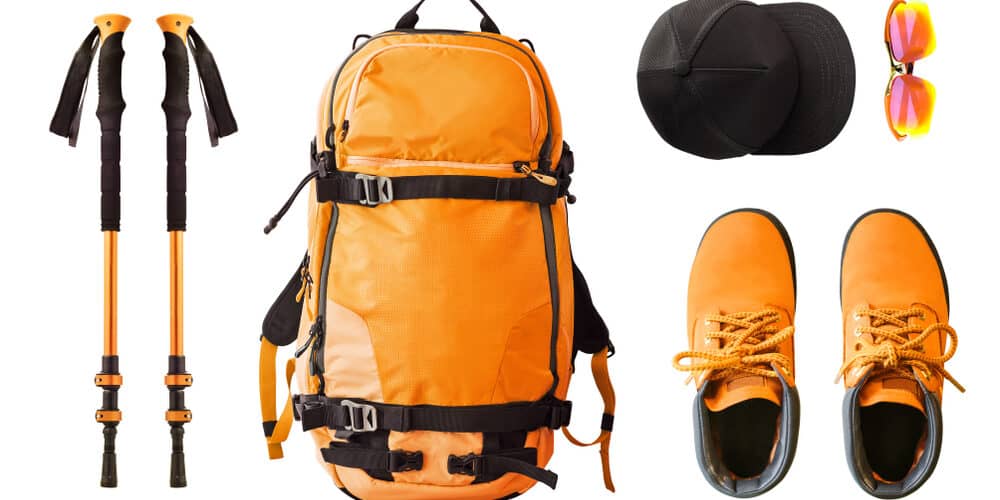
Packing correctly is crucial for comfort and safety. You’ll need gear for both the mountain trek and your volunteering activities. Layering is essential for Kilimanjaro’s changing climate.
Kilimanjaro Climb Gear Checklist:
- Base Layers: Moisture-wicking thermal tops and bottoms (merino wool or synthetic).
- Mid Layers: Fleece jacket or down vest for insulation.
- Outer Layer: Waterproof and windproof jacket and trousers (Gore-Tex or similar).
- Insulation Layer: A warm, insulated jacket (down or synthetic fill).
- Trekking Trousers: Comfortable, quick-drying hiking pants.
- Headwear: Warm beanie, sun hat, and balaclava or neck gaiter.
- Gloves: Warm, waterproof gloves or mittens, plus liner gloves.
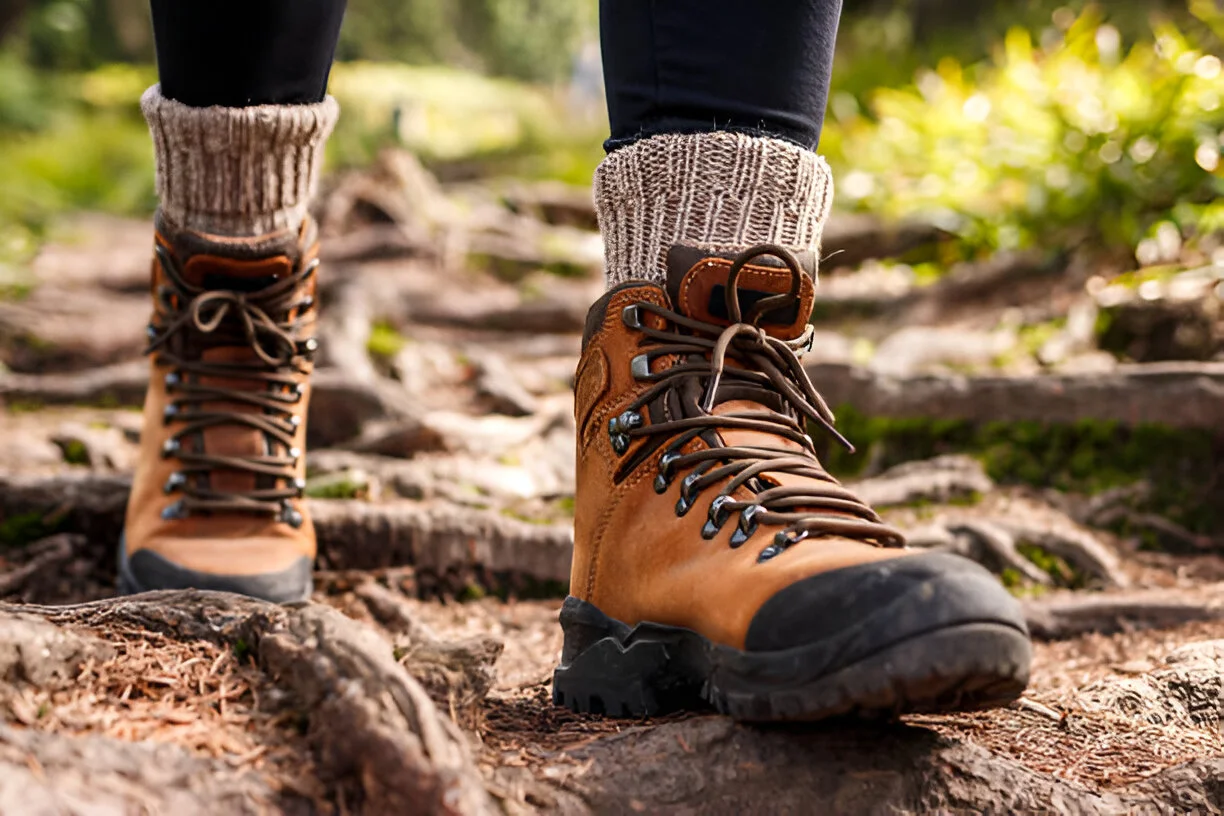
- Footwear: Broken-in, waterproof hiking boots with good ankle support. Camp shoes or trainers for evenings.
- Socks: Several pairs of warm wool or synthetic hiking socks.
- Sleeping Bag: A 4-season sleeping bag rated to at least -15°C (0°F).
- Backpack: A comfortable daypack (25-35L) for summit night and a larger duffel bag (80-100L) for porters.
- Trekking Poles: Highly recommended for stability and reducing knee strain.
- Headlamp: With extra batteries.
- Water Bottles/Hydration Reservoir: At least 3 liters capacity. Insulated covers for reservoirs are useful.
- Sun Protection: High SPF sunscreen, lip balm, and sunglasses.
- Personal Items: Toiletries, quick-dry towel, basic first-aid kit, personal medications, camera, power bank.
Conservation Volunteering Gear Considerations:
- Work Clothes: Durable, comfortable clothing suitable for manual labor (e.g., sturdy trousers, t-shirts). Consider long sleeves to protect from sun and insects.
- Work Gloves: Essential for planting and handling materials.
- Sturdy Boots: Waterproof boots suitable for muddy or uneven terrain.
- Insect Repellent: High DEET concentration recommended.
- Hat: For sun protection during outdoor work.
- Reusable Water Bottle: Essential for staying hydrated.
Health and Vaccinations
Consult your doctor or a travel clinic 4-6 weeks before your trip to discuss necessary vaccinations and malaria prophylaxis. Recommended vaccinations often include Hepatitis A, Typhoid, Tetanus, and Yellow Fever (check current requirements). Diamox is often prescribed for altitude sickness prevention.
Visas and Travel Insurance
Ensure you have the necessary visa for Tanzania. Most nationalities can obtain a tourist visa on arrival or in advance. Comprehensive travel insurance is mandatory, covering high-altitude trekking, medical evacuation, and trip cancellation. Verify that your policy covers activities related to conservation volunteering.
The Kilimanjaro Climb Experience: Routes, Scenery, and Challenges
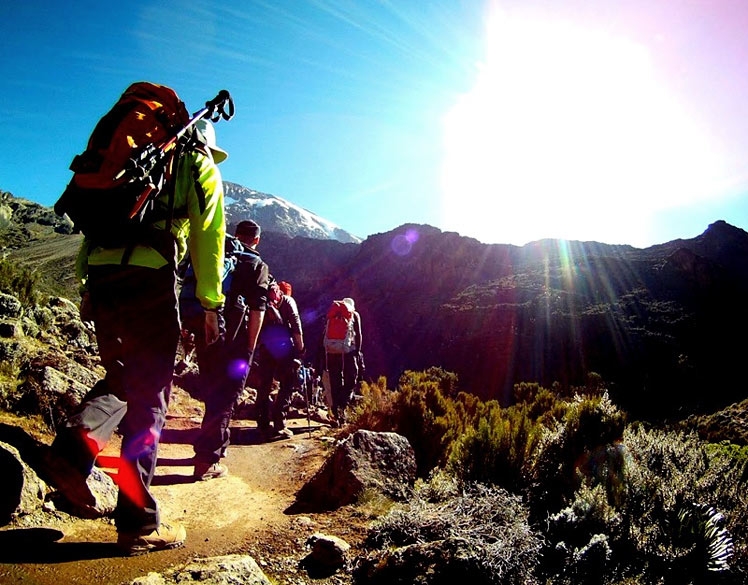
Ascending Kilimanjaro is an expedition through diverse ecological zones, each presenting unique landscapes and challenges. Understanding this progression is key to appreciating the journey and preparing adequately.
Ecological Zones of Kilimanjaro
As you gain altitude, you traverse distinct vegetation and climate zones:
- Cultivation Zone (below 1800m): Lush farmland, coffee plantations, and small villages.
- Rainforest Zone (1800m – 2800m): Dense, humid cloud forest with abundant plant life and potential wildlife sightings (monkeys, birds).
- Heath Zone (2800m – 4000m): More open moorland with giant heathers, groundsels, and lobelias. The air becomes noticeably cooler and drier.
- Alpine Desert Zone (4000m – 4800m): Arid, rocky terrain resembling a desert. Vegetation is sparse, and temperatures drop significantly.
- Arctic Zone (above 4800m): Barren, rocky summit area with minimal life. Snow and ice are common, and temperatures are well below freezing.
The Summit Night Push
Summit night is the most challenging part of the climb. Typically starting around midnight from the last camp (e.g., Kibo Hut on most routes), you ascend steeply on scree and volcanic rock in the dark, cold, and thin air. The goal is to reach Uhuru Peak (5,895m / 19,341ft) by sunrise. This requires immense mental fortitude and physical endurance. The views upon reaching the crater rim and then the summit are unparalleled, a reward for the arduous effort.
Acclimatization Strategies
Proper acclimatization is the most critical factor for a successful climb. Our guides employ the principle of “pole pole” (slowly, slowly) and “climb high, sleep low” where possible. This means ascending gradually and allowing your body time to adjust to the decreasing oxygen levels. Symptoms of altitude sickness (headache, nausea, dizziness) are common but should be monitored closely. Severe symptoms require immediate descent.
The Descent
Often underestimated, the descent can be as challenging as the ascent, particularly on the knees and joints. Steep scree slopes require careful footing. Descending quickly also means your body continues to acclimatize, but fatigue from the summit push can make it feel demanding.
Conservation Volunteering in Practice: Your Role and Impact
Once you’ve descended from Kilimanjaro, your journey shifts focus to conservation. This part of the expedition is about active participation and learning, contributing directly to the well-being of the region.
Daily Life as a Conservation Volunteer
Your day-to-day activities will depend on the specific project. Expect:
- Early Starts: Many conservation activities are best done in the cooler parts of the day.
- Physical Work: This can range from digging and planting trees to carrying materials, monitoring wildlife trails, or assisting with community workshops.
- Teamwork: You’ll work alongside local staff, community members, and potentially other international volunteers.
- Learning Opportunities: Guides and project leaders will share knowledge about local ecology, conservation challenges, and sustainable practices.
- Basic Living Conditions: Accommodation is typically simple, often in shared rooms or dormitories, sometimes with basic amenities. This is part of the authentic experience.
Measuring Your Contribution
The impact of your volunteering might not always be immediately quantifiable in large numbers, but it is significant:
- Trees Planted: Direct contribution to reforestation efforts.
- Wildlife Data Collected: Supporting research and conservation strategies.
- Community Engagement: Building relationships and fostering local support for conservation.
- Awareness Raised: Educating local communities about environmental protection.
- Support for Local Organizations: Providing essential manpower and financial contribution (through program fees) that enables these organizations to continue their vital work.
For travelers planning their 2026-2027 trips, understanding that your contribution, however small it may seem, is part of a larger, ongoing effort is crucial. Top Guide Adventures ensures that our partner organizations are legitimate and that your time is used effectively and ethically.
Ethical Considerations in Volunteering
Responsible volunteering means being mindful of the local culture, environment, and economy. We emphasize:
- Respect: Show respect for local customs, traditions, and community members.
- Sustainability: Minimize your environmental footprint during your stay.
- Authenticity: Understand that volunteering is about contribution, not just tourism.
- Support Local Economy: Purchase local crafts and services where appropriate.
Cost Considerations for Kilimanjaro Climb with Conservation Volunteering
The cost of a combined Kilimanjaro climb and conservation volunteering trip is higher than a standard climb due to the added program duration, logistics, and project support. When planning for 2026-2027, budget realistically.
Factors Influencing the Price
- Climb Route and Duration: Longer routes and more days on the mountain increase costs.
- Number of Volunteering Days: The longer you volunteer, the higher the overall program fee.
- Accommodation Type: Camping vs. huts on the mountain, and the standard of accommodation during volunteering.
- Group Size: Private climbs and volunteer groups can affect per-person pricing.
- Inclusions: What is covered – park fees, permits, meals, guides, porters, cook, equipment, transport, volunteer project fees, accommodation, and some activities.
- Time of Year: Peak seasons (June-October, December-February) may have slightly higher costs.
Typical Cost Breakdown (Estimates for 2026-2027)
A comprehensive package for a 7-day Kilimanjaro climb (e.g., Machame Route) combined with a 7-day volunteering period typically ranges from $2,500 to $4,500 USD per person. This would usually include:
Estimated Package Inclusions:
- Kilimanjaro National Park fees and climbing permits
- Professional guides, assistant guides, cooks, and porters
- All meals during the climb
- Camping equipment (tents, mess tent, etc.)
- Accommodation before and after the climb (typically 2 nights)
- Transfer to/from Kilimanjaro International Airport (JRO) and the mountain
- Volunteer program fees, including project support and coordination
- Accommodation and meals during the volunteering period
- Local transportation to/from the volunteer site
- Briefing and orientation
Important Notes on Costs:
- Exclusions: International flights, visa fees, travel insurance, personal climbing gear, tips for guides and crew, alcoholic beverages, and personal expenses are usually extra.
- Customization: Prices can be adjusted based on route, duration, and specific volunteer projects. Longer volunteer placements or more exclusive arrangements will increase the cost.
- 2026-2027 Pricing: While these are estimates, we advise contacting us for the most up-to-date pricing for your planned 2026 or 2027 adventure. Prices can fluctuate based on park fee changes and operational costs.
We believe in transparency. Top Guide Adventures provides detailed quotes tailored to your specific requirements, ensuring you understand exactly what your investment covers. Get a personalized quote by contacting us via WhatsApp +255616946642 or email topguideadventures@gmail.com.
Safety and Support: Your Well-being on Kilimanjaro and During Volunteering
Your safety and well-being are paramount throughout your Kilimanjaro climb and conservation volunteering experience. Top Guide Adventures is committed to providing the highest standards of support.
Experienced Guides and Crew
Our Kilimanjaro guides are highly experienced, certified, and trained in wilderness first aid and altitude sickness management. They are skilled in assessing the condition of climbers and making critical decisions to ensure safety. Our support crew (porters and cooks) are well-trained and equipped to make your trek as comfortable as possible.
Medical Support and Evacuation
We carry comprehensive first-aid kits on all climbs. Our guides are trained to recognize and manage symptoms of altitude sickness. In the event of a serious medical emergency, we have established procedures for evacuation, often involving oxygen cylinders and emergency transport. While on the mountain, communication is maintained via satellite phones or radio where possible.
Volunteer Site Safety
Our partner conservation organizations maintain strict safety protocols at their project sites. You will receive thorough briefings on safety procedures, potential hazards, and emergency contacts. We ensure that the living and working conditions meet acceptable standards.
Environmental Responsibility
We are committed to sustainable tourism. This includes:
- Leave No Trace: Adhering to principles that minimize impact on the environment during the climb.
- Waste Management: Proper disposal of waste on the mountain and at volunteer sites.
- Supporting Local Communities: Ensuring that tourism benefits local people and economies.
- Ethical Partnerships: Working with conservation organizations that have a proven track record of positive impact and ethical practices.
Why Choose Top Guide Adventures for Your Kilimanjaro Climb with Conservation Volunteering?
As one of Tanzania’s trusted tour companies, Top Guide Adventures offers unparalleled expertise in organizing Kilimanjaro climbs and integrating them with meaningful conservation efforts. We pride ourselves on providing:
- Local Expertise: Deep knowledge of Kilimanjaro, its routes, and the best conservation projects in the region.
- Personalized Service: Dedicated support from your initial inquiry through to your return home. We tailor itineraries to your specific needs and interests.
- Safety First: A strong commitment to your safety, with experienced guides and robust emergency procedures.
- Ethical Partnerships: Collaborations with reputable conservation organizations that ensure your volunteering efforts make a real difference.
- Complete Travel Experience: We can arrange all aspects of your trip, including safaris, Zanzibar holidays, and cultural tours, providing a holistic Tanzanian adventure for 2026-2027.
- Community Focus: We believe in giving back and ensuring that tourism positively impacts the communities and environments we visit.
We invite you to plan an unforgettable and impactful journey with us. Whether you’re dreaming of the summit or passionate about conservation, a Kilimanjaro climb with conservation volunteering offers a profound experience. Let us help you craft your perfect 2026-2027 adventure.
Ready to plan your Kilimanjaro climb with conservation volunteering? Contact us today for a personalized itinerary and quote. Reach us via WhatsApp +255616946642 or email us at topguideadventures@gmail.com. For alternative inquiries, you can also use info@topguideadventures.com. Visit our website at www.topguideadventures.com to explore more about our services and see client testimonials, including those on TripAdvisor. You can also follow our adventures on Instagram: @top_guide_adventures.
Check Availability for Kilimanjaro Climb With Conservation Volunteering Guide
Ready to compare dates, prices, and the best option for your group? Send the package name and travel month so the team can reply with a clear quote, availability, and what is included.
Kilimanjaro Climb With A Personal Support Assistant: Your Ultimate Guide
Climbing Mount Kilimanjaro with a personal support assistant offers unparalleled safety, comfort, and focus on your summit goals. This guide details what a personal assistant entails, its...
View package details
Kilimanjaro Hydration Mistakes Climbers Make And How To Avoid Them 2026-2027
Proper hydration is critical for a successful Kilimanjaro climb. This guide details common hydration mistakes climbers make, from under-drinking to choosing the wrong fluids, and provides...
View package detailsKilimanjaro Summit-Night Mistakes To Avoid: Your Essential Guide For Climbs
Summit night on Kilimanjaro is the most challenging part of the climb. Avoiding common mistakes in acclimatization, gear, hydration, and pacing is crucial for success. This guide details...
View package details
Kilimanjaro Airport Vs Arusha For Climbers: The Definitive Guide 2026-2027
A comprehensive comparison of Kilimanjaro International Airport (JRO) and Arusha Airport (ARK) for trekkers planning a Mount Kilimanjaro climb, detailing pros, cons, and booking advice for...
View package details
Kilimanjaro Climb For Retired Couples: Planning Your Adventure 2026-2027
Planning a Kilimanjaro climb as a retired couple is an achievable and rewarding goal. This guide offers in-depth advice on route selection, physical preparation, essential gear, and the...
View package details
Can A 16-Year-Old Climb Kilimanjaro? Your Essential Guide 2026-2027
Discover if a 16-year-old can summit Kilimanjaro. This comprehensive guide covers age requirements, health, fitness, essential gear, and planning for younger trekkers aiming for Africa's...
View package details
Content For Parents And Young Climbers: Conquering Kilimanjaro Safely
Planning a Kilimanjaro climb with children or as a young climber requires special attention. This guide provides comprehensive content for parents and young adventurers, covering...
View package details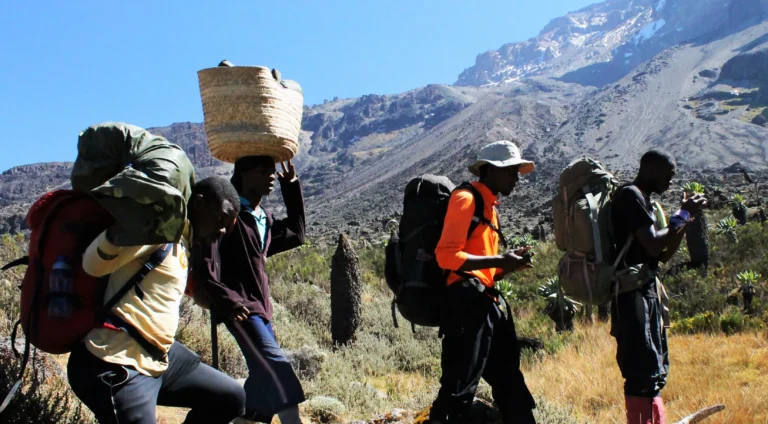
Kilimanjaro Tree-Planting Climbing Package Guide
Combine your dream Kilimanjaro climb with a meaningful conservation effort. Our Kilimanjaro Tree-Planting Climbing Package allows you to ascend Africa's highest peak while actively...
View package details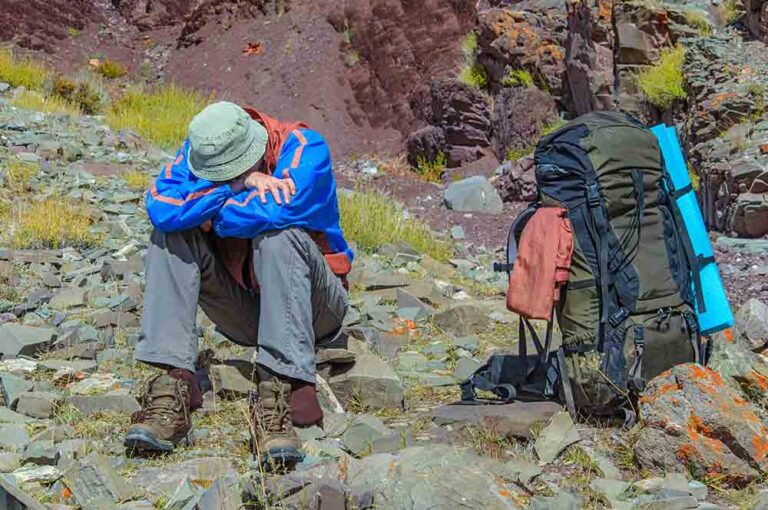
What Happens If It Rains Throughout Your Kilimanjaro Climb? 2026-2027
What Happens If It Rains throughout Your Kilimanjaro Climb? is explained with current 2026-2027 planning, price, itinerary and booking information.
View package details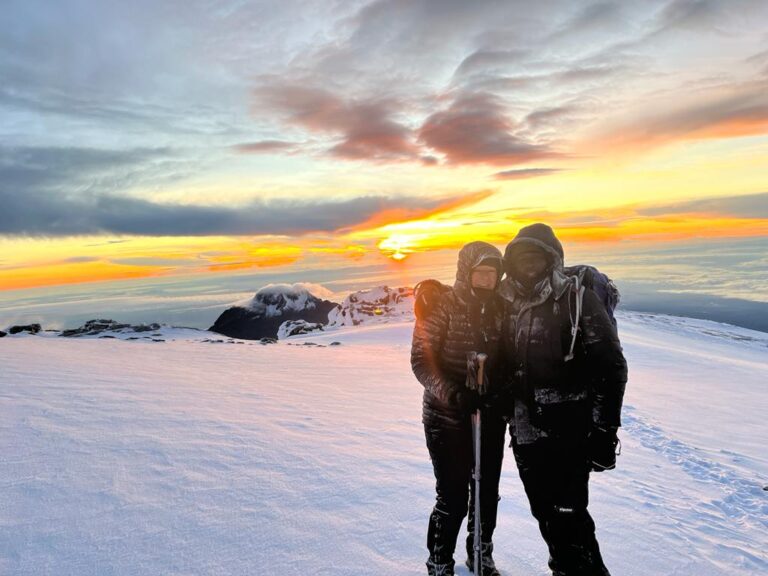
Kilimanjaro Early-Bird Climbing Discounts For Adventures 2026-2027
Plan your 2026-2027 Kilimanjaro climb and take advantage of early-bird discounts. Top Guide Adventures offers savings for those who book in advance, ensuring a memorable and affordable...
View package details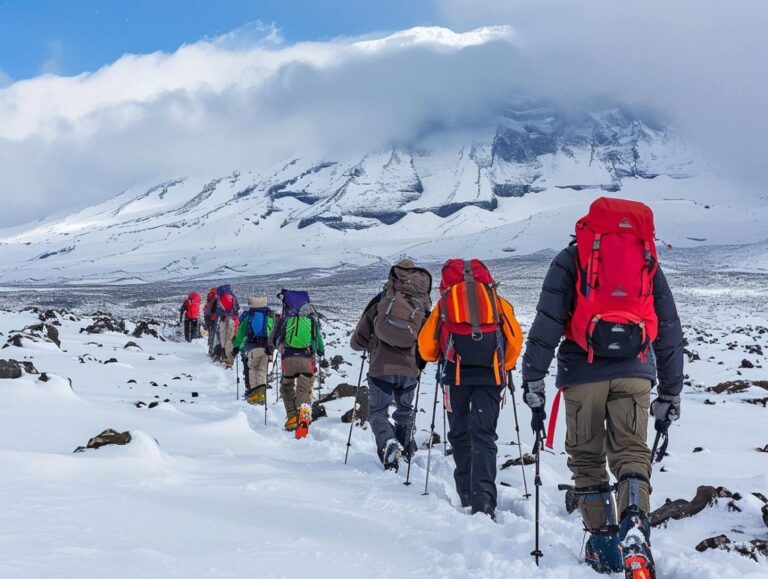
Kilimanjaro Private Climb Price For One Person: Your Guide 2026-2027
Planning a solo ascent of Mount Kilimanjaro? This guide details the Kilimanjaro private climb price for one person, covering cost factors, inclusions, and essential planning for 2026-2027.
View package details
Kilimanjaro Wellness Retreat For Non-Climbers: Rejuvenate Near Africas
Experience the serene beauty and restorative power of Tanzania without the arduous climb. Our Kilimanjaro wellness retreats for non-climbers offer a unique blend of relaxation, cultural...
View package detailsNo related package matches those filters. Clear one or more filters to see the other topic-matched options.



